
HMYOI Parc
Report on an unannounced inspection of HMYOI Parc by HM Chief Inspector of Prisons 9–19 March 2026
Introduction (Back to top)
HMYOI Parc continued to deliver good outcomes for children across all four of our healthy prison tests. Leaders and staff had maintained a calm, purposeful and child-focused environment, making Parc arguably the best YOI in England and Wales.
Leadership at Parc was a strength. Although the population had increased substantially in the previous fourth months, the director and his senior team sustained high standards. They were visible on wings and were committed to driving a cooperative, positive culture to meet children’s needs. Staff morale was high, turnover was low and most frontline staff were experienced and confident in managing behaviour. This stability, alongside clear expectations, provided a strong foundation for the good outcomes we saw.
Arrangements for children arriving in custody were well organised, with most children reporting that they felt safe on their first night. Safeguarding systems were robust and well understood by staff, referrals were made promptly and effective multi‑agency working ensured that concerns were managed appropriately. Although levels of self‑harm had increased since the last inspection, this was largely attributable to the behaviour of a single child and had reduced in recent months. Day‑to‑day care for vulnerable children was responsive; risk management processes were effective and oversight of the use of force was strong.
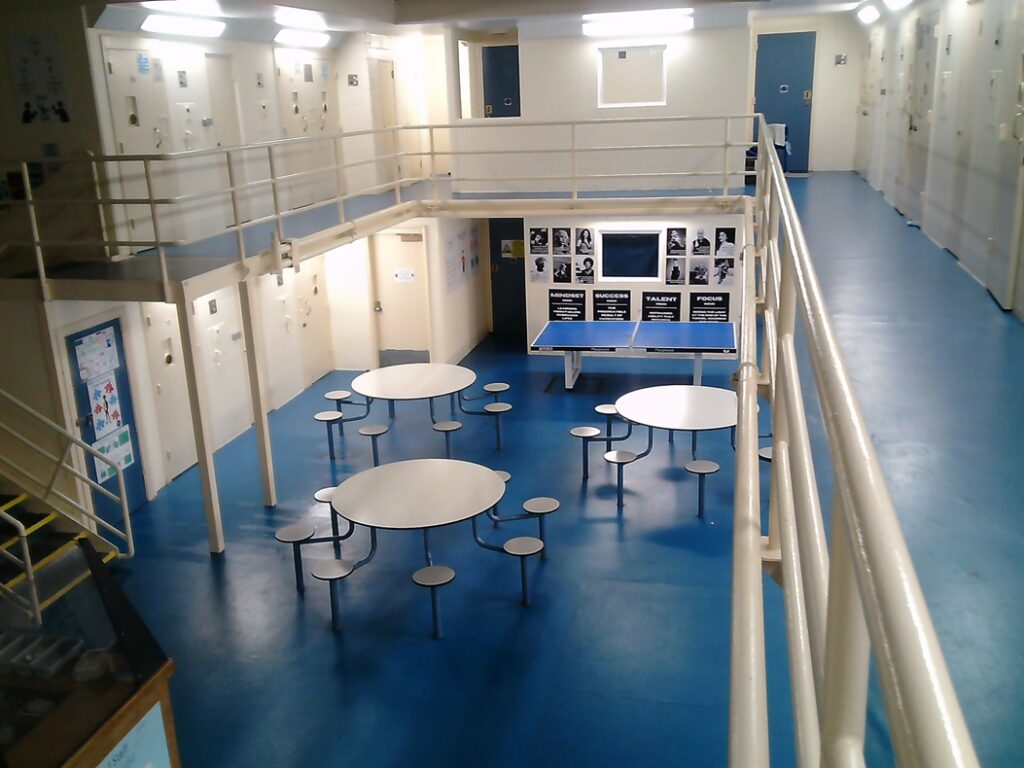
Relationships between staff and children were very good. Behaviour management systems were applied consistently and fairly, with a clear emphasis on encouraging positive behaviour. Living conditions were good, cells were clean and had been refurbished since the previous inspection. Children had access to a range of amenities and were able to maintain family contact through visits, secure video calls and in‑cell technology.
Overall, purposeful activity was a strength. On average, children got just over seven hours out of their cells on weekdays. However, this average masked some very different individual experiences, with children on the platinum regime getting over 11 hours a day unlocked, while separated children got less than two hours. Enrichment opportunities were wide ranging and responsive to children’s interests. Education provision, inspected jointly with Estyn, was good overall. Teachers and children got on well and partnerships with providers had improved since the last inspection. Reading initiatives and physical education also supported children’s personal development.
Outcomes for resettlement were again good. Casework was generally effective and reintegration planning was improving. Health services staff worked compassionately with children, and access to primary care, dental services and mental health support was good, although weaknesses in governance and record keeping need to be addressed to ensure services are consistently safe and effective.
At Parc children were treated with care and dignity, they felt safe and were supported to engage positively with the regime. Leaders and staff should be congratulated for what they are achieving, which is undoubtedly an example to other YOIs.
Charlie Taylor, HM Chief Inspector of Prisons, April 2026
Outcomes for prisoners (Back to top)
We assess outcomes for children against four healthy prison tests: safety, care, purposeful activity, and preparation for release (see More about this report for more information about the tests). We also include a commentary on leadership in the prison (see Section 1).
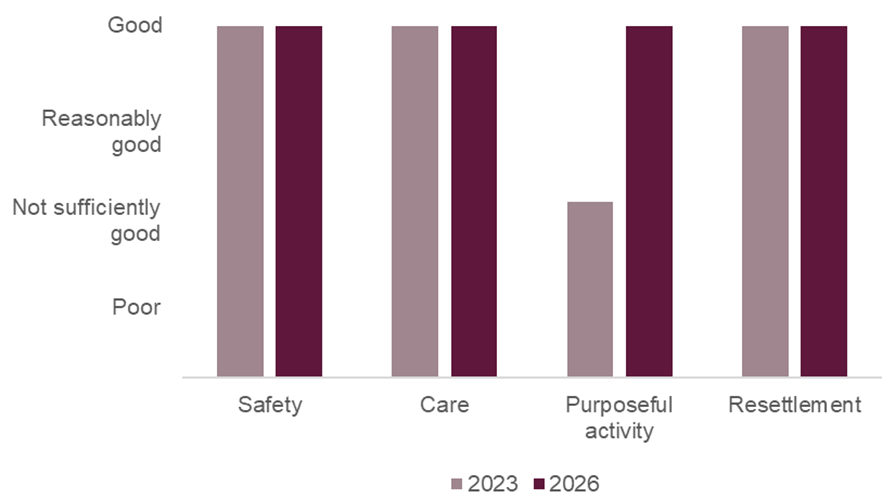
At this inspection of HMYOI Parc, we found that outcomes for prisoners were:
- Good for safety
- Good for care
- Good for purposeful activity
- Good for resettlement
We last inspected HMYOI Parc in 2023. Figure 1 shows how outcomes for prisoners have changed since the last inspection.
Figure 1: HMYOI Parc healthy prison outcomes 2023 and 2026
What needs to improve (Back to top)
During this inspection we identified four priority concerns. Priority concerns are those that are most important to improving outcomes for prisoners. They require immediate attention by leaders and managers.
| Priority concerns | |
| 1. | The delivery of health services for children was undermined by limited levels of incident reporting, inconsistent record keeping and a handover process that was not sufficiently robust. |
| 2. | The vocational offer within the curriculum was not sufficiently broad. |
| 3. | Professional development in education did not focus consistently on developing instructors’ teaching methods for learners with specific learning needs. |
| 4. | Public protection monitoring arrangements were not sufficiently robust. Staff responsible for monitoring had not received training on identifying child-specific safeguarding issues. |
Notable positive practice (Back to top)
We define notable positive practice as evidence of our expectations being met to deliver particularly good outcomes for prisoners, and/or particularly original or creative approaches to problem solving. Inspectors found four examples of notable positive practice during this inspection, which other prisons may be able to learn from or replicate.
| 1. | Rewards schemes for positive engagement and behaviour in both the residential units and education were effective in motivating children. (See Behaviour management and Education, skills and work activities) |
| 2. | Children had received prompt referral to a community orthodontist to receive ongoing care and treatment. (See Dental services and oral health) |
| 3. | Leaders worked effectively with operational staff to develop a reading strategy which supported learners to develop their interest in reading as well as their skill level. (See Education, skills and work activities) |
| 4. | Needs engagement and welfare team caseworkers provided continuity of support by maintaining throughcare contact with some children after release. (See Reintegration planning) |
Unless otherwise specified, these examples are not formally evaluated, are a snapshot in time and may not be suitable for other establishments. They show some of the ways our expectations might be met, but are by no means the only way.
Section 1: Leadership (Back to top)
Leaders provide the direction, encouragement and resources to enable good outcomes for children.
The young offender institution (YOI) was well led. Leaders had established a positive culture and ethos, whereby staff from all disciplines worked together to deliver good outcomes for children. There was a clear vision for the children’s unit and leaders had sufficient autonomy from the adult establishment to focus on the needs of the population.
In our staff survey, 74% of respondents said that their morale was high or very high, and 100% that leaders often or always set high standards for staff. As a result, staff turnover was low and most frontline staff were experienced, confident and effective in managing poor behaviour.
| Data provided by the prison at the time of inspection | |
| Percentage of prison custody officers with less than 2 years’ experience. | 5.8% |
The head of the unit and her senior team were regularly seen on the wings and in the education department. This was particularly the case during periods of movement and at mealtimes, when children were out of their cell.
During the previous four months, the population had increased substantially. It was commendable that high standards had been maintained even in the context of an increasing population.
The senior team had addressed many of the concerns raised at the previous inspection. In particular, better partnership working between the YOI and education and health care providers had led to an improved education curriculum and increased access to secondary mental health services.
Leaders had made sure that information was available in Welsh, as well as identifying Welsh-speaking unit staff for children who would need this service.
Section 2: Safety (Back to top)
Children, particularly the most vulnerable, are held safely.
Early days in custody
Expected outcomes: Children transferring to and from custody are safe and treated decently. On arrival children are safe and treated with respect. Their individual needs are identified and addressed, and they feel supported on their first night. Induction is comprehensive.
The unit had received 73 children in the previous year, but the number of new arrivals varied considerably from month to month. There had also been an increase in late arrivals since the last inspection.
Children were kept separately from adult prisoners and were collected from the admissions area soon after arrival by YOI staff and brought to the unit, where most of the first night in custody process was undertaken swiftly in a private room.
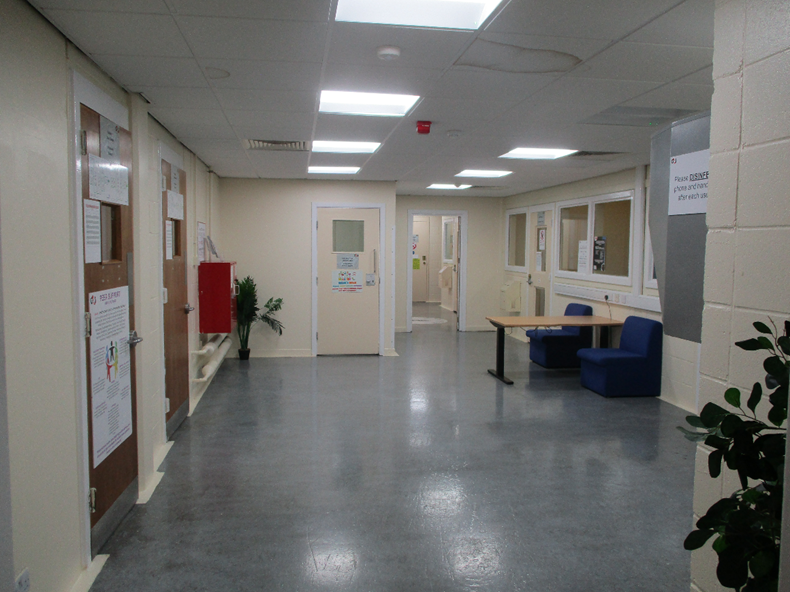
Cells for new arrivals were clean and well equipped. In our survey, 81% of children said that they had felt safe on their first night.
Induction took place during the first three weekdays after the child’s arrival and was supervised by a dedicated officer. In our survey and during the inspection, most children said that induction had covered everything they needed to know about life on the unit.
Safeguarding of children
Expected outcomes: The establishment promotes the welfare of children, particularly those most at risk, and protects them from all kinds of harm and neglect.
Safeguarding arrangements were good, with staff understanding their obligations, including when and how to refer issues of concern to the safeguarding team.
Referrals and concerns were acted on quickly and managers were well supported by on-site social workers when considering how to proceed. There were excellent links to the local multi-agency safeguarding hub and local authority designated officer, and good communication with other relevant safeguarding bodies.
A well-attended weekly safeguarding meeting was an effective forum for tracking the progress of referrals.
Suicide and self-harm prevention
Expected outcomes: The establishment provides a safe and secure environment which reduces the risk of self-harm and suicide. Children at risk of self-harm and suicide are identified at an early stage and given the necessary support. All staff are aware of and alert to vulnerability issues, are appropriately trained and have access to proper equipment and support.
There had been 58 incidents of self-harm in the previous year. This represented an increase of 150% from the time of the previous inspection, but much of this was attributable to the actions of one child, in autumn 2025. Levels of self-harm had been on a downward trajectory in the last four months, and most incidents were low level.
Day-to-day responses to individual needs were good, and in our survey many more respondents than at other YOIs (89% versus 34%) said that their cell bell was normally answered within five minutes.
There was good sharing of information about incidents, and responses were multidisciplinary.
There had been 59 assessment, care in custody and teamwork (ACCT) case management documents opened to support children at risk of suicide or self-harm in the last year. The quality of ACCT casework was good and the children concerned received appropriate support. Those who had been helped through this process reported feeling well cared for.
Security
Expected outcomes: Children are kept safe through attention to physical and procedural matters, including effective security intelligence and positive relationships between staff and children.
Security information was well managed. Most intelligence was responded to swiftly by a dedicated analyst and there were no backlogs.
Weekly and monthly meetings provided early identification of risks specific to the children’s unit, and the formulation of agreed actions to mitigate these. A good relationship with the police further enhanced these processes.
Leaders recognised that improvised weapons and drugs posed the most significant threats to stability and had taken a range of actions to limit ingress. Windows had been replaced to reduce children’s ability to pass or receive illicit items, and letters and parcels were searched effectively.
Since the last inspection, routine cell searching had increased by 869%, resulting in 1,008 cell searches being conducted in the last 12 months. In addition, all requested intelligence-led cell searches were completed in a timely manner. This had led to an increased level of finds.
Mandatory drug testing was well delivered. Over the last 12 months, there had been 44 tests, yielding five positive results, all for cannabis, resulting in a 11.36% positive rate. Those who tested positive were referred to a Dyfodol (see Glossary) early intervention practitioner.
Over the last 12 months, 9 strip-searches had been conducted on children. Although authorised, we were not convinced that all other alternatives had been exhausted before resorting to this measure.
Behaviour management
Expected outcomes: Children live in a safe, well-ordered and motivational environment where their good behaviour is promoted and rewarded. Unacceptable behaviour is dealt with in an objective, fair and consistent manner.
Behaviour management was effective and we saw staff from all disciplines encouraging children who engaged with the regime.
| HMIP prisoner survey | Yes | Compared with similar prisons |
| Do you think the system of rewards or incentives is fair? | 58% | Higher |
We found that staff were consistent in their application of the rewards and sanctions scheme. Leaders continued to review and improve the impact of the scheme and had made several recent changes in response to feedback from children.
We witnessed prison custody officers (PCOs) being effective in addressing negative behaviour through informal challenge, warnings and reducing children’s status on the rewards scheme. If the child’s behaviour improved or they took part in an activity to make amends for their behaviour (for example, cleaning graffiti), a PCO could subsequently reduce the punishment.
Weekly reviews were conducted for all children on the lowest level of the scheme and on loss of association following adjudication. Reviews were well attended and provided objectives to enable the child to progress through the regime levels.
In addition, an award scheme called ‘Parc points’ was delivered by the education staff to encourage and improve attendance and participation during education activities. Since its launch in January 2026, positive results included increased use of the library and better attendance in classes.
The multidisciplinary enhanced support team aimed to sequence supportive interventions to enable children with multiple needs, which often led to ongoing negative behaviour and frequent separation, to re-engage with the daily routine. During the last 12 months, eight children had been successfully supported by this team.
There had been 531 adjudications in the last 12 months. Most were for assaults and endangering health and safety (flooding or climbing onto equipment to cause a disruption to the daily routine). Hearings were conducted promptly, with thorough investigations and appropriate support throughout the process.
Collaborative working with the local police was effective, with 45 incidents referred to the police in the last 12 months.
Bullying and violence reduction
Expected outcomes: Everyone feels safe from bullying and victimisation. Active and fair systems to prevent and respond to bullying behaviour are known to staff, children and visitors.
Levels of violence over the previous 12 months were similar to those in the same period before the last inspection, but lower than in other YOIs. There had been 87 reported assaults in the last 12 months, of which six had needed assessment or treatment in hospital.
Leaders demonstrated a good understanding of the causes of violence and had improved responses to serious violence, including the development of support for victims and the use of challenge, support and intervention plans (see Glossary) to manage identified risks.
Over the last 12 months, there had been 87 conflict resolution referrals, of which 52 had resulted in a positive outcome. ‘Peaceful play’, where children who were in conflict attended recreational activities together while supervised by staff, was well used. Children spoke highly about the opportunities provided to resolve current conflict in a safe and supervised environment.
The use of force
Expected outcomes: Force is used only as a last resort and if applied is used legitimately by trained staff. The use of force is minimised through preventive strategies and alternative approaches which are monitored through robust governance arrangements.
There had been 237 recorded uses of force in the last 12 months, which was similar to the figure at the time of the previous inspection.
In the body-worn camera footage we viewed, use of force had been justified and promptly de-escalated, with good examples of clear and calm guidance from officers in charge.
The oversight of use of force was effective. The minimising and managing physical restraint lead reviewed all incident footage within 24 hours to identify immediate concerns. The use of force committee provided an additional layer of scrutiny, reviewing all incidents weekly, and all incidents were also thoroughly investigated at an interdepartmental monthly monitoring and review group (MARG) meeting. This rigorous oversight made sure that any concerns arising from these incidents were addressed promptly.
Debriefs with children were timely. In our survey, 71% of children who had been restrained confirmed that a member of staff had talked to them about it afterwards.
No pain-inducing techniques had been applied to children since the last inspection. There had been seven incidents resulting in an injury or warning sign, for example, a child reporting not being able to breathe, all of which had been investigated thoroughly.
Separation/removal from normal location
Expected outcomes: Children are only separated from their peers with the proper authorisation, safely, in line with their individual needs, for appropriate reasons and not as a punishment.
In the previous 12 months, 88 children had been separated on 258 occasions, an increase since the last inspection. Some 78% of these children were waiting for their first inquiry into alleged offences but were typically reintegrated within one to two days. The remaining 22% of children were separated to maintain good order or to safeguard children. All separations were appropriately authorised.
Periods of separation were conducted mainly in the child’s cell, allowing continued access to education and enrichment activities. However, they made slower progress in education classes than their non-separated peers. Over the last 12 months, there has been only six uses of the cells in the intensive support unit (a segregation unit located on T6), which was used for complex, challenging and often disruptive children.
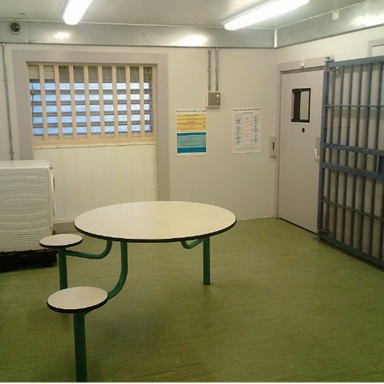
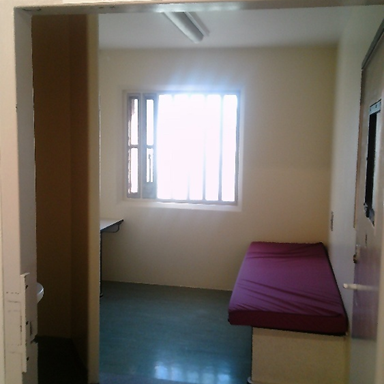
Reintegration planning had improved and was conducted at the start of the separation. Plans addressed the reasons for separation and provided individual goals to encourage behaviour change. As a result, most separation periods were short.
MARG meetings to monitor the use of separation were regular, well attended and made good use of data. Leaders demonstrated good awareness and oversight of cases, and of the risks associated with extended periods of separation.
Record keeping had improved, with good quality assurance.
Section 3: Care (Back to top)
Children are cared for by staff and treated with respect for their human dignity.
Relationships between staff and children
Expected outcomes: Children are treated with care by all staff, and are expected, encouraged and enabled to take responsibility for their own actions and decisions. Staff set clear and fair boundaries. Staff have high expectations of all children and help them to achieve their potential.
We observed good staff-child interaction, which was supported by consistent staffing and facilitated by the amount of time that children spent out of their cells.
Managers were visible and accessible to children and had established a strong and supportive team ethos on the children’s unit. Daily morning meetings underpinned effective information sharing across all functions working with the children, helping to maintain consistency in supporting and managing them.
Children had weekly custody support plan (CuSP) sessions with their allocated CuSP officer, and most of those we spoke to found these helpful, and a useful forum for sharing any issues they had. Records of the sessions demonstrated a good understanding of individual children and their needs, and of the help, praise, encouragement and challenge given to them to enable them to work towards their goals.
Peer worker roles had been introduced to provide support in a range of areas including induction, those affected by conflict, and the promotion of fair treatment. These roles were publicised around the units, and the children concerned were clear about how they supported others.
Daily life
Expected outcomes: Children live in a clean and decent environment and are aware of the rules and routines of the establishment. They are provided with essential basic services, are consulted regularly and can apply for additional services and assistance. The complaints and redress processes are efficient and fair.
Living conditions
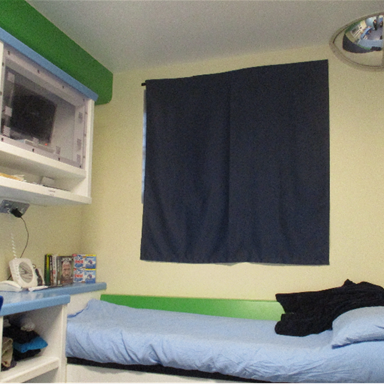
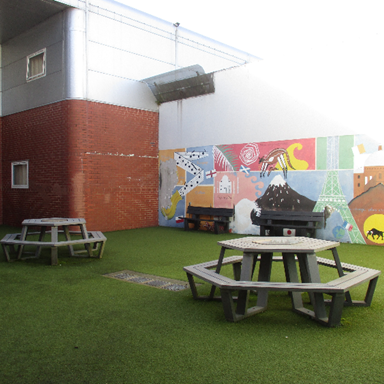
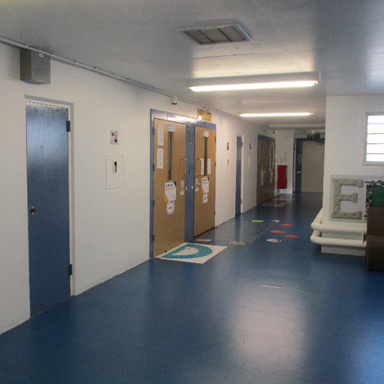
Cells were well equipped and staff encouraged children to keep these and communal areas clean and tidy. Cells had been refurbished since the last inspection and now had integral showers and renovated windows. Cleaning materials were readily available and many children took pride in their cells, with weekly cell competitions encouraging this. Access to laundry facilities and outside exercise yards was also good.
Children were concerned about delays in receiving incoming property. Managers had tried to streamline processes and make sure that children’s property was managed separately to that intended for the adult prison.
Children made good use of their in-cell electronic tablets to book visits, order telephone credit and shop items, and send messages to approved contacts. The tablets also held games, music, exercises, news and sport updates, and reading material. One child we spoke to explained how he and others had learnt to play chess this way and now sometimes played this on the unit.
Residential services
| HMIP prisoner survey | Yes | Compared with similar prisons |
| Is the food here very /quite good? | 60% | Higher |
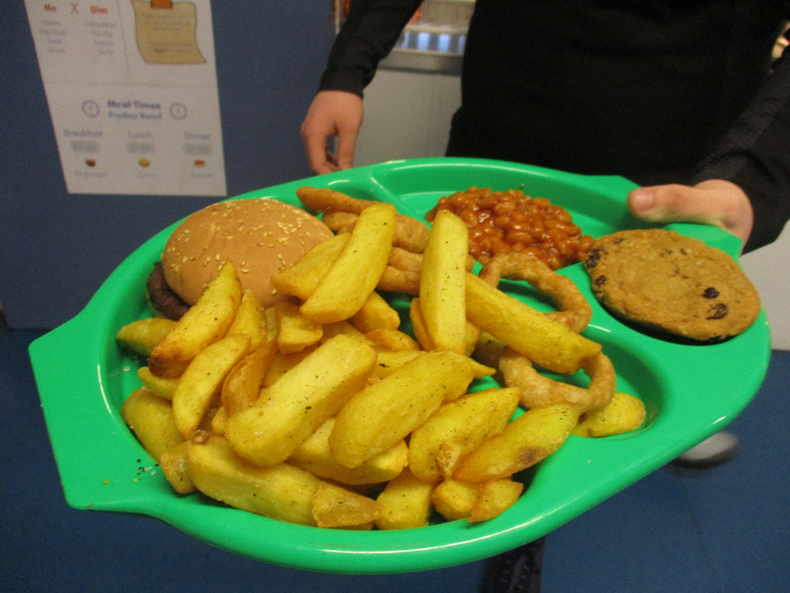
Children ate meals together unless separated for safety reasons or serving a punishment. The four-week menu cycle provided them with a suitable range of diets.
Prisoner consultation, applications and redress
Most applications were informal, made verbally by children to a member of unit staff and resolved quickly.
Forty-four complaints had been made in the previous 12 months. Most had been answered promptly, with clear and polite responses to achieve resolution.
Regular consultation with children took place and managers had recently strengthened the focus of monthly forums by introducing monitoring data for discussion with the child representatives. There was evidence of some changes being made following suggestions from children.
Barnardo’s (a national children’s charity) offered an easily accessed advocacy service that made sure that children were aware of their rights and helped them resolve issues.
Needs, engagement and welfare team (NEWT) caseworkers, unit social workers and Barnardo’s advocates advised children on their legal rights. Legal visits in person or via a video link were available on weekdays. The unit library held no legal texts or Prison Service rules, but these could be provided by a librarian from the main site library, who visited weekly.
Fair treatment and inclusion
Expected outcomes: The establishment demonstrates a clear and coordinated approach to eliminating discrimination, promoting equitable outcomes and fostering good relations, and ensures that no child is unfairly disadvantaged. This is underpinned by effective processes to identify and resolve any inequality. The diverse needs of each child are recognised and addressed.
Resources dedicated to the promotion of equality and diversity had improved; data were now produced and scrutinised. Support for children from different backgrounds was appropriately individualised. Information about each child’s protected characteristics (see Glossary) was held on a ‘strengths and culture’ database, which informed the work undertaken with them. Leaders had recently identified that many of the children had neurodiverse conditions, which were having an impact on their behaviour. As a result, the psychology team had carried out staff training in delivering a CuSP (see Glossary) to such children. Leaders had also made efforts to promote awareness of neurodiversity among the staff group.
There had been 13 discrimination complaints submitted in the last 12 months, which was fewer than at the time of the previous inspection (21). These complaints were properly investigated, often upheld and led to action.
A busy programme of celebratory and awareness events was being undertaken.
3.17 At the time of the inspection, nearly 40% of children came from ethnic minority backgrounds.
There were two foreign national children at the time of the inspection. Barnardo’s workers and a specialist foreign national officer from the main part of the prison supported NEWTs in making sure that the needs of these children were addressed.
Chaplains visited the unit daily to carry out their statutory duties (including checking on separated children and welcoming new arrivals) and engaged with any children who wanted to talk to them. Support for children who were experiencing family ill health or bereavement was available. However, conflict between children meant that many could not attend group worship every week.
Health services
Expected outcomes: Children are cared for by services that assess and meet their health, social care and substance misuse needs and promote continuity of health and social care on release. The standard of health service provided is equivalent to that which children could expect to receive elsewhere in the community.
Strategy, clinical governance and partnerships
Partnership working was well established at every level and local governance meetings had oversight of the children’s service. However, clinical governance was undermined by low levels of incident reporting, inconsistent record keeping, failure to complete CHAT (comprehensive health assessment tool) assessments in a timely manner and inadequate or poor care plans. Internal audits had identified some of these issues, but they had not been addressed.
Children knew the nurses by name, and also their clinical roles. The interactions we saw were kind, caring and respectful of the children’s needs.
Clinical supervision was in place, but there were too few opportunities for reflective practice, which would have been a useful mechanism to address concerns about children.
The medicines administration room contained an examination couch but was not an appropriate space in which to conduct a clinical assessment. For example, the temperature in the room was too high, which could also have affected the efficacy of the medicines held there.
Emergency cover was provided by staff from the adult prison, but the handover process was not robust or well understood, and led to gaps in care.
Staff worked closely with prison colleagues to safeguard children.
Promoting health and well-being
There was a range of material on display throughout the unit to promote health and well-being. It was in child-friendly language and reflected national campaigns.
Children had good access to a range of immunisations, which were well managed and delivered in the small library, minimising the time that they had to take out of education classes.
The uptake of sexual health screening and human papillomavirus (HPV) immunisation rates had improved following education sessions which had used photographs to illustrate the symptoms of sexually transmitted diseases, as well as discussions on safe sex. Children could be referred for further assessment and treatment if needed.
Nicotine replacement therapy was available and supported by psychosocial education about reducing the harm from smoking. Children had the opportunity to explore aspects of health – for example, vaping – through small informal group sessions. These sessions had received positive feedback.
Primary care and inpatient services
A nurse screened all new arrivals using CHAT. However, this took place in a room that was shared with prison staff, which meant that the screening was not private or confidential.
Children received appropriate care, including for long-term conditions. GPs visited the unit regularly to see patients, which reduced the need to transfer children through the adult prison to the main health care unit. However, there was no information displayed to advise children that they had the option of a chaperone or could choose to see a GP of their preferred gender.
Urgent GP appointments were available on the same day and there were short waits for routine appointments.
The nurse reviewed all children who had been restrained or involved in conflict as soon as possible after the incident and again the following day.
All children were referred to the optometry service, with a maximum wait of four weeks. The physiotherapist saw children as needed and routine appointments were offered promptly.
Children had good access to secondary care appointments at the local hospital, although this was rarely needed.
At the time of the inspection, no child was receiving a social care package (see Glossary). Staff understood how to make a referral if necessary.
Mental Health
There was a full-time primary care mental health nurse, who met all the children to conduct a mental health screening, although the neurodiversity CHAT was not always completed. At the time of the inspection, the nurse carried a caseload of seven and conducted some informal small group sessions.
The nurse visited children who were segregated or at risk of self-harm to provide ongoing support and contribute to multidisciplinary care planning.
Joint working with substance misuse services for children with a dual diagnosis of mental health and substance misuse needs was available.
Since the last inspection, no progress had been made in providing associated therapies to meet all the needs of the children, which was a missed opportunity for early intervention.
There was a weekly visiting children’s psychiatrist and specialist children’s mental health nurse, who provided assessments and conducted regular reviews. During the inspection, it was clear that the children valued the psychiatrist and engaged spontaneously in conversation with him on a range of issues.
Neurodiversity assessments, diagnostics and prescribing were available. The psychiatrist undertook all the prescribing directly and children who were on medication received regular physical health monitoring, in line with national guidance. Care and risk assessment plans were included in the clinical records and enabled continuity of care and good communication between teams.
It was notable that a child who was seriously mentally ill had been transferred to a secure mental health hospital well within the expected timeframe. Providers had worked well together to make sure that the necessary assessments were completed swiftly, and liaison with family and the community child and adolescent mental health services team had been effective, and a hospital bed secured. This had improved the child’s access to an appropriate level of assessment, care and treatment. Prison staff and the mental health nurse had accompanied the child to hospital to complete the handover.
Substance misuse
Children received a good substance misuse service, which focused on psychosocial interventions and harm minimisation.
Nurses used the substance misuse withdrawal scales (see Glossary) to assess children arriving from court, but were not specifically trained to assess children’s substance misuse needs. No children had needed opiate substitution therapy for acute withdrawal, but GPs could prescribe this if required.
An experienced recovery worker saw all new arrivals and provided individual harm reduction advice. Interventions were child focused and wide ranging.
The records we reviewed showed that a high level of child-focused assessment, care planning and planned interventions had been undertaken. Care plans and case records were held separately, and not in the clinical records. However, clinicians were told when a child was engaged with the service.
There were no dedicated rooms for staff to see the children, which limited effectiveness as the spaces used were not always appropriate for meaningful, safe discussions. Limited feedback from children using the service had been obtained, and work was in progress to improve the use of this to inform service development.
Pre-release planning was good and included liaison with community services, which involved the child at an early stage.
Medicines optimisation and pharmacy services
The service for children was managed by a principal pharmacist, and oversight had improved. Medicines management meetings explicitly identified the needs of children and monitored prescribing audits. An audit into the use of melatonin (a sleeping tablet used in children) had been conducted and the outcomes shared with prison colleagues, which was good practice.
Children who arrived with medication had this reviewed by the pharmacy, with further information obtained from the community GP. However, children needing new medication were seen promptly by the GP.
All children needing medication received this from the nurse in the morning, before going to education classes. Any subsequent doses were delivered at 11.45am and 5pm. Medicines administration took place at a hatch that opened on to the main corridor and was not confidential. However, there was good supervision of the children there.
At the time of the inspection, one child had his medication in possession, and his risk assessment was up to date. Risk assessments for children receiving medicines in possession were undertaken as needed and then reviewed.
Out-of-hours prescribed medicines could be acquired through the on-site pharmacy if needed.
Dental services and oral health
All children were referred to the dentist on arrival. There were ring-fenced slots for the children, who saw the dentist in the adult prison, and there was no waiting list for routine appointments. Children who needed treatment had scheduled appointments and waiting times were short.
Dental hygiene advice and oral health promotion were offered at every contact. Children who experienced dental pain were provided with over-the-counter analgesia and were seen in an emergency appointment to minimise delays.
It was notable that five children who had started orthodontic treatment in the community had been referred to the local orthodontist to ensure continuity of care.
Section 4: Purposeful activity (Back to top)
Children are able, and expected, to engage in activity that is likely to benefit them.
Time out of cell
Expected outcomes: Children spend most of their time out of their cell, engaged in activities such as education, leisure and cultural pursuits, seven days a week.
| HMIP prisoner survey | Yes | Compared with similar prisons |
| Do you usually spend more than 2 hours out of your cell or room on Saturdays and Sundays? | 87% | Higher |
Records showed that the average time out of cell (see Glossary) on weekdays was just over seven hours, and at weekends just under six hours. One child told us that the bronze regime at Parc was better than the gold regime at his previous YOI.
However, these averages masked some very different individual experiences, which ranged from over 11 hours a day on the platinum regime to less than two hours while separated.
Through careful planning, leaders maximised the use of the limited space available to best mitigate the negative impact keeping children in conflict apart had on their access to the regime. This meant that nearly all children at Parc experienced more meaningful activity and interaction than their peers in other YOIs.
Most children exceeded the weekly target of 12 hours’ enrichment activity. The enrichment team rightly paid close attention to those who were separated from their peers, to make sure that they were getting adequate leisure activity.
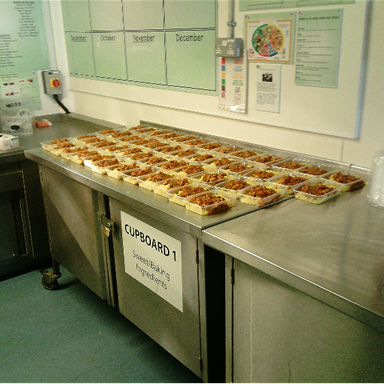
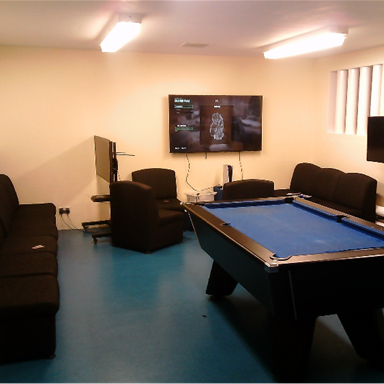
New types of activity were continually sourced and leaders were responsive to children’s requests. Recent additions included using a simulator to achieve a forklift truck qualification, and a railway maintenance course. Cooking for a local charity remained an integral part of the work towards a Duke of Edinburgh award. Children spoke positively about on-unit activities such as table tennis, pool, darts and games consoles, and there were regular visits from therapy dogs.
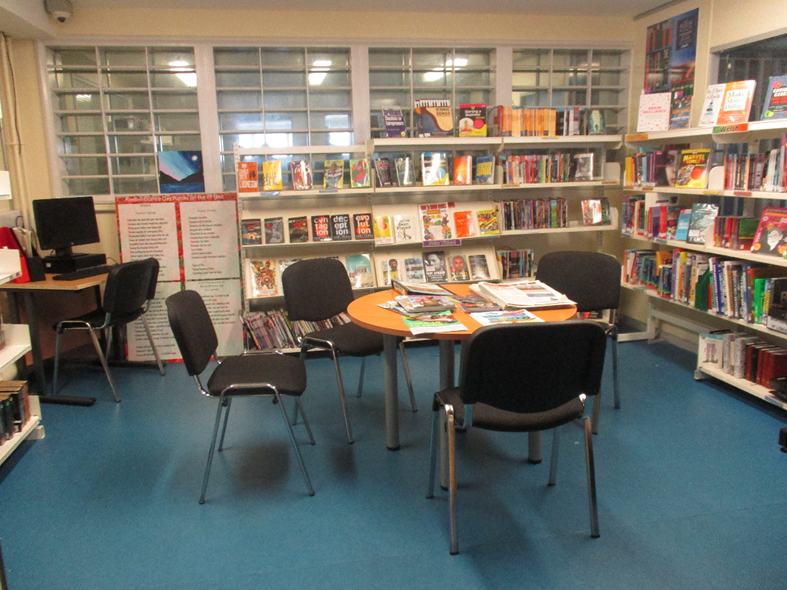
Most children had at least weekly access to the library, and initiatives such as book cabinets on the residential units and weekly input from the prison’s reader in residence supported literacy. A librarian from the main prison was in the unit library weekly and could help children source items that were not available there. Main site reading promotions, such as an upcoming ‘book bingo’, were also available for children to participate in.
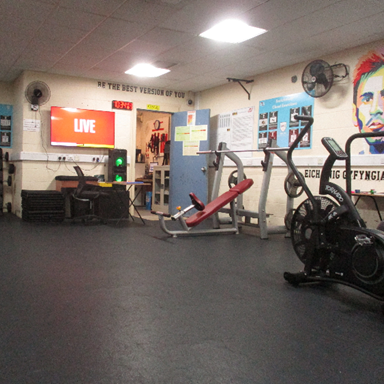
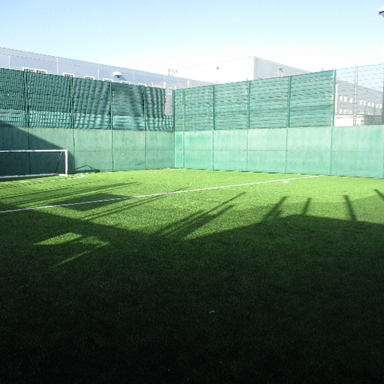
The gym and artificial grass pitch remained popular and well-used resources for timetabled education classes, in which children worked towards sports qualifications, and for recreational PE. This was reflected in our survey, with 84% (compared with 43% at other YOIs) saying that they could go to the gym or play sports more than once a week. Much-needed repairs to gym equipment took place at the start of the inspection.
Education, skills and work activities

Expected outcomes: All children are expected and enabled to engage in education, skills or work activities that promote personal development and employability. There are sufficient, suitable education, skills and work places to meet the needs of the population and provision is of a good standard.
Estyn inspects the provision of education, skills and work in custodial establishments in Wales. The following summary has been provided by Estyn inspectors who attended this inspection. See Further resources for the full report.
Estyn assessed learning and skills and work provision at Parc as good.
Leaders had worked purposefully to strengthen the quality of provision and improve outcomes for learners since the last core inspection.
Collaboration between Novus Gower and G4S had improved, and relationships with operational and health care staff were more effective. These partnerships supported the day-to-day running of the provision well.
Leaders had also invested in professional learning, including a beneficial induction programme for new staff, which drew effectively on expertise across partners. These improvements, alongside stronger self-evaluation and planning processes, had contributed positively to the quality of teaching and learner outcomes.
Leaders had established a clearer vision for the curriculum and overall provision, and in many cases this was understood by staff.
Leaders showed appropriate flexibility to meet the full range of learners’ needs – for example, drawing on expertise and support from the adult men’s prison to support learners working towards A levels or with English as a second language.
Leaders had introduced initiatives to support learners’ wider development, including a reading strategy. This was developed in collaboration with operational staff, the prison librarian and the reader in residence. This was beginning to improve engagement in reading.
In their lessons, many learners made sound progress and developed skills and subject knowledge well. Learners who were separated made slower progress than their peers. These learners received fewer contact hours.
There was only one vocationally focused programme currently available (in railway maintenance), which was insufficient. The majority of learners on this course engaged well with practical tasks, used tools and developed vocationally relevant skills and knowledge.
Staff developed highly effective and productive working relationships with learners, which supported a positive learning environment. Staff had established an effective behaviour management system, which had led to improved positive behaviour and increased engagement in learning.
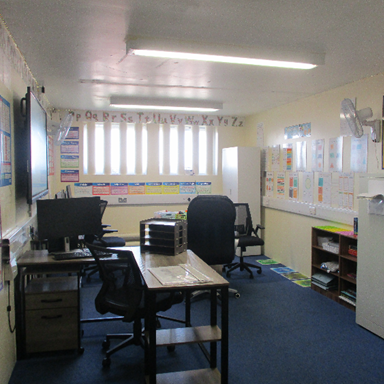
In lessons, there were positive relationships between learners and staff. There was a close working relationship between operational staff and teachers who supported with emotional regulation. Targeted education interventions supported learners to make progress in key areas.
Teachers set appropriate expectations for learners’ achievement. They were good behaviour and language models for learners. Most teachers planned their sessions well and included a diversity of tasks, resources and activities which helped keep learners engaged and motivated. However, in a few lessons teaching was less effective.
The timetable offered learners 25 hours of planned education time per week. This was well structured and allowed for short breaks between sessions, where learners could socialise or relax, and this contributed to their generally good levels of concentration in class.
There was worthwhile provision that allowed learners to use the Welsh language and learn more about the culture, history and heritage of Wales.
Section 5: Resettlement (Back to top)
Children are effectively helped to prepare for their release back into the community and to reduce the likelihood of reoffending.
Children and families and contact with the outside world
Expected outcomes: Managers support children in establishing and maintaining contact with families, including corporate parents, and other sources of support in the community. Community partners drive training and remand planning and families are involved in all major decisions about detained children.
The provision for children and families was good and all family work continued to be based on the individual needs of children. Visit times were convenient and sensitivity was applied to families travelling long distances, to make best use of the visits allocation. Visits areas were worn and in need of redecoration.
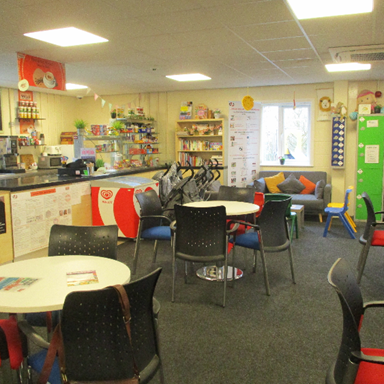
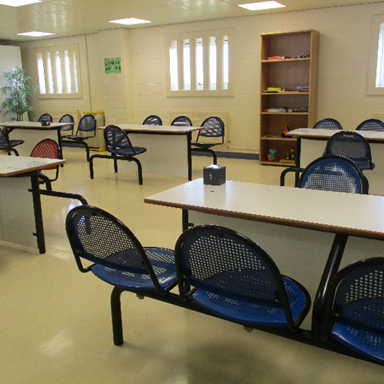
There was a full-time family support worker, and in our survey 86% of children said that they had been helped to keep in contact with friends and family.
Over the last 12 months, there had been six family visits and four special visits to support families with additional needs. Families were involved in review meetings and were encouraged and supported to do so. When celebratory events took place, families were invited to attend.
| HMIP prisoner survey | Yes | Compared with similar prisons |
| Do you get secure video calls from family or friends? | 55% | Higher |
Secure video calls (see Glossary) were managed well. The newly introduced in-cell tablets also enabled children to maintain contact with families and friends.
Pre-release and resettlement
Expected outcomes: Planning for a child’s release or transfer starts on their arrival at the establishment. Resettlement underpins the work of the whole establishment, supported by strategic partnerships in the community and informed by assessment of a child’s risk and need. Ongoing planning ensures a seamless transition into the community.
Leaders and NEWTs had a good understanding of the needs of children and worked hard to meet them. The caseworkers met children during their induction to start sentence or remand planning, and contact was good throughout their time at the establishment. While not every contact was recorded, the main points and important information were. Sentence plans were not always explicit about risk, but caseworkers were aware of the risks that children posed and sequenced interventions well.
Transitions to adult prisons were reasonably good, provided that placements were secured in good time. NEWTs prepared children well for their move to the adult estate and often maintained contact after they had been transferred. Despite a national system for agreeing transfers, some adult prisons continued to reject requests creating delays and frustrations for the children concerned.
At the time of the inspection, release on temporary licence (ROTL) was not taking place and only four events had been authorised in the last 12 months. This was a missed opportunity to support education or family ties for children who met the criteria.
Four children had been considered for home detention curfew in the last 12 months, and the system was managed well.
Public protection
There were some weaknesses in the monitoring of phone calls and messages made by children who may pose a risk of harm to the public. Staff who monitored phone calls spent most of their time listening to calls made by adult prisoners and were unfamiliar with the language used by children, this hindered their ability to identify concerns. There were also delays in the monitoring of messages sent through in cell tablets.
Multi-agency public protection arrangements (MAPPA; see Glossary) levels were not always confirmed on time and there was no formal escalation process. Some MAPPA contributions were too long and repetitive, but the better ones showed good analysis and provided useful context of personal circumstances related to risks.
Looked after children
| HMIP prisoner survey | Yes | Compared with similar prisons |
| Have you ever been in local authority care? | 91% | Higher |
Social work provision and partnership engagement had strengthened, with improved visibility of social workers on the units and oversight maintained through weekly safeguarding meetings. Social workers advocated for children by challenging inconsistent local authority practice, clarifying custodial expectations and making sure that children received appropriate financial support and social care involvement.
Reintegration planning
Expected outcomes: Children’s resettlement needs are addressed prior to release. An effective multi-agency response is used to meet the specific needs of each individual child to maximise the likelihood of successful reintegration into the community.
In the last 12 months, there had been 27 planned releases, of which 17 were released to the family home, eight were released to supported accommodation with the local authority and two were left without sustainable accommodation (they went to an approved premises and temporary housing), both of whom were 18 years of age.
NEWTs provided continuity of support by maintaining throughcare contact with some children after release which was tailored to the needs of the child.
Although most of these children had had some form of planned education or employment on release, progress was undermined by late confirmation of accommodation. Eight of the 10 children who had left without a plan for education had no confirmed address a week before release, preventing staff from identifying suitable options.
Interventions
Expected outcomes: Children can access interventions designed to promote successful rehabilitation.
Accredited interventions (‘enhanced thinking skills–juvenile enhanced thinking skills’ (ETS-JETS), ‘Feeling it’, ‘A–Z’ and ‘Life minus violence’; see Glossary) continued to be delivered and there had been 21 completions in the last 12 months. However, the number of interventions that could be delivered was restricted because of conflict, room availability and shortfalls in facilitators.
Health, social care and substance misuse
Release planning, which included mental health and psychosocial services, was well established. Every child was seen by the primary care nurse before release and given any necessary medications to take home, as well as a GP summary of care.
Section 6: About HMYOI Parc (Back to top)
Please note, much of the following information was supplied by the YOI at the time of the inspection.
Category of the prison
HMYOI Parc is a young offender institution (YOI) for young people aged between 15 and 18, located in the much larger Parc prison near Bridgend in South Wales. Operated by the private contractor G4S, it can hold up to 46 young people on two separate units.
Brief history
The children’s unit in HMP & YOI Parc opened in March 2002 as a 28-cell facility for remanded children aged 15 to 18. In October 2004, it expanded to house 36 children aged 15 to18, both remand and sentenced, with a further expansion in February 2007 to 64 children. This was then reduced in December 2022 to hold 46 children. Initially, the unit housed Welsh children, but since March 2013 the court catchment area has also covered South West England.
Population
- The average population in the year to date was 29.
- A total of 73 new children were received this year (averaging five per month).
- On average, 17% of children were foreign nationals.
- On average, 48% of children were from ethnic minority backgrounds.
- On average, 31% of young children were from out of the catchment area.
Short description of residential units
The children’s unit at HMP & YOI Parc consists of two small residential living units and an individualised support unit, providing 46 beds for sentenced and remand children between 15 and 18 years old. The YOI is a separate facility inside the main HMP Parc, and all units and facilities are separated and for use only by children.
E1: holds 22 children
G1: holds 24 children
Individualised support unit: holds two children, when in use.
Prison status (public/private)
Private: G4S
Key providers
- Physical health provider: Cwm Taf Morgannwg University Health Board
- Mental health provider: Cwm Taf Morgannwg University Health Board
- Substance misuse treatment provider: Dyfodol
- Dental health provider: Time for Teeth
- Learning and Skills Provider: Novus Gower
- Escort contractor: GeoAmey
Name of governor/director and date in post
Will Styles, June 2024
Changes of governor/director since the last inspection
Heather Whitehead, August 2023 – June 2024
Date of last inspection
9–19 October 2023
Progress on concerns from the last inspection (Back to top)
At our last inspection in 2023 we raised eleven key concerns, six of which were about areas of priority concern.
At this inspection we found the following progress:
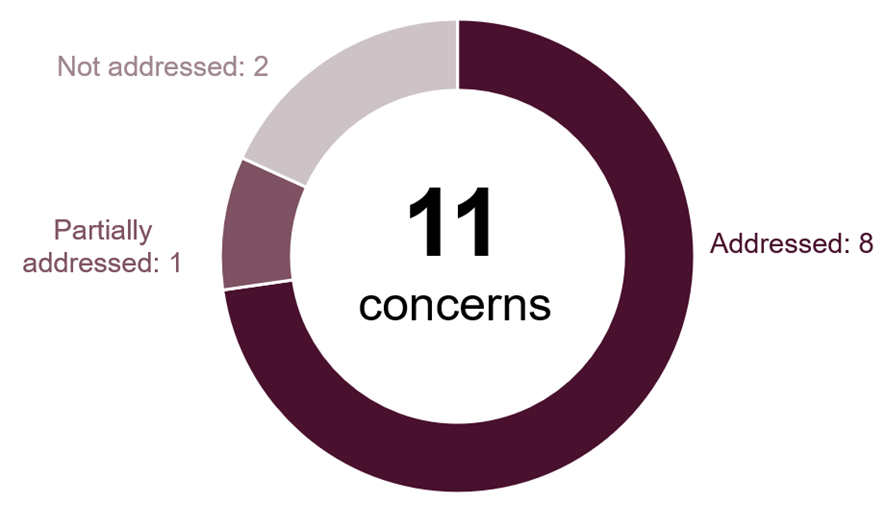
The following is a list of all the concerns raised, organised under the four tests of a healthy prison.
Safety
Priority concerns
Some children were separated for too long and their routines were subject to excessive restrictions. The number of children segregated under YOI rule 49 (see Glossary) had increased and their oversight had deteriorated.
Achieved
Care
Priority concerns
The promotion of equality had not been prioritised and was undermined by the absence of consistent staffing to coordinate and drive the work. This hindered leaders’ understanding of the perceptions of children in this area.
Achieved
Key concerns
Oversight of health care was inadequate and did not provide sufficient scrutiny of the service to make sure it was safe and effective for all children.
Not achieved
Children did not have all their health needs assessed and did not have sufficient access to an appropriate range of therapeutic interventions, including speech and language therapy.
Not achieved
Children’s clinical records were poor and did not provide an accurate or comprehensive account of assessment, care and treatment.
Achieved
Purposeful activity
Priority concerns
There were inconsistencies in the deployment of education staff, and shortcomings in the quality of teaching and assessment. There was insufficient oversight of learners’ development; many were disengaged and made slow progress towards accreditations, and attainment in a few subjects was low. Achieved
Partnership arrangements and key stakeholders had been slow to support the successful transition of education providers. Partnership arrangements to support improvements in the quality of education provision or to enhance the curriculum were only recently or not yet in place.
Achieved
There was no reading strategy. The library did not work with education to promote literacy and children who did want to read could not search for and get a book of their choice.
Achieved
Key concerns
The education curriculum did not consider labour market or learners’ needs well enough. It was not sufficiently vocationally focused, and the education department had too little involvement in the development of education pathways for children.
Partially achieved
Self-evaluation of learning and skills, including the use of data, was not good enough to identify areas for improvement.
Achieved
Resettlement
Priority concerns
Some ROTL risk assessments and MAPPA information sharing reports were poor.
Achieved
More about this report (Back to top)
This report outlines the priority and key concerns from the inspection and our judgements against the four healthy prison tests. Each of the following four sections contains a detailed account of our findings against our Expectations for men’s prisons.
Find out more about our Expectations and how we inspect
Find out more about priority and key concerns
Find out about notable positive practice
Findings from the survey of prisoners and a detailed description of the survey methodology are published alongside this report. Please note that we only refer to comparisons with other comparable establishments or previous inspections when these are statistically significant. The significance level is set at 0.01, which means that there is only a 1% chance that the difference in results is due to chance.
The tables in this report which provide data from HMI Prisons prisoner surveys also include comparisons with similar prisons.
| Description | What it means |
| Lower | the prison’s percentage is statistically significantly lower than the comparator: prisons with the same function type, or at the last inspection |
| Higher | the prison’s percentage is statistically significantly higher than the comparator: prisons with the same function type, or at the last inspection |
| No difference | the prison’s percentage is not statistically significantly different to the comparator: prisons with the same function type, or at the last inspection |
Inspection team
This inspection was carried out by:
| Martin Lomas Angus Jones John Wharton Angela Johnson Christopher Rush Esra Sari Dionne Walker Helen Ranns Alicia Grassom Phoebe Dobson Samantha Rasor Jasjeet Sohal Sarah Goodwin Rachel Hackling Steve Bell Baljit Gandhi | Deputy Chief Inspector Team leader Inspector Inspector Inspector Inspector Inspector Researcher Researcher Researcher Researcher Researcher Lead health and social care inspector Estyn lead inspector Estyn inspector Estyn inspector |
Find out more about the terms and abbreviations used in this report in our glossary.
Easy read summary and press notice (Back to top)
Survey materials and Estyn full report (Back to top)
The following files may not be suitable for users of assistive technology.
Request an accessible format
If you use assistive technology (such as a screen reader) and need a version of any of these documents in a more accessible format, please email media@hmiprisons.gov.uk. Please tell us what format you need. It will help us if you say what assistive technology you use.