
HMP & YOI Portland
Report on an unannounced inspection of HMP & YOI Portland by HM Chief Inspector of Prisons 13–29 January 2026

Introduction (Back to top)
This unannounced inspection of HMP and YOI Portland took place at a time when the prison was experiencing a period of change. Much of the senior leadership team had transformed since our last full inspection in 2022, but the governor, now two years into post, had used this opportunity to reset expectations and stabilise a prison that had struggled with several long‑standing challenges. We found clear signs of renewed purpose at Portland. Staff spoke positively about the direction in which the prison was heading, frontline officers appeared confident and motivated, and the governor’s emphasis on activity, safety, relationships and security had been well understood across the establishment. In our staff survey, an impressive 91% of respondents said they supported his priorities.
Despite this, the prison continued to face significant challenges with drugs, self‑harm, and the preparation of prisoners for release – issues that had persisted in recent years. The availability and use of illicit substances posed a continuing risk with positive mandatory drug testing rates that remained high, with many prisoners we spoke to describing the scale of supply and indebtedness that shaped everyday life on the wings. Leaders had taken some sensible steps to disrupt this trade, and had acted decisively when concerns, for example, about staff corruption, arose. But their efforts were consistently undermined by the lack of effective gate security and robust searching arrangements.
The rise in self‑harm was similarly troubling, with the rate of incidents now among the highest compared to similar establishments. Leaders could identify broad underlying themes, such as general ‘frustration’ among the population, but they had not yet undertaken the detailed analysis necessary to understand better the likely underlying causes thus limiting their capacity to intervene. While we saw examples of caring, committed practice from individual staff and specialist teams, supportive engagement with those in crisis was still too inconsistent.
Relationships between staff and prisoners were a strength. Prisoners we spoke to were generally positive about the way they were treated, and most felt that staff understood their personal circumstances. However, the delivery of key work was partial, only two‑thirds of prisoners we surveyed knowing who their key worker was, with many also telling us they had received little or no support. This gap had a direct impact on prisoners’ ability to progress, particularly in a training prison where rehabilitative work is expected to play a central role in daily life.
Purposeful activity had improved since our last visit, and the reintroduction of full‑time work meant that most prisoners now spent longer out of their cells. Ofsted judged the education, skills and work provision to be good, a creditable outcome when compared to almost all other closed prisons for men, and we saw a clear commitment to continuous improvement across this area. Nevertheless, time out of cell for those without full‑time activity remained too limited, particularly at weekends.
Preparation for release was a weaker area of performance. Too many prisoners were held far from home, making it difficult to maintain supportive family ties. There were significant gaps in public protection arrangements, and some high‑risk prisoners were being released without sustainable accommodation. While the employment hub provided impressive support for a small number of individuals, the broader reducing reoffending strategy lacked coherence and was hindered by recent instability in leadership.
Overall, this is an encouraging report. Portland is a prison with committed staff and improving leadership, but is hampered by entrenched issues, such as the relative remoteness of the prison and the age of the infrastructure. This report highlights both the progress already made and the essential work that still lies ahead, most notably ensuring outcomes in safety and resettlement improve. We list several priority concerns which we hope will aid that process.
Charlie Taylor, HM Chief Inspector of Prisons, February 2026
Outcomes for prisoners (Back to top)
We assess outcomes for prisoners against four healthy prison tests: safety, respect, purposeful activity, and preparation for release (see More about this report for more information about the tests). We also include a commentary on leadership in the prison (see Section 1).
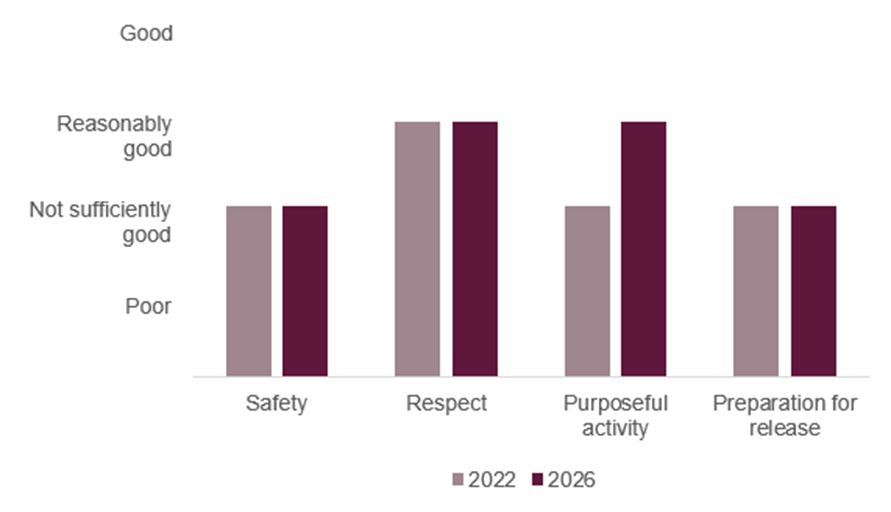
At this inspection of HMP & YOI Portland, we found that outcomes for prisoners were:
- not sufficiently good for safety
- reasonably good for respect
- reasonably good for purposeful activity
- not sufficiently good for preparation for release.
We last inspected HMP & YOI Portland in 2022. Figure 1 shows how outcomes for prisoners have changed since the last inspection.
Figure 1: HMP & YOI Portland healthy prison outcomes 2022 and 2026
What needs to improve (Back to top)
During this inspection we identified nine key concerns, of which five should be treated as priorities. Priority concerns are those that are most important to improving outcomes for prisoners. They require immediate attention by leaders and managers.
| Priority concerns | |
| 1. | The availability and use of illicit drugs posed a serious risk to the stability of the prison. Levels of debt-related violence were too high, and too many prisoners were under the influence of illicit substances, reflected in a positive random mandatory drug testing (see Glossary) rate of 31%. Leaders relied heavily on segregation to disrupt supply and protect prisoners at risk. |
| 2. | Levels of self-harm were too high. Leaders did not have a clear understanding of the causes of self-harm, which undermined their ability to take effective action. |
| 3. | Clinical leadership and safeguarding supervision were not adequate to ensure patient safety. Health leaders had not tackled the low incident reporting and poor record keeping standards or ensured that nurses were suitably skilled to undertake allocated tasks. |
| 4. | Many prisoners were held a long way from home and struggled to maintain contact with their family and friends. The support for prisoners to keep in contact with their community was not sufficient to meet the scale of need. |
| 5. | Some prisoners were not adequately prepared for release. Gaps included inconsistent prison offender manager contact, the absence of release on temporary licence (see Glossary) and some high and very high risk prisoners being released homeless. |
| Key concerns | |
| 6. | Key work was not being offered to prisoners on a regular basis. |
| 7. | There was inadequate provision for prisoners with physical disabilities. |
| 8. | There was a backlog in careers advice and guidance assessments which hindered the allocation of prisoners to education, skills or work. |
| 9. | Leaders did not ensure that all prisoners in industries experienced a structured and developmental programme of work-related learning. |
Notable positive practice (Back to top)
We define notable positive practice as evidence of our expectations being met to deliver particularly good outcomes for prisoners, and/or particularly original or creative approaches to problem solving. Inspectors found two examples of notable positive practice during this inspection, which other prisons may be able to learn from or replicate.
| 1. | The prison’s employment hub was impressive, and the prison employment lead worked very effectively to support prisoners preparing for release. We saw some strong examples of this support successfully transitioning into the community for a small number of prisoners (see Returning to the community). |
| 2. | Senior leaders placed a very high emphasis on continuous improvement using effective quality improvement arrangements in education skills and work. Leaders conducted a thorough evaluation of the strengths and areas for improvement of each aspect of education skills and work every month. These evaluations set the agenda for leaders’ monthly quality improvement group meetings and led to effective specific, measurable and time-bound improvement actions. Leaders charted the progress of each action month-by-month, recording a clear narrative of how well improvement was taking place and detailing any additional actions that were required (see Education, skills and work activities). |
Unless otherwise specified, these examples are not formally evaluated, are a snapshot in time and may not be suitable for other establishments. They show some of the ways our expectations might be met, but are by no means the only way.
Section 1: Leadership (Back to top)
Leaders provide the direction, encouragement and resources to enable good outcomes for prisoners.
Portland was a well led establishment. The governor had been in post for over two years and headed a senior team that had completely changed since our previous inspection, allowing him the opportunity to prioritise culture change at the establishment. Most staff we spoke to were open to new ideas and were keen to make improvements. The governor’s vision, summarised as the three Rs (Right approach for the Right person at the Right time), was intended to help address longstanding and pervasive poor prisoner perceptions linked to the remote location of the prison and the limitations of weak activity provision.
The governor was often seen around the prison, knew frontline staff well and had worked creatively to improve both staff morale and outcomes for prisoners at Portland. This vision was supported by priorities appropriately focused on activity, safety, relationships and security. These had been well communicated to staff and in our staff survey, 91% of respondents supported the governor’s priorities.
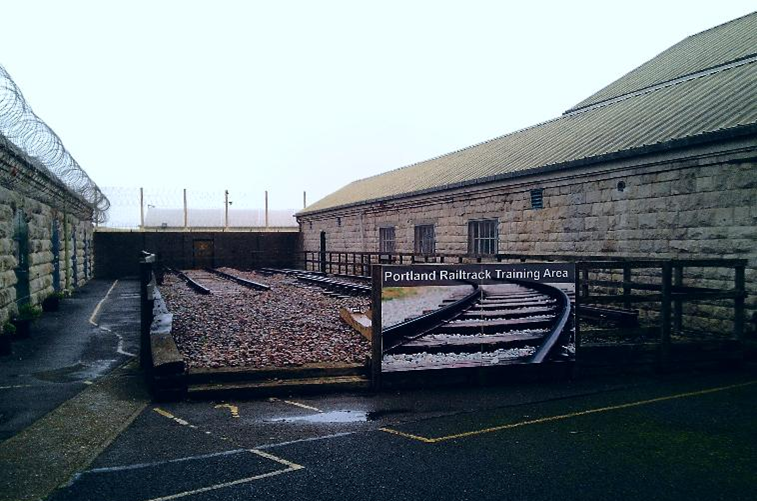
Partnership work between leaders from the prison and the new education provider was good, and there was a particularly effective approach to continuous improvement. This tenacity had been key in overcoming the disruption of newly implemented education contracts, which cut resources and led to staffing shortages during the transition phase to the new provider. Key to mitigating this had been the provision of money by the prison group director, which was used to procure courses in rail track maintenance, and the digger, dumper and roller operation.
Staff attrition was low, but considerable delays in national security vetting was jeopardising the pipeline of potential new starters. Left unresolved this would lead to prison officer shortfalls and the hard won progress being lost.
Leaders were responsive to our emerging findings during the inspection, and where they could, addressed identified weaknesses immediately.
Leaders in the offender management unit (see Glossary) had worked hard to maintain service in the absence of a senior probation officer for much of the previous year.
Leaders in safety had a clear understanding of the role drugs were playing in violence and self-harm. They had taken some sensible action to address these issues, but efforts were undermined by the lack of enhanced gate security and evident problems with staff corruption.
While leaders did collect and review data in strategic meetings, too often there was little evidence of this leading to actions that were regularly reviewed to ensure they were effective and sustained.
Section 2: Safety (Back to top)
Prisoners, particularly the most vulnerable, are held safely.
Early days in custody
Expected outcomes: Prisoners transferring to and from the prison are safe and treated decently. On arrival prisoners are safe and treated with respect. Risks are identified and addressed at reception. Prisoners are supported on their first night. Induction is comprehensive.
New prisoners were well cared for on arrival, through to the induction process. Reception was a welcoming environment and processes were efficient, which meant prisoners only spent a short time there. Safety screening was good, occurring both on the day of arrival and the following day. Interviews were conducted appropriately in private, and we saw staff engaging well with new arrivals to make sure risks were identified.
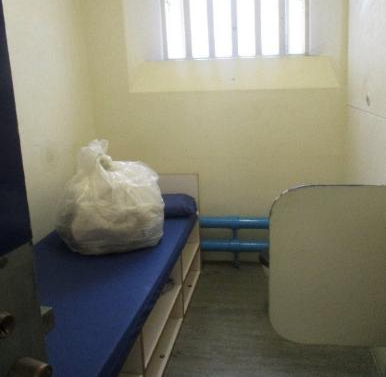
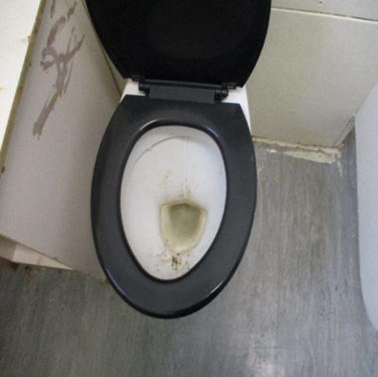
There was a good process for making sure first night cells were well equipped and that prisoners had everything they needed during their first few days. However, some cells were grubby and contained graffiti; this was addressed by managers when it was brought to their attention.
Support from peer workers during early days was good, and in our survey, more prisoners than at other category C prisons said they were offered support from another prisoner on their first night.
Induction arrangements were good, particularly the weekly induction fair where staff from different departments were available to answer any questions prisoners had. In our survey, 71% of prisoners who had received an induction said that it covered everything they needed to know about this prison, which was more than at similar prisons.
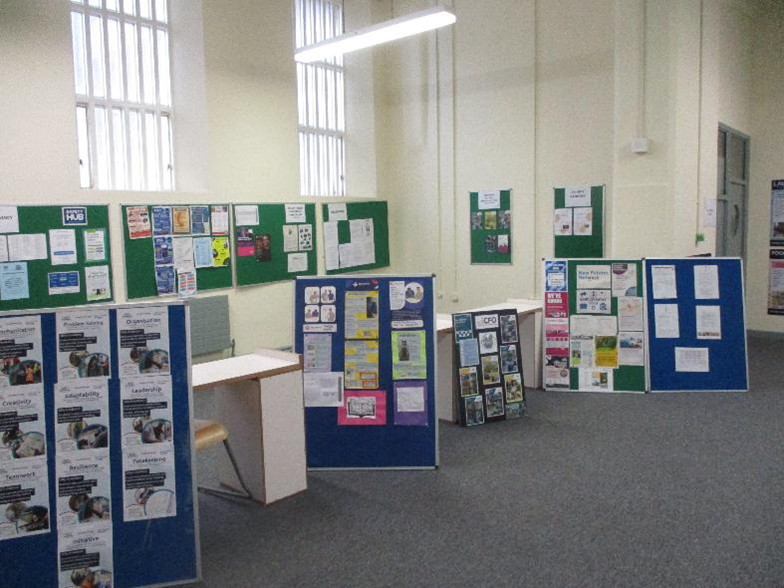
Time out of cell for new prisoners was too limited, at around three hours a day, while they waited to move to another wing.
Promoting positive behaviour
Expected outcomes: Prisoners live in a safe, well ordered and motivational environment where their positive behaviour is promoted and rewarded. Unacceptable conduct is dealt with in an objective, fair, proportionate and consistent manner.
Encouraging positive behaviour
The rate of prisoner on prisoner assaults in the year before the inspection had risen 73% compared to the same period before the previous inspection, the rate of assaults on staff had risen by 124%. The overall rate of violence had not exceeded the average for category C training prisons. The key cause of this increase was the greater availability of drugs leading to associated debt.
| HMIP prisoner survey | Yes | Compared with last inspection |
| In this prison, is it easy/very easy to get illicit drugs? | 50% | Higher |
In our survey, far more prisoners reported that it was easy or very easy to get drugs compared to our previous inspection in 2022 when only 18% reported this.
A number of well attended meetings considered a broad range of data relating to the causes of violence at Portland. However, these forums were insufficiently focused and generated too few targeted actions which substantially limited their effectiveness. Despite this, leaders had implemented some positive initiatives, including ‘peaceful solutions’ which trained peer mentors in conflict resolution, and ‘lifting the lid’ which focused on debt reduction.
Challenge support and intervention plans (CSIPs; see Glossary) were used to manage perpetrators and victims of bullying and violence as well as self-isolators. Frontline staff had a good awareness of who was subject to a CSIP and, alongside other departments, contributed well with observations that identified prisoners’ need. This did not always lead to coherent actions being put in place at weekly reviews with custodial managers. Despite this weakness the use of CSIPs had reduced the number of self-isolating prisoners from 24 in 2025 to 9 during the week of the inspection. This was largely down to the increased levels of contact self-isolators now had with staff, which helped them resolve some of the issues that had led to their self-imposed isolation.
Time out of cell for this small number of self-isolating prisoners remained poor. They had access to showers and phones but were not offered exercise.
The incentives scheme was undermined by an inability consistently to deliver entitlements to all enhanced and super enhanced prisoners. Very few respondents to our survey reported being aware of rewards that would motivate them to behave well. The enhanced unit and incentivised substance-free living unit (ISFL; see Glossary) on Beaufort offered some attractive incentives, including access to a kitchen so prisoners could cook for themselves, and an improved selection of fresh produce through the canteen. However, most cells on the unit were doubles, and many prisoners chose not to live there because they preferred the privacy of a single cell.
While living units were largely ordered and well controlled, low level poor behaviour, such as vaping on the landings or playing loud music, often went unchallenged by staff.
In adjudication samples we viewed, levels of inquiry by adjudicators were reasonable and the punishments awarded were proportionate.
Too many charges that were serious enough to warrant police action were outstanding. A total of 188 had been referred over the past 12 months, and of these, 55 were deemed serious enough for investigation. All 55 were outstanding at the time of our inspection, with some dating back nearly 12 months. This meant that prisoners who committed the most serious offences were likely to receive no sanction.
Use of force
| Data provided by the prison | |
| Rate of use of force per 1000 prisoners over the 12 months prior to the inspection. | 1,139 |
The rate of use of force had doubled (from 569 per 1000 prisons in the 12 months before the previous inspection) and was now higher than most other category C prisons. High level interventions such as PAVA (see Glossary) had also increased.
The use of body-worn video cameras had improved, and now over 75% of all incidents had camera footage available. Most that we saw captured the start of the incident which allowed leaders to make sure that force was justified and necessary. The governor had also improved oversight; all incidents were viewed, and a weekly learning meeting with the purpose of sharing good practice and challenging anything of concern.
While there was good evidence of leaders taking action where staff had used disproportionate force, we identified several learning points, such as swearing by staff and the inappropriate drawing of PAVA, which were not identified by these forums.
Unfurnished accommodation (see Glossary) had been used three times in the previous 12 months. Each instance was authorised and the reasons for use appropriate.
Segregation
The segregation unit was busy, but oversight was good and each instance of segregation was appropriately authorised.
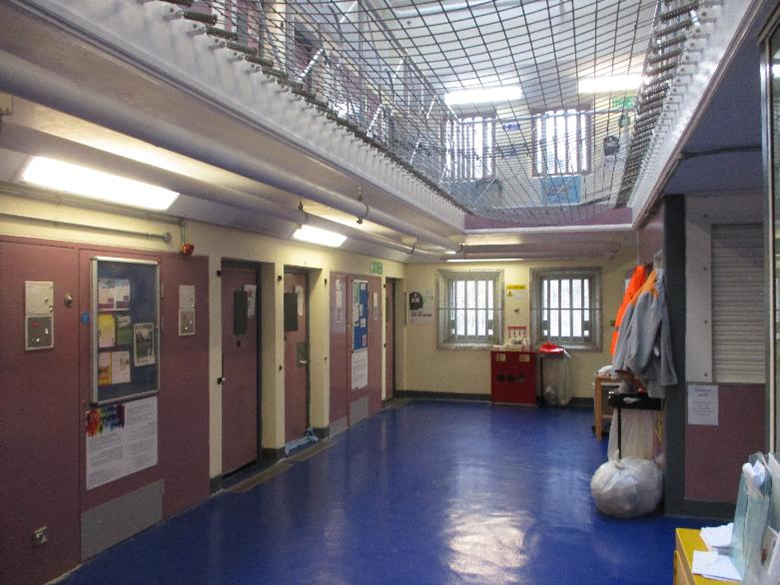
Average stays were short at 5.8 days, and just one prisoner had spent more than 42 days segregated. Reintegration planning was good, and most prisoners had a plan to move back to normal location at Portland. However, for those segregated to disrupt drug supply, leaders had few options other than to transfer them.
The unit was clean but worn in appearance. There was little graffiti, but only one cell had a working phone port which every prisoner had to share, and several cells had leaky taps and sinks.
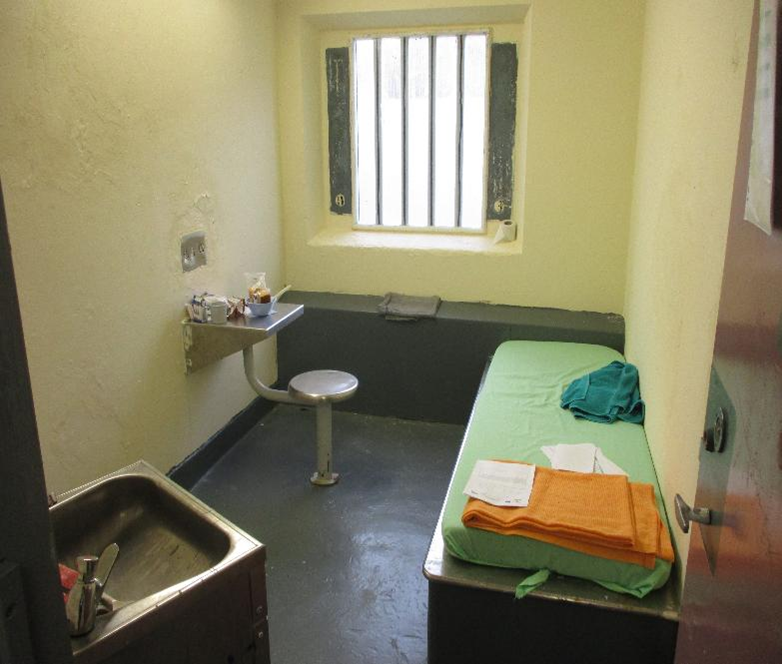
Time out of cell was limited. Most prisoners we saw had little to occupy them and many were not given a radio. A small number of prisoners through the year had been allowed access to the gym, or were allowed to continue programmes they had begun.
Security
Expected outcomes: Security and good order are maintained through an attention to physical and procedural matters, including effective security intelligence and positive staff-prisoner relationships. Prisoners are safe from exposure to substance misuse and effective drug supply reduction measures are in place.
The supply of illicit substances continued to be a major concern.
| Data provided by the prison | |
| Percentage of positive results of all mandatory random drug testing in the 12 months prior to the inspection. | 32% |
| Average number of prisoners found under the influence of illicit substances per month in the 6 months prior to the inspection. | 119 |
| HMIP prisoner survey | Yes | Compared with similar prisons |
| Do you have a drug or alcohol problem? | 35% | Higher |
The number of prisoners who said they had either a drug or alcohol problem was higher than at similar prisons. Leaders were well sighted on the routes of ingress for drugs, the most prevalent being suspected staff corruption. They had taken action against several staff and had good relationships with the local police who supported ad hoc searching of staff.
These efforts to stem this flow, however, were critically undermined by the lack of enhanced gate security searching procedures.
The occurrence of packages being thrown over the wall was also increasing. Leaders had developed a good, coordinated response in which staff were called to intercept the packages and seal the area to stop any prisoners entering or leaving, containing the threat and allowing staff to recover any illicit items.
There were good links to the substance misuse service; prisoners who were identified as at risk or involved in the use of drugs were referred and there were a number of interventions, such as Narcotics Anonymous, Alcoholics Anonymous and one-to-one work with specialists.
There were no backlogs of security information reports, and most intelligence was responded to swiftly. Leaders generated significant data from these reports, which they used to identify key threats to the prisons security and generate actions to try to counter them.
There were four prisoners held for terrorism offences. These were well managed with good information sharing between agencies.
Safeguarding
Expected outcomes: The prison provides a safe environment which reduces the risk of self-harm and suicide. Prisoners at risk of self-harm or suicide are identified and given appropriate care and support. All vulnerable adults are identified, protected from harm and neglect and receive effective care and support.
Suicide and self-harm prevention
| Data provided by the prison | |
| Annual self-harm rate per 1,000 prisoners in the 12 months prior to inspection | 1003 |
There had been no self-inflicted deaths since the last inspection. However, self-harm had increased by 40% in the last 12 months and was among the highest of Category C prisons.
The most frequent cause of self-harm was described to us as ‘prisoner frustration’. This, however, was of limited use without an understanding of what their frustrations were, which prevented leaders taking proactive establishment-wide action to reduce levels of self-harm at Portland. The response to more individual need was better, the safety team had introduced several supportive interventions for those at risk of self-harm, including therapy dogs; bereavement support; and a multi-use space called the safety hub for staff to spend time with prisoners.
There had been good efforts to drive up standards of assessment care in custody and teamwork (ACCT; see Glossary) case management through the organisation of the document and quality assurance. In those we reviewed, we found detailed multi-disciplinary reviews and good assessments, however, too often the interactions recorded by staff were just observations. In our survey, less than half of those who had been subject to ACCT case management reported feeling cared for.
The use of constant supervision was high. While most prisoners spent short durations on constant watch, the condition of cells was inadequate, and prisoners reported (and we saw) they had nothing to do.
Section 3: Respect (Back to top)
Prisoners are treated with respect for their human dignity.
Staff/prisoner relationships
Expected outcomes: Prisoners are treated with respect by staff throughout their time in custody and are encouraged to take responsibility for their own actions and decisions.
In our survey, 73% of prisoners said that most staff treated them with respect, which was similar to comparable prisons. The governor had invested in two staff who provided training and coaching to officers. We found most frontline officers were confident in their role and the wings felt ordered. Wing staff understood the individual circumstances and needs of prisoners in their care, and many had fostered positive relationships.
In our survey, only 67% of prisoners said they have a named officer (key worker, see Glossary). As overall staffing levels had dropped key work delivery had been regularly paused. In our sample, while we found examples of good key work, it was inconsistently delivered.
Leaders had improved opportunities for prisoners to contribute to their community through peer support schemes and credible plans to further increase provision in the near future.
Daily life
Expected outcomes: Prisoners live in a clean and decent environment and are aware of the rules and routines of the prison. They are provided with essential basic services, are consulted regularly and can apply for additional services and assistance. The complaints and redress processes are efficient and fair.
Living conditions
Maintaining standards in the old living units was a daily challenge and water ingress created damp in communal areas and cells. However, overall living conditions were reasonable; leaders made sure that wings were generally clean, and most prisoners had the basic items they needed. There had been a concerted effort by prisoner work parties and maintenance staff to improve the condition of buildings and facilities and enhance outdoor spaces. The bed replacement programme was a good example of this.
Despite being the most modern accommodation, Beaufort unit had significant problems with broken flooring.
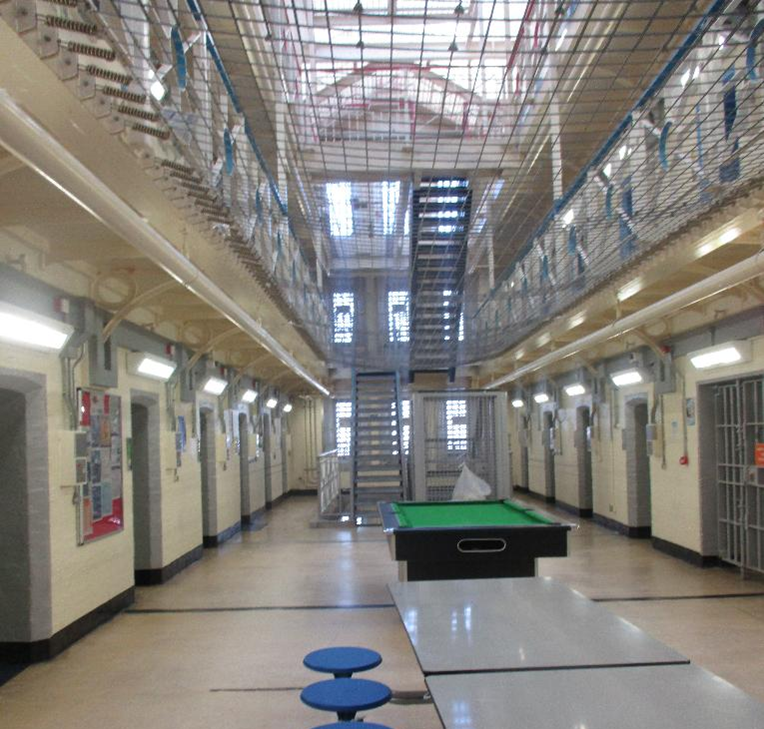
External areas of the prison were attractive, and prisoners had good access.
Communal shower facilities had been refurbished, and more prisoners could have a shower daily compared to similar prisons.
In our survey, just 34% of prisoners reported that their emergency cell bell is normally answered in five minutes. Leaders did not monitor response times, and there was no evidence of any discussion about cell bell activation in senior management or other strategic meetings.
Laundry provision was good and provided reliable weekly access to clean clothes and bedding.
Residential services
Compared to other prisons, 31% of respondents to our survey said that the food provided was very or quite good and said they had enough to eat at mealtimes.
We found the food was reasonable; prisoners could choose from a varied menu, and the kitchen catered for a range of special diets. The introduction of a pictorial menu was a good initiative. Mealtimes were too early; we saw food being served at 11.15am and 4pm.
Serveries were supervised and cleaned, resulting in consistent portion sizes and hygienic practices. Prisoners employed on serveries were appropriately qualified and trained.
Prisoners had access to limited cooking equipment on most wings, and those on the enhanced wing (Beaufort) had access to a fully equipped kitchen to cook their own meals.
Canteen provision was good and well managed with few complaints.
Fresh food was available to be bought for those prisoners with access to communal cooking areas.
Prisoner consultation, applications and redress
Many wing consultation forums took place. However, views and feedback were not collated to help better understand prison-wide issues or prioritise action on the most pressing concerns.
Applications process was delivered effectively by prisoner information orderlies. In our survey, 76% of respondents found the application process to be easy.
Complaints were predominately focused on property and offender management unit matters. Prisoner complaints were well-managed with responses being timely, fair and courteous. Serious complaints were being identified and appropriately addressed.
Analysis of complaints was mainly focused on the identification of disproportionate treatment, and there was limited exploration of other themes and trends.
Legal visits took place in private, but there was insufficient provision of Video Legal Visits leading to unacceptable delays for those unable to complete an in-person visit.
Fair treatment and inclusion
Expected outcomes: There is a clear approach to promoting equality of opportunity, eliminating unlawful discrimination and fostering good relationships. The distinct needs of prisoners with particular protected characteristics (see Glossary) or those who may be at risk of discrimination or unequal treatment, are recognised and addressed. Prisoners are able to practise their religion. The chaplaincy plays a full part in prison life and contributes to prisoners’ overall care, support and rehabilitation.
Leaders had responded well to our previous inspection and made substantial improvements in the provision for young adults, those with neurodivergent conditions, and foreign nationals. As a result, there were now specific interventions for young adults living on Collingwood unit; those with neurodivergent conditions were provided with support and made good progress in education; and there was no longer a large group of foreign nationals held under immigration powers.
However, there were notable gaps in the support for those with physical disabilities.
Leaders had been proactive in monitoring access to the things that prisoners cared about most, including the better jobs in the prison. This had led to some meaningful action, but some issues that were more difficult to resolve had not been addressed. Most prominent of these was the poor perceptions of Muslim young men.
Investigations into discrimination complaints were mostly good; the enquiries were thorough, and prisoners were provided with a detailed response.
Consultation was better than we usually see, with a range of forums across protected groups.
Equality oversight had recently improved, but the prisons action plan was unmanageable with over 150 outstanding actions.
Faith and religion
The faith provision was good. There was an enthusiastic chaplaincy team who provided a wide range of support groups to prisoners of all faiths and none.
Health, well-being and social care
Expected outcomes: Patients are cared for by services that assess and meet their health, social care and substance use needs and promote continuity of care on release. The standard of provision is similar to that which patients could expect to receive elsewhere in the community.
The inspection of health services was jointly undertaken by the Care Quality Commission (CQC) and HM Inspectorate of Prisons under a memorandum of understanding agreement between the agencies. The CQC found a breach of regulations and issued a request for an action plan following the inspection (see Care Quality Commission Action Plan).
Strategy, clinical governance and partnerships
There was good partnership working between health care and the prison, although clinical governance and scrutiny was undermined by a lack of data and analysis.
Clinical leadership was not effective and did not consistently ensure that patients received safe care.
Governance structures were in place but undermined by low levels of incident reporting, and record keeping was not consistent with national standards. Lessons learned from incidents and serious investigations were shared, and any changes in practice that had been identified were implemented. However, managers had not identified gaps in clinical skills, particularly those responding to emergencies and urgent care.
Staffing was at a safe level. Clinical supervision was in place, and mandatory training for staff was up to date, but not all primary care staff felt supported. There was inadequate safeguarding supervision and oversight, with not all incidents identified or reported.
The recent infection control audit had identified issues which needed to be addressed by prison partners. The same issues were present at the last inspection, and this work had not been undertaken, which was poor.
There was good patient consultation to inform service development including one specifically for young adults.
Confidential patient complaints were promptly managed face-to-face. However, written responses lacked quality oversight and therefore did not always address the issues raised. Responses lacked guidance on how to escalate a complaint.
Emergency responses were promptly attended by nurses with accessible emergency equipment during the day. But few officers were up to date with first aid or resuscitation training, which created risk as they attended incidents as untrained first responders.
Promoting health and well-being
A healthy living strategy was in place, which set out plans to improve prisoner health and well-being. However, only 39% of prisoners we surveyed said they could live a healthy lifestyle, which was lower than expected.
We saw good screening and vaccination for most prevalent disease. Individual plans for those with higher dietary and exercise needs were well managed by the prison and health care liaison lead. Communicable diseases were treated effectively through the local outbreak control. The sexually transmitted diseases pathways included external specialist input, however, nurses providing tier 1 and 2 sexual health services on site were not trained to national British Association for Sexual Health and HIV standards.
Primary care and inpatient services
Patients had access to a good range of primary care services.
| HMIP prisoner survey | Yes | Compared with similar prisons |
| Do you think the overall quality of the health services here is very/quite good? | 53% | Higher |
According to our survey, health care provision was good. Compassionate patient care was available all week. Wait times to see a GP were low, but thresholds to get an appointment were high as most patients saw the non-medical prescriber who was overstretched.
Nearly a quarter of admissions were not assessed in reception as they arrived late and had the potential to delay care, but most secondary screening was undertaken within seven days. Plans were in place to extend the nursing day to 7.30pm in response to this.
Patients with complex health conditions described feeling cared for, but care plans lacked specific individual risks, and reviews were not always face-to-face.
Not all clinical staff were suitably skilled to undertake allocated tasks, such as physical assessment for sexual health screening and long-term conditions.
Prison staff escorted all patients to hospital for planned care, but this stopped when there were patients being held in hospital overnight or when officers were needed for emergency transfers. Planned care was cancelled at this point.
Release planning was a big part of patient care and was managed well by the patient engagement coordinator and pharmacy team. This included contributions from mental health and substance misuse services and supported continuity of care when returning to their community.
Social care
An up-to-date partnership agreement between services was in place, but it did not reflect the current provision due to the lack of robust oversight.
Low-level care needs were not sufficiently identified. This was complicated by the lack of a recognised buddy system, creating unknown risks for vulnerable adults.
Mental health
Effective health screening on arrival ensured that patients were promptly referred to mental health services. Referrals could be made by other professionals and directly by patients.
The team was available seven days a week and consisted of a range of skilled and knowledgeable clinicians. A duty worker was designated to respond to urgent need and attend all initial and closing ACCT reviews. The team operated a stepped care model, ranging from self-directed care through to complex case management.
Clinical records and care plans showed that health professionals had regular, meaningful contact with patients. Mental health interventions included short-term therapies with flexibility around ongoing support if needed.
Long term care was provided to patients with complex mental disorders, with their needs reviewed regularly. Group work was limited.
All new referrals were triaged and an assessment undertaken within five days. These cases were discussed at the multidisciplinary team meeting and allocated an assigned practitioner if necessary.
Pre-release and post-release support was good, and staff at Portland effectively engaged with community mental health teams to ensure continuity of care for prisoners.
The dedicated speech and language therapist worked with patients to develop communication passports, which helped the individual and those working with them to better understand their needs.
Over the previous 12 months, three patients had been assessed as requiring a transfer to hospital for treatment under the Mental Health Act, but none had been transferred within 28 days standards, which was unacceptable.
Support and treatment for prisoners with addictions and those who misuse substances
Partnership working was good, and the substance misuse services team made a consistent contribution to drug strategy meetings.
Clinical and psychosocial leadership was robust and supported effective service delivery. Patients we spoke to were positive about the support provided.
There were 158 patients on the joint clinical and psychosocial services caseload. Eighty-eight patients were on opiate substitution therapy, and they received regular reviews with treatment and psychosocial input that reflected national guidance.
An ISFL residential unit worked well. The psychosocial provider covered all wings and included a visit to everyone who was suspected of using illicit substances for harm minimisation advice.
All patients were seen on induction. Those requiring support were all assessed within five days. Patients all received harm minimisation advice and one-to-one input through several programmes and interventions.
There were short waiting times to attend regular Narcotics Anonymous and Alcoholics Anonymous sessions, which were supported by peer mentors.
Medicines optimisation and pharmacy services
A senior pharmacy technician managed access to medicines well. Vacancies created pressures on nurses trying to cover the daily administration of medicine, which meant some routine checks were missed. However, the storage of drugs was safe and cupboards were well organised.
Medicines ordered from outside the prison arrived in good time. Emergency medicines were available from a well-stocked cupboard for those arriving over the weekend.
A pharmacist was available for patients once a month for advice and to offer staff support. An effective regional medicines management meeting monitored prescribing and incidents for individual sites.
Stock, ordering and controlled drugs were well managed. Cells were not equipped with lockable cupboards to store medicines, which limited holding patients to account for lost or stolen items.
Prescriptions were recorded on electronic patient records, and all patients on prescribed medicines were risk assessed. Prescribers with a good mix of skills were available throughout the week.
Medicines administration and missed doses were undertaken in line with expected standards. Officer supervision was effective ensuring privacy at hatches. However, medicines were dispensed in clear plastic bags which carried risks. Most patients leaving the prison were given their medicines on departure. Progress was being made to address the shortfall for those transferred without controlled drugs.
Dental services and oral health
A permanent dental team was on site two days per week to triage, assess and treat patients. Waiting times were high; three patients had waited 11 weeks for a routine appointment, with the average wait about six to seven weeks.
The dental treatment room and shared decontamination area were clean and met infection control standards. Dental equipment was maintained and serviced to ensure it was safe and fit for purpose.
A high level of governance was maintained with accurate digital, paper and record-keeping documentation available. Records we checked were legible, accurate and audited.
Section 4: Purposeful activity (Back to top)
Prisoners are able and expected to engage in activity that is likely to benefit them.
| HMIP time out of cell data at the time of the inspection | |
| Percentage of prisoners locked up during the core day. | 33% |
| Percentage of prisoners engaged in purposeful activities. | 56% |
Time out of cell
Expected outcomes: All prisoners have sufficient time out of cell (see Glossary) and are encouraged to engage in recreational and social activities which support their well-being and promote effective rehabilitation.
Time out of cell had improved following the re-introduction of full-time work. Prisoners in full-time activities, around 60% of the population, could be out of their cells for around nine hours a day; part-time employed, 17% of the population, for six hours; and unemployed prisoners, 23% of the population, were unlocked for three hours.
In our roll checks, approximately one third of prisoners were locked up during the core working day and over half were engaged in purposeful activities. During weekends, time out of cell was limited to around 2.5 hours each day.
The regime was delivered consistently and there were few cancellations. Free flow (unlocking doors between wings and activity areas so prisoners can move unescorted to activities) worked well. Senior leaders were visible at key movement times, and prisoners arrived on time to education and work.
The provision of enrichment activities in the evenings and weekends was limited.
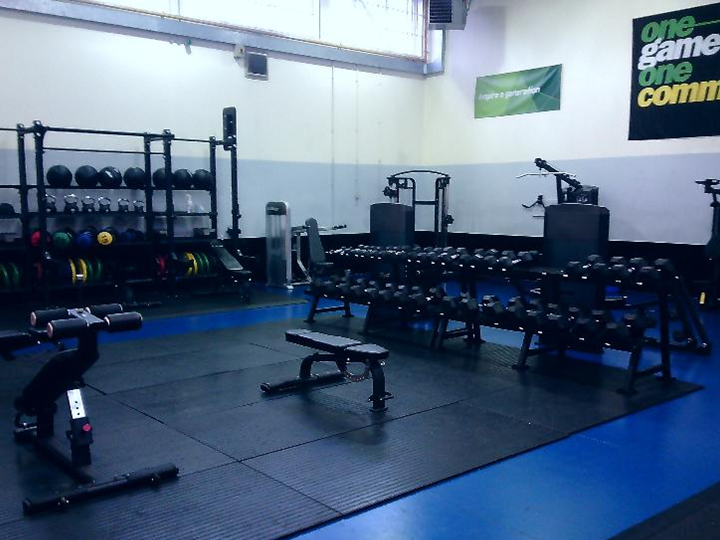
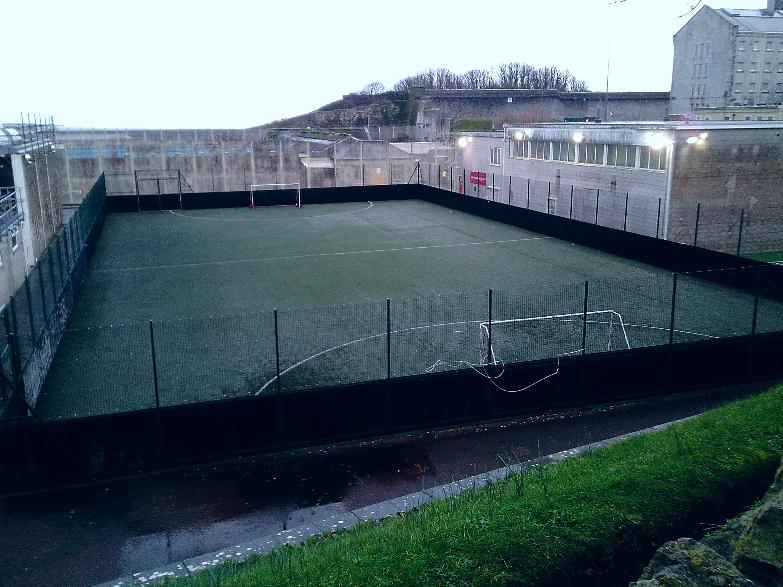
An enthusiastic team of gym staff delivered a good range of activities that made use of the facilities and grounds. Prisoners had daily access to outdoor exercise and the recent introduction of cardiovascular equipment on the wings was promising.
The library was a reasonable facility and valued by those prisoners who attended. A good stock of books and CDs were available on site, and prisoners could also order titles.

Access to the main library remained too limited for prisoners who did not attend education or one of the clubs delivered.
Education, skills and work activities

Ofsted inspects the provision of education, skills and work in custodial establishments in England. The following summary has been provided by Ofsted inspectors who attended this inspection. Their full report is published under ‘Further resources’.
Ofsted made the following assessments about the education, skills and work provision:
- Overall effectiveness: Good
- Quality of education: Good
- Behaviour and attitudes: Good
- Personal development: Good
- Leadership and management: Good
The senior leadership team in education, skills and work (ESW) had very effective arrangements to continuously improve the quality and impact of the ESW provision. Leaders had increased the number of activities and activity spaces to meet prisoners’ learning needs by introducing new curriculums. Leaders’ effective working relationships with employers shaped these curriculums’ content so that prisoners developed the professional knowledge, skills and behaviours which employers valued. Leaders had productive partnerships with external training organisations that were developing prisoners’ behaviours and life skills prior to release. Most prisoners understood how they would use the new knowledge and skills they had learned.
Leaders had rectified most of the concerns identified at the previous inspection. The movement of prisoners to ESW was now efficient, and most prisoners arrived at their activity punctually. Prisoners’ attendance at and behaviour in ESW activities had improved substantially and were now good. They had filled vacant teaching posts in English and mathematics to tackle the high waiting lists for these subjects. Prisoners’ opportunities for structured programmes of skills development in industries had mostly improved.
During induction, a careers advisor provided prisoners with effective initial information, advice and guidance and set them clear learning goals. Prisoners understood the ESW options available to support them in prison and on release. However, there was a backlog of prisoners waiting to complete this phase. During the inspection, leaders sought and secured funding for additional advisor staff.
Leaders had ensured the allocations process was efficient and administered well. Consequently, most prisoners were attending or waiting to attend an ESW activity relating to their agreed learning pathway.
The education provision provided by Milton Keynes College was well-managed and teaching largely effective. Teachers and industry instructors were well-qualified and experienced. Teachers in education mostly used various teaching methods effectively to engage prisoners including recaps, questioning, teacher-led and group discussion. However, in a small minority of sessions, teachers did not routinely check prisoners’ understanding before moving on to the next subject. The college’s team of experienced teachers and the instructors in industries were supported well by specialists in neurodiversity to meet prisoners’ additional needs, which helped them make good progress.
Leaders had implemented an effective reading strategy. Prisoners with poor literacy skills received effective support from Shannon Trust mentors (see Glossary) on the wings. Managers encouraged prisoners to read for pleasure on the wings and during work breaks in industries. Prisoners took part in reading challenges. Instructors in industries set prisoners English skills-related targets as part of their progress-in-work reviews.
Prisoners had good opportunities for personal development which improved their social skills, health and well-being.
Prisoners’ achievement of qualifications was generally high and those with needs relating to neurodiversity achieved as well as their peers. An increasing number of prisoners in the prison work environments sponsored by employers gained employability and/or interview experience, and in some cases, such as railtrack, secured employment.
Leaders paid close attention to monitoring and managing the workload of ESW staff. Staff had good access to well-being support and professional development and felt valued.
Section 5: Preparation for release (Back to top)
Preparation for release is understood as a core function of the prison. Prisoners are supported to maintain and develop relationships with their family and friends. Prisoners are helped to reduce their likelihood of reoffending and their risk of harm is managed effectively. Prisoners are prepared for their release back into the community.
Children and families and contact with the outside world
Expected outcomes: The prison understands the importance of family ties to resettlement and reducing the risk of reoffending. The prison promotes and supports prisoners’ contact with their families and friends. Programmes aimed at developing parenting and relationship skills are facilitated by the prison. Prisoners not receiving visits are supported in other ways to establish or maintain family support.
| HMIP prisoner survey | Yes | Compared with similar prisons |
| Is it very/quite easy for your family and friends to get here? | 20% | Lower |
| Have you been able to see your family/friends more than once in the last month in person? | 25% | No difference |
| Do visits usually start and finish on time? | 30% | No difference |
The prison was in a remote location and difficult for families to reach. Our survey results reflected this, with very few prisoners reporting it easy for their family to visit or having received a visit in the previous month. Despite this need, support for children and families remained too basic.
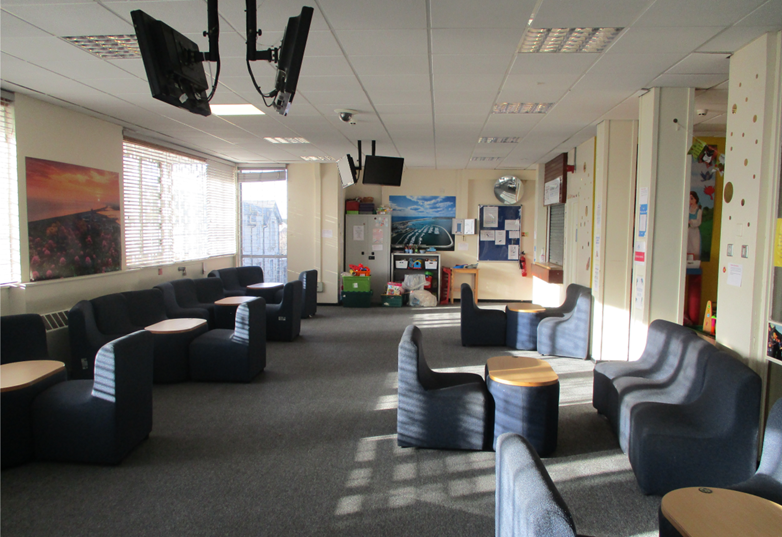
The visits facilities were dilapidated. There were plans to refurbish and replace the furniture, and leaders had begun to address the poor cleaning standards during the inspection. Visits ran three times a week for up to two hours.
Secure social video calls (see Glossary) were significantly under-utilised. Just 9% of prisoners reported using video calling in the previous month. This low usage was inexplicable given the often long distance prisoners were from home.
Family days ran once a month for up to 12 prisoners and were popular.
Prison Advice and Care Trust (see Glossary) ran the visitors centre. They were committed, but they did not have sufficient resources to meet the high needs of prisoners at Portland.
There was limited involvement of families in other aspects of prison life, for example, to inform the support for prisoners at risk of suicide or self-harm and bullying or violence.
Reducing reoffending
Expected outcomes: Prisoners are helped to change behaviours that contribute to offending. Staff help prisoners to demonstrate their progress.
Leaders in reducing reoffending and the offender management unit did not use data effectively to monitor performance and the action plan from monthly oversight meetings was blank. The prison had been operating without a senior probation officer (SPO) for 12 months. A newly appointed SPO had only recently taken up the post. It was creditable that the head of offender management services had maintained oversight of key areas during this time while keeping her team motivated.
Support was prioritised for the minority of prisoners approaching release; this group had good contact with their prison offender manager (POM; see Glossary) and more regular key work support. While this was understandable, it left a large number of prisoners, who had arrived at Portland with the expectation that they would be able to address some of their offending behaviour without a service. This was further compounded by the limited contact this latter group had from their POM or key work support.
At the time of our inspection, there was a backlog of around 60 assessments of risk and needs (offender assessment system OASys; see Glossary). The backlog was being addressed, but managers struggled to keep up with the flow of prisoners. Overall these assessments were reasonable but the resulting sentence plan targets, while linked to offending, were often generic. The quality of analysis within these assessments varied substantially between POMs; leaders had plans to upskill their team and improve standards.
Home detention curfew (HDC; see Glossary) was used effectively, and the process operated well. There had been 146 HDC releases in the previous 12 months; 67 prisoners were released on their due date and 79 were released late. Of these, 39 were delayed because suitable accommodation could not be found.
Recategorisation assessments were up to date, and leaders ensured that prisoners transferred to the open estate as soon as they were assessed as suitable. In the previous year, 104 prisoners had moved to open conditions, and at the time of our inspection there were 14 category D prisoners in the establishment; all had transport scheduled.
There was an up-to-date needs analysis but staffing shortfalls meant no accredited programmes had been delivered since September. More positively, a range of non-accredited interventions was being delivered by POMs, the Creating Future Opportunities team (CFO; see Glossary), the chaplaincy and the employment hub, offering courses aimed at improving behaviour and attitudes, building life and employability skills.
There were weaknesses in public protection. The interdepartmental risk management meeting was inconsistently attended and did not ensure, Multi-Agency Public Protection Arrangements (MAPPA; see Glossary) levels were confirmed before release. As a result, there were several examples of high and very high risk prisoners being released homeless. Contributions to multi agency public protection meetings were descriptive and contained little analysis of risk.
Returning to the community
Expected outcomes: Prisoners’ specific reintegration needs are met through good multi-agency working to maximise the likelihood of successful resettlement on release.
Of the 735 people released in the past 12 months 92% had accommodation arranged on the day of release. However, most of this accommodation was unsustainable (for a period of less than 13 weeks), only 255 secured sustainable accommodation.
Work undertaken by POMs and COMs (community offender managers) to manage prisoners approaching release was of good quality. Information sharing was effective, liaison between teams was ongoing, and prisoners understood their licence expectations and restrictions.
Pre-release planning, which began 12 weeks before release, was strong. Multidisciplinary release boards monitored progress and set actions.
The prison employment lead offered good support to prisoners in preparing for release and was creative in approaching employers in several locations when the release area was not confirmed. The employment hub was an impressive oasis within the prison where prisoners received help to apply for jobs and take part in online interviews. There were some good examples of this support leading to job offers on release for some prisons.
Support for debt management was good, with assistance such as sending letters to creditors, to prevent debts escalating. Within the release window, all prisoners were offered help to obtain a birth certificate and open a bank account if needed. The Department for Work and Pensions was visible on site, and prisoners knew they could request support to arrange appointments and claim benefits in the community.
Practical arrangements for the day of release, including the departure lounge which provided prisoners with practical support including directions and phone charging, were reasonably good.
Section 6: About HMP & YOI Portland (Back to top)
Category of the prison
Adult category C, closed prison.
Brief history
HMP Portland opened in 1848 as a convict prison, where inmates quarried stone for Portland Harbour’s breakwaters under harsh conditions. Initially temporary, it became permanent in 1869. In 1921, it converted to a borstal for young offenders, later becoming a youth custody centre in 1983 and a young offenders institution (YOI) in 1988. In 2011, it transitioned into a mixed adult category C/YOI closed prison.
Population
- Prisoners held at time of inspection: 514
- Baseline certified normal capacity: 537
- In-use certified normal capacity: 537
- Operational capacity: 534 (3 spaces offline due to in-cell decency project)
- Approximately 900 new prisoners received annually
- 37 foreign national prisoners
- 18% of prisoners from black and minority ethnic backgrounds
- Young adults (18–21: 96), (18–25: 146)
- 728 prisoners released into the community last year
- 149 prisoners receiving substance misuse support
- 12 prisoners on mental health enhanced care provision
Short description of residential units
- Benbow: Standard Victorian style residential unit, with capacity of 82 prisoners.
- Raleigh: Standard Victorian style residential unit, with capacity of 83 prisoners.
- Drake: Standard Victorian style residential unit, with capacity of 80 prisoners.
- Nelson: Standard Victorian style residential unit, with capacity of 82 prisoners.
- Grenville: Standard Victorian style residential unit, in an induction function with capacity of 62 prisoners. All single cells.
- Collingwood: CFO Project Unit with capacity of 35, of which 20 prisoners engaging with CFO, the rest are mentors or orderlies.
- Beaufort: ISFL/super enhanced unit built in 2006. It has an operational capacity of 126, mostly in double cells with in-cell shower facilities. Split over two floors, with super enhanced prisoners on lower floor and ISFL on the upper floor with on-site SMS support.
Prison status (public/private)
Public
Key providers
- Physical health provider: Oxleas NHS Foundation Trust
- Mental health provider: Oxleas NHS Foundation Trust
- Substance misuse treatment provider: Change Grow Live
- Dental health provider: Oxleas NHS Foundation Trust
- Prison education framework provider: Milton Keynes College
- Escort contractor: SERCO
Prison group
Avon, South Dorset & Wiltshire
Name of governor/director and date in post
Pete Lewis (June 2023–present)
Changes of governor/director since the last inspection
Rob Luxford (2020–June 2023)
Date of last inspection
25 July and 1–5 August 2022
Progress on concerns from the last inspection (Back to top)
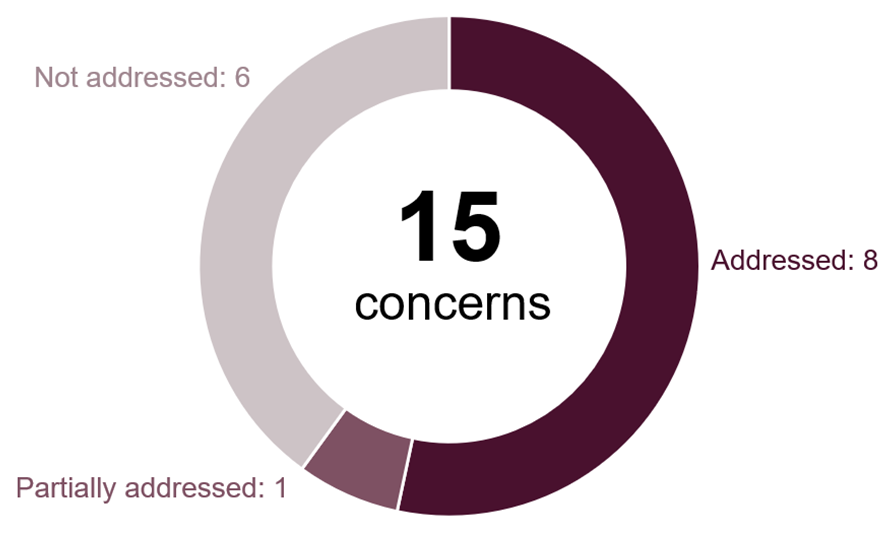
At our last inspection in 2022 we raised 15 key concerns, six of which were about areas of priority concern.
At this inspection we found the following progress:
The following is a list of all the concerns raised, organised under the four tests of a healthy prison.
Safety
Priority concerns
The level of assaults on other prisoners was too high. Although lower than in 2019, it was increasing, and leaders did not sufficiently understand what was driving violence.
Not addressed
Rates of self-harm were too high and increasing. They were among the highest compared with similar prisons. The reasons had not been investigated sufficiently, nor was there a data-informed action plan to reduce self-harm.
Not addressed
Respect
Priority concerns
Not enough was being done to meet the needs of younger prisoners. The young adults strategy was not based on a thorough needs analysis and there was no clear plan of action.
Addressed
Mental health services were seriously understaffed and overstretched. Support was largely confined to providing acute and urgent care and there were no specialist psychological interventions.
Addressed
Key concerns
Key work was not sufficient and still operating only on a priority basis.
Not addressed
Prisoners found the cost of basic items from the shop too high. Low incomes, rising shop prices and poor food left many prisoners frustrated. Many told us this made issues around debt worse.
Addressed
The needs of foreign national prisoners were not identified or met. The strategy for foreign national prisoners was mainly limited to immigration detainees.
Addressed
Provision for neurodivergent prisoners was limited.
Addressed
Purposeful activity
Priority concerns
Leaders and staff did not prepare prisoners effectively for employment
on release. Almost all work was part-time, prisoners could not access essential safety qualifications and too few could access ROTL.
Addressed
Leaders did not make sure that there was sufficient resource to support the English and mathematics needs of prisoners. Too few spaces were available or outreach support for those with the lowest levels. There was no ESOL (English for Speakers of Other Languages) provision.
Partially addressed
Key concerns
Many prisoners spent too little time unlocked – about five hours a day – which was inadequate for a training prison.
Not addressed
Leaders did not ensure that prisoners could access activities or education promptly enough. Too many qualifications and courses were not running owing to staff vacancies. Waiting lists for vocational training were too long.
Not addressed
Instructors did not use progress trackers effectively to support prisoners in gaining transferable employment-related skills or personal development. Prisoners were not aware of the progress they had made in these areas.
Addressed
Preparation for release
Key concerns
Sentence planning and offending behaviour work did not sufficiently support prisoners to make progress through their sentence.
Not addressed
Resettlement planning arrangements were inconsistent, and too many prisoners did not receive suitable support for their upcoming release.
Addressed
Care Quality Commission Action Plan Request (Back to top)
Care Quality Commission (CQC) is the independent regulator of health and adult social care in England. It monitors, inspects and regulates services to make sure they meet fundamental standards of quality and safety. For information on CQC’s standards of care and the action it takes to improve services, please visit: http://www.cqc.org.uk
The inspection of health services at HMP & YOI Portland was jointly undertaken by the CQC and HMI Prisons under a memorandum of understanding agreement between the agencies (see Working with partners – HM Inspectorate of Prisons (justiceinspectorates.gov.uk)). The Care Quality Commission issued a request for an action plan following this inspection.
Action Plan Request
Provider: Oxleas
Location: HMP Portland
Regulated activities: Treatment of disease, disorder, or injury and Diagnostic and screening procedures.
Action we have told the provider to take:
This notice shows the legal requirements that were not being met. The provider must send CQC a report that states what action they are going to take to meet these requirements.
Regulation 12 Safe Care and Treatment – Ensure care and treatment is provided in a safe way to patients.
12 (1) Care and treatment must be provided in a safe way for service users.
(2) Without limiting paragraph (1), the things which a registered person must do to comply with that paragraph include:
a) assessing the risks to the health and safety of service users of receiving the care or treatment;
b) doing all that is reasonably practicable to mitigate any such risks;
c) ensuring that persons providing care or treatment to service users have the qualifications, competence, skills and experience to do so safely.
How the regulation was not being met:
- Not all patients were receiving adequate care through assessment following cases of being suspected under the influence of illicit substances.
- Patient records did not always demonstrate sufficient patient assessment or monitoring to ensure they were not at risk of deterioration.
- Patient records did not contain clear indication on whose responsibility it was for their ongoing observation. It was not certain if it was the responsibility of a clinician or general officer observations to ensure patients did not deteriorate unnoticed.
- Patient records did not demonstrate consideration of differential diagnosis from patient presentation with no, or limited, clinical observations when attending patients suspected of being under the influence of illicit substances.
- In records we reviewed, physical assessment and treatment advice was not sufficient or adequate to diagnose and inform patients appropriately on the urgent and unplanned care ledger.
- Staff were not correctly using NEWS2 to manage unwell patients. Limited clinical observations which indicated an unwell or deteriorating patient were not well recorded or acted on appropriately.
More about this report (Back to top)
This report outlines the priority and key concerns from the inspection and our judgements against the four healthy prison tests. Each of the following four sections contains a detailed account of our findings against our Expectations for men’s prisons.
Find out more about our Expectations and how we inspect
Find out more about priority and key concerns
Find out about notable positive practice
Findings from the survey of prisoners and a detailed description of the survey methodology are published alongside this report. Please note that we only refer to comparisons with other comparable establishments or previous inspections when these are statistically significant. The significance level is set at 0.01, which means that there is only a 1% chance that the difference in results is due to chance.
The tables in this report which provide data from HMI Prisons prisoner surveys also include comparisons with similar prisons.
| Description | What it means |
| Lower | the prison’s percentage is statistically significantly lower than the comparator: prisons with the same function type, or at the last inspection |
| Higher | the prison’s percentage is statistically significantly higher than the comparator: prisons with the same function type, or at the last inspection |
| No difference | the prison’s percentage is not statistically significantly different to the comparator: prisons with the same function type, or at the last inspection |
Inspection team
This inspection was carried out by:
Martin Lomas, Deputy Chief inspector
Angus Jones, Team leader
John Wharton, Inspector
Donna Ward, Inspector
David Foot, Inspector
Esra Sari, Inspector
Dionne Walker, Inspector
Helen Ranns, Researcher
Sana Zahid, Researcher
Emma King, Researcher
Samantha Rasor, Researcher
Sarah Goodwin, Lead health and social care inspector
Tania Osborne, Health and social care inspector
Mark Griffiths, Care Quality Commission inspector
Nick Crombie, Ofsted inspector
Matt Hann, Ofsted inspector
Alun Maddocks, Ofsted inspector
Further resources (Back to top)
These files may not be suitable for users of assistive technology.
Request an accessible format
If you use assistive technology (such as a screen reader) and need a version of any of these documents in a more accessible format, please email media@hmiprisons.gov.uk. Please tell us what format you need. It will help us if you say what assistive technology you use.
Find out more about the terms and abbreviations used in this report in our glossary.