
HMP & YOI Chelmsford
Report on an unannounced inspection of HMP & YOI Chelmsford by HM Chief Inspector of Prisons, 20–30 July 2026

Introduction (Back to top)
HMP Chelmsford, an Essex reception prison holding 661 men at the time of inspection, has continued to make encouraging progress under the leadership of an impressive governor and enthusiastic senior team. Five years after we invoked an Urgent Notification at the prison, this inspection found that the improvements already achieved had been sustained and built upon.
Leaders had worked hard to reduce the ingress of drugs and in random tests; 16% were positive, a far lower rate than most similar jails. Violence had fallen significantly and leaders had consulted with prisoners to design a more imaginative range of incentives for good behaviour than we usually see, including the chance to have an enhanced family visit. Self-harm had reduced by 23%, and the prison was doing more to support the most vulnerable prisoners.
Relationships between officers and prisoners were generally good and better retention rates meant there was a more experienced and capable staff team. We did, however, find some low-level poor behaviour that was often not addressed. The jail was also not doing enough for disabled prisoners, younger men and those on the vulnerable prisoner wing; who did not have fair access to activities or the same opportunities to cook meals as men elsewhere in the prison.
Health care, a concern at our last inspection, continued to be dogged with some longstanding governance issues. Although primary care services were generally good, prisoners missed too many hospital appointments because of a lack of escorts, while mental health and drug treatment were under-resourced.
Although around a third of prisoners who were in full-time work were unlocked for more than seven hours daily, time out of cell for most was not good enough. The prison was not providing enough activity places, meaning that many men were only in work or education part-time and those who were unemployed got just two hours a day out of their cells. On Fridays the regime was poor; ostensibly so there could be staff training, although we were told that officers often did not turn up. Although attendance to activities was mostly reasonable, prisoners were often late for education or work because staff were unable to readily provide an accurate roll check figure. There was, however, an impressive provision to promote reading across the jail, with a library at the heart of prison life.
There was an extensive and creative range of initiatives to support prisoners and their families to remain in good contact. Although, at only one visit a week, remand prisoners did not get their full entitlement.
Although the management of riskier men leaving the prison had now improved, monitoring of phone calls was not good enough particularly for those with restrictions on contact with children. It is disappointing that this issue has not been dealt with despite it being raised at the last two inspections.
An innovative resettlement centre offered an impressive range of support for men who were due to leave the prison including help with housing, drug treatment and employment. There was also good support for prisoners on their day of departure.
The governor and his staff should be congratulated for the work they have done to strengthen provision in a prison that has all the many challenges faced by similar jails. Chelmsford is safer, more supportive of prisoners and better led than most of the reception prisons we inspect and I left confident that there is scope for further progress in the future.
Charlie Taylor, HM Chief Inspector of Prisons, August 2026
Outcomes for prisoners (Back to top)
We assess outcomes for prisoners against four healthy prison tests: safety, respect, purposeful activity, and preparation for release (see More about this report for more information about the tests). We also include a commentary on leadership in the prison (see Section 1).
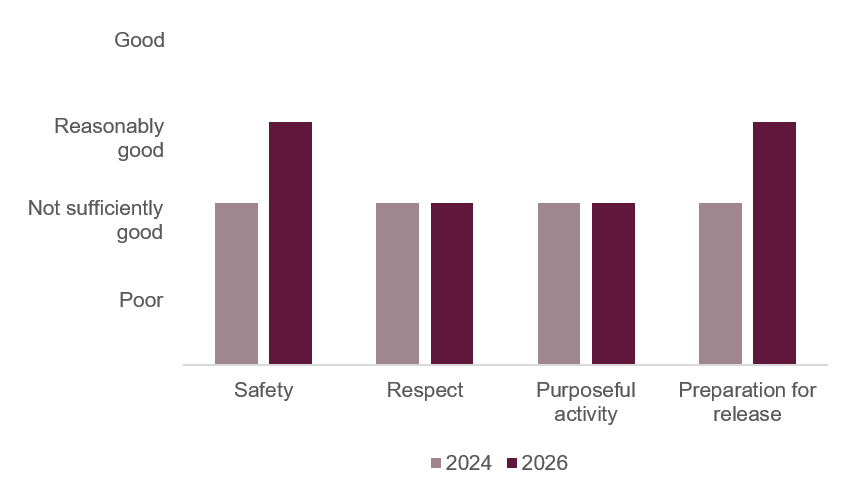
At this inspection of HMP & YOI Chelmsford, we found that outcomes for prisoners were:
- reasonably good for safety
- not sufficiently good for respect
- not sufficiently good for purposeful activity
- reasonably good for preparation for release.
We last inspected HMP & YOI Chelmsford in 2024. Figure 1 shows how outcomes for prisoners have changed since the last inspection.
Figure 1: HMP & YOI Chelmsford healthy prison outcomes 2024
What needs to improve (Back to top)
During this inspection we identified 15 key concerns, of which five should be treated as priorities. Priority concerns are those that are most important to improving outcomes for prisoners. They require immediate attention by leaders and managers.
| Priority concerns | |
| 1. | The rate of self-harm was higher than at similar prisons. Observation panels in some cells used for constant supervision were too small for effective monitoring. |
| 2. | There were multiple shortcomings in health care provision, many of which we identified at the previous inspection. There was still poor supervision of medicines administration, many missed external appointments, clinical rooms in poor condition, poor oversight of incident management and complaints, inadequate record-keeping, and insufficient learning from Prisons and Probation Ombudsman investigations. |
| 3. | The mental health team lacked the capacity to meet the high level of demand. Patients also waited too long for transfer to hospital under the Mental Health Act. |
| 4. | Frequent delays in prisoner movement meant that they did not get to lessons or workshops on time. |
| 5. | Public protection telephone monitoring was not adequately resourced, leading to backlogs in listening to calls or a failure to listen to them at all. |
| 6. | Too few prisoners had a suitable record of the academic, vocational and employability skills they had developed while in custody. |
| Key concerns | |
| 7. | There was insufficient oversight of the separation policy. Reviews were not robust enough and many separated prisoners had inadequate time out of cell. |
| 8. | The quantity and quality of key work were poor. Few prisoners received any key work and, with a few exceptions, sessions were shallow and infrequent. |
| 9. | Over half of prisoners were sharing cells designed for one, and many were extremely cramped. |
| 10. | Not enough had been done to understand and address the experiences of some minority groups, especially prisoners with disabilities. Some men had broken wheelchairs and there was no formal ‘Buddy’ scheme to support them. |
| 11. | Patients referred to the psychosocial substance misuse service waited too long for triage or assessment, and many were released before they were seen, creating risks to patient safety. |
| 12. | The Friday to Sunday regime for most prisoners was poor, with many locked up for around 22 hours a day. |
| 13. | Too few education, skills and work spaces were offered full-time, and many prisoners remained on waiting lists for activities that were under-allocated. |
| 14. | Careers information, advice and guidance were insufficient to support prisoners with their next steps. Prisoners’ individual targets were not challenging or personalised enough to be relevant. |
| 15. | Although approximately 20% of the population had been recalled to prison, they had limited contact with the offender management unit and there was no specific work to address the reasons for their return to custody. |
Notable positive practice (Back to top)
We define notable positive practice as evidence of our expectations being met to deliver particularly good outcomes for prisoners, and/or particularly original or creative approaches to problem solving. Inspectors found eight examples of notable positive practice during this inspection, which other prisons may be able to learn from or replicate.
| 1. | A range of incentives fostered prisoner hope and motivation and encouraged positive behaviours. (See Encouraging positive behaviour) |
| 2. | The safety team visited all new prisoners on their second day in custody to provide support that could reduce the risk of self-harm. (See Safeguarding) |
| 3. | Concerted action to reduce drug use was underpinned by an excellent drug strategy. Drug finds had more than doubled and the positive rate of random mandatory drug tests (MDT) was one of the lowest among comparable prisons. (See Security) |
| 4. | A local staff training package helped staff to identify and mitigate the risk of prisoner self-harm. (See Safeguarding) |
| 5. | Dedicated peer supporters helped prisoners with neurodiverse needs to engage more effectively with prison life. (See Fair treatment and inclusion) |
| 6. | An impressive and well-implemented reading strategy supported prisoners with low reading skills and promoted reading for pleasure. (See Education, skills and work) |
| 7. | A notable variety of family activities made good use of community partnerships to enhance relationships between children and their parents in prison and provided helpful support to prisoners. (See Children and families) |
| 8. | There were excellent links between the prison and other community and criminal justice organisations, including Essex County Fire and Rescue Service and Essex Police. These connections had been used to deliver rehabilitative opportunities and support more effective risk management of prisoners. (See Reducing reoffending) |
Unless otherwise specified, these examples are not formally evaluated, are a snapshot in time and may not be suitable for other establishments. They show some of the ways our expectations might be met, but are by no means the only way.
Section 1: Leadership (Back to top)
Leaders provide the direction, encouragement and resources to enable good outcomes for prisoners.
Leaders had made impressive progress since the previous inspection. A well-evidenced self-assessment report showed a clear and realistic understanding of the prison’s current strengths and weaknesses.
Many staff told us that they had faith in the governor and other senior leaders. The governor’s encouraging and enabling leadership style motivated staff and supported innovation. It was notable that staff were delivering a wide range of initiatives for the benefit of prisoners.
Most prison officers we spoke to said they were well supported by visible frontline managers, who were also singled out for praise by many prisoners. Staffing levels had increased since the last inspection and there were fewer absences. However, the demands of a population with considerable risks and needs meant that staff in different departments were often stretched. The number of staff on the wings was often reduced because they were deployed to constant supervision or external escort duties. Leaders had secured some investment to increase prison officers.
Health services were particularly under-resourced, especially mental health care, and several longstanding problems identified at the previous inspection had still not been addressed. Leadership in health care had been unstable, and governance remained weak despite some action for improvement by the provider.
Prison leaders had devoted considerable energy to improving early days, safer custody and security procedures, with notable success. Data analysis was used effectively to understand and respond to risks, and levels of violence and self-harm had reduced markedly.
Leaders had also addressed the challenge of improving living conditions, prioritising cleanliness and repairs, and making sure that deteriorating cells were quickly taken out of use.
The diversity and inclusion manager had made some early inroads into improving work in this area, but it remained underdeveloped and there was not enough ownership among protected characteristic leads in the senior leadership team. There was also insufficient focus on the needs of vulnerable prisoners, who had inequitable access to activities and self-cook facilities, and were excluded from the Prison Council.
Leaders had made significant progress in improving activities but had not resolved persistent problems, including allocation processes, punctuality, and the quality of assessment and progress-tracking.
Reducing reoffending was overseen by a collaborative and effective leadership team, and there had been significant progress since the previous inspection. There was an appropriately strong focus on the delivery of resettlement services, but oversight of public protection monitoring was weak.
Leaders had driven the development of an unusually wide range of highly valued family support services delivered by both prison staff and the Ormiston Trust charity.
Section 2: Safety (Back to top)
Prisoners, particularly the most vulnerable, are held safely.
Early days in custody
Expected outcomes: Prisoners transferring to and from the prison are safe and treated decently. On arrival prisoners are safe and treated with respect. Risks are identified and addressed at reception. Prisoners are supported on their first night. Induction is comprehensive.
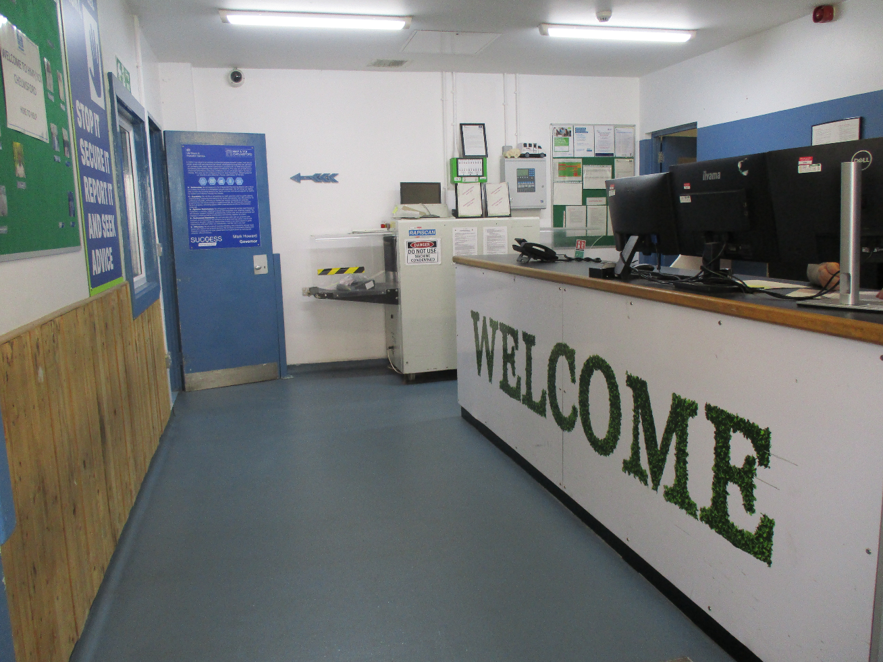
Early days arrangements had improved and were good. They were reviewed regularly to identify further improvements. The reception area was spacious, and we saw staff treating new arrivals respectfully. However, during busy periods, prisoners waited for up to six hours before moving to the induction wing. Despite these delays, most prisoners were positive about their treatment in reception.
| HMIP prisoner survey | Yes | Compared with similar prisons |
| Overall, were you treated very/quite well in reception? | 83% | No difference |
| Did you feel safe on your first night here? | 66% | No difference |
New arrivals received a thorough and private initial first night risk interview in reception to identify any immediate safety concerns. They received a follow-up interview after they had moved to the induction wing, although this was not always sufficiently private.
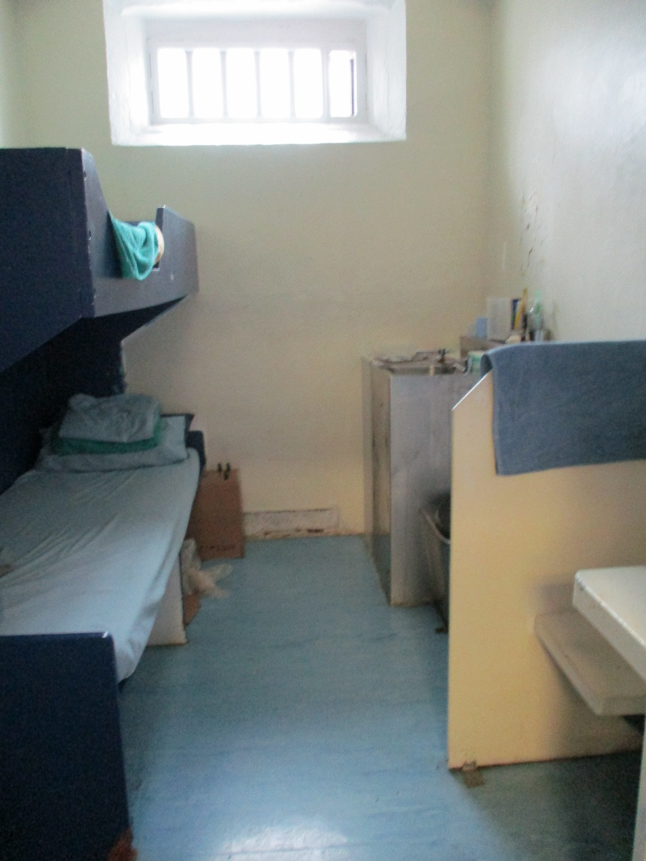
The first night centre was clean, and cells were in a reasonable condition. Prisoners were offered showers, grocery packs, vapes and reading materials, and could telephone family or friends before they were locked up. Additional welfare checks were completed routinely during the first night.
New arrivals had good support from peer workers in their early days. A three-day induction programme started the day after arrival and included education, work and resettlement assessments. Prisoners were given a laptop on their second day, enabling them to complete essential tasks such as selecting menu choices (see Staff-prisoner relationships). They had reasonably good access to phone credit during the first few days, which was an improvement on the last inspection.
Promoting positive behaviour
Expected outcomes: Prisoners live in a safe, well ordered and motivational environment where their positive behaviour is promoted and rewarded. Unacceptable conduct is dealt with in an objective, fair, proportionate and consistent manner.
Encouraging positive behaviour
| Data provided by the prison | |
| Assaults per 1,000 prisoners in the 12 months to June 2026 | 439 |
| 157 | |
| Assaults on staff per 1,000 prisoners in the 12 months to June 2026 | 101 |
| HMIP prisoner survey | Yes | Compared with similar prisons |
| Do you feel safe now? | 16% | Lower |
The prison was generally calm and settled, and most prisoners told us they felt safe. Violence had fallen since the previous inspection and was now below the average for similar establishments. Assaults on staff had reduced by 26%, assaults on prisoners by 17% and fights by 24%.
The proactive safety team interviewed all new arrivals and investigated every violent incident (see Safeguarding). All incidents were considered for individual case management through challenge, support and intervention plans (CSIPs, see Glossary), 78 of which were opened in the previous year. Most were well managed and there was particularly good use of mediation to manage tensions, although some lacked clear actions. We found little evidence of a structured approach to supporting victims.
Leaders had a good understanding of the underlying causes of violence, which included mental ill health (See Health, well-being and social care) and debt. A debt management strategy included monthly debt forums on each wing, dedicated peer workers and access to an additional midweek prison shop delivery, which had reduced prisoners’ temptation to borrow from one another.
A range of incentives fostered hope among the prisoners and encouraged positive behaviours. These included educational achievement celebrations and bonuses, enhanced family activities, increased spending allowances, and a monthly games console club for prisoners who had remained violence-free.
Around 50 prisoners a month were on the basic level of the formal incentives scheme and too many remained on it for more than 28 days. Reviews were timely but they often took place without the prisoner present and actions were generic.
A small number of prisoners (37 in the previous six months) who were at risk of conflict with others were managed under a separation policy. They usually came out of their cells only for showers and exercise, but sometimes staff failed to unlock them at all. Management oversight of these arrangements was weak.
Use of force
| Data provided by the prison | |
| Annual rate of use of force incidents per 1,000 prisoners in the 12 months prior to the inspection | 1,309 |
The use of force had reduced slightly since the last inspection but remained high compared to similar prisons. The use of PAVA incapacitant spray had fallen more substantially, although it had still been deployed 12 times (drawn on 18 occasions) in the year to 30 June 2026. Leaders reviewed each use.
Body-worn video camera footage was now available for 73% of incidents, which was a marked improvement on the 41% at the last inspection. In most cases we examined, early camera activation allowed leaders to assess whether the force had been justified, but some staff still failed to activate their cameras. We saw a generally calm and measured approach in the footage we reviewed.
Oversight of force had improved, but scrutiny was not always sufficiently robust to identify and address poor practice in the management of incidents.
Unfurnished accommodation had been used 28 times in the previous year, which was higher than we usually see. Each use was authorised appropriately and, in most cases we reviewed, there was evidence that prisoners were moved from the cell at the earliest opportunity. However, supporting documentation was often incomplete and did not therefore allow for a full assessment of each case.
Segregation
| Data provided by the prison | |
| Number of prisoners held in segregation over the 12 months prior to the inspection | 462 |
Use of segregation was high, but the average stay was short, at just over eight days. Leadership oversight was good and use of the unit was appropriately authorised.
Segregation unit staff demonstrated a detailed knowledge of the prisoners in their care, and we observed respectful and professional interactions throughout the inspection. Prisoners we spoke to on the unit described positive relationships with staff and were generally content with their treatment.
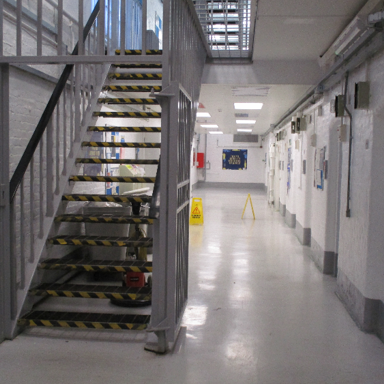
The unit was temporarily located on D wing pending refurbishment and fire safety improvements. Conditions had improved as a result, and prisoners now had access to in-cell telephones and electricity. It was positive that most also had laptops and access to a small range of books supplemented by library delivery on request. However, the basic regime remained meagre and many prisoners only came out of their cell for 30 minutes of daily exercise and a shower.
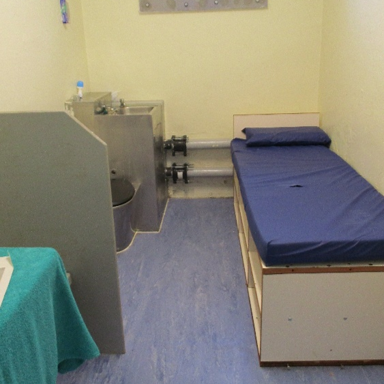
Although most segregated prisoners were returned to normal location quickly, reintegration plans were often generic and did not consistently address the underlying factors affecting behaviour.
Security
Expected outcomes: Security and good order are maintained through an attention to physical and procedural matters, including effective security intelligence and positive staff-prisoner relationships. Prisoners are safe from exposure to substance misuse and effective drug supply reduction measures are in place.
Leaders had a good understanding of the prison’s key security threats. Intelligence reporting was efficient, with few backlogs, prompt action on emerging risks and good information-sharing across the prison.
Physical security was generally proportionate but there were some areas where it was not aligned to risks. While the reception x-ray body scanner was very effective in detecting illicit items, all prisoners entering the prison were also subject to a strip search, which had resulted in no recorded finds. Closed visits were also used excessively, nearly always for reasons unrelated to the abuse of visits.
| HMIP prisoner survey | Yes | Compared with similar prisons |
| In this prison, is it easy/very easy to get illicit drugs | 27% | Lower |
An excellent drug strategy was in place, and key leaders attended monthly meetings to coordinate activity, although resulting actions were not always completed promptly. Leaders had implemented a range of measures to reduce the threat from drugs. Intelligence-led cell searches were usually prompt, and drug finds had increased by more than 100% since the previous inspection.
| Data provided by the prison | |
| Percentage of prisoners testing positive following a random mandatory drug test in the 12 months to 31 May 2026 | 16% |
The random mandatory drug testing (MDT) positive rate was similar to the last inspection and remained the second lowest among comparable prisons. However, while two-thirds of suspicion drug tests returned positive results, more than half of those requested had not been completed.
Joint working with Essex Police was very good. The security team maintained a strong focus on the high number of prisoners linked to organised crime groups and remained alert to the risks associated with staff corruption.
Safeguarding
Expected outcomes: The prison provides a safe environment which reduces the risk of self-harm and suicide. Prisoners at risk of self-harm or suicide are identified and given appropriate care and support. All vulnerable adults are identified, protected from harm and neglect and receive effective care and support.
Suicide and self-harm prevention
| Data provided by the prison | |
| Rate of self-harm per 1,000 prisoners in the 12 months to end of June 2026. | 1,185 |
There had been four self-inflicted deaths since the previous inspection but none in the previous year. Some Prisons and Probation Ombudsman (PPO) recommendations relating to health care had still not been fully implemented (see Health, well-being and social care).
The rate of self-harm had fallen by 23% since the last inspection but remained higher than at similar prisons. About a third of incidents in the previous year had involved a small number of distressed prisoners who repeatedly self-harmed. There had been 18 near-miss investigations during the year, and two incidents were considered serious. Investigations were of reasonable quality.
Leaders had a strong focus on reducing self-harm and improving support for vulnerable prisoners from their arrival. The safety team met all new arrivals on their second day to assess their well-being and identify needs. Partly as a result of such measures, the use of constant supervision had increased by more than 250% and there was a shortage of suitable accommodation.
Some prisoners in crisis were in cells with standard doors and small observation panels, which did not allow effective observation. One appropriate cell had been decorated to create a warmer environment and was valued by the prisoner being supervised in it. During our night visit, officers carrying out constant supervision did not have cell keys to allow emergency access; we were told this was rectified during the inspection.
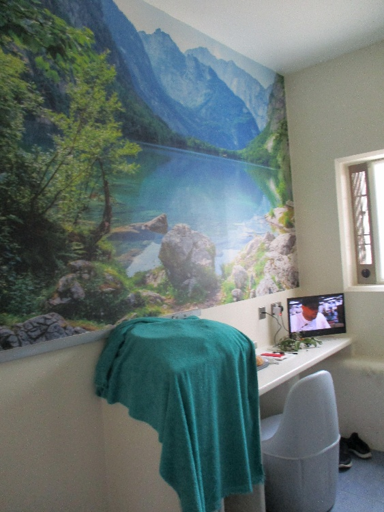
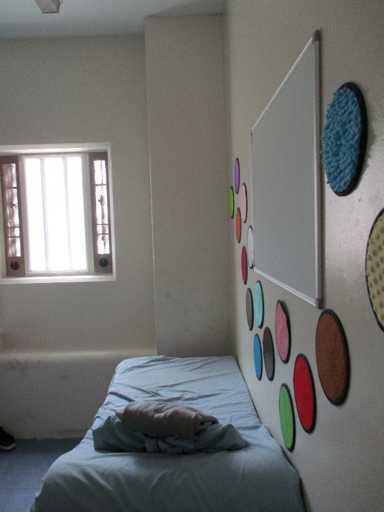
Rigorous risk assessment processes in reception and on the first night unit had led to more assessment, care in custody and teamwork (ACCT) case management documents being opened (see Early days). More complex cases were reviewed at fortnightly multidisciplinary safety intervention meetings, which facilitated good information-sharing but generated few actions to address identified risks.
Leaders had introduced a local training package to improve staff awareness of their responsibilities in supporting prisoners at risk of self-harm. Delivery to prison officers was almost complete, with plans to extend the training to more senior officers.
The ACCT documents we reviewed suggested that prisoners in crisis generally received good support. However, case management was not always consistent, and reviews were not always multidisciplinary. Positively, in a small number of cases so far, families had been involved in reviews, with the prisoner’s consent, and were able to contribute to care planning.
Case study: Effective support for a vulnerable prisoner
Mr A, a foreign national prisoner at risk of self-harm, asked for support with his immigration case. The foreign national officer (see Fair treatment and inclusion) attended an ACCT review to explain the deportation process and likely timescales, using professional interpreting throughout. Mr A’s family was identified as a critical element in his care and contact with them was prioritised. He was given additional phone credit and the ACCT case co-ordinator arranged for his family to attend a review meeting. Mr A reported a significant improvement in his mental health as a result of these measures.
Protection of adults at risk (see Glossary)
The prison had only recently reestablished links with the local safeguarding adults board and introduced an updated safeguarding policy.
Section 3: Respect (Back to top)
Prisoners are treated with respect for their human dignity.
Staff-prisoner relationships
Expected outcomes: Prisoners are treated with respect by staff throughout their time in custody and are encouraged to take responsibility for their own actions and decisions.
The prison now had a more experienced and stable staff group, with only 12.5% now in post for less than a year compared with 35% at the last inspection. New staff were supported by a new colleague mentor scheme, and there was some good ongoing training.
| HMIP prisoner survey | Yes | Compared with similar prisons |
| Do most staff here treat you with respect? | 67% | No difference |
| Do you have a named officer (key worker)? | 38% | Lower |
Most prisoners told us that they found staff respectful and fair, and we observed largely friendly interactions, including with the wing managers. However, there were consistent reports of a small number of dismissive or rude officers, and we also witnessed some poor staff attitudes. Some staff did not consistently challenge low-level poor behaviour, including vaping on wings and improper dress.
With a few exceptions, notably the work of officers allocated to prisoners with specific needs or vulnerabilities, the quantity and quality of key work were poor (see Glossary and Preparation for release). Leaders were reviewing their approach to key work, with support from the psychology team.
In-cell laptops were a very effective means of communicating with prisoners and promoting personal responsibility (see Fair treatment and inclusion). There was also a wide range of effectively supervised peer mentors to help and advise other prisoners.
Daily life
Expected outcomes: Prisoners live in a clean and decent environment and are aware of the rules and routines of the prison. They are provided with essential basic services, are consulted regularly and can apply for additional services and assistance. The complaints and redress processes are efficient and fair.
Living conditions
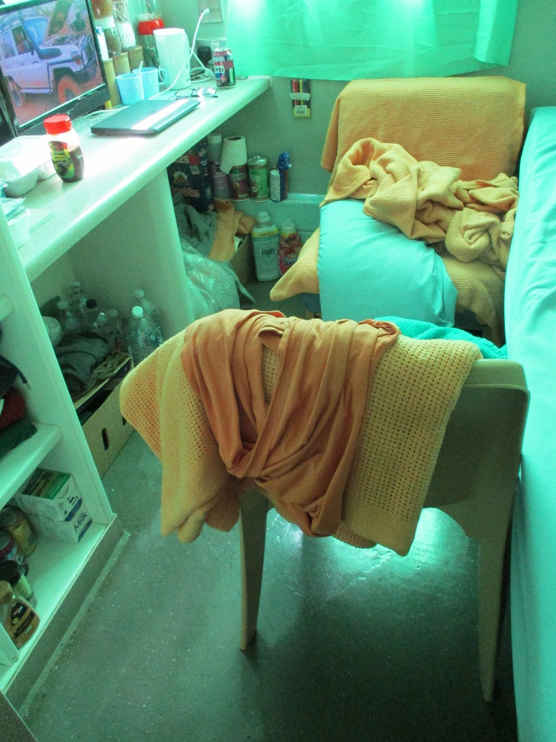
Living conditions were reasonable, despite the challenges of ageing buildings and infrastructure. Staff responded quickly to identified issues, including taking water-damaged and damp cells out of action, and it was notable that there was very little graffiti across the prison. However, overcrowding continued to be a major issue, with many prisoners having to share single cells, some of which were extremely cramped. Many cells, particularly those in the newer part of the prison, had limited ventilation and became very stuffy in hot weather.
Most cells were suitably equipped and furnished, but toilets were not always adequately screened. Emergency cell bells were well monitored and responses were generally quick.
Communal areas in the residential units and outdoor areas were kept clean but showers on some wings, particularly in the newer part of the prison, were in poor condition.
Prisoners had some delays in accessing prison clothing, particularly in larger sizes. The installation of new heavy-duty washing machines on each living unit was a positive development, but the onsite laundry equipment was still unreliable, and this led to problems in obtaining clean bedding in particular.
Residential services
| HMIP prisoner survey | Yes | Compared with similar prisons |
| Is the quality of the food in this prison very/quite good? | 30% | No difference |
| Does the shop/canteen sell the things that you need? | 59% | No difference |
The food we tasted was of reasonable quality, but many prisoners complained that it lacked variety. Self-catering opportunities were improving but still limited: while prisoners on enhanced wings could use a range of equipment, including microwaves, air fryers and grills, those on other wings had nothing or only a microwave.
The kitchen was large and had been refurbished, although much of the equipment remained outdated. Serveries on the wings were clean. On some units there was very limited staff supervision of food service, leading to inequities in portion sizes.
Prisoners could easily buy items from the shop or from catalogues, and they valued highly the additional mid-week food shop distribution (see Encouraging positive behaviour).
Prisoner consultation, applications and redress
There were regular wing forums and a monthly prison council, which was well facilitated by a senior leader. Issues raised at the council had led to positive changes, such as cooking equipment on the enhanced units (see Residential services). Information on the prison council was well communicated to prisoners, and its meetings were videoed and available on laptops.
By contrast, consultation for vulnerable prisoners was comparatively poor. Their wing forums met sporadically and they were not represented at the prison council. Their concerns had not been adequately considered or addressed.
Prisoners made most of their applications electronically on their laptops and responses were generally prompt (see Staff-prisoner relationships).
| Data provided by the prison | |
| Number of complaints received in the 12 months to end of June 2026 | 1,278 |
There were far fewer complaints than at our last inspection. Those that we reviewed were investigated thoroughly and responses were comprehensive. However, replies were often late, with only 52% having responses in time in the previous six months.
Confidential complaints were poorly managed: they were opened by the complaints clerk and not enough was done to make sure that they remained private before they were considered by senior managers.
There was a persistently high volume of property-related complaints, and leaders did not yet have a clear idea of the underlying reasons. However, we saw efforts to make progress in this area, and the prison was participating in an HMPPS pilot project in which any complaints that were subsequently upheld by the Prisons and Probation Ombudsman resulted in a fine.
Fair treatment and inclusion
Expected outcomes: There is a clear approach to promoting equality of opportunity, eliminating unlawful discrimination and fostering good relationships. The distinct needs of prisoners with particular protected characteristics (see Glossary) or those who may be at risk of discrimination or unequal treatment, are recognised and addressed. Prisoners are able to practise their religion. The chaplaincy plays a full part in prison life and contributes to prisoners’ overall care, support and rehabilitation.
The prison was working towards developing a more inclusive culture, and there were some areas of emerging provision, including good support for prisoners with neurodiverse needs. Ninety-one prisoners had been identified and those with the most complex needs had one-page support plans to guide staff working with them. Useful support included neurodiversity peer workers to help such prisoners engage more effectively with prison life and Reconnect, an NHS-commissioned service to help vulnerable prisoners access community services on release (see Glossary). Neurodiversity training for staff was also being delivered, but only to a small number so far.
There was a wide programme of events to celebrate different cultures and raise awareness, and a series of relevant podcasts were available on prisoners’ laptops. Twenty-three discrimination incident reporting forms (DIRFs) had been submitted in the previous year, and each was investigated thoroughly.
Professional interpreting was not used well enough for prisoners with limited English, but foreign national prisoners were otherwise reasonably well supported. The foreign national officer met all new arrivals and had worked to support the most vulnerable (see case study, Safeguarding). A free worldwide 15-minute telephone call was available every week for foreign nationals who did not receive visits.
However, the prison had not done enough to understand and address the experiences of some minority groups. For example, we saw few reasonable adjustments for prisoners with disabilities and many staff were unaware of the process for requesting support. During the inspection, two prisoners were using broken wheelchairs and there was no formal ‘Buddy’ (peer supporter) scheme to assist them with day-to-day activities.
There had been little engagement with the 19% of prisoners who were young adults, although a strategy was due to be implemented.
An ISCRE (Ipswich & Suffolk Council for Racial Equality) representative attended the prison monthly and provided good support for work with minority ethnic prisoners, including independent review of DIRFs. Some focus groups with minority ethnic prisoners had resulted in no obvious actions.
Equality meetings were held regularly and benefited from good multidisciplinary attendance, but the prison had only recently started to use the national equality monitoring tool to identify and address disproportionality.
Faith and religion
The chaplaincy was fully involved in the life of the prison and had good links with community faith groups that could support prisoners on release. Chaplains delivered a range of faith-based and well-being courses, including Kintsugi Hope (a Christian-linked charity well-being programme) and Living with Loss bereavement support. Support for prisoners’ families was good and included Alpha course taster sessions and reading challenges that encouraged family engagement through shared Bible study (see Children and families).
Health, well-being and social care
Expected outcomes: Patients are cared for by services that assess and meet their health, social care and substance use needs and promote continuity of care on release. The standard of provision is similar to that which patients could expect to receive elsewhere in the community.
The inspection of health services was jointly undertaken by the Care Quality Commission (CQC) and HM Inspectorate of Prisons under a memorandum of understanding agreement between the agencies. The CQC found breaches of regulations and issued two requests for action plans following the inspection (see Care Quality Commission Action Plan).
Strategy, clinical governance and partnerships
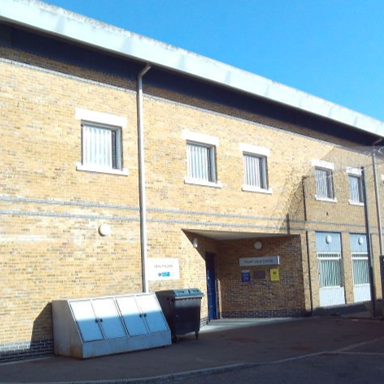
Access to health services and the quality of delivery were too variable. In our survey, 36% of respondents said that the overall quality of health services was quite or very good. While patients we spoke to had mixed views, many complained of lengthy waits to see mental health staff in particular.
NHS England (NHSE) commissioned HCRG Care Group (HCRG) as the prime provider of all health services except dental services, which were delivered by Time for Teeth. HCRG subcontracted substance misuse and primary care mental health services (improving access to psychological therapies, IAPT) to Forward Trust. Essex County Council was the local authority.
Health care leadership since our last inspection had been unstable and the CQC had issued warning notices for breaches in regulations to HCRG earlier in 2026. Vacancy levels remained high in some services, resulting in continued reliance on agency staff.
The health partnership had failed to address several longstanding problems identified at the previous inspection, including poor supervision of medicine administration and the need to refurbish health facilities. Staff training and access to supervision varied across services.
The operational governor responsible for health and social care had reintroduced the monthly local delivery board to help resolve concerns, which was a positive development. NHSE held quarterly contract review meetings and regional partnership boards. The provider had submitted a business case to support wing-based care, and a comprehensive health needs analysis was planned.
Despite some action by HCRG, aspects of governance remained poor. Although there was a reasonable incident reporting culture, leaders failed to progress prompt investigation and sharing of learning. Oversight of learning from deaths in custody was weak, and some Prisons and Probation Ombudsman recommendations (see Safeguarding) had not been addressed adequately. The risk register captured most risks, but clinical audit did not drive improvement in areas such as infection prevention and control.
Safeguarding processes were in place, but not all staff understood how to make a referral. The complaints process lacked confidentiality, and both quality assurance and oversight were weak.
SystmOne (the clinical recording system) was still not used across all services (see Support and treatment for prisoners with addictions and those who misuse substances) and standards of record-keeping were too variable.
The refurbishment of the clinical rooms identified as needed at the previous inspection had not been completed. Many failed to meet infection prevention and control standards and some were not fit for purpose. Staff facilities were grubby and patient waiting areas were bleak.
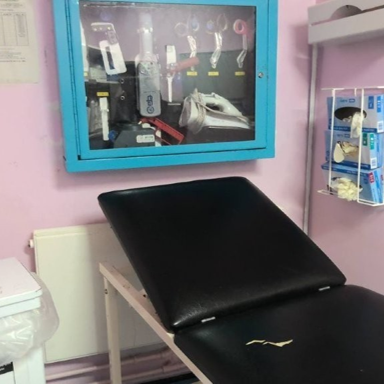
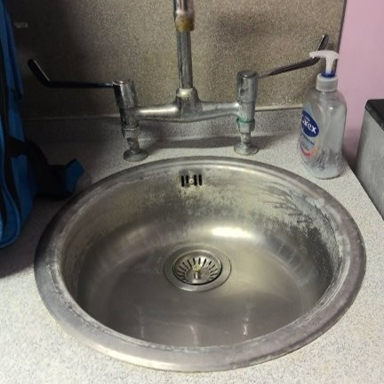
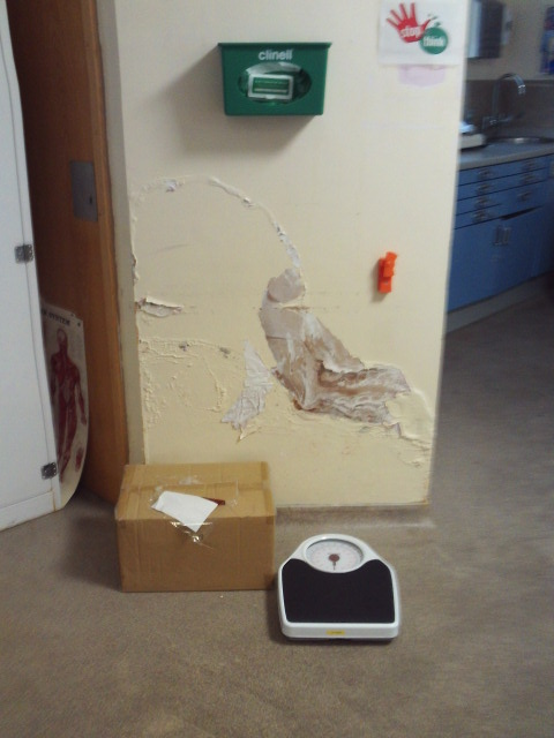
Emergency equipment and medicines were appropriately maintained and checked daily.
Promoting health and well-being
Dedicated health promotion leads had started to deliver awareness campaigns and well-being events. Prisoners could access information through an in-cell digital platform, which was being expanded to include health information and exercise videos.
Prisoners could access NHS health checks, national screening programmes, blood-borne virus screening and sexual health services. Staff were working to improve the low uptake of screening and vaccinations, including following up those who declined.
Patient engagement activity was limited and uncoordinated, and there were no health peer mentors.
Primary care and inpatient services
Prisoners had access to an appropriate range of primary care services and waiting times were mostly good. However, both patients and staff were confused about the health care application process, which had recently changed to a partly digital system. A new process to record the receipt and triage of applications was not used consistently, and records did not always demonstrate responsiveness or support triage decisions.
New arrivals received an initial health screening to identify immediate needs, followed by a second screening within required timescales. The records we reviewed were clear and detailed.
Wound care and long-term conditions were managed effectively. Patients received regular reviews, care plans and prompt referrals to specialist services where needed.
Health care assistant and nursing associate clinics worked well. Patients had access to an appropriate range of allied health professionals, but waits for podiatry services were long and some diabetic foot checks were overdue.
Administrative staff managed referrals, correspondence and information efficiently. External hospital appointments were well coordinated, but there were insufficient officer escorts, leading to missed appointments. The records we reviewed did not clearly show whether patients had received health screening before or after their appointment, whether the appointment was attended or what follow-up action was required, which was poor.
Clinical documentation relating to emergency and unplanned care often lacked sufficient clinical detail and was not always completed promptly. Follow-up care was sometimes delayed.
The prison-led enhanced care unit (ECU) was a valuable resource for prisoners with the most complex needs, including those with severe and enduring mental ill health and high social care needs. The unit was well kept and prisoners spoke highly of the care they received. However, the ECU still lacked a continuous nursing presence and clinical leadership, and officers working on the unit did not receive additional training or supervision.
Social care
The seven prisoners in receipt of a personal social care package all had a plan and comprehensive records. All five prisoners we spoke to were happy with the care they received.
Oversight arrangements by the prison were improving but not yet good enough. A local agreement with Essex County Council lacked some key information. A referrals tracker provided erroneous dates, and some prisoners who had equipment and aids were not on the list.
The wait for some equipment and cell adaptations was too long, and we found prisoners in wheelchairs and with walking aids who had not been fitted for them (see Fair treatment and inclusion).
Mental health
| HMIP prisoner survey | Yes | Compared with similar prisons |
| Do you have any mental health problems? | 69% | No difference |
| For those who have any mental health problems, have you been helped with your mental health problems in this prison? | 35% | No difference |
HCRG’s mental health service worked under continuous pressure to meet the very high demand. Between 300 and 400 referrals a month were received. Those identified as urgent were assessed the same day following the daily triage, but routine referrals were not assessed in line with timescales. The overstretched team attended all ACCT reviews, supported everyone on constant supervision, provided a crisis response service and were responsible for covering shortfalls in staffing of medicines administration across the prison. Prison staff did not receive any mental health awareness training.
Caseloads were reasonable (77 patients across the team), but the care programme approach (CPA, designed to assess and support individuals with a mental illness) was not followed, and few patients had a personalised care plan and an appropriately reviewed risk assessment.
A weekly mental health multidisciplinary team meeting was attended by Talking Therapies staff but not the addictions service. There were processes for prescribing reviews and to conduct physical health checks.
The longstanding psychiatrist vacancy was covered by just two locum sessions a week, which was not enough. Patient access to them was managed well and waiting times were reasonable during the inspection.
In the first six months of 2026, only four of the 17 patients due to be transferred to hospital under the Mental Health Act went within the 28 days guideline. The longest wait was 63 days.
Forward Trust now delivered psychologically led individual and group therapies, with an appropriate range of options, including groups for PTSD and anger management. However, 79 patients were waiting for assessment during the inspection and the average wait was 50 days. As a result, many patients needing high-intensity interventions had left the prison before accessing treatment.
Support and treatment for prisoners with addictions and those who misuse substances
Managers had yet to resolve the lack of a single patient record, which meant that clinical staff could not access risk assessments and psychosocial notes. This also meant that appointments were not logged and waiting times were not transparent.
Patients requiring clinical substance misuse treatment received good care, including access to all treatment options by the Forward Trust. There were 50 patients with a clinical treatment need. First night prescribing was undertaken remotely by HCRG staff who relied on the local reception assessment to inform their prescribing decisions. Overnight monitoring had improved with the addition of a substance misuse service night nurse.
Forward Trust provided a suitable range of psychosocial interventions but was understaffed, which meant that 90 of its 200 patients had yet to be seen. The average wait was 12 weeks and in the past six months 140 patients had moved on without being triaged.
For patients who had been allocated to the service, release planning was commenced on arrival to make sure medication, community referrals and transfers were managed promptly. Naloxone (a drug to manage substance misuse overdose) and harm reduction advice were offered to all patients on their release.
Medicines optimisation and pharmacy services
The pharmacy team was well integrated with other services and contributed to governance and multidisciplinary meetings. Prescribing and administration were managed electronically through SystmOne, with all prescriptions clinically screened by a pharmacist and structured medicines reviews with eligible patients.
Pharmacy technicians led most not-in-possession medicine administration, providing regular advice and support to patients. The pharmacy technician vacancy rate was still high, which affected other services.
There were systems to manage missed doses, medicines reconciliation, in-possession risk assessments on reception, and continuity of medicines during transfers or release. However, some in-possession risk assessment reviews were overdue.
Routine audits of prescribing practices supported safe and effective care, and prescribing trends were actively monitored. However, there was limited auditing of tradable medicines. There was still inconsistent officer supervision of medicine queues.
Medicines were dispensed on site, with appropriate labelling and oversight of transportation, storage and management. High temperatures in the out-of-hours medicines storage reduced shelf life and a long-term solution to this problem had not been found.
Dental services and oral health
A full range of dental services was available, with waiting times in line with those in the community. There were arrangements for urgent cases when a dentist was not on site, including support from primary care staff and remote dental clinicians.
Dental records were detailed and complete. Staff were knowledgeable and confident in their roles. The dental treatment and decontamination areas were clean, and equipment was appropriately serviced and maintained. A planned refurbishment was due to address concerns with the environment, including the sinks, flooring and worktops.
Section 4: Purposeful activity (Back to top)
Prisoners are able and expected to engage in activity that is likely to benefit them.
Time out of cell
Expected outcomes: All prisoners have sufficient time out of cell (see Glossary) and are encouraged to engage in recreational and social activities which support their well-being and promote effective rehabilitation.
Most prisoners had too little time out of their cell. Those in full-time employment could have up to 7.5 hours a day from Monday to Thursday, but they made up only about 30% of the population. In our roll checks, 31% of prisoners were locked up during the core working day. From Friday to Sunday, the regime was especially poor, and many prisoners were locked up for around 22 hours a day. Prisoners were usually unable to have a shower on Fridays.
Regime slippage was a frequent problem and those in activity often arrived late or had to leave early. This was generally due to staff being unable to readily provide an accurate figure for the number of prisoners. More positively, leaders had given priority to providing outside exercise, which was delivered every day.
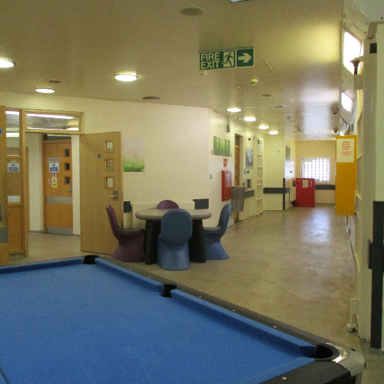
Prisoners had access to recreational equipment such as pool tables throughout the prison, and wing activity such as book and chess clubs.
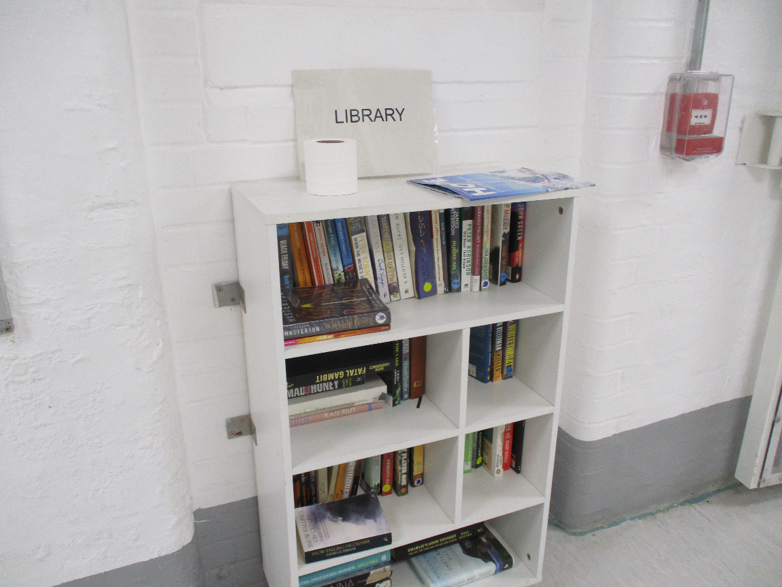
The library provided a welcoming space for prisoners to read and learn from Monday to Thursday. Access was reasonable during these days as each residential location had two allotted slots. A library officer took groups of prisoners to visit and familiarise themselves with the facility on Fridays.
The library was central to the work to deliver the impressive reading strategy (see Education, skills and work). The library arranged or hosted a variety of initiatives, including book clubs and events to promote reading.
Prisoners had access to good PE facilities, including a well-equipped gym, a sports hall and an outdoor football pitch. Leaders had identified that vulnerable prisoners were underusing the facilities and had improved their access. This cohort could also take the ‘Unlocking Potential’ course, which used sport and physical activity to change thinking and behaviour.
Education, skills and work activities
Expected outcomes: All prisoners are expected and enabled to engage in education, skills or work activities that increase their employability on release. There are sufficient, suitable education, skills and work places to meet the needs of the population and provision is of a good standard.

Ofsted inspects the provision of education, skills and work in custodial establishments in England. The following summary has been provided by Ofsted inspectors who attended this inspection. Their full report is published under ‘Survey materials and Ofsted full report‘.
Ofsted made the following assessments about the education, skills and work provision:
- Overall effectiveness: requires improvement
- Quality of education: requires improvement
- Behaviour and attitudes: good
- Personal development: requires improvement
- Leadership and management: requires improvement.
Leaders had made considerable progress to rectify most of the concerns identified at the previous inspection. They had strengthened quality assurance arrangements and introduced targeted professional development. However, weaknesses in assessment remained. Although leaders had identified the vocational and employability skills that prisoners could develop in workshops and workplaces, they did not track these effectively.
Since the previous inspection, leaders had developed a purposeful reading strategy to support prisoners with low reading skills and promote reading for pleasure. Staff encouraged prisoners to read using initiatives such as book clubs and reading competitions. Staff promoted reading across the prison very well and most prisoners recognised its importance.
Leaders did not provide sufficient full-time activity places for prisoners, although there were sufficient part-time spaces. In addition, too many prisoners were unable to be allocated to suitable activities because of regime restrictions or insufficient places in popular activities. At the time of the inspection, only around three-quarters of places were allocated.
The curriculum largely met the needs of the prison population. Leaders mostly used information about prisoners’ starting points and aspirations effectively to plan learning. However, there were very few opportunities for prisoners to gain accredited qualifications or study at higher levels.
Teaching in education, provided by People Plus, was mostly effective. Staff used explanations, discussion, instruction and demonstrations well to help prisoners learn key concepts. However, in a minority of education lessons, teachers did not assess learning accurately enough. In industries and work activities, prisoners often lacked records of the skills they had developed. This included peer mentors, who received little training and had no formal record of their achievements.
The initial induction briefly outlined available courses but focused overly on initial assessment and did not sufficiently promote the full range of training and enrichment opportunities available.
Staff understood prisoners’ needs well. Tutors made effective use of adaptive teaching strategies to support prisoners with neurodiverse needs. They worked closely with support staff and used assessment information effectively to plan learning and support.
Almost all prisoners who completed their courses achieved their qualifications and developed the intended knowledge and skills. Most achieved their learning goals. However, pass rates for the CSCS (construction skills certification scheme) qualification remained too low.
Prisoners did not receive sufficient information about their skills development or realistic aspirations. Careers information, advice and guidance were insufficient to support prisoners with their next steps. Targets were often too generic and focused on employment within the prison and did not support prisoners’ readiness for the next phase of their education, training or employment on release.
Prisoners’ attendance at education, skills and work activities was mostly high. Most absences were a result of unavoidable clashes in prisoners’ timetables, such as court and legal visits. Prisoners were frequently late to sessions and were often returned to residential units too early, resulting in lost learning time.
Leaders had prioritised personal development, particularly through education, skills and work activities. However, employability skills were not recorded sufficiently well in industry and work settings. A wide range of enrichment activities were available, but many were targeted at specific groups or not promoted effectively enough.
Section 5: Preparation for release (Back to top)
Preparation for release is understood as a core function of the prison. Prisoners are supported to maintain and develop relationships with their family and friends. Prisoners are helped to reduce their likelihood of reoffending and their risk of harm is managed effectively. Prisoners are prepared for their release back into the community.
Children and families and contact with the outside world
Expected outcomes: The prison understands the importance of family ties to resettlement and reducing the risk of reoffending. The prison promotes and supports prisoners’ contact with their families and friends. Programmes aimed at developing parenting and relationship skills are facilitated by the prison. Prisoners not receiving visits are supported in other ways to establish or maintain family support.
Provision for prisoner contact with their families was richer than in most establishments and was appreciated by prisoners we spoke to. The work of the Ormiston Trust charity included support with complex family problems and was complemented by an impressive range of prison-led initiatives.
Activities included monthly themed family visits and many special programmes, including Soccer Tots (football with dads and under-fives), Messy Church (craft-centred, child-friendly worship sessions) and child-friendly events like Rhyme Time (sessions with dads and under-fives in the library). There were also popular games-based visits for older family members or friends, and sessions in the visits hall for those who received no visits or were hesitant about inviting their families. Short parenting courses were also offered, with good take up.
Leaders made a positive effort to involve families in prisoners’ lives outside visits through, for example, joint reading events. A striking innovation was a day when a large local employer attended the prison and there were activities for all ages, from under-fives’ play to information for prisoners about jobs on release; a second such day was due to take place. Families were also involved in the support of prisoners at risk of self-harm through the ACCT process, although so far only to a limited extent (see Safeguarding).
The visits facilities were good and the atmosphere was welcoming, with a play area supervised by Ormiston staff. However, it was poor that remand prisoners only received one visit a week and there was a lack of healthy food available.
Prisoners had reasonable access to phone contact (see Early days in custody). Social video calling (see Glossary) had restarted after a gap due to technical issues, but there were very few slots – 10 a week at the time of the inspection. The facility to receive emails from family and friends was very well used.
Reducing reoffending
Expected outcomes: Prisoners are helped to change behaviours that contribute to offending. Staff help prisoners to demonstrate their progress.
The prison had a complex population mix, with 64% of prisoners on remand, 20% recalled and 26% convicted of or remanded for sexual offences, while the throughput of prisoners had also increased significantly. Leaders had a reasonable understanding of the needs of the population, but provision was underdeveloped, particularly for recalled prisoners.
A comprehensive needs analysis informed a clear and well-structured strategy to reduce reoffending and was supported by good action planning. A well-attended monthly strategic meeting was underpinned by a series of pathway specific meetings to help drive action.
In our survey, 58% of prisoners said their experience at the prison had made them less likely to reoffend, and positive outcomes were supported by the generally calm and controlled atmosphere in the prison, a strong focus on resettlement support and the involvement of community organisations. However, only 21% of recalled prisoners surveyed were as positive.
There had been proactive work with community agencies, including Essex police, to support preparation for release. This included quarterly workshops for prisoners convicted of sexual offences to explore employment opportunities and discuss what they could expect from police supervision.
How staff were supporting prisoners and managing risk
Prison offender managers (POMs, see Glossary) knew their prisoners well and maintained reasonable levels of contact. Cases were allocated promptly after sentence, accompanied by a helpful risk summary and action-setting case note from the senior probation officer. These prisoners had a prompt risk and needs assessment and those we reviewed were detailed, with good analysis of risks and triggers. POMs and case administrators worked together well to manage key processes, such as home detention curfew (early release ‘tagging’ scheme) and parole.
Over 55% of the population were subject to some form of public protection restriction, and both screening and assessment processes operated well. Leaders had allocated additional staff to this task, including two dedicated POMs. Information sharing between security staff and the offender management unit (OMU) was good, and intelligence had been successfully used to support adjudications and police investigations for breaches of public protection restrictions. There was an innovative approach to risk management for prisoners assessed to pose a high risk of domestic homicide, with a dedicated POM and partnership working with the local police.
However, telephone monitoring of those subject to public protection concerns was not sufficiently resourced and there were still long delays in listening to calls. We found some cases where calls had not been listened to in over a month and some prisoners had not had their calls monitored at all, including some who posed a risk to children. Calls in foreign languages were not translated, and telephone calls were not made to verify the identity of requested contacts living abroad.
Opportunities for prisoners to progress
Categorisation assessments were prompt and defensible, with the majority of prisoners assessed as suitable for category C conditions. Sentenced prisoners spent on average only 16 days at Chelmsford before they were transferred, and the OMU had good oversight of those eligible for transfer.
The prison now provided more targeted resettlement services for recalled prisoners, entailing earlier support and stronger links to community services. However, there was no specific work focused on addressing risk or the reasons for recall. Community offender managers (COMs) did not often update risk and needs assessments for this group to reflect the prisoner’s return to custody.
Prison data showed that fixed-term recall prisoners spent an average of 24 days at Chelmsford, although some remained there for their entire recall period. Leaders were analysing data to understand recall trends, and were planning to develop tailored provision for this group.
There was generally little structured work to address risk and need, which could have been enhanced through better use of POM time. In the cases we reviewed, many contacts between POMs and prisoners were only brief check-ins. They did not go into detail about progression and most prisoners had no support from a key worker (see Staff-prisoner relationships and Glossary) to help them improve their behaviour and prepare for release.
There was a range of non-accredited short interventions to support progression. These included: the Firebreak course, delivered by Essex County Fire and Rescue Service, to build confidence, teamwork and decision-making; Unlocking Potential, which used sport to improve behaviour, emotional regulation and mindset; and the Children at Risk of Exploitation (CARE) course, delivered through The Children’s Society.
A variety of interventions were also available through the families provision (see Children and families). Specialist key workers supported some higher need groups of prisoners, including young adults and those posing an increased risk of violence; they delivered structured sessions targeting attitudes, thinking and behaviour. Prisoners could attend regular courses to deal with their gambling and addiction, and finance, benefit and debt.
Returning to the community
Expected outcomes: Prisoners’ specific reintegration needs are met through good multi-agency working to maximise the likelihood of successful resettlement on release.
The work of the excellent multi-agency resettlement centre had developed further since the previous inspection. It supported all prisoners, including the majority who were on remand or recall. All new arrivals spent two days in the resettlement centre for a thorough induction and assessment, and all those released from the jail were given the chance to use the ‘departure lounge’, which offered helpful information on local community and resettlement support, as well as key essentials such as toiletries.
A weekly multi-agency meeting considered prisoners approaching release individually. This was followed by a ‘release clinic’ with the same staff, and helpful input from the neurodiversity support manager.
The interdepartmental risk management team now considered release issues for all high-risk cases, following screening by a senior manager. There had been no releases in error in 2026 to date. The work of the bail information officer continued to be effective.
In the previous six months, only 23% of prisoners had been released to sustainable accommodation, while over 20% left with no address for the first night. These poor outcomes partly reflected adverse conditions in the local area and that many prisoners had been homeless on reception, although there was no systematic data collection on this.
The housing support team and other agencies worked hard to find accommodation and had many examples of success against the odds. The team had been more effective in its new in-house form since April 2026, with some improving outcome data.
Two full-time staff from the Department for Work and Pensions helped prisoners being released with many aspects of being ready for work, as well as ID, benefits and bank accounts. On release, those needing them could obtain food bank vouchers, clothing, individual guides to local towns and useful information for those released homeless.
Section 6: About HMP & YOI Chelmsford (Back to top)
Please note, much of the following information was supplied by the establishment at the time of the inspection.
Category of the prison
Category B male reception prison
Brief history
Opened in 1825 as the county gaol, and formerly the Springfield Gaol and House of Correction, HMP & YOI Chelmsford has been an operational prison for over 200 years. It has been used as a long-term category B, a young person’s prison and a local since 1987. Two new house blocks were opened in 1996 to relieve overcrowding.
Population
661 prisoners were held at the time of the inspection. There was operational capacity for 660. (Figures provided by the prison.)
- 3,085 new arrivals in 2,025, averaging 258 a month
- Average of 61 releases into the community each month
- 64% of prisoners are on remand
- 16% are foreign nationals
- 24% are minority ethnic prisoners.
Short description of residential units
- A wing (previously the segregation unit) – closed for project works
- B wing – induction unit
- C wing – general population
- D wing – segregation (previously general population)
- E wing – incentivised substance free living (ISFL) and detox unit
- F wing – general population
- G wing – super enhanced incentives and earned privileges and vulnerable prisoners
- enhanced care unit (12 cells)
Prison status (public/private)
Public
Key providers
Physical health provider: HCRG Care Group
Mental health provider: HCRG Care Group
Substance misuse treatment provider: Forward Trust
Dental health provider: Time for Teeth
Prison education framework provider: People Plus
Escort contractor: Serco
Prison group director
Simon Cartwright – South East and Eastern Area, Hertfordshire, Essex and Suffolk prison group
Name of governor and date in post
Mark Howard, 27 January 2025
Changes of governor since the last inspection
Garry Newnes, to January 2025
Independent Monitoring Board Chair
John Curle
Date of last inspection
22 January – 8 February 2024
Progress on concerns from the last inspection (Back to top)
At this inspection we found the following progress:
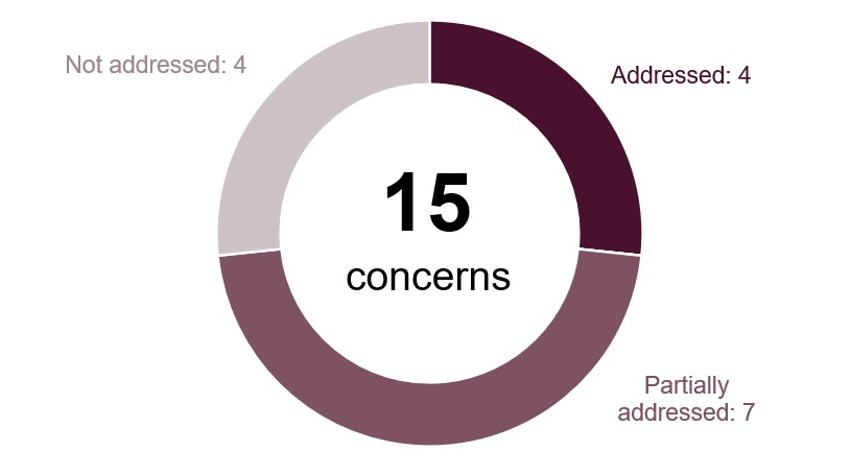
The following is a list of all the concerns raised, organised under the four tests of a healthy prison.
Safety
Priority concerns
The level of reported self-harm was very high. Too many prisoners struggled to get help with their mental health.
Not addressed
Care and support for prisoners in their early days was not good enough. Risks and vulnerabilities were not explored in sufficient depth, peer work was underused and it took too long for prisoners to be able to make a telephone call.
Addressed
Key concerns
Scrutiny of use of force was insufficient. Use of force was high and body-worn video cameras were not activated soon enough.
Partially addressed
The segregation unit was a substandard environment. Prisoners reported disrespectful treatment by some segregation unit staff, and living conditions and the regime on the unit were inadequate.
Partially addressed
Respect
Priority concerns
Work to ensure fair treatment and inclusion was insufficient. Prisoners with protected characteristics, including young adults, non-white, and Muslim prisoners, and those with disabilities, reported significantly more negative experiences in important areas. Not enough was being done to address disproportionate treatment.
Partially addressed
Mental health provision was disjointed and talking therapies were not being delivered. This created a gap in provision, and significant risk.
Addressed
Key concerns
The prison was not providing prisoners with enough day-to-day support. The quality of key work was poor and prisoners expressed frustration at struggling to get basic requests dealt with.
Partially addressed
Parts of the prison were in poor repair and equipment failures were having an impact on prisoners. Showers, windows and flooring on some wings were in poor condition, two wings did not have working heating at the time of the inspection, and the kitchen had a large number of equipment breakdowns.
Not addressed
Governance and oversight of the delivery of social care were weak. We found unmet need, and communication about the care delivered to prisoners with a social care package was poor.
Partially addressed
Purposeful activity
Priority concern
There were weaknesses in teaching and assessment, and in the content and design of the curriculum.
Partially addressed
Key concerns
Leaders had been too slow to implement a cross-prison reading strategy or promote reading as part of other education, skills and work classes.
Addressed
Prisoners did not always understand the skills they developed through the education, skills and work activities they completed.
Not addressed
The regime did not offer prisoners, particularly those who were unemployed, enough time out of their cells. They were typically unlocked for less than 2.5 hours each day.
Not addressed
Preparation for release
Priority concern
There were gaps in support for remanded prisoners. Their immediate and resettlement needs were neither reliably identified nor addressed.
Addressed
Key concern
There were weaknesses in public protection arrangements. The interdepartmental risk management meeting did not consider the risk management of all the prisoners that it needed to, and telephone monitoring was not adequately resourced.
Partially addressed
Care Quality Commission Action Plan (Back to top)
Care Quality Commission (CQC) is the independent regulator of health and adult social care in England. It monitors, inspects and regulates services to make sure they meet fundamental standards of quality and safety. For information on CQC’s standards of care and the action it takes to improve services, please visit: http://www.cqc.org.uk
The inspection of health services at HMP [insert prison name] was jointly undertaken by the CQC and HMI Prisons under a memorandum of understanding agreement between the agencies (see Working with partners) for action plans following this inspection. The Care Quality Commission issued a request for an action plan following this inspection.
Breach of Regulation |
| Provider: HCRG Care Services Ltd Location: HMP Chelmsford Location ID: 1-19677906365 Regulated activities: Diagnostic and screening procedures Treatment of disease, disorder or injury |
| Regulation 12 (1) of the Health and Social Care Act 2008 (Regulated Activities) Regulations 2014 12 (1) Care and treatment must be provided in a safe way for service users. (2) Without limiting paragraph (1), the things which a registered person must do to comply with that paragraph include: a) assessing the risks to the health and safety of service users of receiving the care or treatment; b) doing all that is reasonably practicable to mitigate any such risks; c) ensuring that persons providing care or treatment to service users have the qualifications, competence, skills and experience to do so safely; d) ensuring that the premises used by the service provider are safe to use for their intended purpose and are used in a safe way; e) ensuring that the equipment used by the service provider for providing care or treatment to a service user is safe for such use and is used in a safe way; f) where equipment or medicines are supplied by the service provider, ensuring that there are sufficient quantities of these to ensure the safety of service users and to meet their needs; g) the proper and safe management of medicines; h) assessing the risk of, and preventing, detecting and controlling the spread of, infections, including those that are health care associated; i) where responsibility for the care and treatment of service users is shared with, or transferred to, other persons, working with such other persons, service users and other appropriate persons to ensure that timely care planning takes place to ensure the health, safety and welfare of the service users. |
| How the regulation was not being met: – Clinical records did not consistently document patient appointment requests, clinical triage undertaken, decisions made or whether patients were informed about the outcome of their appointment request. – Care plans varied in quality for patients with a long-term condition. They were not consistently personalised or appropriate for the prison environment. – There was insufficient evidence within clinical records to demonstrate that patients requiring emergency or unplanned care consistently received timely clinical assessment, treatment and follow-up that met their health needs. – Patients requiring specialist wound care were at risk of not receiving consistent treatment due to a lack of trained substantive staff and the absence of arrangements to ensure continuity of care. – Clinical records did not consistently demonstrate attendance at external hospital appointments, completion of required screening or appropriate follow-up of outcomes. – The condition of the clinical rooms, particularly the ECU clinical room and C wing dispensary, warranted review to determine whether they remained suitable for clinical use, as damaged fixtures, fittings and surfaces could not be effectively cleaned and maintained in line with infection prevention and control requirements. This was in breach of Regulation 12 (1) of the Health and Social Care Act 2008 (Regulated Activities) Regulations 2014. |
| Regulation 17 of the Good governance, of the Health and Social Care Act 2008 (Regulated Activities) Regulations 2014 Regulations for service providers and managers – Care Quality Commission (cqc.org.uk) 17 (1) Systems or processes must be established and operated effectively to ensure compliance with the requirements in this Part. (2) Without limiting paragraph (1), such systems or processes must enable the registered person, in particular, to: (a) assess, monitor and improve the quality and safety of the services provided in the carrying on of the regulated activity (including the quality of the experience of service users in receiving those services); (b) assess, monitor and mitigate the risks relating to the health, safety and welfare of service users and others who may be at risk which arise from the carrying on of the regulated activity; (c) maintain securely an accurate, complete and contemporaneous record in respect of each service user, including a record of the care and treatment provided to the service user and of decisions taken in relation to the care and treatment provided; (d) maintain securely such other records as are necessary to be kept in relation to: (i) persons employed in the carrying on of the regulated activity, and (ii) the management of the regulated activity; (e) seek and act on feedback from relevant persons and other persons on the services provided in the carrying on of the regulated activity, for the purposes of continually evaluating and improving such services; (f) evaluate and improve their practice in respect of the processing of the information referred to in sub-paragraphs (a) to (e). |
| How the regulation was not being met: The provider had not ensured appropriate systems and processes were in place to assess, monitor and mitigate the risks relating to the health, safety and welfare of service users and others. In particular: – Governance arrangements did not ensure that clinical records were consistently accurate, complete, contemporaneous and readily accessible, limiting oversight of care and treatment provided to patients. – Staff had not all received appropriate support, training, professional development, supervision and appraisal necessary to enable them to carry out the duties they were employed to perform. – Systems for obtaining, acting on and learning from patient and staff feedback were not consistently effective in supporting service improvement and demonstrating that concerns and suggestions had been appropriately addressed. – Inconsistent recording of failed appointment outcomes reduced the reliability of data and limited effective monitoring and oversight. – There were no formal safety-netting arrangements to ensure all referrals had been actioned, tracked and followed up appropriately. – Systems and processes did not always ensure that recommendations arising from incidents, including deaths in custody, had been implemented and associated risks appropriately mitigated. – Risk management arrangements did not ensure that longstanding risks were reviewed, escalated and progressed effectively, including those requiring action through partnership arrangements. – Quality improvement and audit processes did not provide reliable oversight and assurance regarding the effectiveness, safety and quality of healthcare services. Some audits lacked sufficient scope, independence or accuracy. This was in breach of Regulation 17 (1) of the Health and Social Care Act 2008 (Regulated Activities) Regulations 2014. |
More about this report (Back to top)
This report outlines the priority and key concerns from the inspection and our judgements against the four healthy prison tests. Each of the following four sections contains a detailed account of our findings against our Expectations for men’s prisons.
Find out more about our Expectations and how we inspect
Find out more about priority and key concerns
Find out about notable positive practice
Findings from the survey of prisoners and a detailed description of the survey methodology are published alongside this report. Please note that we only refer to comparisons with other comparable establishments or previous inspections when these are statistically significant. The significance level is set at 0.01, which means that there is only a 1% chance that the difference in results is due to chance.
The tables in this report which provide data from HMI Prisons prisoner surveys also include comparisons with similar prisons.
| Description | What it means |
| Lower | the prison’s percentage is statistically significantly lower than the comparator: prisons with the same function type, or at the last inspection |
| Higher | the prison’s percentage is statistically significantly higher than the comparator: prisons with the same function type, or at the last inspection |
| No difference | the prison’s percentage is not statistically significantly different to the comparator: prisons with the same function type, or at the last inspection |
Inspection team
This inspection was carried out by:
| Charlie Taylor Hindpal Singh Bhui Rachel Badman Martin Kettle Dawn Mauldon Chris Rush Fiona Shearlaw Emma King Samantha Rasor Sophie Riley Sana Zahid Simon Newman Tania Osborne Jemma Richardson Emily Hempstead Joanne White Sarah Alexander Diane Koppit Saher Nijabat Denise Olander | Chief inspector Team leader Inspector Inspector Inspector Inspector Inspector Researcher Researcher Researcher Researcher Lead health and social care inspector Health and social care inspector General Pharmaceutical Council inspector Care Quality Commission inspector Care Quality Commission inspector Ofsted inspection team lead Ofsted inspector Ofsted inspector Ofsted inspector |
Find out more about the terms and abbreviations used in this report in our glossary.
Easy read summary and press notice (Back to top)
Survey materials and Ofsted full report (Back to top)
The following files may not be suitable for users of assistive technology.
Request an accessible format
If you use assistive technology (such as a screen reader) and need a version of any of these documents in a more accessible format, please email media@hmiprisons.gov.uk. Please tell us what format you need. It will help us if you say what assistive technology you use.