
HMP Wayland
Report on an unannounced inspection of HMP Wayland by HM Chief Inspector of Prisons 26 January – 5 February 2026

Introduction (Back to top)
HM Prison Wayland is a category C training and resettlement prison near Thetford in Norfolk, holding just over 800 adult men at the time of this inspection. First opened in the mid-1980s, it is a campus style institution with accommodation units of varying designs. The most recent additions are rapid deployment cells – referred to by prisoners and staff as the ‘pods’ – set in a discrete compound, and a large new wing currently under construction.
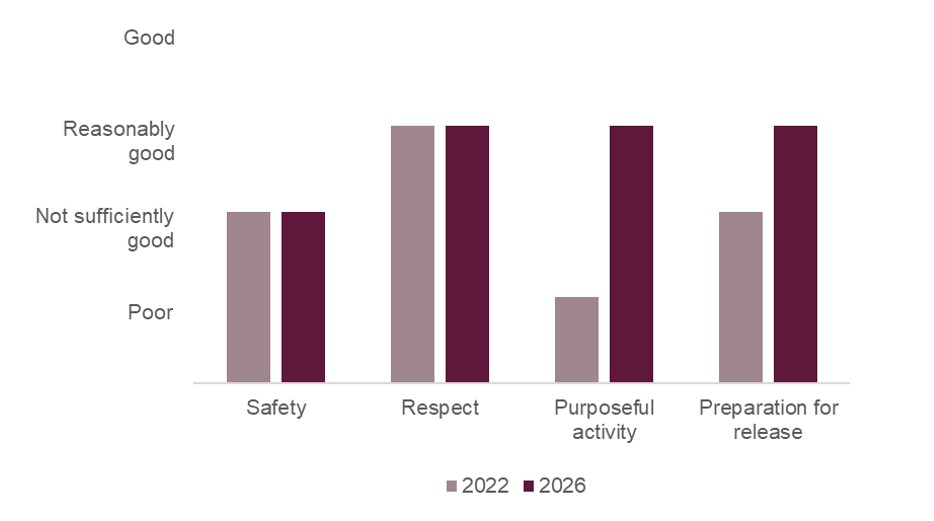
It is pleasing to report that this was an encouraging inspection. We last visited Wayland in 2022 as the prison emerged from the Covid restrictions, finding then a reasonably respectful institution, but one where outcomes in our healthy prison tests of safety and preparation for release were ‘not sufficiently good’ and in purposeful activity were ‘poor’. At this inspection, whilst safety concerns remained, in respect, purposeful activity and preparation for release, outcomes were now all judged to be ‘reasonably good’, with Wayland to be commended for making progress toward fulfilling its core training and resettlement function.
Our ongoing concerns over safety were varied and included weak governance of the use of force. The actual rate of incidents was lower than in comparable prisons, but the high use of chemical incapacitants (PAVA) without adequate scrutiny meant that we could not be confident that such force was always appropriate or proportionate. In a small sample of video footage we reviewed, some troubling incidents had not been identified by managers.
Illicit drugs remained one of the most destabilising influences in the prison, driving debt, bullying and violence. Random testing, reintroduced only in 2025, showed a high rate of positive results, and more than half of the men in our survey said drugs were easily available. While the security department was well led and relationships with the police were strong, weaknesses in physical security – particularly outdated CCTV – limited the prison’s ability to tackle supply routes effectively.
The fabric of the prison had deteriorated to a concerning degree. Leaders were trying to mitigate the impact of failing infrastructure, but the design and quality of the buildings hampered their efforts. Damaged windows, malfunctioning heating systems, broken flooring and persistent maintenance delays were prevalent and most acute on the older wings, but large parts of the prison were now in urgent need of refurbishment.
Health care governance was another area requiring attention. The absence of a functioning health partnership board meant there was no forum in which leaders could collectively identify concerns, hold one another to account or agree solutions. Problems included long waits for GP and dental appointments, insufficient oversight of clinical roles, and restricted access to electronic clinical records for psychosocial recovery workers. In our view, these were issues of governance rather than shortcomings of front line staff, many of whom demonstrated commitment, professionalism and care.
Yet it would be wrong to characterise Wayland solely in terms of these deficits. Across several areas, the prison was achieving outcomes that compared very well with similar establishments. Relationships between staff and prisoners were generally respectful, and most men we spoke to described officers as approachable and fair. Purposeful activity was a strength. Attendance at work and education was high, the curriculum had improved since our last inspection, and Ofsted judged overall effectiveness to be ‘good’. Leaders had been particularly resourceful in mitigating reductions to the education budget, securing sufficient activity places and implementing robust quality assurance. Few prisoners were unemployed, and plans for new workshops promised further improvements.
Work to improve the fair treatment of prisoners was particularly impressive. The partnership with the Zahid Mubarek Trust had fostered a vibrant group of equality advocates whose work was influencing policy, improving communication and strengthening trust between minority groups and staff. The ‘reverse mentoring’ initiative, in which black prisoners mentored senior leaders, was an example of the thoughtful and creative approaches being taken to address long standing challenges.
Preparation for release was also reasonably good. A cohesive resettlement team, supported by a capable strategic housing lead, provided effective support in the final weeks before release, prisoners benefiting from practical interventions. However, some men were still being released without accommodation, and many were being recalled shortly after release.
Overall, Wayland was a prison with considerable strengths. The prison was well led, and the commitment of leaders and staff was clear. In many areas they were delivering promising and sometimes innovative work, seeking solutions to problems, and overcoming inertia with energy and determination. The prison has many challenges, but Wayland’s performance sets a benchmark, demonstrating what can be achieved in challenging circumstances.
Charlie Taylor, HM Chief Inspector of Prisons, March 2026
Outcomes for prisoners (Back to top)
We assess outcomes for prisoners against four healthy prison tests: safety, respect, purposeful activity, and preparation for release (see More about this report for more information about the tests). We also include a commentary on leadership in the prison (see Section 1).
At this inspection of HMP Wayland we found that outcomes for prisoners were:
- Not sufficiently good for safety
- Reasonably good for respect
- Reasonably good for purposeful activity
- Reasonably good for preparation for release.
We last inspected HMP Wayland in 2022. Figure 1 shows how outcomes for prisoners have changed since the last inspection.
Figure 1: HMP Wayland healthy prison outcomes 2022 and 2026
What needs to improve (Back to top)
During this inspection we identified 12 key concerns, of which four should be treated as priorities. Priority concerns are those that are most important to improving outcomes for prisoners. They require immediate attention by leaders and managers.
| Priority concerns | |
| 1. | Some poor uses of force had not been identified by leaders and overall governance was not sufficiently rigorous. There were no investigations to show if the high use of PAVA was justified. |
| 2. | A high proportion of prisoners were testing positive for illicit drugs. Physical security measures were not robust. |
| 3. | There were substantial defects in the fabric and infrastructure of the accommodation units, and repairs took too long. |
| 4. | There were weaknesses in the governance of clinical health care and no health forum where partners could address shortcomings. Concerns included long waits for dental and GP appointments, a lack of oversight by the clinical psychologist and pharmacist, and limited access to the electronic clinical records for most psychosocial recovery workers. |
| Key concerns | |
| 5.. | Some staff were not sufficiently familiar with key emergency procedures, including when it was appropriate to enter a cell at night. Several did not know the location of the defibrillators. |
| 6. | Patients waited too long to be transferred for assessment and treatment in a mental health unit, and most transfers breached the 28-day transfer guideline. |
| 7. | Inconsistent supervision of medicine administration queues created an opportunity for prescribed medicines to be diverted. |
| 8. | Prisoners were locked in their cells every Tuesday and Friday afternoon, which meant that they did not experience a full working week. |
| 9. | Not all prisoners were receiving timely careers information, advice and guidance. |
| 10. | Not enough prisoners had access to a comprehensive enrichment curriculum. |
| 11. | The prison did not adequately identify or support prisoners who were not receiving social visits. |
| 12. | Prisoners found it difficult to progress through sentence as a result of delays in sentence planning, long waits for accredited programmes and limited one-to-one risk reduction work. |
Notable positive practice (Back to top)
We define notable positive practice as evidence of our expectations being met to deliver particularly good outcomes for prisoners, and/or particularly original or creative approaches to problem solving. Inspectors found [insert number] examples of notable positive practice during this inspection, which other prisons may be able to learn from or replicate.
| 1. | Staff strongly encouraged segregated prisoners to participate in activities, and most were doing in-cell work or education. (See Segregation) |
| 2. | The diversity and inclusion manager and the Zahid Mubarek Trust had invested strongly in an effective group of ‘equality advocates’, who were improving communication with minority groups across the prison. (See Fair treatment and inclusion) |
| 3. | Discrimination incident investigations were rigorously quality checked by trained prisoners and staff, leading to good-quality responses and tangible actions. (See Fair treatment and inclusion) |
| 4. | Senior leaders had shown a commitment to receiving ‘reverse mentoring’ from black prisoners, which had helped them to make positive changes in the prison. (See Fair treatment and inclusion) |
| 5. | Prisoners were given regular and prompt feedback on the prison television channel, Wayout TV, in response to concerns raised at health forums. (See Strategy, clinical governance and partnerships) |
| 6. | Cleaning workshops in industries training had very high-quality resources, including a mock prison cell to provide a simulating learning environment. (See Education, skills and work activities) |
| 7. | Prisoners had good access to social video calls, and planned sessions were used imaginatively to strengthen ties with children. (See Children and families and contact with the outside world) |
| 8. | Prisoners could buy a pay-as-you-go mobile telephone before release. Staff added contact details for key community services to support those attending appointments on release. (See Returning to the community) |
Unless otherwise specified, these examples are not formally evaluated, are a snapshot in time and may not be suitable for other establishments. They show some of the ways our expectations might be met, but are by no means the only way.
Section 1: Leadership (Back to top)
Leaders provide the direction, encouragement and resources to enable good outcomes for prisoners.
The governor provided visible and supportive leadership and communicated well with staff. The prison group director’s office provided valuable and tangible support to the prison.
Most staff who responded to our survey knew and agreed with the prison’s priorities, but many also told us of low morale, often linked to low staffing levels. Leaders had managed a severe shortage of staff well with overtime payments and support from officers on detached duty. However, this situation was not sustainable. In the medium term, the picture looked bleak, as recruitment was not keeping pace with departures.
Leaders had guided the prison effectively through a period of significant change in population. Despite considerable challenges, it was largely achieving its core purpose as a training prison. The local and regional leadership teams had responded particularly innovatively to cuts in the education budget and had sustained good provision. Only a small number of prisoners available for work were unemployed, and leaders had advanced plans for new workshops to provide further useful vocational training.
Leaders had improved the first night and early days experience, and the new induction unit was fit for purpose. There were some notably strong leaders in other key areas of the prison, such as the segregation unit, where the custodial manager fostered a positive culture focused on care. There was also a strong commitment to diversity and inclusion work, which was innovative, well led and supported well by the area team.
Leaders had invested significantly in safer custody provision, with subsequent reductions in violence and self-harm. Despite a well-led security department and attempts to reduce drug supply, leaders had not effectively stemmed the problem with illicit drugs. Governance of force was improving but was still too weak to provide sufficient assurance.
There had not been enough investment in the infrastructure of the prison. Persistent problems, including with the heating and broken windows, had a significant impact on outcomes for prisoners. However, leaders had ensured a good level of cleanliness on the units.
Health care was reasonably well led but the lack of a governance board meant there was no forum for partners to identify, discuss and resolve concerns.
Offender management unit (OMU) leaders provided good support to staff and communicated with them well, but oversight and quality assurance of casework were weak. The decision to open a dedicated wing for prisoners serving life, imprisonment for public protection (IPP) and extended determinate sentences (see Glossary) had improved support for these groups. However, many prisoners did not have enough progression opportunities. Leaders had engaged a good range of services to help prisoners being released.
While we saw some excellent coordination of work in parts of safer custody, some departments had a tendency to work in isolation. As a result, integration and coordination of work were not always good enough to achieve the best outcomes for prisoners.
Section 2: Safety (Back to top)
Prisoners, particularly the most vulnerable, are held safely.
Early days in custody
Expected outcomes: Prisoners transferring to and from the prison are safe and treated decently. On arrival prisoners are safe and treated with respect. Risks are identified and addressed at reception. Prisoners are supported on their first night. Induction is comprehensive.
| HMIP prisoner survey | Yes | Compared with similar prisons |
| When you arrived at this prison, did you spend less than two hours in reception? | 28% | Lower |
| Overall, were you treated very/quite well in reception? | 86% | No difference |
| For those who had an induction, did your induction cover everything you needed to know about this prison? | 56% | No difference |
The number of arrivals at the prison had risen substantially, from around 1,000 a year at the last inspection to 1,500. A new and expanded facility was being planned but, in the meantime, many prisoners waited for extended periods in drab holding rooms.
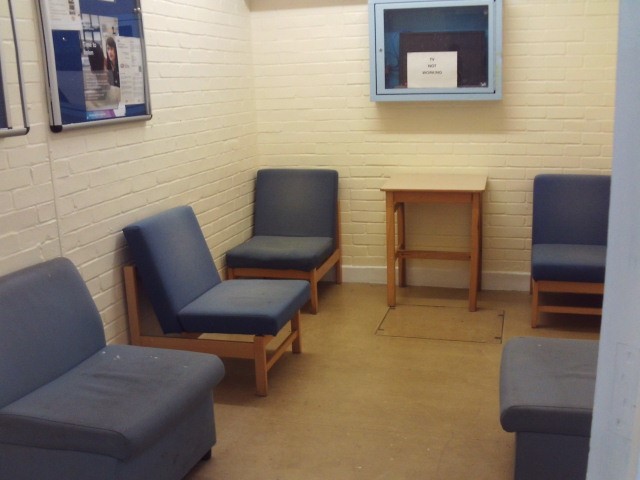
However, in our survey, the majority of prisoners said they were treated well in reception. Arrival processes were undertaken efficiently, and prisoners met with helpful reception orderlies and had health care interviews in private. Interviews with reception staff, by way of contrast, occurred at an open desk and lacked confidentiality.
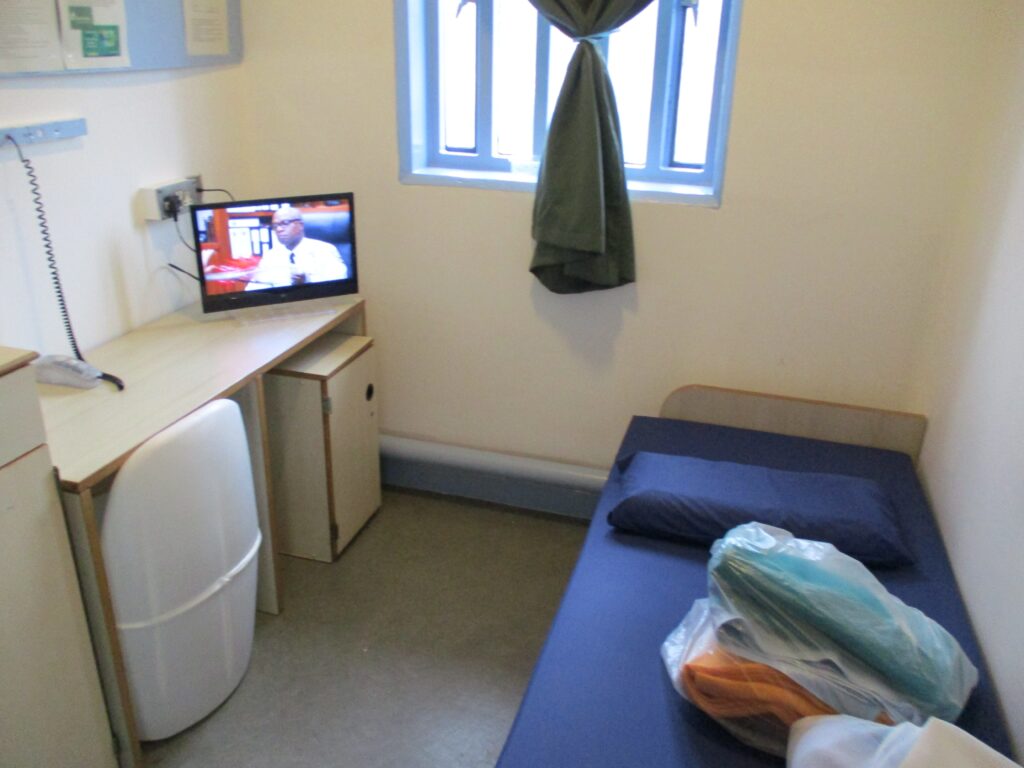
On the evening of their arrival, prisoners could make a phone call, have a shower and get a hot meal. First night cells were clean and well equipped. Staff were friendly and approachable and, in our survey, 79% of prisoners reported feeling safe on their first night.
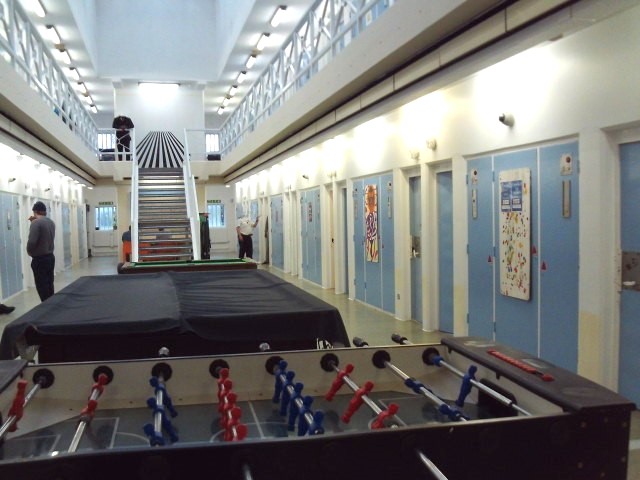
Induction had recently moved to E wing and took place over the first few days after arrival. The session we observed did not deliver information clearly or tell prisoners what they needed to know. Most prisoners were moved to other units promptly within a week of their arrival.
Promoting positive behaviour
Expected outcomes: Prisoners live in a safe, well ordered and motivational environment where their positive behaviour is promoted and rewarded. Unacceptable conduct is dealt with in an objective, fair, proportionate and consistent manner.
Encouraging positive behaviour
| Data provided by the prison | |
| Rate of prisoner-on-prisoner assaults per 1,000 prisoners in the 12 months to December 2025 | 193 |
| Rate of assaults on staff per 1,000 prisoners in the 12 months to December 2025 | 77 |
| Rate of serious assaults on staff per 1,000 prisoners in the 12 months to December 2025 | 15 |
There was generally a calm atmosphere on the wings, especially on the smaller, newly built units. However, some low-level poor behaviour continued to go unchallenged by staff, including vaping in communal areas and not being appropriately dressed.
In our survey, 23% of prisoners said they felt unsafe at the time of the inspection. While the rate of violence was low compared to similar prisons, it had risen since the last inspection. There were relatively fewer assaults on staff than at similar prisons, but the proportion that were serious had also risen since the last inspection.
Several positive initiatives had been introduced to reduce the levels of violence, including a daily safety intervention meeting where concerns about individual prisoners were discussed. The safety team spoke promptly to most prisoners involved in violent incidents to address any immediate concerns. Challenge, support and intervention plans (CSIP – see Glossary) were used effectively to support victims and perpetrators. The quality of investigations into violent incidents had improved and was now reasonable.
Many prisoners told us that the prison did not do enough to recognise good behaviour. However, the overall approach to motivating positive behaviour was improving. Prisoners could achieve access to several enhanced units, as well as extra on-wing activities. The incentives scheme was also implemented reasonably well; staff tended to downgrade prisoners only when there was a clear pattern of concern, and they reviewed cases regularly, swiftly upgrading prisoners when appropriate.
A ‘Regime & Reset’ unit had also been opened recently for prisoners on the basic level of the incentives scheme who had been involved in violence. Apart from regular and supportive reviews by staff, this unit provided no additional interventions to help prisoners reflect on and improve their behaviour.
The number of prisoners self-isolating because of fears for their safety was low, but support, when required, had improved. They were seen regularly by wing and safer custody staff.
Adjudications were managed effectively and were timely, except where matters were not in the control of the prison, typically because a case had been referred to the police. Adjudication hearings were held in a relaxed environment and adjudicators ensured that prisoners understood the process. We saw a good level of enquiry, but there was little promotion of rehabilitative activity in the punishments.
Use of force
| Data provided by the prison | |
| Annual rate of use of force incidents per 1,000 prisoners in the 12 months to 31 December 2025 | 673 |
| Number of times PAVA drawn in the 12 months to 31 December 2025 | 23 |
| Number of times PAVA used in the 12 months to 31 December 2025 | 10 |
The rate of use of force was lower than in similar prisons but had increased since the last inspection, and oversight was weak. The use of PAVA (see Glossary) was high, and batons had been drawn twice (not used) in the year to 31 December 2025. However, the prison was unable to provide any evidence of investigations into these incidents. We could not therefore establish if their use had been proportionate or justified.
All incidents were meant to be reviewed at weekly scrutiny meetings, but concerns were not always effectively picked up. In the sample of video footage we reviewed, staff used inappropriate language, applied restraint techniques poorly and, in one case, used potentially excessive force. None of these incidents had been identified by leaders.
There was better use of body-worn video cameras since the last inspection, and they were now used in just over 80% of incidents. However, staff did not always turn them on quickly enough and recordings did not always fully capture the whole incident.
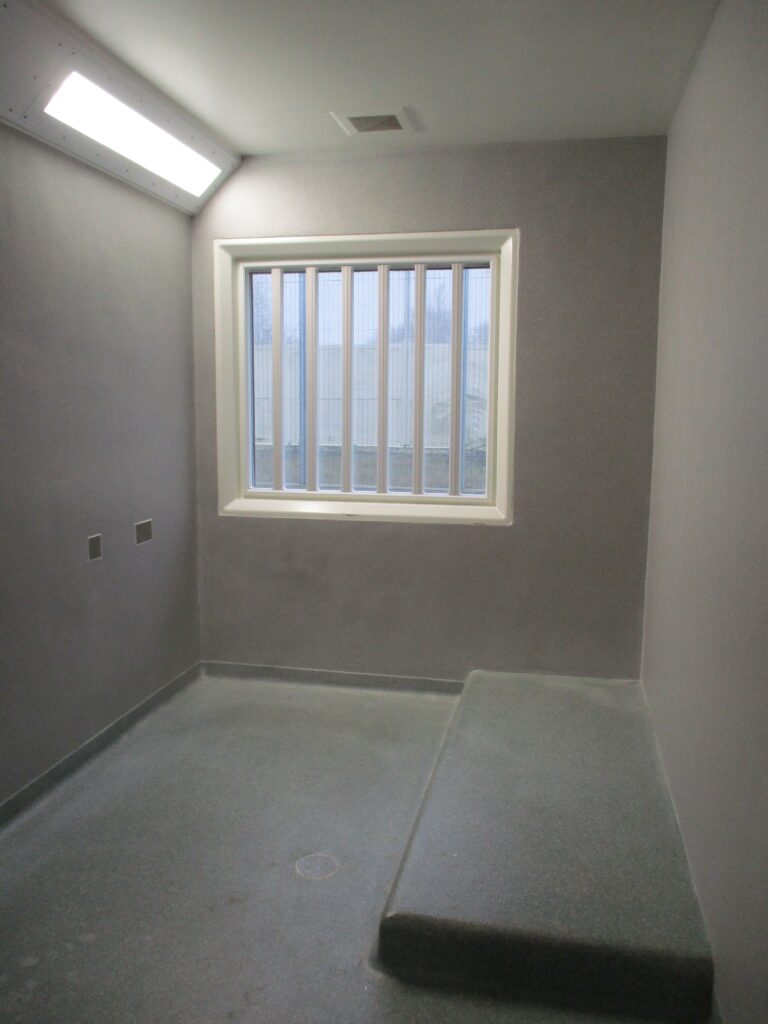
The designated special accommodation cells in the segregation unit had been used on seven occasions in the previous 12 months. In the documentation we reviewed, the authorisation was appropriate and prisoners were usually moved from the cells at the earliest opportunity. However, leaders were unable to supply any details concerning two of these cases.
Segregation
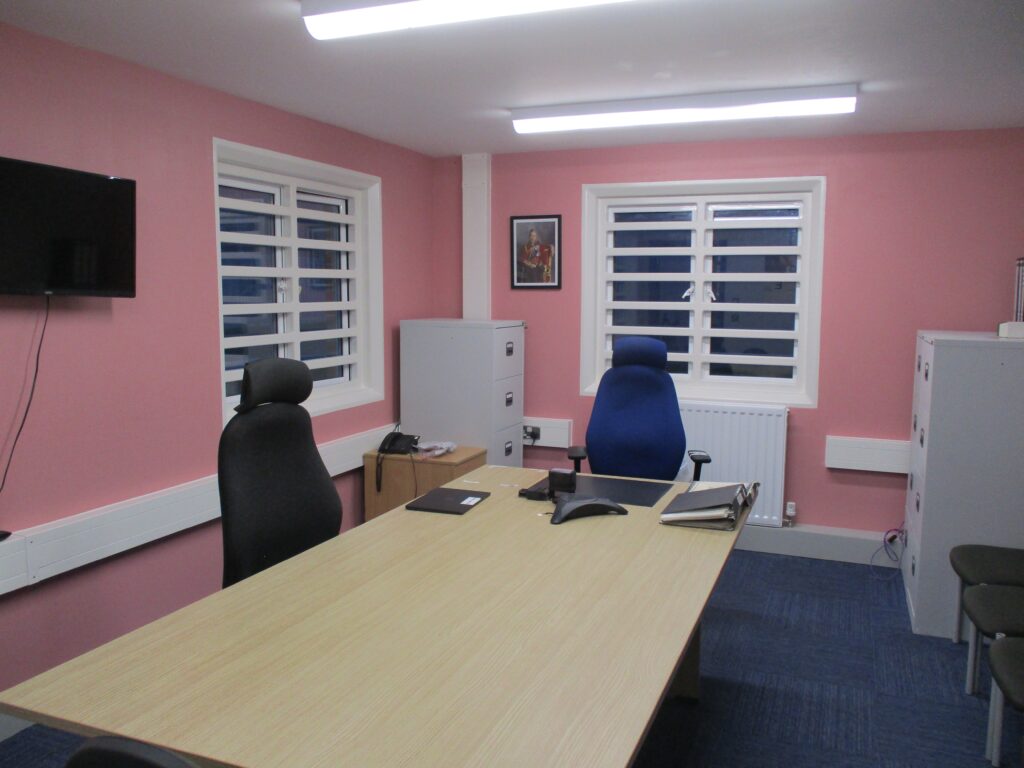
The segregation unit was well managed and provided good day-to-day care for some challenging prisoners. Prisoners we spoke to said they appreciated the respectful approach of staff.
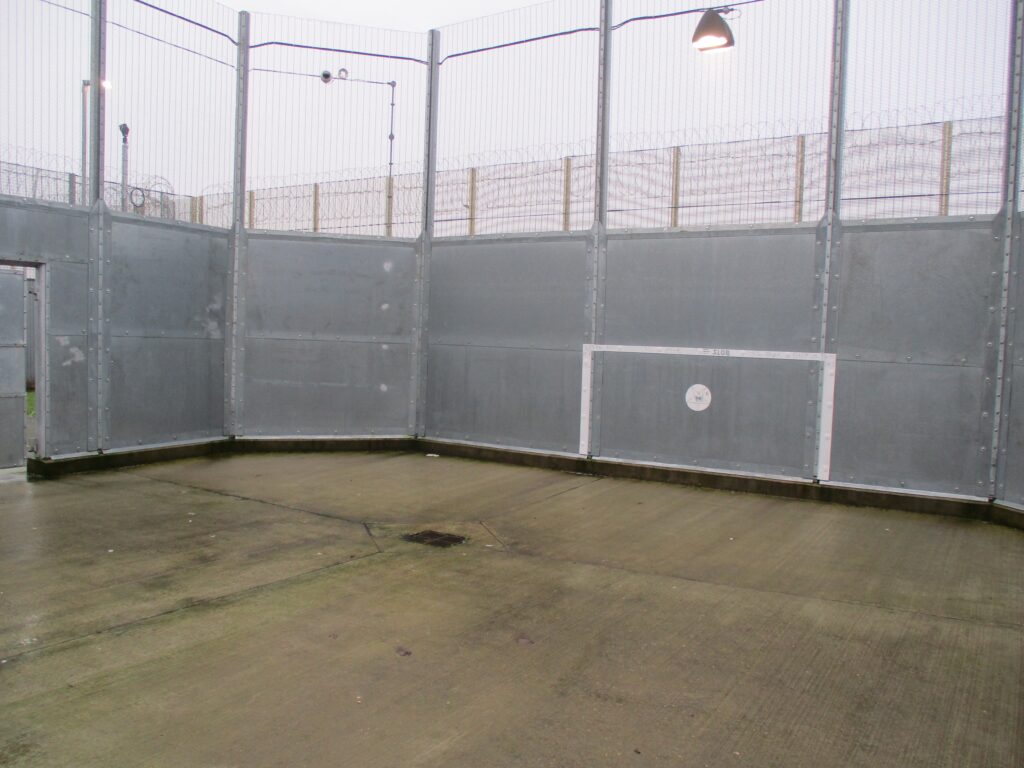
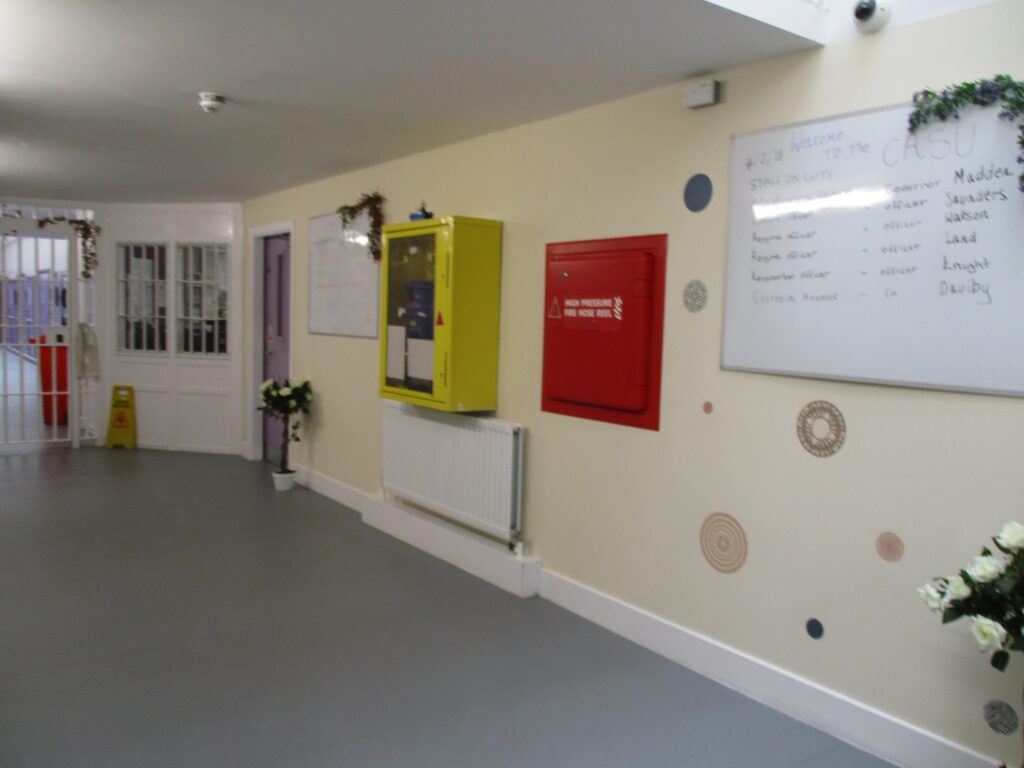
The unit opened in March 2023 and remained in generally good repair. Communal areas were clean and bright. Cells were mostly in good condition and had telephones and an electricity supply. However, some toilets and sinks were stained and the large exercise yards were bare.
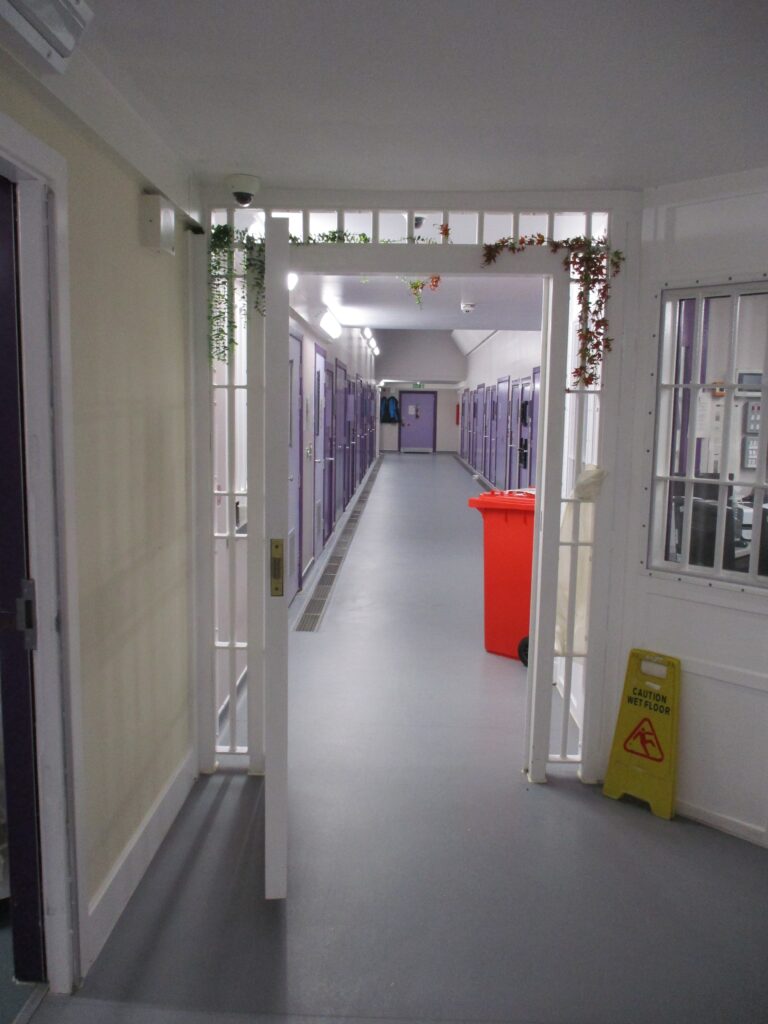
Prisoners were encouraged to participate in activities, and most were doing in-cell work or education under the guidance of teachers who visited the unit twice a week. Subject to risk assessment, prisoners could exercise in twos and they were encouraged to visit the unit library. They were also allowed to keep laptops in their cells.
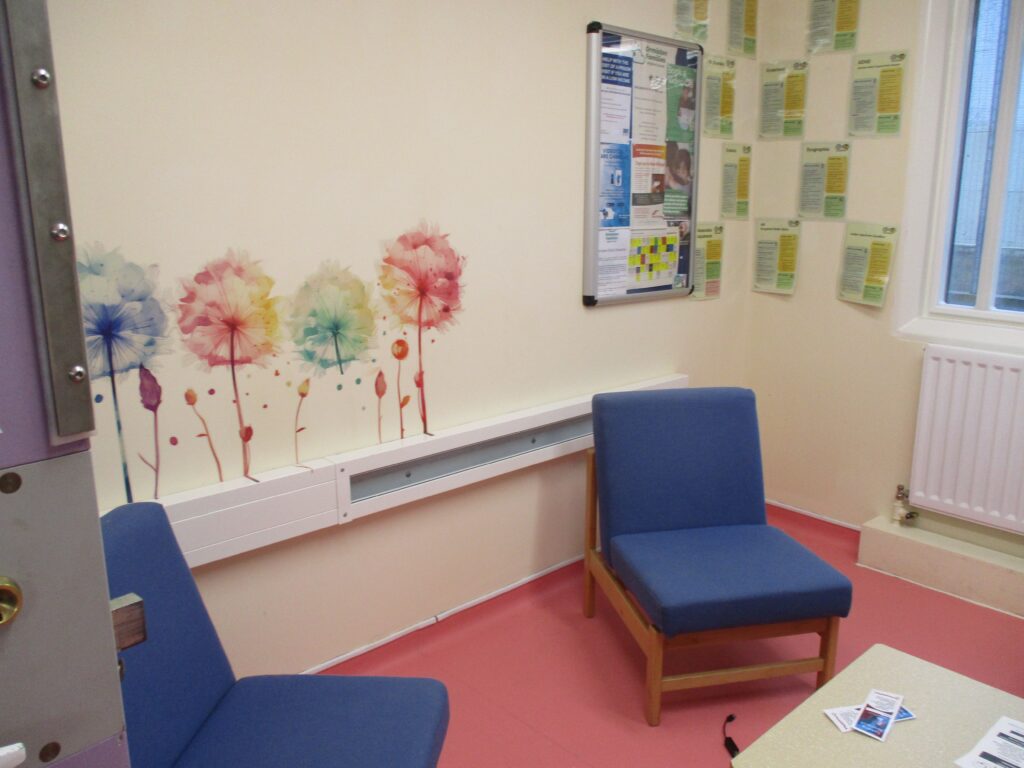
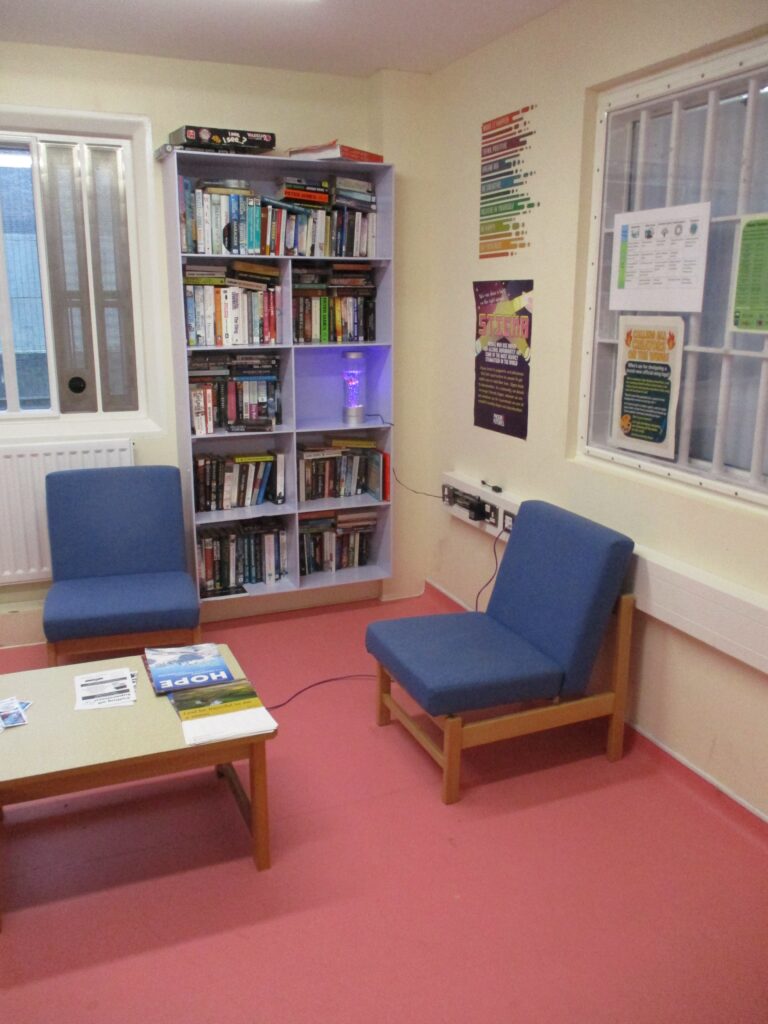
Record-keeping had improved and reviews were timely. Most segregated prisoners were in the unit for short periods and their reintegration plans usually contained useful targets. The Bridge unit, a half-way house for people who had been in segregation, provided helpful additional support to prisoners before they returned to their normal location.
Security
Expected outcomes: Security and good order are maintained through an attention to physical and procedural matters, including effective security intelligence and positive staff-prisoner relationships. Prisoners are safe from exposure to substance misuse and effective drug supply reduction measures are in place.
| HMIP prisoner survey | Yes | Compared with similar prisons |
| In this prison, is it easy/very easy to get illicit drugs? | 54% | No difference |
| Data provided by the prison | |
| Average rate of positive results following a random mandatory drug test (May to December 2025) | 31% |
The supply of drugs and other illicit items, often linked to organised crime groups, remained a serious threat to the prison’s stability. Random mandatory drug testing had resumed in May 2025 and the rate of positive results was higher than at similar prisons. In our survey, more than half of prisoners said that drugs were easily available.
Appropriate steps had been taken to reduce demand and supply, including the use of the body scanner on all new arrivals, intelligence-led searches following visits, and unpredictable searching of staff. In the two months before the inspection, the prison had also focused well on suspicion drug testing of prisoners. Ninety-three suspicion tests had been completed, 54% of which were positive. However, actions generated from intelligence such as targeted cell searches were not always completed in a timely way.
There were ongoing weaknesses in physical security; in particular, local leaders had not been successful in obtaining funding for a much-needed upgrade of CCTV cameras.
Although the strategic approach to drugs had begun to improve, the interim strategy was not yet embedded and inconsistent attendance at monthly meetings limited momentum.
Joint working with the police was good. The security team kept a strong focus on the large number of prisoners from organised crime groups and the potential for staff corruption.
Safeguarding
Expected outcomes: The prison provides a safe environment which reduces the risk of self-harm and suicide. Prisoners at risk of self-harm or suicide are identified and given appropriate care and support. All vulnerable adults are identified, protected from harm and neglect and receive effective care and support.
Suicide and self-harm prevention
| Data provided by the prison | |
| Rate of self-harm incidents in 2025 per 1,000 prisoners in the 12 months to 31 December 2025 | 640 |
There had been four self-inflicted deaths since the previous inspection. Most recommendations from the subsequent investigations had been implemented, with notable improvements in support through the assessment, care in custody and teamwork (ACCT) process. However, some staff were not familiar with important emergency procedures, including prisoners’ evacuation needs and the circumstances in which they should enter a cell to preserve life.
The rate of self-harm had been reducing consistently in the previous five months and was just below the average when compared to similar prisons. The reduction had coincided with an improvement in resources, support and risk mitigation.
There were now three full-time supervising officers dedicated to managing ACCTs, which helped to ensure consistent case management for prisoners being supported. There were also three specialist key workers for those at a higher risk of risk of self-harm. Managers were reviewing the ACCT documents at four stages, including an important early check of risk assessment and care planning. There was now a good analysis of the correlation between self-harm incidents and specific aspects of personal disadvantage, such as lack of personal money or of visits.
Prisoners who self-isolated received good support from wing staff and through the regular safety intervention meetings; a daily meeting also considered support for those with developing or especially acute needs or behavioural issues.
A strong team of 15 Listeners had good access to those needing their help. The number was being maintained despite the greater turnover of prisoners in the establishment, with good training and support from the Samaritans.
Protection of adults at risk
Contact with the local adult safeguarding board was maintained by HMPPS area staff. Attendance by leaders from individual prisons had declined, although Wayland leaders were beginning to engage again.
Section 3: Respect (Back to top)
Prisoners are treated with respect for their human dignity.
Staff/prisoner relationships
Expected outcomes: Prisoners are treated with respect by staff throughout their time in custody and are encouraged to take responsibility for their own actions and decisions.
| HMIP prisoner survey | Yes | Compared with similar prisons |
| Do most staff here treat you with respect? | 78% | No difference |
| Do you have a key worker? | 75% | No difference |
Many prisoners told us that officers on their units were approachable and most men responding to our survey were positive about the level of respect they experienced from staff. We saw professional and friendly interactions but also unchallenged low-level poor behaviour, although this was less prevalent than at the previous inspection (see Encouraging positive behaviour).
The amount of key work had risen substantially over the previous year and in our survey most prisoners (63%) with a key worker found them helpful. However, records showed that key work sessions did not focus enough on supporting progression.
There was a large group of prisoner orderlies doing meaningful and useful work in areas such as induction and reducing violence. These roles supported a generally positive and purposeful culture in the prison.
Daily life
Expected outcomes: Prisoners live in a clean and decent environment and are aware of the rules and routines of the prison. They are provided with essential basic services, are consulted regularly and can apply for additional services and assistance. The complaints and redress processes are efficient and fair.
Living conditions
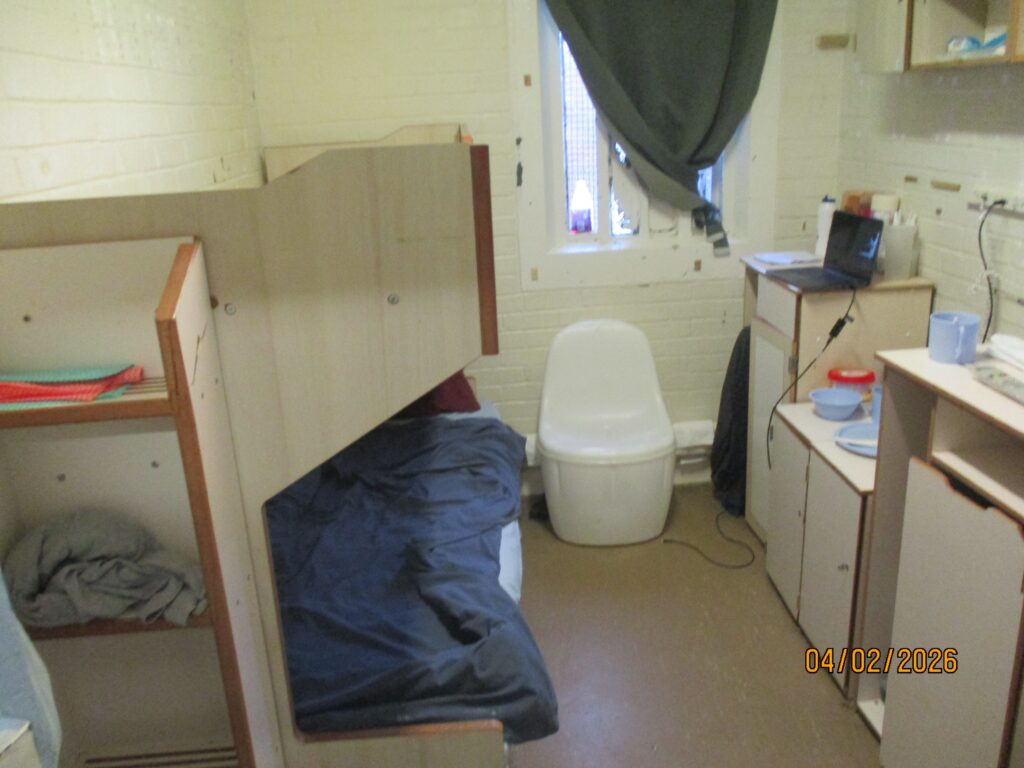
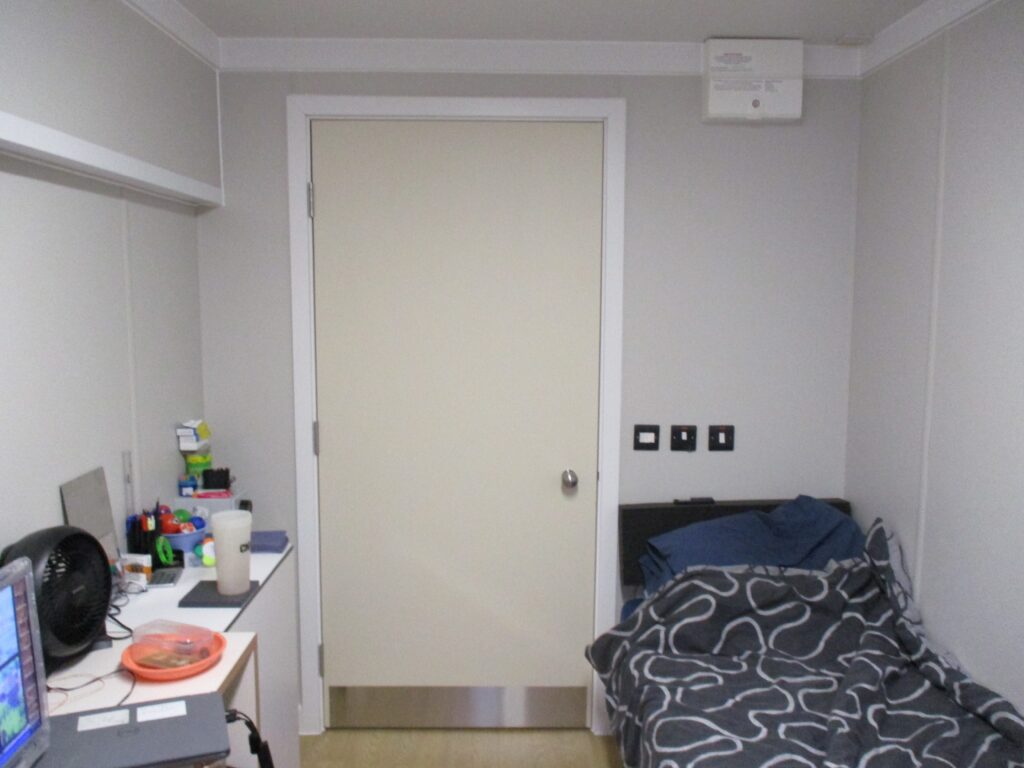
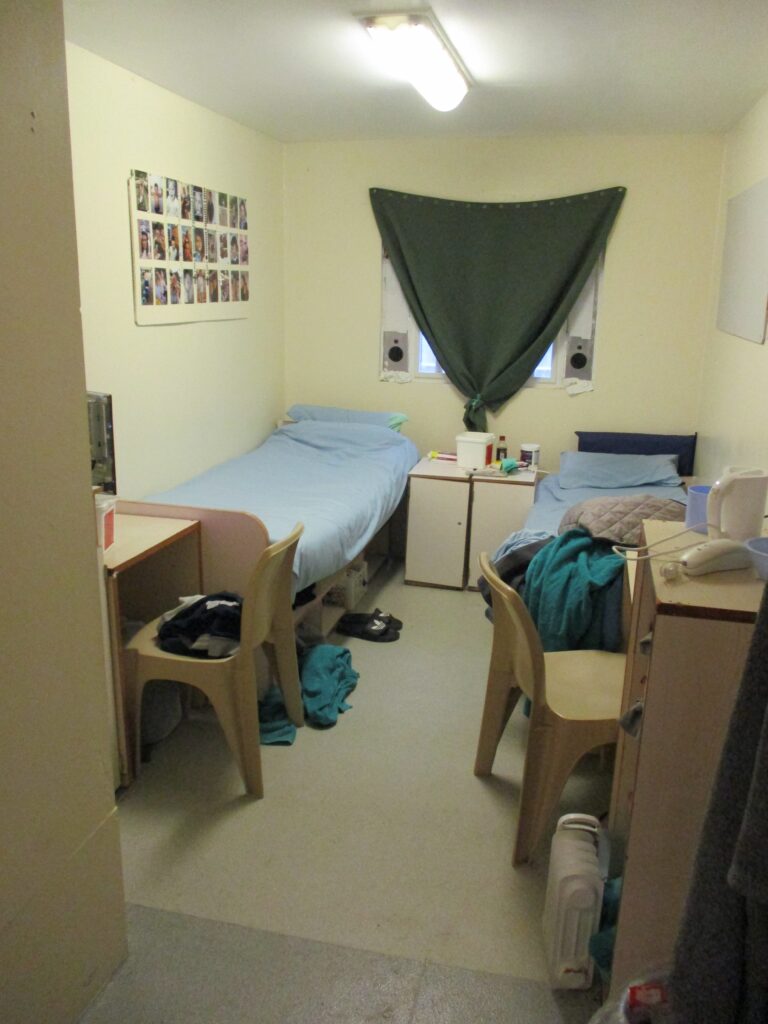
Most cells were in a reasonable condition and suitably equipped. However, the ageing infrastructure meant there were significant problems, including malfunctioning drains, broken flooring and damaged windows. Prisoners on J wing had been issued with portable heaters because the heating system had failed. There were some long delays in completing major repairs that we were told were primarily the responsibility of Government Facilities Services Ltd (GFSL).
Prison leaders made considerable efforts to provide and maintain decent living conditions where this was within their direct control. The prison was commendably clean. Two teams employed staff and prisoners to carry out minor repairs and refurbishments: ‘Refit and Clean’, which refurbished cells and communal areas that had fallen into disrepair; and the CRED team (Clean, Rehabilitative, Enabling and Decent – the prison-based skills programme run by Amey), which undertook cleaning and minor repairs across the prison.
More prisoners were accommodated in double cells than at the last inspection, following the closure of A wing to undertake fire safety work. Accommodation on the newer units was spacious, but double cells on B, C and D wings had been designed for one prisoner and were cramped. Chalet-style pods provided very good single accommodation for some prisoners at the enhanced level of the incentives scheme.
| HMIP prisoner survey | Yes | Compared with similar prisons |
| Can you get clean bedding every week if you want it? | 76% | Higher |
| Can you have a shower every day if you want one? | 98% | Higher |
Prisoners had good access to showers, but several were out of action and there were some issues with damp and mould. Prisoners received clean bedding every week and laundry arrangements were generally effective, although too many washing machines and dryers were broken.
Emergency cell bell response times were still not consistently good, although more prisoners reported that their bell was answered within five minutes than at the last inspection (47% compared to 29%). Most wings did not have automated tracking of responses, which meant that leaders could not systematically assess timeliness.
Residential services
The quality and quantity of food served to prisoners were reasonable. However, on one wing servery workers were not wearing protective clothing and there was no staff supervision of the food service.
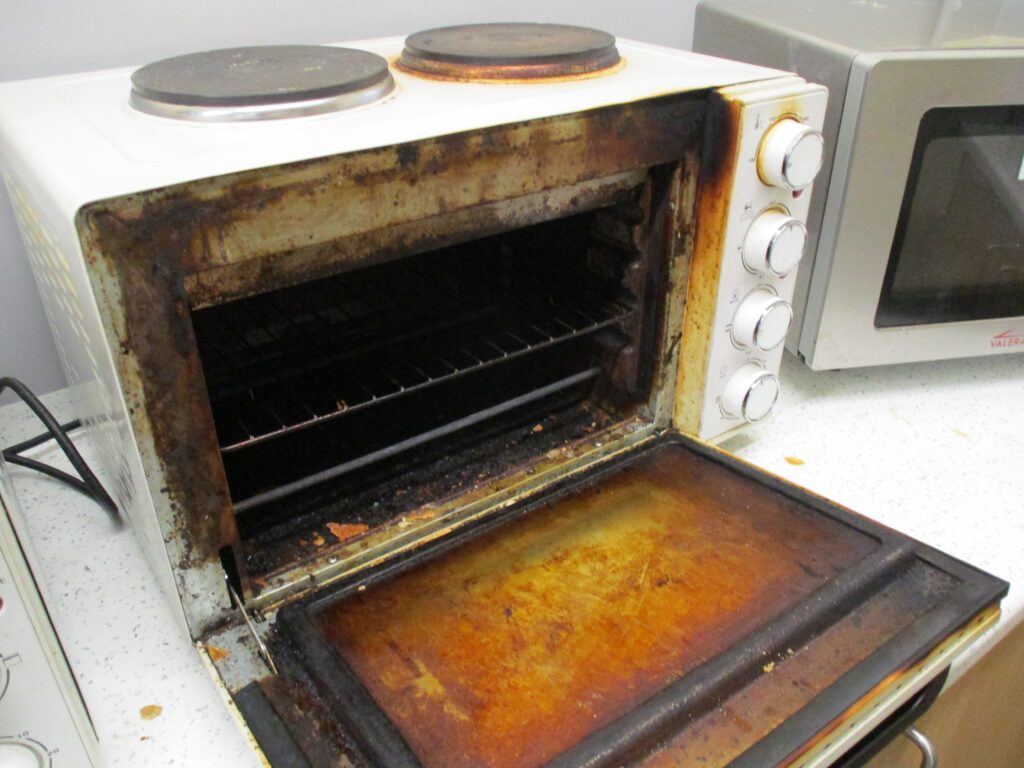
Nearly all prisoners had the opportunity to cook for themselves. There was a good range of equipment on the pods and the incentivised substance-free living (ISFL) unit (see Glossary), but some wings only offered a microwave and a toaster. The equipment was not always kept clean.
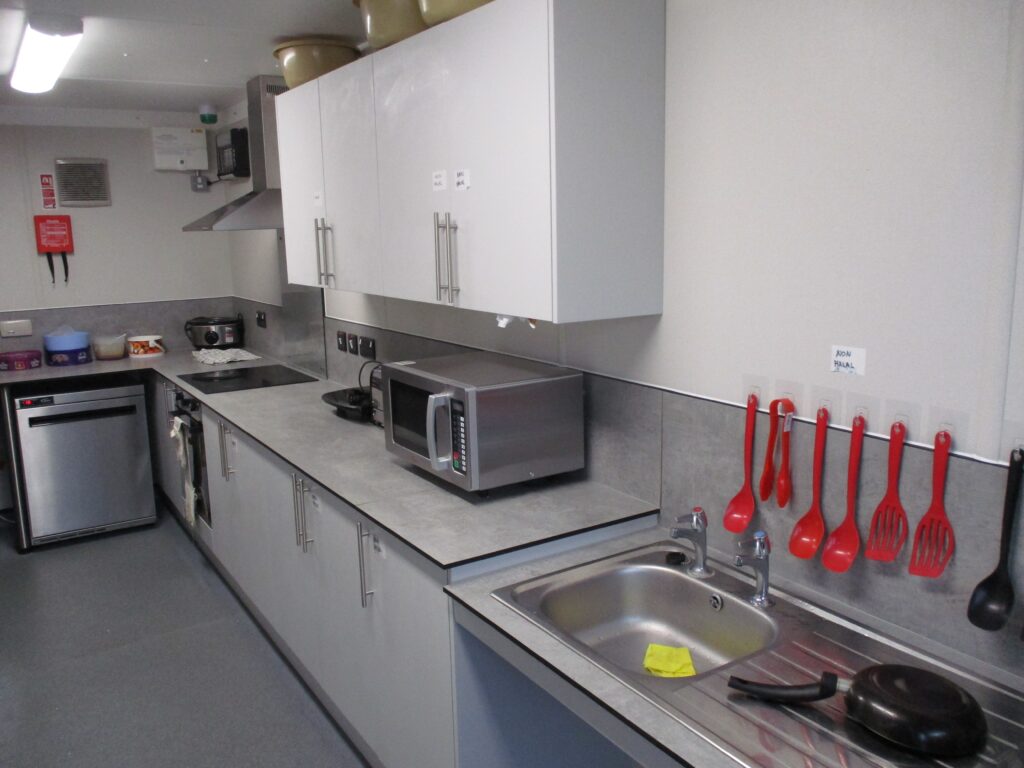
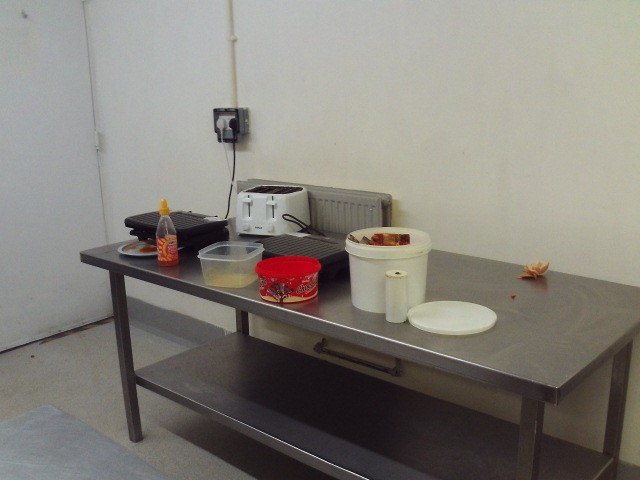
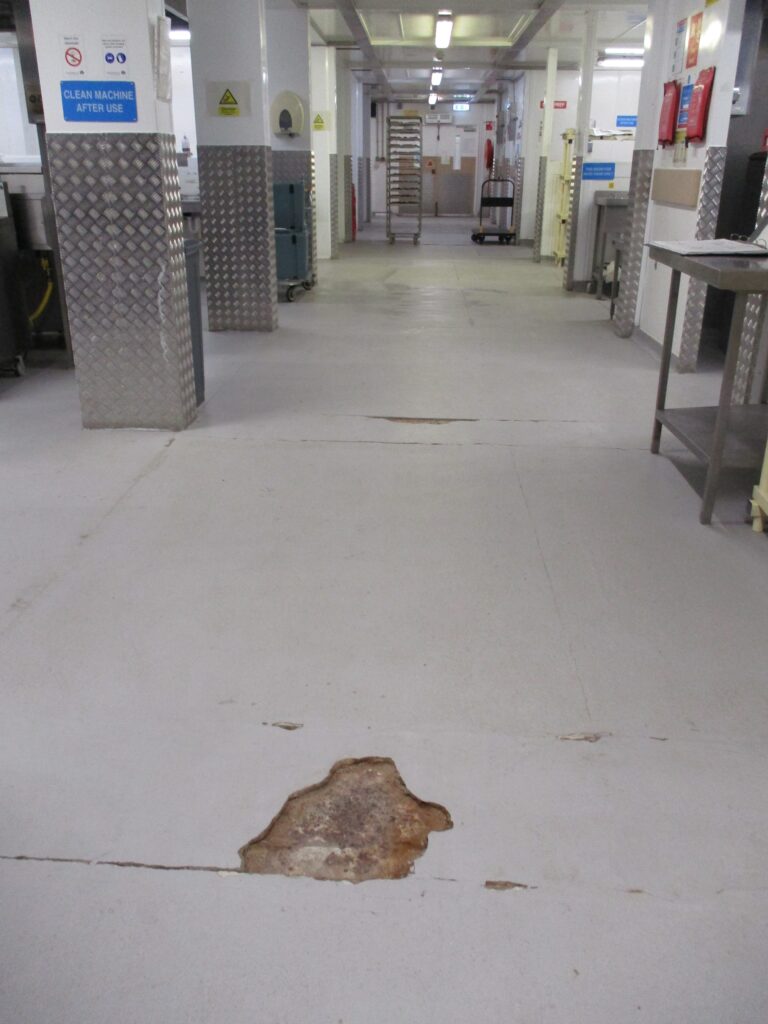
Prisoners’ meals were prepared in two kitchens, which had been refurbished since our last inspection. However, the flooring in one was already badly damaged, presenting potential hygiene concerns.
| HMIP prisoner survey | Yes | Compared with similar prisons |
| Does the shop/canteen sell the things that you need? | 49% | Lower |
Canteen arrangements were reasonable. However, many prisoners complained about the withdrawal of fruit and large bottles of water, which had been linked to the preparation of hooch. Leaders were reviewing this policy.
Prisoners could buy clothing and other items from a range of catalogues. Ordering through laptops and kiosks was straightforward.
Prisoner consultation, applications and redress
A range of prisoner surveys, engaging information, videos and podcasts on in-cell laptops helped leaders to consult with and inform prisoners (see Fair treatment and inclusion). Wing forums and a well-attended monthly prison council had led to tangible changes, such as provision of a wider variety of physical education.
Prisoners could easily make electronic applications from laptops and kiosks. Responses were reasonably good and generally timely, and leaders were using data and trend analysis to identify further improvements.
Responses to complaints in the prison were timely, but there were some long delays in resolving property complaints relating to other establishments. Quality assurance was good and the responses that we reviewed were appropriate. Leaders analysed complaints data and made efforts to understand and respond to recurring themes.
Fair treatment and inclusion
Expected outcomes: There is a clear approach to promoting equality of opportunity, eliminating unlawful discrimination and fostering good relationships. The distinct needs of prisoners with particular protected characteristics (see Glossary) or those who may be at risk of discrimination or unequal treatment, are recognised and addressed. Prisoners are able to practise their religion. The chaplaincy plays a full part in prison life and contributes to prisoners’ overall care, support and rehabilitation.
Leaders were taking a more imaginative and successful approach to inclusion than we have seen in other prisons. They were using the positive practices identified in HM Inspectorate of Prisons’ thematic review on the experiences of black prisoners and black staff to guide this work. Action was being driven by a well-established partnership between the energetic diversity and inclusion manager and the Zahid Mubarek Trust (ZMT). There was no staff equality team; instead, a strong investment had been made in a well-trained group of prisoner peer workers, known as the equality advocates. Some had obtained work with the ZMT after release.
Leaders had introduced a wide range of initiatives from which other prisons could learn, including ‘reverse mentoring’ of senior leaders by black prisoners. This had led to changes such as the opening of a new workshop suggested by prisoners.
Prisoners could participate in a range of culture-specific cooking, music and art events, which helped to encourage a positive atmosphere in the prison. The diversity and inclusion manager made exceptionally good use of the opportunities for digital communication, with podcasts, videos and vividly designed presentations made by and featuring prisoners wherever possible. The equality advocates were especially well involved in this.
Discrimination incident report form (DIRF) investigations were of a high standard and led to tangible actions. Managers and staff had been trained in the DIRF process and all responses were rigorously checked at various levels, including by the equality advocates. In 2025, 30% of concerns raised through DIRFs were fully or partially accepted.
A range of forums were exploring the needs of diverse groups, with senior managers active in leading them. For young adults, a focus on sport as a way into engagement and consultation was yielding results: for example, a recent forum had begun with a basketball session, after which they were readier to open up about their thoughts and feelings.
Those with hidden disabilities and needs related to neurodiversity were given good support by a knowledgeable manager, who prepared one-page profiles to help staff judge how best to work with them.
However, our survey suggested some concerns that required attention from leaders, including worse experiences for minority ethnic prisoners in areas such as shop provision and mental health support. Provision for men with mobility issues was also a relatively weak area: support was not coordinated well enough, and some prisoners, especially wheelchair users, could not always access activities and services.
The needs of most other minority groups were met reasonably well. For example, care-experienced prisoners received good support through regular forums and growing links with local authorities. This work was driven by the OMU, where leaders and staff had received specific training in supporting this group. The help available to foreign nationals had also improved greatly. A specialist officer provided support and advice, and produced translations of written information. Veterans valued their monthly forum and the support they received from visiting charities and from prison staff who were also veterans.
Faith and religion
The challenges arising from a shortage of chaplains were being met effectively by a united, well-led and mutually supportive team. The facilities were good and many events were held in the chaplaincy spaces. In our survey, 88% of prisoners with a religion said they could attend religious services if they wanted to.
Chaplains were visible across the establishment, and closely involved in diversity initiatives. A community chaplain helped those looking for faith-based support during and after release, through mentors and by establishing links around the country.
Health, well-being and social care
Expected outcomes: Patients are cared for by services that assess and meet their health, social care and substance use needs and promote continuity of care on release. The standard of provision is similar to that which patients could expect to receive elsewhere in the community.
The inspection of health services was jointly undertaken by the Care Quality Commission (CQC) and HM Inspectorate of Prisons under a memorandum of understanding agreement between the agencies. The CQC found there were no breaches of the relevant regulations.
Strategy, clinical governance and partnerships
The partnership board was inactive during the inspection. Relationships between Practice Plus Group (PPG) (the primary health provider) and the prison were strong, supported by daily coordination meetings across health and addictions teams.
PPG staffing levels were good and teams were well supervised and trained. However, persistent difficulties in recruiting to senior clinical roles (for example, dentist, GP and pharmacist) limited capacity and created challenges in meeting patients’ needs. Staff behaved professionally and with compassion, and consultations were private.
PPG carried out regular clinical audits, which led to demonstrable improvements. Although the health centre had undergone improvement work, it remained dated and several areas did not meet infection prevention standards. Health staff were adequately prepared for medical emergencies. Information systems were NHS-compatible, and PPG’s performance dashboards were particularly informative, combining visual and numerical data to highlight trends.
We saw clear evidence of learning from adverse incidents, complaints, patient forums and PPG satisfaction surveys. The prison television channel, Wayout TV, was used effectively to feed back to patients after health forums. Safeguarding processes were strong.
Promoting health and well-being
There was some cooperation between prison departments to enable joint participation in events such as World Mental Health Day. However, activities to promote prisoners’ well-being were generally not well coordinated. Health promotion material was widely displayed and available in different languages on request. There were no active health champions at the time of the inspection, although more were being recruited.
Prisoners were offered routine sexual health testing, and referred to community services for ongoing treatment when necessary. Screening and vaccination programmes mirrored those available in the community, and it was positive that all patients received TB screening on arrival. Multi-agency outbreak plans were in place.
Primary care and inpatient services
The primary care team was well led and made impressive use of data to track performance and target resources. Weekly oversight meetings ensured activity was monitored and priorities were clear. Following previous challenges, staffing levels were now good. Staff knew their patients well and worked with commitment and energy.
New arrivals were screened on reception and received a timely, comprehensive secondary assessment. Consent to access medical records was appropriately obtained and records shared promptly.
Patients used in-cell technology or kiosks to request health care. Clinicians reviewed applications daily to identify urgent needs, and patients were allocated appointments with the appropriate team. Waiting times were generally reasonable, although GP waits had recently extended to eight weeks. During the inspection, more staff were allocated to help ensure waits did not exceed four weeks in future.
Access to care was not significantly restricted by prison regimes or staffing, and clinicians worked flexibly to ensure urgent needs were addressed the same day.
Long-term conditions were managed well. Reviews were timely and care plans were detailed, personalised and audited regularly for quality. Oversight of external hospital appointments was good, with low rates of prison-related cancellations. Many patients did not attend hospital appointments; the primary care team followed up each case and encouraged attendance.
There was a clear pathway for palliative and end-of-life care, including links to the local hospice. Patients being released were given a medical summary and reviewed to support continuity of care, including GP registration.
Social care
A revised and comprehensive memorandum of understanding between the prison and Norfolk Council had been agreed in 2022. Referral pathways were clear and had been used appropriately in two recent cases. The council’s response had been prompt and suitable, although no prisoners were receiving social care at the time of the inspection.
Mental health
Mental health commissioning arrangements were complex. PPG provided a seven-day multidisciplinary service, while Norfolk and Suffolk NHS Foundation Trust delivered the well-being (Improving Access to Psychological Therapies) service and the Enhanced Support Service (ESS). Teams worked together effectively to deliver responsive, seamless care, but there was no clinical psychology service apart from the ESS, which only reached a small number of people.
All patients were assessed for mental health needs on arrival. A weekly multidisciplinary meeting brought together mental health and substance misuse staff.
The PPG psychiatry and nursing team was well regarded and fully established. It received 75 to 90 referrals each month, which were triaged quickly. The team responded promptly to crises and worked proactively with those subject to ACCT case management (see Suicide and self-harm prevention). Seventeen patients with serious mental illness were suitably managed under the care programme approach. The physical health of patients on antipsychotic medication was appropriately monitored.
In 2025 seven patients were referred for hospital transfer under the Mental Health Act. However, they had to wait up to nine months, which was unacceptably long. Only 14% of prison staff had received mental health training and none had been delivered since summer 2025.
The well-being service received 30 to 35 referrals a month. Triage was prompt and most patients were assessed within agreed timescales. Treatment included one-to-one therapy for up to 20 weeks and short programmes on anxiety, depression and sleep.
The ESS team was co-located with the prison safety team and comprised a psychologist, nurse and prison officer. Treatment was delivered in a dedicated therapeutic room. As part of the offender personality disorder pathway, the service had 12 active cases and had received 66 referrals in the past year. Therapy began promptly, within two weeks of acceptance.
Support and treatment for prisoners with addictions and those who misuse substances
| HMIP prisoner survey | Yes | Compared with similar prisons |
| Do you have a drug or alcohol problem? | 34% | No difference |
| For those who have told staff about their drug and alcohol problem, have you received help to manage it? | 75% | No difference |
The drug strategy included suitable measures to reduce demand and provide treatment. Phoenix Futures (Phoenix) provided psychosocial support and PPG clinical treatment. Demand for the service remained high, with 187 prisoners suspected to be under the influence of substances in November 2025. In our survey, about a third of prisoners reported a drug or alcohol problem and most said they had received help.
Phoenix supported 257 clients (32.5% of the population), with recovery workers managing 40 to 50 cases each. Self-referrals had increased, and all assessments were completed on time. Interventions included suitable in-cell workbooks and structured sessions. Despite holding the contract since 2018, Phoenix still did not use the SystmOne electronic clinical record. This created risks and made it difficult to share information.
All new arrivals were seen during induction by Phoenix and peer mentors, and received harm reduction advice. Prisoners were reviewed a week before discharge and provided with naloxone (see Glossary) training. Weekly Alcoholics Anonymous sessions ran on D wing, and there were plans to introduce Narcotics Anonymous sessions. Peer mentors also offered support to those identified as under the influence.
Phoenix supported the 48 residents on the E wing recovery unit, where daily groups and structured care plans were in place. Residents spoke positively about the community, although Phoenix had limited involvement with the relocated ISFL unit, as they were not commissioned to provide a service there.
Around 85 patients received opiate substitution therapy (OST) from PPG. There was no dedicated registered nurse in post and the service relied heavily on the GP and two health care support workers. Some new patients arrived when there was no one available to prescribe, creating risks. The range of OST treatments was too limited for a training prison, although restrictions on prescribing Buvidal (a long-acting buprenorphine injection) were resolved during the inspection.
Patients benefited from joint reviews. Health care support workers completed physical checks and collaborated effectively with mental health services in complex cases. Eighty-nine prison staff were trained to administer nasal naloxone (which counters opiate overdose), but only 32% had completed substance misuse training.
Medicines optimisation and pharmacy services
PPG received medicines for named patients from an external pharmacy. The supply chain was efficient, and distribution within the prison was now safe and secure. Many patients were supervised when taking medicines, although 53.5% had in-possession medication following risk assessment. Patient group directions and homely remedies were used effectively to supply medicines.
Technicians and nurses provided a professional service. However, officer supervision of medicine queues remained inconsistent, which created a risk of medicines being diverted. Hatch safety had improved following installation of robust polycarbonate guards, and work was underway to enable more confidential conversations.
Medicines were suitably stored. However, there were porous work surfaces on cabinets and discontinuous flooring in some rooms, which breached infection prevention standards. Stock audits were robust, especially for controlled drugs, and disposal systems were appropriate.
There were no pharmacy-led clinics or medicine use reviews, and pharmacists did not attend the local medicines meeting. A temporary pharmacist was appointed during the inspection to address these issues.
Systems to ensure that patients received medicines on release were reliable.
Dental services and oral health
The community dental service offered a good range of treatments, but there were waits of around 17 weeks for a first appointment, which was too long. Additional sessions with a second dentist were planned. Appointments were triaged four days a week, and those with the highest need were prioritised. Emergency slots were available during the dentist’s twice-weekly on-site sessions, supported by remote prescribing when necessary.
Governance processes were strong, and equipment was properly maintained. The dental suite had ample space and a dedicated decontamination room, but the damaged roof and flooring did not meet infection control standards. Patients received medical questionnaires in advance to make best use of clinical time, and materials to promote oral health were available.
Section 4: Purposeful activity (Back to top)
Prisoners are able and expected to engage in activity that is likely to benefit them.
Time out of cell
Expected outcomes: All prisoners have sufficient time out of cell (see Glossary) and are encouraged to engage in recreational and social activities which support their well-being and promote effective rehabilitation.
In our roll checks, about two-thirds of prisoners (68%) were in purposeful activity during the core working day and most of the 22% who were locked up were not available for work. There was a reliable regime and those at the enhanced level of the incentive scheme and most full-time workers could be out for nearly nine hours a day; however, unemployed prisoners had only two and a half hours out of their cell.
Purposeful activity was restricted for everyone on Tuesday afternoons because of staff training and on Friday afternoons when canteen orders were distributed. Some prisoners could also have as little as 40 minutes of exercise on weekday mornings, although they had two hours at weekends.
A dedicated officer had recently been appointed to develop and promote activities for those not engaged in education or work, but it was too early to judge the impact of this promising initiative.
| HMIP prisoner survey | Yes | Compared with similar prisons |
| In a normal week, can you use the gym or play sports three times or more? | 54% | Higher |
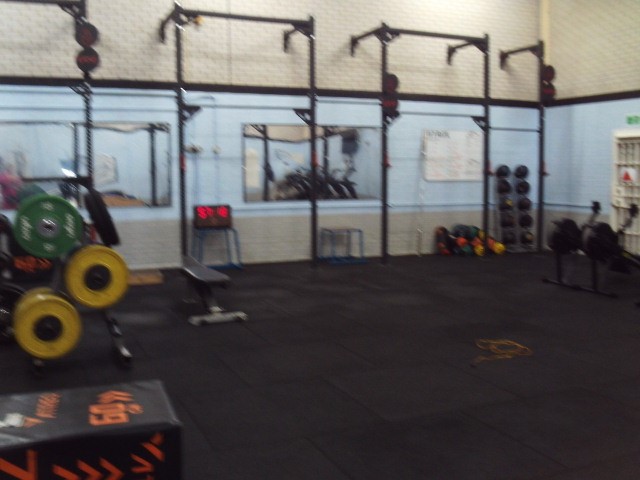
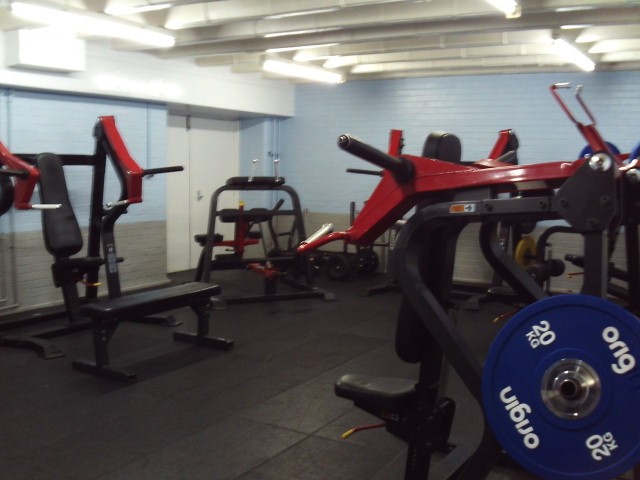
Qualified PE instructors facilitated good access to a wider range of exercise, remedial classes and group sports than we saw at the last inspection. A coaching course run in partnership with Peterborough FC, and a ‘stoicism’ course, which aimed to develop emotional resilience and self-discipline, were popular with prisoners. However, no accredited courses were offered.
| HMIP prisoner survey | Yes | Compared with similar prisons |
| Are you able to visit the library once a week or more? | 77% | Higher |
The library provided a welcoming space for prisoners to study, read and learn. In our survey, prisoners were more positive about access to the library than at other prisons, but they could not use it at weekends. There were also well-kept reading rooms on the wings, which were stocked with a range of books.
Education, skills and work activities

Ofsted inspects the provision of education, skills and work in custodial establishments in England. The following summary has been provided by Ofsted inspectors who attended this inspection. Their full report is published under ‘Further resources’.
Ofsted made the following assessments about the education, skills and work provision:
- Overall effectiveness: Good
- Quality of education: Good
- Behaviour and attitudes: Good
- Personal development: Requires improvement
- Leadership and management: Good
Leaders had successfully addressed most recommendations from the previous inspection. They had made significant improvements across education, skills and work (ESW). Leaders had increased staffing, expanded ESW activities, introduced accredited workshop qualifications, and ensured vocational skills developed in workshops were tracked effectively. They used robust quality monitoring and improvement processes to raise ESW standards. Attendance had improved notably.
Leaders and managers ensured there were enough activity spaces for prisoners. Very few prisoners were without work, and waiting lists were short and well managed. Leaders used induction information to match prisoners to the right pathways. Prisoners were swiftly allocated to activities that suited their skills, sentence length and future goals.
Leaders had ensured that the curriculum was ambitious, highly inclusive and accessible to all prisoners. Outreach and wing-based teaching supported participation for those who struggled to attend education blocks. Prisoners studying functional skills qualifications were well supported to progress to level 1 and 2 qualifications. Leaders had also developed specialist provision for prisoners with complex neurodiverse needs.
Most teaching and training, including the education and vocational activities delivered by People Plus, were highly effective. Staff were qualified and received regular professional development. They demonstrated strong subject knowledge. Learning built on prisoners’ prior knowledge. Functional skills lessons were well planned. Vocational training in cleaning, waste management and warehousing provided realistic workplaces and effective skills tracking.
Leaders and managers had implemented an effective whole-prison reading strategy, supported by the Shannon Trust, trained peer mentors, and reading specialists. Staff received phonics and specialist training, understood prisoners’ needs, and prioritised reading across all ESW activities. Frequent library access and staff encouragement helped prisoners develop confidence and positive reading habits.
Leaders and managers ensured that most work activities developed prisoners’ vocational skills. In cleaning, prisoners achieved accredited level 2 qualifications and biohazard certification. In waste management, they learned technical skills such as sorting, recycling, and operating compression machinery.
Most prisoners with neurodiverse needs were well supported. Managers screened prisoners effectively and implemented appropriate support plans. Teachers, trainers and instructors received appropriate training. They had a thorough understanding of neurodiverse needs. Instructors and vocational trainers used effective strategies to support prisoners. However, in a small number of cases teachers did not consistently apply support strategies.
Attendance at ESW was generally high, and prisoners arrived punctually. In a few cases, attendance rates fell below leaders’ expectations and were too low. Leaders monitored attendance rigorously, holding managers to account through daily briefings.
Achievement rates in mathematics and English had improved considerably, with a high proportion of prisoners passing their examinations at the first attempt. Most prisoners studying vocational subjects achieved their qualifications.
Careers information, advice and guidance (CIAG) was not sufficiently effective due to staffing shortages and contractual constraints. High prisoner turnover increased demand for induction and pre-release support. This placed considerable pressure on the CIAG advisers, who could not complete all the required work. Prisoners did not have their career plans reviewed or updated frequently enough.
Opportunities for enrichment beyond education and work were limited, and too few prisoners accessed these activities.
Section 5: Preparation for release (Back to top)
Preparation for release is understood as a core function of the prison. Prisoners are supported to maintain and develop relationships with their family and friends. Prisoners are helped to reduce their likelihood of reoffending and their risk of harm is managed effectively. Prisoners are prepared for their release back into the community.
Children and families and contact with the outside world
Expected outcomes: The prison understands the importance of family ties to resettlement and reducing the risk of reoffending. The prison promotes and supports prisoners’ contact with their families and friends. Programmes aimed at developing parenting and relationship skills are facilitated by the prison. Prisoners not receiving visits are supported in other ways to establish or maintain family support.
Well-resourced family services were delivered by a prison family team working alongside Ormiston, the commissioned provider. However, children and families work was not embedded well enough across the prison. For example, key work and sentence planning did not consistently consider family relationships, and data were not used effectively to inform service provision. There was no individual family case work with prisoners.
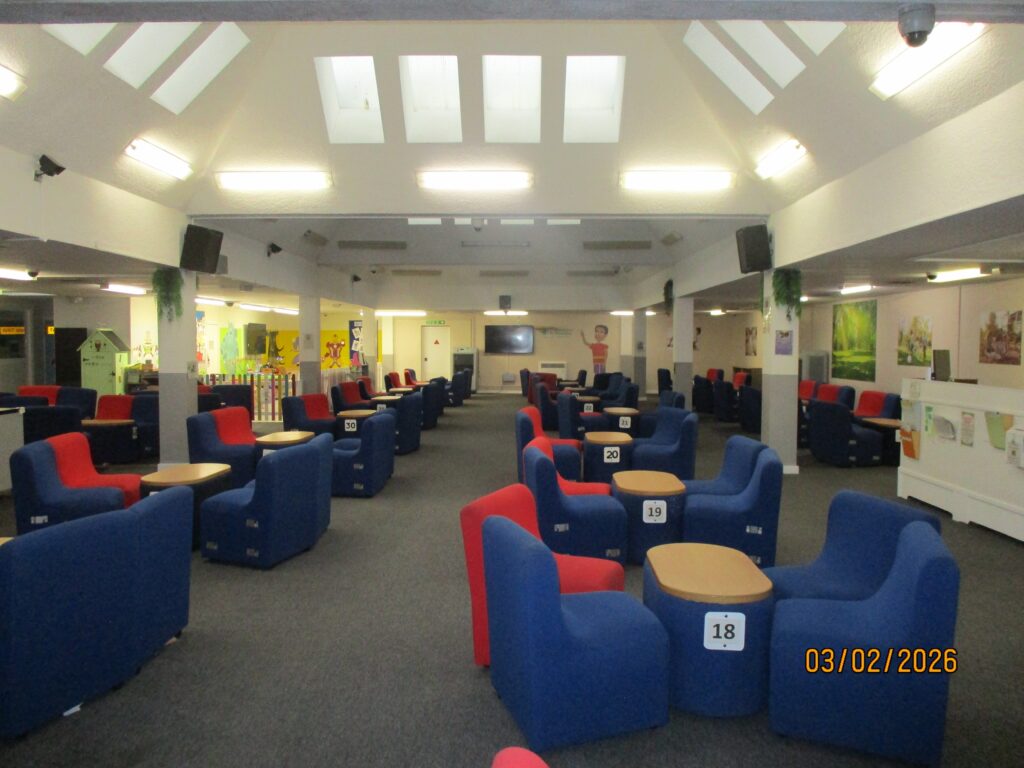
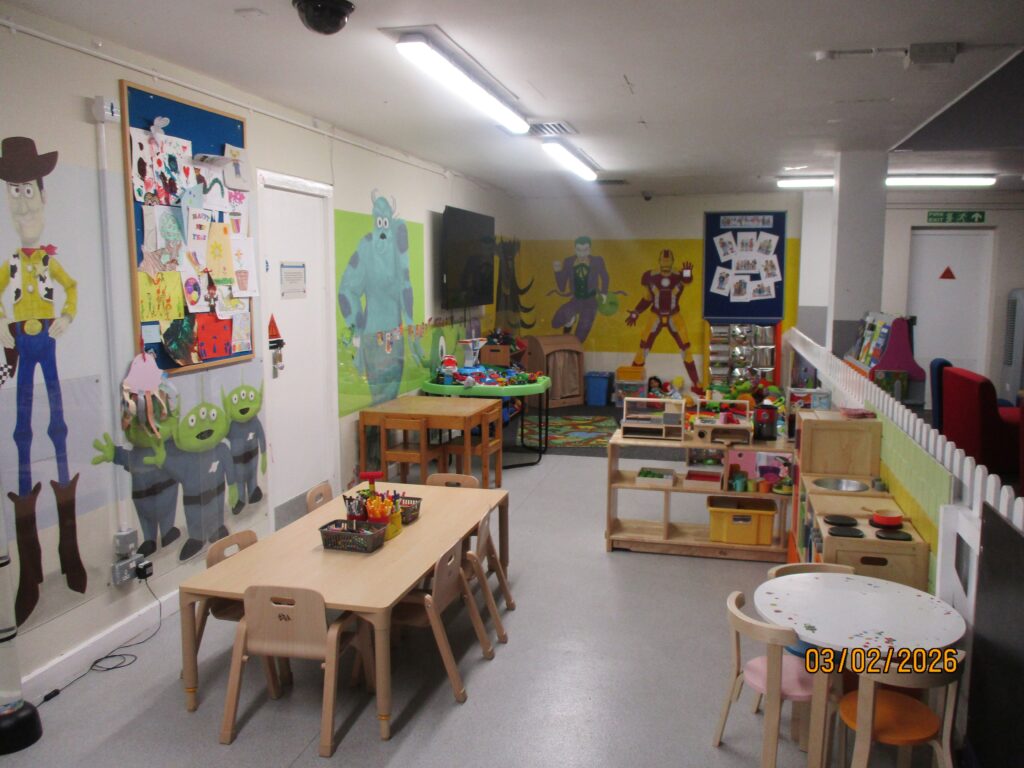
Social visits provision was good. Visits took place six days a week in a pleasant hall with a good children’s play area. Staff had decorated the route to visits to make it more child friendly. The food offer was good and booking systems were reliable. We observed some excellent interactions between staff and visitors, which helped to create a positive atmosphere.
Family visits took place every two weeks and lasted four hours, which was more regular and longer than we often see. They were delivered well, with a range of activities to keep families engaged. Some of these met the needs of specific groups, such as veterans or those with needs related to neurodiversity. A small number of prisoners were inappropriately barred from applying for family visits because they were on the basic level of the incentives scheme. In one case, a man was not allowed to attend a visit with his newborn child because he had not attended an education class.

| HMIP prisoner survey | Yes | Compared with similar prisons |
| Is it very/quite easy for your family and friends to get here? | 17% | Lower |
The lack of space in prisons across the country meant that more than half of the men now came from out of the local area, and many reported that it was difficult for their families to get to the prison. Nearly half of prisoners had not received any social visits at all in the previous year, and there was very little additional support for them. There were no official prison visitors and no befriending service.
Access to phones was generally good and there was high take-up of the email-a-prisoner scheme. Social video calling was well established and used more than we usually see. There were plenty of slots across the week, including in the evening, which helped families to maintain contact around work and childcare commitments.
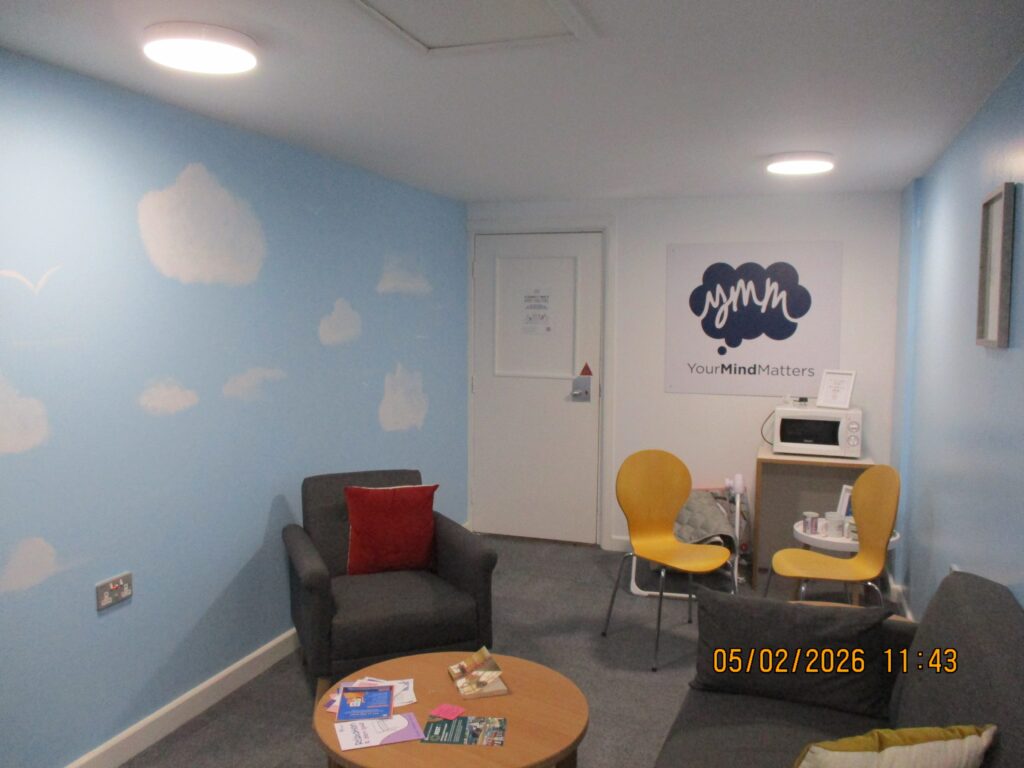
Some good family support initiatives included ‘baby-bonding’ sessions, and children could be sent a book which their father then read to them over a video call. However, other schemes, such as Storybook Dads (see Glossary), had stalled and there was still no formal casework to support family relationships.
Reducing reoffending
Expected outcomes: Prisoners are helped to change behaviours that contribute to offending. Staff help prisoners to demonstrate their progress.
| Data provided by the prison | |
| Percentage of prisoners serving sentences of four years to life on 12 January 2026 | 77% |
| Percentage of prisoners serving a recall on 12 January 2026 | 23% |
| HMIP prisoner survey | Yes | Compared with similar prisons |
| Do you think your experiences in this prison have made you less likely to offend in the future? | 54% | No difference |
HMP Wayland had a more complex population than at the last inspection, including more men assessed as high risk, and a greater turnover of prisoners with varied needs. Leaders understood the broad profile of the population, but little had been done to support those who had been recalled to prison, who now made up almost a quarter of the population.
The prison offered a reasonably purposeful culture where men could practise and demonstrate improved behaviour. They had access to meaningful activities and opportunities to develop skills (see Purposeful activity), useful short programmes and specialist wings (see Opportunities for prisoners to progress). In our survey, just over half of prisoners said that they were less likely to reoffend as a result of their experiences in the prison.
How staff were supporting prisoners and managing risk
Vacancies in the probation team meant that both prison officer and probation offender managers (POMs) were carrying high caseloads of around 60 cases each, most of them high‑risk individuals.
POMs had good oversight of cases when approaching key sentence milestones such as parole, and we saw evidence of some excellent one-to-one supervision. However, in some cases, people had not been seen within the last year, and in many others, there was no evidence of risk reduction work. Oversight and quality assurance of OMU casework was weak.
Psychologists provided good bespoke one‑to‑one work with a small number of the most complex prisoners, and they supported staff in the segregation and Bridge units (see Segregation).
Over 100 prisoners had not been given an initial Offender Assessment System (OASys) assessment. Leaders had secured extra staff to reduce the backlog but many continued to arrive without one being completed at the sending prison. This undermined staff’s ability to understand and effectively manage risk for these individuals.
Public protection screening and assessment processes were generally well managed and decisions to monitor were appropriate. However, there were some gaps in oversight and assurance by leaders, and monitoring was not always timely. Assessments for those posing a risk of harm to children addressed risk while enabling contact with children where safe and appropriate.
Opportunities for prisoners to progress
The new accredited programme, Building Choices, had limited spaces and a long waiting list because of staff shortages. It prioritised those due for release or parole, but some men were released without completing it.
Most recategorisation reviews were timely but many prisoners (15 in one recent month) were refused category D status because they could not get a place on Building Choices. Those men who were granted category D status usually moved swiftly to a suitable establishment.
A range of well-regarded non‑accredited short programmes were available, which covered work around addiction, emotional resilience and attitudes and behaviours. They reached only small numbers and could not compensate for the limited accredited provision and one-to-one work.
In the previous 12 months, 60% of prisoners had been released late on home detention curfew. Delays were often linked to difficulties in securing suitable accommodation and slow responses from community offender managers. We also found examples of the prison not always following up delays in a timely manner.
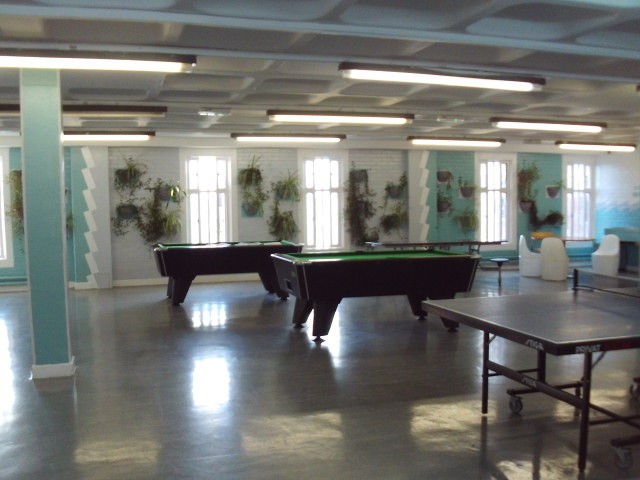
The prison held a large population of men serving life, IPP and EDS sentences. Many of them were held on a dedicated wing with a structured and supportive environment, where they could undertake bespoke modules aimed at promoting behaviour change. Prisoners we spoke to were positive about the interventions offered and valued the sense of community on the unit.
Returning to the community
Expected outcomes: Prisoners’ specific reintegration needs are met through good multi-agency working to maximise the likelihood of successful resettlement on release.
| HMIP prisoner survey | Yes | Compared with similar prisons |
| For those who expect to be released in the next three months, is anybody helping you to get ready for your release (e.g. prison or community offender manager)? | 61% | No difference |
| Data provided by the prison | |
| Number of prisoners released from HMP Wayland in the 12 months to 31 December 2025 | 824 |
| Percentage of prisoners released to suitable accommodation in the 12 months to 31 December 2025 | 32% |
The monthly interdepartmental risk management meeting had oversight of all high-risk prisoners due for release. POMs had detailed knowledge of their cases and risks, and there was evidence of good information-sharing with community partners. Written contributions to MAPPA (see Glossary) were of reasonable quality and we saw some good examples of risk analysis. However, release and risk management planning for these high-risk prisoners often started too close to their release date, increasing the risk of concerns being missed.
There was a good resettlement offer delivered by a cohesive resettlement team and supported by an excellent strategic housing lead. Most prisoners in our survey said they received help to get ready for release. Prisoners’ immediate needs were identified on arrival and they were referred to appropriate services.
Prisoners had access to a range of courses to support their return to the community, including some focusing on housing and personal identity. All prisoners were invited to a resettlement board 12 weeks before release. This was valued by the prisoners we spoke to and was a good opportunity to access resources and practical support. The resettlement team held useful forums where prisoners’ concerns were addressed responsively.
Some well-coordinated and helpful work was being done to also address potential problems on the day of release. Prisoners met with a Department for Work and Pensions job coach in reception to activate benefit claims. They could also purchase a basic mobile telephone pre-loaded with resettlement contacts, including for approved premises and key resettlement agencies. Taxis to the local train station and travel directions were provided, but clothing was not available.
In the previous 12 months, 80 prisoners had been recorded as homeless on release, despite good attempts to find them accommodation; 57 had been recall cases. The strategic housing lead had established that 29 of these individuals had had an approved premises or other Community Accommodation Service (see Glossary) bed arranged for them that they had failed to attend.
Section 6: About HMP Wayland (Back to top)
Category of the prison
Category C trainer/resettlement
Brief history
HMP Wayland opened in 1985 as a category C establishment. Residential accommodation has been added on various occasions, including E wing (currently inductions and the drug recovery unit), five new general population units housing 60 prisoners each, and a small 14-bed unit initially designated as the care and separation unit (CASU). This has since been repurposed as the Bridge unit following the opening of the newly built CASU in 2023. The latest additions are the rapid deployment cells – referred to by staff and prisoners as the ‘pods’ – which house 43 prisoners.
Population
At the time of the inspection, the prison held 802 prisoners. There was operational capacity for 846.
- Baseline certified normal capacity: 951
- In-use certified normal capacity: 839
- New prisoners received in 2025: 1,646 (around 137 per month)
- Foreign national prisoners: 43
- Prisoners from minority ethnic backgrounds: 48%
- Prisoners released into the community each month (average for last 12 months): 69
- Caseload for substance misuse services: 254 (32% of the population), with an average of 55 referrals a month
- Prisoners referred for a mental health assessment each month: 414
Short description of residential units
B: General population with a spur designated the regime reset unit – mostly single cells.
C: Prisoners serving life or IPP sentences, with one wing designated for prisoners over 50.
D: Integrated drug treatment system unit – mostly single cells.
E: Induction unit and drug recovery community.
G: Incentivised substance free living unit – all open accommodation single cells on a shared landing.
J, K, L, M, N: General population units – all double occupancy.
P: Pods on an open compound preparing men for category D and release.
Bridge unit: A 14-bed unit that aims to reduce violence.
CASU: Segregation
Prison status (public/private)
Public
Key providers
Physical health provider: Practice Plus Group
Mental health provider: Practice Plus Group
Substance misuse treatment provider: Phoenix Futures
Dental health provider: Practice Plus Group
Prison education framework provider: PeoplePlus prison education service contract
Escort contractor: GFSL
Prison group director
Gary Monaghan, Bedfordshire, Cambridgeshire & Norfolk
Name of governor/director and date in post
Kevin Clark, January 2023
Changes of governor/director since the last inspection
Ali Barker, November 2021 – January 2023
Date of last inspection
April 2022 – full inspection
March 2023 – scrutiny visit
Progress on concerns from the last inspection (Back to top)
At our last inspection in 2022 we made 26 recommendations, 13 of which were about key areas of concern. The prison fully accepted all 26 of the recommendations.
At this inspection we found the following progress on the key recommendations:
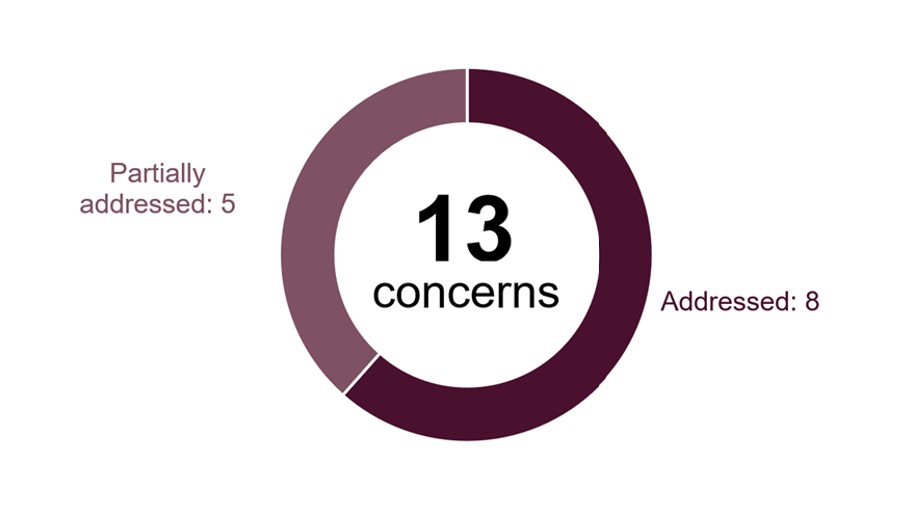
The following is a list of all the concerns raised, organised under the four tests of a healthy prison.
Leadership
The governor and senior managers should plan and communicate to all staff a clear programme for improvement in the establishment, based on data, driven through effective governance and engagement, and with clear criteria for measuring success.
Partially achieved
Safety
Priority concerns
CSIPs should be used effectively to manage all those who are involved in, or victims of, violence and antisocial behaviour, and the incentives scheme should encourage prisoners to behave well.
Achieved
Prisoners should receive adequate supervision and support from staff on the wings, and live in an environment where expected standards of behaviour are known and upheld.
Partially achieved
The violence reduction policy should be based on the specific issues at the establishment and should include an action plan for addressing the high levels of violence and its underlying causes, so that fewer fights and assaults take place.
Achieved
Key concerns
All prisoners should receive a thorough and multidisciplinary induction, after their vulnerabilities and risks have been properly explored on arrival.
Partially achieved
There should be formal support for victims of antisocial behaviour or violence. Achieved
Oversight and scrutiny of the use of segregation should be robust and contribute to improvements, including consistent reintegration planning.
Achieved
The strip-searching of prisoners, and their handcuffing on escort, should be based on a full risk assessment and be proportionate to the risks posed.
Partially achieved
Mandatory drug testing should be reinstated.
Achieved
Prisoners at risk of self-harm or suicide should be given good support through the assessment, care in custody and teamwork (ACCT) process, and those self-isolating should be supported through discussing the reasons and working towards reintegration.
Achieved
Respect
Priority concern
Measures should be put in place urgently to protect health care staff from physical attacks while administering medication. Prison staff should supervise medicine administration and the transportation of medicines, including controlled drugs, effectively so as to preserve security, safety, and patient confidentiality.
Partially achieved
Key concerns
Food should be prepared and served in safe and hygienic conditions.
Partially achieved
The prison should explore the reasons why prisoners with disabilities feel unsafe and/or experience bullying, and address the issues that are identified.
Partially achieved
Prisoners should receive weekly corporate worship.
Achieved
Patients should be able to access all health services promptly, to improve attendance and reduce waiting times.
Achieved
The transfer of patients to hospital under the Mental Health Act should occur within agreed Department of Health timescales. (Repeated recommendation)
Not achieved
Purposeful activity
Priority concerns
Access to purposeful activity should be expanded while maintaining sufficient time out of cell for all prisoners.
Achieved
Leaders should swiftly increase the availability of and attendance at activities, particularly in education and vocational training, so that prisoners are able to gain the skills and knowledge they need for employment when they are released, including improving essential English and mathematics skills.
Achieved
Leaders should make sure that IAG staff engage appropriately with prisoners to establish their career goals and specific training needs. Staff should make sure that prisoners are allocated to activities that will help them to achieve their career goals.
Achieved
Leaders should identify and implement actions that will improve the quality of training and activities in prison-led work areas, so that prisoners are challenged to make progress. Prisoners should be able to achieve qualifications or have their new skills and knowledge recognised.
Achieved
Leaders should make sure that the curriculum provided through education, skills and work helps prisoners to extend their knowledge and understanding beyond the subject being studied or their specific job role.
Partially achieved
Key concern
All prisoners should be able to access the library regularly and be consulted about what they need from it.
Achieved
Preparation for release
Priority concerns
The prison should make sure that prisoners have easy access to visits of a reasonable length, as well as support to develop and maintain family ties.
Partially achieved
There should be a prison-wide reducing reoffending strategy and action plan, based on a comprehensive needs analysis, so that every prisoner is supported towards a law-abiding life on release.
Achieved
Staff should have a clear understanding of the resettlement needs of the population. Services delivered by resettlement partners should be coordinated effectively and quality assured so that the provision meets the need.
Achieved
Key concern
Public protection monitoring should be timely and effective, to reduce the risks of harassment and further criminal activity.
Achieved
More about this report (Back to top)
This report outlines the priority and key concerns from the inspection and our judgements against the four healthy prison tests. Each of the following four sections contains a detailed account of our findings against our Expectations for men’s prisons.
Find out more about our Expectations and how we inspe
Find out more about priority and key concerns
Find out about notable positive practice
Findings from the survey of prisoners and a detailed description of the survey methodology are published alongside this report. Please note that we only refer to comparisons with other comparable establishments or previous inspections when these are statistically significant. The significance level is set at 0.01, which means that there is only a 1% chance that the difference in results is due to chance.
The tables in this report which provide data from HMI Prisons prisoner surveys also include comparisons with similar prisons.
| Description | What it means |
| Lower | the prison’s percentage is statistically significantly lower than the comparator: prisons with the same function type, or at the last inspection |
| Higher | the prison’s percentage is statistically significantly higher than the comparator: prisons with the same function type, or at the last inspection |
| No difference | the prison’s percentage is not statistically significantly different to the comparator: prisons with the same function type, or at the last inspection |
Inspection team
This inspection was carried out by:
Martin Lomas, Deputy chief inspector
Hindpal Singh, Bhui Team leader
Rachel Badman, Inspector
Chelsey Pattison, Inspector
Fiona Shearlaw, Inspector
Martin Kettle, Inspector
Christopher Rush, Inspector
Samantha Rasor, Researcher
Phoebe Dobson, Researcher
Alicia Grassom, Researcher
Samantha Moses, Researcher
Paul Tarbuck, Lead health and social care inspector
Simon Newman, Health and social care inspector
Dayni Johnson, Care Quality Commission inspector
Nicola Brady, Ofsted inspector
Allan Shaw, Ofsted inspector
Rachel Clark, Ofsted inspector
Further resources (Back to top)
These files may not be suitable for users of assistive technology.
Request an accessible format
If you use assistive technology (such as a screen reader) and need a version of any of these documents in a more accessible format, please email media@hmiprisons.gov.uk. Please tell us what format you need. It will help us if you say what assistive technology you use.
Find out more about the terms and abbreviations used in this report in our glossary.