
HMP Risley
Report on an unannounced inspection of HMP Risley by HM Chief Inspector of Prisons 11–21 May 2026.
Introduction (Back to top)
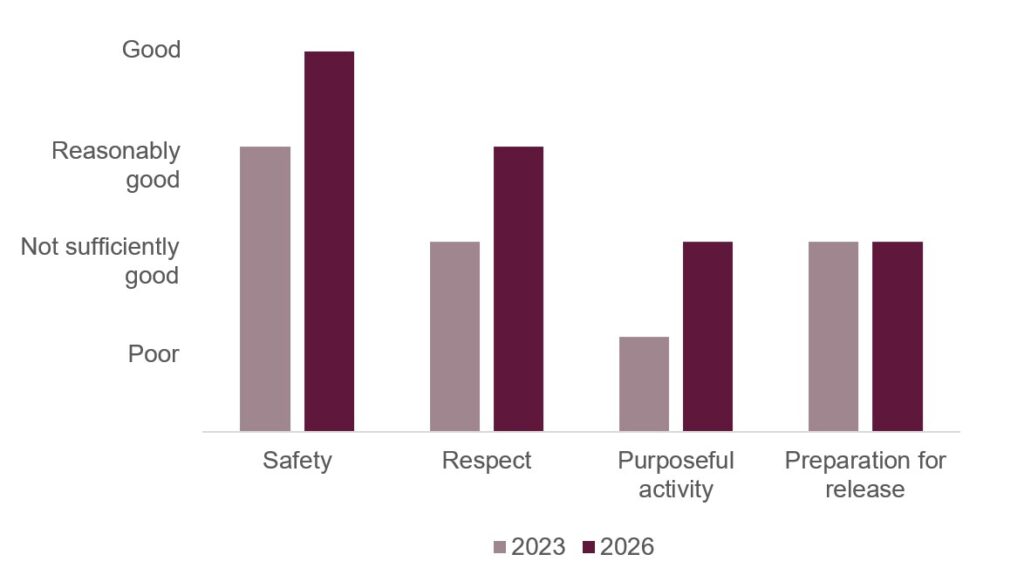
HMP Risley is a category C resettlement prison in Cheshire, tasked with accommodating only men convicted of sexual offences. Despite recent changes that included a clarification of the prison’s role and purpose, but also some important senior leadership changes, we found a generally stable and optimistic prison that was making progress. Outcomes for prisoners in our healthy prison tests were found to be good in safety and reasonably good in respect, although not sufficiently good in purposeful activity or preparation for release. This however, represented progress in three tests, with only preparation for release yet to realise any improvement.
The prison was calm, and levels of violence had reduced over time, with incidents now lower than many comparable category C prisons. Staff assaults and serious incidents were rare, and prisoners generally experienced good time out of cell. Early days provision was encouraging, with prisoners arriving at a clean and well organised reception and receiving adequate support during induction. There were also some examples of thoughtful and innovative practice, including a co-located key worker team that supported progression and resettlement, and a support initiative termed the bereavement café.
Relationships between staff and prisoners were generally constructive, and many prisoners spoke positively about individual officers. However, this positive culture was not consistent. We found evidence that some staff were dismissive or harboured inappropriate attitudes, including towards prisoners with protected characteristics, which undermined confidence and perceptions of fairness. Consultation arrangements and day-to-day communication were also weak, which, combined with ineffective applications and complaints systems, meant that prisoners often struggled to have their concerns addressed.
There remained important weaknesses in the effectiveness of key processes and in the use of data to drive improvement. High levels of staff sickness continued to affect delivery, and in some areas there was an over-reliance on individuals rather than resilient systems. The prison’s infrastructure remained a significant challenge, and although residential areas were generally clean, persistent issues with ageing facilities and poor-quality repairs undermined standards of decency.
Too many prisoners were not engaged in meaningful activity. Despite reasonable time out of cell, there were not enough activity places, and too much provision consisted of low level or unaccredited work that did not support progression. This lack of ambition in the curriculum was reflected in Ofsted’s overall assessment that education, skills and work required improvement.
Preparation for release similarly remained a concern. Although there was a structured approach and good partnership working supporting resettlement, outcomes were still not good enough. Too many prisoners were released without accommodation or employment, and weaknesses in risk management processes limited the effectiveness of release planning. Sentence planning was similarly inconsistent, and not all prisoners understood or engaged with their plans for progression.
Overall, Risley had made progress in creating a safer and more stable environment following its re-role, and there were encouraging signs of more focused leadership. However, this progress was undermined by persistent weaknesses in key processes, insufficient activity, and poor outcomes on release. Addressing these issues will require leaders to strengthen systems, improve consistency, and ensure that the prison delivers a more coherent and effective rehabilitative regime.
Charlie Taylor, HM Chief Inspector of Prisons, July 2026
Outcomes for prisoners (Back to top)
We assess outcomes for prisoners against four healthy prison tests: safety, respect, purposeful activity, and preparation for release (see More about this report for more information about the tests). We also include a commentary on leadership in the prison (see Section 1).
At this inspection of HMP Risley, we found that outcomes for prisoners were:
- Good for safety
- Reasonably good for respect
- Not sufficiently good for purposeful activity
- Not sufficiently good for preparation for release.
We last inspected Risley in 2023 Figure 1 shows how outcomes for prisoners have changed since the last inspection.
Figure 1: Risley healthy prison outcomes 2023 and 2026
What needs to improve (Back to top)
During this inspection we identified 12 key concerns, of which six should be treated as priorities. Priority concerns are those that are most important to improving outcomes for prisoners. They require immediate attention by leaders and managers.
| Priority concerns | |
| 1. | Prisoners struggled to get their day-to-day issues or complaints resolved. Applications and complaints processes were not working effectively, and consultation arrangements did not actively involve all prisoners. |
| 2. | The prison’s infrastructure was in poor condition and continued to undermine standards of decency. |
| 3. | Prisoners from some protected characteristic groups felt unsupported. Their perceptions were that some staff were not actively interested in understanding the needs of different prisoner groups. |
| 4. | There were insufficient activity spaces for the prison population, and too few accredited programmes to meet need. |
| 5. | The inter-departmental risk management team meeting was not effective. Key risk management actions were not always identified, recorded or progressed, which limited the impact of the meeting on the management of risk of harm at the point of release. |
| 6. | Too many prisoners were released homeless. |
| Key concerns | |
| 7. | Body-worn video camera recording during use of force incidents was not robust. Cameras were either not activated in time to capture the escalation or not positioned appropriately to record the full incident, limiting effective scrutiny. |
| 8. | Too many untrained and unsupervised peer support orderlies were supporting prisoners with social care needs, posing a significant risk. |
| 9. | The generally positive staff-prisoner relationships were undermined by derogatory comments, dismissive attitudes and poor engagement by some staff. |
| 10. | Clinical environments were of a very poor standard. Long‑standing issues, including damaged flooring, sinks and fixtures, fell below infection prevention standards and posed a risk to patient safety. |
| 11. | The curriculum for prisoners in workshops was not sufficiently ambitious, and there was too little to support them in their wider development. |
| 12. | Too many prisoners either did not have a sentence plan or were unaware of it. |
Notable positive practice (Back to top)
We define notable positive practice as evidence of our expectations being met to deliver particularly good outcomes for prisoners, and/or particularly original or creative approaches to problem solving. Inspectors found some examples of notable positive practice during this inspection, which other prisons may be able to learn from or replicate.
| 1. | The dedicated key worker team was co-located within the offender management unit, which enabled effective joint working, better understanding of key processes and a clear focus on progression and resettlement. (See How staff were supporting prisoners and managing risk) |
| 2. | Prisoners who had experienced bereavement could attend the monthly ‘bereavement café’, supported by a trained counsellor and the mental health team. (See Suicide and self-harm prevention) |
Unless otherwise specified, these examples are not formally evaluated, are a snapshot in time and may not be suitable for other establishments. They show some of the ways our expectations might be met, but are by no means the only way.
Section 1: Leadership (Back to top)
Leaders provide the direction, encouragement and resources to enable good outcomes for prisoners.
Leadership had remained stable despite a prolonged period of transition, including a change of Governor and an extended period of acting leadership. Notably, the Deputy Governor provided effective continuity during the re‑role and operational change, contributing to a more settled environment.
The governor, very new in post, had begun to articulate a clear and credible set of priorities for the prison, focused on safety and public protection. However, it was too early to judge how far this had translated into effective practice across the prison.
The transition to an establishment holding solely prisoners convicted of a sexual offence (PCoSOs) had clarified the prison’s purpose and supported a more focused approach to risk. However, the depth of understanding for this population was still developing across staff groups, including in relation to foreign national prisoners. The self‑assessment report was broadly accurate in identifying key challenges and constraints but was too aspirational and reflective of past practice, rather than practical pragmatic change.
Leaders had established a generally positive culture, characterised by staff visibility on the wings and mostly constructive relationships between staff and prisoners. However, weaknesses in key processes, including complaints handling and some aspects of the culture, undermined procedural justice, with prisoners considering some management decisions as unfair or inconsistent. In some areas, leadership arrangements were not sufficiently resilient to maintain oversight during periods of staff absence, exposing an over‑reliance on individuals rather than robust systems.
High staff sickness levels continued to present a significant risk to the delivery of the regime and had not yet been fully understood or addressed by leaders.
Leaders did not always use data effectively to drive improvement or understand fully the underlying behavioural drivers. This limited, for example, their ability to identify clear priorities and shape a more coherent, incentive‑based and rehabilitative approach to managing behaviour.
While good time out of cell (see Glossary) and a calm environment supported stability, there was too much reliance on lower‑level enrichment activities, which did not substitute for meaningful education, skills and work or opportunities to gain qualifications.
Despite investment, parts of the accommodation were in poor condition, reflecting inconsistency in the quality of contractor work.
Leaders maintained effective partnerships, including with health providers and Cheshire Police, which supported delivery in key areas.
There was a structured approach to preparation for release, with reasonable oversight and partnership working. However, weaknesses in risk management, including the effectiveness of the inter-departmental risk management team (IDRMT) meeting, together with high prisoner turnover and short stays, contributed to poor outcomes on release, particularly in accommodation and employment.
Section 2: Safety (Back to top)
Prisoners, particularly the most vulnerable, are held safely.
Early days in custody
Expected outcomes: Prisoners transferring to and from the prison are safe and treated decently. On arrival prisoners are safe and treated with respect. Risks are identified and addressed at reception. Prisoners are supported on their first night. Induction is comprehensive.
Overall, prisoners received good support during their early days at the establishment, with approximately 113 arrivals each month. The reception area was clean and well organised, and murals and wall art along the corridor helped create a more welcoming environment.
Initial safety interviews were conducted in private and were generally carried out with care and professionalism. We observed examples of compassionate practice, including appropriate adjustments for a deaf prisoner and a respectful approach to a transgender prisoner’s needs.
Security procedures were proportionate and applied appropriately. However, during the booking‑in process, prisoners were asked about thoughts of self‑harm in an open setting and without appropriate context, which was not suitable and was unlikely to encourage honest responses.
Reception orderlies provided refreshments and practical support, but peer support arrangements, including the use of Listeners (see Glossary), were not yet well embedded. This was partly mitigated by a structured three‑day induction programme delivered by peer mentors, and a range of services, including by substance misuse workers and the Department for Work and Pensions, both of which were professional and effective.
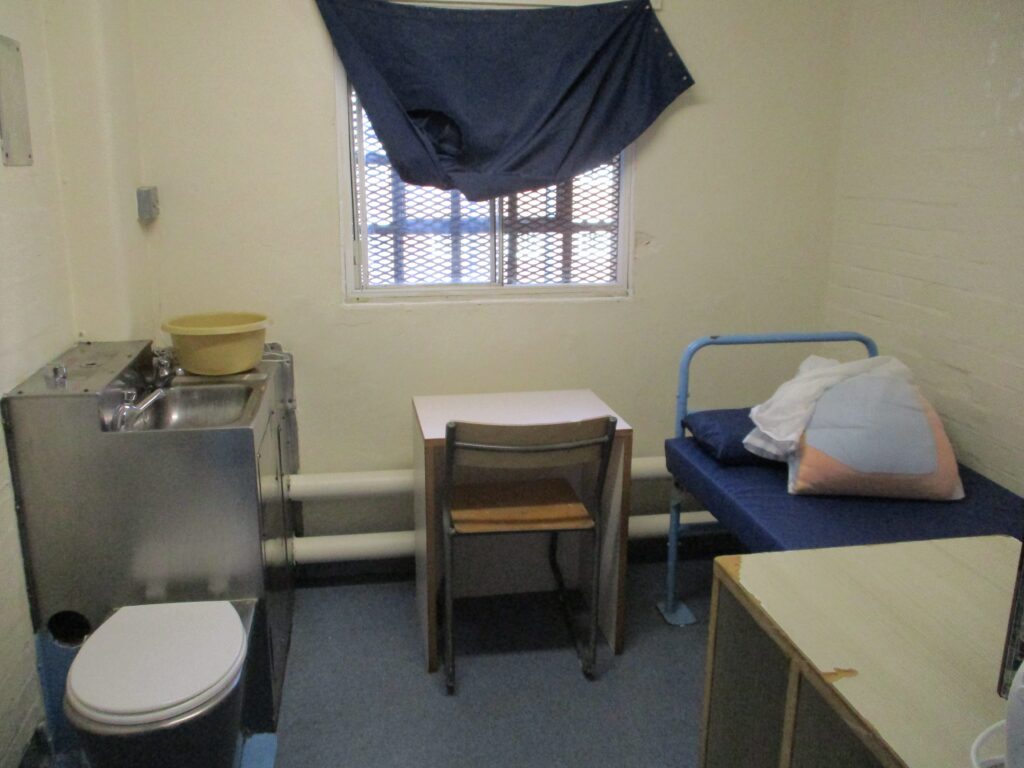
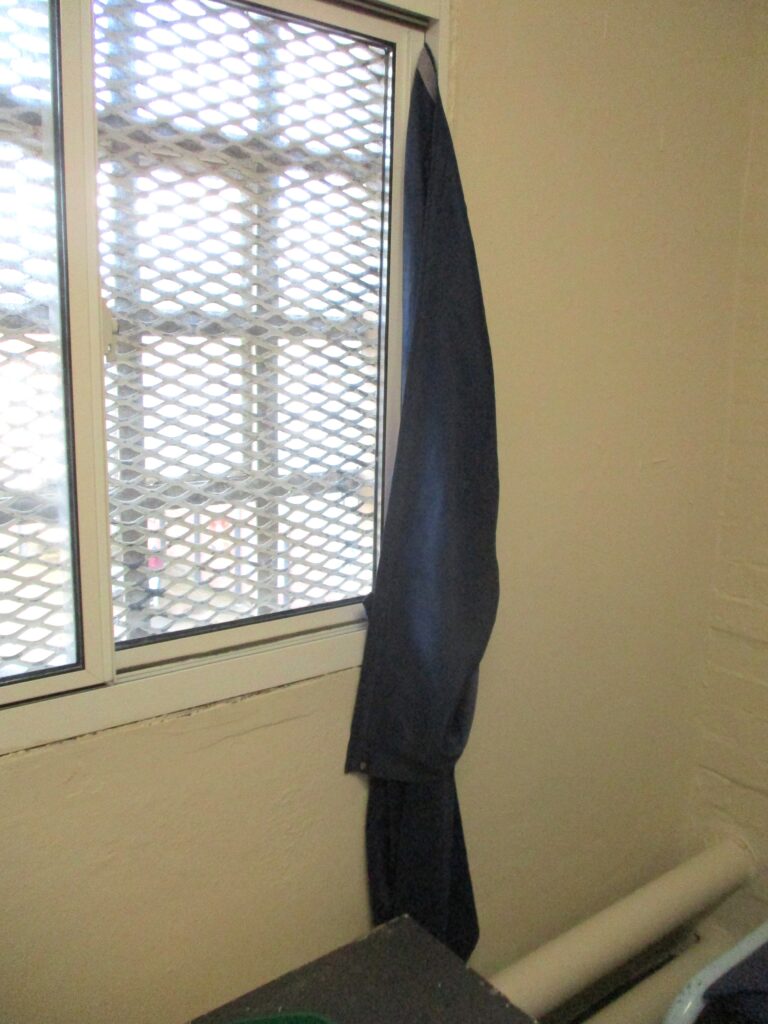
First night arrangements were positive. New prisoners were accommodated on Ravensmoor unit, on B wing. Cells there were clean, well prepared and equipped for new arrivals, supported by effective cell checklists. However, the wing was dated and cell windows presented a potential ligature risk.
Promoting positive behaviour
Expected outcomes: Prisoners live in a safe, well ordered and motivational environment where their positive behaviour is promoted and rewarded. Unacceptable conduct is dealt with in an objective, fair, proportionate and consistent manner.
Encouraging positive behaviour
| HMIP prisoner survey | Yes | Compared with similar prisons |
| Have you ever felt unsafe here? | 33% | No difference |
| Do you feel unsafe now? | 9% | No difference |
Perceptions of safety had continued to improve since the last inspection. Levels of violence had been declining for around two years and were lower than at most other category C prisons, although higher than at other prisons holding PCoSOs. Staff assaults and incidents involving serious harm were rare, and levels of disorder had fallen considerably.
Violent incidents were investigated reasonably well, and perpetrators were often referred to a range of interventions, such as anger management workbooks or talking therapies, to address their behaviour.
Leaders had a reasonable understanding of the nature and drivers of violence, supported by investigations, consultation with prisoners and staff, and a wide range of data. However, this had not yet been used to identify clear priorities or actions to reduce violence further.
| HMIP prisoner survey | Yes | Compared with similar prisons |
| Do you think the culture within this prison encourages prisoners to behave well? | 38% | No difference |
| Does this prison reward good behaviour fairly? | 34% | Higher |
The safe and respectful environment, good time out of cell and the stronger offer on some specialist residential units (see Residential services and Opportunities for prisoners to progress) encouraged prisoners to engage positively and supported a move towards a more rehabilitative culture.
However, leaders relied too heavily on traditional incentives and had not fully made use of the increased stability of the prison to develop more creative approaches to motivation. In addition, as at the time of the last inspection, wing staff did not consistently reinforce positive behaviour. For example, over three‑quarters of prisoners had not received any case note entries relating to behaviour in the last 28 days, and two‑thirds of those recorded were negative, which was not reflective of the overall behaviour of the population.
Use of force
There had been 256 use of force incidents in the previous 12 months, a reduction from 397 in the same period at the time of the last inspection. This remained high compared with similar PCoSO prisons but was lower than at comparable category C establishments, indicating a positive downward trend.
Nearly all incidents (90%) were unplanned and around half involved the use of handcuffs, typically to support lower‑level interventions, prevent assaults or manage prisoners refusing to relocate.
The use of PAVA incapacitant spray (see Glossary) had reduced, with five draws but only one use in the previous 12 months. No batons had been drawn or used over the same period.
Body‑worn video cameras were reportedly used in most incidents. However, they were not always activated in time to capture the escalation or positioned appropriately to record the full incident, limiting effective scrutiny. Leaders had recently incorporated body worn video camera use into staff training to reinforce expectations and improve practice.
Governance arrangements were generally well established, with quality assurance processes and a review of all incidents at a weekly scrutiny meeting. However, in the footage we observed, there were some instances of unnecessary heavy‑handed practice and inconsistencies in justification, including cases where the recorded rationale did not fully reflect events, or where prisoners’ concerns were not addressed adequately.
Although oversight meetings were held regularly, records did not demonstrate clearly how identified issues were translated into meaningful improvements.
Segregation
There had been significant improvements to the segregation unit since the last inspection. Conditions in cells were now good, and the yards had been redecorated.
The regime was better than we usually see. Depending on the level of risk they presented, prisoners were able to spend up to two and a half hours out of their cells each day and had access to a pleasant garden, exercise room and well-being area, which supported reintegration.
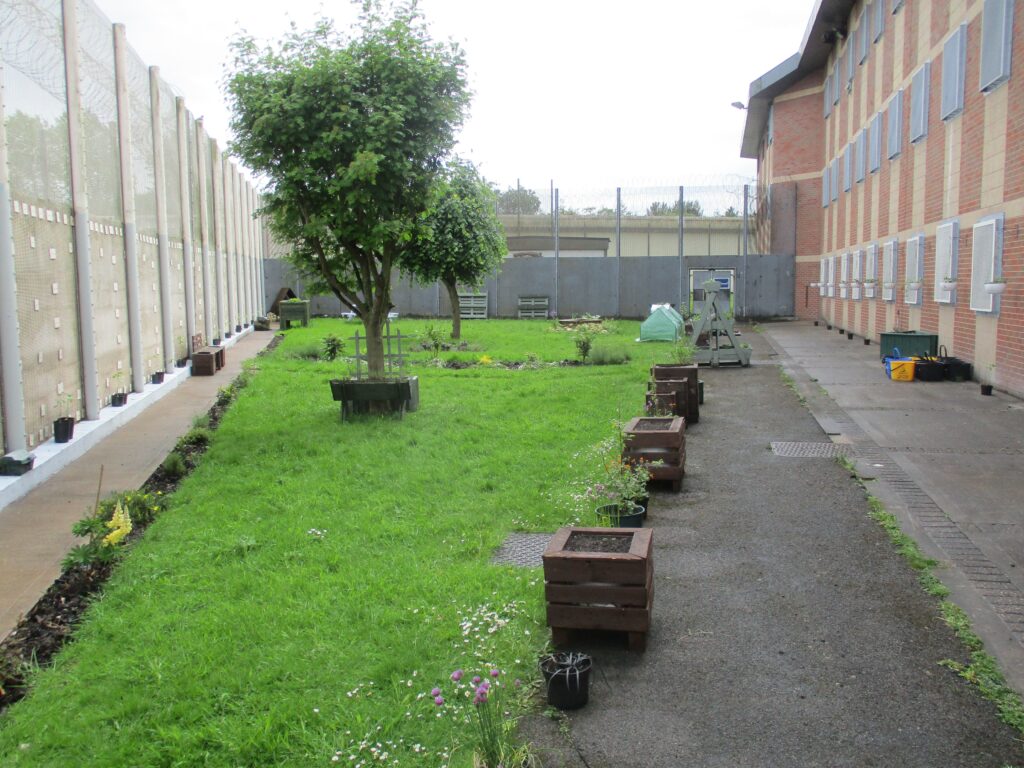
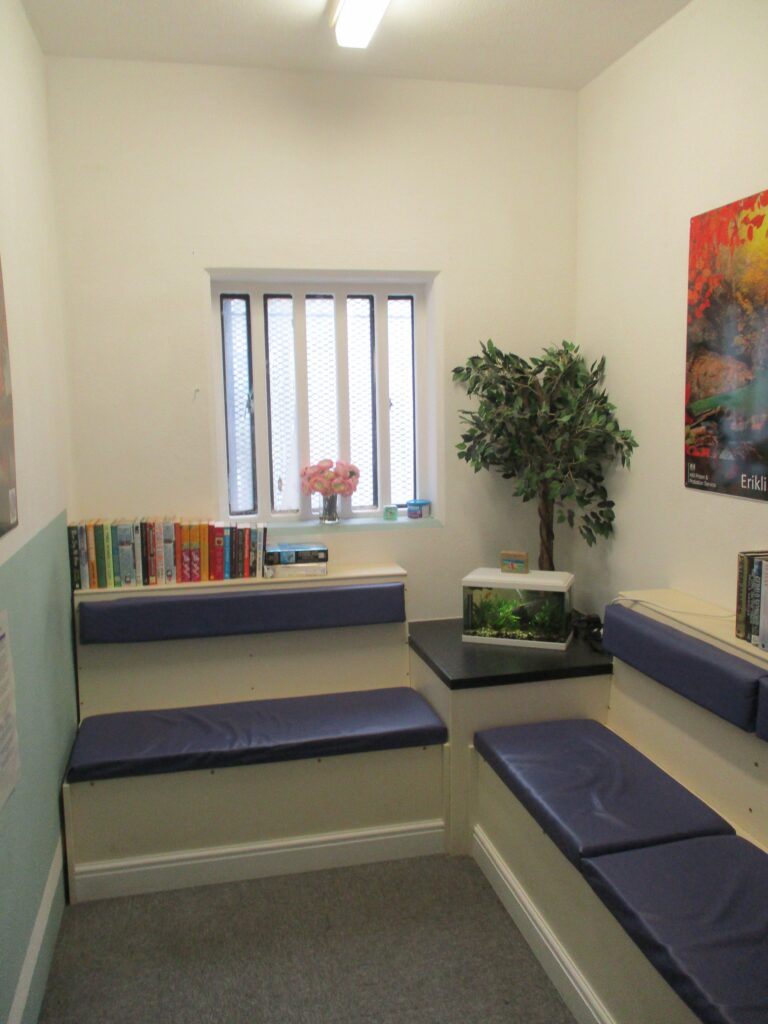
Use of the unit had decreased, with rarely more than two prisoners there at any one time, and the average length of stay being short, at around seven days.
The number of adjudications had fallen by 42% since the last inspection, in line with the reduction in disorder. Adjudication procedures were generally well managed. However, written records did not always demonstrate consideration of underlying factors, and rehabilitative approaches were rarely used to support prisoners to change their behaviour.
Security
Expected outcomes: Security and good order are maintained through an attention to physical and procedural matters, including effective security intelligence and positive staff-prisoner relationships. Prisoners are safe from exposure to substance misuse and effective drug supply reduction measures are in place.
Security arrangements were generally proportionate. However, as the prison was still in transition following the re-role, leaders had not yet fully reviewed risks to ensure the continued proportionality of some measures. Examples included supervision of movement around the prison, considering the changed population. Security was otherwise well managed, supported by an experienced head of security.
The availability and use of illicit substances had reduced significantly, with only 4% of random drug tests being positive over the previous 12 months, mostly for misuse of prescribed medication. Leaders had identified this as a key risk and taken swift action, supported by a comprehensive drug strategy and effective joint working between departments.
Links with external law enforcement agencies were very good, notably Cheshire Police delivering training to improve staff understanding of the risks associated with the changing population, particularly in relation to public protection and vulnerability.
Security intelligence was well managed. Reports were analysed by an experienced team, and subsequent actions, such as cell searches and suspicion drug tests, were carried out promptly. Information was used to set security objectives, which were communicated clearly to staff through bulletins and briefings.
Safeguarding
Expected outcomes: The prison provides a safe environment which reduces the risk of self-harm and suicide. Prisoners at risk of self-harm or suicide are identified and given appropriate care and support. All vulnerable adults are identified, protected from harm and neglect and receive effective care and support.
Suicide and self-harm prevention
There had been one self-inflicted death since the previous inspection. The Prisons and Probation Ombudsman report had not yet been published; however, the prison had undertaken an internal early learning review.
In the previous 12 months, there had been 681 recorded incidents of self‑harm, involving 126 prisoners, equating to a rate of 670 per 1,000 prisoners. Although the number had been on a significant downward trend since June 2025, rates remained high compared with other PCoSO prisons.
A range of data was collected routinely by the safety analyst, including daily, weekly and monthly breakdowns of incident trends. A safety summit held in February 2026, involving staff and prisoners, had generated useful insight. However, neither had yet been translated into a clear strategy or action plan to reduce self‑harm further.
There had been 39 serious self‑harm incidents in the past 12 months, with 34 investigations completed and signed off by the deputy governor at the time of the inspection. The quality of assessment, care in custody and teamwork (ACCT) case management documentation for prisoners at risk of suicide or self-harm had improved, with records demonstrating a good understanding of prisoners’ needs. These individuals generally spoke positively about the care they received, and initiatives such as the monthly ‘bereavement café’, with support from a trained counsellor and the mental health team, were reported to have had a beneficial impact. However, mental health nursing staff did not routinely attend ACCT reviews, and we observed examples of a more punitive approach towards some prisoners in crisis.
There had been 62 uses of constant supervision since April 2025, but a revised process introduced in January 2026 had strengthened governance and significantly reduced both the frequency and duration of use.
Listener provision remained underdeveloped. Only 48% of our survey respondents said that it was easy to speak to a Listener, and evidence indicated that staff did not always facilitate access appropriately.
Protection of adults at risk
There were arrangements to identify and support those most vulnerable to exploitation, neglect or abuse. A safeguarding strategy outlined processes for recognising signs of abuse, including the use of a ‘concern’ form that could be completed by staff or visitors; this would then be reviewed and responded to by the safer custody team. However, oversight and support for prisoners with identified social care needs had not been sufficiently robust (See Social care).
A representative from the safer custody team attended meetings with the community adult safeguarding team at Warrington Borough Council. However, previously strong partnership working had not been maintained and the forum was not used to its full advantage to access external expertise and guidance.
The weekly safety intervention meeting provided oversight of vulnerable prisoners, with appropriate discussion and monitoring of complex cases, including a prisoner living with dementia.
Section 3: Respect (Back to top)
Prisoners are treated with respect for their human dignity.
Staff/prisoner relationships
Expected outcomes: Prisoners are treated with respect by staff throughout their time in custody and are encouraged to take responsibility for their own actions and decisions.
Many prisoners identified individual officers as supportive. However, others we spoke to described derogatory comments by some staff towards PCoSOs, and we saw examples of negative attitudes and dismissive treatment of transgender prisoners and those at risk of self‑harm.
| HMIP prisoner survey | Yes | Compared with similar prisons |
| Do most staff here treat you with respect? | 80% | No difference |
| HMIP staff survey | Yes |
| Have you ever witnessed staff behaving inappropriately towards prisoners at this establishment? | 33% |
The prison had taken an innovative approach to supporting more vulnerable groups, such as those at risk of self‑harm and those approaching release, by establishing a dedicated key worker team (see Glossary), supporting around 40% of the population. Session records for this group were strong and detailed, with a clear focus on progression, resettlement and risk (see Returning to the community). Key work provision for the remainder of the population was less consistent and targeted; only 63% of our survey respondents found their key worker helpful, which was lower than in comparator prisons.
A range of activities and events had been introduced to improve staff–prisoner relationships, including sports days, quizzes and wing‑based tournaments, and we observed some positive interactions. However, on some wings, including A wing, where many foreign national prisoners were located, we saw staff grouped together rather than engaging with prisoners.
Prisoners were employed in a wide range of peer roles, including prisoner information desk workers and mental health and equality orderlies, providing useful support. However, peer work was underused in other areas, including early days and substance misuse provision, and peer workers supporting prisoners with social care needs lacked adequate supervision (see Social care).
Daily life
Expected outcomes: Prisoners live in a clean and decent environment and are aware of the rules and routines of the prison. They are provided with essential basic services, are consulted regularly and can apply for additional services and assistance. The complaints and redress processes are efficient and fair.
Living conditions
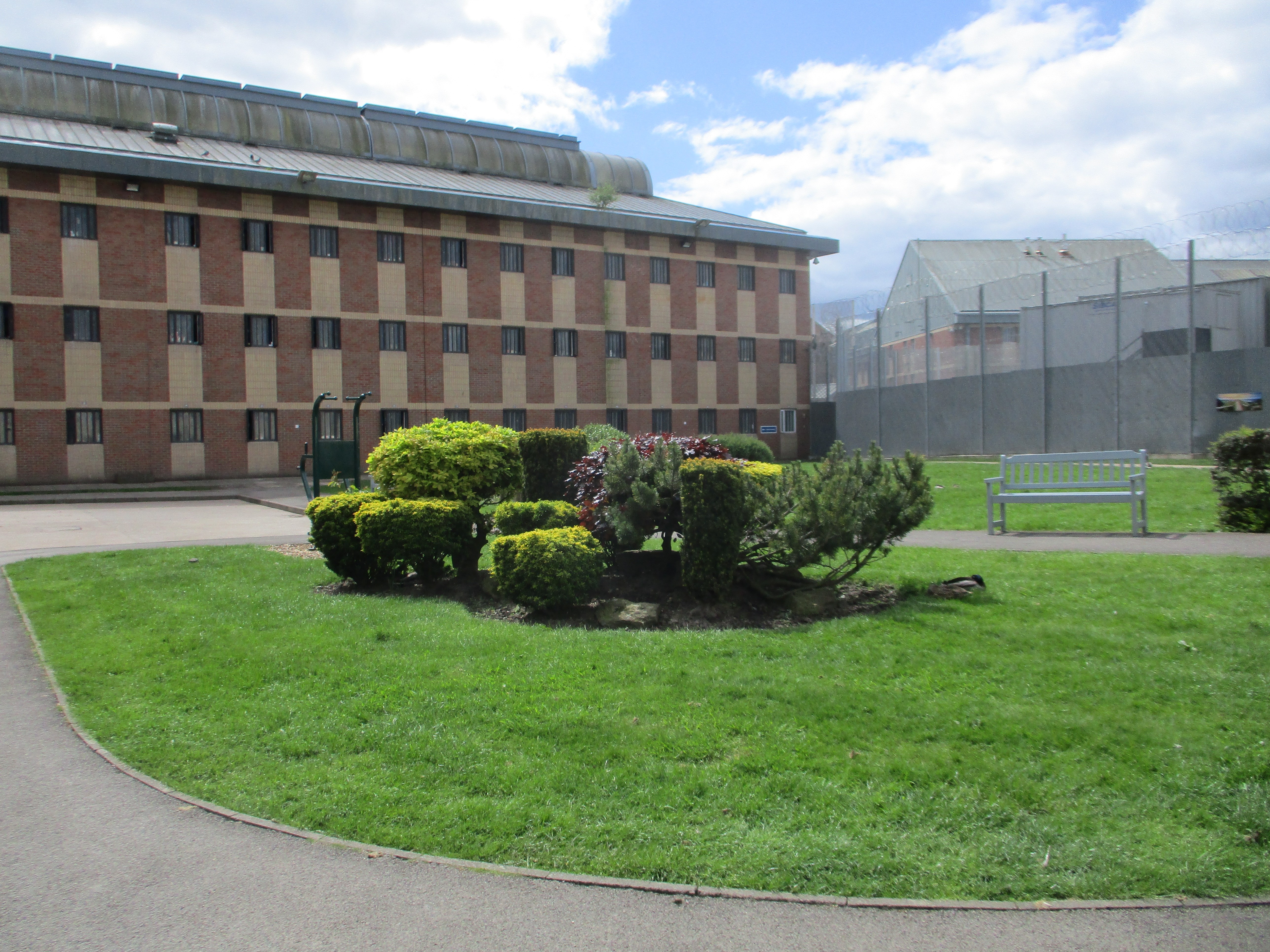
Standards of cleanliness were well maintained, despite the age of the buildings, and residential units were clean, tidy and free from graffiti.
Prisoners had good access to cleaning materials and a laundry, with wing workers managing day‑to‑day tasks effectively. Exterior areas were well maintained and included green spaces, creating a pleasant environment.
| HMIP prisoner survey | Yes | Compared with similar prisons |
| Normally, are the landing and stairs of your wing or houseblock very/quite clean? | 95% | Higher |
| Normally, are the association areas of your wing or houseblock very/quite clean? | 95% | Higher |
| Normally, is the servery of your wing or houseblock very/quite clean? | 97% | Higher |
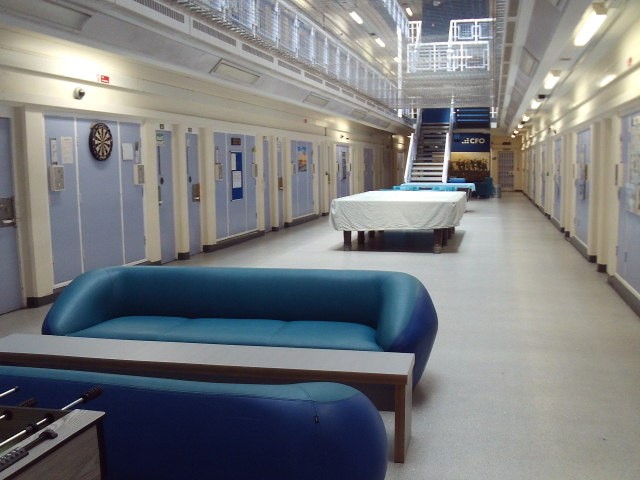
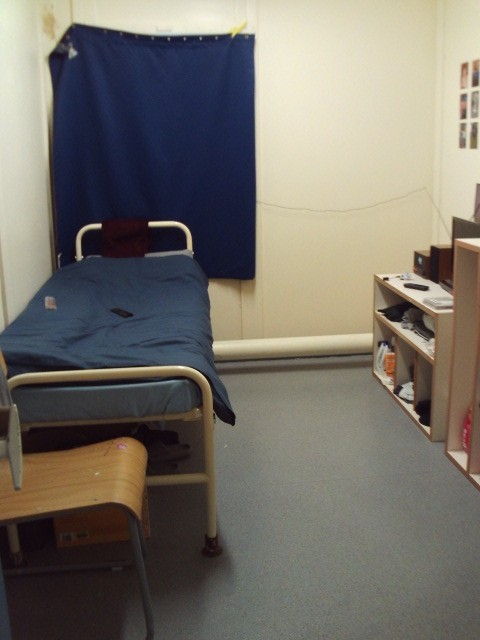
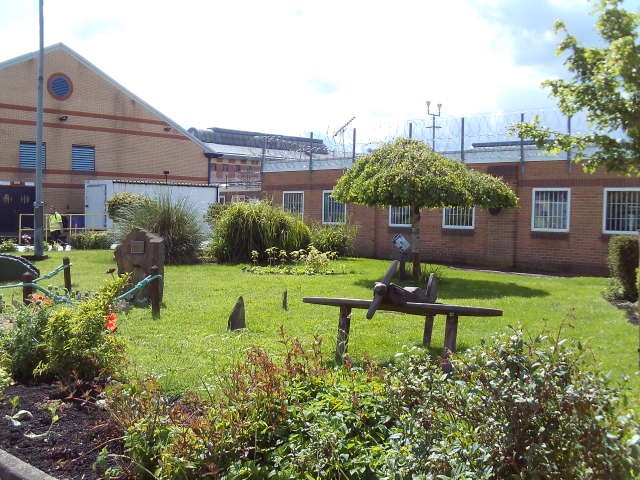
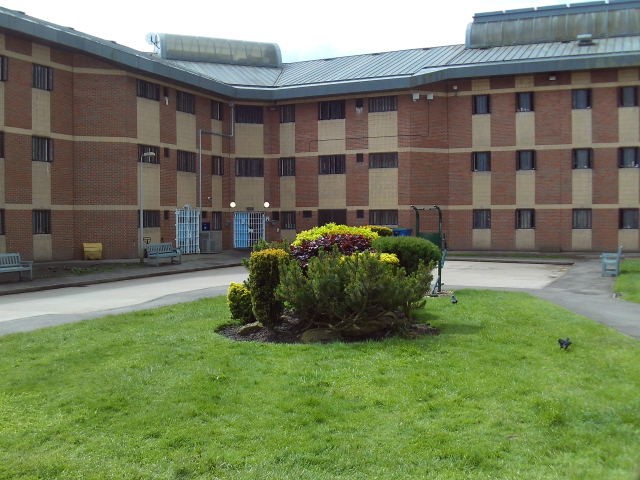
However, the ageing infrastructure had led to recurring issues with lighting, telephones, heating and hot water. The prison continued to operate with a coal‑fired boiler, and the electrical system was also outdated. Some windows could not be fully closed.
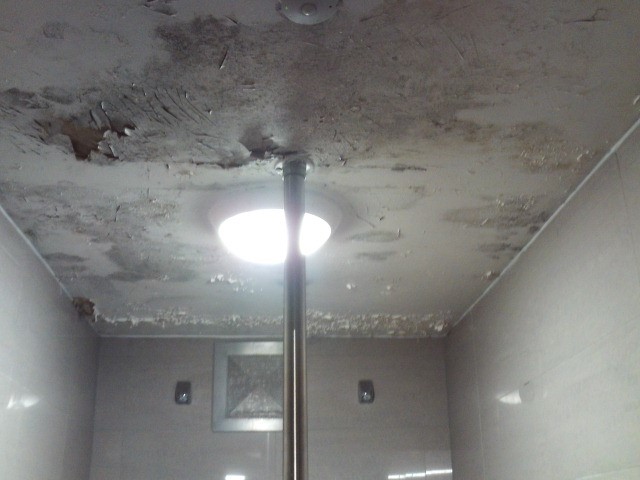
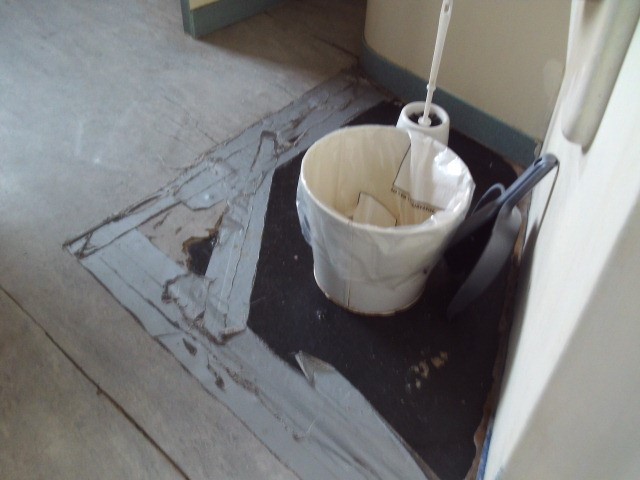
The condition of some facilities, including recently refurbished showers, remained poor. Problems with ventilation, water pressure and cell flooring needed attention and reflected work of inconsistent quality by external contractors, including some jobs that had been signed off despite evident deficiencies. On A wing south, one shower area was out of use. Leaders had taken steps to improve flooring by investing in training for an internal member of maintenance staff.
Only 18% of survey respondents said that they could access stored property promptly and there were long delays in property transfers from other prisons. This issue had accounted for around 20% of all complaints in the last 12 months. Oversight and record keeping for property access were poor and timeliness was not monitored.
There was no electronic cell bell monitoring system and, before March 2026, no assurance checks had been recorded for nearly two years. In our survey, only 35% of respondents said that their cell bell was normally answered within five minutes, which was lower than in comparator prisons (58%).
Residential services
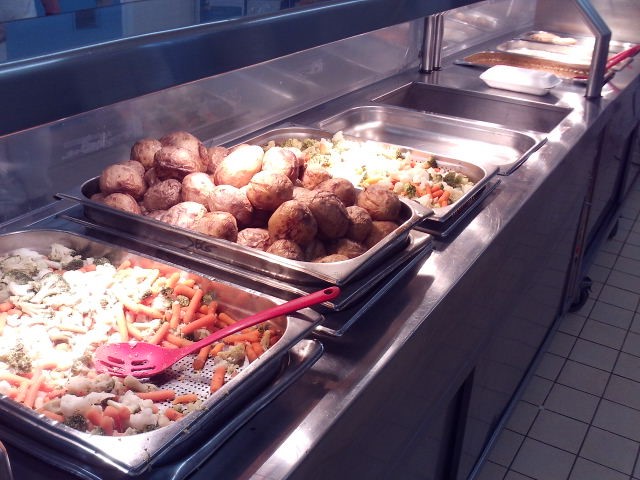
In our survey, 60% of respondents said that the food was very or quite good, which was in line with other prisons. Meals we saw were well prepared and included healthy options, and hot food was available at both lunchtime and in the evening. Serveries were clean and well organised, with appropriate hygiene standards and arrangements for different dietary requirements.
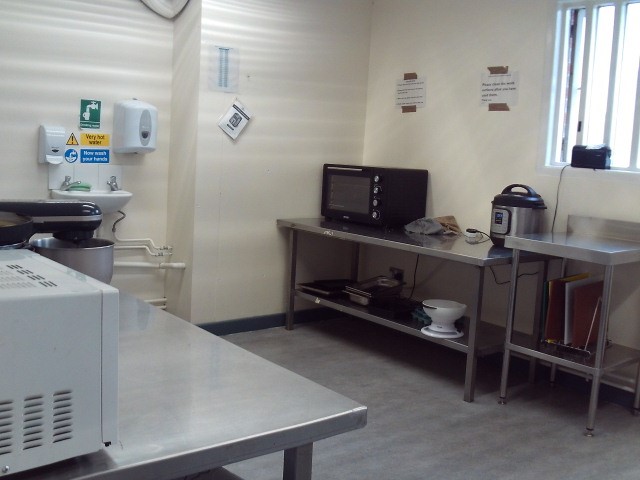
Prisoners on some specialist units were able to buy chilled and frozen food to cook, supporting independent living and providing a positive incentive (see Encouraging positive behaviour). However, this benefited only a minority.
Prisoners had access to a wide range of shop items, and catalogue orders were well managed. Fresh fruit and vegetables were available, alongside a range of hobby items, newspapers and magazines.
Prisoner consultation, applications and redress
Consultation structures were reasonably good and there was evidence they supported change. The governor chaired the prisoner council, which had good departmental attendance, and a range of other forums were also active. However, outcomes were not always communicated effectively, with many prisoners telling us that they did not feel consulted, and this was reflected in our survey findings.
| HMIP prisoner survey | Yes | Compared with similar prisons |
| Are prisoners here consulted about things like food, canteen or wing issues? | 45% | Lower |
Applications and complaints processes were weak. Timeliness was poor, scrutiny was limited and prisoner confidence in these systems was low. Although data were collected and analysed, this did not lead consistently to improvements.
| HMIP prisoner survey | Yes | Compared with similar prisons |
| Is it easy for you to make an application? | 70% | Lower |
| Is it easy for you to make a complaint? | 53% | Lower |
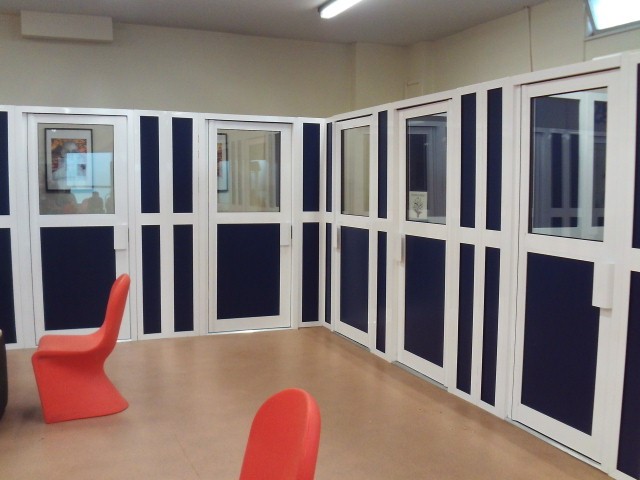
Private legal booths had been introduced, and legal visits were held weekly. However, there was no video-link provision, despite a large out‑of‑area population. The library held relevant legal texts but the ability to print copies of materials was limited and there was no computer access.
| HMIP prisoner survey | Yes | Compared with similar prisons |
| For those who need it, is it easy to communicate with your solicitor or legal representative? | 40% | Lower |
| For those who need it, is it easy to attend legal visits? | 31% | Lower |
Support for foreign national prisoners to access immigration legal advice was reasonable. A specialist worker facilitated contact with legal representatives and maintained an up‑to‑date list of immigration solicitors. However, there was no system to make sure that those in immigration detention could access free legal advice, and staff were not aware of this entitlement.
Fair treatment and inclusion
Expected outcomes: There is a clear approach to promoting equality of opportunity, eliminating unlawful discrimination and fostering good relationships. The distinct needs of prisoners with particular protected characteristics (see Glossary) or those who may be at risk of discrimination or unequal treatment, are recognised and addressed. Prisoners are able to practise their religion. The chaplaincy plays a full part in prison life and contributes to prisoners’ overall care, support and rehabilitation.
Since the previous inspection, the prison’s population had changed, with fewer younger prisoners, more prisoners aged 50 and over, and a reduction in those from ethnic minority backgrounds.
The reducing reoffending strategy was informed by a needs analysis, which had been completed in early 2026 and included a priority to ‘adapt to an ageing and disabled population’. However, it contained little detail on how this would be achieved. The equality action plan was similarly lacking in detail.
The prison had appointed a knowledgeable equality manager who was part of the leadership team, with sole responsibility for leading on fair treatment. However, their absence for several months from late 2025 had exposed weaknesses in the resilience of leadership arrangements, with insufficient cover and systems to maintain consistent oversight. As a result, work in this area had lapsed, including a lack of regular meetings and consultation with distinct prisoner groups, and some prisoners felt that staff were not actively interested in understanding their needs.
This had had a negative impact on some groups. For example, transgender prisoners did not have a review board with managers to discuss their needs following their arrival. Several told us that they felt unsupported, particularly because of delays in accessing clothing and items to express their gender identity.
The equality manager had, however, returned recently and consultation with prisoner groups was now improving, supported by an enthusiastic group of prisoner peer workers, who were visible on the wings.
The prison also arranged regular celebratory events for minority groups; however, prisoners told us that, outside these, few staff demonstrated a visible commitment to diversity and inclusion.
In our survey, there were few differentials highlighted across most groups, although far fewer prisoners from ethnic minority groups than their white counterparts said that they were treated with respect (53% versus 85%). Some prisoners from ethnic minority groups said that staff used derogatory language towards them and treated other prisoners with favouritism, although we did not find direct evidence of this.
The Discovery programme, based on D wing, provided targeted support for specific groups, including veterans, care leavers and those without family support. It helped to address individual needs and reduce disadvantage, making effective use of peer mentoring to support prisoners to develop skills, improve confidence and prepare for release (see Opportunities for prisoners to progress).
Several prisoners told us that they did not have confidence in the discrimination complaints process, and 54% of survey respondents said that they would not report victimisation by staff.
On average, fewer than three discrimination incident reporting forms (DIRFs) were submitted each month. Responses had been poor during the absence of the equality manager but had improved recently. However, some cases were closed before all agreed actions had been completed.
All DIRF responses were scrutinised independently by the family services provider, Partners of Prisoners (POPS), with anonymised versions reviewed by prisoner peer equality workers. However, this had not identified the issues we found in our inspection sample.
Foreign national prisoners had regular contact with an on-site Home Office Immigration Enforcement team. However, interpreting services were not always used when needed. We found examples of other prisoners being used to interpret during key work sessions, which was not appropriate.
Faith and religion
Prisoners of all faiths and beliefs had the opportunity to attend corporate worship. The chaplaincy, supported by several volunteers, offered weekly study groups and there was excellent support for prisoners who had been bereaved (see Suicide and self-harm prevention).
Health, well-being and social care
Expected outcomes: Patients are cared for by services that assess and meet their health, social care and substance use needs and promote continuity of care on release. The standard of provision is similar to that which patients could expect to receive elsewhere in the community.
The inspection of health services was jointly undertaken by the Care Quality Commission (CQC) and HM Inspectorate of Prisons under a memorandum of understanding agreement between the agencies. The CQC found there were no breaches of the relevant regulations.
Strategy, clinical governance and partnerships
Practice Plus Group (PPG) was commissioned to deliver health and social care, with Greater Manchester Mental Health NHS Foundation Trust (‘GMMH’) delivering mental health services.
The service demonstrated strong partnership working, focused on delivering good patient‑centred outcomes. Collaboration between providers, including mental health and primary care, was well established despite separate contractual arrangements.
Leadership and oversight were key strengths, with experienced clinical and operational leaders supported by skilled administrative teams. Governance processes were robust, with effective use of data and a recent health needs assessment used to drive improvement.
Staffing levels were stable, with good compliance in mandatory training and well-embedded supervision and appraisal arrangements. Staff reported feeling supported and valued, with providers delivering strong investment in well-being and professional development.
Incident and complaint management processes were effective, with clear oversight and evidence of learning from reviews. Patient feedback mechanisms were well established; however, more needed to be understood about some of the negative perceptions of health care identified in our survey.
Safeguarding arrangements were robust, supported by improved staff awareness following targeted training. Clinical record keeping was comprehensive.
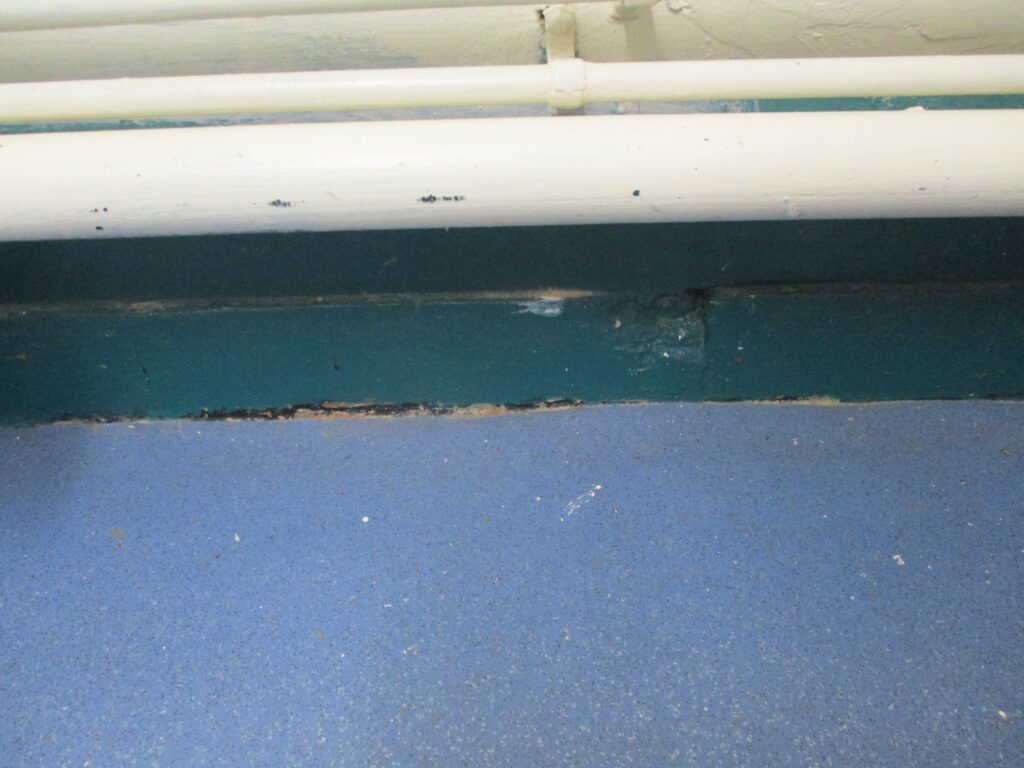
Many clinical areas did not meet infection prevention standards and posed a risk to patient care. While the provider and the prison were aware of these issues, progress in addressing them was too slow. Waiting areas were stark and furnishings were not fit for purpose.
Overall, care delivery was compassionate, with staff from all providers consistently demonstrating dignity, respect and kindness towards patients.
Promoting health and well-being
PPG implemented a health promotion strategy focused on partnership working to improve patient understanding and outcomes. Delivery was proactive, led by staff and supported by trained prisoner health champions, with oversight from a dedicated patient engagement lead. Monthly health events aligned with the national calendar and were reinforced through cross‑department collaboration, including with mental health services and the gym, as well as through newsletters and prisoner forums. Health care information was readily accessible on the wings and health champions provided basic checks such as for blood pressure and weight.
Sexual health services were embedded and access to specialist advice had been re‑established. Blood-borne virus screening was well established through testing at reception. Access to immunisations and vaccinations had been further enhanced through the training of pharmacy technicians.
Primary care and inpatient services
Initial reception health care assessments were completed promptly by a registered nurse, with appropriate referrals made. Secondary health screenings were undertaken in line with national guidance. Clinical room availability within the health care department was generally good, but they did not meet infection prevention and control standards.
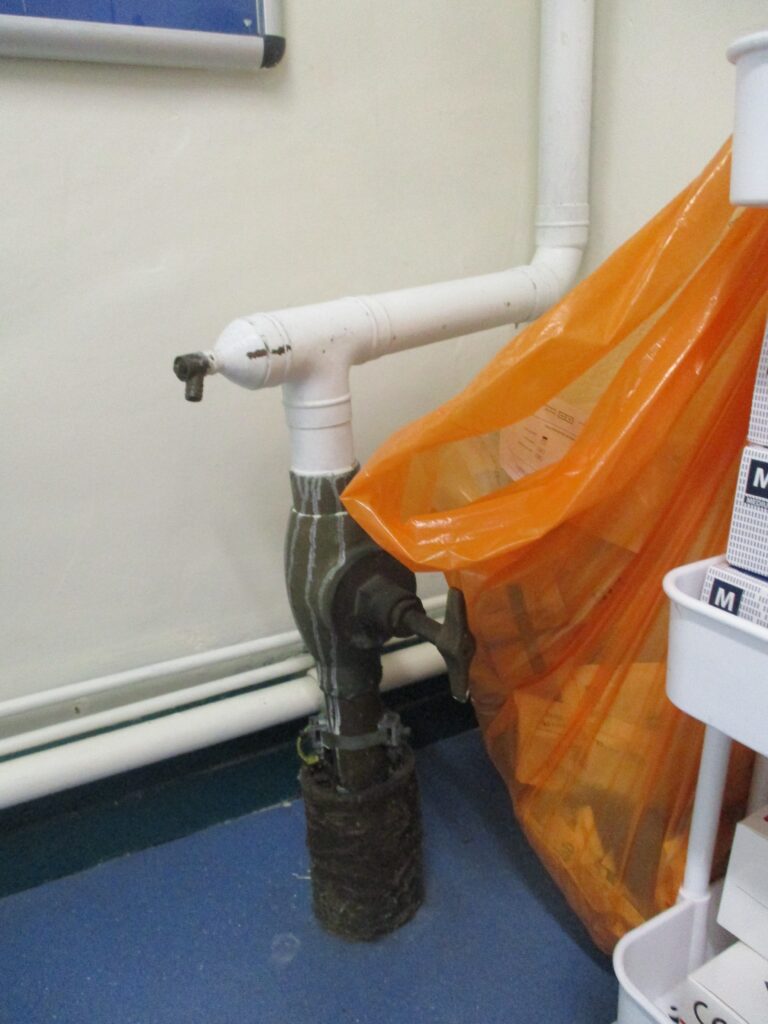
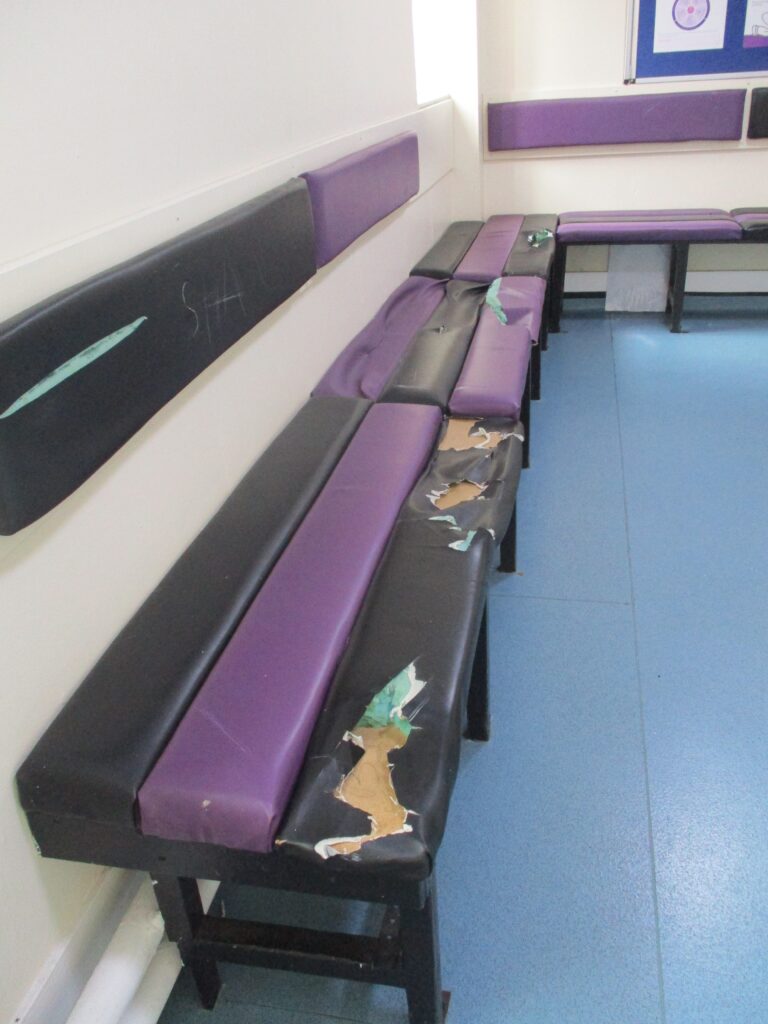
Patients’ ongoing health care needs were met through a suitable range of primary care services, with effective long‑term condition management. Performance had improved, supported by detailed care plans and regular patient reviews. Emergency equipment and clinical room checks were completed consistently.
The appointments system was effective, with applications triaged clinically and minimal delays for most services; emergency appointments were available. Longer waits persisted for optician and physiotherapy services. Attendance at appointments was closely monitored, with non‑attendance rates improving. Prison and health care staff worked proactively to follow up non‑attendance, supported by an effective administrative team.
Strong joint working with internal and external partners supported continuity of care, including input to the resettlement board and key meetings for early days and complex cases. Care pathways and operating procedures were in place to guide staff and inform decision making, with some areas still under development.
Patients received appropriate pre‑release assessments and interventions, and were supported to register with community health services.
Social care
Governance and oversight of social care from the prison were not sufficiently robust (see Protection of adults at risk). Meetings with the local authority were irregular and lacked a clear action plan to address the changing needs of the population.
There were 76 peer carers, none of whom had received role‑specific training. There were no regular supervision arrangements or meetings to provide support or share concerns. This was a significant gap and presented a potential risk to those receiving care.
Patients with social care needs were identified at reception and referrals were made promptly.
A lead nurse had good oversight of referrals and monitored assessment timescales, as well as ongoing care. Care plans were clear and set out the support required.
Where necessary, care needs were communicated onward to the receiving prison or external providers.
Mental health
GMMH subcontracted Big Life and Intuitive Thinking to deliver psychoeducational support.
The mental health service was high performing and well integrated, and had expanded significantly. It was characterised by strong leadership, a skilled and experienced multidisciplinary workforce, and a clear sense of team cohesion, despite involving multiple providers. The service operated effectively as a single, unified team, supported by well-structured meetings such as weekly single point of access and daily allocation meetings, which provided strong patient oversight.
Governance arrangements were robust, with effective use of data, a comprehensive dashboard and a service development plan aligned to the health needs assessment recommendations. Incidents were reported and reviewed appropriately, with clear mechanisms for shared learning. Complaints were well managed and positive feedback was shared actively.
Staff support was a strength, with well-embedded supervision, reflective practice and ongoing professional development. Safeguarding arrangements were sound and the service provided accessible, evidence-based care, in line with national standards.
The service was responsive, with manageable caseloads, timely referrals and good oversight of waiting lists. Psychoeducational interventions, including well-being initiatives and group work, enhanced the offer. Partnership working across the prison was strong, with positive feedback from stakeholders and patients.
Delays in hospital transfers under the Mental Health Act persisted and the provider was monitoring a recent increase in the number of prisoners detained under the Act at the point of release.
Support and treatment for prisoners with addictions and those who misuse substances
PPG delivered clinical and psychosocial substance misuse services with strong partnership working, supporting continuity of care. Governance was robust, with an action plan addressing key risks.
A new team leader provided clear direction and supportive clinical leadership. Patients were referred on arrival and received timely assessments. Prescribing followed national guidance, with the nurse prescriber supported by a GP and regional peers.
Joint reviews between the nurse prescriber and recovery worker were effective and supported release planning and continuity of care. Administrative processes made sure that patients were not missed on arrival or release.
Vacancies in the psychosocial team were having an impact on service delivery. No group work was taking place and there were no peer mentors. Aside from weekly Alcoholics Anonymous sessions, no other groups had run since the start of the year, with waiting times of up to 49 weeks.
Release planning was well structured, with strong community links. Patients on opiate substitution treatment had community appointments arranged before release and all received harm minimisation advice and training in the use of naloxone (an opiate reversal agent).
Medicines optimisation and pharmacy services
Pharmacy services were delivered effectively by a skilled and dedicated team. Regular medicines management meetings supported safe practice, although there was scope to expand pharmacy-led clinics.
Medicines errors were managed appropriately, with incidents reviewed and actions taken to reduce recurrence. Systems for responding to drug safety alerts were robust. Medicines were transported safely, labelled appropriately and generally stored correctly. However, in some treatment rooms medicines trolleys were insecure. Controlled drugs were stored and managed safely.
Medicines administration was undertaken by pharmacy technicians, with nursing support. Patient identification checks were completed routinely and records of administration were maintained appropriately. Medicines queues were supervised adequately by prison staff, which was better than we usually see.
Approximately 75% of patients received medicines in possession (IP). Risk assessments were completed on reception, but regular reviews were not consistently undertaken in line with policy. Although IP assessments were accessible, some staff were unclear on how to locate the most up‑to‑date version. There was no secure in‑cell storage for medicines, which was poor. Random and targeted cell checks were undertaken and non‑compliance triggered IP reviews.
Emergency medicines were available when the pharmacy was closed, and were checked routinely; however, there was no audit trail for their use. Patients had access to over‑the‑counter medicines for minor ailments.
Dental services and oral health
Dental provision was good, with access to an appropriate range of treatments, and urgent appointments were available for immediate needs. Although waiting times remained longer than in the community, performance was improving, with fewer patients waiting over eight weeks for assessment and treatment. A 16% did‑not‑attend rate indicated scope to improve access further. Governance arrangements were robust, supported by regular audits, appropriate policies and staff training. Equipment was well maintained and serviced, and patient records were comprehensive.
The dental suite and decontamination room were cluttered, with insufficient storage, which compromised infection prevention and control standards. Flooring in the dental suite had also deteriorated and remained unresolved despite contractor involvement, posing risks to its integrity and compliance.
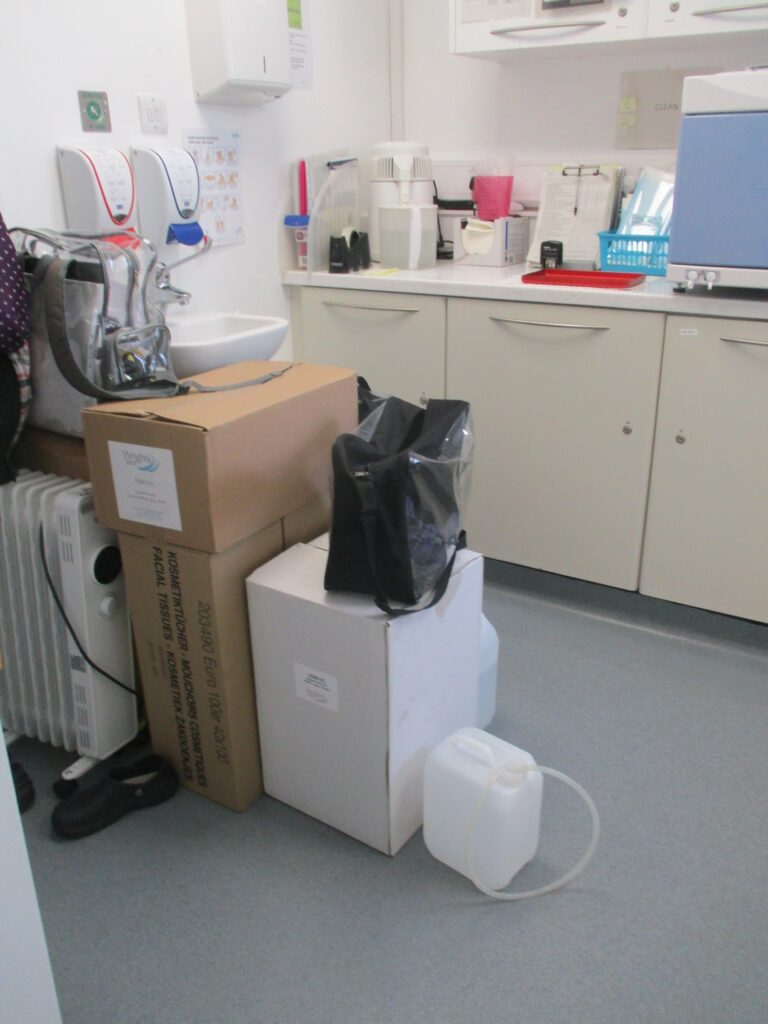
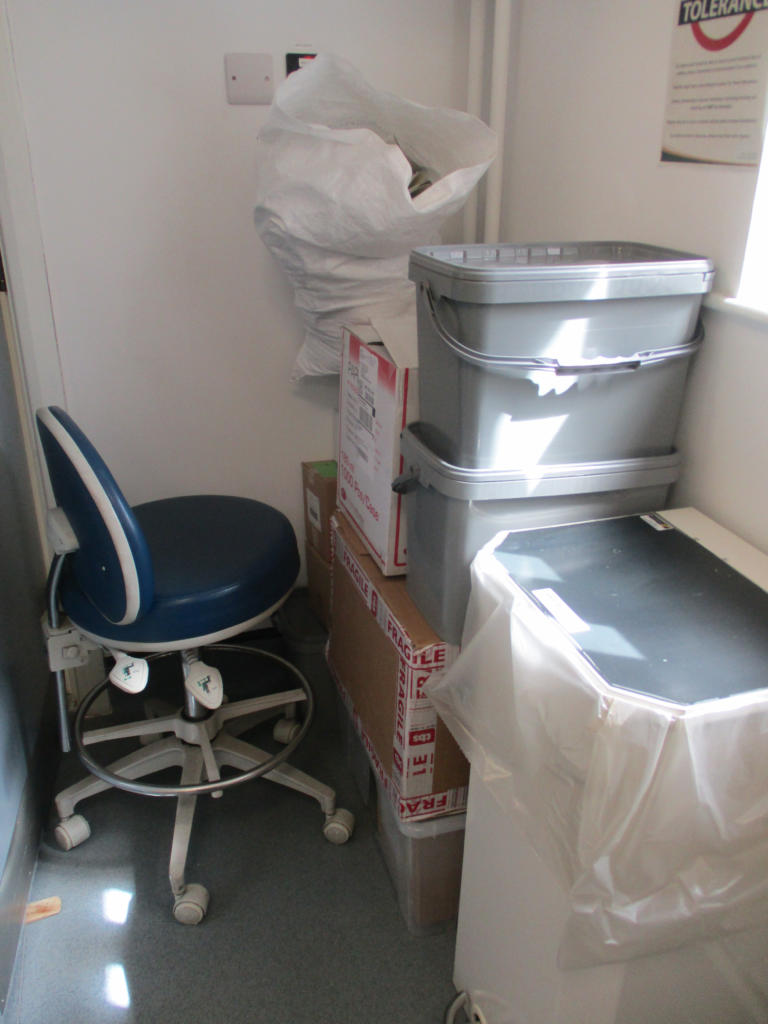
Section 4: Purposeful activity (Back to top)
Prisoners are able and expected to engage in activity that is likely to benefit them.
Time out of cell
Expected outcomes: All prisoners have sufficient time out of cell (see Glossary) and are encouraged to engage in recreational and social activities which support their well-being and promote effective rehabilitation.
Time out of cell from Monday to Thursday was better than we usually see, particularly for those in full‑time education and work, who could be unlocked for up to eight and a half hours a day. However, there were too few full‑time activity spaces, and this was reflected in our roll checks. While only 7% of prisoners were locked up during the working day, only 42% were engaged in education or work off the wing.
The working day included sufficient time for prisoners to complete domestic tasks and spend time in association. Activity peer workers on each wing supported a range of structured sessions, such as board games, chess and art. While this provided a welcome alternative to being locked in cells, it did not substitute for meaningful education, skills and work, or opportunities to gain accredited qualifications.
| HMIP prisoner survey | Yes | Compared with similar prisons |
| For those who need it, is it easy to attend legal visits? | 72% | Higher |
Time out of cell was reduced at the weekend and was poor on Fridays, when prisoners had only around two and a half hours a day out of cell.
| HMIP prisoner survey | Yes | Compared with similar prisons |
| Are you able to visit the library once a week or more? | 70% | Lower |
| In a normal week can you go to the gym or play sports once or more? | 66% | Lower |
The library was welcoming, with a reasonable range of stock. However, access was limited, with security procedures restricting groups to 12 prisoners at a time and sessions limited to 30 minutes. Prisoners told us that access was not always allocated fairly. The prison did not hold data to demonstrate otherwise.
Gym facilities were reasonable, although there were no outdoor sports areas. Some sessions were available for older and less mobile prisoners, including a weekly supervised walk. However, prison data indicated that less than a quarter of the population used the facilities, with limited evidence of work to improve uptake.
Several prisoners told us that they had been waiting several weeks for a gym induction, but again, the prison did not record data on this.
Education, skills and work activities

Ofsted inspects the provision of education, skills and work in custodial establishments in England. The following summary has been provided by Ofsted inspectors who attended this inspection. Their full report is published under ‘Survey materials and Ofsted full report‘.
Ofsted made the following assessments about the education, skills and work provision:
- Overall effectiveness: Requires improvement
- Quality of education: Requires improvement
- Behaviour and attitudes: Good
- Personal development: Requires improvement
- Leadership and management: Requires improvement
Leaders had rectified most of the concerns identified at the previous inspection. They had ensured that prisoners received appropriate advice and guidance when choosing their education, skills and work (ESW) activities. They had increased the number of spaces available in ESW; however, there were still insufficient activity spaces for the population.
Leaders mostly had an effective oversight of the quality of the ESW provision. The quality of training that prisoners received in education had improved. Leaders had improved the development of prisoners’ skills in industries.
Leaders had not put in place a sufficiently ambitious curriculum across industries. Around half of the industry workshops had prisoners completing low-level tasks, with work that was mundane. Prisoners did not have the opportunity to achieve qualifications linked to their chosen industry.
Leaders had developed a curriculum offer in education and vocational training that mostly met local and regional skills needs. They provided prisoners with employability skills that supported them to develop skills in preparation for their release.
Allocations were fair and timely, and mostly met prisoners’ needs.
Leaders had designed a pay policy that was fair and equitable, with education rates aligned to other roles. Leaders used higher pay appropriately to recognise trusted roles such as red bands (see Glossary).
Leaders had implemented an appropriate reading strategy across the prison. They had trained peer mentors to support prisoners to learn to read. Prisoners developed the confidence to progress to study for qualifications in English.
Novus delivered education and vocational training qualifications in the prison. They had put in place suitable curriculums that met the needs of prisoners. Teachers taught topics in a logical order that supported prisoners to build their knowledge steadily over time. Most prisoners made at least the expected progress and those that remained on their courses achieved their qualifications.
Staff identified prisoners’ special educational and support needs and/or disabilities accurately. Prisoners learned helpful strategies to manage their behaviour and emotions.
On arrival, prisoners received effective information, advice and guidance that helped them to make informed choices about their short- and longer-term goals linked to their planned employment upon release. However, staff did not take prisoners’ sentence plans into account. This meant that in a very few instances, prisoners did not access activities that were appropriate for their future progression.
Prisoners’ attendance at ESW was high. In industries, they were proud to showcase their skills to those new to the workshops. Prisoners valued their ESW and were motivated to achieve.
Prisoners in education benefited from discussions on a range of topics that helped to develop their self-awareness and improve their confidence. However, prisoners in industries and work did not have the same activities available to them as those taught in education classes.
Section 5: Preparation for release (Back to top)
Preparation for release is understood as a core function of the prison. Prisoners are supported to maintain and develop relationships with their family and friends. Prisoners are helped to reduce their likelihood of reoffending and their risk of harm is managed effectively. Prisoners are prepared for their release back into the community.
Children and families and contact with the outside world
Expected outcomes: The prison understands the importance of family ties to resettlement and reducing the risk of reoffending. The prison promotes and supports prisoners’ contact with their families and friends. Programmes aimed at developing parenting and relationship skills are facilitated by the prison. Prisoners not receiving visits are supported in other ways to establish or maintain family support.
There was a clear strategy to support family contact, although demand for visits had reduced following the change in population. Arrangements for social visits were adequate. The visits hall was spacious and included a small play area, including age-appropriate activities for children. Visits were held mainly on weekdays, with no evening provision, but good use was made of secure social video calling (see Glossary), which met demand. Quiet visits were offered regularly for neurodiverse visitors and prisoners.
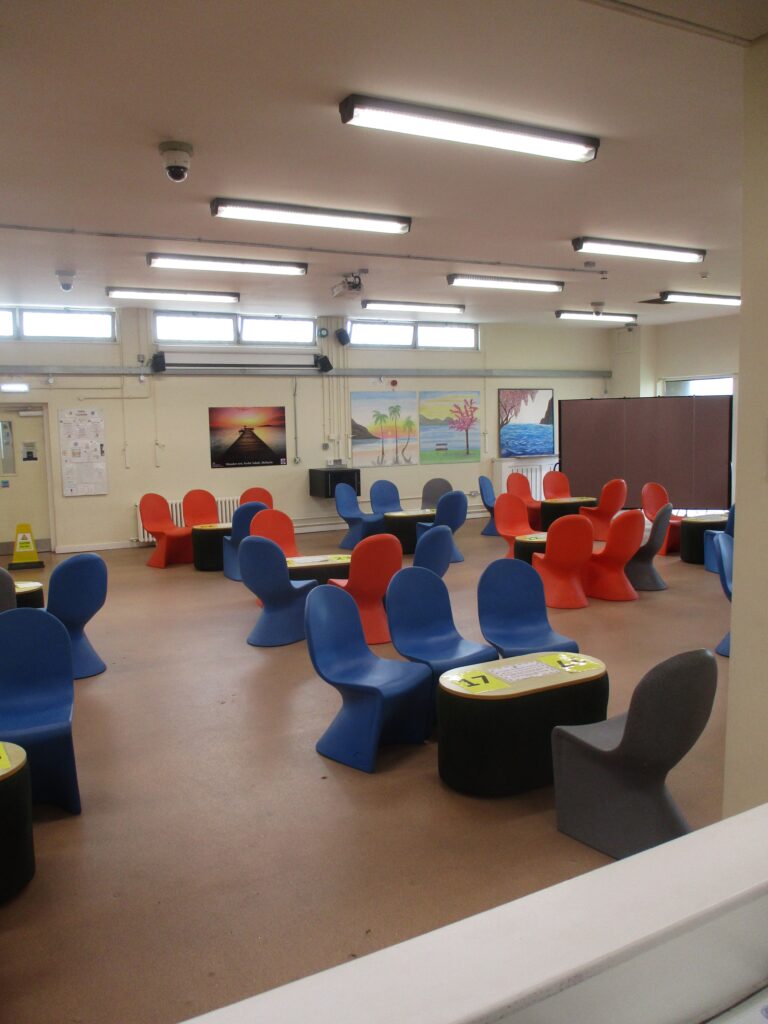
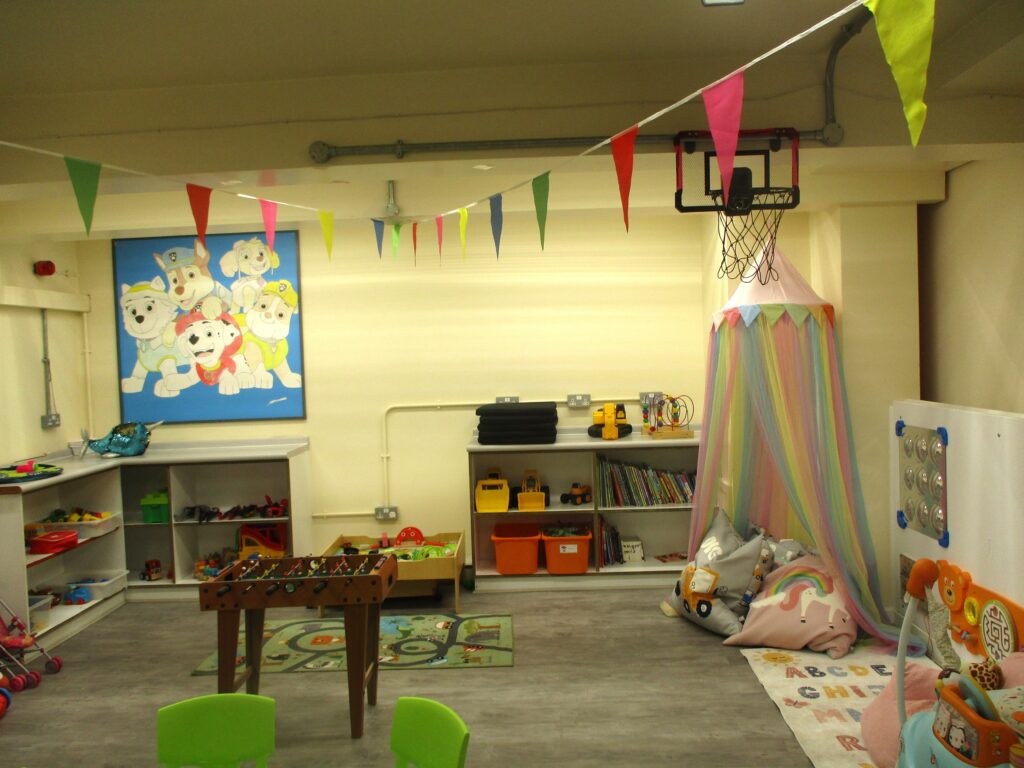
Families told us that booking visits was straightforward and that staff were respectful. The table service provided by orderlies for refreshments maximised the time available during these sessions. However, 30% of respondents to our survey said that visits often started late. This despite the prison telling us they held regular family forums to better understand and respond to visitors’ concerns.
Partners of Prisoners (POPs) delivered a range of family support services, including eight family days (see Glossary) each year, lasting for four hours. During these days, activities were provided to encourage positive interaction and there were supervised opportunities for families to take photographs. There were also initiatives to support prisoners without social contact, with dedicated sessions held four times a year.
A £1 weekly phone credit was provided to support prisoners to maintain contact with their families. While this was a positive initiative, the level of credit offered limited practical benefit and there was variable uptake across the population.
Reducing reoffending
Expected outcomes: Prisoners are helped to change behaviours that contribute to offending. Staff help prisoners to demonstrate their progress.
Since the last inspection, the prison had been re-roled to hold only PCoSOs, with 80% posing a high or very high risk of harm. This presented challenges for reducing reoffending, with more prisoners released out of area and a high volume of monthly releases.
Leaders had recently refreshed the needs analysis and strategy to reflect the new population. While it was too early to assess impact, regular meetings indicated improving practice.
In our survey, 71% of respondents said that being at the prison had made them less likely to reoffend. The calm environment, specialist units and time out of cell supported a rehabilitative culture.
How staff were supporting prisoners and managing risk
| HMIP prisoner survey | Yes | Compared with similar prisons |
| Do you have a sentence plan? | 53% | Lower |
Sentence planning was not consistently in place or effective in supporting risk management. Around a fifth of the population were overdue an initial sentence plan; while in some cases this was the responsibility of the prison, in many it was the responsibility of community offender managers (COMs). Reviews were not always timely or aligned with changes in circumstances, including further offences or returns from open conditions, and some prisoners told us that their objectives had not been communicated clearly.
Prison offender manager (POM) caseloads were high. However, leaders had implemented a structured risk‑ and needs‑based approach to make sure that all prisoners had some contact with their POM. For example, prisoners subject to level 2 or 3 multi-agency public protection arrangements (MAPPA), or those in the resettlement phase, received monthly contact, while others without significant milestones received contact every 12 weeks. In the cases we reviewed, contact was reasonable and prisoners we spoke to were generally positive.
The co-location of dedicated key workers within the offender management unit (OMU) was positive. For those supported by this group, key work was among the best we have seen, with a strong focus on progression and resettlement.
Internal public protection arrangements had improved since the last inspection. Initial screenings were carried out consistently, the number of prisoners subject to monitoring had reduced substantially and was now low, and reviews were conducted in a timely manner.
Opportunities for prisoners to progress
Although a fully staffed programmes team delivered the Building Choices programme (see Glossary) at both moderate and high intensity, capacity remained insufficient to meet demand. Consequently, some prisoners were released before completing interventions, which was a source of frustration for some we spoke to.
The recent introduction of the Healthy Sex Programme by psychology staff and Choices and Changes (see Glossary), overseen by the OMU, represented a positive and encouraging development, although the numbers involved were low.
Prisoners also had access to structured support to address identified needs. This included both one-to-one and group work delivered by the psychology team, POMs and mental health services. Creating Future Opportunities provision was well established and integrated onto D wing as part of the Discovery programme. This provided targeted support to help prisoners develop employability skills, overcome barriers to work and prepare for release (see Fair treatment and inclusion).
Categorisation processes were effective, and decisions had been appropriate in the cases we reviewed. It was positive that 149 prisoners had progressed to open conditions in the last year, and leaders had worked with HMP Haverigg to encourage prisoners and their families to support progression to the open estate.
Returning to the community
Expected outcomes: Prisoners’ specific reintegration needs are met through good multi-agency working to maximise the likelihood of successful resettlement on release.
| Data provided by the prison | |
| Number of prisoners released homeless in the last 12 months | 123 |
In the last year, 981 prisoners had been released from the prison. There was good support for prisoners at this stage of their sentence, with a range of agencies and services based at the prison, including a dedicated pre‑release team managed by a senior probation officer. This cohort was also prioritised for key work (see Staff–prisoner relationships).
Prisoners were invited to attend a resettlement meeting with key agencies early in the process, and attendance was high. Resettlement plans completed after these meetings were appropriate. Oversight arrangements were well managed through regular meetings, providing assurance that resettlement needs were being addressed. Despite this, outcomes were poor; of those prisoners released in the previous year, only 47 had been in employment six weeks after release and 123 had been released homeless, which was concerning.
Contributions to MAPPA processes were good and attendance at meetings was appropriate. Communication between POMs and COMs increased appropriately before release. However, there were weaknesses in the frequency with which prisoners were discussed at the inter-departmental risk management meeting, which limited its effectiveness. As a result, some key actions were not always identified or progressed; for example, MAPPA levels were not always confirmed before release.
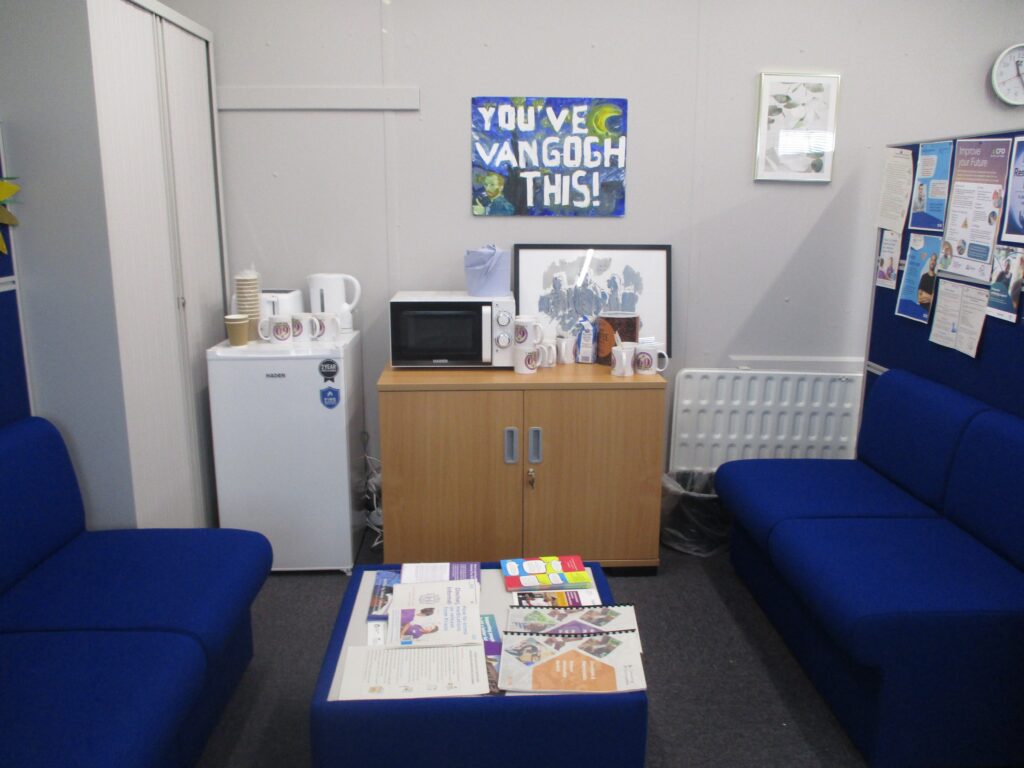
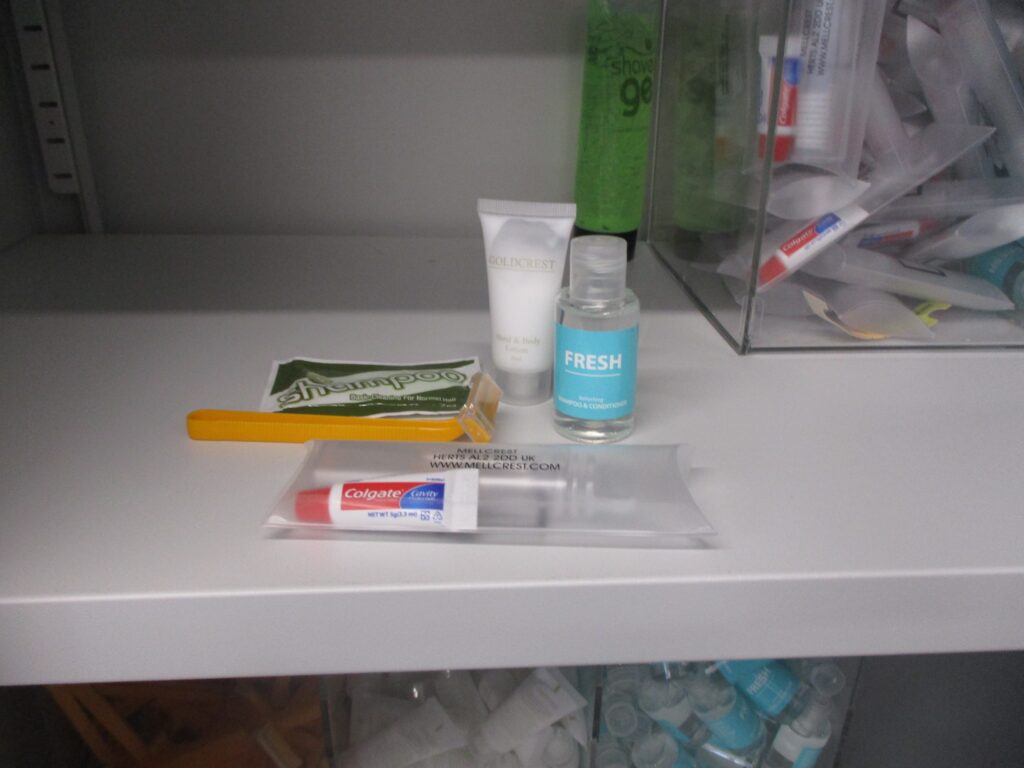
On the day of release, prisoners were treated respectfully during the discharge process. Practical arrangements had recently improved with the opening of a resettlement hub, which provided a space to wait for transport, access refreshments, receive a toiletry pack and charge mobile phones.
Section 6: About HMP Risley (Back to top)
Category of the prison
HMP Risley is a category C men’s resettlement prison based in the north-west of England.
Brief history
HMP Risley opened in 1964 as a men’s and women’s remand centre. In 1989, it became a training prison for men, and women on remand were removed at a later date. In 2003, a new wing was added and in 2009, Risley became a site for up to 200 foreign national prisoners. In 2025, Risley’s role changed to provide accommodation for prisoners convicted of a sexual offence (PCoSOs), including 200 places for foreign national prisoners.
Population
1,013 prisoners were held at the time of the inspection. There was operational capacity (see Glossary) for 1,034 (temporary).
- About 113 new arrivals each month.
- 1,004 prisoners had been convicted of sexual offences.
- 84% of the population were white British;126 were foreign national prisoners.
- 142 prisoners were receiving support from the psychosocial team and 24 were receiving opiate substitution treatment.
- On average, 102 prisoners were released into the community each month.
Short description of residential units
A wing – foreign national prisoners and those subject to immigration rules and PCoSOs
B wing – first night centre for foreign national prisoners and PCoSOs
C wing – substance misuse support unit
D wing – Discovery programme wing, providing resettlement help, and PCoSOs
E wing – PCoSO accommodation
F wing – an enhanced semi-independent living unit, which was currently unavailable because of the Fire Safety Improvement project.
G wings – semi-independent living unit
Segregation unit
Prison status (public/private)
Public
Key providers
Physical health provider: Practice Plus Group
Mental health provider: Greater Manchester Mental Health NHS Foundation Trust
Substance misuse treatment provider: Practice Plus Group
Dental health provider: Time for Teeth
Prison education framework provider: Novus
Escort contractor: GeoAmey
Prison group director
Mark Livingston, Greater Manchester, Merseyside and Cheshire
Name of governor/director and date in post
Natalie McKee, March 2026
Changes of governor/director since the last inspection
Adam Dobson, July 2023 to May 2025
Gemma Hazeltine (acting), May 2025 to February 2026
Independent Monitoring Board Chair
Janet Devery
Date of last inspection
12–27 April 2023 – unannounced inspection
8–10 January 2024 – independent review of progress
Progress on concerns from the last inspection (Back to top)
At our last inspection, in 2023, we raised 13 concerns, six of which were about areas of priority concern.
At this inspection we found the following progress:
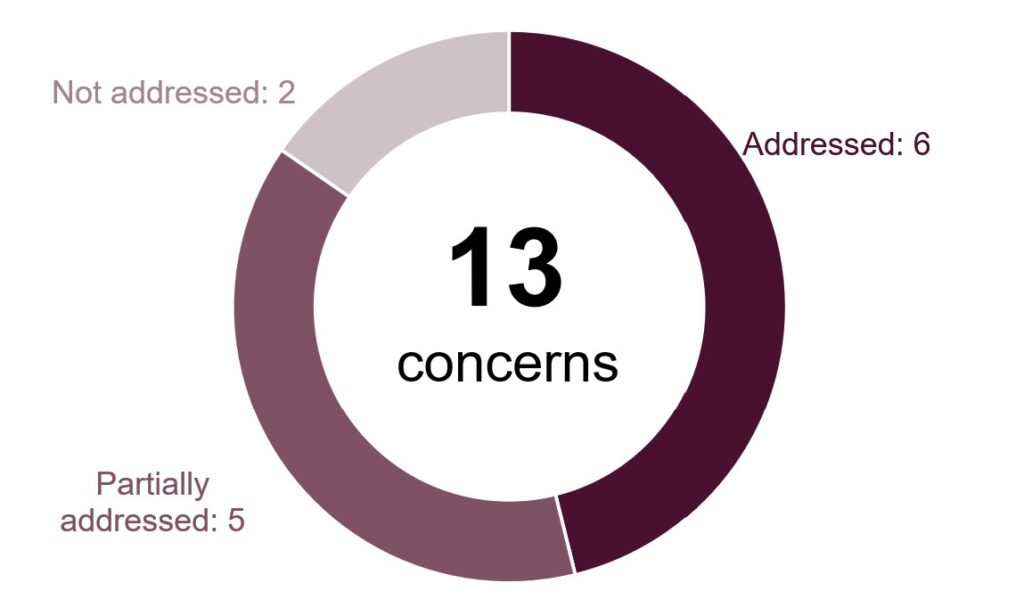
The following is a list of all the concerns raised, organised under the four tests of a healthy prison.
Safety
Priority concern
Recorded levels of self-harm among prisoners were high and too often support ended without the underlying causes having been addressed.
Partially addressed
Key concerns
Data were not used well and so leaders had not identified that recorded levels of violence, excluding the large population of prisoners convicted of sexual offences, were higher than similar prisons. Violence and self-harm were often related to prisoners being in debt to others. There was little constructive help for these prisoners and their situation was worsened by low wages.
Partially addressed
Conditions in the segregation unit were poor and the regime was very limited.
Addressed
Respect
Priority concerns
Living conditions had deteriorated across many wings and showers were in a particularly poor state.
Addressed
Health care provision was undermined by a lack of onsite dental services and weak management of long-term conditions.
Addressed
Key concern
Prisoners from some protected characteristic groups reported far more negative outcomes in some important areas. Far more disabled prisoners than those who did not have a disability felt unsafe, while some from a minority ethnic and Muslim background said they had experienced racism.
Not addressed
Purposeful activity
Priority concerns
The regime did not provide sufficient time out of cell for a category C resettlement prison.
Addressed
Leaders did not provide a broad enough range of education, skills or work activities to meet prisoners’ needs.
Partially addressed
Key concerns
Oversight of education, skills and work did not drive improvements quickly enough.
Addressed
Careers education, information, advice and guidance were not effective and did not promote prisoners’ progression fully.
Addressed
Prisoners accessing vocational training in industries did not have enough opportunities to achieve a qualification or have their employment skills recorded.
Partially addressed
Preparation for release
Key concerns
Far too many prisoners convicted of sexual offences were released without having completed offending behaviour work specific to their risks.
Not addressed
The application of some public protection measures was weak.
Partially addressed
More about this report (Back to top)
This report outlines the priority and key concerns from the inspection and our judgements against the four healthy prison tests. Each of the following four sections contains a detailed account of our findings against our Expectations for men’s prisons.
Find out more about our Expectations and how we inspect
Find out more about priority and key concerns
Find out about notable positive practice
Findings from the survey of prisoners and a detailed description of the survey methodology are published alongside this report. Please note that we only refer to comparisons with other comparable establishments or previous inspections when these are statistically significant. The significance level is set at 0.01, which means that there is only a 1% chance that the difference in results is due to chance.
The tables in this report which provide data from HMI Prisons prisoner surveys also include comparisons with similar prisons.
| Description | What it means |
| Lower | the prison’s percentage is statistically significantly lower than the comparator: prisons with the same function type, or at the last inspection |
| Higher | the prison’s percentage is statistically significantly higher than the comparator: prisons with the same function type, or at the last inspection |
| No difference | the prison’s percentage is not statistically significantly different to the comparator: prisons with the same function type, or at the last inspection |
Inspection team
This inspection was carried out by:
Martin Lomas, Deputy Chief Inspector
Ian Dickens, Team leader
Nadia Syed, Inspector
David Owens, Inspector
Lindsay Jones, Inspector
Rachel Badman, Inspector
Emma Crook, Researcher
Shaun Thomson, Lead health and social care inspector
Sarah Goodwin, Health and social care inspector
Chris Barnes, General Pharmaceutical Council inspector
Joanna White, Care Quality Commission inspector
Alison Humphreys, Ofsted inspector
Glenise Burrel, Ofsted inspector
Suzanne Horner, Ofsted inspector
Vicki Locke, Ofsted inspector
Mary Devane, Ofsted inspector
Donna Ward, Offender management inspector
Yvette Howson, Offender management inspector
Find out more about the terms and abbreviations used in this report in our glossary.
Easy read summary and press notice (Back to top)
Survey materials and Ofsted full report (Back to top)
The following files may not be suitable for users of assistive technology.
Request an accessible format
If you use assistive technology (such as a screen reader) and need a version of any of these documents in a more accessible format, please email media@hmiprisons.gov.uk. Please tell us what format you need. It will help us if you say what assistive technology you use.