
HMP Manchester
Report on an unannounced inspection of HMP Manchester by HM Chief Inspector of Prisons 12–22 January 2026.
Introduction (Back to top)
When we inspected Manchester in 2024 the jail was in an appalling state. The combination of drugs, violence, an inexperienced and demotivated staff team, and a very poor regime, meant the prison was failing in many of its most basic functions. I therefore decided to invoke the Urgent Notification protocol.
To give the prison time to address these many problems, we decided to conduct an announced inspection, with six months’ notice, more than 15 months after the last visit.
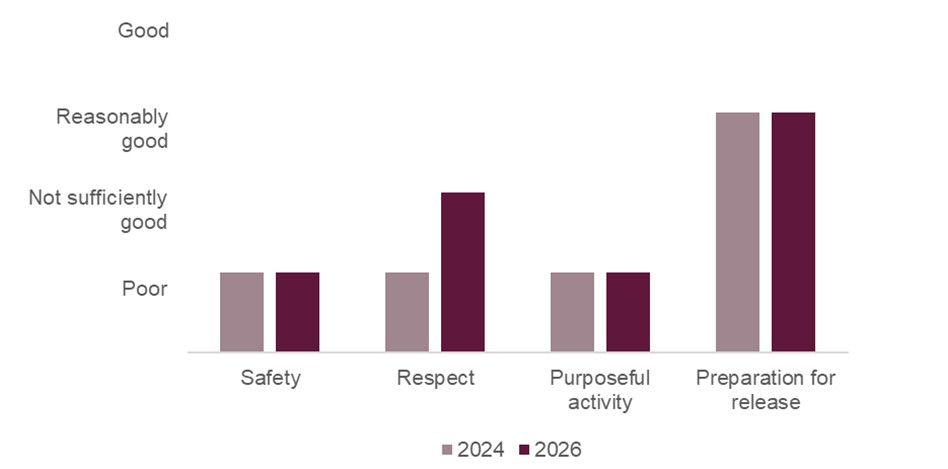
On this inspection, we found leaders had begun to make some progress in critical areas. However, in our healthy prison tests, the scores of ‘poor’ for safety and purposeful activity, and ‘reasonably good’ for preparation for release, remained unchanged. In our respect test, the prison had improved from ‘poor’ to ‘not sufficiently good’.
Drones continued to bring large quantities of drugs into the jail, which was leading to high levels of violence and instability. A failure by leaders in the prison service and absurdly bureaucratic planning processes meant just a handful of windows had been replaced, with the consequence that organised crime gangs continued to operate with impunity in the prison and the safety of prisoners and staff was compromised.
Additional staff had been deployed at night, meaning where drones were detected, cells could be quickly searched, and there was a good working relationship with the police which had led to the arrest of some perpetrators. Despite this, the number of prisoners testing positive in random drug tests was the same as at our last inspection.
A focus on improving the capability and visibility of middle leaders had led to greater stability on the wings, but with very high levels of staff sickness, progress was fragile. Recruitment continued to be difficult and delays in vetting processes meant Manchester was operating 30% below its full complement of officers, although staff on detached duty from other jails were helping to improve stability.
The prison was not doing enough to support those prisoners at risk of suicide or self-harm. Four men had taken their own lives since our last visit and the rate of self-harm remained extremely high compared to similar jails.
The very poor regime was, in part, the cause of much of this distress and the jail was failing to fulfil its function as a training prison. Men were locked behind their doors for very long periods of time, the regime was frequently cancelled because of staffing shortages, and it took much too long to allocate prisoners to activities. This meant 44% were unemployed and were spending fewer than three hours a day unlocked.
Drastic cuts of more than 50% to the education budget meant that the number of teachers had reduced dramatically and our colleagues at Ofsted rated the provision as ‘inadequate’.
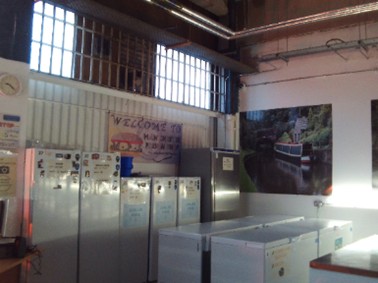
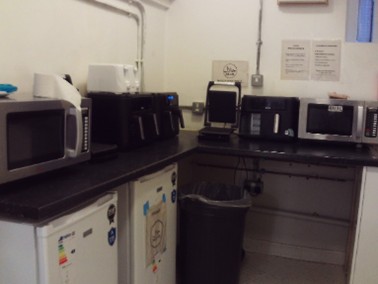
Efforts by leaders to keep the prison cleaner had led to an improvement in standards, but some areas, particularly the prisoners’ self-cook kitchens, were often filthy.
Manchester remained a prison in a precarious state, and it was continuing to perform at unacceptably low levels. However, inspectors recognised the work that the governor and his team had put into improving the stability of the jail. We left with cautious optimism that if HMPPS can finally fix the windows and recruitment of officers improves, then the prison can begin to offer a more rehabilitative environment for the 550 mostly high-risk men in its care.
Charlie Taylor, HM Chief Inspector of Prisons, February 2026
Outcomes for prisoners (Back to top)
We assess outcomes for prisoners against four healthy prison tests: safety, respect, purposeful activity, and preparation for release (see More about this report for more information about the tests). We also include a commentary on leadership in the prison (see Section 1).
At this inspection of HMP Manchester, we found that outcomes for prisoners were:
- poor for safety
- not sufficiently good for respect
- poor for purposeful activity
- reasonably good for preparation for release.
We last inspected HMP Manchester in 2024. Figure 1 shows how outcomes for prisoners have changed since the last inspection.
Figure 1: HMP Manchester healthy prison outcomes 2024 and 2026
What needs to improve (Back to top)
During this inspection we identified 15 key concerns, of which six should be treated as priorities. Priority concerns are those that are most important to improving outcomes for prisoners. They require immediate attention by leaders and managers.
| Priority concerns | |
| 1. | The level of serious assaults was among the highest in the adult male estate and violence against staff had increased. High levels of drug availability, restricted time out of cell and limited access to purposeful activity continued to undermine prisoners’ motivation to behave well. |
| 2. | A very high percentage of prisoners were testing positive for drugs and physical security remained too weak to stop drones delivering illicit items. Very little progress had been made in installing secure windows and grilles since the previous inspection. |
| 3. | The use of force remained very high and not all uses were necessary or proportionate. Body-worn video cameras were often not activated early enough or at all. |
| 4. | There had been four self-inflicted deaths since the previous inspection and the rate of self-harm was very high. There was not enough support to help prisoners at risk of self-harm and some repeated recommendations following deaths in custody had not been implemented. |
| 5. | Time out of cell was poor for many prisoners and the regime remained inconsistent. Forty-four per cent of prisoners were unemployed and these men received three hours out of cell a day at most, with those on the basic level of the incentive scheme getting even less. Off-wing activity for all but essential workers was usually cancelled. |
| 6. | Leaders did not ensure the prison was able to fulfil its role as a training establishment. Activities in education, skills and work (ESW) were closed too often. Leaders had not developed a curriculum with sufficient breadth to meet the differing needs of prisoners. Vulnerable prisoners, those isolating and those in health care did not have access to as wide a range of work as the main population and they were unable to go to the education department. |
| Key concerns | |
| 7. | Staff-prisoner relationships were undermined by low staffing, staff redeployment and lack of activity. |
| 8. | Outside areas continued to be heavily littered by rubbish thrown out of windows, which exacerbated the ongoing rodent problem. |
| 9. | Only 17% of prisoners in our survey said that the food was good, much lower than in similar prisons. Not enough was done to understand and address prisoners’ concerns. |
| 10. | Patients did not always receive timely care and treatment. The management of those men with long-term conditions was poor and some patients experienced delays with routine and urgent care. Patients continued to wait long periods to be transferred to hospital under the Mental Health Act. |
| 11. | Some areas of health care clinical governance and oversight were weak. There was ineffective use of clinical audit, inconsistent incident reporting, lack of oversight of complaint handling and unreliable completion of vital safety checks. |
| 12. | The recently redeveloped process for allocating prisoners to ESW was not effective, attendance was low and punctuality in education workshops was poor. When ESW activities were cancelled prisoners waited longer to start in purposeful activity and too many remained unemployed. |
| 13. | Leaders and managers did not have any involvement with employers to support prisoners with careers guidance or to prepare them for release. Very few prisoners gained employment on release. |
| 14. | Prison work did not sufficiently enable prisoners to gain new knowledge and skills to prepare them for a career in prison or for release. In about half of prison workshops, the work was mundane and repetitive. |
| 15. | There were no evening social visits and a narrow window to make social video calls. This meant that if families had daytime work or caring responsibilities it was difficult for prisoners to have face-to-face contact with them. |
Notable positive practice (Back to top)
We define notable positive practice as evidence of our expectations being met to deliver particularly good outcomes for prisoners, and/or particularly original or creative approaches to problem solving. Inspectors found four examples of notable positive practice during this inspection, which other prisons may be able to learn from or replicate.
| 1. | The ‘FireFit’ partnership with Greater Manchester Fire and Rescue Service offered prisoners structured, team-based sessions to help reduce isolation and build confidence (see Encouraging positive behaviour). |
| 2. | The prisoner violence recovery pathway, co-produced and delivered by clinical psychology and safer custody, was providing individualised support to victims of violence (see Encouraging positive behaviour and Social care). |
| 3. | The security team led a well developed approach to managing gang related and county lines risks, which helped to improve safety in the prison (see Security). |
| 4. | Prisoners on the standard and enhanced levels of the incentives scheme could buy additional grocery items, which provided a good incentive to behave well (see Residential services). |
Unless otherwise specified, these examples are not formally evaluated, are a snapshot in time and may not be suitable for other establishments. They show some of the ways our expectations might be met, but are by no means the only way.
Section 1: Leadership (Back to top)
Leaders provide the direction, encouragement and resources to enable good outcomes for prisoners.
The governor and deputy governor had a clear understanding of the key challenges facing the prison and had widespread staff support for what they were trying to achieve. Although they had made progress in many areas, this had not yet resulted in sufficiently good outcomes for prisoners. There was generally weak use of data to drive improvement.
Leaders were still not providing a training prison regime and, in several respects, activity was even worse than at the last inspection. National decisions to reduce funding had led to the loss of many education staff and a severe curtailment of educational activity.
Middle managers provided more visible and effective leadership to inexperienced staff and, in our staff survey, most respondents said that they were well supported by line managers. Leaders had also used detached duty staff to good effect to help stabilise the prison. We did not see the same level of unchallenged poor behaviour that we witnessed at the last inspection.
However, the poor availability of staff, due to high sickness rates and difficulty in recruiting, remained a major concern affecting every aspect of the prison’s operation. Many staff told us that they wanted leaders to be more robust in managing absences.
Leaders had achieved a better level of order and control in the prison. However, this progress was fragile and undermined by the lack of purposeful activity and ongoing delay in installing secure windows and grilles to combat the drone threat. The decision to fund an additional four staff to target drone attacks demonstrated a proactive local approach to managing this risk and had led to a substantial increase in finds of illicit items.
Leaders had made substantial progress in reducing the number of outstanding adjudications, but the backlog remained high. This contributed to a perception among both prisoners and staff that there were few consequences for poor behaviour.
With the support of the deputy governor, a newly appointed head of safety was robustly tackling entrenched problems with the inappropriate use of force and the poor use of body-worn video cameras. There was now much less use of batons and PAVA spray (see Glossary). Leaders had also strengthened support for prisoners affected by violence or self-harm by increasing resources in the safety team.
Following the last inspection, national leaders had provided resources to repair broken windows and observation panels. Most were still in reasonable condition, but ongoing repairs were slow. Although cleanliness remained variable, the appointment of a dedicated leader for cleanliness and decency was having a positive effect.
Focused leadership of early days work had led to significant improvements in prisoners’ experiences of arrival and induction. Health care leadership had also improved to a reasonably good standard.
Offender management unit (OMU) leaders were effective and experienced, and reducing reoffending work was delivered well by a committed group of staff. Despite the prison not being resourced for resettlement services, leaders had provided useful support for the small number of prisoners released each year. Nevertheless, the prison was not yet providing a sufficiently hopeful and motivational environment for most prisoners.
Section 2: Safety (Back to top)
Prisoners, particularly the most vulnerable, are held safely.
Early days in custody
Expected outcomes: Prisoners transferring to and from the prison are safe and treated decently. On arrival prisoners are safe and treated with respect. Risks are identified and addressed at reception. Prisoners are supported on their first night. Induction is comprehensive.
Early days arrangements had improved since the last inspection and we saw reception staff treating new arrivals well. Peer supporters were available and provided food and drink. Men were offered a free telephone call, although this was not in private. Property was mostly searched promptly and returned to prisoners without delay. New arrivals spent relatively short periods in reception before moving to their induction unit.
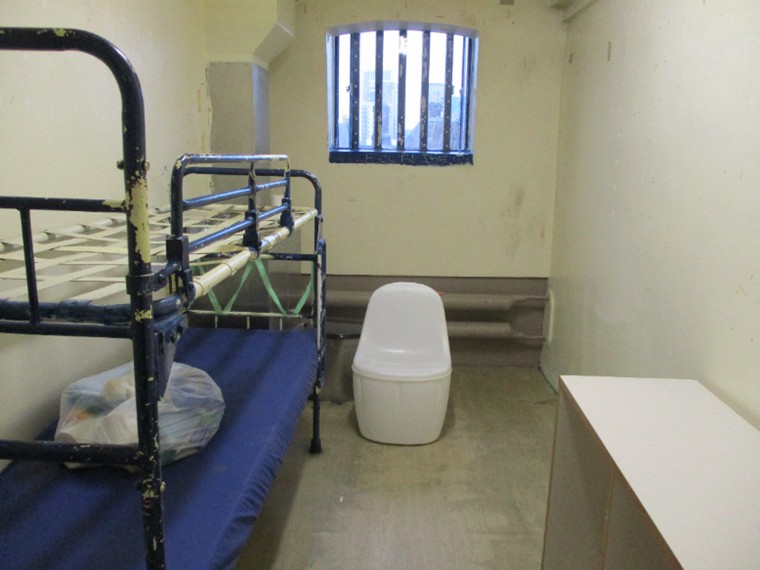
The first night unit provided a calm and reasonably clean environment, where most new arrivals could settle in, meet peer supporters and attend a confidential risk interview with staff. Prisoners could buy PIN credit and a grocery pack, helping to avoid debt. Cells were reasonably clean but unwelcoming; for example, some had graffiti and toothpaste on the walls.
The day after arrival, staff and peer supporters delivered an engaging, interactive induction in a small, pleasant room. Prisoners saw a range of departments, including education, offender management and chaplaincy. They were locked in their cell when not being inducted, which could be for over 20 hours a day. They faced frequent and often significant delays in suitability for work assessments, which restricted access to purposeful activity and led to boredom and frustration.

Promoting positive behaviour
Expected outcomes: Prisoners live in a safe, well ordered and motivational environment where their positive behaviour is promoted and rewarded. Unacceptable conduct is dealt with in an objective, fair, proportionate and consistent manner.
Encouraging positive behaviour
| Data provided by the prison | |
| Rate of prisoner-on-prisoner assaults per 1,000 prisoners in the 12 months prior to the inspection | 284 |
| Rate of assaults on staff per 1,000 prisoners in the 12 months prior to the inspection | 215 |
The level of violence between prisoners had fallen since the last inspection, but remained high, and 30% of prisoners told us they felt unsafe. Serious assaults were among the highest in the adult male estate and assaults on staff had also increased.
High drug availability, limited time out of cell and poor access to purposeful activity continued to undermine prisoners’ motivation to behave well. Leaders understood these issues but had made only limited progress in addressing them (see Time out of cell). While order and control had improved and staff were more consistent in addressing poor conduct, we also saw some unchallenged low-level poor behaviour, such as vaping on units.
The safety team was proactive and visible. They had introduced several innovations to help reduce conflict and promote positive behaviour. These included trained safety ‘floorwalkers’ whose role was to provide guidance and assurance, and to promote best practice. The ‘FireFit’ initiative was a structured, non accredited programme delivered with the Greater Manchester Fire and Rescue Service. It aimed to build prisoners’ confidence and self esteem, and it promoted teamwork and responsibility. Peer mentors and mediators were also used effectively and had helped to resolve many disputes between other prisoners.
There was an improved response to serious violence and leaders had embedded a trauma-informed model of victim support. Although there was a significant waiting list, this intervention was used well to support prisoners who were victims of serious assaults (see Suicide and self-harm prevention and Mental health). Violent incidents were now consistently investigated, often to a good standard, and challenge, support and intervention plans (CSIPs, see Glossary) were used well.
Support for prisoners who self-isolated because they felt unsafe had improved, including through ‘isolator days’ which encouraged men to participate in supported group activities and other aspects of the regime. Despite this, many still experienced very limited time out of cell.
Leaders had strengthened oversight of safety. A new meeting brought together safety, security and drug strategy leads to improve coordination, although it was too early to judge its impact.
| HMIP prisoner survey | Yes | Compared with similar prisons |
| Does this prison reward good behaviour fairly? | 19% | Higher |
Leaders had reviewed the incentives scheme with staff and prisoner input. This had led to improvements to the incentivised substance-free living unit, expanded self-cook facilities and additional grocery options (see Residential services). Despite this, fewer than one in five prisoners believed good behaviour was rewarded fairly. Case notes focused largely on negative behaviour, with little evidence of reinforcement of positive conduct.
Many staff and prisoners told us they had little confidence in the adjudications system. The backlog had fallen substantially since the previous inspection, and oversight and progression of serious offences had improved. However, 250 cases were still unresolved, which weakened the deterrent effect.
Use of force
| Data provided by the prison | |
| Annual rate of use of force incidents per 1,000 prisoners in the 12 months prior to the inspection | 1,755 |
The drawing and use of PAVA spray and batons had reduced significantly. However, there had still been 28 uses of PAVA (drawn 37 times) and two uses of batons (drawn 10 times) in the year to 31 December 2025. The overall use of force was still at a very high level and was among the highest in adult male prisons.
| Data provided by the prison | |
| Percentage of incidents where body-worn video camera footage was available in the 12 months prior to the inspection | 65% |
Body-worn cameras were used more frequently than at the last inspection but many staff still turned them on too late to capture moments of escalation, and some failed to activate them altogether. Viewed footage showed some unnecessary and disproportionate use of force, poor techniques, inflammatory language and a lack of empathy towards prisoners who self-harmed. Written justifications often did not include sufficient detail.
Oversight of the use of force was strong and leaders had already identified the concerns that we raised with them. They had taken robust action, including a number of suspensions and dismissals, staff re-training and performance management.
| Data provided by the prison | |
| Uses of designated special accommodation in the 12 months prior to the inspection | 20 |
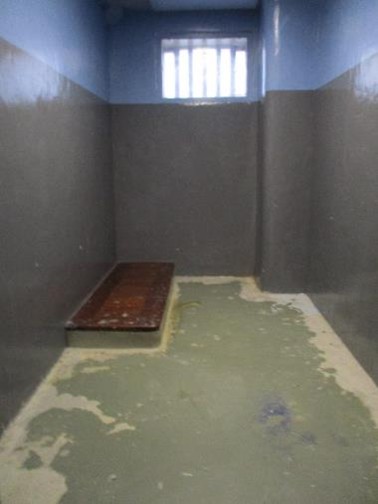
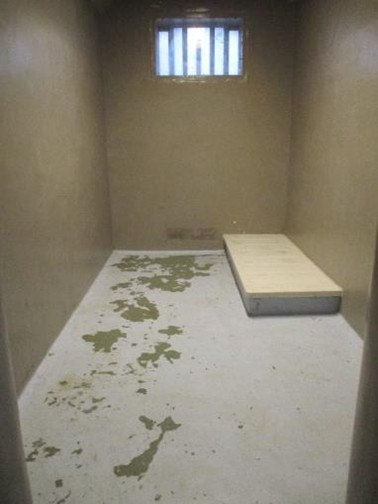
The designated special accommodation was used more often than we normally see and cells were in poor condition. One had damaged flooring, blocked air vents and water leaking from the ceiling. However, authorisation was now more consistent and prisoners were usually moved from special accommodation at the earliest opportunity. Elsewhere in the prison, there was less use of unfurnished cells but staff recording of this usage was poor and we found some instances that were still not properly authorised or justified.
Segregation
While we saw some staff managing challenging behaviour well, in our survey only 11% of respondents who had been segregated in the previous six months reported good treatment by staff. Staff often arbitrarily imposed additional regime restrictions in response to poor behaviour, which amounted to unofficial punishments.
The daily regime was poorer than at similar prisons. Staff explained frequent restrictions on exercise, showers and telephones were the result of staffing pressures, although we considered the unit to be adequately resourced.
Leaders had improved cleanliness and pest management, but several cells, showers and exercise yards remained below decent standards.
Most prisoners were segregated for short periods and leaders maintained good oversight of the few who stayed longer. While prisoners generally returned promptly to normal location, care plans for longer staying prisoners were weak. Too often plans were generic and they did not address underlying triggers for segregation or actively support long-term reintegration and behaviour change.
Security
Expected outcomes: Security and good order are maintained through an attention to physical and procedural matters, including effective security intelligence and positive staff-prisoner relationships. Prisoners are safe from exposure to substance misuse and effective drug supply reduction measures are in place.
| HMIP prisoner survey | Yes | Compared with similar prisons |
| In this prison, is it easy/very easy to get illicit drugs? | 50% | No difference |
| Data provided by the prison | |
| Percentage of prisoners testing positive following a mandatory drug test in the 12 months to 30 November 2025 | 38% |
The supply of illicit items, often linked to organised crime and county lines networks, remained a serious threat to the prison’s stability. Drug use was very high and the rate of positive random mandatory drug tests (see Glossary) was one of the highest in all prisons. Staff responsible for testing were frequently redeployed and positive tests were not always referred for adjudication, weakening the deterrent effect (see Encouraging positive behaviour). Very little suspicion testing was taking place.
There were ongoing physical security weaknesses and the prison continued to be plagued by drone activity. Leaders were frustrated at the slow progress in installing secure windows, grilles and upgraded CCTV. Prison leaders had been proactive in appointing four staff to target potential drone attacks, which had led to a substantial increase in finds of illicit items.
Intelligence management had improved, supported by consistent front‑end triage and greater awareness of the risks created by backlogs. The security team responded promptly to emerging threats and maintained effective oversight of internal gang‑related issues. This intelligence was shared and used effectively by drug strategy leads and residential managers to inform risk‑based decisions and support safer prisoner management.
Searching and partnership work were also strong. Intelligence-led searches were effective and increased capacity in the dedicated search team improved the volume of finds. Joint work with the police and the North-West Regional Organised Crime Group (specialist, multi-force unit made up of six North West police forces that works with partners to identify, disrupt and dismantle the most harmful serious and organised crime operating across the region.) delivered meaningful disruption, including arrests and successful prosecutions.
Safeguarding
Expected outcomes: The prison provides a safe environment which reduces the risk of self-harm and suicide. Prisoners at risk of self-harm or suicide are identified and given appropriate care and support. All vulnerable adults are identified, protected from harm and neglect and receive effective care and support.
Suicide and self-harm prevention
Since the last inspection, there had been four self inflicted deaths and one that was related to illicit drug use. Repeated concerns from investigations had not been resolved; these included weaknesses in multidisciplinary support and delays calling for emergency support.
| Data provided by the prison | |
| Annual rate of self-harm per 1,000 prisoners in the 12 months prior to the inspection | 1,413 |
Self-harm levels were still amongst the highest in the adult male estate. A lack of meaningful activity, isolation, loneliness and poor mental health drove much of the self-harm.
Actions noted in ACCT documentation remained too process driven and did not focus enough on helping prisoners to cope. For example, only 15% of those men subject to an ACCT (see Glossary) were in work or education, mostly part-time. Some good provision, including valued therapy dogs, reached a small number of prisoners. Courses such as OUTspoken, which delivered trauma-informed support, were oversubscribed and had long waiting lists (see Mental health). Psychologists had developed useful staff guidance for engaging prisoners with specific needs, but few staff knew about it.
Multidisciplinary involvement at ACCT reviews was generally good and we spoke to some prisoners who were positive about the level of staff support they received. However, frequent changes in case managers undermined relationships. In 2025, 38% of prisoners were segregated on an ACCT. This should only happen in exceptional circumstances, but documentation did not always justify segregation.
Although leaders struggled to recruit and retain Listeners (see Glossary), access to them was reasonable. However, there were no dedicated Listener suites and some prisoners on ACCT did not have access to a working in-cell phone to contact their family or the Samaritans.
Constant supervision cells were bleak, engagement with prisoners held in them was minimal and prisoners had little or no access to activity. One prisoner had only an anti-ligature blanket and a mattress; this was unnecessarily meagre given the high level of supervision to which he was subject and suggested a lack of thought and compassion. All use of anti-ligature clothing and bedding was now logged, but we found cases where it was not adequately justified.
Protection of adults at risk
Links with the local adult safeguarding board remained underdeveloped. However, staff identified prisoners of concern and discussed them routinely at an effective multidisciplinary safety intervention meeting.
Section 3: Respect (Back to top)
Prisoners are treated with respect for their human dignity.
Staff/prisoner relationships
Expected outcomes: Prisoners are treated with respect by staff throughout their time in custody and are encouraged to take responsibility for their own actions and decisions.
| HMIP prisoner survey | Yes | Compared with similar prisons |
| Do most staff here treat you with respect? | 59% | No difference |
The percentage of prisoners who said that most staff treated them with respect was in line with similar prisons. We saw some staff engaging with prisoners in a friendly and professional way. However, relationships were undermined by low staffing, staff redeployment and frustrations caused by the poor regime. We received repeated reports of a small number of staff who behaved poorly. Leaders were already aware of these individuals and were taking action to manage the concerns that we had identified (see Use of force).
The frequency of key work sessions had improved significantly and a senior officer was now focused on increasing staff engagement and quality. However, much of the value was lost because we found that sessions were rarely delivered by the same officer, were seldom private and were not always focused on progression.
The range and use of peer mentors had improved since the last inspection, including the introduction of problem-solving and violence reduction mentors (see Encouraging positive behaviour). These prisoners were effectively supervised and those we spoke to felt well supported.
Daily life
Expected outcomes: Prisoners live in a clean and decent environment and are aware of the rules and routines of the prison. They are provided with essential basic services, are consulted regularly and can apply for additional services and assistance. The complaints and redress processes are efficient and fair.
Living conditions
| HMIP prisoner survey | Yes | Compared with similar prisons |
| Can you get cell cleaning materials every week if you want them? | 74% | Higher |
A dedicated leadership role had been introduced to improve decency standards with the support of a ‘decency floorwalker’, a manager who checked that standards were being maintained. General oversight and assurance were better, with senior leaders conducting a weekly tour of the prison to check cleanliness levels. A cleanliness league table helped to create competition between wings and raise standards. Cleaning cupboards were well stocked and prisoners could now readily access basic hygiene items such as soap and toothpaste.
| HMIP prisoner survey | Yes | Compared with similar prisons |
| Normally, are these communal areas of your wing or houseblock very/quite clean: exercise yard? | 25% | Lower |
However, while improved, cleanliness remained variable. Outside areas, especially exercise yards, continued to be heavily littered by rubbish thrown out of windows, exacerbating the ongoing rodent problem. Although rats were less visible than at our last inspection, some wings smelled strongly of rat urine. Category A prisoners on E wing were still using the bleak segregation yard because of ongoing building work (see Time out of cell).
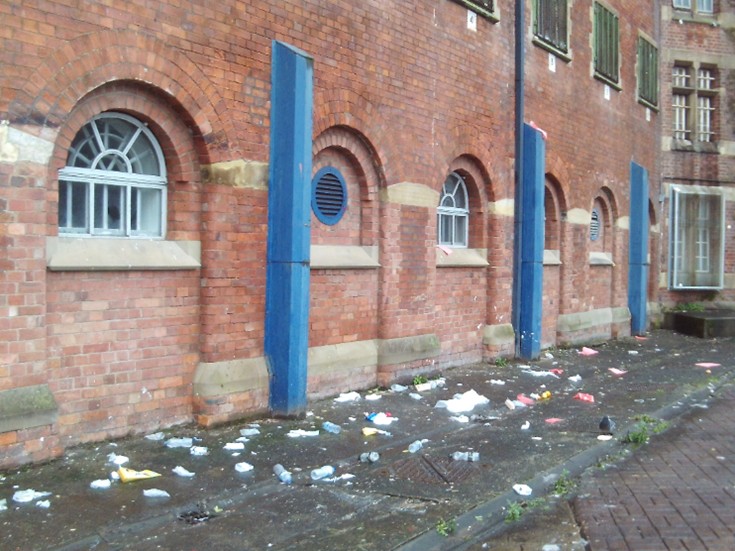
The windows on G wing were being upgraded to secure alternatives but the timeline for completing this work across the rest of the prison was unclear (see Security). Contracted maintenance teams remained understaffed, and it took too long for some repair jobs to be carried out. Potholes were creating a hazard in some areas of the prison.
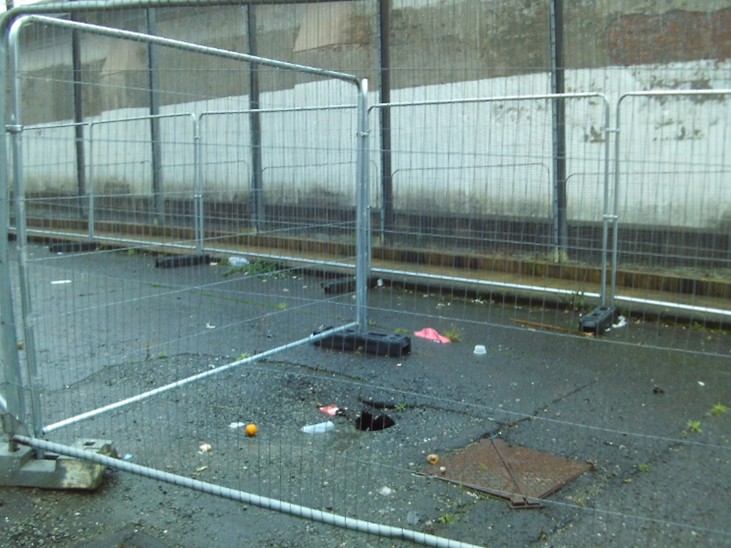
All prisoners had single cells which were generally in reasonable condition and there was no overcrowding. However, some cells were missing essential items including bins, working phones or sufficient storage furniture. Staff were not always proactive in reporting such problems. Plans were in place for cells to be painted and refurbished by a CRED team (see Glossary), but progress on this was extremely slow. Some on-wing showers were in poor condition.
Cell bell response times had improved: prison data showed that 85% of cell bells were answered within five minutes.
Residential services
| HMIP prisoner survey | Yes | Compared with similar prisons |
| Is the quality of the food in this prison very/quite good? | 17% | Lower |
Prisoners were very negative about the food and not enough was being done to understand and address their concerns. Breakfast packs were still handed out the day before they were supposed to be eaten and some of the ‘healthy lunch pack’ options were not nutritious.

Prisoners could make a canteen order weekly and a good range of catalogues were available. Additionally, those on the standard or enhanced levels of the incentives scheme could buy dried, chilled and frozen food from a separate prison shop. This was highly valued by prisoners we spoke to and one described it as a ‘lifeline’.
Self-catering facilities were available on the wings, including air fryers, electric grills and microwaves. However, some items were broken and leaders took too long to replace them.
Prisoner consultation, applications and redress
Consultation with prisoners had improved but remained underdeveloped. A prison council met monthly, but most prisoners were unaware of the outcomes. Wing forums were not held consistently.
Complaints were generally well managed and responses in the sample we looked at were polite and addressed the issues raised. Quality assurance was good. However, prisoners lacked faith in the complaints system and leaders had not sufficiently addressed this.
Most applications were submitted electronically and those we reviewed showed reasonable and timely responses. Monitoring and quality assurance had recently been introduced but it was too soon to assess impact. More prisoners than at our last inspection said that applications were responded to fairly (50% compared to 30%).
There was ample capacity for legal visits and a range of useful legal textbooks were available in the library.
Fair treatment and inclusion
Expected outcomes: There is a clear approach to promoting equality of opportunity, eliminating unlawful discrimination and fostering good relationships. The distinct needs of prisoners with particular protected characteristics (see Glossary) or those who may be at risk of discrimination or unequal treatment, are recognised and addressed. Prisoners are able to practise their religion. The chaplaincy plays a full part in prison life and contributes to prisoners’ overall care, support and rehabilitation.
Work to support fair treatment and inclusion had still not been sufficiently prioritised or resourced. An inconsistent and poor regime (see Time out of cell), the prevalence of illicit drugs (see Encouraging positive behaviour) and staff-prisoner relationships often characterised by mistrust and a lack of consultation continued to undermine attempts to create a positive culture.
Leaders had not done enough to identify or address potentially unfair treatment; data had not been well analysed or used, and consultation with prisoners at risk of discrimination because of a protected characteristic was limited and largely ineffective. A new manager had recently been appointed and was working to implement a robust action plan which identified sensible and practical priorities to work towards meaningful improvements.
Accessibility around the site was poor. This meant prisoners with limited mobility could not visit the library or attend some off-wing work areas. Reasonable adjustments in cells were suitable. Informal peer-carers helped with some tasks such as collecting meals. However, wing staff we spoke to were often unaware of disabled prisoners’ support needs.
A dedicated officer was providing reasonably good individual support to some foreign nationals, but help for those who spoke little English was not good enough. Telephone interpreting was little used and there was insufficient written material available to explain the basics of prison life. Many prisoners we spoke to did not understand their rights or entitlements.
There were some very good initiatives to support neurodivergent prisoners, such as one-page profiles prepared by the neurodiversity support manager to help staff better understand and interact with prisoners on their units. However, many staff had little awareness of the plans or how they could be used to improve care of prisoners, so the effect was limited.
Investigations into complaints about discrimination were not conducted well enough and few were upheld unless they were made by staff.
Faith and religion
| HMIP prisoner survey | Yes | Compared with similar prisons |
| Have you spoken to the chaplaincy team in this prison? | 85% | Higher |
| For those who have a religion: Are your religious beliefs respected here? | 63% | Higher |
Prisoners generally reported good access to the chaplaincy, which had maintained a well-regarded service despite vacancies in the team. Communal worship was held in three areas across the site for the largest faith groups, which ensured fair access for all. There were study groups for both Christians and Muslims.
It was positive that chaplains often attended ACCT reviews to support those prisoners at risk of self-harm (see Suicide and self-harm prevention).
Health, well-being and social care
Expected outcomes: Patients are cared for by services that assess and meet their health, social care and substance use needs and promote continuity of care on release. The standard of provision is similar to that which patients could expect to receive elsewhere in the community.
The inspection of health services was jointly undertaken by the Care Quality Commission (CQC) and HM Inspectorate of Prisons under a memorandum of understanding agreement between the agencies. The CQC found there were breaches of the Health and Social Care Act 2008 and took enforcement action in the form of a Warning Notice, served to the provider on 26 February 2026 under Section 29 of the Act.
Strategy, clinical governance and partnerships
Survey results were more positive than at similar prisons for access to health care, especially in relation to service quality (see Primary care and inpatient services). NHS England monitored contracts through quarterly meetings, reports and assurance visits, and leaders were beginning to address recommendations from a new health needs analysis.
Partnership working between the prison and health providers was strong. It was now supported by regular local delivery board meetings, a dedicated health care governor and more established clinical leadership. A service improvement plan was in place.
Many areas of clinical governance had improved but gaps remained. Incident reporting and complaint responses lacked consistency, and clinical audits provided limited assurance. Poorly cleaned clinical rooms did not meet infection prevention standards and posed risks to patient safety. Safeguarding arrangements had improved, daily multidisciplinary handovers were effective and complex patients were reviewed regularly. Mandatory training compliance was good but supervision and record keeping in primary care was weak.
Promoting health and well-being
There was no whole prison approach to health promotion and early partnership work had not led to improvement. Although a designated lead was in place, staffing pressures severely limited delivery. Health promotion information was minimal and outdated. Peer support was underdeveloped, although the ‘Ask Sue’ initiative (which encouraged patients to speak confidentially to an experienced health care assistant) helped some harder-to-reach prisoners. Access to prevention and screening was available but inconsistently used, with delays evident. While age-related vaccinations were offered, the flu programme was ineffective, with uptake at only 19%. Disappointingly, specialist sexual health services had ceased and were now managed by GPs.
Primary care and inpatient services
| HMIP prisoner survey | Yes | Compared with similar prisons |
| Do you think the quality of the health service is very/quite good from the doctors? | 63% | Higher |
| Do you think the quality of the health service is very/quite good from the nurses? | 67% | Higher |
| Do you think the overall quality of the health service is very/quite good? | 51% | Higher |
Prisoners were relatively positive about the quality of the health service they received. Greater Manchester Mental Health (GMMH) NHS Foundation Trust was commissioned to deliver 24-hour primary care services. Most new arrivals received an initial health screening by a registered nurse, with appropriate referrals made. However, secondary health screenings did not always take place within the seven-day target. GMMH was aware and developing a performance dashboard to improve oversight and compliance.
Vacancies and sickness within the primary care team affected service delivery. Staff felt pressured to cover multiple roles and, at times, described services as unsafe. Despite this, teamwork was strong and staff worked hard to ensure patients received good, accessible care. In the six months before the inspection, 44 shifts fell below minimum safe staffing levels, leading to patient safety concerns. Managers had introduced daily staffing meetings to manage risk.
Emergency medical equipment and clinical room checks were not consistently completed. Access to appointments was generally good and clinical triage was effective but waits to see the physiotherapist were too long: 62 patients were on the waiting list and the longest wait was 188 days. Long-term condition management continued to be poor, with inconsistent care planning and reviews. Secondary care was managed effectively, although some hospital visits were delayed because of a lack of officer escorts.
Patients on the inpatient unit had a better regime than we saw at the last inspection. Admissions continued to be clinically appropriate and nursing and prison staff worked together to provide a reasonably therapeutic environment. Care was good, but nursing staff were often deployed to cover shortfalls elsewhere in the prison which delayed care delivery on the unit.
Social care
The memorandum of understanding (MOU) and service level agreement (SLA) between GMMH and Manchester City Council (MCC) were outdated and did not clearly define social care responsibilities. Patient lists held by GMMH and MCC did not align and the absence of agreed assessment timescales indicated weak oversight.
All newly-arrived prisoners with social care needs were identified. Two trained trusted assessors completed initial assessments, made referrals to MCC, and arranged care packages and adaptations where required. Care was provided promptly and records confirmed completion of local authority assessments. Care plans were personalised, needs-led and clear.
A dedicated group of prison officers supported the unit. However, they were not available during patrol state (see Glossary) and cell bells were answered by officers from another unit who were unfamiliar with the residents. Prisoners did not have personal alarms, which posed a risk to those unable to access cell bells in an emergency.
Three peer carers provided support and had been risk assessed. However, they did not receive formal training, supervision or ongoing support and this increased risk.
Mental health
The mental health team delivered a responsive service and worked effectively with the prison and other providers. About 130 monthly referrals were clinically triaged with multidisciplinary oversight, ensuring patients were directed to appropriate pathways. Most waits were reasonable but there were long delays for some psychological therapies. Leaders had submitted a business case to expand psychology provision, including group work. Psychiatrist cover was good and administrative support ensured efficient use of appointments. The OUTspoken service continued to offer individual trauma therapy with increased capacity. However, waits remained too long at just over a year (see Suicide and self-harm prevention).
Clinical staff were visible across the prison, regularly attended segregation and all initial ACCT reviews, and were embedded in safety meetings. Staff felt well supported and the team had a good skill mix. Psychology and safer custody staff had implemented an innovative support pathway for victims of violence aimed at preventing PTSD, which was excellent (see Encouraging positive behaviour).
Patients spoke positively about the support they received and prison staff knew how to contact the team. Care planning, risk management and physical health monitoring were effective, and clinicians arranged appropriate aftercare on transfer or release.
All 12 patients transferred under the Mental Health Act in the previous year waited over 28 days due to a lack of secure beds, and one man waited 348 days. A further four patients were waiting at the time of inspection.
Support and treatment for prisoners with addictions and those who misuse substances
Delphi Medical delivered an integrated seven-day substance misuse service that supported positive outcomes for patients. Although staffing shortages limited the range of interventions, patients consistently described the team as supportive and caring, and those receiving help generally experienced safe, evidence-based care.
New arrivals were screened promptly, ensuring early identification of need. Nineteen patients received opiate substitution therapy in line with national guidance, supporting stability and reducing withdrawal-related harm. Clinical management, including five-day and 13-week reviews, was effective, and 197 patients (about 34% of the population) benefited from ongoing support. Recovery plans were personalised, regularly updated and focused on achievable goals. When patients were found under the influence, staff provided immediate harm reduction advice, helping reduce further risk.
Patients on the drug recovery unit (DRU) and the ISFL unit experienced mixed outcomes. The DRU’s limited group work, unsuitable rooms and staffing shortages meant it lacked the therapeutic structure needed to maximise recovery and prisoners reported boredom that hindered progress. In contrast, while some men on the ISFL unit felt it focused more on enhanced living than recovery, most saw it as a positive, stable and motivating place to live.
Peer mentors, mutual aid groups and widespread naloxone training strengthened continuity and safety, and patients approaching release received effective support to ensure treatment continued in the community.
Medicines optimisation and pharmacy services
There was suitable access to a wide range of medicines, which were dispensed in a safe and timely fashion. The record keeping for emergency medicines was not good enough. There was an absence of clear governance procedures and checks to ensure safe and legal receipt of medicines from wholesalers.
Officer supervision of the administration of medicines remained inconsistent, increasing the risk of bullying and diversion. Medicines were not always stored with the necessary level of security, but leaders had recently obtained lockable cabinets to resolve this problem. There were some gaps in the recording and follow-up of missed doses of medicines, but actions had been identified to help address this.
There were regular in-possession risk assessment reviews and clinical screening by the on-site pharmacist. Tradeable medicines were monitored but were not subject to a prescribing review. Audits were not yet effective in promoting improvement.
Dental services and oral health
The Vallance Dental Centre provided a full range of services. A dentist provided six sessions and a dental therapist provided two sessions a week. The waiting time for routine care was seven weeks. Patients experiencing acute dental pain could be seen within 24 hours and had access to appropriate pain relief. Complaints were rarely received.
The dental team worked flexibly with the prison to ensure all patients had access to the service, including category A prisoners and those men who were self-isolating.
The dental therapist gave patients oral health advice. Dental care records were suitably detailed.
The dental treatment room was spacious and clean, with separate decontamination facilities. However, the recently repaired walls had not been painted, undermining infection prevention. Cupboard kickboards also presented an infection control risk, as they were damaged by a recent leak, and the air conditioning unit remained broken.
Section 4: Purposeful activity (Back to top)
Prisoners are able and expected to engage in activity that is likely to benefit them.
Time out of cell
Expected outcomes: All prisoners have sufficient time out of cell (see Glossary) and are encouraged to engage in recreational and social activities which support their well-being and promote effective rehabilitation.
| HMIP time out of cell data (at the time of the inspection) | |
| Average proportion of prisoners locked up during the working day | 44% |
| Data provided by the prison | |
| Proportion of prisoners who were unemployed at the time of the inspection | 44% |
Time out of cell was poor for many prisoners. Unemployed men received three hours out of their cell a day at most, while those on the basic level of the incentives scheme only had two. Most unemployed prisoners had not yet been allocated to work because of outstanding risk assessments.
A new regime had been introduced in spring 2025, which included regular evening association periods. However, the implementation of the new regime had been extremely inconsistent. According to prison data, off-wing activity for all but essential workers had been cancelled on 75% of working days. The lack of a predictable routine affected prisoner well-being and engagement with purposeful activity when it did occur. In our checks, only 16% of prisoners were in off-wing purposeful activity. There was no programme of regular social and recreational activities for most prisoners.
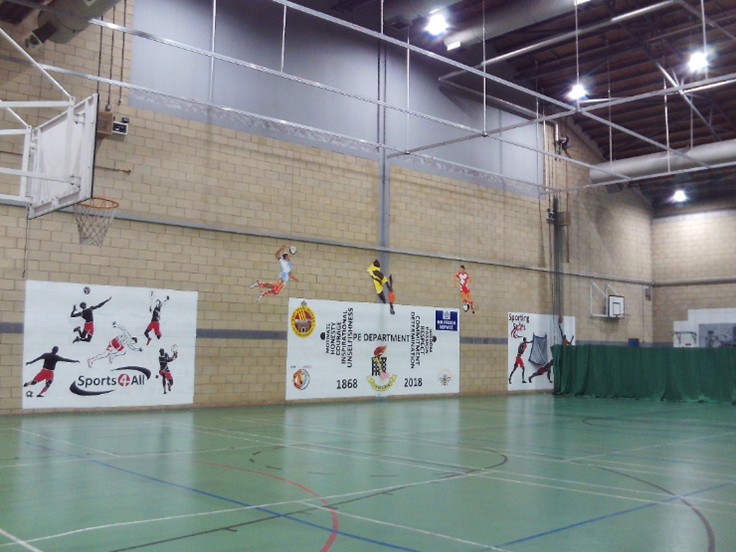
Since the last inspection, the number of PE staff had doubled. PE facilities were good and the gym on E wing had been refurbished. Around half of prisoners used the facilities more than three times a week on average.
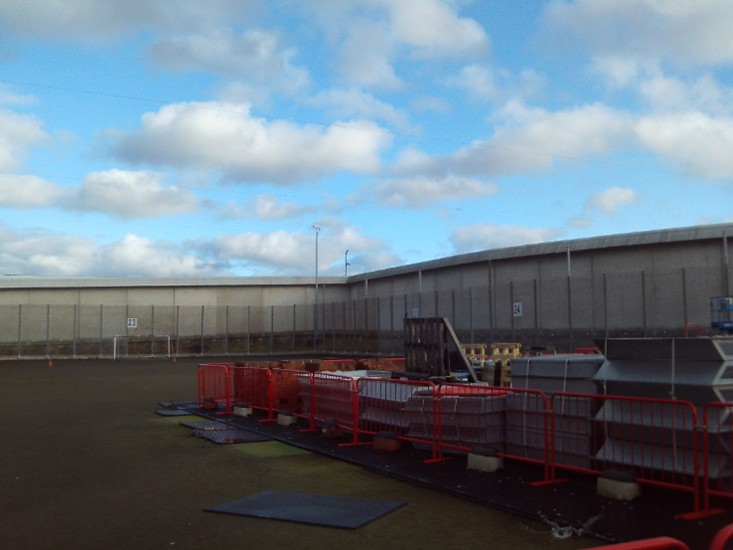
The outdoor sports pitch needed to be resurfaced but remedial work could not start because old cell windows were stored on it (see Security). This was a wasted opportunity for much-needed outdoor activity. The ongoing closure of the E wing yard reduced access to outdoor exercise for category A prisoners, particularly at weekends (see Living conditions).
Although several events, courses and competitions had been run in the previous year, prisoners could not gain PE qualifications.
The library offered a pleasant environment and was well stocked. Category A prisoners could request books, but they were still not allowed to attend the library and all sessions were regularly cancelled. A few prisoners had completed a creative writing course and some attended a prisoner-led reading group on H wing to support emerging readers.

Education, skills and work activities

Ofsted inspects the provision of education, skills and work in custodial establishments in England. The following summary has been provided by Ofsted inspectors who attended this inspection. Their full report is published under ‘Further resources‘.
Ofsted made the following assessments about the education, skills and work provision:
- Overall effectiveness: inadequate
- Quality of education: inadequate
- Behaviour and attitudes: inadequate
- Personal development: inadequate
- Leadership and management: inadequate.
Leaders had not rectified most of the concerns raised at the previous inspection.
Leaders did not ensure the prison was able to fulfil its role as a training establishment. Activities in education, skills and work (ESW) were closed too often and frequently for long periods. However, there were sufficient activity spaces to meet prisoner need.
Leaders had not developed a curriculum with sufficient breadth to meet the differing needs of prisoners. Too often work roles covered areas essential to the running of the prison only. Prisoners could not gain qualifications on vocational courses. Vulnerable prisoners did not have access to as wide a range of provision as the main population.
The recently improved process for allocating prisoners to ESW was not effective as this was significantly affected when ESW was cancelled. This meant that prisoners waited longer to start in their chosen activity and too many were unemployed.
Attendance in ESW was too low with significant closures of education and workshops despite actions taken by leaders in recent months. Punctuality in education and workshops was poor with many prisoners arriving late and not ready to work.
Leaders and managers did not have any involvement with employers to support with careers guidance for prisoners, or to prepare them for release. Consequently, very few prisoners gained employment on release or after six months post-release.
Leaders had in place appropriate arrangements to provide prisoners with a planned induction including information, advice and guidance at the start of their time at HMP Manchester and helpful support from relevant agencies to prepare for release.
The prison education service provider, Novus, delivered mostly effective teaching for prisoners in English, mathematics and ESOL (English for speakers of other languages).
Leaders had implemented a suitable reading strategy. They promoted reading across the prison with a variety of competitions and resources.
Work and vocational training did not enable prisoners to gain new knowledge and skills to prepare them for a career in prison or for release. When prisoners accessed work, it was mainly to have time out of their cells rather than train them for a worthwhile career.
Most prisoners who had special educational needs and disabilities (SEND) received a tailored support plan that identified appropriate strategies to help them overcome barriers to learning and to succeed. They received appropriate support in education from mentors and mostly in work and industries from instructors. However, instructors had not had sufficient training to enable them to support prisoners well enough.
Prisoners in education and on previously provided vocational training completed their courses and most gained a qualification. However, over recent months, due to closures in ESW, too few had completed courses or gained qualifications.
There was very little on-wing enrichment activity despite a few resources being provided. Leaders and managers had developed an extensive enrichment curriculum, but most off-wing activities in areas other than the gym were often cancelled due to the regime challenges.
Section 5: Preparation for release (Back to top)
Preparation for release is understood as a core function of the prison. Prisoners are supported to maintain and develop relationships with their family and friends. Prisoners are helped to reduce their likelihood of reoffending and their risk of harm is managed effectively. Prisoners are prepared for their release back into the community.
Children and families and contact with the outside world
Expected outcomes: The prison understands the importance of family ties to resettlement and reducing the risk of reoffending. The prison promotes and supports prisoners’ contact with their families and friends. Programmes aimed at developing parenting and relationship skills are facilitated by the prison. Prisoners not receiving visits are supported in other ways to establish or maintain family support.
Prisoners had reasonably good opportunities to maintain contact with their families, supported by a range of services delivered by Partners of Prisoners (POPS). POPS provided personal assistance to around 70 prisoners, including direct interventions for 20 men with more complex family circumstances. They offered useful family-focused programmes but no parenting courses were available.
Visits were easy to book but often began late, reducing the time families could spend together. The lack of evening visiting sessions also restricted access for relatives with work or caring responsibilities. Social video calls were only offered once a week and uptake remained low.
The visits hall was welcoming and child-friendly, with murals and a well-equipped play area. Food could be purchased on arrival, but there were few healthy options and hot dishes often ran out.
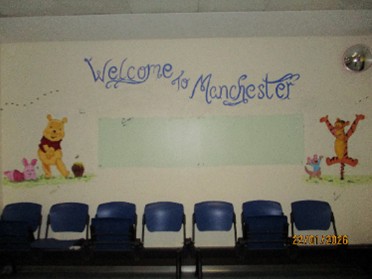


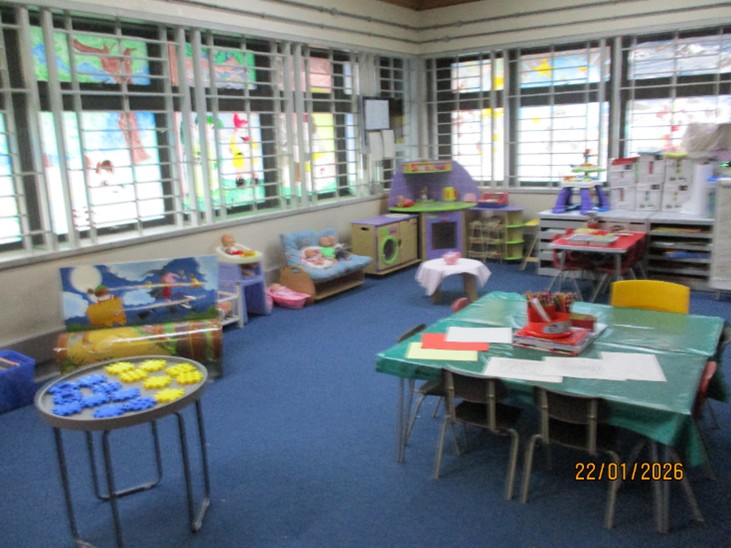
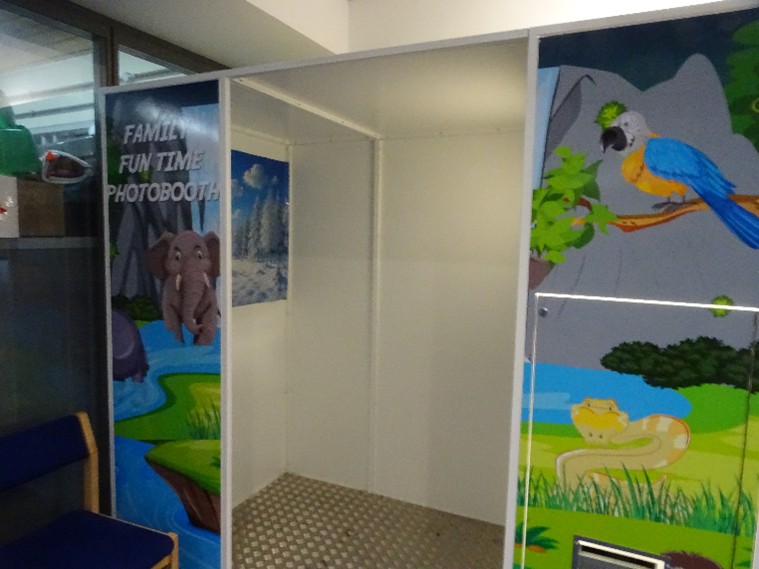
Good efforts had been made to create a welcoming environment in the visits hall, and it now had a photo booth. However, long-standing issues with broken heating frequently left the hall cold. In addition, a lift that had been out of service for several months prevented some prisoners with mobility needs from attending.

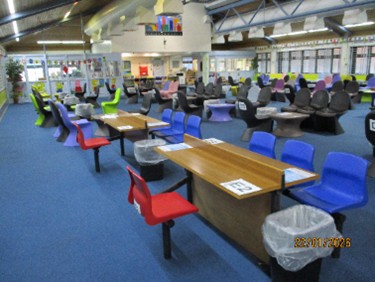
Well-run family visits were held twice a month but only lasted two hours. Support sessions for prisoners who received no visits were poorly attended; staff had begun more proactive outreach to address the problem.
Visits staff had received safeguarding training and POPS provided useful input on the impact of imprisonment on families. Prisoners had good access to telephones, although repairs could be slow (see Suicide and self-harm prevention).
Reducing reoffending
Expected outcomes: Prisoners are helped to change behaviours that contribute to offending. Staff help prisoners to demonstrate their progress.
| Data provided by the prison | |
| Percentage of prisoners serving sentences of four years to life at the time of the inspection | 94% |
The prison held a population made up of predominantly long-term prisoners who presented complex risks. The population was reasonably stable, with half of the men having been held at Manchester for two years or more, while many others had been there for at least a year.
| HMIP prisoner survey | Yes | Compared with similar prisons |
| Do you think your experiences in this prison have made you less likely to offend in the future? | 47% | No difference |
Fewer than half of survey respondents said their experience at the prison had made them less likely to reoffend. The very poor level of activity restricted prisoners’ opportunities to make constructive use of their time (see Time out of cell and Education, skills and work activities). Few men could develop new skills or demonstrate improved decision making and better behaviour.
Leadership of reducing reoffending work was underdeveloped, but a newly appointed head of reducing reoffending was aware of the shortfalls and had appropriate plans to address them.
How staff were supporting prisoners and managing risk
Leaders in the OMU were experienced and worked well together. They provided good oversight and consistent support to prison offender managers (POMs).
Dedicated and experienced POMs delivered generally good-quality case management. POMs maintained regular contact with the prisoners on their caseloads and interactions were usually purposeful. Prisoners commonly told us that they understood what was required of them to progress through their sentence and most were achieving the milestones set out in their sentence plans. However, there was scope for POMs to deliver more structured one-to-one interventions to help individuals address the behaviour and risks that contributed to their offending (see Opportunities for prisoners to progress).
In our survey, 80% of prisoners knew what they needed to do to achieve their sentence plan objectives. Sentence plans were typically well written, with clear and achievable targets. However, not all prisoners had an up-to-date offender assessment system (OASys, see Glossary) assessment, which limited the ability of staff to manage risk effectively for this group.
Parole processes were managed well. We continued to meet some very frustrated men serving imprisonment for public protection (IPP) sentences. Oversight of these cases was strong and records demonstrated clear evidence of progression, including two IPP releases in the past 12 months.
The psychology department provided targeted support for young adults. This included meeting those men transferring from the secure youth estate before arrival, offering drop-in sessions for category A young offenders and delivering training to staff on effective practice with young adults. However, care-experienced young adults did not receive enough specialist support to ensure that their rights and needs were consistently recognised and promoted.
Recalled prisoners accounted for 11% of the population. While some men had received individual support or completed structured interventions, this was not consistent and many were not adequately prepared for eventual release. We were told that every recalled prisoner due for release was invited to the resettlement hub, but not all took advantage of the support that was on offer.
Opportunities for prisoners to progress
Prisoners generally had access to a range of interventions and support intended to help them progress through their sentences, although the offer did not fully meet the level of need.
The number of individuals awaiting transfer to establishments better suited to their risk and sentence stage had reduced considerably since the previous inspection. Re-categorisation decisions were made in a timely and effective manner, which meant that prisoners were not left waiting unnecessarily for progression.
Around 40% of the population were serving life sentences. These prisoners were able to attend well-run lifer forums, which provided structured opportunities to discuss their progression, raise concerns and receive information relevant to their sentence. Despite the high quality of these forums, many lifers reported feeling demoralised because they did not have access to enough meaningful activity to help them address their offending behaviour or demonstrate progress.
Prisoners could access the newly introduced Building Choices programme, which had replaced all other accredited interventions. Over 100 men had been assessed as suitable for the programme and they were able to start the course at the appropriate time.
The psychology team delivered a range of staff training, consultation and one-to-one work. This included the Healthy Identity Intervention, an individual programme aimed at addressing extremist risk, and the New Me MOT, which supported personal reflection and goal setting. However, these interventions were delivered to only a small number of prisoners and, in general, there was not enough one-to-one work with prisoners waiting to start accredited programmes (see How staff were supporting prisoners and managing risk).
Returning to the community
Expected outcomes: Prisoners’ specific reintegration needs are met through good multi-agency working to maximise the likelihood of successful resettlement on release.
As HMP Manchester was not a designated resettlement prison, support was provided by the pre-release team from nearby HMP Buckley Hall.
Useful monthly resettlement hub meetings, held for those men within six months of release, were attended by a range of relevant agencies including the Department for Work and Pensions. Prisoners could also get help with obtaining identification and opening bank accounts. However, the meetings were poorly attended by prisoners, partly due to a clash with activity in the very limited regime (see Time out of cell). For those men who attended, a summary of resettlement needs was compiled and shared with their POM and community offender manager (COM).
Interdepartmental risk management meetings were held monthly and attended by relevant stakeholders, with eligible prisoners discussed in advance of their release date. Written contributions to MAPPA (see Glossary) were of good quality and meetings were well attended. COMs increased their involvement appropriately with prisoners leading up to release.
In the previous 12 months, 70 prisoners had been released into the community. The majority of men were not from the Greater Manchester area, which meant they could not benefit from the prison’s links with local providers. Most prisoners went to supported housing on release, but 10 men had been released homeless.
Section 6: About HMP Manchester (Back to top)
Category of the prison
Category B training prison with a category A remand function, part of the long-term high security estate.
Brief history
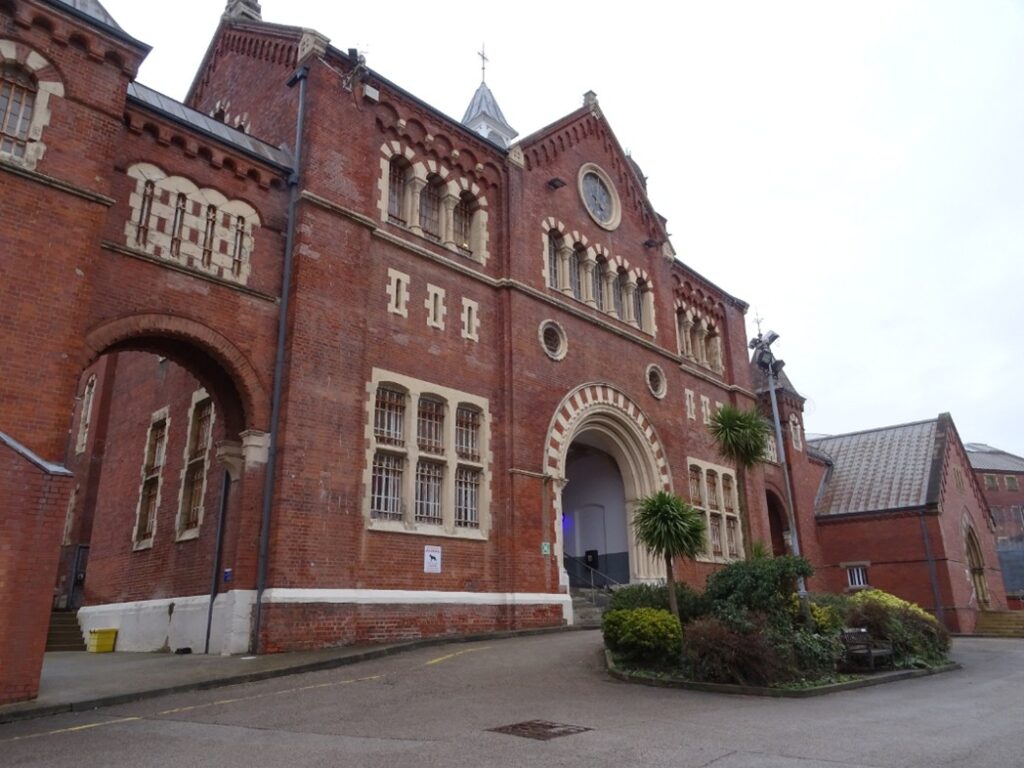
Manchester Prison opened in June 1868. Following a large-scale disturbance in 1990, the prison required major refurbishment. The prison moved into the Directorate of High Security Estate in April 2003. In 2020 the prison re-rolled from a core local to a long-term category B training establishment, with a category A remand function.
Population
- 576 prisoners were held at the time of the inspection. There was operational capacity for 743 prisoners. (Figures provided by the prison.)
- 11% of the population were foreign nationals.
- 44% of men were serving life and 39% were serving sentences of 10 years or more.
- 70 prisoners had been released in the previous year.
Short description of residential units
- A wing: Induction population unit and situational vulnerable prisoners’ unit
- B wing: General population unit
- C wing: General population unit (full-time workers)
- D wing: General population unit
- E wing: General population unit (including category A prisoners)
- G wing: General population unit
- H wing: Incentivised substance-free living unit
- I wing: Drugs and alcohol recovery unit running in partnership with the substance misuse service Delphi
- K wing: General population unit
- M wing: Health care inpatients’ unit X and Y landings; Z landing, category A and category B
Prison status (public/private)
Public
Key providers
Physical health provider: Greater Manchester Mental Health NHS Foundation Trust
Mental health provider: Greater Manchester Mental Health NHS Foundation Trust
Substance misuse treatment provider: Delphi
Dental health provider: The Vallance Dental Centre
Prison education framework provider: Novus
Escort contractor: GeoAmey (Category B prisoners) HMPPS (Category A prisoners)
Prison group director
Gavin O’Malley
Name of governor/director and date in post
Rob Knight, November 2019
Changes of governor/director since the last inspection
None
Date of last inspection
17 September – 3 October 2024
Progress on concerns from the last inspection (Back to top)
At our last inspection in 2024 we raised 15 concerns, six of which were about areas of priority concern. The prison fully accepted all of the concerns.
At this inspection we found the following progress:
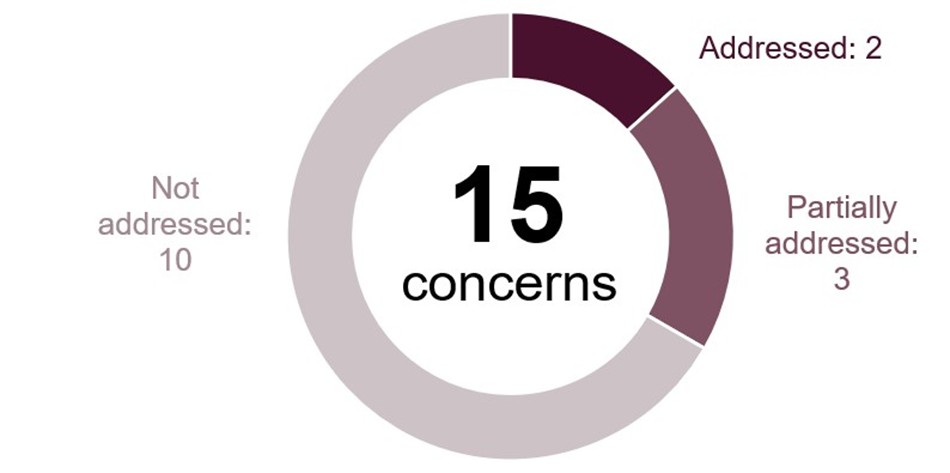
The following is a list of all the concerns raised, organised under the four tests of a healthy prison.
Safety
Priority concerns
Weaknesses in physical and procedural security allowed large quantities of drugs and other illicit items to be delivered by drones. The number of weapons and other illicit items found in recent months was amongst the highest of all adult male prisons in England and Wales and the proportion of prisoners testing positive for drug use was very high at 39% over the last year.
Not addressed
Rates of violence were amongst the highest of all adult male prisons. In our survey, over half of prisoners said they had felt unsafe at some point and almost a quarter of men felt unsafe at the time of this inspection.
Not addressed
There had been a steep rise in the rate of self-harm which was now among the highest of all adult male prisons. Too little help was given to men in crisis. For example, very few of those on an ACCT were engaged in purposeful activity, meaning they were locked in their cell for most of the day.
Not addressed
Key concerns
Officers were not, with any consistency, ensuring sufficient order and control on the wings. They failed to challenge very poor, antisocial, or even criminal behaviour.
Addressed
The number of times physical force had been used on prisoners was very high. This included the use of PAVA incapacitant spray, which was one of the highest uses in all adult male prisons.
Partially addressed
Respect
Priority concerns
Leaders at every level had failed to address the poor standards of cleanliness. Outdoor areas were often heavily littered and many of the wings were filthy.
Partially addressed
Health care services lacked oversight and governance and there was no clear strategy for improvement.
Addressed
Key concerns
Leaders had not sufficiently prioritised the promotion of fair treatment and inclusion. They were not well sighted on the experiences of prisoners from protected groups, and there was no strategy to guide the work.
Not addressed
Supervision of prisoners waiting to collect their medication from the administration hatches was poor. This increased the risk of bullying and diversion.
Not addressed
The management of long-term health conditions, including the oversight of waiting lists and applications, was limited.
Not addressed
Purposeful activity
Priority concern
Leaders had not developed and implemented an ambitious and coherent education and training curriculum that met the needs of the population or the training function of the prison.
Not addressed
Key concerns
Time out of cell was poor. A restricted regime was in place and our checks found 38% of prisoners locked in their cell during the working day.
Not addressed
The activity allocation process was not coordinated effectively, and leaders did not make sure that prisoners undertook activities that met their short-, medium- and long-term plans. Too many places remained unfilled.
Not addressed
Attendance was low in education, skills and work activities.
Not addressed
Leaders had not implemented an effective induction process so that prisoners knew about the full range of activities at the prison. Leaders did not provide appropriate careers information, advice and guidance so that prisoners were suitably informed about their next steps.
Partially addressed
Preparation for release
Priority concerns
None
Key concerns
None
More about this report (Back to top)
This report outlines the priority and key concerns from the inspection and our judgements against the four healthy prison tests. Each of the following four sections contains a detailed account of our findings against our Expectations for men’s prisons.
Find out more about our Expectations and how we inspect
Find out more about priority and key concerns
Find out about notable positive practice
Findings from the survey of prisoners and a detailed description of the survey methodology are published alongside this report. Please note that we only refer to comparisons with other comparable establishments or previous inspections when these are statistically significant. The significance level is set at 0.01, which means that there is only a 1% chance that the difference in results is due to chance.
The tables in this report which provide data from HMI Prisons prisoner surveys also include comparisons with similar prisons.
| Description | What it means |
| Lower | the prison’s percentage is statistically significantly lower than the comparator: prisons with the same function type, or at the last inspection |
| Higher | the prison’s percentage is statistically significantly higher than the comparator: prisons with the same function type, or at the last inspection |
| No difference | the prison’s percentage is not statistically significantly different to the comparator: prisons with the same function type, or at the last inspection |
Inspection team
This inspection was carried out by:
Charlie Taylor, Chief inspector
Hindpal Singh, Bhui Team leader
Ian Dickens, Inspector
Lindsay Jones, Inspector
Kellie Reeve, Inspector
Nadia Syed, Inspector
Jessie Wilson, Inspector
Yvette Howson, Inspector
Emma Crook, Researcher
Alicia Grassom, Researcher
Sophie Riley, Head of Research, Data & Thematics
Jasjeet Sohal, Researcher
Shaun Thomson, Lead health and social care inspector
Lyn Glassup, Health and social care inspector
Craig Whitelock, General Pharmaceutical Council inspector
Joe White, Care Quality Commission inspector
Jonny Wright, Lead Ofsted inspector
Mary Devane, Ofsted inspector
Suzanne Wainwright, Ofsted inspector
Further resources (Back to top)
These files may not be suitable for users of assistive technology.
Request an accessible format
If you use assistive technology (such as a screen reader) and need a version of any of these documents in a more accessible format, please email media@hmiprisons.gov.uk. Please tell us what format you need. It will help us if you say what assistive technology you use.
Find out more about the terms and abbreviations used in this report in our glossary.