
HMP Liverpool
Report on an independent review of progress at HMP Liverpool by HM Chief Inspector of Prisons, 18–20 May 2026

Section 1: Chief Inspector’s summary (Back to top)
Built in the mid-19th century, HMP Liverpool is a reception and resettlement prison, holding around 800 adult men. The prison comprises eight residential units, with one currently closed pending refurbishment.
This review visit followed up on the concerns we raised at our last inspection of HMP Liverpool in 2025.
What we found at our last inspection
At our previous inspections of HMP Liverpool in 2022 and 2025, we made the following judgements about outcomes for prisoners.
Figure 1: HMP Liverpool healthy prison outcomes in 2022 and 2025
Note: rehabilitation and release planning became ‘preparation for release’ in October 2023.
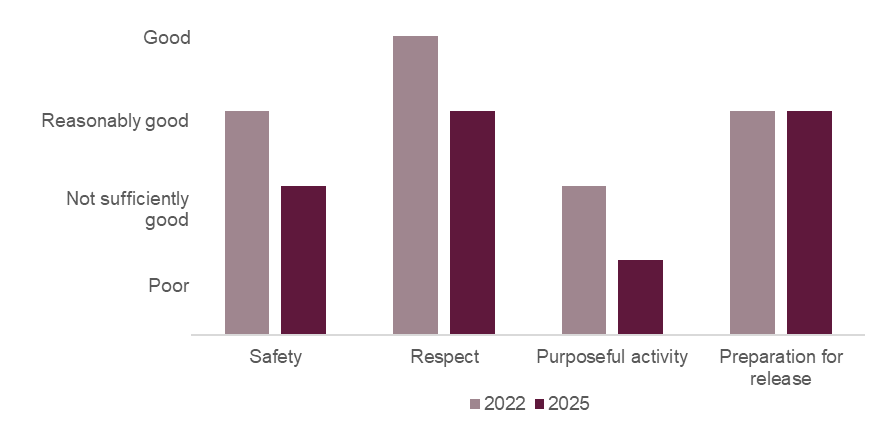
In 2025, we found that Liverpool’s re-designation back to being a reception prison had been well managed. However, the resultant change to a now more unstable and transient population, with a larger proportion on remand, had, in part, led to a disappointing reduction in the scores against three of our healthy prison tests. The prison was being continuously targeted by serious organised crime gangs, which often used drones to deliver drugs and other contraband. Good relationships between officers and prisoners were a strength, but there had been seven suicides and high levels of self-harm since the previous inspection in 2022. Very high rates of staff sickness absence were affecting the delivery of the regime and limiting key work (see Glossary).
The much-needed refurbishment of the prison had completely stalled because of the company contracted to do the work going into administration, and there were serious deficiencies in routine maintenance work.
I concluded at the time that there were too many men at the prison who were lying on their beds watching daytime television and taking drugs to pass the time. Support from the prison service was needed to reduce the impact of drone incursion, and the prison required a greater focus on getting men into purposeful activity every day.
What we found during this review visit
At this review visit, we found evidence of steady progress in areas that were within the direct control of the committed and capable prison leaders. Positive staff-prisoner relationships remained a strength and we found good progress in the support for men in crisis, with self-harm rates reducing by a third since the inspection. Deficits in public protection arrangements for identifying prisoners’ risks had largely been addressed. More robust management of staff sickness absence levels had led to improved attendance and, although these were still too high, staffing levels were now sufficient to run the regime consistently. We consequently found fewer prisoners locked up during the working day.
However, our partners from Ofsted found insufficient progress in all the themes they reviewed. The curriculum, the quality of education, attendance at activities and support for those with low reading abilities were still far from good enough. The recent swingeing cuts to education and vocational training provision, leading to the redundancy of teachers, had clearly compounded the shortcomings of an already poorly performing service.
Despite efforts by prison leaders to mitigate the failings of the facilities maintenance contractor (Amey) by resourcing prisoner work parties to carry out repairs, living conditions were still not good enough on the older units that were waiting for refurbishment.
While work to support drug recovery had strengthened and random mandatory drug testing positive rates had reduced, the use of illicit substances remained unacceptably high.
The opportunity to thwart drug delivery from drone incursion by installing more secure windows as part of the anticipated wing refurbishment should clearly not be missed. In the meantime, the governor, his senior team and staff should be acknowledged for what they have achieved so far in addressing our concerns. Greater ambition is now needed to make sure that prisoners can spend their time more productively in purposeful activity.
Charlie Taylor, HM Chief Inspector of Prisons, June 2026
Section 2: Key findings (Back to top)
At this IRP visit, we followed up nine concerns from our most recent inspection in August 2025 and Ofsted followed up four themes based on their latest inspection.
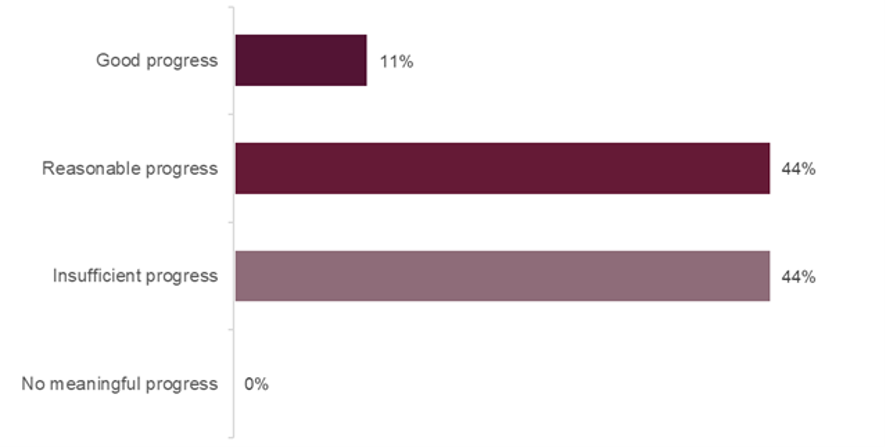
HMI Prisons judged that there was good progress in one concern, reasonable progress in four concerns, and insufficient progress in four concerns.
Figure 2: Progress on HMI Prisons concerns from 2025 inspection (n=9)
This bar chart excludes any concerns that were followed up as part of a theme within Ofsted’s concurrent prison monitoring visit.
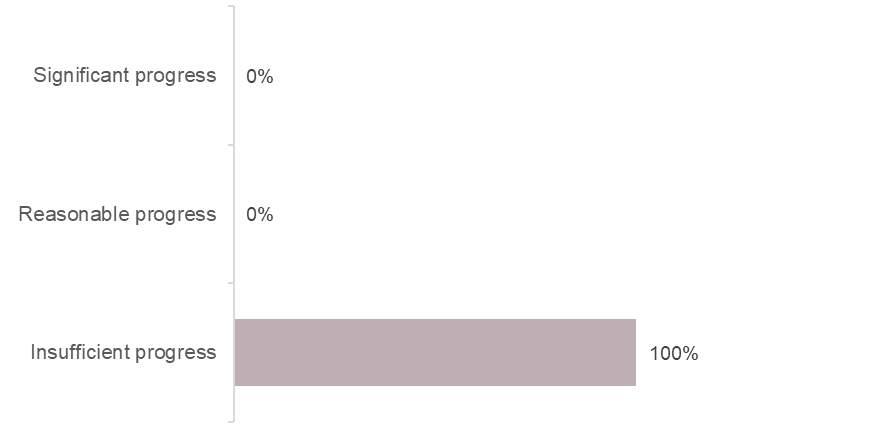
Ofsted judged that there was significant progress in all four themes.
Figure 3: Progress on Ofsted themes from 2025 inspection (n=4).
Notable positive practice
We define notable positive practice as:
Evidence of our expectations being met to deliver particularly good outcomes for prisoners, and/or particularly original or creative approaches to problem-solving.
Inspectors found three examples of notable positive practice during this IRP visit, which other prisons may be able to learn from or replicate. Unless otherwise specified, these examples are not formally evaluated, are a snapshot in time and may not be suitable for other establishments. They show some of the ways our expectations might be met, but are by no means the only way.
| 1. | Two dedicated substance misuse officers, who carried out all mandatory drug testing, also had a focus on supporting recovery (see Security). |
| 2. | The incentivised substance-free living unit provided a documented handover for those transferring to other prisons, to ensure continuity of care (see Security). |
| 3 | An innovative NHS Prison Pathway Team project, to widen opportunities for access to NHS secure beds and reduce waiting times for patients requiring transfer under the Mental Health Act, was a promising initiative (See Mental health). |
Section 3: Progress against our concerns and Ofsted themes (Back to top)
The following provides a brief description of our findings in relation to each concern followed up from the full inspection in 2025.
Leadership
Concern: Continuously high levels of sickness absence among staff prevented the delivery of a consistent and full regime.
Since the inspection, sickness absence had decreased by around a third. Absence rates had been on a downward trend, from a peak average of 22 days per person per year to 13.8 days, but this was still above the national target and much too high.
Local management of sickness absence procedures was robust and had benefited from a dedicated attendance lead who monitored processes closely.
Additional support had been provided following a needs assessment by the Ministry of Justice’s human resources (HR) technical consultancy programme. This included assistance from a dedicated HR case manager and workshops to train line managers in sick absence processes.
Leaders had also introduced extra support for staff well-being and development, including regular well-being events and training. Access to ‘structured professional support’, which offered one-to-one sessions to support mental well-being, had increased.
Staffing levels were now sufficient for the regime to run consistently, with occasional restrictions because of operational incidents. There was better management of available resources, and daily assurance checks monitored regime delivery closely.
We considered that the prison had made reasonable progress.
Early days in custody
Concern: New arrivals often waited far too long in reception holding rooms waiting to be seen by staff and health care professionals, with little to occupy their time.
The reception area remained busy, with an average of 83 arrivals each week. Since the inspection, leaders had reduced the time that prisoners spent waiting in reception before moving on to the induction wing. In the last three months, average waits had fallen to less than three hours.
However, some prisoners still waited far too long to be moved on from reception. Local data showed that, in the last three months, 6% of new arrivals had waited for more than six hours. This was particularly the case for prisoners arriving early in the day, who had to wait for health care staff to become available if they needed prescriptions.
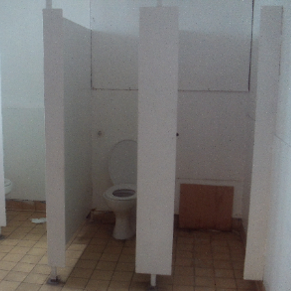
There had been some improvements to the holding rooms in reception, but they remained austere. Furniture and toilets in some holding areas were in poor condition.
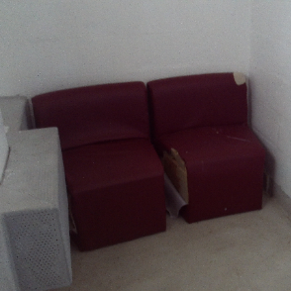
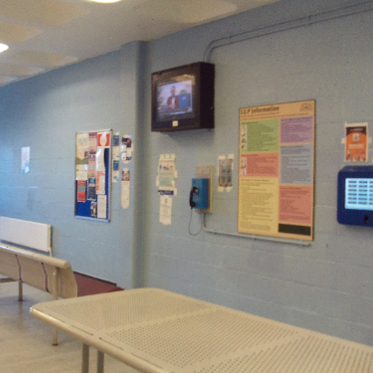
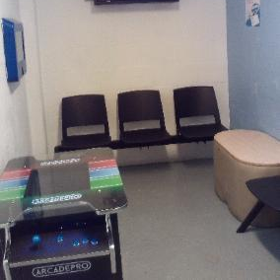
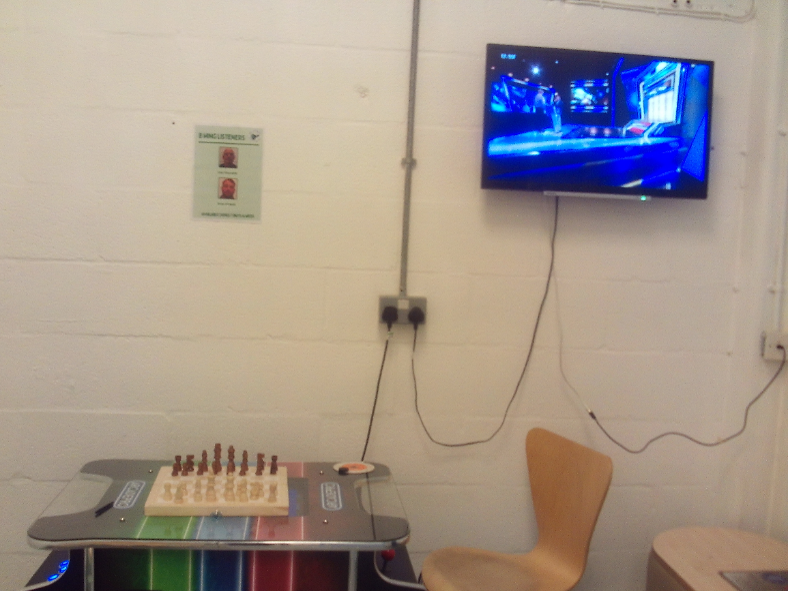
Leaders had installed working televisions in holding areas and some books and board games were available to prisoners on request. The installation of arcade machines to occupy prisoners while they waited to move on to the wings was also being trialled.
We considered that the prison had made insufficient progress.
Security
Concern: The supply of illicit items including drugs and mobile phones remained a significant threat to the prison. The positive rate for random mandatory drug testing was the highest of any reception prison at 46%.
The random mandatory drug testing positive rate had reduced to 35%, but it was still the third highest for reception prisons.
The drug strategy and work to support recovery had strengthened to help reduce the demand for illicit substances. Two dedicated substance misuse officers carried out all random and suspicion drug testing but maintained a focus on supporting recovery rather than taking a punitive approach. They debriefed individuals found ‘under the influence’ and referred them to the variety of interventions that were available.
Leaders had introduced a drug dependency unit (DDU) and were developing a recovery pathway from the induction unit through to the incentivised substance-free living (ISFL) unit (see Glossary). However, more work was needed to make sure that the population on the DDU was appropriate.
The ISFL unit offered a supportive environment for prisoners seeking to abstain from illicit substance use and was better than we usually see in reception prisons. Staff there provided a documented handover for those transferring to other prisons, to ensure continuity of care. Partnership working with the third sector to support recovery was good.
Leaders responded promptly to changing risks and intelligence. For example, they had procured specific support for prisoners using ketamine when the substance had been identified in random drug tests.
Mobile phone finds had decreased by 30% since the inspection, and illicit drug finds had also decreased slightly. The level of searching support from a regional resource had increased, including searches of staff to address corruption issues.
There was an ongoing need to strengthen physical security to counter drone incursions, particularly with regard to some insecure windows which needed to be replaced.
Effective working relationships with law enforcement agencies had helped to mitigate the physical security risks, and there had been a reduction in reported drone sightings. Leaders also worked with these stakeholders to reduce the risk from potential staff corruption.
We considered that the prison had made reasonable progress.
Suicide and self-harm prevention
Concern: There had been seven self-inflicted deaths since the previous inspection and rates of self-harm were high. Avenues of support for prisoners in crisis were not always fully identified or were generic in nature rather than tailored to the prisoners’ needs.
The rate of recorded incidents of self-harm over the last six months had fallen by 33% when compared with the same period before the inspection.
Since the inspection, there had been one death classified as ‘other non-natural’, one death classified as ‘self-inflicted’, and two deaths from ‘natural’ causes. Leaders kept recommendations that arose from investigations into deaths in custody under regular review and we saw evidence of concerns being addressed. A designated manager was responsible for monitoring progress against these recommendations.
Work to support prisoners at risk of self-harm was underpinned by strong staff–prisoner relationships. Staff on the wings often demonstrated a good understanding of the prisoners in their care.
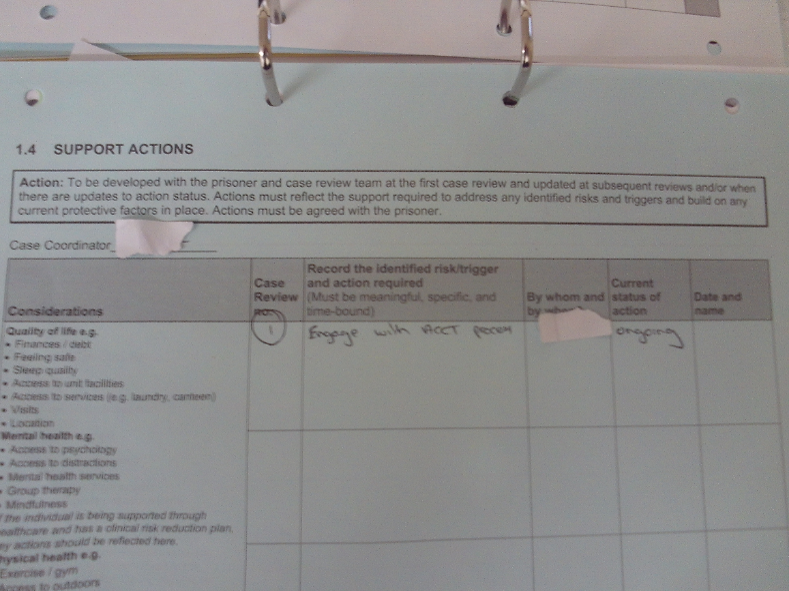
Prisoners supported through assessment, care in custody and teamwork (ACCT) case management for prisoners at risk of suicide or self-harm were generally positive about their treatment by staff and partner agencies. We saw examples of staff taking good, practical action to support prisoners who were struggling.
We also saw evidence of some effective longer-term support being provided to particularly complex individuals, including through arranging family contact, support with substance misuse and making sure that they were occupied with purposeful activity.
Leaders had prioritised improving ACCT case management by implementing a consistent single case manager approach, but this was not yet working effectively. Quality assurance had improved and we saw evidence of poor practice in ACCT documentation being challenged.
The quality of ACCT documentation had improved slightly, but some care plans aimed at supporting prisoners in crisis remained basic. Regular reviews with these prisoners were typically of a good standard and attended by a member of the mental health team.
While prisoners acknowledged that staff generally tried to resolve their issues, some who were being supported by ACCT case management spoke of frustration at not being able to contact their families because of delays in getting telephone numbers approved after arriving at the prison.
The Listener scheme (see Glossary) was functioning effectively. Listeners were available to support prisoners who were struggling, including in reception for those who arrived at the prison in distress.
We considered that the prison had made good progress.
Staff–prisoner relationships
Concern: Too few prisoners benefitted from key work, and the sessions that did take place lacked sufficient quality. Key work did not support sentence progression.
Leaders had taken a pragmatic approach to improving the delivery of key work by directing resources towards those presenting the greatest risk and having a clear focus on quality. Priority was given to new arrivals, particularly those in custody for the first time.
A dedicated key worker lead had been assigned and was skilled and motivated in their role. However, they and a small group of other key work-trained officers were often deployed to other duties, which limited the number of sessions they could provide.
Quality assurance arrangements, including weekly dip tests of key work case notes by a custodial manager and senior probation officer, were developing well and leading to improvements in the standard of interactions. Many entries we reviewed were generally of reasonable quality, but too often lacked follow-up, mainly because of insufficient key work staff resourcing.
Prisoners valued the initial contact they received in their early days at the prison and some said that it had helped to address their immediate issues and anxieties.
However, overall, too few prisoners benefited from key work, and sessions did not support sentence progression consistently.
We considered that the prison had made insufficient progress.
Daily life
Concern: Living conditions for some prisoners were poor. A lack of effective maintenance by the facilities contractor exacerbated this.
While most cells were reasonably well equipped and communal areas were generally clean, living conditions were still not good enough on the older units. Some showers were out of action and the units were shabby and worn. The refurbished units provided a better standard of accommodation.
Too many repairs remained outstanding, and the facilities maintenance contractor (Amey) was subject to an improvement plan. As at the time of the inspection, maintenance jobs were not addressed quickly enough.
The ‘Refresh’ prisoner work party completed many repairs and minor maintenance tasks, partially mitigating the shortfalls in the facilities maintenance by the contractor. Since the inspection, the governor had allocated additional resources to the team so that more work was being completed.
Refurbishment work on the older wings was expected to resume shortly after our visit. In the meantime, we were told that any cells deemed unfit for habitation were taken out of action pending repair.
A senior leader had been given responsibility for overseeing both the refurbishment programme and the facilities management contract, to improve oversight.
We considered that the prison had made insufficient progress.
Mental health
Concern: Not all patients requiring transfer to hospital under the Mental Health Act were transferred within the national guideline expectation of 28 days. This meant assessment and treatment for mental disorders was delayed and the potential for further harm and suffering increased.
Most patients who needed assessment and treatment in a mental health hospital were not transferred within the 28-day national guideline target. Only one of seven patients in the last six months had transferred within 28 days, which was similar to the situation at the time of the inspection. One patient had waited over 100 days to enter hospital, which was unacceptable, but the average waiting time had reduced overall from 59 to 49 days.
The innovative NHS Prison Pathway Team project, to widen opportunities for access to NHS secure beds and reduce waiting times for patients requiring transfer under the Mental Health Act, including in low secure and psychiatric intensive care units, was a promising initiative. Led by Mersey Care on behalf of NHS commissioners, new links had also been developed with the prison offender personality disorder pathway, and remission of patients back to prison following hospital treatment had freed up NHS beds.
Prison staff had also established good practices in supporting patients during transfer and visiting them before remission back from hospital.
There was better health care oversight for patients, including those waiting for transfer to a mental health hospital, enhancing the safeguards for individuals. This included improved monitoring of complex and vulnerable cases, daily identification and follow-up of patients omitting to take their critical medicines, and comprehensive guidance for health care staff on holding patients at the prison until transfers took place.
Despite the best efforts of prison and health care staff, the prison remained ill equipped and unsuitable for the care of acutely mentally disordered patients and could not be considered an acceptable substitute for a hospital.
We considered that the prison had made insufficient progress.
Time out of cell
Concern: Prisoners spent too much time locked in their cells. The regime at weekends was particularly poor, and there was not enough recreational or enrichment activity for prisoners during their association periods.
In our roll checks, we found fewer prisoners locked up during the working day than at the time of the inspection. Prisoners were no longer routinely unlocked in restricted cohorts and there was evidence to suggest that this approach encouraged more time out of cell (see Glossary) that was managed in a supervised and safe way.
However, the number of unemployed prisoners remained too high, at around 200 prisoners. We found 41% of prisoners engaged in purposeful activity, but only 26% were off the wing at education or work, which was similar to the situation at the time of the inspection.
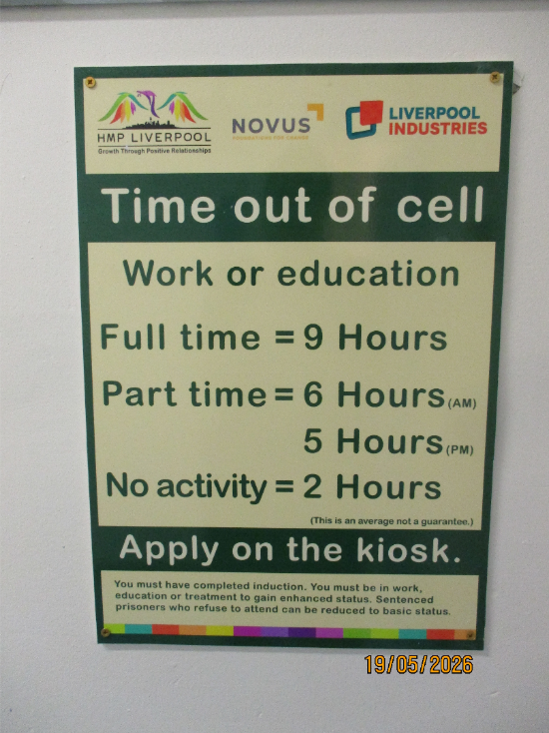
The regime still provided only two hours a day out of cell for unemployed prisoners, with additional time for meal collection, although the regime now ran more consistently.
Leaders were encouraging attendance at purposeful activity, with better communication about the amount of time that prisoners would spend unlocked, including additional gym sessions.
Evening association was delivered more reliably, giving full-time workers more time unlocked. Leaders had made changes to prison shop arrangements, which had increased time out of cell at weekends.
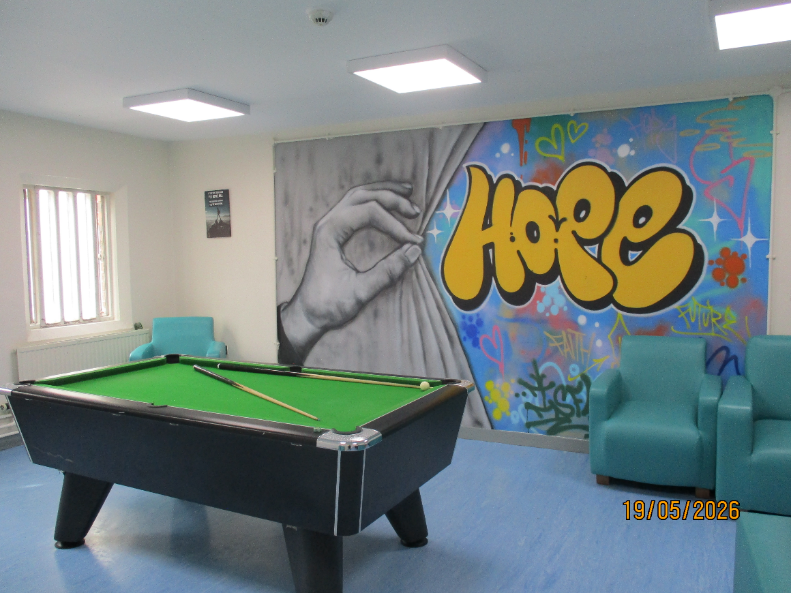
Additional recreational equipment had been provided on each wing, including pool tables, table tennis and board games, but a wider range of activities was needed.
We considered that the prison had made reasonable progress.
Education, skills and work

This part of the report is written by Ofsted inspectors. Ofsted’s thematic approach reflects the monitoring visit methodology used for further education and skills providers. The themes set out the main areas for improvement in the prison’s previous inspection report or progress monitoring visit letter.
Theme 1: What progress had leaders and managers made in ensuring that curriculums were coherently planned, sufficiently ambitious and aligned to prisoners’ starting points and sentence lengths?
Leaders and managers did not plan a sufficiently coherent or ambitious curriculum that enabled prisoners to make sustained progress in learning. Curriculum planning remained underdeveloped and was not consistently aligned to prisoners’ starting points, sentence lengths or vocational goals. Initial assessment processes were not consistently accurate, which limited leaders’ ability to ensure that prisoners were allocated to the most appropriate level of learning. As a result, too many prisoners did not consistently develop knowledge and skills in a logical sequence or make the progress expected of them.
Leaders and managers did not plan the curriculum offer well enough to meet the needs of the prison’s changing population. Too few prisoners benefited from sustained participation in learning, and achievement in functional skills qualifications remained low. Leaders had introduced shorter courses and unitised qualifications to meet the needs of short-stay prisoners better. These changes were at an early stage of implementation and had not ensured that prisoners accessed learning that was sufficiently ambitious or relevant to their needs.
Leaders and managers did not ensure that workshop activities developed prisoners’ vocational knowledge and skills well enough. Instructors did not make sufficient use of prisoners’ downtime to reinforce learning or develop reading and employability skills. Some workshop qualifications were not sufficiently relevant to prisoners’ vocational pathways or the industries in which they worked. Too many workshops remained disrupted by staffing shortages and vacancies, limiting prisoners’ access to purposeful activity and reducing the consistency of their curriculum experience.
Leaders had strengthened the focus on employability and personal development through initiatives such as the personal development curriculum and mentoring opportunities. Mentors were appropriately trained, including in supporting neurodivergent prisoners, and supported prisoners positively in education and workshops.
Ofsted considered that the prison had made insufficient progress against this theme.
Theme 2: What progress had leaders and managers made in improving their oversight and quality assurance of education, skills and work activities, including holding managers and providers to account for prisoners’ outcomes?
Quality assurance arrangements focused too narrowly on monitoring compliance rather than improving the quality and consistency of education, skills and work activities. Leaders and managers relied too heavily on the production of action plans and compliance activities rather than implementing swift actions that improved prisoners’ experiences and outcomes. Leaders and managers did not evaluate the impact of actions with sufficient rigour and, as a result, did not have a sufficiently accurate understanding of the effectiveness of provision. Leaders and managers placed too much reliance on contextual factors, including staffing shortages, population churn, contractual changes and estate disruption, when evaluating the effectiveness of provision.
Leaders and managers had not ensured that oversight of allocation and induction processes was effective. Managers did not have accurate oversight of prisoners who had not attended induction, prisoners awaiting allocation or those returning from health care. Information held by different teams was not consistently accurate or aligned. As a result, leaders could not reliably use data to plan or monitor participation in education, skills and work activities.
Senior leaders had strengthened oversight of education, skills and work activities through joint learning walks, work scrutiny and increased reporting through quality improvement meetings with managers and providers. However, weaknesses identified through quality assurance activities remained unresolved for too long and leaders had not secured rapid improvement in the quality of provision or prisoners’ outcomes.
Leaders had developed mentoring arrangements and provided mentors with additional training, including support for prisoners with neurodiverse needs. Mentors supported prisoners positively in education and workshops and contributed to prisoners’ engagement in learning. Leaders had also begun to use prisoner feedback more routinely to inform planning and support arrangements.
Ofsted considered that the prison had made insufficient progress against this theme.
Theme 3: What progress had leaders and managers made in reducing repeated absence and disruptions to learning in education, skills and work activities, including improving prisoners’ attendance, punctuality and participation in purposeful activity?
Leaders and managers had not taken sufficiently effective action to improve prisoners’ attendance, punctuality and participation in education, skills and work activities. Attendance remained too low and inconsistent across too many areas. Too many prisoners did not attend their allocated activities regularly enough to make sustained progress in learning and work. Withdrawal rates remained high and over-allocation to activities had not improved participation.
Leaders and managers had not ensured that prisoners could attend education, skills and work activities consistently enough. Conflicting appointments and regime activities continued to disrupt attendance at education and workshops. Too many workshops remained unavailable because of staffing shortages and vacancies, limiting prisoners’ access to purposeful activity. Leaders had introduced changes to movement arrangements and activity sequencing to reduce disruption and improve punctuality. These actions had reduced some delays in prisoners arriving at activities.
Leaders had strengthened monitoring arrangements through weekly attendance and allocation reports and had increased the sharing of attendance information across the prison. This had improved leaders’ and staff’s awareness of barriers to participation and contributed positively to the culture around purposeful activity. However, leaders and managers used different data sets to monitor attendance and participation, which produced significant discrepancies in reported attendance information. As a result, leaders could not evaluate accurately enough the impact of actions taken to improve attendance and participation.
Leaders and managers had worked successfully with prison staff to improve the culture around participation in purposeful activity. Staff had become more proactive in encouraging prisoners to attend education, skills and work activities and leaders had introduced a range of initiatives intended to improve attendance and participation, including additional gym sessions, incentive schemes and bonus payments.
Ofsted considered that the prison had made insufficient progress against this theme.
Theme 4: What progress had leaders and managers made in implementing an effective reading strategy that identified prisoners with low reading abilities early and supported them to improve their reading?
Leaders and managers had not implemented the reading strategy effectively across education, skills and work activities. Staff in education and workshops did not promote reading well enough or routinely encourage prisoners to read during periods of inactivity. Too few prisoners engaged in reading regularly enough to improve their reading skills. Although leaders had introduced a range of initiatives to promote reading, including reading groups, library enrichment events and author visits, too few prisoners participated in these activities regularly enough.
Prisoners completed reading assessment and screening during induction. However, leaders and managers had not ensured that all prisoners completed reading assessment and screening promptly enough or that referral information was used consistently to put appropriate support in place.
Leaders and managers had not ensured that all prisoners benefited equally from reading initiatives and support. Prisoners in the PCOSO (prisoners convicted of sexual offences) unit had limited access to library activities and reading opportunities because reading activities clashed with other regime activities. Participation in initiatives such as Storybook Dads (see Glossary) remained too low.
Prisoners on main prison wings benefited from regular access to a well-resourced library. Leaders had introduced enrichment activities, including chess and jigsaws, to encourage more prisoners to attend the library and engage more readily with reading. The library provided a calm and purposeful environment and peer mentors supported prisoners effectively to access appropriate reading materials. Leaders had strengthened the Shannon Trust provision (see Glossary) across the prison and mentors received appropriate training, including support for prisoners with neurodiverse needs. Mentors supported prisoners positively to engage in reading and education activities.
Ofsted considered that the prison had made insufficient progress against this theme.
Public protection
Concern: Public protection arrangements were still not sufficiently robust. Some prisoners with clear risks had either not been assessed promptly or, in some cases, not assessed at all.
Around two-thirds of the sentenced population had been assessed as presenting a high or very high risk of serious harm, and a similar proportion was subject to child contact restrictions. Many prisoners were perpetrators of domestic abuse and were subject to a restraining order, issued by the courts.
There had been some recent improvements to the staff resourcing assigned to public protection work. A small but dedicated and knowledgeable public protection unit (PPU) had been established, consisting of 2.5 whole-time-equivalent prison offender managers and a case administrator. The work of offender management unit (OMU) leaders and the PPU had led to some early improvements in the oversight of risk management arrangements.
The interdepartmental risk management meeting now took place weekly and considered the riskiest prisoners ahead of release. Recently implemented quality assurance measures were beginning to identify and address some shortfalls in practice.
However, the OMU was constrained by fluctuating staffing capacity and competing priorities, including managing a high volume of arrivals and releases, short-term recalls and frequent early release scheme policy changes.
We found that some prisoners with clear risks had not been assessed promptly or accurately, and risk alerts were not always up to date.
The OMU had generally good oversight of offence monitoring arrangements, and authorisations and reviews were usually appropriate and timely.
However, there were sometimes delays in the monitoring of prisoners’ communications by staff assigned to the task, creating a risk that potential concerns or breaches would not always be identified and acted on swiftly.
We considered that the prison had made reasonable progress.
Section 4: Summary of judgements (Back to top)
A list of the HMI Prisons concerns and Ofsted themes followed up at this visit and the judgements made.
HMI Prisons concerns
Continuously high levels of sickness absence among staff prevented the delivery of a consistent and full regime.
Reasonable progress
New arrivals often waited far too long in reception holding rooms waiting to be seen by staff and health care professionals, with little to occupy their time.
Insufficient progress
The supply of illicit items including drugs and mobile phones remained a significant threat to the prison. The positive rate for random mandatory drug testing was the highest of any reception prison at 46%.
Reasonable progress
There had been seven self-inflicted deaths since the previous inspection and rates of self-harm were high. Avenues of support for prisoners in crisis were not always fully identified or were generic in nature rather than tailored to the prisoners’ needs.
Good progress
Too few prisoners benefitted from key work, and the sessions that did take place lacked sufficient quality. Key work did not support sentence progression.
Insufficient progress
Living conditions for some prisoners were poor. A lack of effective maintenance by the facilities contractor exacerbated this.
Insufficient progress
Not all patients requiring transfer to hospital under the Mental Health Act were transferred within the national guideline expectation of 28 days. This meant assessment and treatment for mental disorders was delayed and the potential for further harm and suffering increased.
Insufficient progress
Prisoners spent too much time locked in their cells. The regime at weekends was particularly poor, and there was not enough recreational or enrichment activity for prisoners during their association periods.
Reasonable progress
Public protection arrangements were still not sufficiently robust. Some prisoners with clear risks had either not been assessed promptly or, in some cases, not assessed at all.
Reasonable progress
Ofsted themes
What progress had leaders and managers made in ensuring that curriculums were coherently planned, sufficiently ambitious and aligned to prisoners’ starting points and sentence lengths?
Insufficient progress
What progress had leaders and managers made in improving their oversight and quality assurance of education, skills and work activities, including holding managers and providers to account for prisoners’ outcomes?
Insufficient progress
What progress had leaders and managers made in reducing repeated absence and disruptions to learning in education, skills and work activities, including improving prisoners’ attendance, punctuality and participation in purposeful activity?
Insufficient progress
What progress had leaders and managers made in implementing an effective reading strategy that identified prisoners with low reading abilities early and supported them to improve their reading?
Insufficient progress
More about this report (Back to top)
This report contains a summary from the Chief Inspector and a brief record of our findings in relation to each concern we have followed up. You may find it helpful to refer to the report of the full inspection for further detail on the original findings (available in Our reports).
Independent reviews of progress (IRPs) are designed to improve accountability to ministers about the progress prisons make in addressing HM Inspectorate of Prisons’ concerns in between inspections. IRPs take place at the discretion of the Chief Inspector when a full inspection suggests the prison would benefit from additional scrutiny and focus on a limited number of the concerns raised at the inspection. IRPs do not therefore result in assessments against our healthy prison tests.
The aims of IRPs are to:
- assess progress against selected priority and key concerns
- support improvement
- identify any emerging difficulties or lack of progress at an early stage
- assess the sufficiency of the leadership and management response to our concerns at the full inspection.
Find out more about priority and key concerns
Inspection team
This independent review of progress was carried out by:
Sara Pennington, Team leader
Rick Wright, Inspector
Jade Richards, Inspector
Harriet Leaver, Inspector
Paul Tarbuck, Health and social care inspector
Carolyn Brownsea, Ofsted lead inspector
Joanne Stork, Ofsted inspector
Further resources (Back to top)
Find out more about the terms and abbreviations used in this report in our glossary.