
HMP Leicester
Report on an independent review of progress at HMP Leicester by HM Chief Inspector of Prisons, 10–12 August 2026

Section 1: Chief Inspector’s summary (Back to top)
HMP Leicester is a Victorian establishment built in 1874, with a gatehouse dating back to 1825. The site is set in three acres within the city centre and adjacent to the Leicester Royal Infirmary. A visits block and an administration block were added in 1990.
This review visit followed up on the concerns we raised at our last inspection of HMP Leicester in 2025.
What we found at our last inspection
At our previous inspections of HMP Leicester in 2023 and 2025 we made the following judgements about outcomes for prisoners.
Figure 1: HMP Leicester healthy prison outcomes in 2023 and 2025
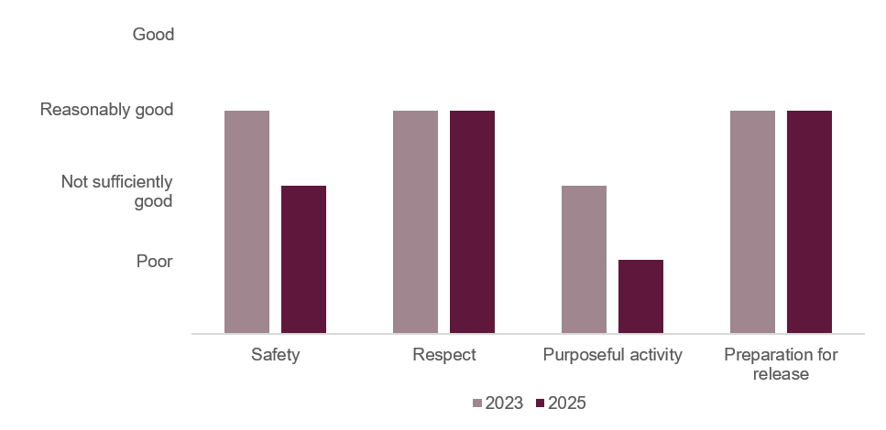
At our last inspection, the rate of violence was too high, Leicester having the highest assault rate among comparable reception prisons.
The positive mandatory drug testing rate was also high at 29%, substance misuse support was not provided promptly and drug strategy meetings lacked effective leadership.
Living conditions remained poor, with overcrowded accommodation, damaged cells and ageing infrastructure.
Long-standing concerns in health care included access to services, medicines management and delays in transferring patients experiencing serious mental health problems to hospital.
Outcomes in purposeful activity had deteriorated significantly; the daily regime was unreliable, prisoners spent too little time out of cell and too many lacked access to challenging and useful education, skills and work opportunities.
What we found during this review visit
Leaders had responded positively to many of our concerns and there was clear evidence of stronger leadership, governance and performance oversight across the prison. Shortly after the inspection, a new Governor took up post and has brought fresh impetus, clearer priorities and greater focus on improvement.
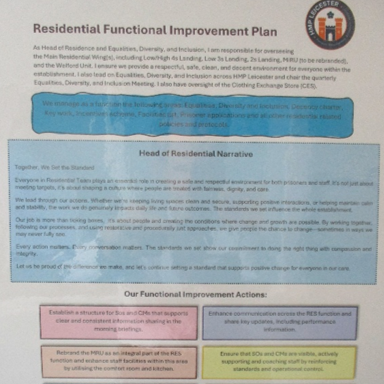
Leaders had invested heavily in staff capability and well-being, and staff spoke positively about the direction of the prison. We found a full complement of prison officers, improved retention rates and a more experienced workforce that had provided greater stability. Functional improvement plans gave managers and staff a clearer framework for driving, monitoring and understanding improvement priorities across the establishment.
Progress was most evident in safety. Violence had reduced overall, largely due to a substantial reduction in assaults on staff. Leaders had strengthened their understanding of risk through improved use of data and had introduced a more proactive approach to managing violence, drug misuse and prisoner vulnerability. Progress in leadership and oversight of substance misuse was particularly encouraging. Multidisciplinary working was much improved, support for prisoners with substance misuse needs had expanded and the positive mandatory drug testing rate (see Glossary) had greatly reduced. Health care partnerships had also strengthened considerably, resulting in improved access to services, better governance and stronger management of long-term health conditions.
Leicester remained a busy reception prison with a transient population and a high turnover of prisoners. Nevertheless, staff could now account for prisoners more reliably, oversight of the regime had improved and more prisoners were engaged in activities. Ofsted found reasonable progress across all four themes it reviewed.
Despite the hard work we saw, progress was not universal. Prisoner-on-prisoner violence remained unchanged and use of force comparatively high. The prison had recently introduced positive initiatives to address these issues, but at the time of our review it was too early to see the full impact of these. Patients still waited too long for transfer to specialist mental health beds, and the ageing infrastructure continued to affect living conditions. Leaders had secured funding for a major refurbishment programme, but the work was not due to commence until later this year. Substantial improvement in accommodation standards depended on the programme being delivered as planned.
Charlie Taylor, HM Chief Inspector of Prisons, August 2026
Section 2: Key findings (Back to top)
At this IRP visit, we followed up eight concerns from our most recent inspection in August 2025 and Ofsted followed up four themes based on their latest inspection.
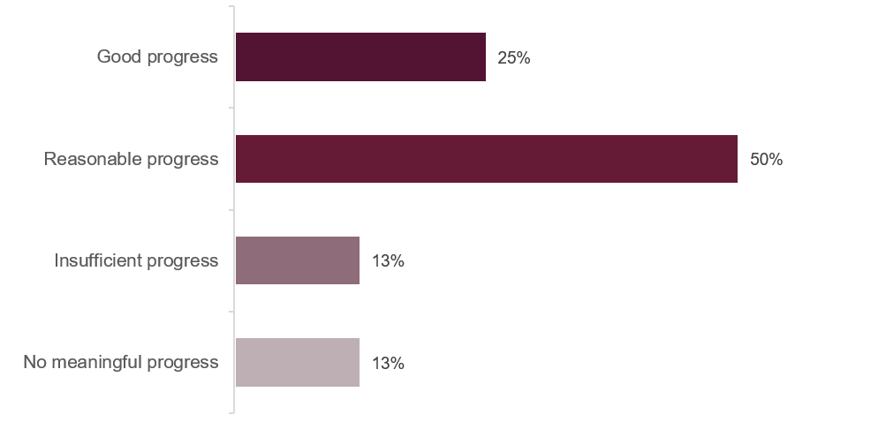
HMI Prisons judged that there was good progress in two concerns, reasonable progress in four concerns, insufficient progress in one concern and no meaningful progress in one concern.
Figure 2: Progress on HMI Prisons concerns from August 2025 inspection (n=8)
This bar chart excludes any concerns that were followed up as part of a theme within Ofsted’s concurrent prison monitoring visit.
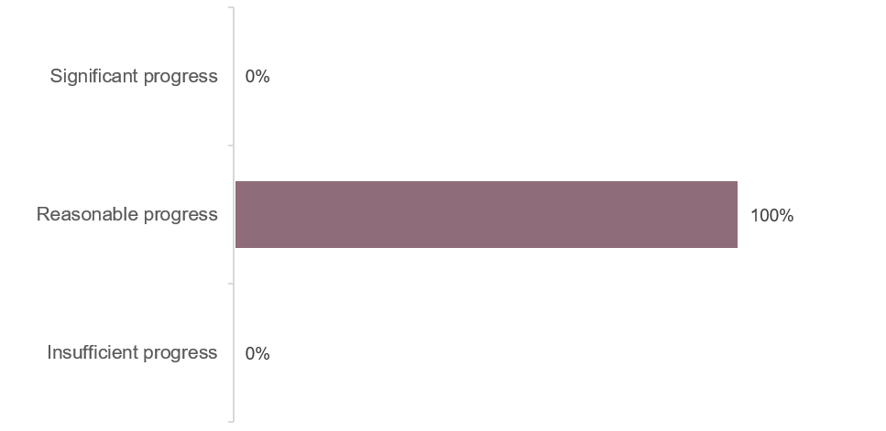
Ofsted judged that there was reasonable progress in all four themes.
Figure 3: Progress on Ofsted themes from August 2025 inspection (n=4).
Notable positive practice
We define notable positive practice as:
Evidence of our expectations being met to deliver particularly good outcomes for prisoners, and/or particularly original or creative approaches to problem-solving.
Inspectors found one examples of notable positive practice during this IRP visit, which other prisons may be able to learn from or replicate. Unless otherwise specified, these examples are not formally evaluated, are a snapshot in time and may not be suitable for other establishments. They show some of the ways our expectations might be met, but are by no means the only way.
| 1. | Daily detailed information sharing between prison and health care teams enabled a joint strategic understanding about emerging problems to be identified quickly and addressed jointly through agreed actions (See Strategy, clinical governance and partnerships) |
Section 3: Progress against our concerns and Ofsted themes (Back to top)
The following provides a brief description of our findings in relation to each concern followed up from the full inspection in 2025.
Promoting positive behaviour
Concern: Violence was too high and the highest among reception prisons.
Overall rates of violence had reduced by 18%. This was driven by a substantial reduction in the rate of assaults on staff, which had halved. However, rates remained high compared to similar prisons and the rate of prisoner-on-prisoner assaults had changed little since the full inspection.
Leaders had taken our concerns about oversight seriously and implemented a range of measures aimed at improving the early identification of risk and preventing violent incidents before they occurred.
There had been a strong focus on building staff capability and confidence. Daily briefings to officers had become more engaging and informative, focusing on risks for the day ahead, while new monthly bulletins better communicated safety priorities. Leaders had also invested in staff development and well-being, helping to create a more confident workforce with a clearer understanding of the prison’s priorities.
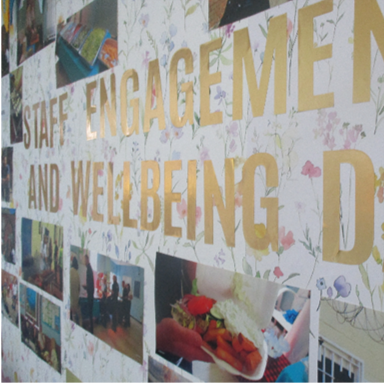
Leaders had developed detailed violence reduction and early days strategies, informed by data and tailored to the prison’s key risks. They had also strengthened their use of data to identify high-risk cohorts, improve oversight of debt and enhance early days risk management. Recent developments had further strengthened the prison’s analytical approach and supported more targeted risk management. However, several of these approaches remained in their infancy and it was too early to assess their impact on outcomes.
While the prison had developed a range of opportunities to engage prisoners, including well-being and enrichment initiatives, there remained insufficient focus on recognising and reinforcing positive behaviour. Most prisoners remained on the standard level of the incentives scheme and staff more frequently recorded poor behaviour than positive conduct.
We considered that the prison had made reasonable progress in this area.
Use of force
Concern: Use of force was too high and considerably higher than similar prisons.
Rates of use of force had reduced by 20%, which was encouraging, but the prison still had one of the highest rates among all reception prisons.
Oversight and governance had improved significantly. There was now scrutiny of all incidents and evidence that leaders, where necessary, took robust action to address inappropriate use of force, including the use of derogatory language during incidents.
Useful quality assurance of prisoner debriefs, and written statements had been introduced, which had led to detailed feedback for individuals and instructors, and had driven up standards.
The use of body-worn video cameras had increased, but too many officers still failed to either collect a camera before beginning duty or use one to record incidents. Leaders were aware of this issue but had not yet taken sufficiently robust action to address it, including by tackling the poor compliance among a small number of staff who repeatedly failed to use cameras.
We considered that the prison had made reasonable progress in this area.
Security
Concern: The positive mandatory drug test (MDT) rate was too high. There were delays in providing substance misuse support for prisoners. Drug strategy meetings were poorly attended by leaders and meetings did not result in actions to address known key issues that impact on substance misuse.
In the last six months, 21% of random drug tests tested positive for illicit substances, compared to 29% in the six months before the last inspection, and the rate was now lower than many similar prisons.
A new drug strategy and lead for this area had revitalised drug strategy meetings, which were now better attended. Productive multidisciplinary discussions at these meetings made good use of intelligence and the expertise of partners, resulting in many appropriate actions to address known and emerging issues with substance misuse.
Leaders had adopted a whole-prison approach to substance misuse and replaced the My Recovery Unit (MRU), which at the inspection was not fulfilling its role in supporting prisoners in recovery.
Leaders had a good understanding of the risks of drug ingress and continued to take proactive steps to address these.
The range of psychosocial interventions for substance misuse had been widened and prisoners could now access substance misuse support services more promptly than before. Rehabilitative adjudications (suspending punishments for prisoners who engaged with the substance misuse service) had also been introduced.
We considered that the prison had made good progress in this area.
Living conditions
Concern: Many cells on the main wing needed refurbishment. Cells frequently had damaged flooring and windows, and fittings were often worn.
Since the inspection, the prison’s capacity had been temporarily reduced, primarily by removing beds from dormitory rooms. However, the number of prisoners (63%) held in overcrowded conditions remained too high.
Despite the reduced capacity, Leicester remained a busy reception prison, with typically 200 new arrivals every month and a similar number of leavers, resulting in frequent changes in cell occupancy.
Although prisoners did not tend to remain in the same cell for long, we saw examples of cells that were clean, tidy and clearly cared for by those living in them.
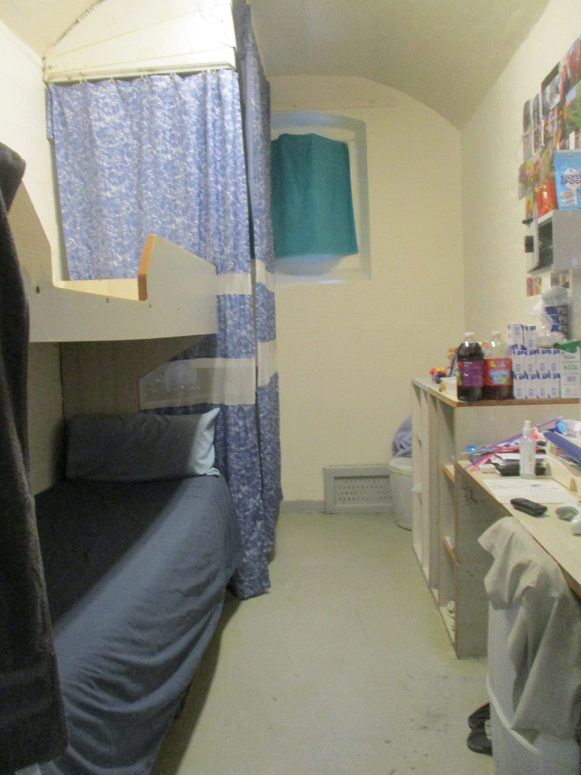
However, many cells remained worn, with damaged furniture and fittings. Leaders informed us that they had secured funding for a long-term renovation programme that included replacing windows and flooring, but this was not due to start until late 2026.
Staff regularly checked the condition of cells and our checks suggested that defects were generally identified and reported to the facilities management team. The appointment of a manager for this team had led to improvements in the completion of minor day-to-day maintenance tasks, particularly repainting cells.
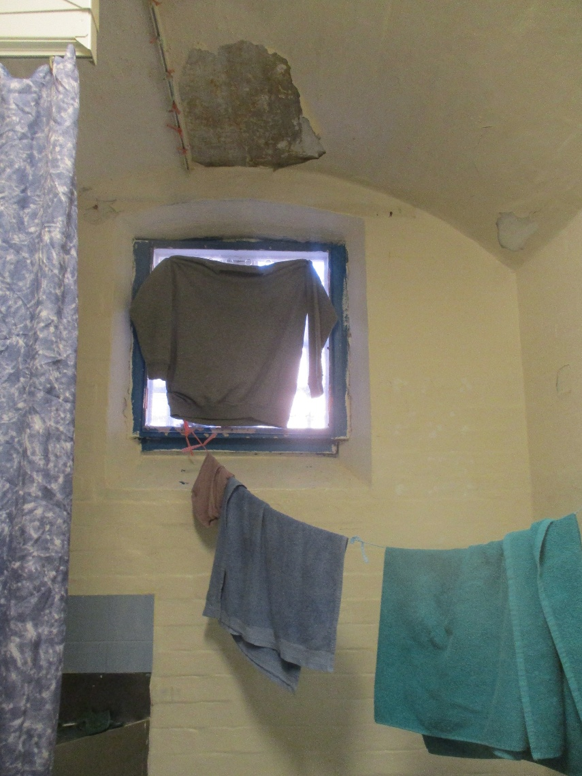
However, some major repairs requiring external contractors, such as replacing flooring, took too long and many cells still had peeling or missing flooring.
Many broken windows had been covered with hard plastic sheets. These had been drilled with ventilation holes but could not be opened, and prisoners told us that temperatures in these cells had been intolerable during hot weather. This was compounded by the fact that most cells had no means of blocking light and heat entering through the windows, and prisoners had resorted to hanging bedding and clothing to provide shade.
We considered that the prison had made insufficient progress in this area.
Strategy, clinical governance and partnerships
Concern: The strategic and local health partnerships had failed to address several long-standing issues, which impacted on patient safety and the delivery of some services. For example, ‘did not attend’ (DNA) rates were high, too few psychosocial substance misuse interventions were delivered, and officer supervision at medication hatches was ineffective.
There was improved multi-agency communication at strategic level and notable daily information sharing between prison and health care teams. This enabled emerging concerns to be identified quickly, reviewed jointly and acted upon. There was now evidence of learning and action plans to drive improvement, which had been absent at the time of the inspection. Whilst not yet complete, the relatively new service managers were developing a comprehensive overview of health activity that should support good governance.
Recruitment of staff to posts vacant at the last inspection had mostly been successful, and enabled service developments such as the physical monitoring of patients taking anti-psychotic medicines and provision of group psychosocial therapies for addictions.
Inclusion provided a wider range of one-to-one and group therapies than at our last visit, with several new psychosocial interventions introduced since September 2025. In-cell workbooks were complemented by a bespoke modular program designed to meet the needs of both short and longer-stay populations. The programme was closely aligned with clinical substance misuse treatment, enabling patients to engage in therapeutic support while receiving treatment for drug and alcohol dependency.
As a result of close working between the prison and its health providers, the aggregated did not attend rate (6.6%) was significantly reduced from 2025 (35-45%), with some clinics evidencing impressive performance; for example, GP clinics (3%) and mental health practitioners (1.8%). There was room to reduce some did not attend rates further, such as the psychiatric clinic (26.9%).
Patients queueing at medication hatches were now properly supervised by prison officers. An effective process was in place so that pharmacy technicians and nurses knew what to do to preserve safety if, during medicines administration, an officer had to withdraw suddenly.
We considered that the prison had made good progress in this area.
Mental health
Concern: Patients waited far too long to be transferred to specialist mental health beds under the Mental Health Act.
Some patients still waited too long to be transferred to hospital under the Mental Health Act. Since the full inspection, four patients had required transfer to secure hospital beds, though only two of these transfers had occurred within the target of 28 days. This was despite an assertive approach to escalating the other two cases for action. However, the situation was better than in 2025 when only three of nine transfers had met the target.
We considered that the prison had made no meaningful progress in this area.
Primary care and inpatient services
Concern: There were no clear systems in place for managing long-term health conditions, and some patients did not have care plans. Some patients experienced delays in receiving medicines because prescribers were not always available or failed to respond to requests to prescribe medications promptly.
Unlike at the time of the inspection, there was now a clear clinical pathway for the management of long-term health conditions. Ten of the 37 patients who required a care plan still did not have one, although appointments had been arranged to complete these.
Quantitative auditing of care plans was now embedded and audits were independently scrutinised by the regional Practice Plus Group (PPG) primary care lead, which was good. Care planning was a developing area of practice.
Following our last inspection, compliance with care planning standards fell below PPG’s own attainment target. However, by July 2026 this had improved and the target was being met.
The national PPG care planning lead had trained some clinicians in auditing the quality of care to enhance personalisation. The care plans we reviewed demonstrated involvement of the individual and included pertinent information. However, not all of them contained review dates.
The Inclusion addictions service had similarly trained personnel in revised approaches to care planning and introduced auditing, in addition to the conventional monthly sample of case notes. Goal setting and attainment plans we observed were mostly personalised and were revisited with the client during support meetings.
There was good access to prescribing services. The three prescribing-related tasks reviewed had been received on the day of inspection and were awaiting action, indicating that the task management system was functioning effectively and helping to ensure timely access to medicines.
Safe arrangements were in place for the continuance of psychiatric medicines post-admission as part of the early days process, enabling patients to be listed to see the psychiatrist for a medicine use review during the period of the prescription. Prescribing for psychiatric conditions was available on Monday and Tuesday, and from GPs and nurse prescribers on other days, so that patients had timely access to medicines. Short-term prescribing by GPs was available to avert psychiatric crises until the psychiatrist was available.
We considered that the prison had made reasonable progress in this area.
Time out of cell
Concern: The daily regime was unreliable, and staff could not always account for prisoners’ whereabouts. Roll checks were often delayed, and prisoners expressed frustration at inconsistent unlock times.
The core day had not changed since the inspection, but there had been an increase in the number of activity spaces and an improvement in attendance (see Ofsted theme 3), which meant more prisoners now spent longer out of their cells.
This was evident from our roll checks where we found just over a fifth of the population (22%) were locked up during the core day, which was lower than at that time of the inspection (30%). The recording of which prisoners had left the wing during movements had also improved.
Each day, leaders reviewed the times that roll checks had been recorded and challenged any delays. Prison data suggested that in the previous few months the regime had usually run to schedule and that delays were often due to operational incidents. However, during our visit we observed several occasions when the reconciliation of the roll after movement was delayed for no good reason, causing frustration for prisoners and staff.
Leaders had introduced Feel Good Friday, a programme of employability, wellbeing and enrichment activities delivered in partnership with employers, community groups and other external organisations. Together with other enrichment events, this provided some prisoners with worthwhile opportunities to develop skills, confidence and work aspirations. However, leaders had not yet linked these opportunities to a broader approach for encouraging and reinforcing positive behaviour across the prison.
Other than the large exercise yard, there was little space on the wing for prisoners to engage in recreational activity; although it was positive that there remained open access to the library from the main wing and most prisoners had the opportunity to visit the well-equipped gym several times a week.
We considered that the prison had made reasonable progress in this area.
Education, skills and work

This part of the report is written by Ofsted inspectors. Ofsted’s thematic approach reflects the monitoring visit methodology used for further education and skills providers. The themes set out the main areas for improvement in the prison’s previous inspection report or progress monitoring visit letter.
Theme 1: What progress had leaders and managers made to set high expectations for prisoners to engage in education, skills and work and develop an ambitious curriculum?
Since the last inspection, leaders had added several new workshops to the curriculum. Workshop instructors focused well on developing prisoners’ practical skills and knowledge. Prisoners’ work had a social impact, which they valued highly. However, there were limited opportunities for prisoners to undertake qualifications to formally accredit their learning.
Changes to the education contract meant that leaders had closed education courses such as art and catering. They had sensibly refocused their offer, given the nature of the prison, to identifying prisoners’ starting points and additional needs, and the teaching of core skills such as mathematics and English. Pass rates in functional English and mathematics for prisoners who completed courses were high.
Teaching staff had redesigned the English for speakers of other languages curriculum, so that it better met the needs of learners in a prison context. Prisoners studied topics which helped them navigate prison life, such as health and well-being.
However, leaders had not ensured that the curriculum included a sufficient focus on digital skills.
Leaders concentrated the rest of their training offer on subjects which provided prisoners with realistic employment opportunities, such as traffic management, catering and construction.
At the time of the IRP, only a very small number of prisoners were not engaged in purposeful activity. Teachers and instructors set suitably high expectations in classrooms and workshops. Prisoners worked diligently and supported their peers.
To encourage better engagement from the prison’s remand and short-stay population, activities staff had introduced short enrichment, skills and employment-focused activities. A substantial number of prisoners, including those on remand, had engaged with these Feel Good Friday events.
To support disengaged or hard-to-reach prisoners into study or work, leaders had recently piloted a bespoke mindfulness programme. This was a success, with all prisoners who attended progressing into further purposeful activity.
Ofsted considered that the prison had made reasonable progress against this theme.
Theme 2: What progress had leaders and managers made in improving their oversight of wing work, so that it benefited prisoners?
Prisoners in wing roles benefited from structured work shifts. They attended team briefings or reviewed rotas, so that they knew what they needed to do and by when. Prisoners in these roles were typically busy. Although they mostly used the correct equipment, wing cleaners did not consistently use wet floor signs.
In most cases, prisoners completed suitable training for their roles. Teachers and instructors structured their sessions clearly, to help prisoners develop the skills and knowledge they needed. For example, those in kitchen and servery roles gradually learned to use new equipment. Staff kept accurate records of the training prisoners had completed and the skills they had developed.
Staff had suitable oversight of the quality of wing work, which was generally completed to expected standards. To increase prisoner motivation, leaders had introduced awards for high-quality wing work, which prisoners appreciated. However, wing staff and instructors did not pay close enough attention to reviewing the progress of the minority of prisoners who spent longer in their roles.
Prisoners working in information, advice and guidance, and induction orderly roles were highly motivated. They valued the positive impact they had on engaging prisoners in education, skills and work.
Although wing workers became better at customer service and mentoring, staff did not record these or other valuable employability skills they developed or set targets to support further development.
Ofsted considered that the prison had made reasonable progress against this theme.
Theme 3: What progress had leaders and managers made to ensure that prisoners’ attendance and punctuality at their activities improved?
Since the previous inspection, leaders had improved the tracking and monitoring of prisoners’ attendance. Leaders had identified that one third of non-attendance was due to prisoners refusing to go to their allocated activity. Although leaders had briefed wing staff about this, prisoners reported that wing staff, many of whom were new to the prison, did not consistently encourage them to attend their activities.
Attendance to core education and workshops had improved notably since the previous inspection. However, leaders rightly recognised that there was more to do to ensure that attendance rates were consistently high. In some cases, attendance figures were affected by prisoners being allocated to two activities at the same time.
Leaders had introduced incentives to reward high attendance, such as special breakfast packs for prisoners with 100% weekly education attendance. Following its success, leaders planned to extend the initiative to other activities.
Leaders had improved considerably prisoners’ punctuality. Almost all prisoners who attended education and workshops were unlocked punctually and arrived at their sessions on time. Teachers and instructors mostly ensured that prisoners commenced their learning and work activities quickly.
Ofsted considered that the prison had made reasonable progress against this theme.
Theme 4: What progress had leaders and managers made to ensure that prisoners with additional learning needs received the support they needed in education, skills and work?
Since the previous inspection, leaders had introduced a more robust system to identify prisoners’ special educational needs and/or disabilities (SEND). Specialists used the ‘support for additional needs’ (SAN) service to record information about prisoners’ SEND and devise support plans for them.
Leaders ensured that staff were suitably trained in supporting prisoners with SEND. Staff accessed training in dyslexia, dyspraxia and sensory processing. In addition, leaders provided education staff with useful support toolkits in classrooms that included resources such as coloured overlays and magnifying strips.
Staff were confident in using support plans to inform teaching strategies and accommodate individual prisoner needs. Teachers provided fidget spinners and structured breaks for those with attention deficit and hyperactivity disorder, which enabled them to remain focused in lessons. Staff reviewed support plans with prisoners to ensure that strategies continued to be useful and refined them when necessary.
Staff working in wider areas of the prison such as chaplaincy and physical education used the SAN service to identify prisoners with SEND, so that they could also support them better. They were also aware of how to signpost prisoners for additional neurodiversity support if they felt that this might be required.
There were no differences in achievement rates for prisoners with SEND and those without.
Leaders did not track closely enough the progress of prisoners with SEND, so they could identify and respond to any trends. For example, they did not know whether prisoners with SEND were more likely than their peers to refuse to attend education or work sessions.
Ofsted considered that the prison had made reasonable progress against this theme.
Section 4: Summary of judgements (Back to top)
A list of the HMI Prisons concerns and Ofsted themes followed up at this visit and the judgements made.
HMI Prisons concerns
Violence was too high and the highest among reception prisons.
Reasonable progress
Use of force was too high and considerably higher than similar prisons.
Reasonable progress
The positive mandatory drug test (MDT) rate was too high. There were delays in providing substance misuse support for prisoners. Drug strategy meetings were poorly attended by leaders and meetings did not result in actions to address known key issues that impact on substance misuse.
Good progress
Many cells on the main wing needed refurbishment. Cells frequently had damaged flooring and windows, and fittings were often worn.
Insufficient progress
The strategic and local health partnerships had failed to address several long-standing issues, which impacted on patient safety and the delivery of some services. For example, ‘did not attend’ (DNA) rates were high, too few psychosocial substance misuse interventions were delivered, and officer supervision at medication hatches was ineffective.
Good progress
Patients waited far too long to be transferred to specialist mental health beds under the Mental Health Act.
No meaningful progress
There were no clear systems in place for managing long-term health conditions, and some patients did not have care plans. Some patients experienced delays in receiving medicines because prescribers were not always available or failed to respond to requests to prescribe medications promptly.
Reasonable progress
The daily regime was unreliable, and staff could not always account for prisoners’ whereabouts. Roll checks were often delayed, and prisoners expressed frustration at inconsistent unlock times.
Reasonable progress
Ofsted themes (Back to top)
Theme 1: What progress had leaders and managers made to set high expectations for prisoners to engage in education, skills and work and develop an ambitious curriculum?
Reasonable progress
Theme 2: What progress had leaders and managers made in improving their oversight of wing work, so that it benefited prisoners?
Reasonable progress
Theme 3: What progress had leaders and managers made to ensure that prisoners’ attendance and punctuality at their activities improved?
Reasonable progress
Theme 4: What progress had leaders and managers made to ensure that prisoners with additional learning needs received the support they needed in education, skills and work?
Reasonable progress
More about this report (Back to top)
This report contains a summary from the Chief Inspector and a brief record of our findings in relation to each concern we have followed up. You may find it helpful to refer to the report of the full inspection for further detail on the original findings (available in Our reports).
Independent reviews of progress (IRPs) are designed to improve accountability to ministers about the progress prisons make in addressing HM Inspectorate of Prisons’ concerns in between inspections. IRPs take place at the discretion of the Chief Inspector when a full inspection suggests the prison would benefit from additional scrutiny and focus on a limited number of the concerns raised at the inspection. IRPs do not therefore result in assessments against our healthy prison tests.
The aims of IRPs are to:
- assess progress against selected priority and key concerns
- support improvement
- identify any emerging difficulties or lack of progress at an early stage
- assess the sufficiency of the leadership and management response to our concerns at the full inspection.
Find out more about priority and key concerns
Inspection team
This independent review of progress was carried out by:
| Martin Lomas Ian Dickens Lindsay Jones David Owens Paul Tarbuck Cat Raycraft Saul Pope Zoe Ibbotson | Deputy Chief Inspector Team leader Inspector Inspector Health and social care inspector Care Quality Commission inspector Lead Ofsted inspector Ofsted inspector |
Further resources (Back to top)
Find out more about the terms and abbreviations used in this report in our glossary.