
HMP High Down
Report on an unannounced inspection of HMP High Down by HM Chief Inspector of Prisons, 1–11 June 2026
Introduction (Back to top)
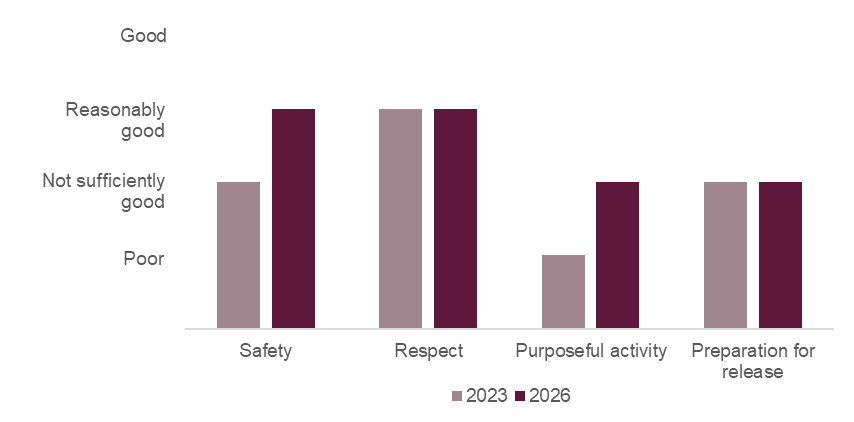
High Down, a large category C prison in South London, held 1,085 men at the time of this inspection. There had been some encouraging progress since our last visit. Our scores in both safety and purposeful activity had improved from not sufficiently good to reasonably good and from poor to not sufficiently good respectively. Our assessments of preparation for release and respect remained unchanged.
Drugs continued to be a major risk to the prison with 19% of random tests coming back positive. However, this was better than at many jails and showed an improvement on our last inspection. Ingress using drones by criminal gangs was common and the prison service had not done enough to make the windows more secure. Leaders had a commendable focus on reducing demand. They were managing their most troubled, addicted prisoners to reduce the risk of death or serious harm, while there was a comprehensive offer for those who wished to embark on recovery.
Elsewhere leaders had developed provision for prisoners with specific needs. The community living unit offered more independence for life-sentenced prisoners and those imprisoned for public protection, while the psychologically informed planned environment supported men with personality disorders.
Some areas of the prison had deteriorated since our last inspection with lavatories, sinks and showers often in a very poor state of repair and some cell equipment such as curtains missing. On the more specialist units, conditions were generally better. There had been a welcome reduction in the number of men sharing cells.
Time out of cell had improved considerably since our last inspection and many men were unlocked for up to 10 hours a day. Those who were unemployed – around 10% of the population – had less than four hours out of their cells and, in our checks, we found a quarter of men behind their doors. The offer for purposeful activity was better with some popular, employment-focused courses run by Railtrack and XO bikes. Standards of teaching had improved, but attendance at education was still poor and the prison needed to continue to focus on making sure a much higher proportion of men attended. Leaders had encouraged staff to develop an impressive range of enrichment activities which encouraged prisoners to come out of their cells and participate.
The offender management unit was understaffed, which meant that support was limited to prisoners approaching a key sentence milestone. This was a major cause of frustration for those who wished to reduce their risk or be recategorised to open prisons. There was a particular bottleneck for those who were required to undertake the building choices programme, the allocations to which were at times chaotic, and there were not enough spaces for the size of the population.
The experienced and effective governor had established a strong leadership team which was driving forward improvement. However, the use of data in some areas was not good enough. This was particularly so in fair treatment and safety, where leaders would benefit from the way in which target setting and monitoring works in the most successful jails.
The staffing situation was generally positive and there had been some good work to improve retention by attending to staff well-being, but many were inexperienced and this was reflected in a failure by some officers to enforce rules consistently.
This was a generally positive inspection and if the current leadership team continue in post there is good reason to expect further improvements. This is dependent on the prison service providing resources for refurbishment and security upgrades. There will also need to be a renewed focus on the provision and staffing of offender management and improving attendance at education.
Charlie Taylor, HM Chief Inspector of Prisons, July 2026
Outcomes for prisoners (Back to top)
We assess outcomes for prisoners against four healthy prison tests: safety, respect, purposeful activity, and preparation for release (see More about this report for more information about the tests). We also include a commentary on leadership in the prison (see Section 1).
At this inspection of HMP High Down, we found that outcomes for prisoners were:
- reasonably good for safety
- reasonably good for respect
- not sufficiently good for purposeful activity
- not sufficiently good for preparation for release.
We last inspected HMP High Down in 2023. Figure 1 shows how outcomes for prisoners have changed since the last inspection.
Figure 1: HMP High Down healthy prison outcomes 2023 and 2026
What needs to improve (Back to top)
During this inspection we identified 15 key concerns, of which seven should be treated as priorities. Priority concerns are those that are most important to improving outcomes for prisoners. They require immediate attention by leaders and managers.
| Priority concerns | |
| 1. | Living conditions on some houseblocks were not good enough. Many cells were dirty, toilets and sinks required deep cleaning, and few cells had curtains. |
| 2. | The availability of illicit substances remained the biggest threat to the stability of the prison. |
| 3. | Too many prisoners were locked up during the core day if they were not participating in activities. Delays and inconsistency in the regime resulted in some being locked up too early and unlocked late. |
| 4. | Prisoners’ attendance at education, skills and work was too low. |
| 5. | Teaching staff did not routinely provide prisoners with recorded feedback on their progress, which limited opportunities to reflect on and build on previous learning. |
| 6. | Offender management unit staffing shortages had a significant impact on outcomes for prisoners. High caseloads led to delays in key processes such as recategorisation and OASYs assessments (see Glossary). |
| 7. | Limited contact with prison offender managers (POMs) caused prisoners considerable frustration. Leaders had taken some steps to mitigate the impact; however, the level and quality of engagement did not adequately support sentence progression and effective case management. |
| Key concerns | |
| 8. | There was very limited consultation with prisoners from different groups. |
| 9. | Leaders did not use data effectively to understand and address the underlying drivers of violence and self-harm. |
| 10. | Teaching staff did not develop prisoners’ understanding of British Values sufficiently well. |
| 11. | The high number of complaints was not analysed sufficiently well by leaders. They did not identify the issues most frequently raised by prisoners or take sufficient action to address them. |
| 12. | Oversight of health care complaints and applications was not adequate and posed risks. Health records also lacked key information, including about psychosocial care, applications, triage decisions and do not attempt resuscitation records. |
| 13. | For at least three years, nursing staff had routinely poured and labelled individual doses of methadone before transporting them to other wings, which was not in line with professional nursing standards. |
| 14. | The library was under-resourced for the size of the prison. The room was too small, seating was limited with some broken furniture, and there were not enough materials to meet population needs. |
| 15. | Progression opportunities remained too limited. Waiting lists for interventions were long and referral processes were often delayed. |
Notable positive practice (Back to top)
We define notable positive practice as evidence of our expectations being met to deliver particularly good outcomes for prisoners, and/or particularly original or creative approaches to problem solving. Inspectors found some examples of notable positive practice during this inspection, which other prisons may be able to learn from or replicate.
Unless otherwise specified, these examples are not formally evaluated, are a snapshot in time and may not be suitable for other establishments. They show some of the ways our expectations might be met, but are by no means the only way.
| 1. | The ‘grey man’ initiative identified those prisoners who had not received written behaviour entries recently and prompted a review to see if they could be uplifted to the enhanced level of the scheme. (See Encouraging positive behaviour) |
| 2. | Nearly all officers had received training in life support, the use of defibrillators and naloxone administration. (See Strategy, clinical governance and partnerships) |
| 3. | The Forward Trust had an additional regional resource which offered interventions such as a counselling and psychology service. (See Support and treatment for prisoners with addictions and those who misuse substances) |
| 4. | A dedicated and well-trained neurodiversity service assessed prisoners within an eight-week timeframe and offered psychoeducational groups to support self-management. (See Mental health) |
| 5. | Pact delivered a comprehensive family support service including practical support for those who wish to reconnect with family members. (See Children and families and contact with the outside world) |
| 6. | There were impressive links with Sutton Council, which had delivered multiple parenting programmes and facilitated ongoing support. (See Children and families and contact with the outside world) |
Section 1: Leadership (Back to top)
Leaders provide the direction, encouragement and resources to enable good outcomes for prisoners.
Leaders had established a clear strategic direction for the prison, with a focus on developing its role as a category C jail, improving safety and strengthening the purposeful activity offer. This reflected a generally good understanding of the key risks and challenges. The self-assessment report was concise and identified most of these issues, although during the inspection we found that leaders’ analysis placed too much emphasis on achievements and did not sufficiently highlight areas for improvement.
There was a clear focus on staff development and building capability, and retention had improved. However, this had not yet translated into consistently effective delivery across key areas. Practice remained variable, particularly in relation to key work, behaviour management and how well staff encouraged prisoners to engage in education, skills and work.
Partnership working was a clear strength. Leaders worked effectively with external agencies, including the local authority, police and third sector partners. The governor had an inclusive leadership style, encouraging staff and partners to contribute to the prison’s work and supporting innovative ideas, such as the development of enrichment activity.
Significant investment in developing middle management had strengthened ownership among custodial managers and senior officers and improved oversight in some areas of day-to-day delivery. However, senior leader visibility across the prison remained inconsistent.
Standards in living conditions were not maintained evenly, with weaknesses in some areas, including access to basic items and day-to-day communication with prisoners.
Leaders had a broad range of data and analytical tools. However, information was not used well enough to identify underlying issues or prioritise action, limiting its contribution to improvement. This was evident in areas such as violence, self-harm and complaints, where data were not analysed effectively to understand underlying causes and inform action.
The response to illicit drugs and other contraband had become more strategic, including a focus on reducing demand and improving treatment. However, ingress remained a significant challenge and continued to undermine the stability of the prison.
Leaders recognised the increasing complexity of the population, including the high proportion of prisoners assessed as posing a risk of serious harm, and had introduced targeted provision to support specific groups. Despite this, pressures within offender management remained, and many prisoners did not receive meaningful support to progress through their sentence, which contributed to more negative perceptions across several areas.
Section 2: Safety (Back to top)
Prisoners, particularly the most vulnerable, are held safely.
Early days in custody
Expected outcomes: Prisoners transferring to and from the prison are safe and treated decently. On arrival prisoners are safe and treated with respect. Risks are identified and addressed at reception. Prisoners are supported on their first night. Induction is comprehensive.
| Data provided by the prison | |
| Number of newly arriving prisoners in the previous 12 months | 1,235 |
Reception was busy, with around 24 new prisoners arriving each week. The reception facility was large, and the main areas were bright and clean. Some holding rooms were in poor condition and there was not enough information about life in the prison.
Although prisoners responding to our survey were more negative about aspects of their reception experience than at similar prisons, we saw that new arrivals were processed efficiently by respectful, friendly and welcoming staff. It was positive that x-ray body scanners were used, reducing the need for more intrusive searching while still managing risk. All new arrivals were interviewed in private and a well-used first night shop allowed them to purchase essential items, helping to reduce the risk of early debt.
Most new prisoners were received on the induction landing on houseblock 3, apart from prisoners convicted of sexual offences (PCoSO) who went to houseblock 2. Prisoners were not always offered the opportunity to make a phone call before they were locked up on their first night. Not all cells on the induction unit were in good condition; some lacked items such as functioning kettles and curtains, and many required repainting.
Prisoners received an induction covering most aspects of prison life on the working day after their arrival. There was a separate induction for prisoners convicted of sexual offences. Inductions were delivered mainly by peer workers, supported by staff where needed. Most prisoners we spoke to said the induction covered what they needed to know. An activities induction took place separately but was sometimes delayed for more than a week after arrival.
Although prisoners were expected to leave the induction unit after three days, many remained there for a week or longer. This, combined with delays in accessing the activities induction, meant that prisoners did not have timely access to a full regime.
Promoting positive behaviour
Expected outcomes: Prisoners live in a safe, well ordered and motivational environment where their positive behaviour is promoted and rewarded. Unacceptable conduct is dealt with in an objective, fair, proportionate and consistent manner.
Encouraging positive behaviour
| HMIP prisoner survey | Yes | Compared with similar prisons |
| Have you ever felt unsafe here? | 56% | Higher |
| Do you feel unsafe now? | 31% | Higher |
The prison felt calm and well ordered, but too many prisoners reported feeling unsafe, with some citing a fear of bullying or violence linked to drugs or gang-related issues.
Five prisoners were self-isolating out of fear, which was fewer than at the last inspection. Although there was evidence of support to help them reintegrate, they often spent as little as 30 minutes out of their cell each day.
Overall rates of reported violence had decreased by 14% since the last inspection and were in line with similar category C prisons. Few incidents resulted in serious injury.
Serious incidents were routinely referred to the police or the independent adjudicator, often resulting in additional days being added to sentences. Adjudications for less serious rule breaches were managed reasonably well, although there was limited use of supportive or rehabilitative adjudications, particularly for prisoners with drug problems.
There remained a focus on early intervention to prevent violence, including some targeted work with younger prisoners (see Fair treatment and inclusion) to support their transition from the youth estate.
A small number of prisoners with the most complex needs received good, multidisciplinary support to address their behaviour.
Leaders gathered a wide range of data but did not use it effectively to understand the drivers of violence or identify priorities for reduction. Similarly, while investigations into incidents sometimes led to actions to support individuals, the learning was not used to inform wider action planning or strategic discussions.
Specialist units such as the PIPE (see Glossary) and community living unit provided a positive and motivating environment for the prisoners who lived on them. However, for most prisoners, there were too few effective incentives and these were often outweighed by frustration at limited progression opportunities (see Opportunities for prisoners to progress).
| HMIP prisoner survey | Yes | Compared with similar prisons |
| Are there opportunities and rewards to motivate people in this prison? | 13% | Lower |
Wing staff were not sufficiently proactive in upholding standards or recognising positive behaviour. Low-level rule breaking, such as vaping in communal areas, was rarely challenged and nearly two-thirds of prisoners had not received any written behaviour entries (positive or negative) in the past 28 days. This undermined efforts to promote positive behaviour and deter the use of illicit drugs and the associated debt and violence.
Leaders had begun to improve the formal incentives scheme. They also had plans to increase opportunities for those on the enhanced level and strengthen oversight of the reviews process. The ‘grey man’ initiative was a positive development, identifying prisoners who had not received recent behaviour entries and prompting a review of their engagement in the regime and suitability for progression without the need for an application.
Use of force
The use of force had increased by 43% since the last inspection, although only around a quarter of incidents involved full control and restraint. The increase was largely driven by greater use of handcuffs to prevent escalation of violence when escorting prisoners across the site.
PAVA (see Glossary) had been used in five incidents involving nine prisoners, and batons had been used once. Footage we reviewed showed that these uses were justified and proportionate to the risks posed.
Staff routinely used body-worn video cameras to record incidents and footage we reviewed showed some good examples of control and effective de-escalation.
Scrutiny was detailed and more constructive than we usually see; however, governance was not always effective in identifying patterns or addressing disproportionate outcomes for some groups.
Special accommodation had been used eight times in the previous year; in four cases prisoners were located in the designated cell in the segregation unit and in the other four cases items had been removed from a prisoner’s cell to create special accommodation conditions. Authorisation was not always clearly evidenced in the paperwork, although stays were generally short and, in most cases, there was sufficient justification recorded.
Segregation
| Data provided by the prison | |
| Total number of uses of segregation in the 12 months prior to this inspection | 507 |
| Number of individual prisoners in segregation in the 12 months prior to this inspection | 379 |
| Number of stays in segregation longer than four weeks | 54 |
The segregation unit remained busy, although its use had reduced slightly since the last inspection, in line with reduced levels of violence and disorder.
Most stays were short, with two-thirds of prisoners returning to normal residential units within a week. A new manager had started to improve reintegration planning, which had helped to reduce the length of stays in recent months.
However, as at the last inspection, some prisoners continued to spend prolonged periods segregated. Many were either awaiting transfer to another prison or a secure hospital, or simply refusing to return to the wings, which was often due to their perceived lack of progression at the prison. (See also Mental health)
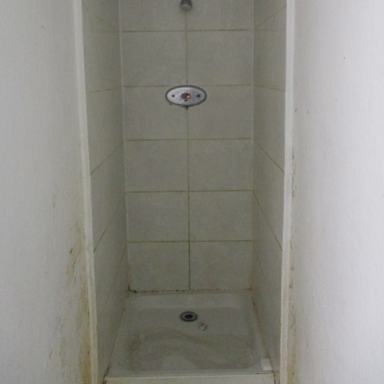
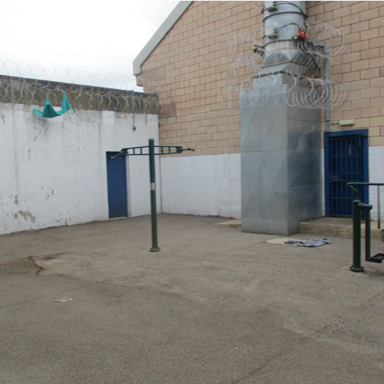
Cells were generally clean, but some required redecoration. The communal showers were dirty. The removal of netting had brightened one of the exercise yards but both remained littered with debris and fabric.
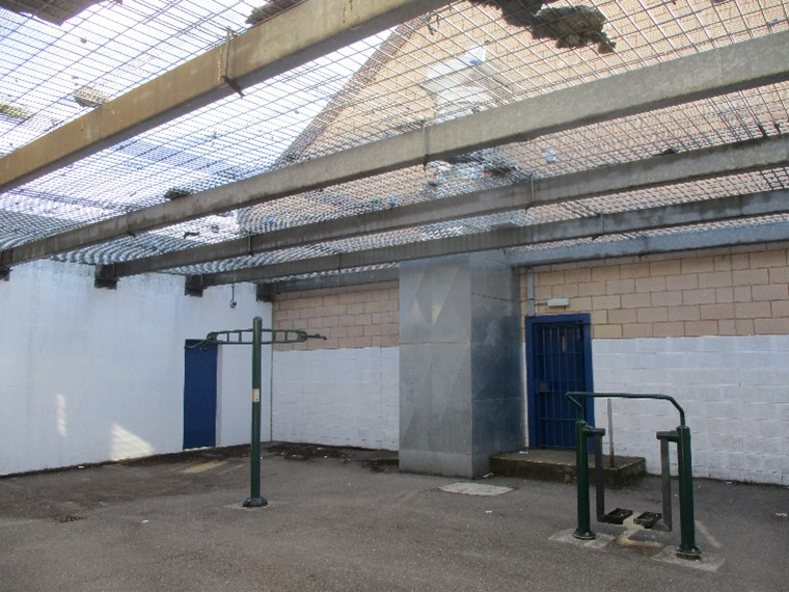
Segregated prisoners received a poor regime, spending around one hour a day out of their cells.
Security
Expected outcomes: Security and good order are maintained through an attention to physical and procedural matters, including effective security intelligence and positive staff-prisoner relationships. Prisoners are safe from exposure to substance misuse and effective drug supply reduction measures are in place.
Security arrangements were generally proportionate to the type of prison and the risks it faced. Some gated areas and the need for vulnerable prisoners to use separate movement routes or move at different times contributed to perceptions that it did not feel like a category C prison. However, we found these arrangements were proportionate to the risks identified, including gang-related violence and illicit items, and were intended to keep vulnerable prisoners safe. We noted that leaders responded dynamically to current threats and increased or reduced security measures as needed.
Drugs and illicit items remained the primary threat to stability, although the prison’s response to both supply and demand had become more robust.
The rate of positive random drug tests had decreased from 31% before the last inspection to 19% at this inspection. A dedicated lead and manager now oversaw a comprehensive drug strategy and a well-embedded drug testing programme, which included a much wider use of suspicion and frequent testing than we typically see. In addition, gate security had been strengthened, alongside improvements to the layout and movement through the area, supported by procedures to reduce the ingress of illicit items.
Some windows remained vulnerable to drone ingress. Existing window cages had helped to reduce this risk, but some were damaged, and shortcomings in the protection provided by windows, grilles and netting continued to undermine efforts to prevent the ingress of illicit items.
The security department was now better staffed and security information was analysed promptly. This enabled swift action to be taken, such as targeted cell searches, which had resulted in the identification and removal of several illicit items.
There was effective partnership working with the police and His Majesty’s Prison and Probation Service (HMPPS) to address the supply of drugs, including activity linked to organised crime.
Safeguarding
Expected outcomes: The prison provides a safe environment which reduces the risk of self-harm and suicide. Prisoners at risk of self-harm or suicide are identified and given appropriate care and support. All vulnerable adults are identified, protected from harm and neglect and receive effective care and support.
Suicide and self-harm prevention
There had been no self‑inflicted deaths in the prison since the last inspection, although one death had occurred in 2023 shortly after a prisoner had been released. Prisons and Probation Ombudsman recommendations were actioned and their implementation status tracked.
The rate of self-harm remained below that typically seen in similar prisons and was 22% lower than at the last inspection. It had also decreased slightly during the previous year. Incidents of serious self-harm were investigated; while some investigations were thorough and led to changes in practice, others were perfunctory.
Prisoners in crisis received reasonable care. The quality of ACCT (see Glossary) documentation had improved and most prisoners we spoke to who had been placed on an ACCT said they felt cared for. Constant supervision had been used often, although most instances were for brief periods, and there was good oversight in place. The work of Listeners was well facilitated, although Listener suites on some houseblocks required refurbishment.
The safety team collated a wide range of data but did not use it effectively to understand and respond to the drivers of self‑harm.
Protection of adults at risk
Arrangements for safeguarding adults at risk were good. There was a clear safeguarding policy and referral system in place and staff had a better understanding of signs of risk and their safeguarding obligations than we usually see.
Links with the local adult safeguarding board were good and the prison attended relevant meetings, including a quarterly forum with other local establishments, to discuss shared safeguarding issues.
Section 3: Respect (Back to top)
Prisoners are treated with respect for their human dignity.
Staff/prisoner relationships
Expected outcomes: Prisoners are treated with respect by staff throughout their time in custody and are encouraged to take responsibility for their own actions and decisions.
In our survey, prisoners were more negative about aspects of their relationships with staff than we have seen in similar prisons. However, during the inspection we observed generally positive interactions and staff were often able to de-escalate potentially volatile situations. Although low-level rule breaking was not always challenged (see Encouraging positive behaviour), the best relationships were observed on specialist units, where staff knew prisoners well.
Peer work was well embedded and peer workers played an important role across many aspects of prison life. They were easily identifiable and were approachable and supportive.
The quantity and quality of key work varied. While some casework entries demonstrated well‑established relationships with regular contact and support, too many reflected infrequent and superficial interactions. In a number of cases, entries relied on templated content with little personalisation and included inaccurate information about prisoners, indicating that they had been copied and pasted.
Daily life
Expected outcomes: Prisoners live in a clean and decent environment and are aware of the rules and routines of the prison. They are provided with essential basic services, are consulted regularly and can apply for additional services and assistance. The complaints and redress processes are efficient and fair.
Living conditions
Communal areas on houseblocks were clean and all had recreational facilities such as pool tables and board games, with a few also having table tennis. Most had a range of indoor exercise equipment and a few had a small stock of books. Houseblocks for long-term prisoners had indoor plants and fish tanks that brightened the communal areas. In our survey, more prisoners than in similar prisons said that where they lived was not quiet enough to relax in either during the day or at night, which contributed to a perception of poorer living environment. During our visit music was playing loudly in some cells, even when no one was occupying them.
Many cells on main location houseblocks were dirty, with particularly filthy, unhygienic toilets and sinks. Few windows had curtains and prisoners used sheets or towels to screen the light. We were told by prisoners that necessities, such as toilet rolls, often ran out. By contrast, prisoners on specialist houseblocks took greater pride in their environment, and cells and communal areas were clean and well kept.
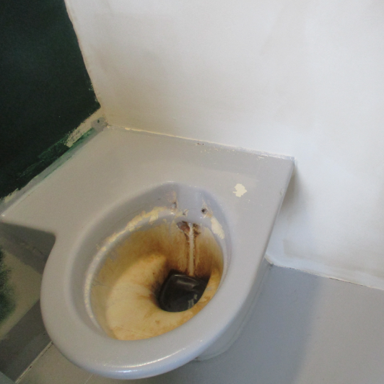
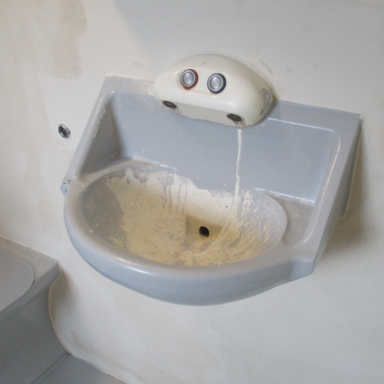
At the time of inspection, 183 cells designed for one person were occupied by two prisoners. These cells were cramped, with insufficient storage areas and privacy.
Many showers were in a poor state of repair and several lacked screens, which meant they did not afford prisoners sufficient privacy when showering. Most were grimy and in need of deep cleaning and some flooring was damaged. Most had one shower cubicle with a seat for prisoners who needed to sit when showering.
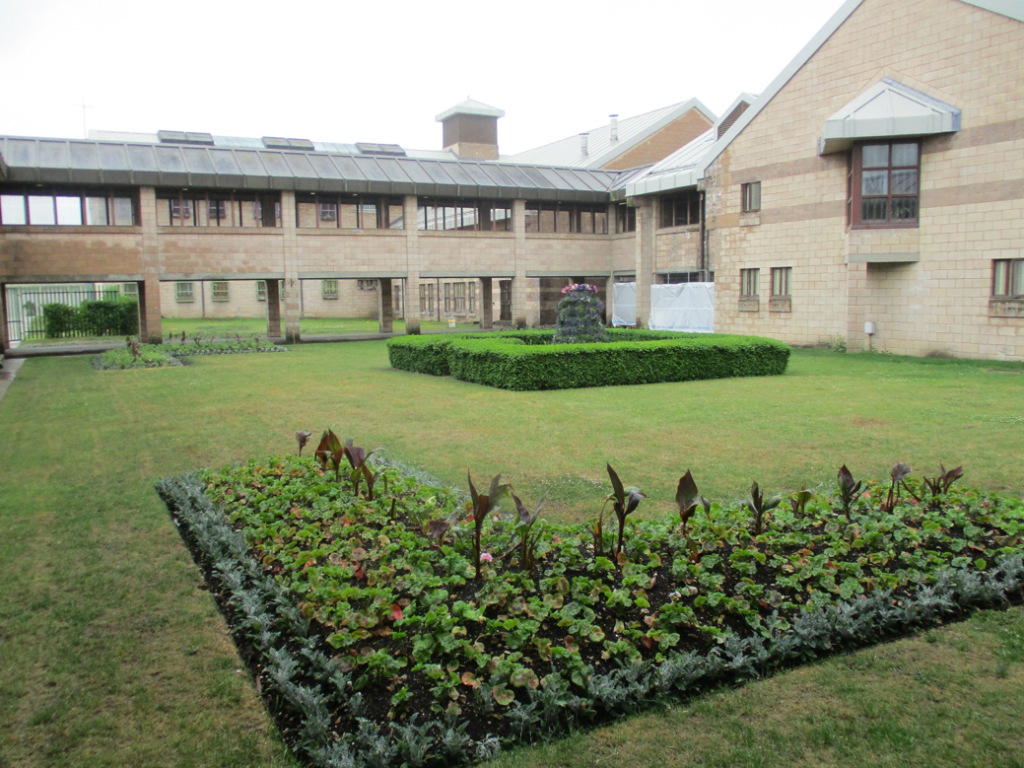
Exercise yards had seating and cardiovascular exercise equipment which was well used. There was litter on the exercise yards of some houseblocks. Other outside areas were well maintained with attractive gardens and murals on walls.
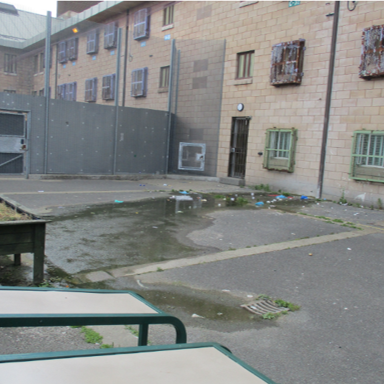

Prisoners could wear their own clothes and, if needed, had access to prison clothing. However, prisoners were not routinely allowed to have clothing parcels sent into the prison, which caused frustration.
Residential services
Serveries were mostly clean and workers wore appropriate personal protective equipment, such as hairnets and gloves, although beard nets were not available. Utensils for serving halal food were sometimes missing or mixed with those for non-halal food. Some sinks were broken or blocked. We saw a reasonable quality and quantity of food being served and special diets were catered for. On some units evening meals were served too early.
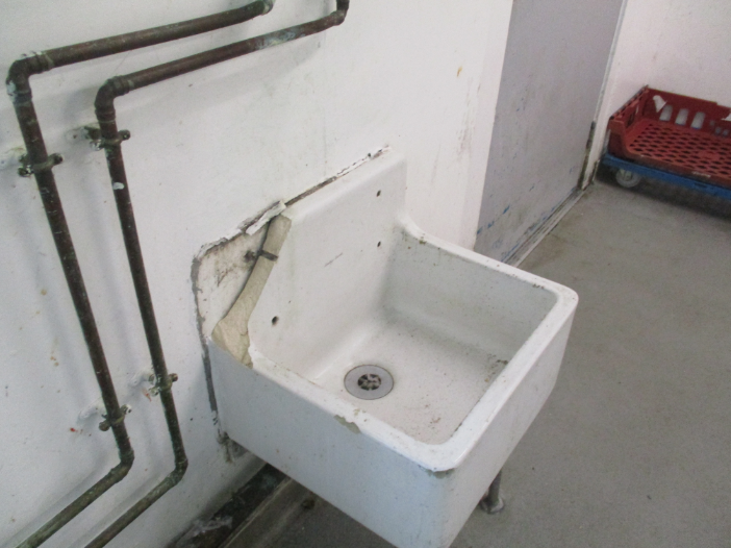
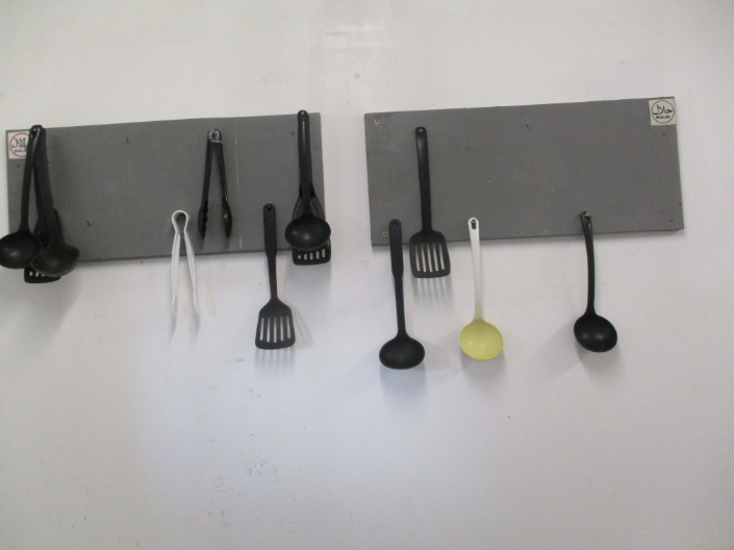
Staff did not always supervise servery workers sufficiently. For example, we saw workers vaping unchallenged.
Facilities for prisoners to cook their own food varied between houseblocks. One unit had only one microwave for around 80 prisoners, while others were reasonably equipped with microwaves, air fryers, toasters and fridges.
Prisoner consultation, applications and redress
The prison had a well-established, prisoner-led forum chaired by the deputy residential governor. Men helped to set a focused agenda and actions were reviewed at subsequent meetings. However, progress was often slow, and many issues remained unresolved from month to month. Prisoners reported frustration with day-to-day communication.
Prisoners’ applications were not handled efficiently, and many said they had to submit requests more than once before receiving a response.
Prisoners found it easy to make a complaint and most received a prompt response. However, in our survey, 44% of those who wanted or needed to make a complaint said they had been prevented from doing so. There was no system for resolving issues informally and prisoners told us they would have preferred to raise concerns through an enquiry first, rather than submitting a formal complaint. The prison planned to introduce this.
Senior leaders quality assured complaint responses and took appropriate action where required. However, High Down had the highest number of complaints among similar prisons and these were not analysed sufficiently to understand the underlying causes or identify further action to address recurring issues.
Legal visits could be booked fortnightly and the facilities were good, with video-link rooms and dedicated space for probation and parole meetings. However, communication about appointments was not always effective. Some prisoners were informed only on the morning of their visit, while others missed appointments because information had not been passed on when they were attending work or education.
Fair treatment and inclusion
Expected outcomes: There is a clear approach to promoting equality of opportunity, eliminating unlawful discrimination and fostering good relationships. The distinct needs of prisoners with particular protected characteristics (see Glossary) or those who may be at risk of discrimination or unequal treatment, are recognised and addressed. Prisoners are able to practise their religion. The chaplaincy plays a full part in prison life and contributes to prisoners’ overall care, support and rehabilitation.
There was particularly good work with young prisoners (aged 18 to 25) in response to their disproportionate involvement in violence. A well-attended monthly young adults committee ensured that there was effective coordination between functions and there was good consultation with the young prisoners themselves about the development of a range of activities that they could participate in.
Individualised support for transgender prisoners was provided by the equality and diversity team and there was a good stock of clothes and other items to meet their needs.
Provision for other groups was more varied. Personal emergency evacuation plans (PEEPs) were in place for prisoners where needed and were well administered, though there was an absence of quick to reference information about specific needs that would be essential in an emergency.
Lifts were not installed on all houseblocks, including houseblocks 1 and 2 where many of the prisoners with mobility issues were located. The lift on houseblock 5 was prone to break down. This meant that many of these prisoners could not easily access services and activities.
A long-term vacancy in the neurodiversity manager post had limited the prison’s ability to develop and coordinate support for neurodiverse prisoners.
There was very limited support for foreign national prisoners and there was an absence of clear responsibility for ensuring their needs were met.
Internal quality assurance of complaints about discrimination had only recently resumed and lacked external input. Some complaints had been incorrectly screened out at an early stage.
Equality data were analysed, but identified disproportionalities were not always followed up sufficiently. Specific consultation with most groups of prisoners was very limited, reducing leaders’ understanding of their needs.
Faith and religion
The chaplaincy was well staffed and there was a good range of religious services and meetings, and most prisoners had access to a chaplain of their faith. The chaplaincy was very well-integrated across the prison and provided an important source of support to prisoners, including those in crisis. There was particularly good work to support prisoners with anticipated and actual bereavement.
Health, well-being and social care
Expected outcomes: Patients are cared for by services that assess and meet their health, social care and substance use needs and promote continuity of care on release. The standard of provision is similar to that which patients could expect to receive elsewhere in the community.
The inspection of health services was jointly undertaken by the Care Quality Commission (CQC) and HM Inspectorate of Prisons under a memorandum of understanding agreement between the agencies. The CQC found breaches of regulations and issued requests for action plans following the inspection (See Care Quality Commission Action Plan).
Strategy, clinical governance and partnerships
The Central and North West London NHS Foundation Trust (CNWL) provided effective leadership and worked well with prison partners. However, efforts to reduce the high number of missed appointments had been ineffective, with 41% missed in the previous six months, a concern we also identified at the last inspection.
A proactive approach to quality improvement, learning and patient consultation was evident, but this was undermined by poor oversight of complaints and applications. Some complaints had no recorded response and the absence of application tracking reduced accountability.
Staffing levels were acceptable. Supervision, training and appraisal compliance were good.
SystmOne (the electronic clinical record) included standard templates for recording care and individual entries were acceptable. However, despite having access to 11 clinical monitors, The Forward Trust used paper records for psychosocial care.
Emergency equipment was maintained appropriately and staff training in emergency response, including the use of naloxone, was good. However, the lack of clinical rooms on residential units meant that emergency assessments were often undertaken in administration areas, which delayed care.
Promoting health and well-being
A health care navigator supported health promotion by providing patients with information and signposting from arrival through to release. Patient representatives attended regular forums and contributed to feedback on services. Patients could access NHS health checks, screening, vaccinations and blood-borne virus testing and there was improved follow up for those who declined.
Sexual health services had recently been reviewed and staff had received training. Patients could access services confidentially, but records were not held on a standalone confidential system, which posed a risk.
Primary care and inpatient services
Primary care services were generally well organised. All new arrivals received timely initial and secondary health screening to identify health care needs with onward referrals where necessary.
Patients were complimentary about caring staff; however, many reported waiting too long for an appointment and were frustrated by the lack of acknowledgement that an appointment had been requested. Health care applications were made on paper and were assessed for urgency by a nurse. However, clinical records did not routinely document that triage had taken place or the decisions that had been made. Records also lacked some key information, including do not attempt resuscitation documentation, which reduced oversight and increased the risk of poor communication between staff.
The health provider reported waiting times of four to six weeks for a routine GP appointment. However, actual waiting times could not be verified because of the high number of rebooked appointments and the absence of audit data. Urgent needs were seen on the same day and nurse appointments were generally provided promptly.
Patients with long-term conditions were well managed, with regular reviews, care plans and good clinic attendance.
Administrative systems worked well. Referrals, correspondence and tasks were managed efficiently. External hospital appointments were generally well managed, despite challenges from a high number of emergency escorts and pressures on officer escort availability.
Staff relationships were positive and multidisciplinary working was effective. Staff were patient-focused and committed to improving services, despite some environmental challenges.
Social care
There was a signed memorandum of understanding between the prison and Surrey County Council (SCC). A robust referral process resulted in appropriate assessments, with personalised care plans delivered by the SCC support recovery team (SRT). The SRT was well trained, had regular supervision and delivered a responsive service that was highly valued by those receiving care.
SCC reported that 11 men were in receipt of care packages. However, support plans were not consistently held within the prison and no one had full oversight of those receiving social care or support from peer workers. This presented potential risks when men were transferred to hospital or other establishments.
There were 13 trained peer workers supported by SCC but they did not have written plans to guide their work, creating a risk that support might be delivered without a clear assessment of need.
An occupational therapist undertook prompt assessments for equipment and reasonable adjustments, with equipment delivered directly to the prison.
Mental health
Mental health services were providing good quality care and a good range of interventions. Although only 22% of respondents with mental health problems said it was easy to see a mental health worker, more respondents than in our last inspection said their mental health had improved since arriving at the prison.
Weekly multidisciplinary, complex case and pain management meetings were in place. The team operated a model ranging from self-directed care through to psychological complex case management. Initial assessment, psychological interventions, psychiatry appointments and reviews of prisoners on an ACCT were prompt. Urgent cases were prioritised.
Clinical records included planned care and risk management and demonstrated meaningful contact with patients. Pre-release support was in place.
Although the data management for transfers was not always accurately shared, we found in the previous 12 months eight patients had needed a transfer to hospital for treatment under the Mental Health Act. Only one had been transferred within 28 days, with the longest wait being 110 days. Some patients waiting for transfer were still being held in the segregation unit, which was not appropriate.
In our survey, 49% of respondents described themselves as neurodivergent. The pathway for assessment and diagnosis was very prompt at eight weeks. Psychoeducational groups had also been added to the offer to support autism and ADHD self-management.
Support and treatment for prisoners with addictions and those who misuse substances
Substance misuse services (SMS) were well integrated within the drug strategy. Specialised wings had been established to reduce drug-related deaths, support recovery and manage prisoners under the influence.
The non-medical prescriber vacancy and the gaps in complex addiction case management had been mitigated using agency staff and interim arrangements by The Forward Trust.
All SMS patients were seen on arrival and again on day five to provide harm minimisation advice and encourage engagement with available services. The range of opioid substitution treatment was in line with national standards.
Joint 13-week reviews were embedded for those on clinical treatment. However, some patients reported receiving consultations at cell doors which was not in line with patient confidentiality and restricted effective care.
The psychosocial offer was a significant strength and reflected a well-developed and responsive service. In addition to a wide range of structured and unstructured interventions, we saw a regional offer of programmes and interventions which included psychologists and counsellors. This included the Bridge and Stepping Stones programmes and the new Mind, Body and Soul pilot, developed jointly with the mental health team, which had received positive early feedback.
Peer-led initiatives, including groupwork, contributed positively to recovery support, and narcotics and alcohol groups were available.
The assertive outreach worker role was effective, ensuring that new arrivals, those due for release and individuals presenting under the influence were seen promptly.
A PIPE was in place in the old health care unit. The unit was supported by a well‑established staff group, which contributed to a stable and constructive environment.
Living conditions on the PIPE were good with a sensory room, private garden/exercise area and a kitchen for prisoners to use. One prisoner told us he had been successful in his parole application after many years and a second told us that he was now in an environment where he could put their years of therapy into practice. A third prisoner said:
“These guys have saved my life in a way. All our lives we have been told we are worthless. These guys give us praise when we do well, praise goes a long way.”
Medicines optimisation and pharmacy services
CNWL provided suitable access to a wide range of medicines dispensed in a safe and timely fashion. Administration was carried out safely and missed doses were followed up. In-possession risk assessments and medicine reconciliation were completed within designated timescales.
Clinical screening was carried out by a pharmacist. Medicines’ uses were reported on but did not include all tradable prescriptions.
The pharmacist was well integrated into patient care plans such as pain clinics, complex case and medicines reviews.
The provider also dispensed controlled drugs as stock to The Forward Trust for opiate substitution. For at least three years, they had routinely used nurses to re-pour and label individual doses of methadone before transporting them to wings, which was not in line with professional nursing standards. All other opiate substitution medicines were administered from stock, rather than named patient boxes, which carried risks.
Dental services and oral health
A knowledgeable and confident dental team provided a full range of dental services. However, patients reported long waits for appointments; an average of around 12 weeks for routine care and 13 weeks for treatment or follow-up. Clinics were affected by patient non-attendance, although staff were working to improve access.
Appropriate arrangements were in place for urgent cases, including timely treatment and clinical triage by primary care when a dentist was not on site.
Dental records were detailed and demonstrated appropriate assessment, treatment and oral health advice.
Treatment and decontamination areas were clean, with equipment appropriately serviced and maintained.
Section 4: Purposeful activity (Back to top)
Prisoners are able and expected to engage in activity that is likely to benefit them.
Time out of cell
Expected outcomes: All prisoners have sufficient time out of cell (see Glossary) and are encouraged to engage in recreational and social activities which support their well-being and promote effective rehabilitation.
Prisoners who were on an enhanced regime or in full-time work could spend up to 10.5 hours out of their cell each day. Unemployed prisoners had significantly less time out of cell, averaging around 3.5 hours, although some had occasional access to other activities.
In our roll checks, nearly a quarter of the population were locked up during the working day, which was too high for this type of prison. In some areas, the regime was not delivered consistently, resulting in prisoners being locked up as early as 4.30pm and, in a small number of instances, not unlocked until 11am the following day.
Prisoners were able to access exercise in the open air for at least one hour each day.
The enrichment hub provided a welcoming environment and offered a range of targeted activities for groups such as long-term prisoners, care leavers and young adults. Activities were popular and well attended. A planned programme of enrichment was also delivered on houseblocks to the wider population on alternate Fridays.
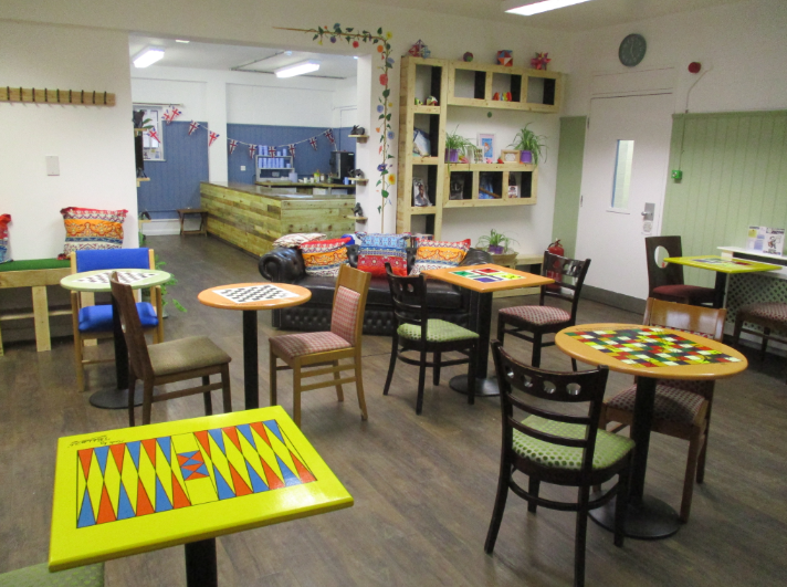
The library was too small for the size of the prison, with limited seating and some broken furniture. It offered appropriate legal texts but did not provide computers for research. In our survey, more men than at similar prisons said it did not have enough materials. Prisoners could access the library weekly and education classes had regular timetabled use.
Gym provision was strong, with good indoor facilities and a full-size outdoor AstroTurf football pitch. Equipment was well maintained and prisoners could access the gym at least twice a week, which was an improvement on the last inspection. Some prisoners were able to gain accredited qualifications. Specialist classes delivered by external organisations added variety and strengthened the overall offer.
Education, skills and work activities

Ofsted inspects the provision of education, skills and work in custodial establishments in England. The following summary has been provided by Ofsted inspectors who attended this inspection. Their full report is published under ‘Survey materials and Ofsted full report‘.
Ofsted made the following assessments about the education, skills and work provision:
- Overall effectiveness: requires improvement
- Quality of education: requires improvement
- Behaviour and attitudes: requires improvement
- Personal development: requires improvement
- Leadership and management: requires improvement
Leaders and managers were passionate about providing prisoners with the education and skills needed to secure sustained employment upon release.
Leaders and managers had created a curriculum offer based on five pathways that met the needs of the prison population.
The vast majority of prisoners who completed their courses achieved their qualifications.
Staff helped prisoners develop skills such as becoming a competent barista, as well as being able to repair barista machines. Those on the construction pathway developed a range of practical skills such as brickwork, plastering, painting and decorating.
Leaders and managers had ensured that there were a sufficient number of activity spaces for prisoners on either a full- or part-time basis. Most prisoners were appropriately allocated to activities. However, unnecessary delays to allocations caused frustration among prisoners.
Staff did not always ensure that prisoners attended education, skills and work activities. Too many prisoners were not unlocked and staff on the residential units did not challenge prisoners who were scheduled to attend activities but refused to go. Leaders and managers had taken actions which were starting to improve attendance, but at the time of the inspection, it was still not good enough.
Leaders and managers from the prison and the prison education service provider, People Plus, worked effectively together.
Staff carefully planned and taught lessons that actively involved prisoners. Most tutors provided prisoners with sufficient time to discuss topics and practise new concepts individually and in small groups. In better lessons, tutors used questioning and assessments effectively to check what prisoners knew and to build on their knowledge. However, this was not consistently done across all lessons.
Tutors provided prisoners with verbal feedback, but they did not routinely record their feedback anywhere. This meant that prisoners had no record to refer to, limiting the improvements they could potentially make.
The majority of prisoners arrived at activities punctually and ready to learn.
Staff in education, skills and work effectively supported prisoners with learning difficulties and disabilities. Most staff knew which prisoners needed support and which strategies would be most effective in supporting prisoners. Prisoners valued the support they received in activities.
Leaders and managers had proactively promoted reading for pleasure amongst prisoners. Staff had received support from the National Literacy Trust, which helped them become more confident in encouraging prisoners to read.
Prisoners in the needlework class produced work to an exceptional standard. Prisoners found the needlework therapeutic and supported their mental health.
Leaders ensured that all prisoners had received appropriate careers information, advice and guidance. Prisoners approaching their release date were supported to gain the necessary identification documents, as well as to gain employment. Prisoners who had completed the Railtrack course were particularly successful in gaining employment on release.
Staff had not identified with prisoners the employability skills they needed to develop. This meant that prisoners were not encouraged to identify and record the skills they had developed in prison work.
Prisoners were polite, courteous and respectful to staff and their peers in education, skills and work. They worked well with their peers and took pride in their work.
Prisoners did not have a good enough understanding of the importance and relevance of British Values to life in prison or upon release.
Section 5: Preparation for release (Back to top)
Preparation for release is understood as a core function of the prison. Prisoners are supported to maintain and develop relationships with their family and friends. Prisoners are helped to reduce their likelihood of reoffending and their risk of harm is managed effectively. Prisoners are prepared for their release back into the community.
Children and families and contact with the outside world
Expected outcomes: The prison understands the importance of family ties to resettlement and reducing the risk of reoffending. The prison promotes and supports prisoners’ contact with their families and friends. Programmes aimed at developing parenting and relationship skills are facilitated by the prison. Prisoners not receiving visits are supported in other ways to establish or maintain family support.
There was a clear, prison-wide approach to supporting men to maintain contact with the outside world. Families were actively involved in prisoners’ achievements, including attendance at programme graduations, which reinforced positive relationships. In the last year, 43 family members had attended an event.
There were lots of opportunities for prisoners to maintain contact with family through in-cell telephones, the email a prisoner scheme and video calling, all of which were well used. Over 11,000 visits and more than 5,400 video calls had taken place in the previous year. However, survey responses suggested that some prisoners experienced delays with mail.
Visits were available through the week and at weekends, with minimal waiting times. Facilities were good, including a large play area, a private sensory room for children who are neurodivergent and a room for compassionate visits. However, games were not routinely made available during standard sessions.
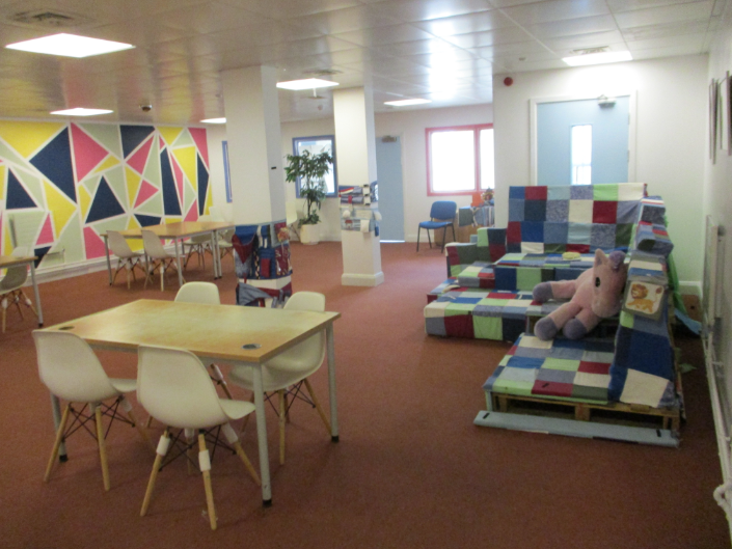
Pact delivered a comprehensive family support service. There was a well-organised visitors’ centre and enrichment activities during visits, including a homework club and themed family sessions. Feedback from visitors was actively sought and used to inform improvements.
Regular family days were well received and provided to both the general and PCoSO population. More targeted support included in-cell booklets to promote better relationships, structured courses and practical support for those who wish to reconnect with family members, including those prisoners going through family court proceedings.
There were strong and impressive links with Sutton Council, who had delivered multiple parenting programmes and facilitated ongoing support through a monthly fathers’ group.
Leaders maintained good oversight of prisoners who did not receive visits or telephone contact. These individuals were invited to regular events where support to rebuild family relationships was offered. While the provision for the official prison visitor scheme (accessed by those who do not have visits) was positive, demand exceeded capacity with 21 prisoners on a waiting list.
Reducing reoffending
Expected outcomes: Prisoners are helped to change behaviours that contribute to offending. Staff help prisoners to demonstrate their progress.
The prison held a significant proportion of prisoners (74%) assessed as posing a high risk of harm to others, which increased the need for effective offender management and clear opportunities to demonstrate progression. However, this had not been delivered consistently. In our survey, only 52% of respondents said their experiences at the prison had made them less likely to reoffend, which indicates a limited perceived impact of rehabilitative work.
A reducing reoffending strategy was in place and supported by regular, well-attended governance meetings, which provided a forum for oversight. However, there was no clear, coordinated action plan across key resettlement pathways such as accommodation, employment and interventions. As a result, progress was not systematically tracked and there was limited evidence that actions were followed through to completion, which reduced the overall effectiveness of the prison’s approach.
How staff were supporting prisoners and managing risk
Leaders in the offender management unit (OMU) were experienced and worked well together. Staff described leadership as approachable, accessible and supportive.
Staffing shortages had a significant impact on outcomes. The prison was profiled for 10.5 probation prison offender managers (POMs) but had only 5.7 in post, resulting in high and unmanageable caseloads. This led to limited contact with prisoners and delays in key processes such as recategorisation and OASys assessments; 90 prisoners did not have an initial assessment and 79 had out-of-date reviews.
Limited contact and delays caused considerable frustration. Many prisoners struggled to achieve their sentence plan targets or demonstrate progression. Leaders had taken steps to mitigate the impact, including recruiting a remote POM, introducing on wing surgeries and additional case management support. However, these measures had not been sufficient to address the scale of the challenge.
In our survey, significantly fewer prisoners on a sentence plan than at similar prisons (21% compared with 47%) said that staff were helping them to achieve their objectives. Many also reported not being sufficiently involved in setting their sentence plan targets.
Of the recategorisation reviews we examined, decisions were appropriate, but 73% were completed late.
The lack of contact was further compounded by key work that did not effectively support sentence management. Leaders had introduced measures to improve both the quantity and quality of key work and strengthen collaboration with POMs, but this had not yet translated into consistent practice.
Public protection arrangements were managed by a dedicated OMU team. Initial screening identified prisoners requiring contact restrictions, and communications monitoring was put in place. However, reviews of these arrangements were sometimes late. Information exchange between the team and POMs was effective.
Opportunities for prisoners to progress
The programmes team reported being well supported by senior leaders and delivery had been prioritised, including during restricted regimes.
The introduction of both medium- and high-intensity Building Choices (see Glossary) programmes had expanded the range of accredited interventions available. This meant that, in theory, more prisoners, including those convicted of sexual offences or offences involving intimate partner violence, could access relevant interventions. There were plans to introduce a one-to-one healthy sex programme, although only a very small number of prisoners would benefit from this.
Despite these improvements, progression opportunities remained too limited. Waiting lists for interventions were long, and referral processes were often delayed. As a result, some prisoners were released without completing programmes identified as necessary to reduce their risk.
Staffing shortages and high caseloads in the OMU had impacted on prisoners’ ability to demonstrate risk reduction and progression in a timely manner. Delays in the parole process were significant, with around half of hearings deferred or adjourned over the previous year, some of which could have been avoided through better planning. Recategorisation processes were also not sufficiently prioritised, which limited opportunities for transfer to open conditions. These delays caused considerable frustration and reinforced prisoners’ perceptions that progression opportunities were limited.
There had been 149 prisoners released early under the home detention curfew scheme. However more than half were released late, with 15% over three months late.
The community living unit was well run and offered some positive interventions, including more opportunities to practice independent living and a structured lifer course.
Returning to the community
Expected outcomes: Prisoners’ specific reintegration needs are met through good multi-agency working to maximise the likelihood of successful resettlement on release.
There had been around 800 releases in the previous year, which was similar to the last inspection. Of those prisoners for which outcomes were known, around 30% had been released to sustainable accommodation. Around 8% were released homeless which, although too high, was a lower proportion than at most other London prisons.
Few prisoners had secured employment after their release; with 41 in work at six weeks and 58 at six months post release.
The monthly IDRMT (see Glossary) provided effective oversight via well-attended meetings. Written contributions to MAPPA were satisfactory and attendance at Level 2 meetings was appropriate; however, 55 prisoners were released without confirmation of their MAPPA level.
Resettlement services for low- and medium-risk prisoners were in place. Regular release planning meetings ensured actions were identified and, although individual needs were assessed 12 weeks prior to release, there were gaps in the quality of resettlement plans.
Support for resettlement needs was in place. Finance, benefits and debt advice were readily available, including input from Department for Work and Pensions staff. Housing support was well coordinated, contributing to high levels of accommodation on release.
Contact with community offender managers at key stages of the release process was limited, which resulted in prisoners not knowing or understanding their release plans early enough.
Arrangements on the day of release were efficient. Prisoners were treated with respect by reception staff. They received a holdall for their belongings; clean clothing and a cold-weather pack were available if required.
Section 6: About HMP High Down (Back to top)
Category of the prison
Category C training and resettlement prison for adult men.
Brief history
HMP High Down was built on the site of a former mental health hospital in Banstead and opened in 1992 as a Category A prison. In 2022, High Down transitioned from a Category B local prison to a Category C training and resettlement establishment. In 2024, High Down opened the Learning Disability PIPE Unit and was selected to have a second PCoSO unit.
Population
1,085 prisoners were held at the time of the inspection. There was operational capacity for 1,113. (Figures provided by the prison.)
- 48% of prisoners were from a minority ethnic background, including white non-British and Gypsy, Roma and Traveller backgrounds.
- 34% prisoners convicted of sexual offences, residing on two dedicated houseblocks.
- 190 (18%) recalled prisoners.
- 151 (14%) people serving indeterminate sentences.
- 814 prisoners released into the community in the last 12 months.
- 376 prisoners receiving support for substance misuse.
Short description of residential units
Houseblock 1 – PCoSO
Houseblock 2 – PCoSO (with enhanced spur)
Houseblock 3 – Induction and general population
Houseblock 4 – Substance misuse
Houseblock 5A – Violence-free enhanced unit
Houseblock 5B – Community living unit
Houseblock 6 – General population and incentivised substance free living (including recovery unit)
Segregation unit
PIPE unit
Prison status (public/private)
Public
Key providers
Physical health provider: Central and North West London NHS Foundation Trust (CNWL)
Mental health provider: Central and North West London NHS Foundation Trust (CNWL)
Substance misuse treatment provider: The Forward Trust
Dental health provider: Time for Teeth
Prison education framework provider: People Plus
Escort contractor: Serco
Prison group director
Jenny Louis (interim), London
Name of governor/director and date in post
Emily Martin, March 2022
Independent Monitoring Board Chair
Ruth Matthew
Date of last inspection
August 2023
Progress on concerns from the last inspection (Back to top)
At our last inspection in 2023 we raised 11 concerns, four of which were about areas of priority concern.
At this inspection we found the following progress:
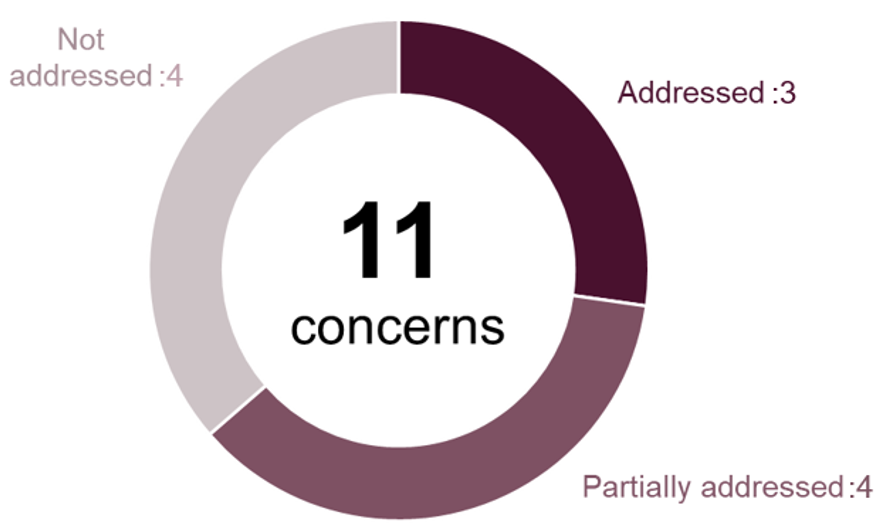
The following is a list of all the concerns raised, organised under the four tests of a healthy prison.
Safety
Priority concerns
Partially addressed
Violence had increased and many prisoners felt unsafe.
Partially addressed
Key concerns
Prisoners had few incentives to behave well, and their poor behaviour did not always receive a robust response.
Partially addressed
Recorded levels of self-harm were high and too few prisoners subject to assessment, care in custody and teamwork case management felt well cared for.
Addressed
Respect
Priority concern
Too many acutely mentally unwell prisoners were held in the segregation unit. Transfers to a prison with a health care inpatient unit did not always take place quickly enough because of the lack of available spaces, and waiting times to be accepted by a secure mental health hospital in the community were too long.
Partially addressed
Key concerns
Risks associated with poor medicine supervision and low rates of attendance at health care appointments persisted.
Partially addressed
Patients waited far too long for dental treatment.
Addressed
Purposeful activity
Priority concerns
None
Key concerns
The large number of prisoners with limited skills in English and maths did not receive enough support.
Partially addressed
Leaders and managers had insufficient oversight to make sure all education, skills and work activities were good.
Not addressed
Preparation for release
Priority concerns
High Down was not achieving its potential as a category C training
and resettlement prison. Leaders did not provide sufficient purposeful
activities and attendance was very low. Prisoners struggled to achieve
their sentence plan targets because of the lack of places on offending
behaviour programmes, little regular contact with prisoner offender
managers and insufficient key work.
Not addressed
Key concerns
Community offender managers were often allocated far too near the prisoner’s release date, which undermined effective resettlement planning.
Addressed
Care Quality Commission Action Plan (Back to top)
Care Quality Commission (CQC) is the independent regulator of health and adult social care in England. It monitors, inspects and regulates services to make sure they meet fundamental standards of quality and safety. For information on CQC’s standards of care and the action it takes to improve services, please visit: http://www.cqc.org.uk
The inspection of health services at HMP Leicester was jointly undertaken by the CQC and HMI Prisons under a memorandum of understanding agreement between the agencies (see Working with partners) for action plans following this inspection. The Care Quality Commission issued a request for an action plan following this inspection.
Provider: Central and North West London NHS Foundation Trust
Location: Trust Headquarters, 350 Euston Road (“HMP High Down”)
Location ID: RV3X2
Regulated activities:
Diagnostic and screening procedures
Family planning
Nursing care
Surgical procedures
Transport services, triage and medical advice provided remotely
Treatment of disease, disorder or injury
Regulation 17 Good governance, of the Health and Social Care Act 2008 (Regulated Activities) Regulations 2014
17 (1) Systems or processes must be established and operated effectively to ensure compliance with the requirements in this Part.
(2) Without limiting paragraph (1), such systems or processes must enable the registered person, in particular, to
- assess, monitor and improve the quality and safety of the services provided in the carrying on of the regulated activity (including the quality of the experience of service users in receiving those services);
- assess, monitor and mitigate the risks relating to the health, safety and welfare of service users and others who may be at risk which arise from the carrying on of the regulated activity;
- maintain securely an accurate, complete and contemporaneous record in respect of each service user, including a record of the care and treatment provided to the service user and of decisions taken in relation to the care and treatment provided;
- maintain securely such other records as are necessary to be kept in relation to
- persons employed in the carrying on of the regulated activity, and
- the management of the regulated activity;
- seek and act on feedback from relevant persons and other persons on the services provided in the carrying on of the regulated activity, for the purposes of continually evaluating and improving such services;
- evaluate and improve their practice in respect of the processing of the information referred to in sub-paragraphs (a) to (e)
How the regulation was not being met:
A secure, accurate, complete and contemporaneous record was not consistently maintained in respect of each patient, including decisions taken in relation to the care and treatment provided. In particular:
- Clinical records did not consistently document patient appointment requests, clinical triage undertaken, decisions made, or whether patients were informed about the outcome of their appointment request.
- Do Not Attempt Resuscitation “DNAR” forms were not consistently stored within patient records, meaning key information was not readily accessible and could result in inappropriate treatment decisions.
- Information about sexual health services was not stored on a confidential, standalone IT system, in line with national guidance.
Regulation 16 Receiving and acting on complaints, of the Health and Social Care Act 2008 (Regulated Activities) Regulations 2014
16 (1) Any complaint received must be investigated and necessary and proportionate action must be taken in response to any failure identified by the complaint or investigation.
(2) The registered person must establish and operate effectively an accessible system for identifying, receiving, recording, handling and responding to complaints by service users and other persons in relation to the carrying on of the regulated activity.
(3) The registered person must provide to the Commission, when requested to do so and by no later than 28 days beginning on the day after receipt of the request, a summary of
- complaints made under such complaints system,
- responses made by the registered person to such complaints and any further correspondence with the complainants in relation to such complaints, and
- any other relevant information in relation to such complaints as the Commission may request.
- responses made by the registered person to such complaints and any further correspondence with the complainants in relation to such complaints, and
How the regulation was not being met:
Systems and processes were not established and operating effectively to ensure complaints were received, identified, recorded, investigated and responded to in a timely and appropriate manner. In particular:
- Patients were not always provided with accessible information on how to make a formal complaint.
- Concerns were submitted by hand directly to staff, compromising patient confidentiality.
- Complaints were not consistently acknowledged, recorded or managed, with some complaints missing from the system.
- There was limited evidence to demonstrate complaints were investigated with transparency and openness. Patients did not always receive a response.
- There was insufficient oversight of the complaints process, and complaints were not routinely followed up or actioned.
- There was limited monitoring or analysis of complaints to identify themes, trends or learning to improve the quality and safety of care.
Action plan request (Back to top)
Provider: Dr PA Ltd
Provider ID: 1-14970669839
Registered location: DrPA Secure – HMP High Down
Location ID: 1-20243030999
Regulated activities: Diagnostic and screening procedures, Treatment of disease, disorder or injury
Regulation 17 Good governance, of the Health and Social Care Act 2008 (Regulated Activities) Regulations 2014
17 (1) Systems or processes must be established and operated effectively to ensure compliance with the requirements in this Part.
(2) Without limiting paragraph (1), such systems or processes must enable the registered person, in particular, to—
- assess, monitor and improve the quality and safety of the services provided in the carrying on of the regulated activity (including the quality of the experience of service users in receiving those services);
- assess, monitor and mitigate the risks relating to the health, safety and welfare of service users and others who may be at risk which arise from the carrying on of the regulated activity;
- maintain securely an accurate, complete and contemporaneous record in respect of each service user, including a record of the care and treatment provided to the service user and of decisions taken in relation to the care and treatment provided;
- maintain securely such other records as are necessary to be kept in relation to—
- persons employed in the carrying on of the regulated activity, and
- the management of the regulated activity;
- seek and act on feedback from relevant persons and other persons on the services provided in the carrying on of the regulated activity, for the purposes of continually evaluating and improving such services;
- evaluate and improve their practice in respect of the processing of the information referred to in sub-paragraphs (a) to (e)
How the regulation was not being met:
A secure, accurate, complete and contemporaneous record was not consistently maintained in respect of each patient, including decisions taken in relation to the care and treatment provided. In particular:
- DNACPR (do not attempt cardiopulmonary resuscitation) forms varied in quality and were not consistently completed in full. Including that we found limited detail in the summary of the main clinical problems, why CPR would be inappropriate, unsuccessful or not in the patient’s best wishes, as well as blank answers for the summary of communication with the patient.
- The GP consultation records we reviewed varied in quality, including a lack of detail regarding the clinical review, examination and vital signs, investigations and results, and recommendation/plan.
Effective systems and processes had not been implemented to assess, monitor and improve the quality and safety of the services provided in the carrying on of the regulated activity (including the quality of the experience of service users in receiving those services). In particular:
- Not all complaints had been recorded, acknowledged, acted upon, responded to, analysed, and appropriately stored. There was limited assurance that all complaints were being managed and used effectively to support learning and service improvement.
- There was no clear or consistent process in place to ensure incidents, including deaths, were appropriately recorded, reviewed, actioned and analysed. Evidence of organisational learning was limited, and it was unclear whether identified actions were completed or embedded into practice.
- There was limited evidence to demonstrate that known risks were assessed, monitored and mitigated. Delays receiving complaints, learning from deaths, and a high DNA rate were not formally captured or monitored through a comprehensive location-specific risk log.
- There was insufficient evidence to demonstrate that partnership working arrangements were being used to support the identification, assessment, and mitigation of risks, or to drive improvement.
Systems and processes were not all effectively established or implemented to identify, assess, monitor and mitigate the risks relating to the health, safety and welfare of patients and others who may be at risk arising from the carrying on of the regulated activities. In particular:
- There was no evidence to demonstrate that all clinicians received clinical supervision, in accordance with the provider’s policy.
- There was a lack of evidence to demonstrate staff vaccination was maintained in line with current UK Health and Security Agency (UKHSA) guidance. Not all vaccination immunisation history was confirmed as recommended by the Green Book, including tetanus, polio, diphtheria, and measles, mumps and rubella (MMR).
This was in breach of Regulation 17 (1) of the Health and Social Care Act 2008 (Regulated Activities) Regulations 2014.
More about this report (Back to top)
This report outlines the priority and key concerns from the inspection and our judgements against the four healthy prison tests. Each of the following four sections contains a detailed account of our findings against our Expectations for men’s prisons.
Find out more about our Expectations and how we inspect
Find out more about priority and key concerns
Find out about notable positive practice
Findings from the survey of prisoners and a detailed description of the survey methodology are published alongside this report. Please note that we only refer to comparisons with other comparable establishments or previous inspections when these are statistically significant. The significance level is set at 0.01, which means that there is only a 1% chance that the difference in results is due to chance.
The tables in this report which provide data from HMI Prisons prisoner surveys also include comparisons with similar prisons.
| Description | What it means |
| Lower | the prison’s percentage is statistically significantly lower than the comparator: prisons with the same function type, or at the last inspection |
| Higher | the prison’s percentage is statistically significantly higher than the comparator: prisons with the same function type, or at the last inspection |
| No difference | the prison’s percentage is not statistically significantly different to the comparator: prisons with the same function type, or at the last inspection |
Inspection team
This inspection was carried out by:
| Charlie Taylor Ian Dickens Yvette Howson Lindsay Jones Chris Rush Nadia Syed Sheila Willis Jessie Wilson Emma Crook Emma King Joe Simmons Jasjeet Sohal Tania Osborne Angela Star Craig Whitelock-Wainwright Emily Hempstead Paul Brehany Chris Dearly Steve Lambert Alum Maddocks | Chief inspector Team leader Inspector Inspector Inspector Inspector Inspector Inspector Researcher Researcher Researcher Researcher Lead health and social care inspector Health and social care inspector General Pharmaceutical Council inspector Care Quality Commission inspector Ofsted inspector Ofsted inspector Ofsted inspector Ofsted inspector |
Find out more about the terms and abbreviations used in this report in our glossary.
Easy read summary and press notice (Back to top)
Survey materials and Ofsted full report (Back to top)
The following files may not be suitable for users of assistive technology.
Request an accessible format
If you use assistive technology (such as a screen reader) and need a version of any of these documents in a more accessible format, please email media@hmiprisons.gov.uk. Please tell us what format you need. It will help us if you say what assistive technology you use.