
HMP Featherstone
Report on an independent review of progress at HMP Featherstone by HM Chief Inspector of Prisons, 1–3 June 2026
Section 1: Chief Inspector’s summary (Back to top)
HMP Featherstone is a category C training and resettlement prison in the West Midlands. It opened in November 1976 as a long-term category C training prison with four residential house units; three further house units were added over the years. In 2014, it became a designated training and resettlement prison.
This review visit followed up on the concerns we raised at our last inspection of HMP Featherstone in 2025.
What we found at our last inspection
At our previous inspections of HMP Featherstone in 2025 we made the following judgements about outcomes for prisoners.
Figure 1: HMP Featherstone healthy prison outcomes in 2022 and 2025
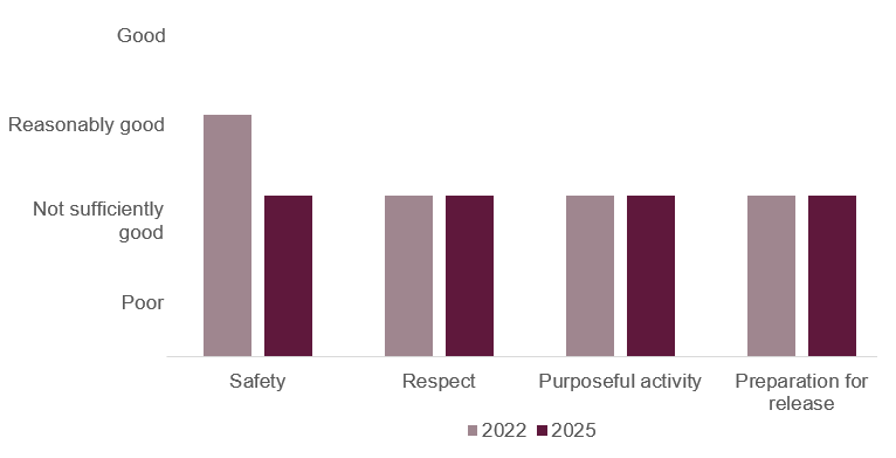
At the last inspection, we found outcomes for prisoners had deteriorated and was reflected across all the healthy prisons tests. Living conditions remained a concern, with ageing accommodation that was in poor condition.
Staff-prisoner relationships were inconsistent and varied between specialist and non-specialist units. Processes for prisoners to get things done in a day were not working effectively. Provision for prisoners with social care needs was notably weak.
While violence and self-harm levels were comparable to similar prisons, there was no clear plan in place to reduce these risks. While some positive work was evident in supporting recovery from drug misuse, levels of illicit drug use remained too high.
Although the prison functioned as a training establishment, its vocational and educational offer did not adequately equip prisoners for employment. There were limited opportunities for prisoners to reduce their risk and progress through their sentence. Arrangements for public protection gave cause for concern.
What we found during this review visit
Eight months after our full inspection, there had been some areas of clear improvement. Levels of violence had reduced significantly, and prisoners generally reported feeling safe, but more work needed to be done to develop the behavioural management systems to continue to support this. Progress was good in areas related to safeguarding, social care, and public protection. There had been no further self-inflicted deaths, and rates of self-harm had fallen markedly, supported by improved safety strategies.
There were some longstanding concerns that persisted. The most significant ongoing concerns related to the infrastructure of the prison. The poor conditions directly affected prisoners’ day-to-day quality of life. Drug misuse also remained a critical concern, with the same positive drug testing rates we saw at the previous inspection and continued availability of illicit substances, despite increased testing, improved searching, and early-stage security enhancements.
Ofsted judged that there had been reasonable progress regarding the range of vocational training on offer, although insufficient progress with the development of skills and attendance and punctuality, mainly in relation to industries.
Overall, there had been some good progress since the last full inspection, with clearer strategies and better oversight in place. However, the infrastructure of the prison will not improve without significant investment from His Majesty’s Prison and Probation Service (HMPPS; see Glossary).
Charlie Taylor, HM Chief Inspector of Prisons, June 2026
Section 2: Key findings (Back to top)
At this IRP visit, we followed up 10 concerns from our most recent inspection in September 2025, and Ofsted followed up three themes based on their latest inspection or progress monitoring visit to the prison, whichever was most recent.
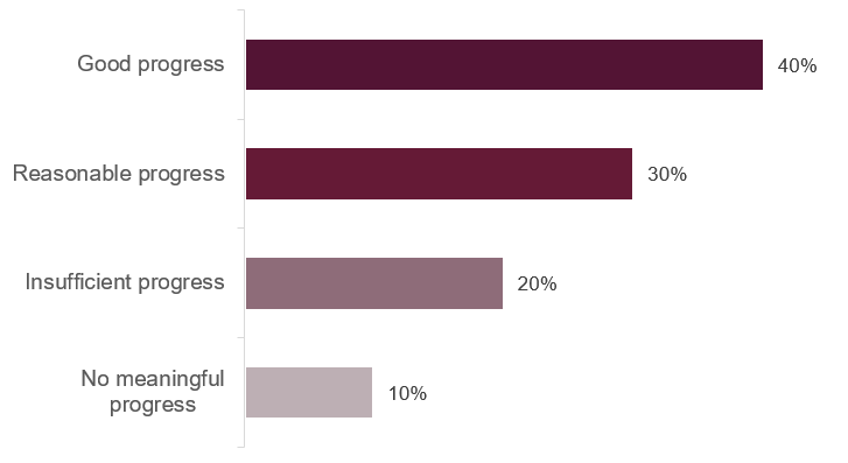
HMI Prisons judged that there was good progress in four concerns, reasonable progress in three concerns, insufficient progress in two concerns and no meaningful progress in one concern.
Figure 2: Progress on HMI Prisons concerns from September 2025 inspection (n=3)
This bar chart excludes any concerns that were followed up as part of a theme within Ofsted’s concurrent prison monitoring visit.
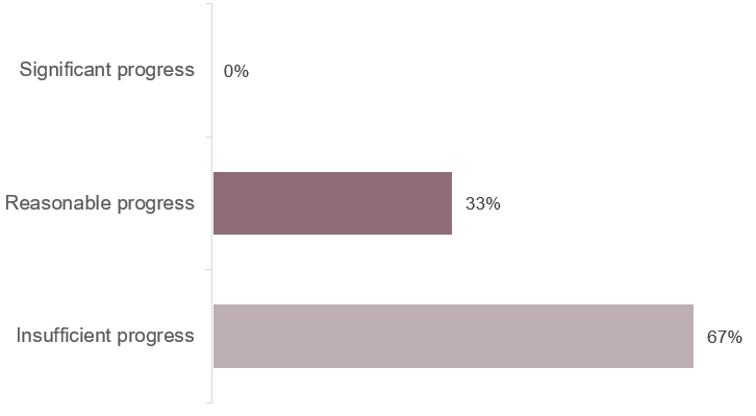
Ofsted judged that there was significant progress in no themes, reasonable progress in one theme and insufficient progress in two themes.
Figure 3: Progress on Ofsted themes from September 2025 inspection (n=3).
Notable positive practice
We define notable positive practice as:
Evidence of our expectations being met to deliver particularly good outcomes for prisoners, and/or particularly original or creative approaches to problem-solving.
Inspectors found two examples of notable positive practice during this IRP visit, which other prisons may be able to learn from or replicate. Unless otherwise specified, these examples are not formally evaluated, are a snapshot in time and may not be suitable for other establishments. They show some of the ways our expectations might be met, but are by no means the only way.
| 1. | An impressive and well-led system for managing Personal Emergency Evacuation Plans (PEEPs; see Glossary) had been implemented. Each individual plan was supported by a risk assessment. Staff were aware and understood the plans and regular assurance processes ensured they were kept up to date (see Health, well-being and social care). |
| 2. | Managers and staff were making effective use of new online tools to monitor activity and improve performance in key day-to-day processes. For example, transparency tools were improving both the timeliness and quality of responses to complaints and prisoner applications. In addition, the work of the offender management unit (OMU; see Glossary) was becoming more visible and accountable through the use of online logs, allowing more analysis (see Ofsted, Theme 2). |
Section 3: Progress against our concerns and Ofsted themes (Back to top)
The following provides a brief description of our findings in relation to each concern followed up from the full inspection in 2025.
Promoting positive behaviour
Concern: Violence had increased and there were not enough incentives to motivate positive behaviour.
The rate of assaults against both staff and prisoners had continued to decline over the last six months. Prisoner-on-prisoner assaults had decreased by 36% and assaults on staff by 61%, compared to the same six-month period before the full inspection. Levels of violence were towards the lower end of the comparator group, and most prisoners we spoke to said they felt safe at Featherstone.
Leaders (see Glossary) had identified debt as a key driver of violence. They had introduced a reception tuck shop to provide access to basic canteen items and address debt during the early days in custody. The number of self-isolating prisoners – often linked to debt – had reduced further since the last inspection. This had been supported by a new isolation strategy which increased peer support and senior leadership oversight.
Incentives (see Glossary) to promote positive behaviour remained underdeveloped. Incentives and earned privileges forums had recently been re-established and there were plans to review the policy, although this work had not yet commenced. An additional evening domestic period had recently been introduced for enhanced prisoners two days per week, however, prisoners continued to report that there was little to motivate those living outside the specialist units.
Behaviour management processes were not applied consistently or effectively to reinforce positive behaviour or address poor conduct. Although over 50% of the population were on the enhanced level of the incentives scheme, 63% of behaviour entries in the previous 28 days had been negative, and 44% prisoners had received no behaviour entries at all. Targets for those on the basic level of the scheme were too generic and did not address individual issues or triggers.
We considered that the prison had made reasonable progress in this area.
Security
Concern: Drugs were readily available, as evidenced by the very high random mandatory testing rate.
Despite ongoing efforts by leaders, drug ingress remained a key threat. The random mandatory drug testing rate (MDT; see Glossary) remained similar to that of the full inspection at 23%, and the number of prisoners found under the influence remained high. The positive MDT rate had been on a downward trend over the last 12 months, and the rate for the first three months of 2026 had reduced to 19%.
Suspicion drug testing was beginning to be used more consistently to identify those under the influence of drugs. The number of tests conducted had increased from eight in the six months before the last inspection to 45 in the last six months, with a positive rate of 66.7%.
Steps had been taken to try to improve physical security, particularly in relation to drones, this was in its early stages. Additional CCTV had now been installed to cover exercise yards and some of the blind spots. Work to install window restrictors to the highest-risk windows had started, and funding had been secured to install netting to all remaining exercise yards, although a completion date had not yet been set. A drone contingency plan was also now in place to strengthen the response to drone sightings and finds.
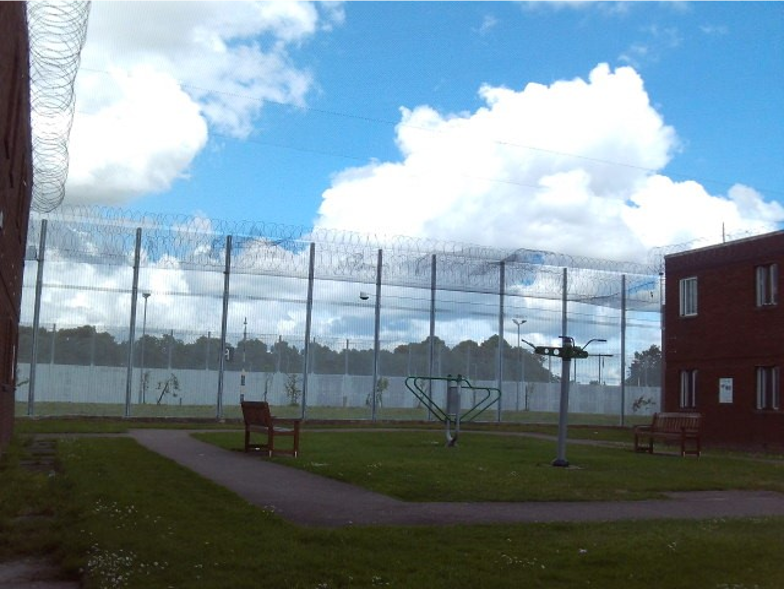
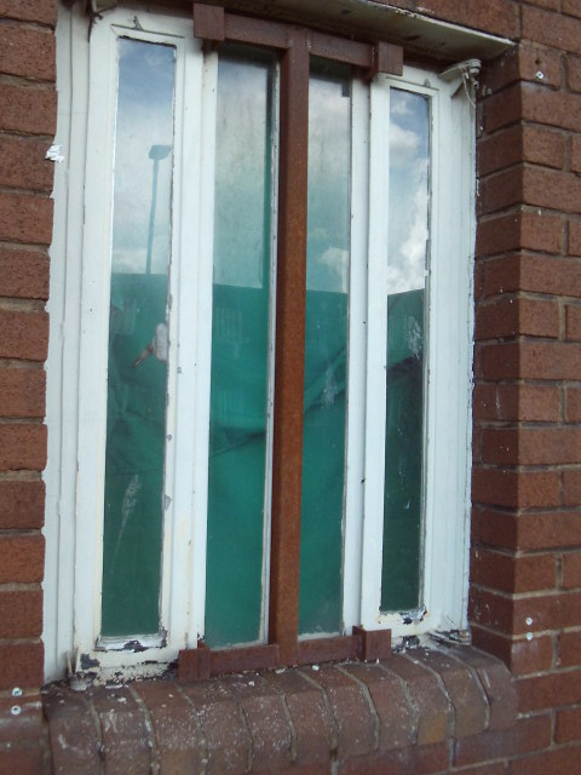
Searching processes had improved. This included through increased assurance around physical searching of staff and visitors, greater use of detection equipment to search paperwork and property in reception and delivery of training sessions to upskill staff.
The ‘under the influence’ strategy meeting was now well embedded. Data was used well and had led to various actions including lockdown searches of ‘hot spot’ residential units and additional staff resources for supervision of medication queues.
The recovery and rehabilitative approach to drug misuse across the prison remained strong. There has been an expansion of the criteria for the ‘rehab café’ (a coffee morning providing support for prisoners with drug misuse issues), and use of the drug strategy meeting to discuss drug users of concern.
We considered that the prison had made insufficient progress in this area.
Safeguarding
Concern: The rate of self-inflicted deaths was the 10th highest of all adult male prisons. Leaders had been too slow in identifying and implementing learning from fatal incidents and serious incidents of self-harm. The range of support for those at risk was underdeveloped.
There had been no further self-inflicted deaths since the last inspection in September 2025. A well-structured safety strategy and a detailed action plan – covering self-inflicted deaths, self-harm and serious incidents – were now in place. Actions and recommendations formed part of the agenda for the restructured safety strategy meeting and were reviewed monthly. Progress had been made in addressing concerns. This included the introduction of a new early days in custody process featuring enhanced risk assessment screening.
In the six months to April 2026, the overall recorded rate of self-harm had fallen by 54% compared to the same period before the 2025 inspection and remained below the average for similar prisons. Serious investigations were routinely undertaken, and outcomes were reviewed within the monthly safety meeting. However, the scope of the investigation was too narrow; they did not consider the wider build up to the incident or the quality of support provided.
Support for those in crisis had improved. The number of Listeners (see Glossary) had increased by around 50% since the beginning of the year, and the peer-led talking circles group was well embedded. Additional support was provided through organisations including Pets as Therapy, and Bringing Hope, a Birmingham-based charity that supports individuals and families at risk of harmful and threatening behaviour, focusing on addressing the root causes of social exclusion and offending. However, assessment, care in custody and teamwork (see Glossary) case management did not fully consider prisoners’ protective factors or reflect the support available in the prison. A new quality assurance process had recently been implemented to improve this.
We considered that the prison had made good progress in this area
Staff-prisoner relationships
Concern: Relationships between staff and prisoners were not sufficiently positive or supportive.
Many prisoners spoke positively about wing officers, and we saw good interactions across all houseblocks. Since the last inspection, leaders had increased staffing and rotated officers to balance skills and experience across the general houseblocks, but relationships were still better on the specialist units.
Officers and middle managers were more visible on the landings, staff spent less time in offices, and prisoners we spoke to could name their houseblock manager.
Despite this, officers did not always have the confidence or skills to challenge low-level poor behaviour, such as vaping or taking extra food portions. Some officers could not resolve basic requests, such as how prisoners could obtain the appropriate cell furniture.
The prison had started a rehabilitative culture project to improve staff-prisoner relationships. This included consultation with staff and prisoners and setting up a committee to drive change. However, with only one meeting held, it was too early to assess its impact.
Most key work remained good, and many prisoners knew their key worker (see Glossary) and described them as helpful. However, sessions were still too infrequent, usually taking place only every couple of months.
We considered that the prison had made reasonable progress in this area.
Daily life
Concern: Many of the residential units were in poor condition, requiring long-term investment, renovation or replacement.
Despite sustained efforts by senior leaders, the prison still needed significant investment, and many older units remained shabby and in poor condition.
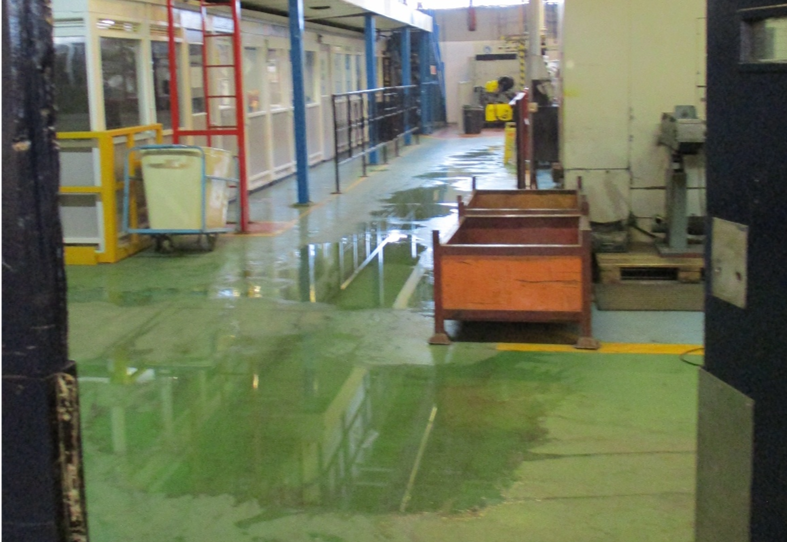
The prison had submitted bids for extra funding to replace the extremely damaged flooring. However, progress was too slow, frustrating staff and prisoners. Numerous reports of slips and trips and been submitted by prisoners.
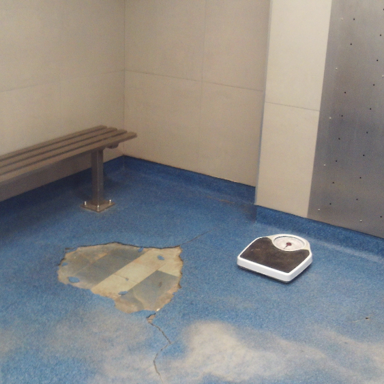

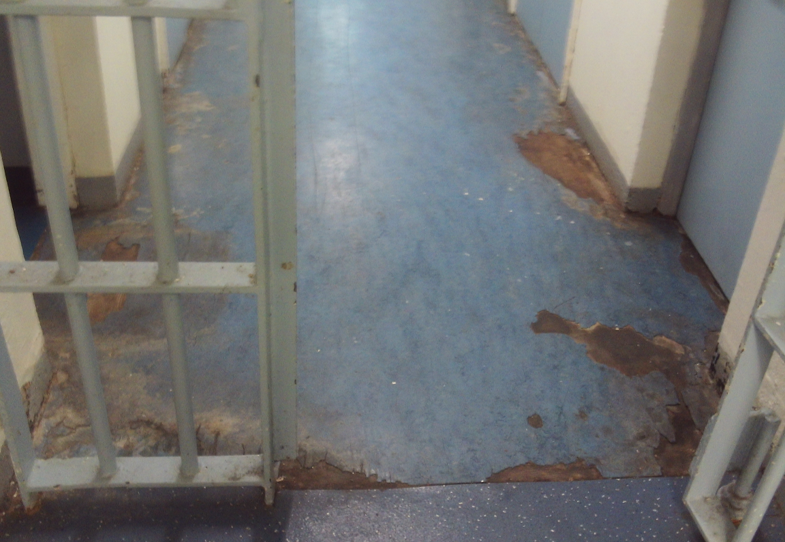
Unresolved leaks, poor ventilation and equipment failures also affected many aspects of prison life. For example, a week before the inspection, prisoners on two houseblocks had no running water because of a tank sensor fault and briefly relied on bottled water. During the inspection, flooding caused by faulty fire safety vents closed the industry workshops, affecting about one-fifth of the population due to attend. We were told these were recurring problems.
The prison had developed a good relationship with Amey (facilities management partner), which completed repairs reasonably quickly where funding was available. A prison-wide painting programme had improved some cells and communal areas.
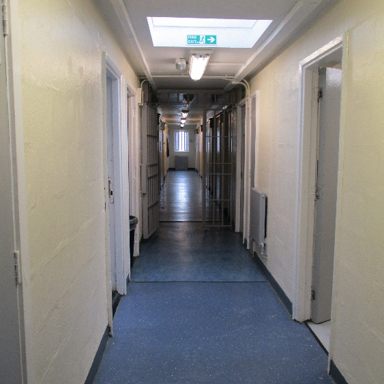
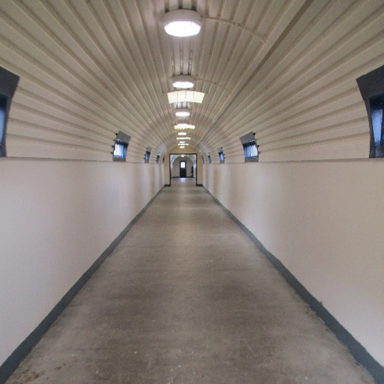
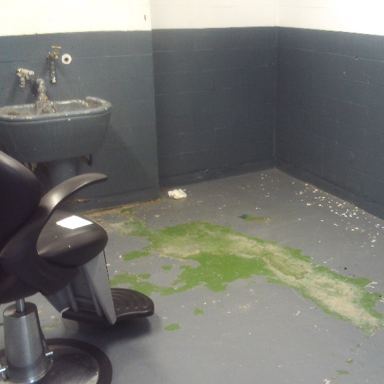
Most areas were tidy and free of rubbish, but some, including cooking and cleaning rooms, were grubby and needed more attention.
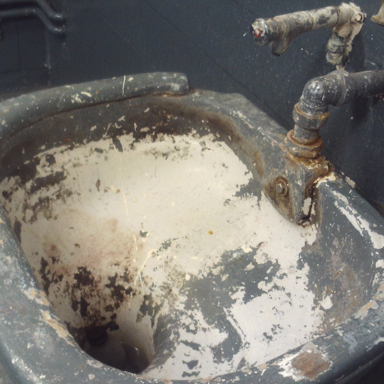
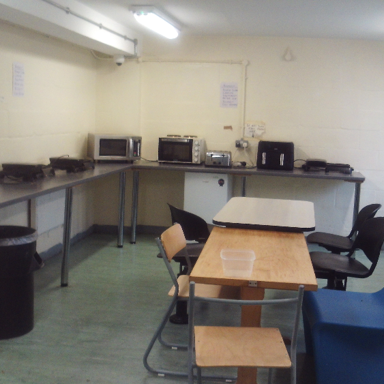
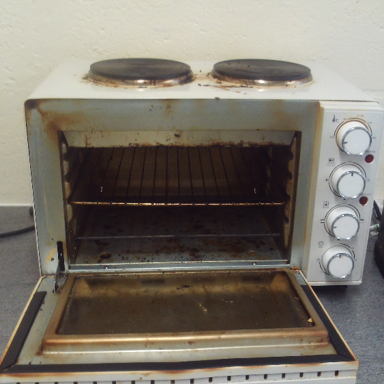
We considered that the prison had made no meaningful progress in this area.
Concern: Food portions were too small and meals were served too early.
Food remained one of prisoners’ main complaints and, despite menu changes and consultation forums, many were still dissatisfied.
Since the last inspection, leaders had reviewed portion sizes and made some increases, however, we still observed some inconsistencies. Some meals remained too small, and because of poor servery supervision, prisoners did not always receive equal portions. We observed prisoners having to choose between fruit and coffee sachets, further reducing portions for those who chose coffee. Rather than give out packs at a set time, bits of food arrived at different times of the day for the following morning’s breakfast.


Mealtimes had been adjusted to more reasonable times. However, prisoners were locked up shortly after receiving their food, leaving little chance to eat communally.
We considered that the prison had made insufficient progress in this area.
Concern: Day-to-day processes for prisoners to get things done were not functioning effectively. The complaints system was poorly managed and delays in application responses were a source of frustration.
The complaints system had been improved, with a more efficient process and audit trail. Complaint forms were available on the wings from peer workers.
Quality assurance was now being done regularly by senior leaders, to a good standard, and this was in the process of being transferred online to strengthen accountability.
Timeliness of responses had improved, but still around 18% had been late over the last six months. Most of those responding to a complaint still did not speak directly to the complainant about it.
Applications continued to be submitted on paper forms. However, a comprehensive electronic log had recently been introduced, which was accessible to all staff, enabling much better tracking and accountability. There was evidence that replies were being received more quickly.
We considered that the prison had made good progress in this area.
Health, well-being and social care
Concern: The oversight and coordination of social care provision was poor. There were, for example, too few adaptations for prisoners with reduced mobility.
Oversight and coordination of social care had improved under revised leadership, ensuring the delivery of good outcomes for patients. The monthly safety meeting now had oversight of social care support, and the daily health new admissions meeting provided clinical review of the health and social care needs of all new prisoners following reception screening, enhancing safety.
All new arrivals were now seen by equalities orderlies on the induction unit which was another opportunity to get support.
The system to ensure that prisoners with significant mobility needs did not arrive at Featherstone was effective, with one inappropriate referral being identified and declined in recent months.
There had been 20 referrals for social care assessment since October 2025, which had led to equipment for social support and self-care being supplied to 17 clients. No prisoner met the threshold for a local authority-funded social care package (see Glossary) during the review.
The process for the fitting of equipment to enable self-help (for example, in-cell grab rails), had become more efficient since our last inspection. The lift was now available to men with mobility issues. Some infrastructure barriers remained due to the poor conditions of the building, including inadequate step access and limited wheelchair-accessible doorways.
Well-managed peer buddies (see Glossary) supported prisoners with their mobility and other needs.
We spoke with prisoners in receipt of social support who were satisfied with their arrangements, unlike at the last inspection. We heard of compassionate care offered by the prison for those who did not meet the threshold for social care, provided by the local authority.
The oversight and management of personal evacuation plans (PEEPS) for 30 men requiring assistance in an emergency was well led and impressive. Underpinned by monthly audit and effective quality assurance, officers in the houseblocks could easily locate the PEEPS, which were unusually personalised. Helpful regime access plans accompanied PEEPs, providing detailed guidance on supporting individuals. Equipment including evacuation chairs and mats, to support the evacuation of prisoners with mobility issues, was now strategically located in the prison.
We considered that the prison had made good progress in this area.
Education, skills and work

This part of the report is written by Ofsted inspectors. Ofsted’s thematic approach reflects the monitoring visit methodology used for further education and skills providers. The themes set out the main areas for improvement in the prison’s previous inspection report or progress monitoring visit letter.
Theme 1: The range of vocational training was too narrow and did not provide prisoners with the skills they needed to meet their employment goals.
Leaders had taken appropriate actions to increase the breadth of vocational training prisoners could study. They had carried out a comprehensive review of the courses offered by the prison and used the outcomes from this activity well to ensure closer alignment between the curriculum and regional skills priorities such as manufacturing and information technology.
Leaders made effective use of labour market intelligence and feedback from prisoners to plan a revised vocational curriculum. Leaders worked very effectively with external organisations to establish their training needs to ensure, for example, that prisoners were taught current manufacturing processes and became familiar with industry-standard equipment.
Leaders had made well-considered changes to improve the content and range of vocational training available to prisoners. They had introduced a welding qualification to prepare prisoners for employment in the manufacturing industry and changed the information technology qualification studied by prisoners to include more useful workplace digital skills. Leaders had enlarged the barbering training salon to increase the number of prisoners who could do this training.
Leaders had invested significantly in the installation of new advanced manufacturing machinery and technologies to transform the level of practical skills and knowledge prisoners could gain. Prisoners were taught how to operate modern sheet metal working machines, computer numerical control tools and laser cutters. They learned how to programme machinery, set tooling and how to execute precision projects to meet specific customer requirements.
Leaders did not analyse well enough the extent to which prisoners achieved their career goals. They lacked information to assess more critically the impact and effectiveness of the training they provide.
Ofsted considered that the prison had made reasonable progress against this theme.
Theme 2: Leaders did not offer appropriate recognition of the skills prisoners learned in the substantial industries provision.
Leaders had been slow to put in place appropriate processes to recognise the occupational and wider skills that prisoners developed in industries provision. Leaders’ processes for recording what prisoners knew and could do was underdeveloped and there was limited enforcement by trainers of the existing expectations to record and recognise skills.
Leaders had not assured well enough the quality of trainer records of the progress prisoners made in developing their skills and behaviours. Where trainers recorded prisoners’ skills, the records were commonly superficial and often incomplete. Trainers did not set meaningful or challenging targets for prisoners to help them to improve their skills and behaviours or to further develop in their role.
Leaders had introduced a welding qualification which enabled a small number of prisoners to receive formal recognition for the skills and knowledge they had gained. Trainers had sequenced the content of this course expertly so that prisoners gained confidence and became skilled in their work. They provided prisoners with constructive and helpful feedback about the quality of their welding and the standards of their workplace behaviours.
Leaders had taken appropriate steps to increase the knowledge and skills of trainers who worked within the industries provision. Around one-third of trainers had gained, or were working towards, qualifications in assessment practice. The recently appointed manager with responsibility for industries provision was studying towards an appropriate qualification to oversee the standards of assessment.
Leaders had set ambitious plans to work in partnership with an awarding organisation to design qualifications related to the skills prisoners gain in all areas of the industries provision. However, it was too early to see the impact of this initiative.
Ofsted considered that the prison had made insufficient progress against this theme.
Theme 3: Attendance and punctuality at education, skills and work needed improvement, particularly in industrial workshops.
Leaders had been unsuccessful in their actions to improve prisoners’ attendance at industrial workshops. Prisoners’ attendance at industrial workshops, the prisons’ largest employment area, was too low and had declined since the previous inspection.
Leaders had taken successful actions to improve prisoners’ attendance at education. Attendance was mostly high across these classes.
Leaders ensured that prisoners attended education and industrial workshops promptly. Prisoners moved to and from their activities in an orderly manner. Prisoners were prepared well to start their activities purposefully, for example, in the print workshop and in the catering kitchen prisoners were clear about their role and the tasks they needed to complete for the day ahead.
Leaders had recently completed a detailed review to identify the main causes of poor attendance at industrial workshops. They had put in place a range of actions to improve prisoners’ attendance. For example, they revised the attendance policy to clarify the support available to prisoners to help them to improve their attendance. Leaders had established stronger links with the prison’s adjudication team to focus more on the re-engagement of prisoners into purposeful activity rather than resorting to punitive measures too quickly.
Leaders had put in place training and development for governors and other key staff to have a consistent approach and gain prison-wide support for their actions to improve prisoners’ attendance. For example, residential officers received training to emphasise the important role they play in challenging and encouraging prisoners to attend industrial workshops.
Leaders had identified clashes between prisoners’ work schedules and their health care appointments as a primary barrier to them attending industrial workshops well. They had taken early steps to reduce these clashes. However, it was still too early to see the impact of this initiative on prisoners’ attendance.
Ofsted considered that the prison had made insufficient progress against this theme.
Reducing re-offending
Concern: Opportunities for prisoners to demonstrate a reduction in risk and progress in their sentence were insufficient. Prison offender manager contact was inconsistent in quality and frequency. There were not enough offending-related, structured one-to-one interventions or accredited programme places to meet need.
At the full inspection we found that the high turnover of staff, sickness levels and vacancies in the offender management unit (OMU) had limited its ability to undertake some of its core functions. It was now almost fully staffed, resulting in more manageable caseloads for the prison offender managers (POMs). A new comprehensive OMU database, which monitored contact with prisoners, was increasing transparency and accountability. The high-quality leadership which was noted at the inspection was still in place.
POMs were seeing prisoners reasonably soon after arrival, and the backlog of offender assessment system (OASys; see Glossary) assessments at the time of our inspection was now very low, at five. There was some evidence that a reduction in the number of prisoner applications and complaints addressed to the OMU was due in part to good liaison between key workers and POMs. However, there was mixed feedback from prisoners regarding contact with their POMs, and they were not sufficiently visible on the units.
A needs analysis of the population had recently been completed, and there was renewed focus behind the Reducing Reoffending strategy. Regular cross-departmental meetings now supported a prison-wide rehabilitative agenda.
Building Choices (the new national accredited offending behaviour programme; see Glossary) was now being delivered, with the second course in progress; the high intensity programme was due to start shortly. Throughput remained limited, and many prisoners continued to express frustration at the lack of tangible progress towards parole or re-categorisation. However, feedback on the course itself had been positive to date.
Provision for the 44 prisoners serving an imprisonment for public protection sentence (see Glossary) was improving, including regular fortnightly coffee mornings. However, there were delays in transferring category D prisoners to open conditions, primarily due to transport difficulties.
We considered that the prison had made reasonable progress in this area.
Concern: There were significant weaknesses in public protection arrangements.
The governance of public protection had improved considerably. The inter-departmental risk management meeting (see Glossary) now met monthly, with much improved attendance and multidisciplinary input. The meeting covered all high-risk prisoners due for release within the following eight months.
The public protection steering group also now met monthly and was establishing better strategic oversight of whole-prison issues. Senior managers attended, including the governor and deputy governor. Good pre-release liaison between POMs and community agencies continued.
Screening for public protection was now taking place for all prisoners within 15 days of arrival. Relevant training had been delivered to a range of staff groups, raising awareness of safeguarding and their responsibilities in relation to contact restrictions.
Monitoring of prisoner communications was carried out appropriately. The management of public protection risk in the visits hall was now adequate. However, processes to ensure risks were consistently identified and managed relied to some extent on the vigilance of first-line managers, rather than on sufficiently robust systems.
We considered that the prison had made good progress in this area.
Section 4: Summary of judgements (Back to top)
A list of the HMI Prisons concerns and Ofsted themes followed up at this visit and the judgements made.
HMI Prisons concerns
Violence had increased and there were not enough incentives to motivate positive behaviour.
Reasonable progress
Drugs were readily available, as evidenced by the very high random mandatory testing rate.
Insufficient progress
The rate of self-inflicted deaths was the 10th highest of all adult male prisons. Leaders had been too slow in identifying and implementing learning from fatal incidents and serious incidents of self-harm. The range of support for those at risk was underdeveloped.
Good progress
Relationships between staff and prisoners were not sufficiently positive or supportive.
Reasonable progress
Many of the residential units were in poor condition, requiring long-term investment, renovation or replacement.
No meaningful progress
Food portions were too small and meals were served too early.
Insufficient progress
Day-to-day processes for prisoners to get things done were not functioning effectively. The complaints system was poorly managed and delays in application responses were a source of frustration.
Good progress
The oversight and coordination of social care provision was poor. There were, for example, too few adaptations for prisoners with reduced mobility.
Good progress
There were significant weaknesses in public protection arrangements.
Good progress
Opportunities for prisoners to demonstrate a reduction in risk and progress in their sentence were insufficient. Prison offender manager contact was inconsistent in quality and frequency. There were not enough offending-related, structured one-to-one interventions or accredited programme places to meet need.
Reasonable progress
Ofsted themes
The range of vocational training was too narrow and did not provide prisoners with the skills they needed to meet their employment goals.
Reasonable progress
Leaders did not offer appropriate recognition of the skills prisoners learned in the substantial industries provision.
Insufficient progress
Attendance and punctuality at education, skills and work needed improvement, particularly in industrial workshops.
Insufficient progress
More about this report (Back to top)
This report contains a summary from the Chief Inspector and a brief record of our findings in relation to each concern we have followed up. You may find it helpful to refer to the report of the full inspection for further detail on the original findings (available in Our reports).
Independent reviews of progress (IRPs) are designed to improve accountability to ministers about the progress prisons make in addressing HM Inspectorate of Prisons’ concerns in between inspections. IRPs take place at the discretion of the Chief Inspector when a full inspection suggests the prison would benefit from additional scrutiny and focus on a limited number of the concerns raised at the inspection. IRPs do not therefore result in assessments against our healthy prison tests.
The aims of IRPs are to:
- assess progress against selected priority and key concerns
- support improvement
- identify any emerging difficulties or lack of progress at an early stage
- assess the sufficiency of the leadership and management response to our concerns at the full inspection.
Find out more about priority and key concerns
Inspection team
This independent review of progress was carried out by:
Charlie Taylor, Chief Inspector
Chelsey Pattison, Team leader
Alice Oddy, Inspector
Martin Kettle, Inspector
Rachel Badman, Inspector
Paul Tarbuck, Health and social care inspector
Clifford Shaw , Ofsted inspector
Dave Everett, Ofsted inspector
Further resources (Back to top)
Find out more about the terms and abbreviations used in this report in our glossary.