
HMP Ashfield
Report on an unannounced inspection of HMP Ashfield by HM Chief Inspector of Prisons 13–23 April 2026
Introduction (Back to top)
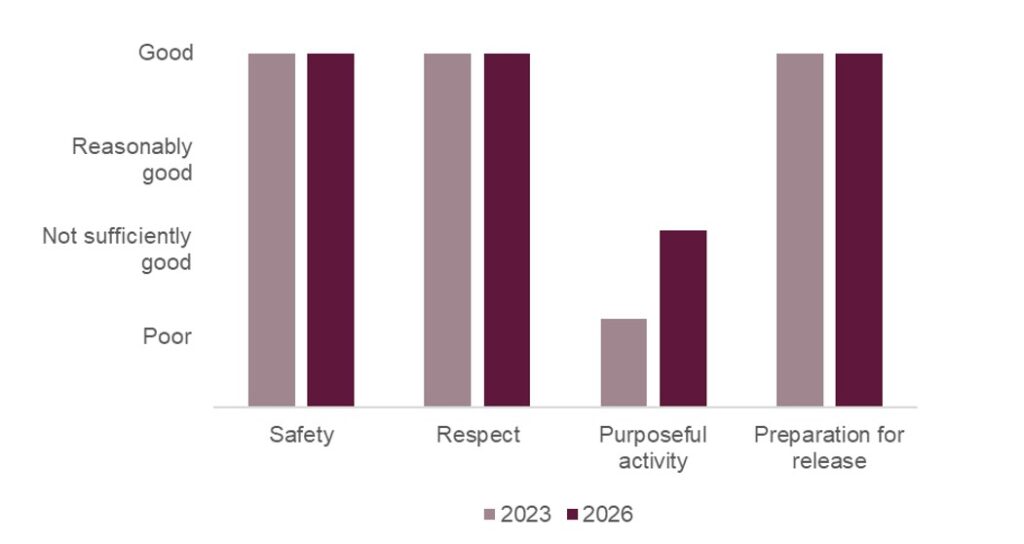
Ashfield near Bristol, is a category C training prison for just over 400 adult men. A relatively modern institution, the prison is operated by SERCO, and has specialised since 2013 in holding men convicted of sexual offences. At this inspection, we found the prison had maintained its reputation for safety, stability and a clear commitment to rehabilitation. Outcomes for prisoners were good in three of our healthy prison tests – safety, respect and preparation for release – and, although outcomes in purposeful activity were assessed as not sufficiently good, there was evidence of progress.
Violence in the prison was very low, with no recent serious incidents. Use of force was rare, and prisoners told us they felt safe. Early days arrangements were particularly strong, with a well ordered reception that avoided overwhelming new arrivals and effective peer support helping men to settle quickly.
Respectful and constructive relationships between staff and prisoners were a strength. We saw many positive interactions during the inspection, and the key worker scheme was effective, with regular and meaningful contact maintained. Living conditions were good, with clean accommodation, little overcrowding and well-equipped communal areas. The prison had also made imaginative use of peer roles and in cell technology to support communication, supporting access to services and encouraging personal responsibility.
Leadership was stable following a recent period of change. The director and her senior team had a clear vision for the establishment and there was good collaboration between departments, particularly in safety and offender management. Work to reduce risk and reoffending was effective, with successful resettlement initiatives. Work to strengthen family ties was similarly making a difference.
Provision for purposeful activity, while improved in some areas, was less strong overall. Most prisoners were engaged in full time work or education and attendance and behaviour were good. However, weaknesses in planning, target setting and quality assurance limited the impact of provision, and too many prisoners lacked clear records of the skills they were developing.
There were also other issues that needed attention. Weaknesses in the handling of complaints, including those relating to staff and discrimination, undermined confidence among some prisoners. In health care, although day to day provision was generally adequate, but prisoners did not always receive timely or suitable care. In addition, a number of prisoners experienced significant delays in progressing through their sentences, particularly in moving to open conditions.
Despite these concerns, this was a very good inspection. Ashfield remained a well run prison with a strong culture, supported by committed leadership and staff. We leave the prison having highlighted a small number of concerns which we trust will assist the prison in the future.
Charlie Taylor, HM Chief Inspector of Prisons, May 2026
Outcomes for prisoners (Back to top)
We assess outcomes for prisoners against four healthy prison tests: safety, respect, purposeful activity, and preparation for release (see More about this report for more information about the tests). We also include a commentary on leadership in the prison (see Section 1).
At this inspection of HMP Ashfield, we found that outcomes for prisoners were:
- good for safety
- good for respect
- not sufficiently good for purposeful activity
- good for preparation for release.
We last inspected HMP Ashfield in 2023. Figure 1 shows how outcomes for prisoners have changed since the last inspection.
Figure 1: HMP Ashfield healthy prison outcomes in 2023 and 2026
What needs to improve (Back to top)
During this inspection we identified eight key concerns, of which four should be treated as priorities. Priority concerns are those that are most important to improving outcomes for prisoners. They require immediate attention by leaders and managers.
| Priority concerns | |
| 1. | Responses to prisoner complaints, including those about discrimination and staff, were often poorly investigated and lacked sufficient scrutiny. This undermined confidence in the complaints process and risked weakening otherwise positive staff prisoner relationships. |
| 2. | Despite a clear focus on fair treatment, many prisoners from minority groups lacked confidence that issues raised would lead to meaningful change. Limited staff engagement in some protected characteristic forums and at celebratory events reduced opportunities to build understanding and reinforce inclusive practice. |
| 3. | Progress in mitigating identified health care risks was too slow. Gaps in staffing, skills and clinical pathways meant that some prisoners did not receive timely or appropriate care. |
| 4. | Leaders in education, skills and work, did not set suitable targets for prisoners to work towards, or review these effectively. Leaders did not adequately capture the knowledge, skills and behaviours that prisoners developed towards their overall targets and goals. |
| Key concerns | |
| 5. | Prisoners had limited access to self‑catering facilities and this reduced opportunities to promote independence and prepare prisoners for release. |
| 6. | Leaders had not ensured that there was sufficient staffing capacity to provide all prisoners with ongoing high-quality careers information, advice and guidance reviews. |
| 7. | Leaders had been too slow to develop the quality monitoring processes required to accurately oversee the quality of education and training provided. The recently introduced processes were too new to have made a significant impact on the quality of education, skills and work and did not accurately capture all areas for improvement. |
| 8. | Too many prisoners experienced significant delays in progressing their sentences. Many, for example, were often waiting several years beyond their eligibility date to move to open conditions. |
Notable positive practice (Back to top)
We define notable positive practice as evidence of our expectations being met to deliver particularly good outcomes for prisoners, and/or particularly original or creative approaches to problem solving. Inspectors found nine examples of notable positive practice during this inspection, which other prisons may be able to learn from or replicate.
| 1. | Early days processes were deliberately calm, helping new arrivals settle and reduce anxiety. Prisoners were supported by peer workers in a well‑ordered reception environment and were not overwhelmed with information on arrival. See Early days in custody. |
| 2. | Prisoners received regular, good‑quality weekly key work sessions, usually with the same officer, who knew them well and prepared for discussions. See Staff-prisoner relationships. |
| 3. | Peer support roles helped develop personal responsibility among prisoners and contributed to a calm, rehabilitative environment. See Staff-prisoner relationships. |
| 4. | The prison promoted sustainability and healthier eating by increasing access to fresh food, which supported prisoners’ well-being. See Residential services. |
| 5. | The prison made good use of in‑cell digital technology to support communication, consultation, access to services and well-being information. See Early days in custody and Prisoner consultation, applications and redress. |
| 6. | Support for older prisoners was particularly strong. Dedicated input ensured that prisoners aged over 50, as well as those who had mobility needs, were supported to participate fully in prison life with dignity. See Fair treatment and inclusion. |
| 7. | A strong reading culture was embedded across the prison, led by effective use of Shannon Trust mentors, peer‑led book delivery to wings and accessible library services. See Time out of cell. |
| 8. | The Families and Friends at the Centre of Throughcare (FACT) initiative was well embedded offering structured engagement with families following transfer and providing regular updates that sustained involvement and supported resettlement. See Children and families and contact with the outside world. |
| 9. | The prison provided free transport for visitors, which helped promote family contact. See Children and families and contact with the outside world. |
Unless otherwise specified, these examples are not formally evaluated, are a snapshot in time and may not be suitable for other establishments. They show some of the ways our expectations might be met, but are by no means the only way.
Section 1: Leadership (Back to top)
Leaders provide the direction, encouragement and resources to enable good outcomes for prisoners.
The director, in post for around 12 months following the mobilisation of a new provider contract, had reset the prison’s strategic direction, reinforcing its rehabilitative focus for the PCOSO population. This brought greater stability after a period of change and helped clarify priorities across the establishment. Leaders applied the contract pragmatically, using professional judgement to focus on achieving the best possible outcomes for prisoners.
The small senior leadership team had been reshaped, with clearer roles, expectations and accountability. This strengthened senior team visibility and oversight and supported a more stable and experienced workforce than had been in place at the last inspection. Leaders also recognised that while sustained low levels of disorder were clearly welcome, this reduced opportunities to practise managing more complex incidents or issues. They had therefore appropriately identified workforce skills development as a priority to maintain capability and resilience.
Leaders promoted a rehabilitative culture. This was supported by initiatives such as the incentivised substance free living (ISFL) unit, which helped sustain a calm and respectful environment and informed positive day-to-day interactions between staff and prisoners. This cultural intent was evident across many areas of the prison, particularly in safety, staff-prisoner relationships and offender management. However, its impact did not always translate consistently into prisoners’ experience. Weak governance and poor processes in some areas, including the handling of complaints and aspects of fair treatment, undermined confidence that issues raised by prisoners would lead to meaningful change.
Leaders’ self‑assessment reflected a clear understanding of the prison’s priorities but was more descriptive than evaluative. While outcomes were monitored across most functions, learning from data and the use of innovation were not yet applied consistently to drive improvement. This limited the pace at which leaders identified and addressed weaknesses, most notably in education, skills and work, where quality assurance and learning plans remained at an early stage of development.
Leaders made positive use of technology, including in‑cell digital systems, to improve prisoner access to services and strengthen engagement, alongside sustainability initiatives that enhanced green spaces and supported the rehabilitative environment. The newly established therapeutic community was progressing ahead of schedule and was underpinned by a psychology service that was well embedded across the prison, working effectively with other departments to support safety and behaviour management.
Leadership of reducing reoffending was effective. A clear strategy and renewed oversight arrangements supported public protection, offender management and positive family contact, contributing to strong resettlement outcomes. Although a small number of prisoners were released without a settled address, overall leadership in this area was strong.
Section 2: Safety (Back to top)
Prisoners, particularly the most vulnerable, are held safely.
Early days in custody
Expected outcomes: Prisoners transferring to and from the prison are safe and treated decently. On arrival prisoners are safe and treated with respect. Risks are identified and addressed at reception. Prisoners are supported on their first night. Induction is comprehensive.
| HMIP prisoner survey | Yes | Compared with similar prisons |
| Overall, were you treated very/quite well in reception? | 94% | No difference |
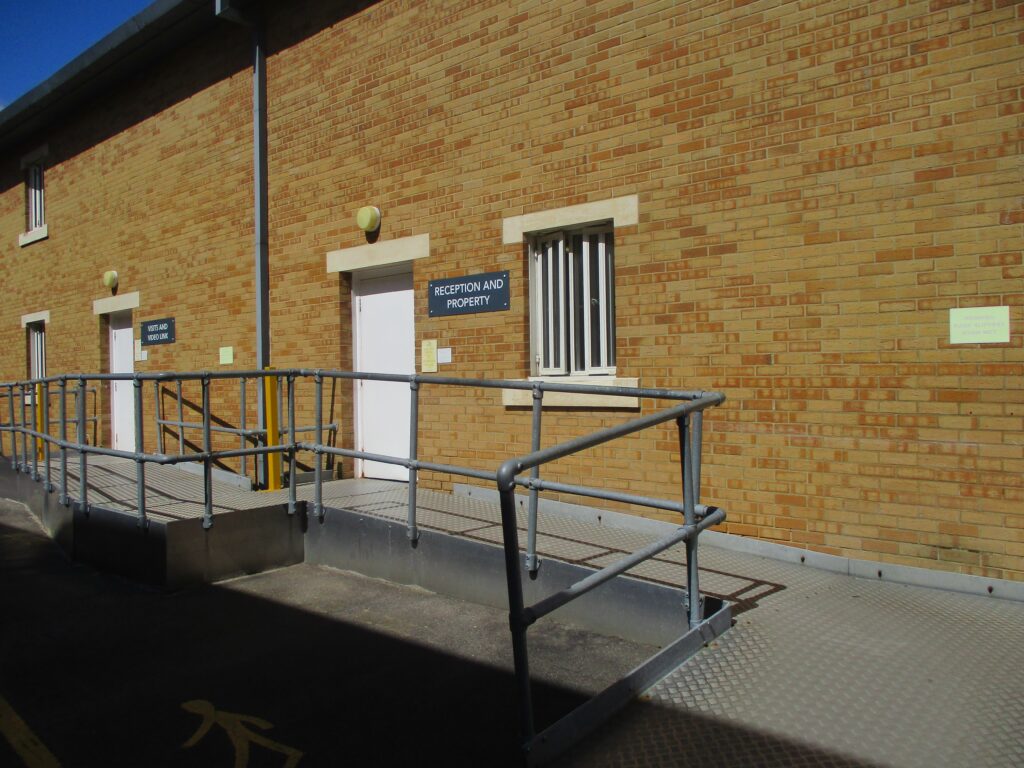
Prisoners we spoke to were positive about their early days experience and this was reflected in several areas of our survey. The accessible reception unit was calm and well ordered. Prisoners were not locked in holding cells during reception and were able to speak with peer workers in a relaxed environment with comfortable seating.
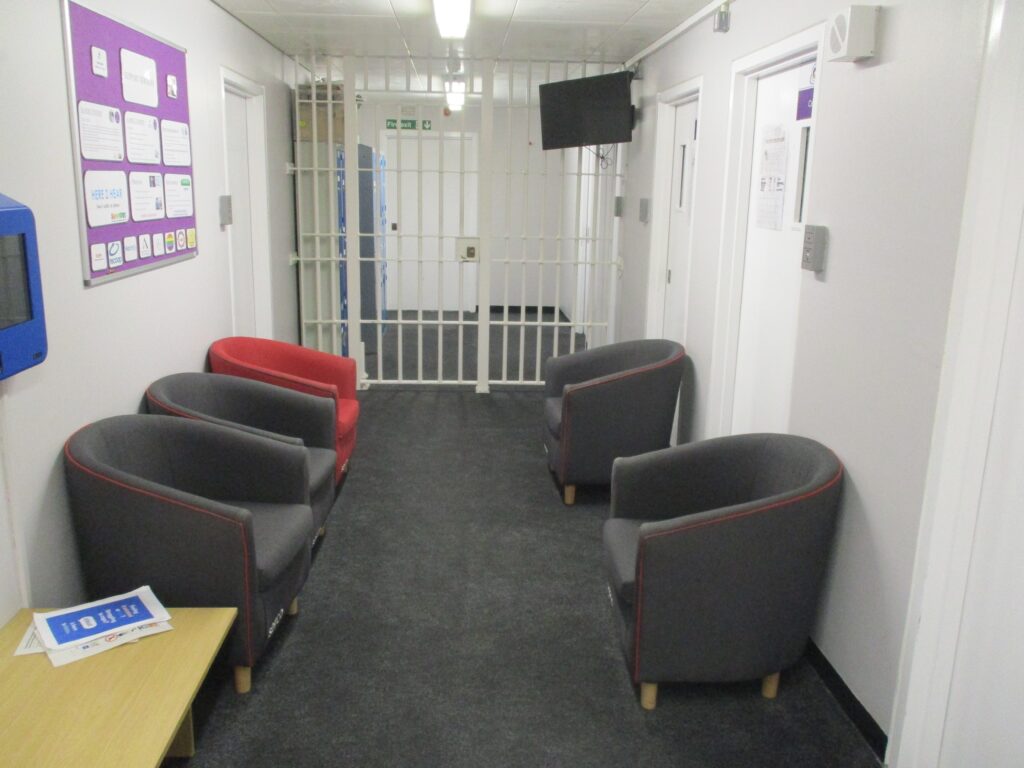
To avoid prisoners becoming overwhelmed on arrival, leaders provided easy read early days material and delayed the completion of some purely administrative processes.
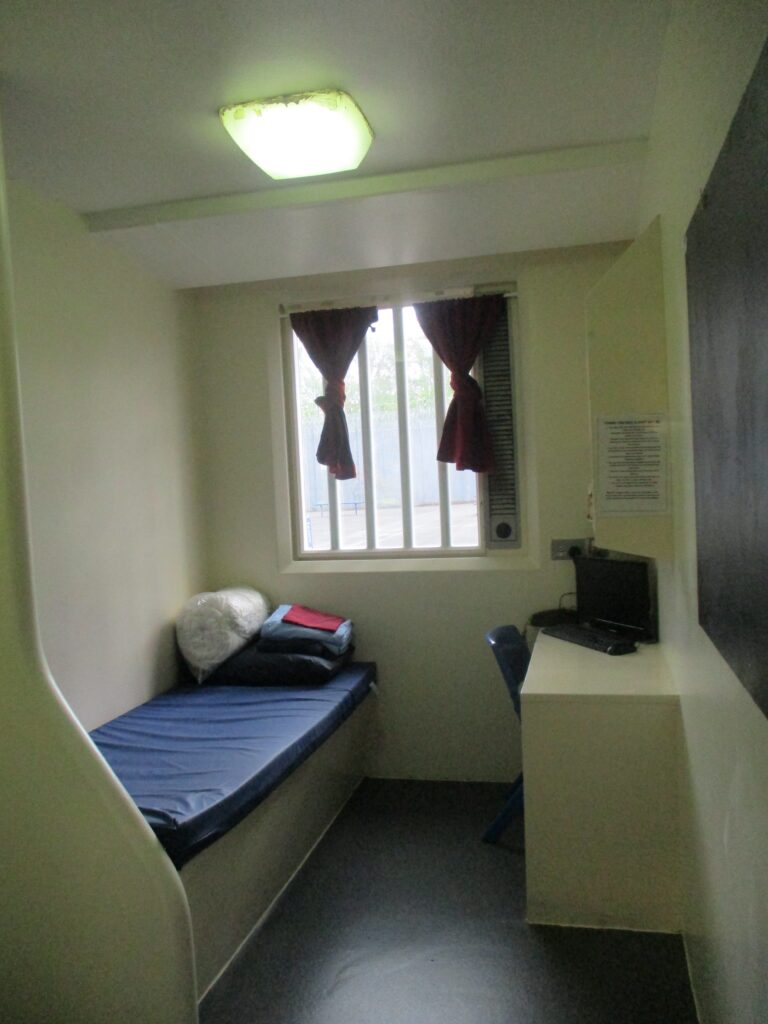
Before lock-up, prisoners moved to the first night wing, where they met peer workers who helped them settle in. All were initially placed in single cells, which were clean and appropriately furnished. Cells included telephones and the prison usually added at least one telephone number to prisoners’ accounts on their first night, enabling early contact with family and support networks.
Prisoners also benefited from PICS (Prisoner In-Cell Solution) which was a digital system prisoners could use to access approved services and information, such as telephone calls, support services and selected prison content. (See also Prisoner consultation, applications and redress.)
| HMIP prisoner survey | Yes | Compared with similar prisons |
| For those who have had an induction, did your induction cover everything you needed to know about this prison? | 86% | Higher |
Prisoners were positive about the induction they received from knowledgeable peer workers. Wing staff, who would also be working with new arrivals during their early days, completed detailed safety interviews. In our survey, almost all respondents (93%) said they had felt safe on their first night.
Promoting positive behaviour
Expected outcomes: Prisoners live in a safe, well ordered and motivational environment where their positive behaviour is promoted and rewarded. Unacceptable conduct is dealt with in an objective, fair, proportionate and consistent manner.
Encouraging positive behaviour
Ashfield remained a very safe prison, with rates of violence over the previous 12 months the lowest of comparable closed adult male prisons. In the previous 12 months there had been just eight prisoner‑on‑prisoner assaults, none resulting in serious injury, and no assaults on staff.
Multidisciplinary working between key workers, safety and psychology teams, and offender managers was reasonably effective in challenging perpetrators of assaults. To prevent potential future escalation, the prison also proactively supported those prisoners displaying behaviours such as aggression or bullying, or who refused to engage in purposeful activity.
The safe, calm environment and good relationships with staff contributed to a positive and rehabilitative culture supported by a reasonable amount of time out of cell. Leaders and staff set high expectations and enforced standards.
| HMIP prisoner survey | Yes | Compared with similar prisons |
| Does this prison reward good behaviour fairly? | 36% | Higher |
| Are there opportunities to motivate people in this prison? | 38% | Higher |
Nearly all prisoners had good access to incentives, which again helped promote positive behaviour, with survey responses that were more positive than at similar prisons. While the distinction between incentive levels was limited, this seemed not to detract from the overall effectiveness of the scheme.
Use of force
Use of force was very low, with 13 incidents over the year. Batons and PAVA (see Glossary) had not been used.
Footage we reviewed showed staff attempting to de-escalate incidents and that force used was proportionate to the risk posed.
However, governance arrangements were not robust. Although all use of force footage was eventually reviewed by a manager, reviews were not carried out promptly after incidents and findings were not routinely recorded.
Segregation
| Data provided by the prison | |
| Number of prisoners segregated in their cells on residential units in the 12 months before the inspection | 33 |
| Number of prisoners segregated at the time of inspection | 0 |
Ashfield did not have a segregation unit. This reflected the prison’s focus on maintaining a calm and rehabilitative environment. The use of segregation on residential units was low. Around half of these periods were imposed following adjudications, with an average duration of 10 days.
Security
Expected outcomes: Security and good order are maintained through an attention to physical and procedural matters, including effective security intelligence and positive staff-prisoner relationships. Prisoners are safe from exposure to substance misuse and effective drug supply reduction measures are in place.
Security measures were appropriate for a category C prison and proportionate to risk, enabling the prison to support a rehabilitative culture.
| HMIP prisoner survey | Yes | Compared with similar prisons |
| In this prison, is it easy/very easy to get: Illicit drugs | 8% | Lower |
| In this prison, is it easy/very easy to get: Alcohol | 6% | Lower |
The use of illicit substances was rare, being much lower than we typically see in similar prisons. Few prisoners said it was easy to obtain illicit drugs or alcohol and HMPPS data showed that, in the previous year, only 1.6% of random drug tests had returned a positive result.
Security was well managed and intelligence was processed and acted on promptly. Staff were alert to offence‑paralleling behaviour, including grooming, manipulation or inappropriate interactions that mirrored offending patterns, as well as indicators of vulnerability to abuse or grooming and they reported concerns appropriately. Daily briefings and monthly newsletters were effective in communicating security priorities to staff.
Safeguarding
Expected outcomes: The prison provides a safe environment which reduces the risk of self-harm and suicide. Prisoners at risk of self-harm or suicide are identified and given appropriate care and support. All vulnerable adults are identified, protected from harm and neglect and receive effective care and support.
Suicide and self-harm prevention
There had been no self‑inflicted deaths at the prison for at least a decade. Prison service data indicated that more than three‑quarters of the population had no recorded history of self‑harm while in custody. In the previous year there had been, on average, 12 incidents of self‑harm each month, with five prisoners accounting for more than half of these. Only two incidents were recorded as serious and the rate per thousand was among the lowest of all category C prisons.
Most prisoners we spoke to who had recently been supported by ACCT (Assessment, Care in Custody and Teamwork) case management said they felt well cared for by staff. Several prisoners commented positively on the support provided by the neurodiversity lead, who maintained contact during periods of lock‑up and helped identify constructive activity to keep men occupied during the day.
Additional support was available through access to Samaritans via in‑cell telephones and the ‘Shout’ confidential text support service available on PICS. A team of trained ‘Here to Hear’ prisoner peer workers also provided support, including during evening lock‑up.
Leaders monitored patterns and trends in self‑harm through routine analysis of data. However, it was not always clear how this oversight might translate into longer‑term preventative action.
Protection of adults at risk
Despite a lack of leadership focus on adult safeguarding, we saw many examples that demonstrated staff recognised and responded to concerns about vulnerable prisoners who may be at risk of abuse. (See also Security.)
Section 3: Respect (Back to top)
Prisoners are treated with respect for their human dignity.
Staff/prisoner relationships
Expected outcomes: Prisoners are treated with respect by staff throughout their time in custody and are encouraged to take responsibility for their own actions and decisions.
Staff-prisoner relationships continued to be very good, and we observed many positive interactions between prisoners and staff. Some prisoners we spoke to, however, raised concerns about being treated unfairly (see Fair treatment and inclusion), and complaints against staff were not always robustly investigated, which risked undermining the good relationships we observed (see Prisoner consultation, applications and redress).
| HMIP prisoner survey | Yes | Compared with similar prisons |
| Do you have a named officer (key worker)? | 99% | Higher |
| For those who have a named officer, is your named officer (key worker) very/quite helpful? | 84% | Higher |
The key worker scheme was a particular strength and better than we usually see. Most prisoners had a designated worker, and prisoners received good quality weekly sessions. The prison had recently introduced transcription technology to support officers to write up key worker sessions more efficiently, but it was too early to see the impact of this.
The prison made effective use of peer support representatives across the prison. They were well trained and given trusted roles. This contributed to the development of personal responsibility and again supported the rehabilitative culture and environment.
Daily life
Expected outcomes: Prisoners live in a clean and decent environment and are aware of the rules and routines of the prison. They are provided with essential basic services, are consulted regularly and can apply for additional services and assistance. The complaints and redress processes are efficient and fair.
Living conditions
| HMIP prisoner survey | Yes | Compared with similar prisons |
| Can you have a shower every day if you want one? | 96% | Higher |
| Can you get clean bedding every week if you want it? | 95% | Higher |
| Can you get cell cleaning materials every week if you want them? | 88% | Higher |
Prisoners were very positive about most aspects of daily life and living conditions on the residential units, which were good. To encourage prisoners to take responsibility for their own environment, the prison had recently introduced new initiatives such as the cleanest wing competition and peer work directly responsible for maintaining decency.
Cells were in good condition and generally well equipped. Two-thirds of prisoners were in single cells and double cells were designed for two people, which meant cells were not overcrowded.
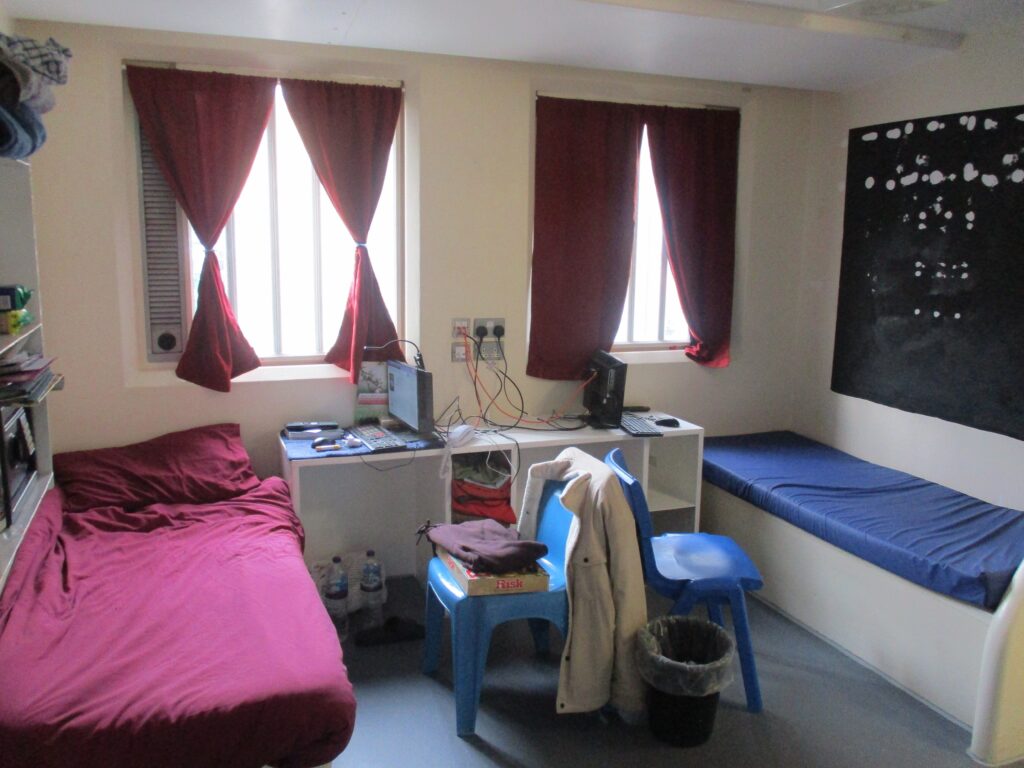
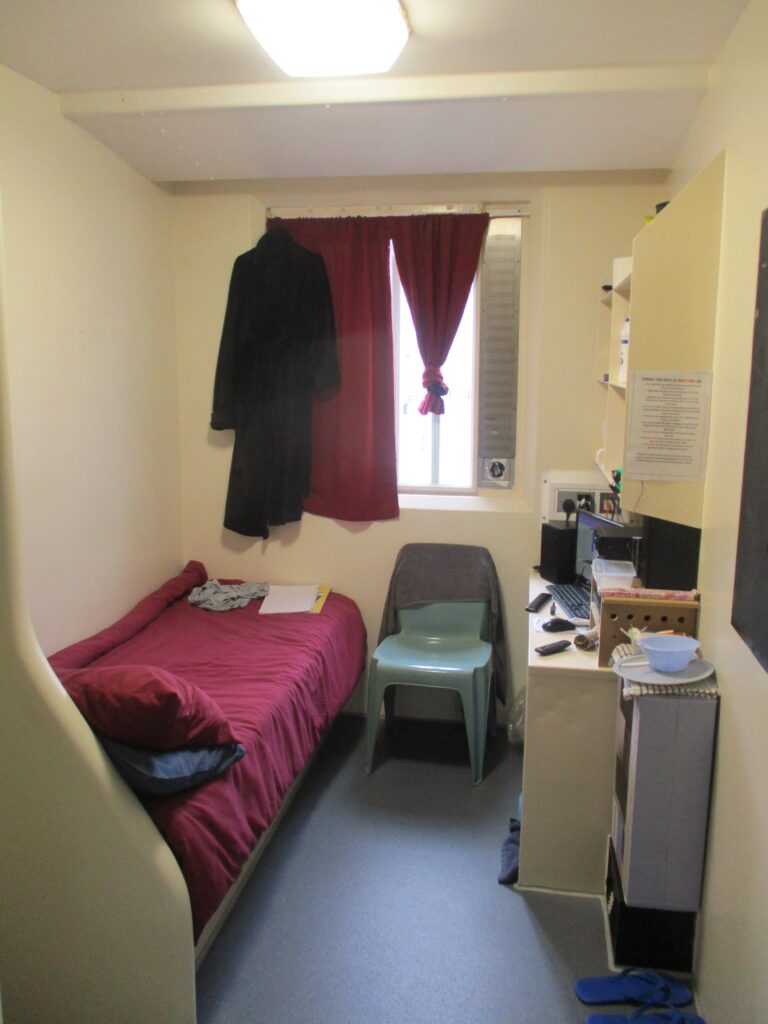
Since our last inspection, there had been sustained investment in the physical environment, including the replacement of cell windows, floors and observation panels. Day‑to‑day repairs were generally completed promptly by an in‑house team. However, on one houseblock prisoners had been left for three months with only one working washing machine, a considerable frustration to prisoners we spoke to. New washing machines were purchased and installed during the inspection.
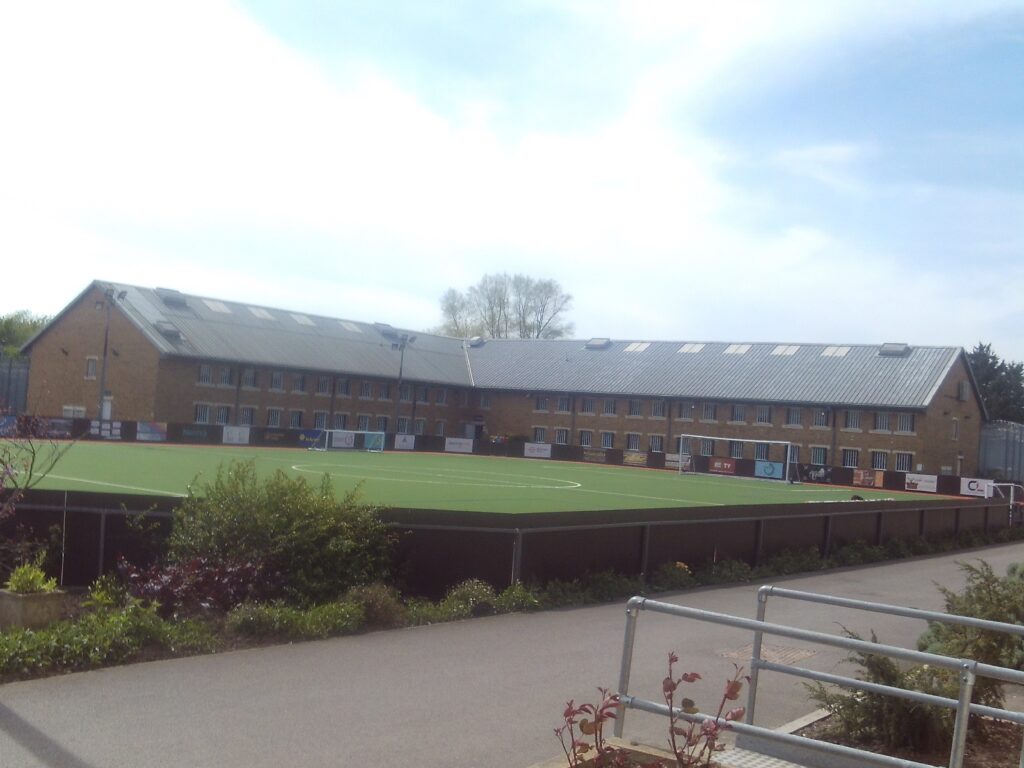
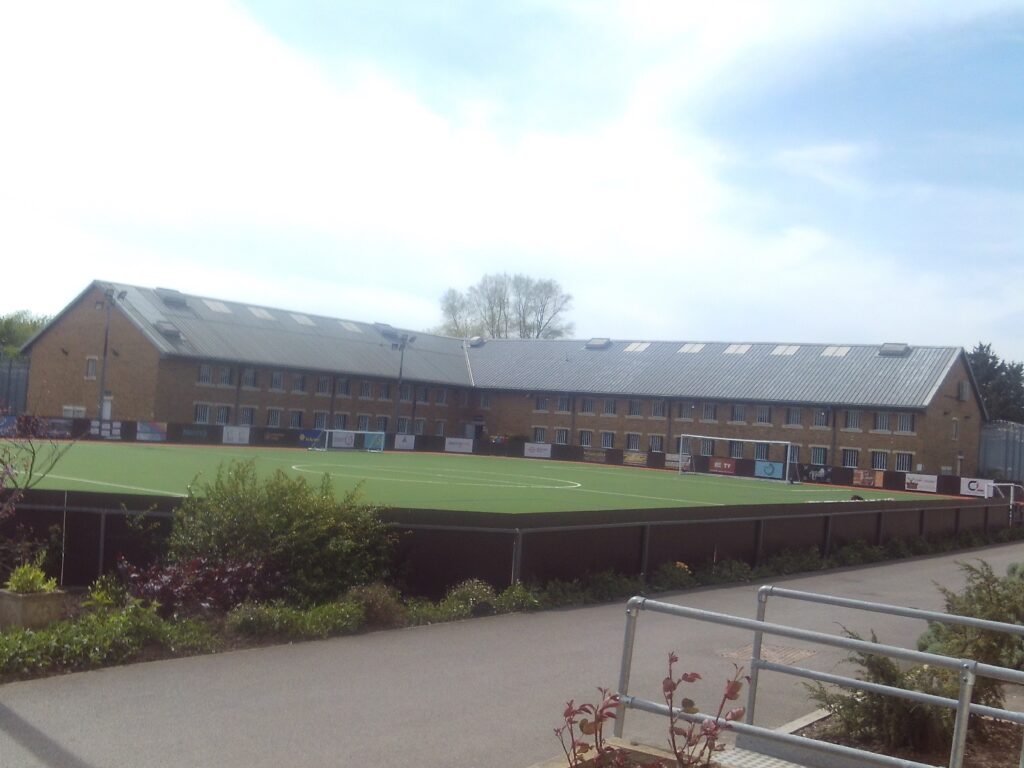
Communal and outdoor areas were well maintained, clean and free of litter. Despite limited green space, the Astroturf area between the two houseblocks and the gardens supported well-being and helped reinforce the calm, rehabilitative environment.
Residential services
| HMIP prisoner survey | Yes | Compared with similar prisons |
| Is the quality of the food in this prison very/quite good? | 75% | Higher |
| Do you get enough to eat at mealtimes always/most of the time? | 62% | Higher |
The prison had a strong focus on healthy eating and sustainability leading to some positive outcomes. In our survey, prisoners were significantly more positive about the quality and quantity of food than at similar prisons. Food included a wide variety of fresh fruit and vegetables. Prisoners in the kitchen baked fresh bread every day, which the prisoners we spoke to said they appreciated.
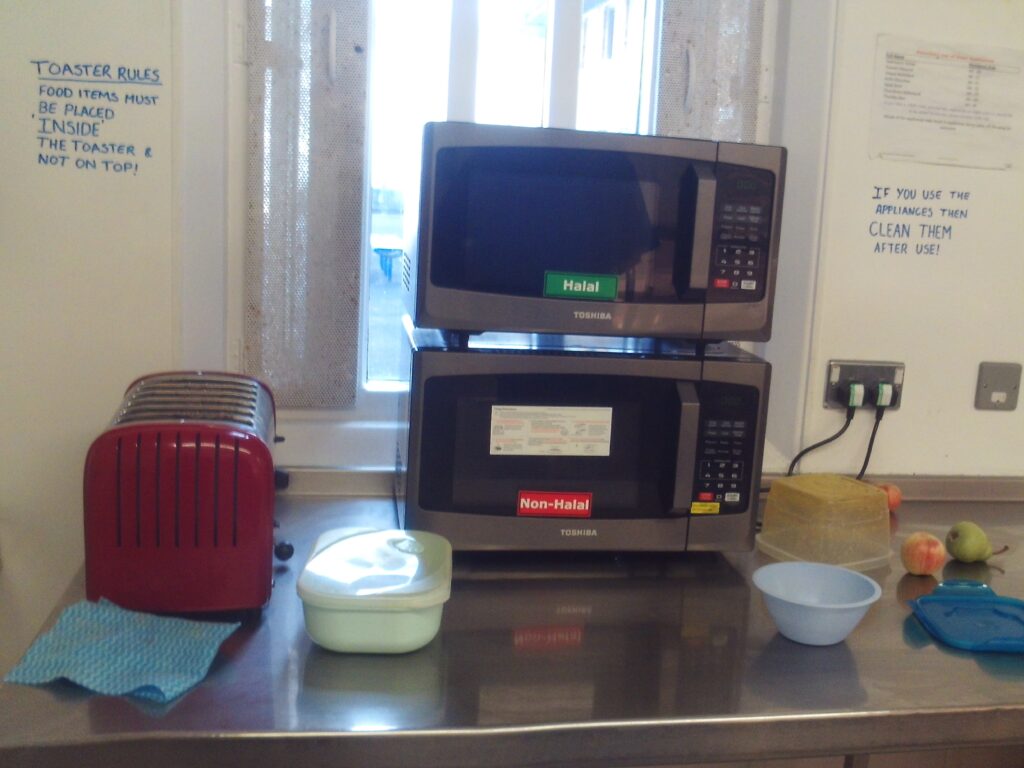
To celebrate religious festivals, every few weeks prisoners from one religious community designed a menu and cooked the dishes to eat in the chapel alongside staff and other prisoners. However, self-catering facilities on the wings were limited and prisoners said they would like more opportunities to cook their own food.
The canteen offered a reasonable range of items but many prisoners we spoke to were unhappy with the cost and availability. Leaders regularly consulted prisoners about canteen via the prisoner information and advice council. They were aware of the complaints raised, some of which were following a recent change in supplier.
Prisoners could use the PICS in-cell technology (see Early days in custody) to order items from a wider range of catalogues than we usually see. In our survey, 88% of prisoners said they could order things they need, which was significantly more than at similar prisons.
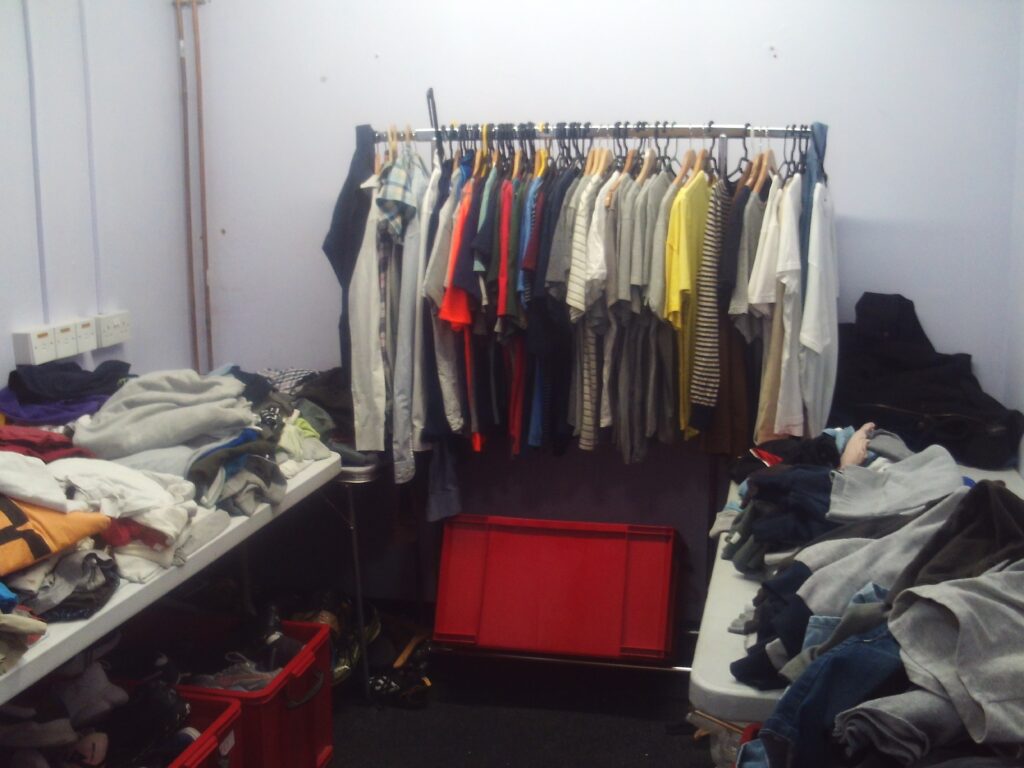
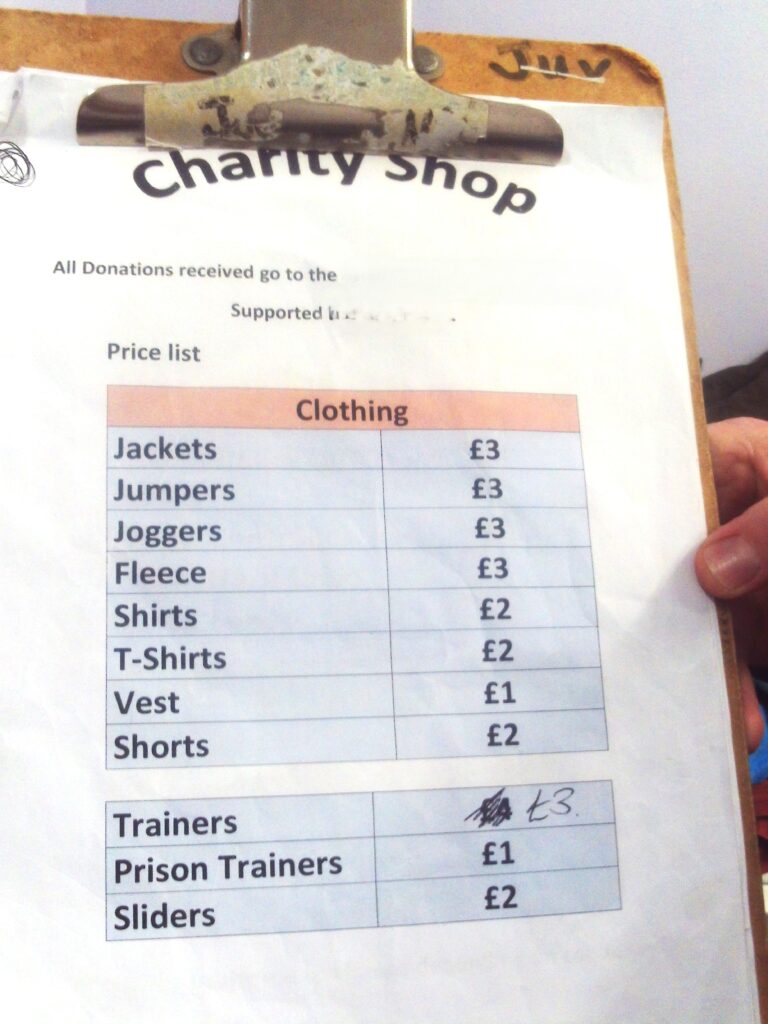
The prison ran a charity shop that allowed prisoners to purchase second hand clothing and electrical items at low cost, with profits donated to charity. This was a positive initiative that supported affordability and social responsibility. However, staffing constraints meant the shop was not always open and some prisoners waited up to a month to access it.
Prisoner consultation, applications and redress
There were regular opportunities for consultation between prisoners and managers. Weekly meetings focused on four key themes to ensure progress on action, and this was shared with the wider population via PICS (See Early days in custody). These devices also allowed prisoners to access their finances and timetable, and order food choices independently, as well as giving access to information to support well-being.
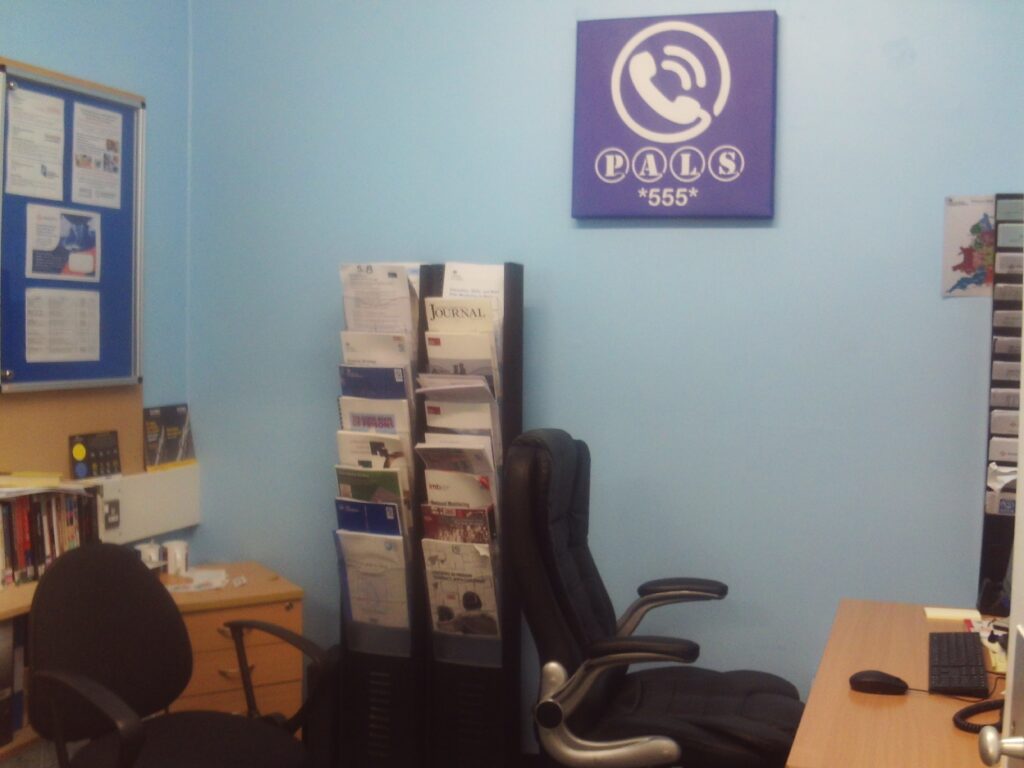
Good time out of cell enabled prisoners to speak with staff and peer workers to resolve many day-to-day issues quickly. They could also access the Prisoner Advice Line & Liaison Service via in‑cell telephones. Peer workers staffing this line could advise on the most appropriate policy or department to deal with queries. Applications were submitted electronically, which most prisoners found easy to do.
Since our last inspection, complaint levels had increased but remained in line with similar prisons. However, fewer than half of prisoners felt complaints were dealt with fairly. The quality of investigations we reviewed, including some about staff, was often inadequate and quality assurance by leaders had not identified this. Several prisoners told us they no longer bothered to submit complaints as they did not have confidence in the system.
Fair treatment and inclusion
Expected outcomes: There is a clear approach to promoting equality of opportunity, eliminating unlawful discrimination and fostering good relationships. The distinct needs of prisoners with particular protected characteristics (see Glossary) or those who may be at risk of discrimination or unequal treatment, are recognised and addressed. Prisoners are able to practise their religion. The chaplaincy plays a full part in prison life and contributes to prisoners’ overall care, support and rehabilitation.
Leaders had sought to prioritise fair treatment by for example, ensuring regular forums for prisoners with protected characteristics. However, many prisoners, including some nominated forum leads, told us that these forums seldom resulted in meaningful change.
There were regular celebratory events for different protected groups, although attendance had declined over time. Leaders were aware that clashes with other activities reduced participation. Prisoners also told us that few staff attended these events, and they felt this limited opportunities to build understanding of different communities.
Work allocation was generally fair but several black prisoners said they believed the most sought after and better paid jobs were disproportionately allocated to white prisoners. This perception was reflected in our survey, where prisoners from minority ethnic backgrounds reported more negative experiences than white prisoners across a range of questions.
Staff from the charity Recoop worked daily providing good support for prisoners aged over 50 on a designated wing (see also Social care). They organised a range of activities, such as bowls and quizzes, and provided training and supervision for prisoner ‘buddies’ supporting those with mobility needs. Personal emergency evacuation plans were well managed and regularly reviewed.
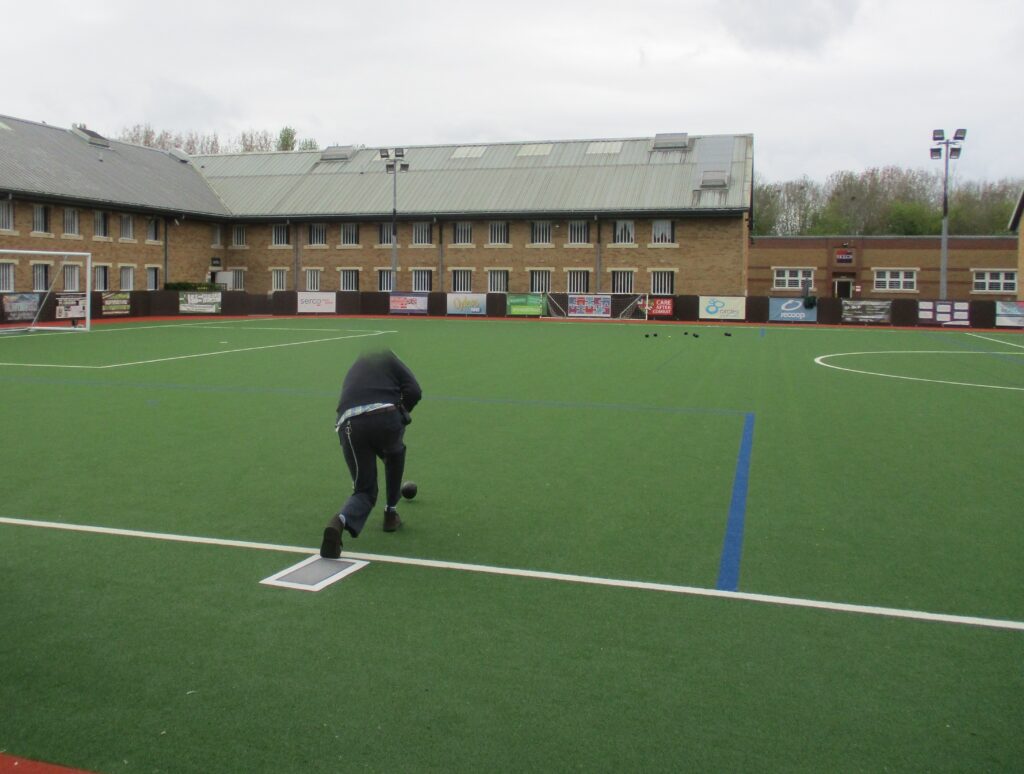
Almost half of the prison population had declared neurodiverse needs. Those prisoners we spoke to were very positive about the individual and meaningful support provided by the neurodiversity lead.
There were 11 transgender prisoners. A few told us they did not feel sufficiently supported and shared examples of staff using incorrect pronouns and failing to challenge transphobic comments made by other prisoners.
An average of one discrimination incident report form was submitted each week. Responses were often detailed but tended to focus on disproving discrimination rather than responding with empathy or fully addressing the concerns raised.
Faith and religion
The chaplaincy team was bolstered by many volunteers and, collectively, they were able to meet the spiritual and religious needs of the population. In our survey, 91% of respondents said they could attend religious services if they wanted to.
The team comfortably completed their statutory duties and used the remaining time to provide individual pastoral support, which was reflected in many positive comments from prisoners during the inspection.
Health, well-being and social care
Expected outcomes: Patients are cared for by services that assess and meet their health, social care and substance use needs and promote continuity of care on release. The standard of provision is similar to that which patients could expect to receive elsewhere in the community.
The inspection of health services was jointly undertaken by the Care Quality Commission (CQC) and HM Inspectorate of Prisons under a memorandum of understanding agreement between the agencies. The CQC found there were no breaches of the relevant regulations.
Strategy, clinical governance and partnerships
There was good partnership working between health care and the prison, and the facilitation of appointments was particularly strong. However, mitigation of some risks was not adequate and solutions took too long.
Delays accessing a qualified prescriber had led to a firefighting approach to each incident, creating additional pressures and gaps in accessing care. The recent infection control audit had identified an issue which the prison needed to address. The same issue was present at the last inspection in 2023. This was unacceptable.
Governance structures were in place and reports carried lots of information, but this was undermined by the under-reporting of delayed prescriptions. However, lessons learned from incidents and serious investigations were shared in other areas.
Safeguarding and clinical supervision were in place and mandatory training for staff was up to date. Record keeping was good and in line with national standards.
The health care staffing profile lacked a qualified sexual health nurse and a dedicated substance misuse prescriber. There were also long‑standing gaps in diagnostic pathways for dementia, autism and ADHD. Despite an identified need, these risks had remained unresolved since 2023 and this highlighted weaknesses in leadership oversight.
There was good patient consultation to inform service development. Health complaints were managed to a good standard.
A paramedic and nurses attended emergencies promptly. Emergency equipment was accessible during the day. Positively, 90 prison officers were up to date with resuscitation training.
Promoting health and well-being
A wide range of health promotion information was accessible throughout the prison. Translation and telephone interpreting was available.
Oxleas NHS Foundation Trust and the prison worked well together to promote better health such as targeted gym health sessions and appropriate nutritional and dietary provision. The health improvement group provided valuable patient feedback that helped enhance the service, supported by the health orderly and peer representatives from each wing.
New arrivals were offered blood-borne virus testing and we saw good uptake of NHS health screening. Flu vaccination levels were good but uptake for other vaccinations was low, despite staff encouragement.
Although sexual health screening was offered, there was no suitably trained sexual health nurse. Access to secondary sexual health care was good for those with more complex care needs. Condoms could be requested confidentially.
Primary care and inpatient services
| HMIP prisoner survey | Yes | Compared with similar prisons |
| Is it very/quite easy to see: Doctor? | 59% | Higher |
| Is it very/quite easy to see: Nurse? | 84% | Higher |
Primary care services were on site between 7.30am and 5.30pm only. Access to GP and nurse appointments was prompt and in our survey 75% of respondents said the overall quality of health care services was good.
However, on occasion, minimum staffing levels were not achieved. This created intermittent delays to planned care. Bank staff were used and the primary care manager regularly covered clinical shifts, although this reduced oversight.
Initial and secondary health screenings were mostly completed within recommended time frames. Late arrivals were screened the following day, with overnight observations carried out by officers.
Clinics included wound care and long-term condition (LTC) management. While there was no specialist LTC nurse, nurses and GPs jointly provided effective care. Patients with complex and palliative care needs received well-organised and compassionate care.
The GP delivered four sessions a week; face-to-face patient care was prioritised but there was a significant prescribing workload which could create delays. Out-of-hours clinical concerns were managed via NHS 111 or emergency services and any interventions were passed to the health care team the following day.
Allied health professionals, such as a physiotherapist and optician, attended regularly and waiting times were reasonable. Administrative and clinical oversight of external hospital appointments was effective, with timely referrals and few cancellations.
There were few releases, but support included help to register with a GP in the community and any continuing medicines were organised.
Social care
At the time of the inspection there were four patients with a social care need. We found their needs had been met and all four told us they were happy with the care they received. However, governance arrangements required improving.
There was no memorandum of understanding between the prison, local authority and care providers. This created a lack of understanding between involved parties regarding their own and others’ responsibilities in the oversight and provision of social care.
The charity Recoop was providing excellent support for older people, including a programme of age-appropriate activities (see also Fair treatment and inclusion). In addition, it provided training and support to peer mentors. The peer mentors we spoke to praised the support and training they had received and the men supported by the peer mentors described them as ‘invaluable’.
Mental health
The mental health service was now well led and the service had improved since our last inspection. The small team had a good skill mix that offered a tiered level of care, including a good range of psychological interventions, learning disabilities care, speech and language therapy and occupational therapy. The psychiatrist was only on site once a month. This carried risks with timely mental health prescribing.
Mental health waiting times were good. Attendance to review prisoners at risk of harm to themselves (who were being supported by ACCT case management) was consistent. People presenting in crisis were prioritised. A cohesive team discussed all new referrals and allocated patients onto manageable caseloads. There was however no dementia, autism or ADHD diagnostic pathway. Referrals to community dementia services were blocked which meant patients were being denied care. This had been on the risk register since 2023.
Clinical records were of a high standard, included risk management and demonstrated meaningful contact with patients. Since our last inspection, no patients had transferred under the Mental Health Act.
Support and treatment for prisoners with addictions and those who misuse substances
Patients requiring clinical substance misuse treatment did not always receive good care. At the time of the inspection there were six patients with a treatment need. However, there were no clinical staff on site to meet their needs. A prescriber was available every eight weeks but this was insufficient. As a result, we found some patients who waited too long for medicines, did not receive appropriate clinical reviews and had no care plans in place.
Change Grow Live provided care for patients requiring psychosocial interventions. We found the service was providing high quality person-centred care.
Referrals were assessed without delay. Assessments we viewed were thorough and all patients had care plans. A wide range of interventions were offered with both one-to-one and group sessions available.
Release planning was good and, to promote continuity of care, all consenting patients were referred to community services. Naloxone was offered to all patients and key harm reduction advice shared.
Medicines optimisation and pharmacy services
Local management of medicines was well organised and most patients received their medicines in a timely manner. However staffing pressures created by vacancies, coupled with the quantity of prescriptions being managed, created delays for some patients.
Patients spoke very positively about the on-site pharmacy team, and we observed competent medicine administration with good officer supervision. Missed doses were followed up the same day.
Medicines reconciliation was generally completed within 72 hours of arrival. In-possession risk assessments were completed appropriately in reception. However, due to limited staff capacity, there was a large backlog of in-possession medication reviews, although urgent cases were prioritised. Around 80% of those patients prescribed medication received it in-possession.
Medicines were supplied by a nearby registered pharmacy. All prescriptions were now clinically screened in response to prescribing pressures. Regional medicines management meetings took place, covering an appropriate agenda. However, local medicines management incidents were under-reported preventing adequate oversight.
The storage of medicines had improved since the previous inspection. Dispensed medicines were clearly labelled and stored securely in lockable cupboards. A pharmacist attended the prison every two months, but the number of structured medication reviews completed was insufficient for the population’s need.
Arrangements for out-of-hours and over-the-counter medicines were appropriate.
Dental services and oral health
A well-led dental service offered a full range of dental care. The dental room and equipment were maintained to a high standard.
Urgent care was in place; however, some patients had to wait several days for the next available slot. These people were managed by a pain protocol.
Patients told us access had improved since our last inspection and reported positively about access and the quality of the care. Waiting times were managed well by thorough monitoring and securing additional sessions as required. Attendance rates at appointments were excellent.
Section 4: Purposeful activity (Back to top)
Prisoners are able and expected to engage in activity that is likely to benefit them.
Time out of cell
Expected outcomes: All prisoners have sufficient time out of cell (see Glossary) and are encouraged to engage in recreational and social activities which support their well-being and promote effective rehabilitation.
Time out of cell was good, with most prisoners unlocked for around 10 hours on weekdays and eight hours at weekends. A small number of prisoners who refused to work spent much of the working day locked in their cells. Despite generally good access to time out of cell, there was no evening association. After the evening meal, prisoners had limited time for domestic tasks or to use exercise yards but could not access off‑wing enrichment activities such as the gym or library.
There were sufficient activity spaces to meet the needs of the population and, at the time of the inspection, 76% of prisoners were in full‑time employment, which was more than at the previous inspection.
Our roll checks showed that, at any given time, around half of prisoners were engaged in purposeful activity. Although this was lower than at the last inspection, it reflected the seven‑day working pattern for many full‑time jobs, which meant prisoners had designated rest sessions on weekdays to complete domestic tasks or access the gym and library.
There was now more free movement across the prison and prisoners had free access to the exercise yards. The yards were well used, free of litter and equipped with a range of recreational equipment and seating. The therapeutic community had only a small exercise yard but was able to access the Astroturf area when it was available, which was a positive feature.
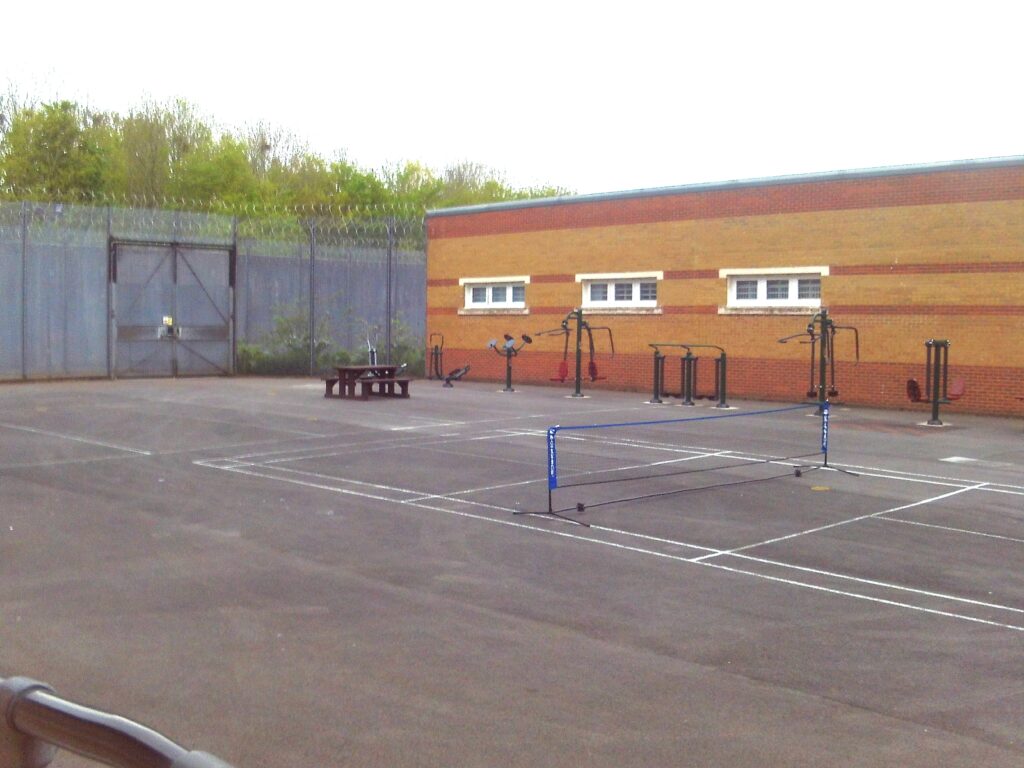
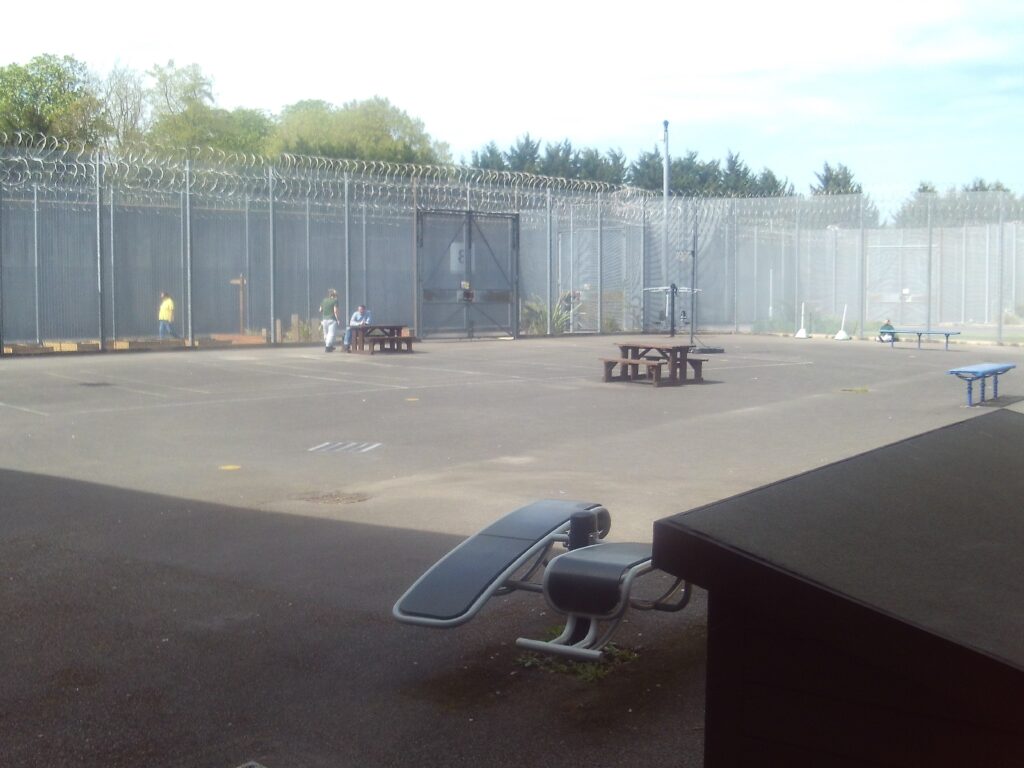
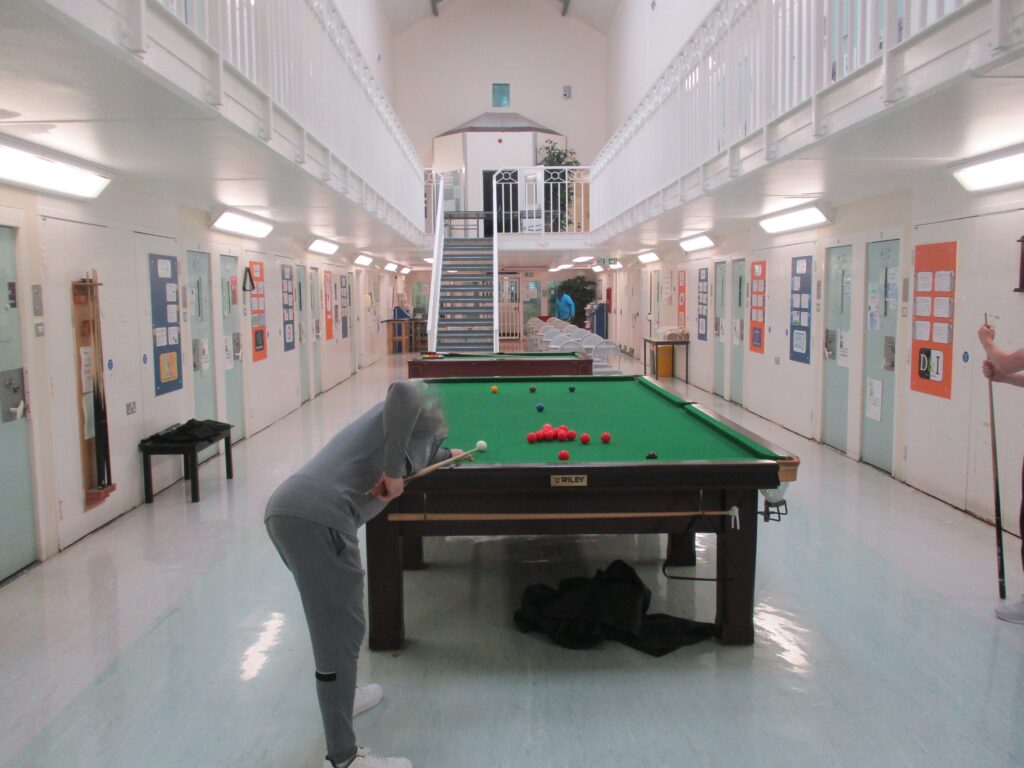
The range of social enrichment activities available was better than we usually see. Activities included coffee mornings, board games, snooker tournaments and book clubs which often involved both staff and prisoners.
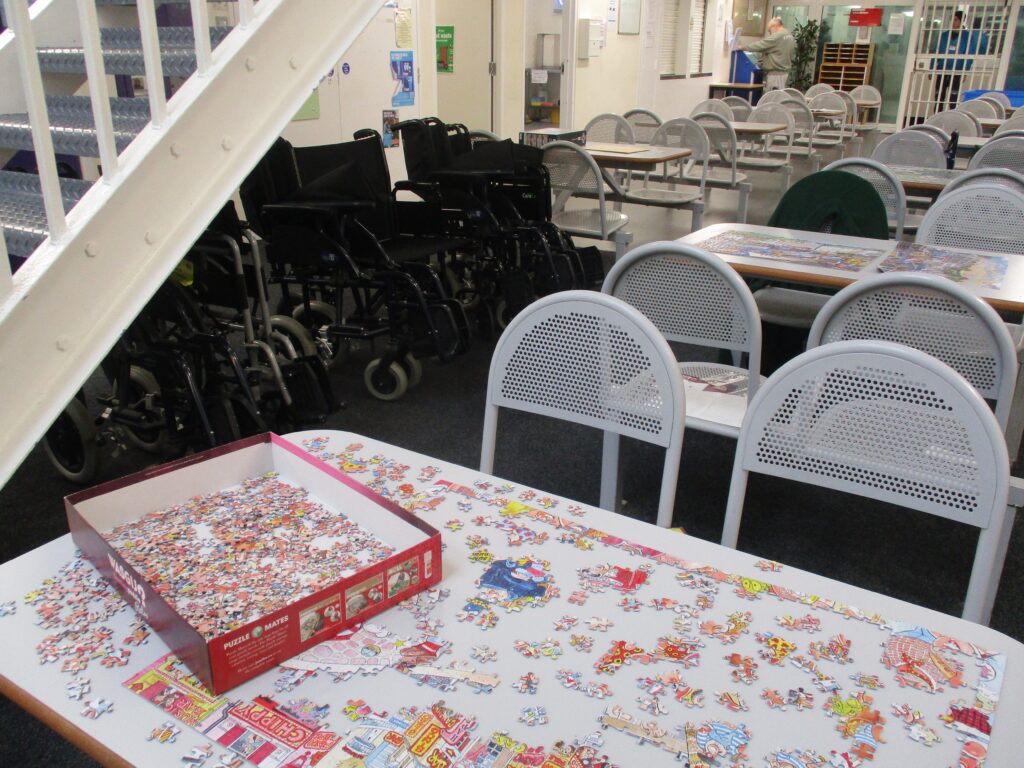
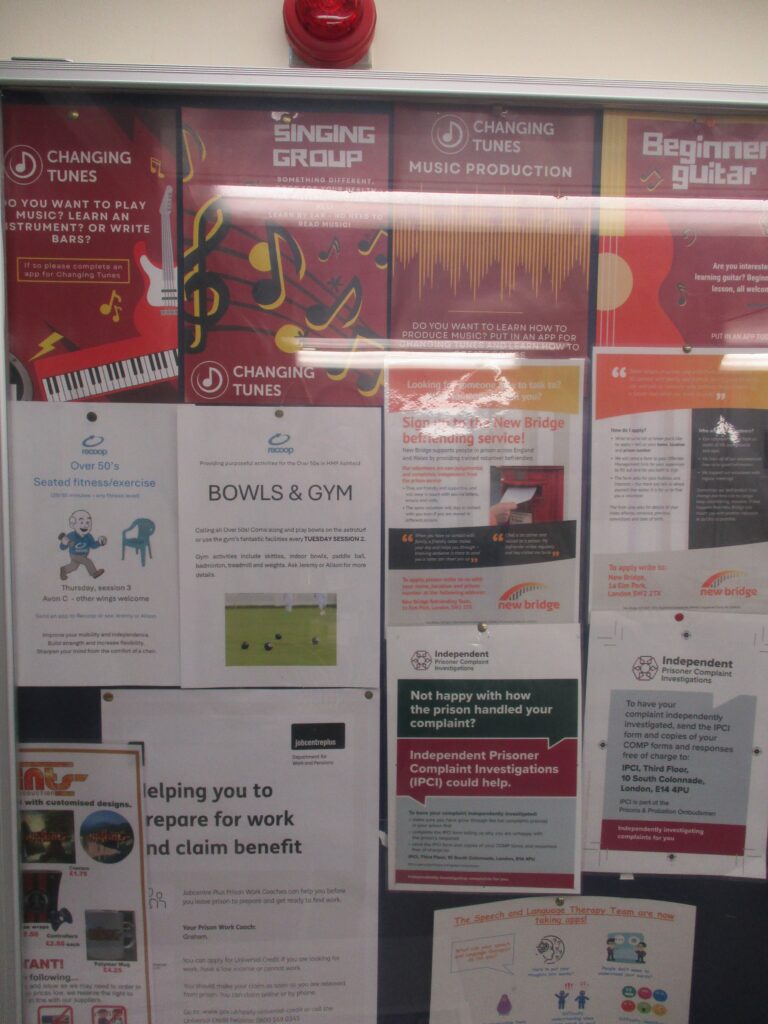
The library was a well-used hub that supported the prison’s rehabilitative focus. It was the first in HMPPS to be run by Shannon Trust, a charity that supports people in prison to learn to read. A team of dedicated Shannon Trust mentors supported a strong reading culture across the prison. Books were readily available on every wing and prisoners could also order books to be delivered via the peer-led Prisoner Advice Line (PAL) and Liaison Service phone line.

In our survey, 82% of prisoners said the library had a wide range of materials to meet their needs compared to 64% at similar prisons. However, this was significantly lower for prisoners from ethnic minority groups other than white (47%) and we found very few examples of translated books, CDs and DVDs.
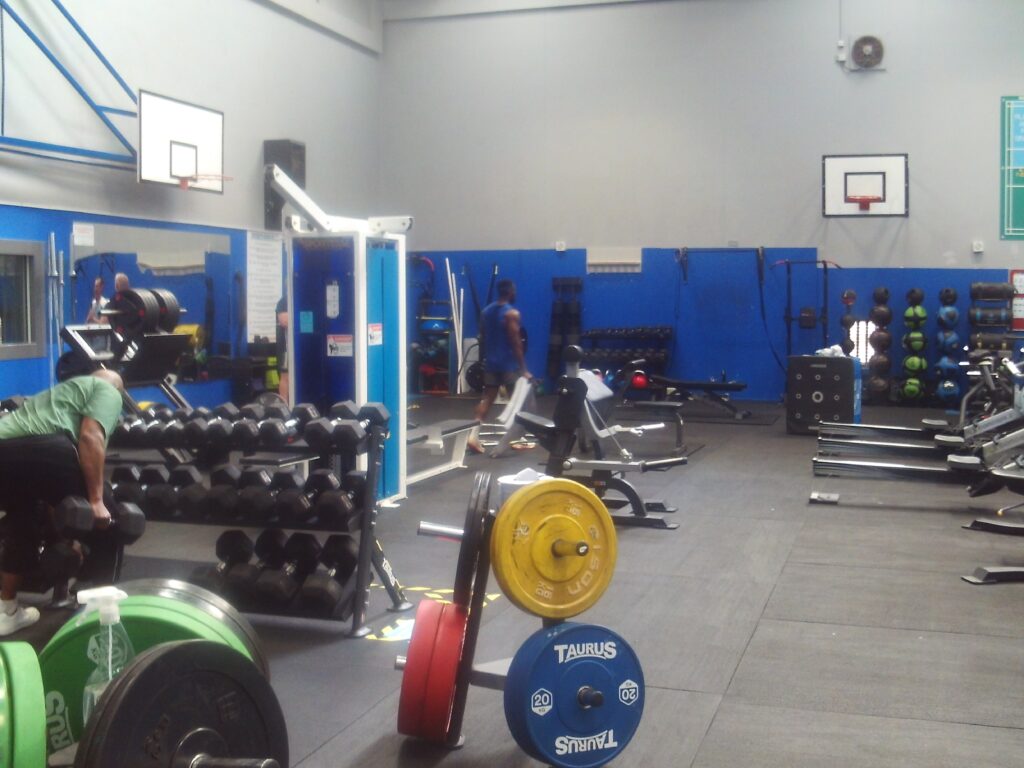
The gym provision was good and there were no restrictions on how often prisoners could attend. A broad range of activities was available in both the gym and on the Astroturf. However, the gym was not open during evenings or at weekends and only around half of prisoners used it. Leaders had not analysed the reasons for this or identified opportunities to increase participation, and there was no gym manager in post to provide oversight or help increase engagement.

Education, skills and work activities

Ofsted inspects the provision of education, skills and work in custodial establishments in England. The following summary has been provided by Ofsted inspectors who attended this inspection. Their full report is published under ‘Survey materials and Ofsted full report‘.
Ofsted made the following assessments about the education, skills and work provision:
- Overall effectiveness: Requires improvement
- Quality of education: Requires improvement
- Behaviour and attitudes: Good
- Personal development: Requires improvement
- Leadership and management: Requires improvement
Leaders had taken suitable actions to rectify most of the concerns identified at the previous inspection. They had substantially increased the number of functional skills English and mathematics places so that there were sufficient places for prisoners to improve their skills and gain the qualifications they needed in these subjects.
Leaders had re-prioritised prisoners’ schedules of activities effectively so that prisoners selected an appropriate balance of education, work and leisure activities, ensuring that the latter were planned at times that did not interfere with education and work activities.
Leaders provided sufficient activity spaces so that most prisoners worked and studied on a full-time basis. These were allocated taking each prisoner’s aspirations, background, offence and sentence into account so that prisoners mostly undertook activities that met their specific needs and goals.
Leaders had improved their oversight of education, skills and work activities markedly since the previous inspection. They had recently reinstated the quality improvement group and introduced a sensible quality improvement cycle that included frequent lesson observations and learning walks. These processes were in their infancy and not sufficiently well developed to capture accurately the areas for improvement that remained.
Leaders did not plan suitable targets for prisoners to work towards during their activities. Teachers and instructors did not adequately capture the overall progress prisoners were making against their targets. This meant that prisoners did not have a suitable record of the skills and behaviours they had developed during their time at Ashfield.
Staff undertaking induction activities carefully established prisoners’ reading levels at the start of their stay. They used this information to prioritise those with lower levels of reading ability and worked effectively with the Shannon Trust to provide prisoners with suitable support.
Prisoners in most business-critical roles such as kitchens, wing work, gardens and servery work took pride in the quality of their work, which matched commercial standards.
Prisoners who had arrived at the prison more recently received appropriate careers information, advice and guidance that linked the available curriculum to their aspirations and realistic employment opportunities on release. However, leaders had been too slow to ensure the remaining half of the population received the careers guidance that they were entitled to. Consequently, these prisoners did not have the targets they needed to be supported in their education, career and work pathways.
Leaders had carefully redesigned the curriculum so that it presented prisoners with a broad selection of training for employment on release, such as construction skills, business skills and digital production. The curriculum included a small but increasing range of level three and four courses in subjects such as business and sport so that prisoners could study at a higher level.
Staff mostly ensured that prisoners with learning difficulties and/or disabilities were able to participate fully in learning and develop relevant skills and knowledge. Staff carefully identified prisoners’ individual needs as part of their induction and provided them with appropriate support.
Most prisoners, except for those studying mathematics, achieved the qualifications and goals that they intended to achieve. Those studying English, catering, horticulture and digital media production achieved particularly well.
Prisoners’ attendance at activities was high. They were punctual and most demonstrated high levels of motivation for their activities.
Section 5: Preparation for release (Back to top)
Preparation for release is understood as a core function of the prison. Prisoners are supported to maintain and develop relationships with their family and friends. Prisoners are helped to reduce their likelihood of reoffending and their risk of harm is managed effectively. Prisoners are prepared for their release back into the community.
Children and families and contact with the outside world
Expected outcomes: The prison understands the importance of family ties to resettlement and reducing the risk of reoffending. The prison promotes and supports prisoners’ contact with their families and friends. Programmes aimed at developing parenting and relationship skills are facilitated by the prison. Prisoners not receiving visits are supported in other ways to establish or maintain family support.
Provision to support prisoners in maintaining contact with family and friends was good and underpinned by effective leadership. In our survey, prisoners were significantly more positive than those in similar prisons about staff encouragement to keep in touch with family and friends.
There was a clear, prison‑wide approach to family contact. This recognised the importance of families to prisoners’ progress and resettlement.
Since the previous inspection, commissioning arrangements with Partners of Prisoners and Families Support Group (POPS) had strengthened provision. POPS staff supported families to navigate the visits process and had established family forums. They also delivered targeted workshops on communication skills and, more recently, family court processes.
Monthly family days were well planned and offered a range of meaningful activities, including a sports day that was particularly well received.
The excellent Families and Friends at the Centre of Throughcare (FACT) initiative had continued to develop. Families of newly transferred prisoners were invited into the prison to meet staff from key departments, receive information and ask questions. Those who opted in (72 families) received regular updates on prisoners’ progress, which helped sustain family engagement.
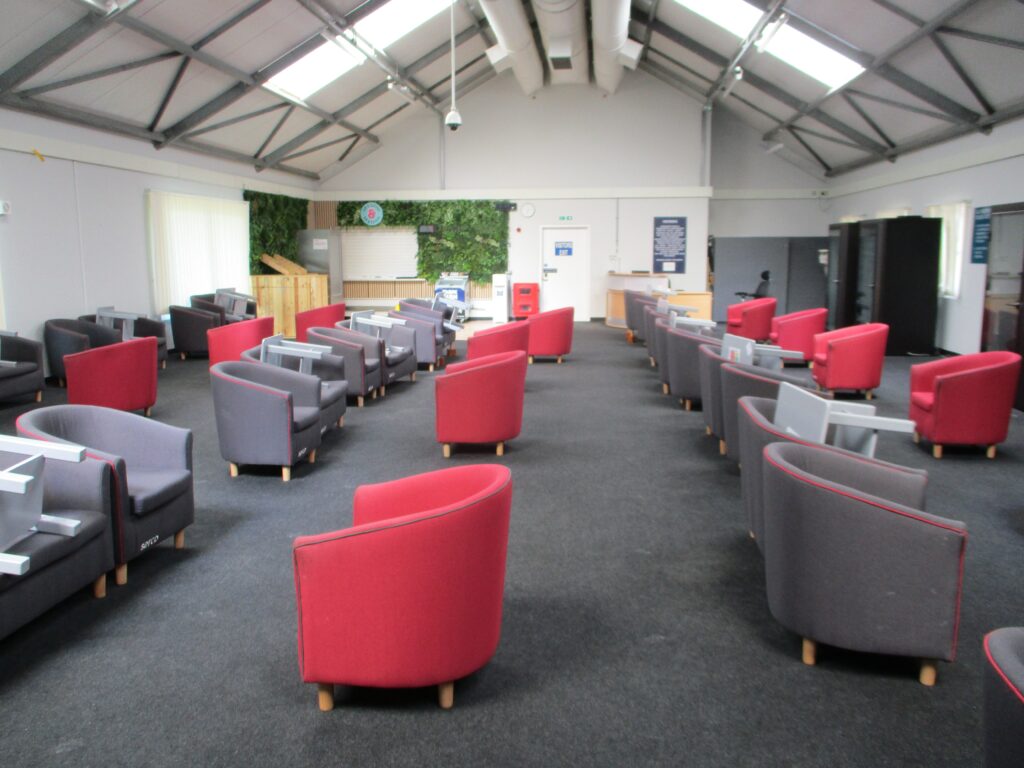
Arrangements for social visits were good, with visits available from Friday to Sunday and sufficient capacity to meet demand. The visits hall was accessible, refreshments were available at reasonable prices and visits involving children took place in a dedicated room with age-appropriate resources. However, some popular refreshments were not always available on the final day of the visiting period.
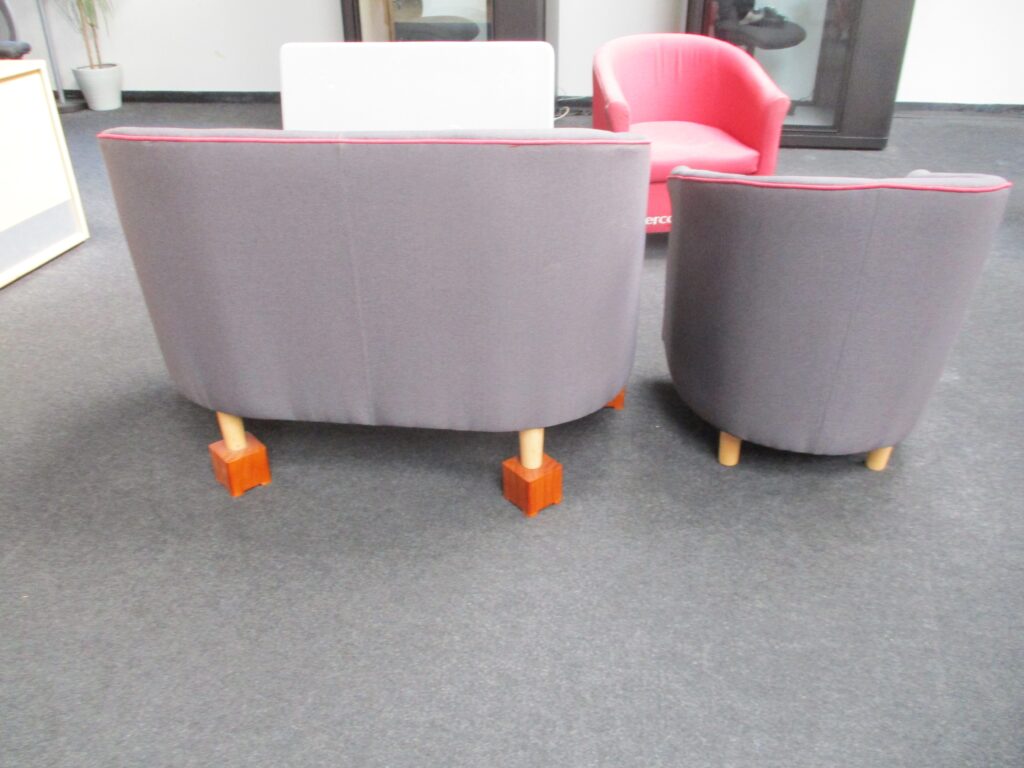
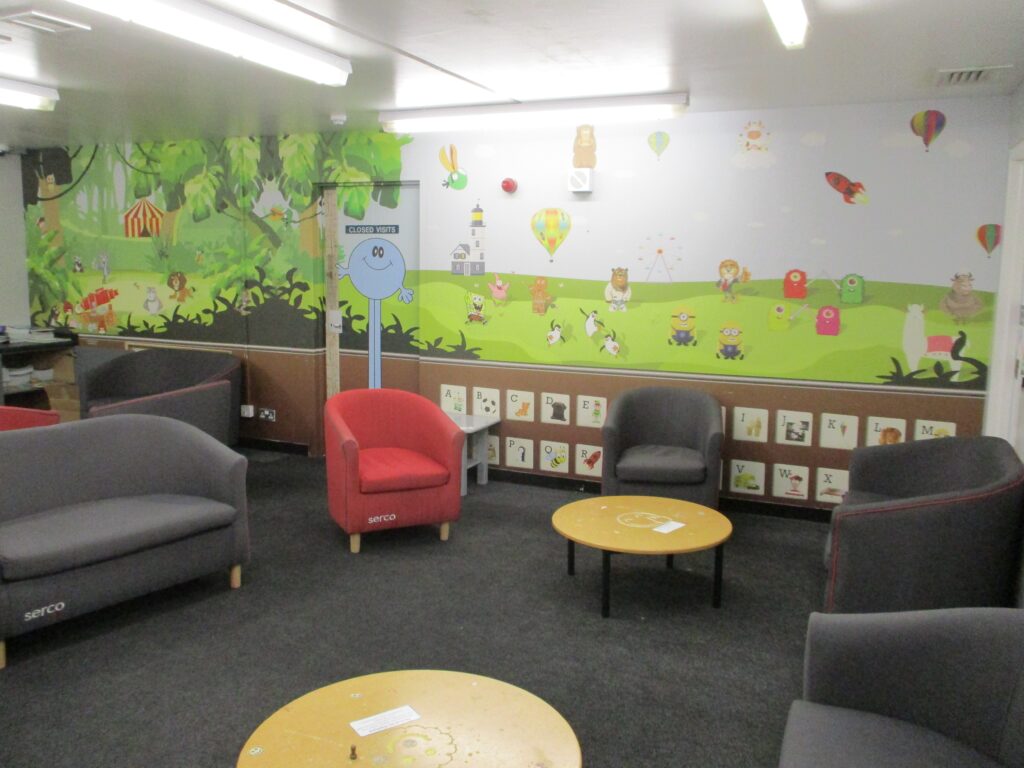
Given the prison’s national role, the introduction of free transport for visitors was a positive initiative. Prisoners were also able to maintain contact through in‑cell telephones, digital messaging via PICS, an email‑a‑prisoner service and secure video calls, all of which were well used.
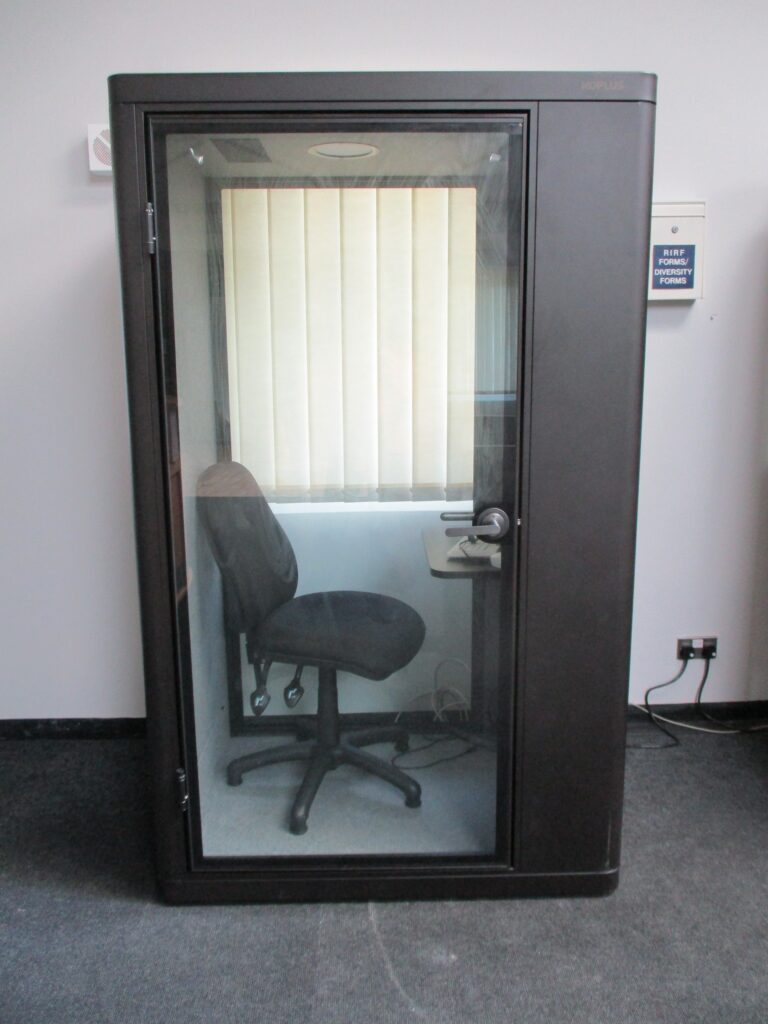
Support for prisoners without existing family contact was developing, with some assistance available to help them establish links.
Reducing reoffending
Expected outcomes: Prisoners are helped to change behaviours that contribute to offending. Staff help prisoners to demonstrate their progress.
The population profile and size had not changed significantly since the previous inspection, although some prisoners had recently arrived with additional convictions alongside sexual offences. Ashfield’s role as a category C training prison for prisoners convicted of sexual offences remained unchanged.
The establishment of a small therapeutic community (TC) was a new development and a promising initiative. Over the previous eight months, the number of residents actively engaged in therapy had increased steadily. At the time of the inspection, nine residents were participating in therapy and lived alongside seven non‑TC prisoners. Both groups spoke positively about their experiences and staff were well engaged in supporting the model. The TC was progressing ahead of schedule and was expected to reach full operational delivery by the autumn.
A reducing reoffending strategy was in place and supported by regular delivery meetings chaired by the deputy director, which provided clear strategic direction.
The prison offered a calm and rehabilitative environment with clean residential accommodation and caring staff. In our survey, 63% of prisoners said that being at Ashfield made them less likely to reoffend, and prisoners we spoke to expressed similar views. However, many were frustrated by delays in accessing the Building Choices offending behaviour programme, which for some had been a key reason for transferring to the prison (see also Opportunities for prisoners to progress).
How staff were supporting prisoners and managing risk
OMU leaders demonstrated a strong commitment to prisoner engagement and, despite operating across two sites, the co‑location of prison offender managers (POMs) with the interventions team supported effective collaboration.
Caseloads for POMs were manageable, averaging around 60 for probation POMs and up to 40 for prison POMs. POMs attended multidisciplinary meetings regularly and had good knowledge of the prisoners they managed. Almost all prisoners could name both their POM and key worker.
Strong key work continued to support effective prisoner contact and remained a notable strength. Prisoners received weekly contact, usually with their named key worker, and records demonstrated effective liaison between key workers and POMs. Despite this, some prisoners, particularly those early in their sentences, felt frustrated about the pace of their progress.
Most prisoners said there was someone helping them to work towards their targets and assessments in OASys (see Glossary) were mostly up to date and of good quality. However, progression for many remained closely linked to completion of an accredited programme, which was unlikely to take place until the later stages of sentence.
Support for prisoners who denied their offending was weaker. There was little evidence that denial was routinely explored, challenged or addressed through structured assessment or purposeful engagement, limiting opportunities to manage risk and support progression.
At the time of the inspection, 55 prisoners were serving imprisonment for public protection (IPP) or life sentences. Although an IPP tracker was in place, and we saw examples of good one‑to‑one support from psychology staff, there was limited additional provision tailored to the specific needs of these prisoners.
OMU leaders had completed a comprehensive review of prisoners who posed a risk to children, which had strengthened oversight and clarified lines of responsibility.
Prisoners whose level of risk required monitoring of their communications were appropriately identified, although the number subject to monitoring was low.
Opportunities for prisoners to progress
Although the Building Choices programme (see Glossary) was delivered in line with national HMPPS prioritisation guidance, some prisoners were unable to access it when needed. As a result, their progression to open conditions was often delayed, as they could not complete the programme required.
The psychology team was well resourced and effectively integrated within the prison, delivering a range of targeted one‑to‑one interventions and providing timely consultancy and advice to staff. Training for new staff had increased and included sessions on trauma awareness, rehabilitative culture and offence‑related behaviour.
A broader range of non‑accredited interventions was available, including communication workshops, release‑planning seminars and individualised support, which complemented accredited programme delivery.
Returning to the community
Expected outcomes: Prisoners’ specific reintegration needs are met through good multi-agency working to maximise the likelihood of successful resettlement on release.
Although the prison was not designated as a resettlement establishment, about five prisoners were released each month. Approximately half were released to areas outside the south-west, which added complexity to resettlement planning and coordination with community agencies.
The integrated risk management meeting maintained oversight of all prisoners approaching release, which supported information sharing and public protection arrangements.
Most prisoners were released to approved premises. However, in the previous 12 months, four prisoners were released homeless. This included one prisoner who was inappropriately placed in hotel accommodation.
Where prisoners could not be collected on release, the prison provided transport to onward destination hubs. Given the nature of the population, this helped provide reassurance to the local community.
Resettlement provision had improved significantly since the previous inspection. Outreach services introduced under the new contract strengthened practical support in the final months before release. Nacro, a crime reduction charity, delivered a range of resettlement interventions, including a seven‑module Skills for Independent Living course covering well-being, employment, disclosure and benefits. At the time of inspection, 29 prisoners had completed this.
Nacro also provided practical, outcome‑focused support to help prisoners address key resettlement barriers, including opening bank accounts, obtaining identification documents and managing debt. Careers, information, advice and guidance provision complemented this work for prisoners approaching release. Those in their final six months received support with job preparation, CV writing and interview skills, including access to volunteering opportunities.
A Department for Work and Pensions prison work coach attended fortnightly and provided benefits advice, although some prisoners reported not receiving this support. Additional pre‑release support was given to help prisoners manage risk and reintegrate safely into the community, alongside an eight‑week course focused on self‑employment and business planning.
Prison data indicated that approximately 28% of prisoners were in employment six months after release.
Section 6: About HMP Ashfield (Back to top)
Category of the prison
Category C adult male prison for those convicted of sexual offences.
Brief history
The prison was built on the site of the Pucklechurch Remand Centre and opened in 1999. It was the first private prison in the UK to house young offenders. Following a re-role in 2013, it became a category C adult male establishment for those convicted of sexual offences.
Population
412 prisoners were held at the time of the inspection. There was operational capacity for 415.
- 84% of the population were white and British.
- 21 (5%) prisoners were foreign nationals.
- 38 prisoners were receiving support for substance misuse.
- Five prisoners were released into the community each month, on average.
Short description of residential units
There are two main residential units, Avon and Severn, each consisting of four wings accommodating between 40 and 60 prisoners. There is also a separate 16-bed therapeutic community unit.
Avon unit:
A & B – general population
C – accessible/adapted/older prisoners unit
D – early days
Severn unit:
A, B, C – general population
D – ISFL
Prison status (public/private)
Private – Serco
Key providers
Physical health provider: Oxleas NHS Foundation Trust
Mental health provider: Oxleas NHS Foundation Trust
Substance misuse treatment provider: Change Grow Live
Dental health provider: Time for Teeth
Prison education framework provider: Serco
Escort contractor: Serco
Prison group director
Jamie Bennett
Name of director and date in post
Rachel Barras, May 2025
Changes of governor/director since the last inspection
Jon Bratt, March 2023 – April 2025
Independent Monitoring Board Chair
Deborah Morris and Mary-Ann Palmer (shared role)
Date of last inspection
9–20 October 2023
Progress on concerns from the last inspection (Back to top)
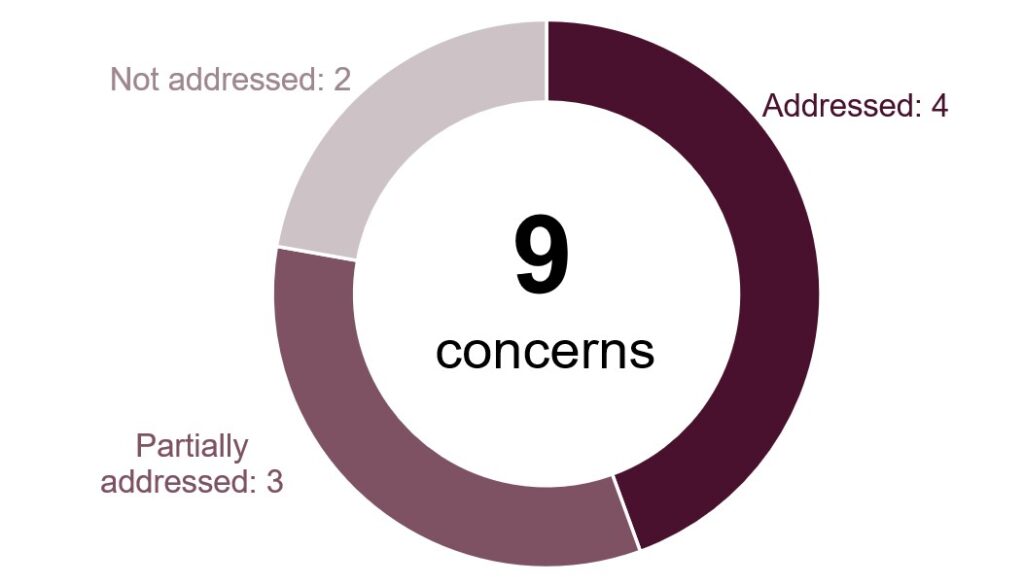
At our last inspection in 2023 we raised nine concerns, four of which were about areas of priority concern.
At this inspection we found the following progress:
The following is a list of all the concerns raised, organised under the four tests of a healthy prison.
Safety
Priority concerns
None.
Key concerns
None.
Respect
Priority concerns
None.
Key concerns
Outcomes in response to consultation with prisoners were far too
slow. Although there was regular and thorough consultation on a range
of subjects, there was insufficient action to lead to positive change.
Addressed
The health needs assessment was out of date and there were a few
areas where the current provision did not align with the needs of
the population. This included insufficient optician sessions and gaps in
diagnostic services for patients with neurodivergent needs.
Not addressed
There were some weaknesses and potential risks associated with
the use of the in-possession medication lockers and the storage of
medicines in the pharmacy room.
Addressed
Purposeful activity
Priority concerns
The prison did not offer enough full-time activity spaces for its
prisoners. In particular, there were insufficient places on English and
mathematics courses to improve the functional skills of prisoners who
were below level 2.
Addressed
The regime did not support consistent attendance at education
and work. There was no evening association, so attendance at the
gym, for example, often interrupted the working day.
Addressed
The provision of education, skills and work was of not sufficiently high quality. Prisoners studying vocational training in industries did not have enough opportunities to achieve a qualification or have their employment skills recorded, and too many did not achieve their functional skills qualifications. There had been very slow progress in implementing a reading strategy as part of the education offer, particularly for those with very-low-level or no reading skills.
Partially addressed
The education, skills and work provision had not been rigorously managed, monitored or quality assured over time. Leaders’ improvement plans did not identify improvements effectively or drive them quickly enough.
Partially addressed
Key concern
Careers information, advice and guidance were not effective and
did not provide sufficient support to enable prisoners to determine
the most appropriate choice for employment on release.
Not addressed
Preparation for release
Priority concerns
None.
Key concerns
There was insufficient coordination of resettlement planning in the
final months before release. There was no pre-release service,
prisoners were not routinely screened for their needs on arrival or pre
release and there were no resettlement plans.
Partially addressed
More about this report (Back to top)
This report outlines the priority and key concerns from the inspection and our judgements against the four healthy prison tests. Each of the following four sections contains a detailed account of our findings against our Expectations for men’s prisons.
Find out more about our Expectations and how we inspect
Find out more about priority and key concerns
Find out about notable positive practice
Findings from the survey of prisoners and a detailed description of the survey methodology are published alongside this report. Please note that we only refer to comparisons with other comparable establishments or previous inspections when these are statistically significant. The significance level is set at 0.01, which means that there is only a 1% chance that the difference in results is due to chance.
The tables in this report which provide data from HMI Prisons prisoner surveys also include comparisons with similar prisons.
| Description | What it means |
| Lower | the prison’s percentage is statistically significantly lower than the comparator: prisons with the same function type, or at the last inspection |
| Higher | the prison’s percentage is statistically significantly higher than the comparator: prisons with the same function type, or at the last inspection |
| No difference | the prison’s percentage is not statistically significantly different to the comparator: prisons with the same function type, or at the last inspection |
Inspection team
This inspection was carried out by:
Martin Lomas, Deputy chief inspector
Ian Dickens, Team leader
Martyn Griffiths, Inspector
Lindsay Jones, Inspector
Alice Oddy, Inspector
David Owens, Inspector
Nadia Syed, Inspector
Emma King, Researcher
Sam Rasor, Researcher
Jasjeet Sohal, Researcher
Sana Zahid, Researcher
Tania Osborne, Lead health and social care inspector
Maureen Jamieson, Health and social care inspector
Jacob Foster, Care Quality Commission inspector
Sarah Alexander, Lead Ofsted inspector
Nick Crombie, Ofsted inspector
Allan Shaw, Ofsted inspector
Cliff Shaw, Ofsted inspector
Find out more about the terms and abbreviations used in this report in our glossary.
Easy read summary and press notice (Back to top)
Survey materials and Ofsted full report (Back to top)
The following files may not be suitable for users of assistive technology.
Request an accessible format
If you use assistive technology (such as a screen reader) and need a version of any of these documents in a more accessible format, please email media@hmiprisons.gov.uk. Please tell us what format you need. It will help us if you say what assistive technology you use.