
HMP Deerbolt
Report on an unannounced inspection of HMP Deerbolt by HM Chief Inspector of Prisons 10–20 August 2026.
Introduction (Back to top)
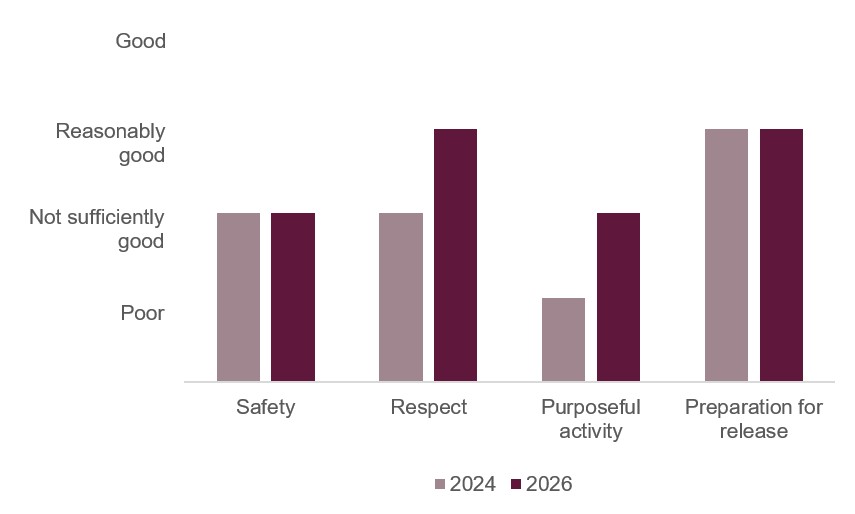
Deerbolt, a category C training prison located in County Durham, held up to 490 adult men at the time of our inspection. At our previous full inspection in 2024, the prison was struggling. Since then, leaders had worked hard to address our concerns and clear signs of progress were evident. Staff turnover had reduced and equality work was notably stronger. Health services had also improved, as had support for families, care-experienced prisoners and those approaching release. Our judgement in respect had improved to reasonably good, and while purposeful activity had got better, it was still not good enough. Outcomes in safety and preparation for release stayed the same.
Leaders needed to make sure improvements were consistent across the prison and could be sustained. They had introduced numerous schemes to improve safety, rehabilitation and progression, but too often there was only limited evidence that these had had the desired impact. Analysis and use of data remained weak across several key areas, including safety, purposeful activity and use of force. This limited leaders’ ability to understand problems fully, target resources effectively, and build confidence among staff and prisoners.
Safety remained a significant concern. Levels of violence were among the highest in category C prisons, self-harm rates continued to be high, and drugs remained far too readily available. The prison had experienced two drug-related deaths since the previous inspection and a substantial number of prisoners continued to test positive for illicit substances. Despite promising initiatives, safety work still lacked the coherent, prison-wide strategic direction required.
Developing a positive culture continued to be a challenge. Staffing levels had improved, but many officers were inexperienced and there were too few Custodial Managers or supervisory staff on the wings. Staff-prisoner relationships were not good enough and morale among frontline staff remained fragile. These weaknesses impacted outcomes throughout the establishment.
Ultimately, Deerbolt was failing to fulfil its core purpose as a training prison. While conditions were generally decent and there had been real efforts to improve education, skills and work, too many prisoners were still unable to access meaningful activity or progression opportunities. Attendance at education and work remained too low, much of the activity was part time, and many prisoners serving longer sentences felt frustrated by the limited opportunities to demonstrate progress and reduce their risk.
There was much to commend at Deerbolt, including some innovative and compassionate work with families, young adults and care-experienced prisoners. Yet the prison needed a stronger operational grip and more effective delivery if these strengths were to translate into consistently better outcomes across the whole establishment.
Charlie Taylor, HM Chief Inspector of Prisons, October 2026
Outcomes for prisoners (Back to top)
We assess outcomes for prisoners against four healthy prison tests: safety, respect, purposeful activity, and preparation for release (see More about this report for more information about the tests). We also include a commentary on leadership in the prison (see Section 1).
At this inspection of HMP Deerbolt we found that outcomes for prisoners were:
- Not sufficiently good for safety
- Reasonably good for respect
- Not sufficiently good for purposeful activity
- Reasonably good for preparation for release.
We last inspected HMP Deerbolt in 2024. Figure 1 shows how outcomes for prisoners have changed since the last inspection.
Figure 1: HMP Deerbolt healthy prison outcomes 2024 and 2026
What needs to improve (Back to top)
During this inspection we identified 15 key concerns, of which six should be treated as priorities. Priority concerns are those that are most important to improving outcomes for prisoners. They require immediate attention by leaders and managers.
| Priority concerns | |
| 1. | The level of violence was higher than in all other category C prisons. The prison did not have a coherent and data-driven approach to promoting safety. |
| 2. | A significant number of prisoners were testing positive for drugs and there had been two drug-related deaths since the last inspection. |
| 3. | Staff-prisoner relationships were undermined by shortages and staff inexperience. There were too few wing managers to provide staff or prisoners with effective ongoing support or supervision. |
| 4. | Health care was not resourced adequately to meet prisoners’ needs, and the health partnership had not resolved issues identified at the last inspection. Supervision of medicines administration remained poor, too many prisoners were not taken to external appointments, and patients waited too long for transfer under the Mental Health Act. |
| 5. | Leaders had not used information sufficiently well to develop an accurate and analytical understanding of the capacity and effectiveness of education, skills and work or the impact of their actions on prisoners’ participation, progress and achievement. |
| 6. | Many prisoners were unable to access the limited progression opportunities available that might reduce their risk. This was particularly the case for young adults and prisoners who had been recalled. |
| Key concerns | |
| 7. | The rate of recorded self-harm remained high. |
| 8. | Use of force levels remained high and oversight arrangements were not robust enough to ensure effective scrutiny or accountability. |
| 9. | The applications system was not working. |
| 10. | Prisoners were not offered time in the open air daily. |
| 11. | Leaders had not ensured that the curriculum provided all prisoners with sufficiently ambitious opportunities to build on their prior knowledge and skills and continue to develop new knowledge, skills and behaviours. |
| 12. | Leaders had not secured sufficiently high attendance at education, skills and work or reduced the disruption to prisoners’ learning. |
| 13. | Leaders had not ensured that teaching, training and assessment consistently took account of prisoners’ starting points or enabled them to understand the progress they were making. |
| 14. | Oversight of correspondence processes was ineffective. Prisoners reported delays in sending and receiving communications, which hindered contact with family and friends. |
| 15. | The prison did not maintain adequate records of actions taken in response to public protection concerns. We were not assured that identified risks had been addressed effectively. |
Notable positive practice (Back to top)
We define notable positive practice as evidence of our expectations being met to deliver particularly good outcomes for prisoners, and/or particularly original or creative approaches to problem solving. Inspectors found some examples of notable positive practice during this inspection, which other prisons may be able to learn from or replicate.
| 1. | An imaginative range of distraction materials were available to prisoners on request. (See Suicide and self-harm prevention) |
| 2. | Every senior leader took an active role in leading on support for fair treatment of one minority group, and this was checked and reinforced at every monthly equality meeting. (See Fair treatment and inclusion) |
| 3. | The chaplaincy team offered individual and personalised support across the whole population. (See Faith and religion) |
| 4. | The dental provider’s oral health educator delivered health promotion sessions. (See Health, well-being and social care) |
| 5. | Leaders had developed a dedicated transition programme for young adults transferring from the youth estate. (See Education, skills and work activities) |
| 6. | The Children’s Book Project was a positive initiative to support fathers’ contact with their children through reading. (See Children and families) |
| 7. | Care-experienced prisoners, including those over 25, received excellent support through dedicated specialist provision. (See Opportunities for prisoners to progress) |
| 8. | A monthly homelessness release panel had improved partnership working and coordinated release planning for prisoners at risk of homelessness. (See Returning to the community) |
Unless otherwise specified, these examples are not formally evaluated, are a snapshot in time and may not be suitable for other establishments. They show some of the ways our expectations might be met, but are by no means the only way.
Section 1: Leadership (Back to top)
Leaders provide the direction, encouragement and resources to enable good outcomes for prisoners.
Leaders had made steady progress since the last inspection, although the prison remained some way from meeting its full potential.
Leaders had prioritised action to address the key risk of low staffing levels, which had reduced staff resignations significantly and increased the number of officers available for operational duties. However, this had not yet resulted in sufficient staffing resilience across the prison. Some wings remained under-staffed and regime delivery continued to be hindered by staff inexperience.
Leaders had not secured the confidence of many frontline officers, who reported low morale and poor communication from senior leaders, and questioned whether the prison was making sufficient progress. Leaders had failed to resolve the longstanding shortage of middle managers, limiting the support, supervision and leadership available to staff on the wings.
Leaders had increased time out of cell, but had not established a sufficiently effective approach to delivering the establishment’s core training function. There were far too few full-time activity places, and attendance and levels of occupation in workshops remained poor.
Leaders in key departments were working together more effectively to stem the supply of illicit drugs. The rate of positive test results was beginning to fall but insufficient priority was given to suspicion drug testing. Leaders had also failed to establish effective governance of use of force, and the absence of a dedicated coordinator weakened oversight and scrutiny.
Leaders were pursuing an ambitious strategy to expand incentives for positive behaviour through incentivised substance-free living (ISFL) units (see Glossary). They had increased the number of ISFLs and were investing in new enhanced level rapid deployment cell accommodation.
Senior leaders had demonstrated a clear commitment to promoting fair treatment and inclusion. They had allocated responsibility for key workstreams across the senior team and had established arrangements to monitor progress and reinforce organisational ownership and accountability.
Leaders had invested in additional family support services, and the importance of family relationships to prisoner well-being was increasingly well understood across the prison. Leaders had also responded proactively to increased demand for resettlement services. However, they had not ensured that prisoners, particularly those serving longer sentences, had sufficient opportunities to address offending-related needs.
Health care leaders had strengthened governance arrangements and generally provided effective leadership of the service. Joint working with prison leaders was less effective, and several longstanding problems remained unresolved, including weak supervision of medicine queues.
Across several important areas, including purposeful activity, safety and use of force, leaders had not yet established sufficiently effective arrangements for the analysis and use of data to inform decision-making and drive improvement.
Section 2: Safety (Back to top)
Prisoners, particularly the most vulnerable, are held safely.
Early days in custody
Expected outcomes: Prisoners transferring to and from the prison are safe and treated decently. On arrival prisoners are safe and treated with respect. Risks are identified and addressed at reception. Prisoners are supported on their first night. Induction is comprehensive.
| HMIP prisoner survey | Yes | Compared with similar prisons |
| Overall, were you treated very/quite well in reception? | 84% | No difference |
| Did you feel safe on your first night here? | 87% | Higher |
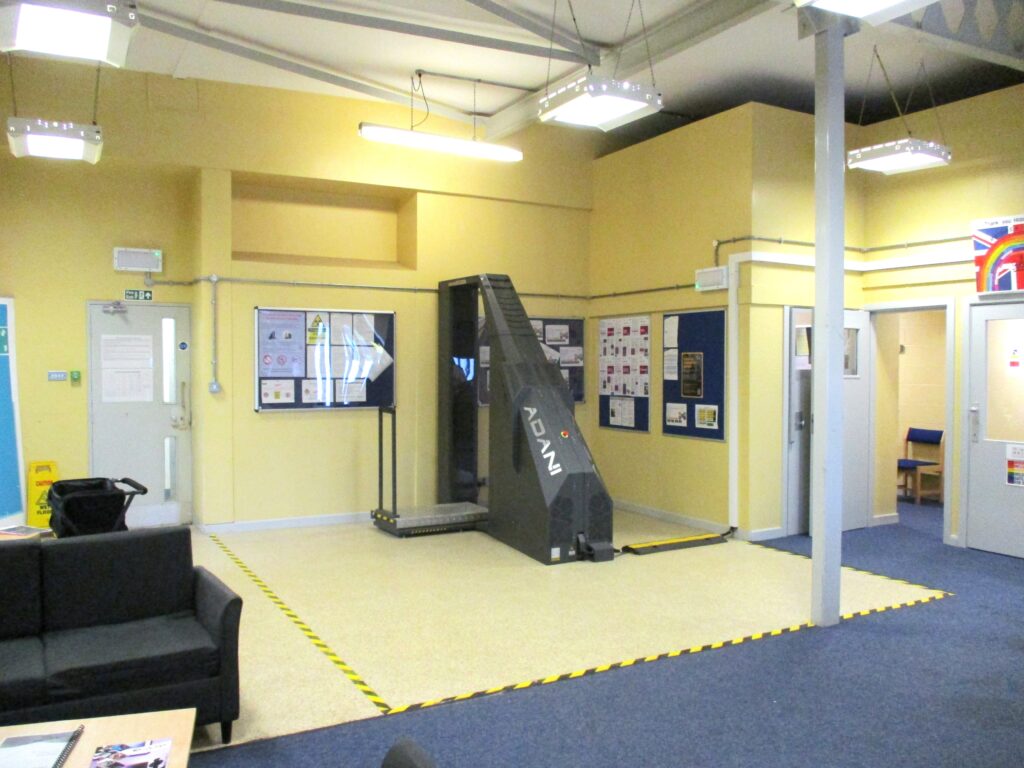
Reception provided a calm and welcoming environment, and staff and peer workers supported new arrivals. Prisoners reported positively on their treatment, although body scanning was not conducted with sufficient privacy.
On the induction wing, prisoners received a health care assessment and a private first-night interview that focused sufficiently on safety. Staff carried out routine first-night welfare checks and most prisoners told us they felt safe.
Prisoners were offered a hot meal and the opportunity to make a telephone call on their first evening. While prisoners could buy some canteen items on arrival, access to full prison shop orders could be delayed for up to 12 days, increasing the risk of debt and bullying.
Staff processed property promptly, and prisoners were able to take all authorised in-possession items with them to their accommodation. First-night cells were generally in reasonable condition, although some did not have curtains. Not all prisoners could shower on arrival because the induction wing shower block was out of use and they were not always offered a shower on an adjacent unit.
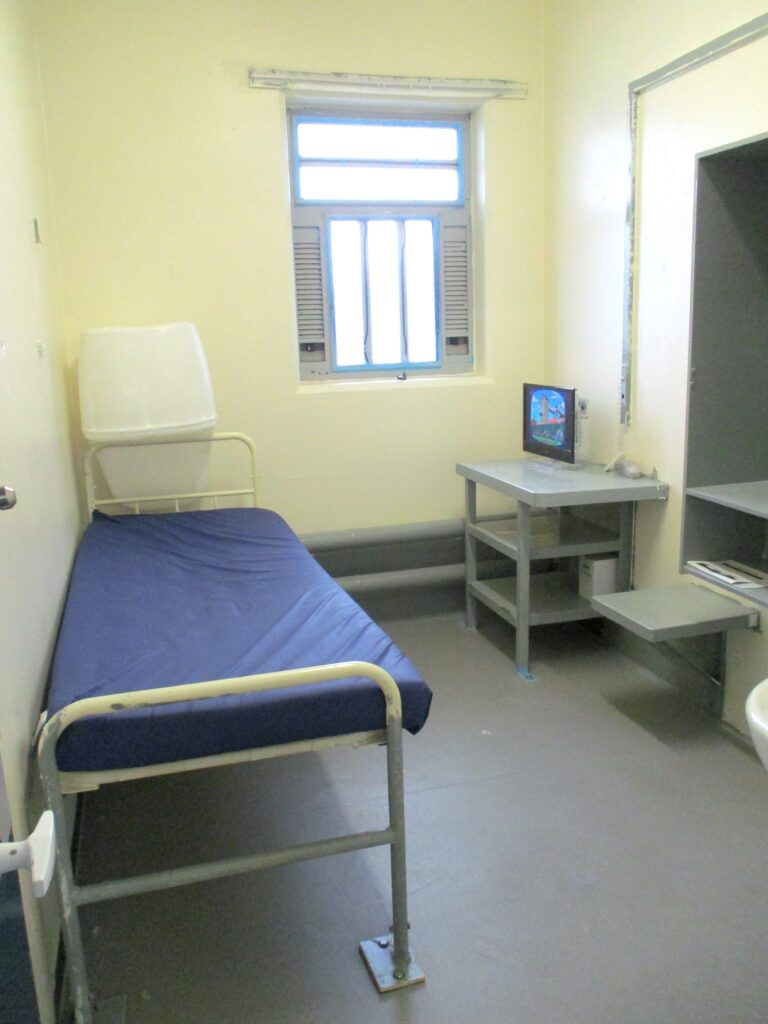
Induction was delivered by staff and peer workers on the day after arrival. Most prisoners found it informative, but there were some delays in completing parts of the programme. Prisoners were generally moved from the induction wing to residential units within one to two weeks of arrival.
Promoting positive behaviour
Expected outcomes: Prisoners live in a safe, well ordered and motivational environment where their positive behaviour is promoted and rewarded. Unacceptable conduct is dealt with in an objective, fair, proportionate and consistent manner.
Encouraging positive behaviour
| Data provided by the prison | |
| Rate of recorded violence per 1,000 prisoners in the year to the end of June 2026 | 526 |
The rate of violence remained high and assaults on staff were higher than in all other category C prisons; however, overall violence had reduced by a third since the last inspection. Useful initiatives included an ‘alternatives to violence’ course, staff trained in mediation to help resolve wing-based conflict, and a ‘reward breakfast’ for prisoners who remained free from violence and adjudications for three months.
Prisoners also had access to three ISFL units (see Glossary) (one at the last inspection), which provided meaningful incentives through increased time out of cell, a better environment and more facilities. These units operated a community-based rewards system, whereby prisoners could collectively earn points for positive behaviour, which could then be exchanged for items to benefit the wider unit.
However, electronic records and prisoners’ accounts indicated that there was insufficient positive reinforcement of good behaviour by staff. As a result, many prisoners believed that behaving poorly was a more effective way to gain staff attention and support. For example, one man told us, “You don’t get anywhere until you kick off when you’ve had enough” (See Staff-prisoner relationships).
Violence reduction work lacked sufficient oversight and rigour. The reasons for violent incidents were not routinely recorded, limiting understanding of the causes of violence. Monthly safety meetings resulted in few actions. Not all violent incidents were referred for consideration through the challenge, support and intervention plan process (see Glossary) and investigations were often poor. Most plans were appropriate, but implementation was weak.
In the previous year, 53 prisoners had isolated themselves, usually because they were in debt or being threatened. They were not routinely offered time out of their cell.
The effectiveness of the adjudication system was severely undermined by the fact that 40% of the 3,045 charges heard in the previous 12 months were dismissed or not proceeded, usually because of procedural delays.
Use of force
| Data provided by the prison | |
| Rate of recorded use of force per 1,000 prisoners in the year to the end of July 2026 | 1,806 |
The rate of use of force had reduced slightly (by 6%) since the last inspection but remained the third highest among category C prisons. Similarly, the use of batons and PAVA incapacitant spray (see Glossary) had decreased, but levels again remained high. Batons were drawn on 11 occasions and used twice, while PAVA was drawn 31 times and used 25 times.
Governance and oversight arrangements were not sufficiently robust. While most use of force incidents we reviewed were managed appropriately, we found weaknesses in practice that had not been identified through internal scrutiny. There was no dedicated use of force coordinator and initial triage of incidents was not always undertaken.
Staff compliance with mandatory training requirements was low. The quality of documentation on use of force was often poor and, in some cases, paperwork was missing. Data analysis was weak and concerns that had been identified were not always addressed.
Body-worn video cameras were used in most cases (84%), but not all staff activated them promptly and some did not do so at all. Health care staff were not routinely informed of incidents.
There had been only two uses of special accommodation in the previous year. However, in one case the records were incomplete and there was insufficient justification for the prisoner remaining in special accommodation for 15 hours.
Segregation
| Data provided by the prison | |
| Number of prisoners held in segregation in the 12 months to the end of July 2026 | 150 |
| Number of times segregation has been used in the 12 months to the end of July 2026 | 445 |
The segregation unit was well managed and staff provided good day-to-day care for prisoners with complex and challenging needs. Prisoners spoke positively about their treatment in the unit and the support they received there.
The unit was clean but showed signs of wear. In-cell furniture and showers were in poor condition, although work on a new shower block was nearing completion. The exercise yards were large but austere and offered little stimulation.
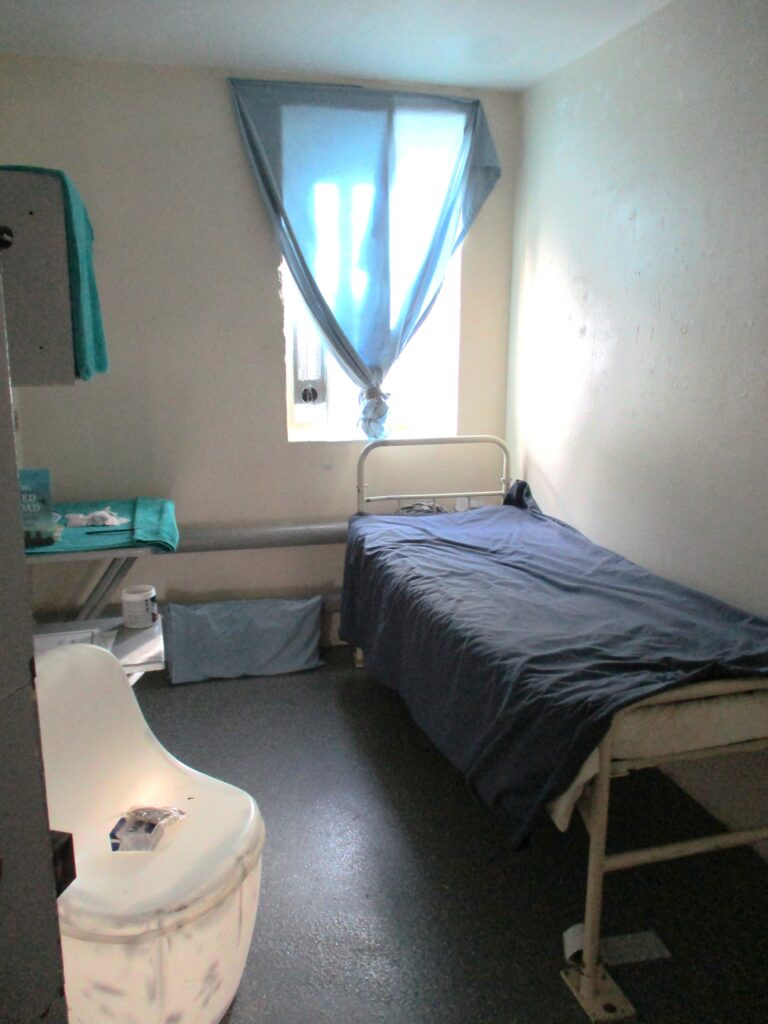
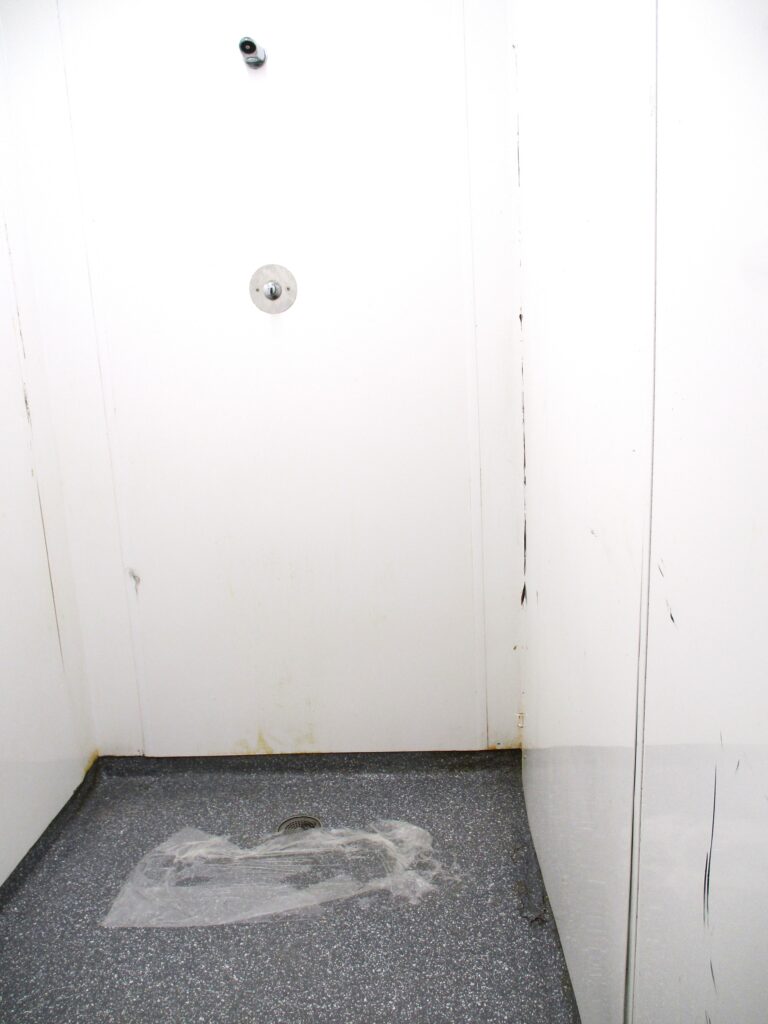
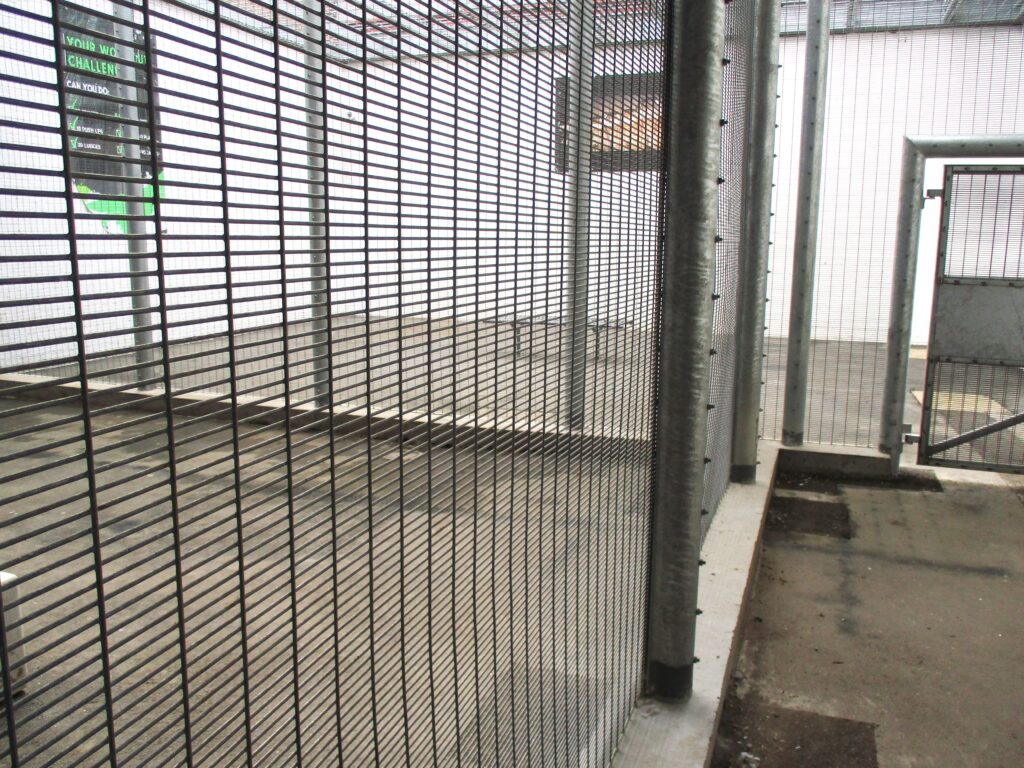
Prisoners were typically unlocked for 30 minutes of outdoor exercise and a shower each day and most had little else to occupy their time. However, a small number were undertaking in-cell education and had access to laptops to support their studies.
Most stays in segregation were short, and leaders maintained effective oversight of the small number of prisoners held for longer periods. Most prisoners were successfully returned to the main prison population, but reintegration plans were completed poorly and did not consistently address the underlying factors that had led to segregation.
Security
Expected outcomes: Security and good order are maintained through an attention to physical and procedural matters, including effective security intelligence and positive staff-prisoner relationships. Prisoners are safe from exposure to substance misuse and effective drug supply reduction measures are in place.
| HMIP prisoner survey | Yes | Compared with similar prisons |
| In this prison, is it easy/very easy to get illicit drugs? | 51% | No difference |
| Data provided by the prison | |
| Percentage of prisoners testing positive following a random mandatory drug test in the 12 months to the end of June 2026 | 35% |
Despite efforts to reduce the supply of illicit substances, drugs remained too readily available and continued to have a significant impact on the safety of both prisoners and staff. The rate of positive random mandatory drug tests had been reducing in the previous six months but remained high compared to most other category C prisons.
The number of prisoners identified as being under the influence of drugs remained very high and there had been two confirmed drug-related deaths in the previous two years. Despite this, no suspicion-based drug testing was being undertaken, which limited the prison’s ability to target and respond to drug misuse. The lack of enhanced gate security also increased the risk of illicit items entering the establishment.
Some aspects of procedural security were not properly justified. The reception body scanner was effective in detecting contraband, but it was unclear why staff were also required to strip-search prisoners entering the prison, as this had not resulted in any recorded finds. A number of closed visits (see Glossary) had been imposed for behaviours unrelated to the abuse of visits. This amounted to an unjustified restriction on family contact, which often remained in place for extended periods without recorded justification.
Leaders demonstrated a strong understanding of the prison’s key security threats. Intelligence systems were well managed, with minimal processing backlogs. Effective information-sharing with Durham Police supported the prison’s response to security risks.
Safeguarding
Expected outcomes: The prison provides a safe environment which reduces the risk of self-harm and suicide. Prisoners at risk of self-harm or suicide are identified and given appropriate care and support. All vulnerable adults are identified, protected from harm and neglect and receive effective care and support.
Suicide and self-harm prevention
Since the previous inspection, there had been a self-inflicted death, two confirmed drug-related deaths and two further deaths that were awaiting classification. Leaders had acted appropriately on Prisons and Probation Ombudsman (PPO) reviews and early learning investigations, although learning was not always embedded across the prison. The quality of internal investigations into serious self-harm incidents was poor, and not all were investigated.
| Data provided by the prison | |
| The rate of recorded self-harm incidents per 1,000 prisoners in the year prior to our inspection | 876 |
The level of self-harm remained high compared to similar prisons but had reduced by 38% since the previous inspection. The prison had taken a range of useful measures to reduce self-harm. These included dedicated safety officers visiting men who were having difficulty coping, and delivery of a course known as the ‘life skills club’, which provided structured activity and support and was appreciated by the prisoners who attended. Leaders had also improved the distraction materials available, which were available to all prisoners on request.
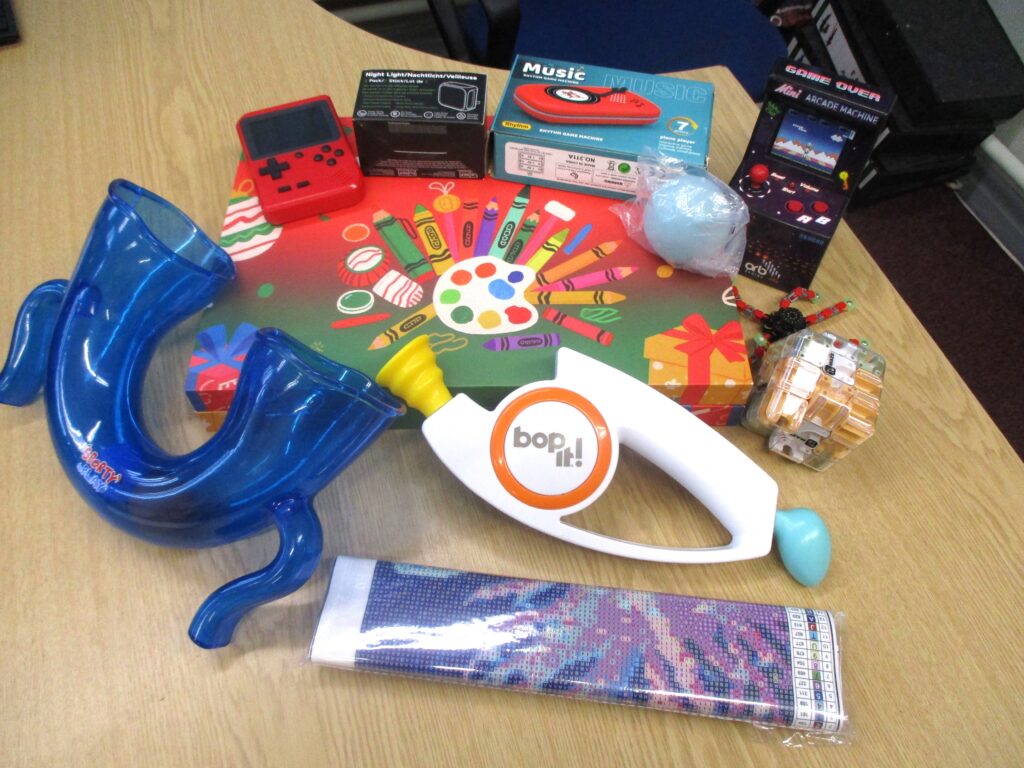
Most prisoners we spoke to who were subject to assessment, care in custody and teamwork (ACCT) case management (see Glossary) were positive about the support they received through this process. ACCT documentation suggested there had been some improvements in care planning and staff engagement, but that risks and triggers were not always identified, multidisciplinary involvement in case reviews was inconsistent and record-keeping was poor.
Arrangements for Listeners (see Glossary) had improved since the last inspection. Listeners were used frequently and able to move around the prison. However, we found that staff curtailed some sessions, or denied access to a Listener altogether, without a clear justification.
Section 3: Respect (Back to top)
Prisoners are treated with respect for their human dignity.
Staff-prisoner relationships
Expected outcomes: Prisoners are treated with respect by staff throughout their time in custody and are encouraged to take responsibility for their own actions and decisions.
| HMIP prisoner survey | Yes | Compared with similar prisons |
| Do most staff here treat you with respect? | 53% | Lower |
| If you have a named officer (key worker), are they very/quite helpful? | 49% | No difference |
While we saw some positive interactions between staff and prisoners, we heard many more reports of staff being dismissive, unhelpful or inconsistent. This was contributing to some deteriorating prisoner behaviour (see Encouraging positive behaviour).
Staffing levels had improved since the last inspection but remained too low to manage some wings effectively. Although staff attrition and turnover was reducing, levels of experience remained low, with nearly half of prison officers having been in post for less than a year.
New staff received very good guidance from the new colleague mentor, but more experienced officers told us that they felt pressured and fatigued because of the need to help new colleagues on the wings while also doing their own jobs.
There were too few wing managers to provide effective ongoing support either to staff or to prisoners. These staffing challenges had a wider impact on outcomes across the prison, including competent delivery of the regime and the quality of staff-prisoner relationships. For example, one prisoner said: “…most the staff are brand new, they don’t know what they are doing then get angry when questioned”.
Key work was delivered reasonably consistently when staffing levels permitted. We saw some examples of thoughtful and effective work with prisoners, but most recorded sessions lacked a focus on progression and many were superficial.
Daily life
Expected outcomes: Prisoners live in a clean and decent environment and are aware of the rules and routines of the prison. They are provided with essential basic services, are consulted regularly and can apply for additional services and assistance. The complaints and redress processes are efficient and fair.
Living conditions
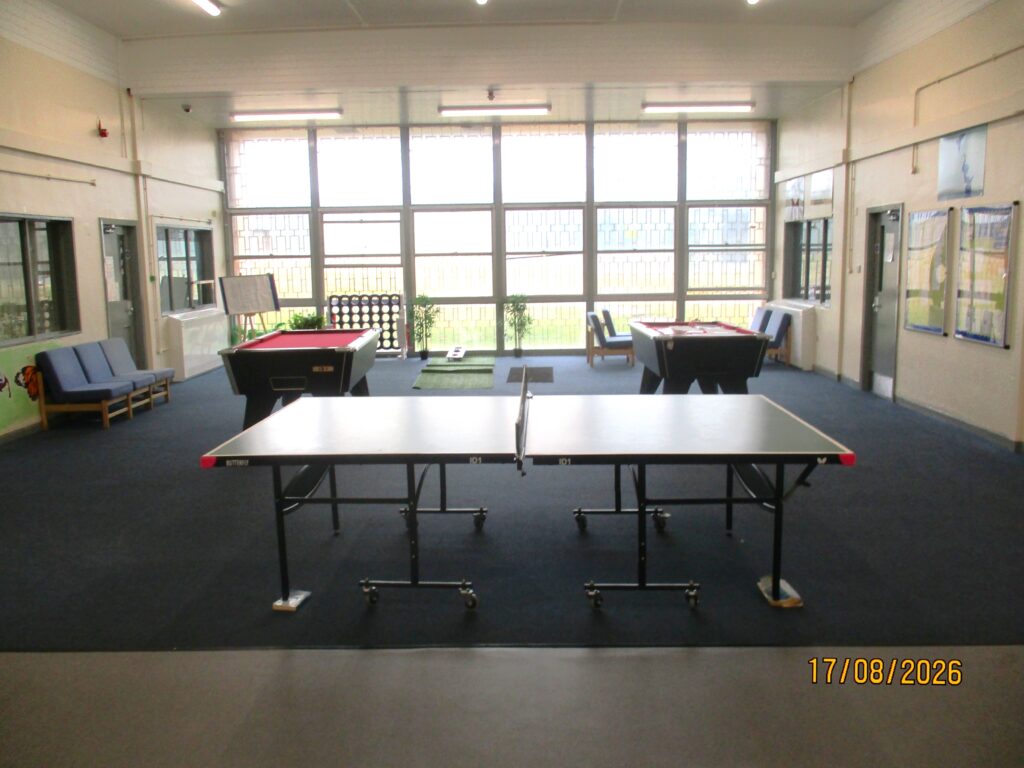
There was no overcrowding, and the site continued to have real potential. There were no more than 60 people to a wing, and plenty of communal spaces and well-maintained gardens, which helped to promote well-being. One prisoner said: “Only good thing about this prison is all the nature; the grass, trees, plants …”.
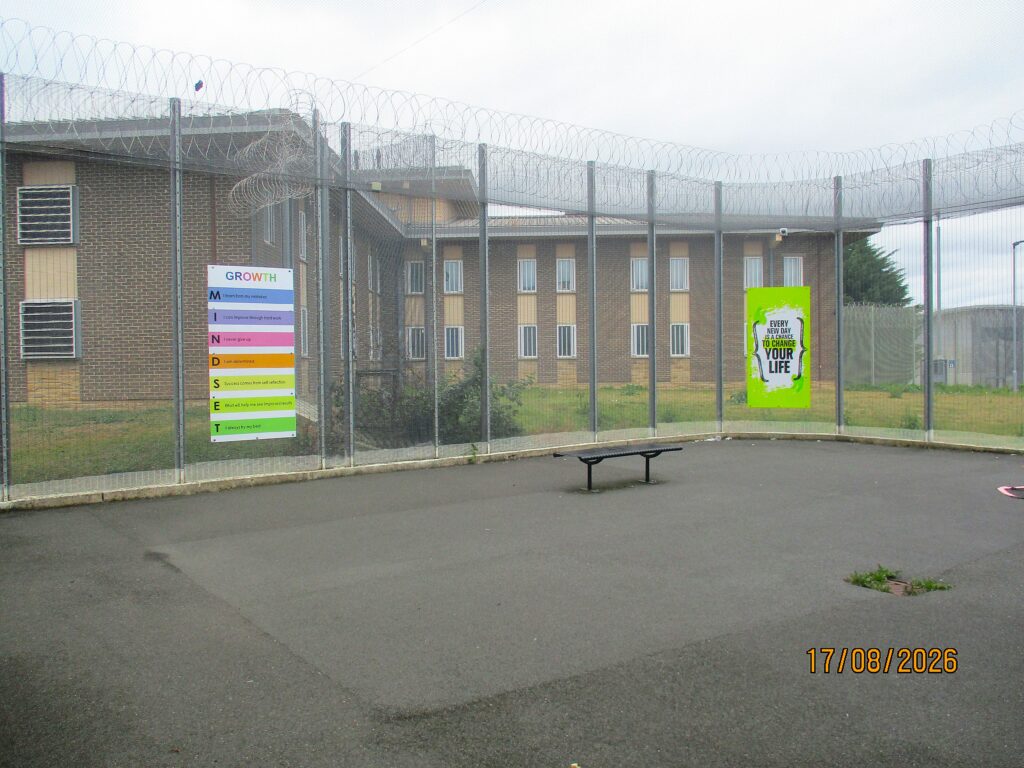
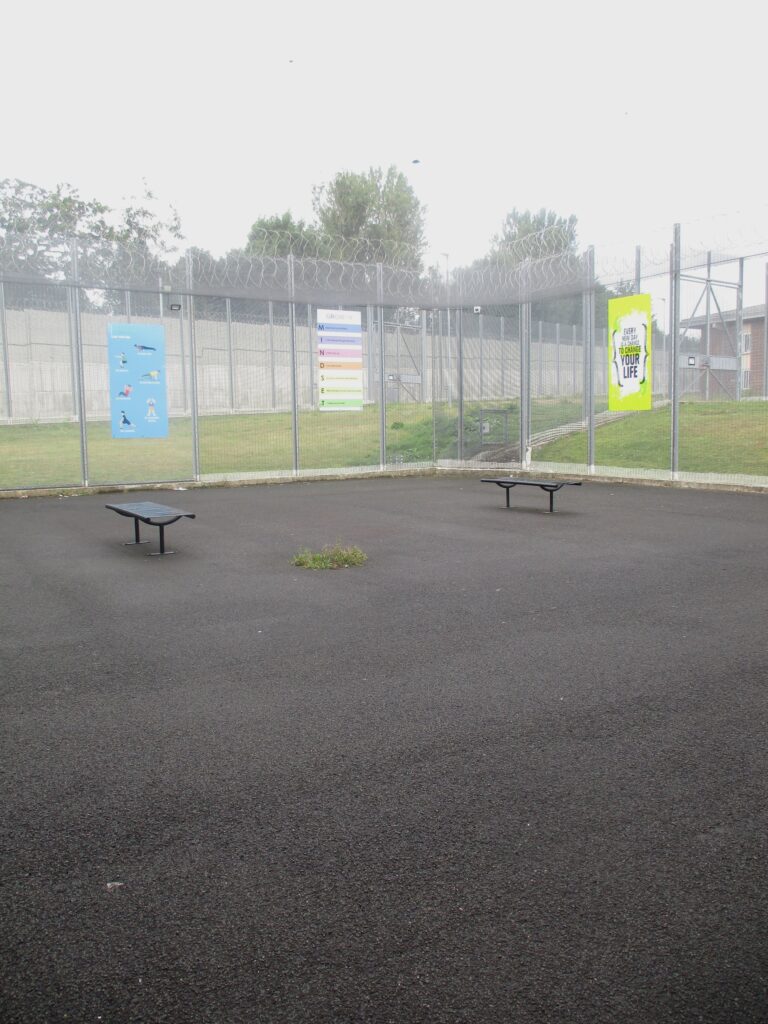
Despite some fence-mounted visual displays, the bare exercise yards did not match the positivity of the general environment.
The three ISFL wings offered, to varying extents, a better environment than the other accommodation; their occupants valued the better facilities and kept them in good shape. All wings had some basic food preparation equipment for prisoners, such as microwaves and toasters.
Most prisoners looked after their cells and the wing interiors were in reasonably good condition. However, many cell observation panels were blocked and some were broken. Showers and serveries were not always clean enough. On one wing, prisoners could not use showers in privacy because anyone passing could see inside through the observation panel. The shower facilities were being upgraded in rotation.
Prisoners reported more positively on cleanliness than at the last inspection, but they were still more negative than in comparable prisons.
| HMIP prisoner survey | Yes | Compared with similar prisons | Compared with previous inspection |
| Can you get cell cleaning materials every week if you want them? | 50% | Lower | Higher |
| Can you have a shower every day if you want one? | 79% | Lower | Higher |
Staff maintained reasonable supervision of prisoners on the wings, but only 30% of prisoners in our survey said that cell call bells were answered within five minutes. The prison did not have a reliable recorded system to check response times.
Residential services
We heard many complaints about the food. In our survey, only 17% of prisoners said the food was quite or very good, which was worse than at comparable prisons. It was evident that there had been lower standards until recently. The new catering manager was improving hygiene and standards of service and was working imaginatively to produce meals that were both palatable and compatible with the new national policy. There were regular food forums, and a monthly ‘theme night’.

The weekly prisoner shop purchasing system was working well. New processes were removing the wait for a refund when an ordered item was not in stock; this had reduced the number of complaints considerably.
Prisoner consultation, applications and redress
The monthly prisoner consultation meeting was attended by relevant managers and at least one prisoner from every wing. We saw some useful changes resulting from the meetings, but some issues were raised repeatedly without effective resolution.
The application system was paper-based and lacked accountability because records were not kept. The paper forms were not freely available on several wings and prisoners reported more negatively than in comparable prisons on the fairness and speed of the response to applications.
| HMIP prisoner survey | Yes | Compared with similar prisons |
| For those who have made an application, are they usually dealt with fairly? | 35% | Lower |
| For those who have made an application, are they usually dealt with within seven days? | 22% | Lower |
The complaints system was much better organised. Every stage of the process was tracked carefully, and responses were timely. The number of complaints had been dropping over the past year. The responses that we examined were generally courteous and dealt with the concerns raised. However, the prison’s quality assurance was not robust. An unusually high number (48%) of survey respondents said that they had been prevented from making a complaint. The reasons for this were not clear and needed investigation.
Up-to-date legal texts and resources were available, but as at the last inspection, fewer survey respondents than at comparable prisons said it was easy to communicate with their solicitor or legal representative, or to attend legal visits. During the inspection, the lack of slots meant that legal visits were booking more than six weeks ahead.
Fair treatment and inclusion
Expected outcomes: There is a clear approach to promoting equality of opportunity, eliminating unlawful discrimination and fostering good relationships. The distinct needs of prisoners with particular protected characteristics (see Glossary) or those who may be at risk of discrimination or unequal treatment, are recognised and addressed. Prisoners are able to practise their religion. The chaplaincy plays a full part in prison life and contributes to prisoners’ overall care, support and rehabilitation.
Since the last inspection, there had been sustained, energetic leadership in this area. Every senior leader was held accountable for work in relation to each protected characteristic, and progress on each one was checked at the monthly equalities meeting. Twenty consultation and discussion forums had been held in the first seven and a half months of 2026. These were attended by over 100 prisoners.
Provision was most advanced for minority ethnic prisoners and young adults. A monthly race forum organised events, scrutinised the quality of responses to race-related discrimination incident reporting forms (DIRFs; see Glossary) and promoted initiatives to address discrimination. This included training, which had been delivered to around 50 staff.
Similarly, there was a monthly young adult forum, and an exceptional level of support was given to those who had been in local authority care (See Preparation for release).
Men with Gypsy, Roma or Traveller backgrounds benefited from monthly support groups. Two specialist community nurses came into the prison regularly to speak with them about health issues and to encourage greater engagement with services.
Those with known disabilities were given good support; for example, leaders had recently improved gym provision for those with disabilities or a history of trauma. However, needs were not comprehensively identified, and staff on wings did not have readily accessible details of what help individuals would require in an emergency. In our survey, 43% of prisoners said they had needs related to neurodivergence. There had been no neurodiversity support manager for many months, and this was a significant gap, although one was about to take up the post.
There was some provision for all main groups. For example, an LGBT forum had met and older prisoners had a monthly visit from Age UK.
The equality, diversity and inclusion committee was well attended and tracked activity across all the protected characteristics. The managing chaplain carried out monthly data analysis, including useful notes on issues and implications, in the absence of anyone in the safety and equalities team able to do this core work.
Faith and religion
Nearly all groups (except Rastafarians) were receiving faith-specific support, for the first time in many years. The well-led team was notably cohesive and effective, despite being heavily dependent on part-time chaplains.
| HMIP prisoner survey | Yes | Compared with similar prisons |
| Have you spoken to the chaplaincy team in this prison? | 83% | Higher |
The team provided particularly strong bereavement support, taking on responsibility from initial notification through to post-funeral pastoral support. Chaplains added individual touches, such as personalised welcome packs and birthday cards for every prisoner, that were of real symbolic value, especially to those with little grounding in healthy family life. They also provided library books to segregated prisoners on request.
Chaplains were thoroughly involved in the life of the prison, at management level and in all the processes to support at-risk individuals. They worked closely with the kitchen staff to help ensure that appropriate food was available for faith-related celebrations, and they involved local community groups from the Mothers’ Union to the Newcastle Jewish community.
Health, well-being and social care
Expected outcomes: Patients are cared for by services that assess and meet their health, social care and substance use needs and promote continuity of care on release. The standard of provision is similar to that which patients could expect to receive elsewhere in the community.
The inspection of health services was jointly undertaken by the Care Quality Commission (CQC) and HM Inspectorate of Prisons under a memorandum of understanding agreement between the agencies. The CQC found there were no breaches of the relevant regulations.
Strategy, clinical governance and partnerships
Overall, the quality of and access to health services had improved since our last inspection, although patients we spoke to expressed mixed views, with medication and communication causing most frustration.
Spectrum Health CIC had subcontracted psychosocial substance misuse support to Waythrough and all mental health services to Tees, Esk and Wear Valleys NHS Foundation Trust (TEWV).
Health services continued to be adversely affected by the very high number of emergency calls related to prisoners under the influence of illicit substances. The health partnership had not made sufficient progress in addressing resource deficits or known shortcomings, including supervision of medicine queues and ensuring all external hospital appointments were facilitated.
NHS England held quarterly contract review meetings and regional partnership boards, and undertook quality visits, but there was no current health needs analysis.
Staffing had improved but delays in vetting meant that the prison had yet to benefit fully from the success of recent recruitment campaigns.
New health care leaders had made a positive impact and governance had improved. The monthly clinical governance meeting included all providers but did not focus on action to drive continuous improvement. A positive incident-reporting culture had developed, and leaders ensured early learning was acted on. The risk register captured most risks; the audit schedule generally informed development and improvement; and oversight of PPO recommendations was reasonable.
Patients lacked confidence in the paper-based application process for accessing services or making complaints. Complaints procedures were unclear and were still not confidential.
Safeguarding processes were in place, and staff understood how to make referrals. SystmOne, the clinical recording system, was used across all services and the standard of record-keeping was generally good. Staff training and access to supervision were also good.
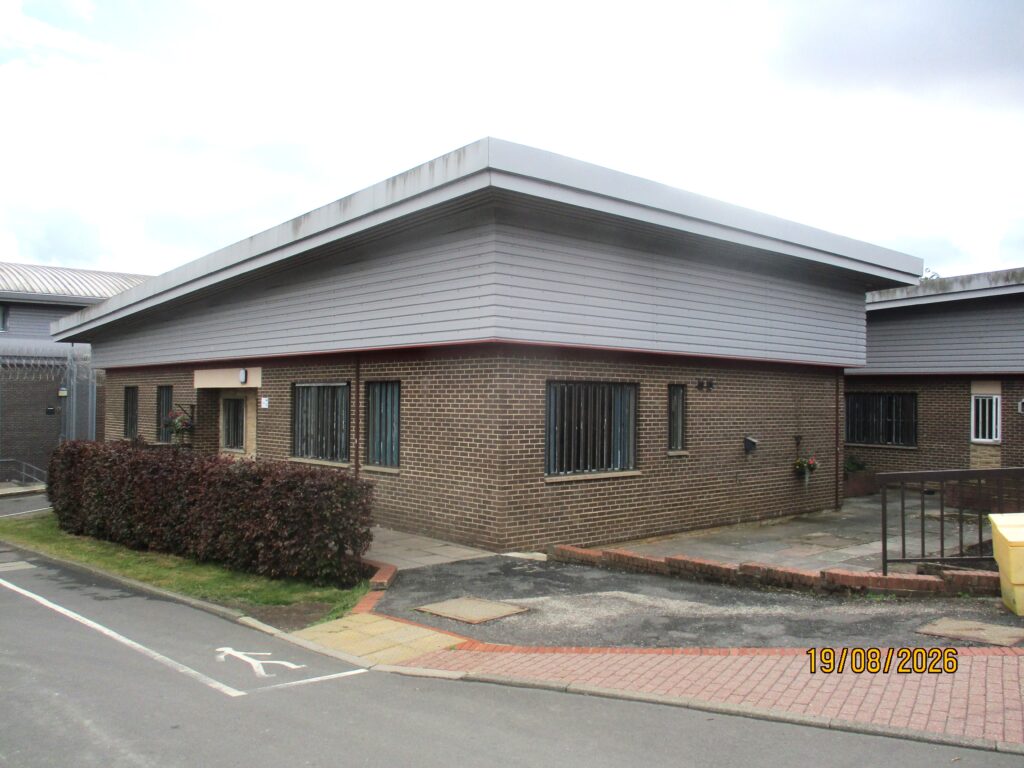
The health care department was cramped and in need of refurbishment, including the grim waiting area.
Emergency equipment and medicines were appropriately maintained and checked daily.
Promoting health and well-being
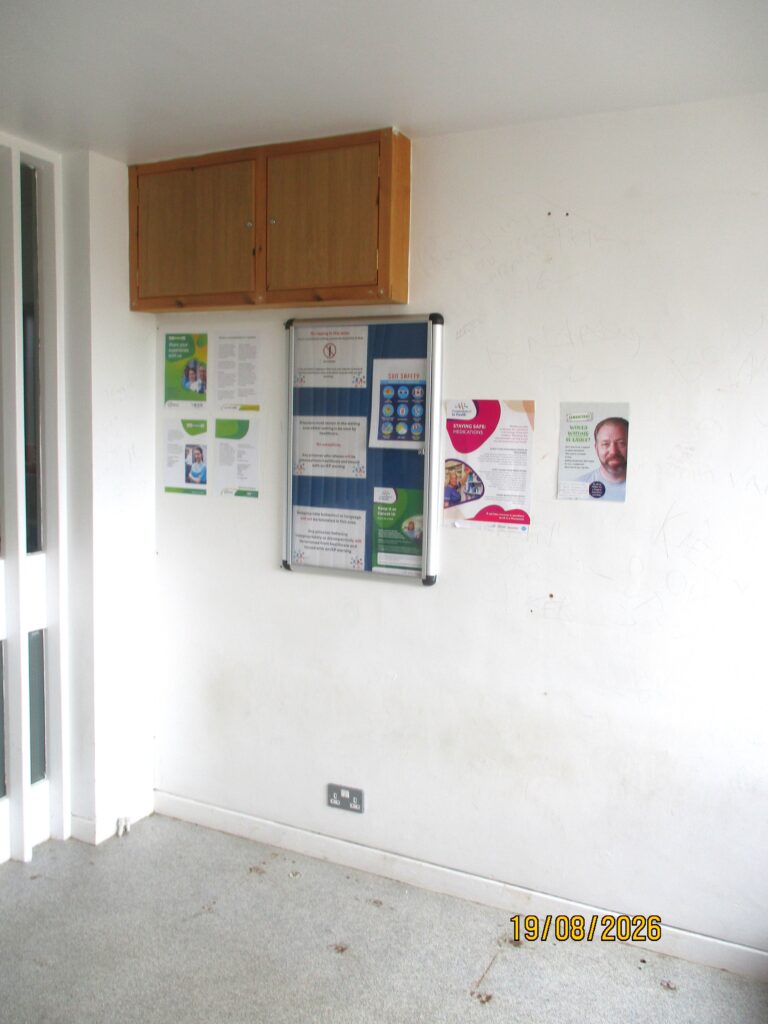
There was neither a prison-led health promotion strategy nor a coordinated programme of campaigns and well-being events, which was poor. Some health promotion posters were displayed around the prison and there were good links with the gym.
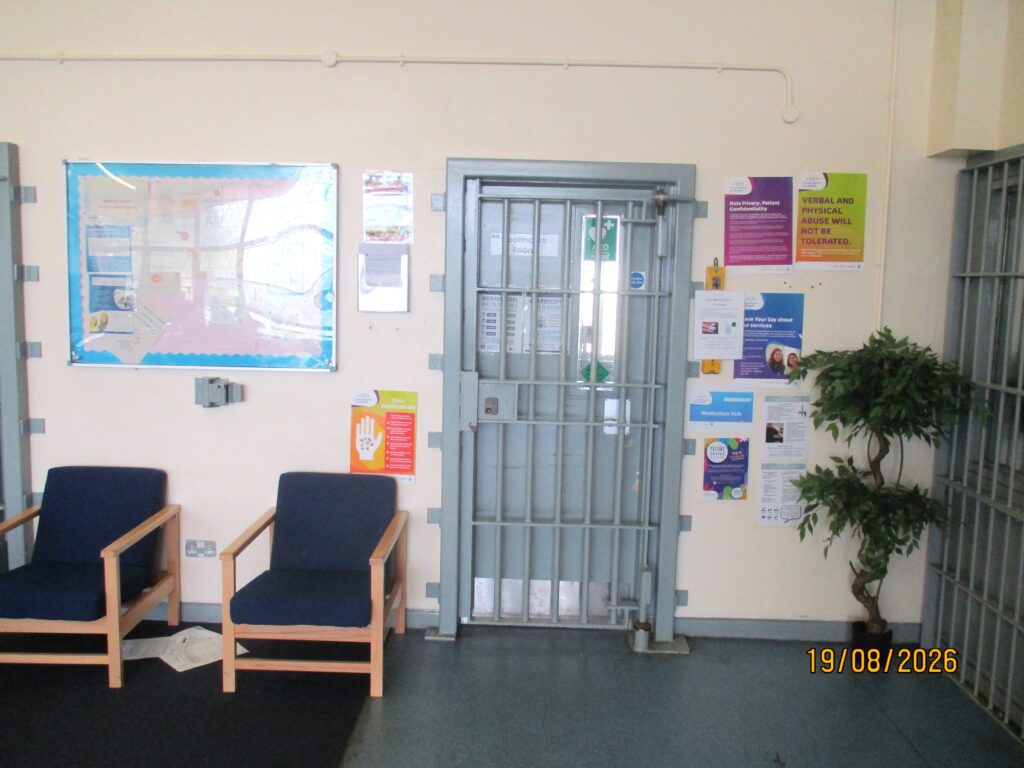
Patients could access NHS health checks, national screening programmes, blood-borne virus screening and good sexual health services.
There was no coordinated activity to engage with patients, but a new peer support model (recovery transmitters) was being rolled out to improve the quality of communication between health services and patients.
Primary care
Primary care services were well led and delivered by a caring and skilled team. Despite the level of activity to help prisoners under the influence of illicit drugs, most services were delivered in a timely manner and staff remained responsive to patients’ needs.
Nurse-led services were well managed and accessible. A range of routine and responsive interventions were delivered, both within health care facilities and on residential wings. These included blood testing, ECGs and wound care.
Patients received a prompt screening on arrival at the prison, and appropriate referrals were made. Most secondary health screenings were completed within the expected seven-day timeframe.
The prison GP had left, and regular locum GPs were providing cover while Spectrum recruited a replacement. The waiting time for a routine appointment was just over four weeks, although urgent need was prioritised and addressed promptly. Long-term conditions were managed effectively. Patients were reviewed as required, and supported by appropriate care plans and additional monitoring where necessary.
Visiting professionals provided services such as podiatry and physiotherapy. The waiting time of 45 weeks to see the optician was excessive, and caused frustration for patients. The prison had procured a supply of reading glasses, which helped some patients in the meantime.
External hospital escorts were coordinated well by the administration team; however, many appointments were cancelled due to operational emergencies. The number of planned escorts was two per day, which was insufficient given the changing needs of the population.
Social care
Arrangements were in place to identify and respond to potential social care needs, although nobody was receiving a care package at the time of the inspection. Health care staff asked appropriate questions during the reception screening and could identify if a patient’s needs changed over time. A memorandum of understanding was in place between all agencies, which identified responsibilities.
Where referrals were made, the local authority carried out assessments promptly, including for equipment and physical adaptations to support independence. No information was available to prisoners about social care and how to request support.
At the time of the inspection there was no formal prisoner ‘buddy’ scheme; however, ad hoc support was provided when needed, such as help with carrying items. The role of buddy was being merged with the recovery transmitter job.
Mental health
Mental health services remained good despite some vacancies, and access was better than in comparator prisons.
| HMIP prisoner survey | Yes | Compared with similar prisons |
| Is it very/quite easy to see a mental health worker? | 46% | Higher |
| Do you think the quality of the health service is very/quite good from the mental health worker? | 45% | Higher |
TEWV had subcontracted primary mental health services to RETHINK Mental Illness. A comprehensive multidisciplinary team worked together to provide a seamless Monday to Friday service. They received an average of 32 referrals each month, which were triaged daily and allocated appropriately. Urgent and routine assessment timescales were met.
The service attended a daily health care safety huddle and was well integrated with the prison. Assessments were completed as part of all initial ACCT reviews, which was positive.
RETHINK and TEWV delivered a good range of interventions. Caseloads were manageable across the service, but only patients receiving secondary care had personalised care plans and risk assessments that were reviewed appropriately.
The visiting consultant psychiatrist had recently increased their sessions, and waiting times were reasonable. Systems were in place for reviewing prescriptions and physical health checks.
Prison staff had received some mental health awareness training from the team.
In the previous 12 months, none of the three patients referred under the Mental Health Act were transferred within 28 days. The longest wait was 79 days, which was poor.
Support and treatment for prisoners with addictions and those who misuse substances
Substance misuse services had improved since our last inspection and access to care was good.
Partnership working was integrated but was let down by the extremely poor supervision of the medicines hatch where opiate substitution treatment (OST) was administered. Queues were chaotic and exacerbated by the number of prisoners being managed in this very small area.
| HMIP prisoner survey | Yes | Compared with similar prisons |
| Do you have a drug or alcohol problem? | 30% | No difference |
| Have you developed a drug or alcohol problem in this prison (including medication not prescribed to you)? | 20% | No difference |
| Is it very/quite easy to see a substance misuse worker? | 52% | Higher |
All patients arrived in a stable condition, but the prison still struggled to reduce the very high number of men found under the influence of illicit substances. In July 2026, the team had monitored and provided advice on reducing harm for over 150 people found under the influence.
Health needs were high, with 25% of the population receiving OST. Prescribing options were in line with national standards. There was no restriction on the number of patients on long-acting OST. Over 50% of patients were prescribed this, which was good. The nurse prescriber was under great pressure due to being responsible for two roles. This created some delays in adjusting prescriptions, and rewrites (issuing a repeat prescription) were rarely carried out face to face.
The team had a good skill mix, including induction staff, drug workers, community reintervention and family support.
Access to mutual aid had improved. The team facilitated regular inspirational presentations on recovery from external agencies. Peer support workers were well trained and provided similar support to sponsors in the community.
Three ISFL wings were working hard to support men in their recovery journey. The wings were offering additional incentives for these men to remain drug free. Mandatory drug tests and voluntary agreements evidenced a reduction in drug use.
Medicines optimisation and pharmacy services
The recent recruitment of two pharmacy technicians had contributed to improvements in medicines management. Standardised processes had been embedded and most patients received their medicines promptly; however, some patients experienced delays because of poor communication from the health team.
Effective arrangements were in place with the supplying pharmacy, including processes for obtaining urgent medicines when required. Medicines reconciliation was completed on reception, which helped to ensure continuity of treatment from arrival. Discharge arrangements for medicines were also managed well when adequate notice of release or transfer was provided.
Storage arrangements for medicines within the pharmacy and on residential wings were safe and appropriate.
Medicines administration was managed well by health care staff, and processes were in place to identify and follow up patients who did not collect their medication. However, prison officer supervision of most medicines queues remained poor.
Approximately three-quarters of prisoners were assessed as suitable for in-possession medication, which was positive. Risk assessments for medicines in possession were in place, reviewed as required and supported by regular spot checks.
Reviews of medication were being completed as required; however, there was no on-site pharmacist to provide additional oversight and further strengthen medicines optimisation.
Dental services and oral health
Oversight and governance of the dental surgery, staffing and equipment were good. However, we found some poor compliance with infection prevention and control standards, including a dirty floor and some prison fixtures, which had not previously been identified.
Patients had access to a full range of dental care, which was well documented on SystmOne. Access to urgent and routine dental care was good and waiting times were reasonably short. However, applications were not responded to and those who did not attend their appointments were removed from the wait list with no communication. This was reflected in our survey, where only 11% of prisoners said it was easy or very easy to see a dentist.
An oral health educator delivered sessions for all patients who applied to the service. These included a free toothbrush, toothpaste and flossing tool.
Section 4: Purposeful activity (Back to top)
Prisoners are able and expected to engage in activity that is likely to benefit them.
Time out of cell
Expected outcomes: All prisoners have sufficient time out of cell (see Glossary) and are encouraged to engage in recreational and social activities which support their well-being and promote effective rehabilitation.
Prisoners in full-time work could spend up to seven and a half hours a day out of their cells, compared with four and a half hours for those in part-time work, and around two hours for those unemployed or not required to work.
| HMIP time out of cell data (at the time of the inspection) | |
| Average proportion of prisoners locked up during the working day | 13% |
In our checks during the working day, we found fewer prisoners locked up than at the last inspection, but only 36% were in purposeful activity, which was poor for a training prison.
Frequent cancellations of education, skills and work activities, compounded by staff shortages and other regime disruptions, led to inconsistent and unpredictable time out of cell. Prisoners told us this was a persistent source of frustration.
| HMIP prisoner survey | Yes | Compared with similar prisons |
| In a normal week, can you get exercise outside more than five times? | 40% | Lower |
It was unacceptable that prisoners were not always given the opportunity to spend time in the open air each day. Staff locked the gate to the exercise yard when they did not feel there were enough of them; leaders were unaware of this. Prisoners were also frequently required to choose between taking exercise in the open air and association and domestic tasks on the wing.
Gym facilities were reasonably good and included an outdoor astroturf pitch, a sports hall, and a cardiovascular and weights suite. Access had improved since the previous inspection, with fewer cancellations, and around 55% of prisoners used the gym regularly. However, no accredited qualifications were being delivered.
| HMIP prisoner survey | Yes | Compared with similar prisons |
| Are you able to visit the library once a week or more? | 35% | Lower |
The library was a welcoming space and held a good range of books, with access to a wider stock through local libraries in the community. However, many prisoners had poor access to the library. Attendance was largely structured around the education timetable, which meant that prisoners who were unemployed or whose classes had been cancelled could not attend.
Education, skills and work activities
Expected outcomes: All prisoners are expected and enabled to engage in education, skills or work activities that increase their employability on release. There are sufficient, suitable education, skills and work places to meet the needs of the population and provision is of a good standard.

Ofsted inspects the provision of education, skills and work in custodial establishments in England. The following summary has been provided by Ofsted inspectors who attended this inspection. Their full report is published under ‘Survey materials and Ofsted full report‘.
Ofsted made the following assessments about the education, skills and work provision:
- Overall effectiveness: Requires improvement
- Quality of education: Requires improvement
- Behaviour and attitudes: Requires improvement
- Personal development: Requires improvement
- Leadership and management: Requires improvement
Leaders had made progress in improving education, skills and work since the previous inspection. They had broadened the curriculum, strengthened employer engagement and careers guidance, and improved quality assurance. The Employment Advisory Board provided effective challenge and strengthened prisoners’ links with employers. However, these improvements had not yet resulted in consistently effective provision for prisoners.
Leaders had ensured that there were broadly sufficient education, skills and work spaces, although too many opportunities were part time, limiting prisoners’ access to full-time purposeful activity. Leaders did not have a precise understanding of the capacity and effectiveness of provision or how well prisoners participated, progressed and achieved.
Leaders had broadened the curriculum in response to prisoners’ needs and employment opportunities. However, progression opportunities were not sufficiently ambitious for all prisoners, particularly those serving longer sentences and those with higher prior attainment, to continue developing new knowledge, skills and behaviours. Too few prisoners benefited from functional skills outreach in industries, and too many did not complete their learning within planned timescales.
Teachers set high expectations and sequenced learning effectively. Prisoners made good progress in the majority of subjects, often from low starting points, producing high standards of work in digital skills and enterprise joinery. However, assessment was not always used effectively enough to check prisoners’ understanding and identify what they needed to do next. In English, prisoners were not always clear about how to improve their work. In industries, instructors did not identify prisoners’ starting points or record the knowledge, skills and behaviours they developed well enough.
Prisoners with additional learning needs received effective support in education and progressed as well as their peers. Most industry instructors made appropriate adjustments. However, the prolonged absence of a neurodiversity manager had delayed the development of a consistent whole-prison approach, particularly for prisoners working on wings and engaged in other prison work.
Leaders had developed their approach to promoting reading through a range of initiatives and partnerships, including peer reading support and Storybook Dads. Reading was integrated effectively into many aspects of prison life but was not consistently promoted across all work areas. Leaders did not evaluate the reach and impact of library provision well enough.
Prisoners who completed English and mathematics generally achieved their qualifications, and outcomes had improved. However, too many withdrew before completing their courses. Too few prisoners achieved their vocational courses. Prisoners had positive attitudes to education, skills and work. Prisoners behaved appropriately in education, skills and work. They were respectful and worked safely. However, attendance remained too low, and cancelled sessions, activity clashes and late movement reduced the time prisoners spent learning.
Prisoners benefited from effective careers guidance and practical preparation for release. Leaders provided a suitable and widening range of enrichment and targeted personal development activities. Support for prisoners who were reluctant to engage in education, and regular engagement with representatives from Gypsy and Roma communities, helped prisoners develop confidence and skills. However, participation was uneven and prisoners, particularly those serving longer sentences, wanted more opportunities to develop practical life skills.
Section 5: Preparation for release (Back to top)
Preparation for release is understood as a core function of the prison. Prisoners are supported to maintain and develop relationships with their family and friends. Prisoners are helped to reduce their likelihood of reoffending and their risk of harm is managed effectively. Prisoners are prepared for their release back into the community.
Children and families and contact with the outside world
Expected outcomes: The prison understands the importance of family ties to resettlement and reducing the risk of reoffending. The prison promotes and supports prisoners’ contact with their families and friends. Programmes aimed at developing parenting and relationship skills are facilitated by the prison. Prisoners not receiving visits are supported in other ways to establish or maintain family support.
Staff had made a strong effort to recognise the importance of families and friends across the prison. For example, with the prisoner’s consent, families were sent updates on the progress being made by those living on an ISFL or undergoing mental or physical health treatment. Families had also been involved in ACCT case management reviews, and we saw very good chaplaincy support during family crises (see Faith and religion).
In our survey, 47% of prisoners said they had children under 18. Over 200 books had been posted out to families as part of the Children’s Book Project, an impressive initiative that helped fathers to engage with their children through shared telephone reading sessions.
However, there were some weaknesses in basic communication processes. There was a large backlog of PIN phone applications dating back over a month, and prisoners reported problems accessing inter-prison calls. Some said that mail often went missing and we found that it was not always distributed promptly.
| HMIP prisoner survey | Yes | Compared with similar prisons |
| Have you had any problems with sending or receiving letters? | 60% | Higher |
The substantial number of men who were engaging with substance misuse services (see Health, well-being and social care) received some good support with complex family issues. This provision was due to expand with the imminent recruitment of a prison-employed family support worker.
Few of the Building Positive Relationships mentors we saw at the last inspection were still in post, and those who remained lacked oversight and support. Family support officers had recently been introduced to every unit to signpost prisoners to relevant support, but few of those we asked were aware of the role.
In the previous 12 months, only five prisoners had completed a parenting course and no programme was being delivered during the inspection. It was due to be reinstated later in the year. For prisoners engaging with the substance misuse service, a parental rights course was planned as part of a ‘Recovery Month’ initiative.
The number of social visits sessions had increased to eight a week, and the prison’s local booking process was efficient. The visits centre and recently refurbished visits hall both provided a welcoming environment, and we saw very good staff engagement with families. Nepacs (see Glossary) supported good-quality family visits, which took place at least once a month and were now five hours long. Food was available and the days included a range of thoughtful craft and games activities for children and adults.
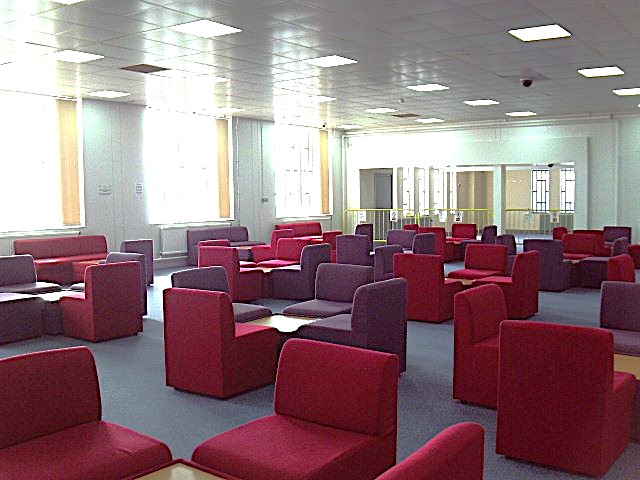
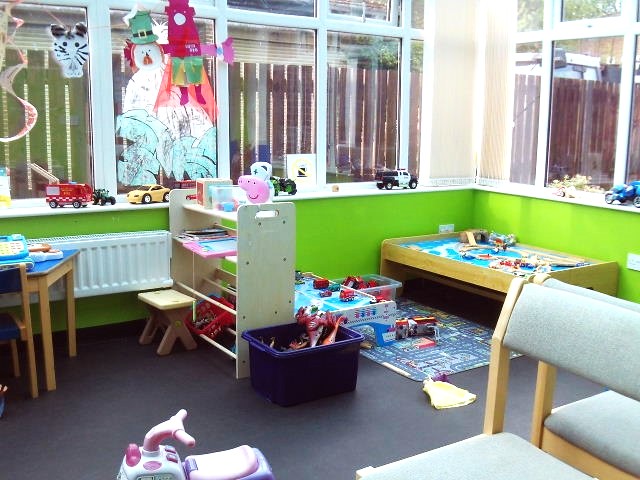


Prisoners who did not receive visits benefited from quarterly ‘community days’ involving a range of local support organisations.
Hot food was available during afternoon visits but in the morning only confectionery, crisps and soft drinks were provided. Leaders had plans to expand the food provision and to introduce creative opportunities for prisoners to cook for their children.
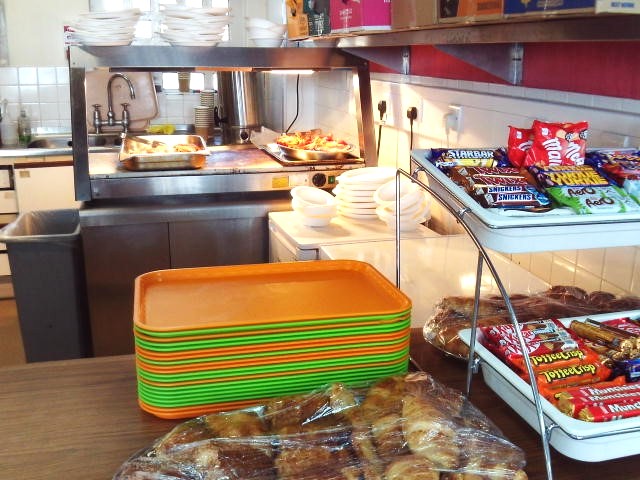
Social video calls were available twice a week but there were no evening sessions, which affected those with daytime work commitments.
The emergency line for families and friends worried about a prisoner was answered and actioned promptly. However, concerns emailed to the safer custody team were responded to too slowly, sometimes taking over 48 hours.
Reducing reoffending
Expected outcomes: Prisoners are helped to change behaviours that contribute to offending. Staff help prisoners to demonstrate their progress.
| Data provided by the prison | |
| Percentage of prisoners serving sentences of four years to life on 24 August 2026 | 92% |
| Percentage of prisoners on recall on 24 August 2026 | 28% |
| Percentage of prisoners under 21 years of age on 24 August 2026 | 13% |
Provision was not yet meeting the needs of some groups sufficiently, including young prisoners with indeterminate sentences and those who had been recalled to custody. There was a basic reducing reoffending strategy, but the needs analysis was narrowly focused on education, skills and work, and activity was not guided by a clear action plan.
In our survey, only 43% of prisoners said their experience at the prison had made them less likely to reoffend. This dropped to 21% for recalled prisoners. One prisoner said: “Not really a rehabilitative place; places like this make you worse and more likely to offend”.
While leaders promoted a motivational culture through provision such as the ISFL units (see Encouraging positive behaviour) and good family work (see Children and families), this was undermined by factors such as weak staff-prisoner relationships and limited purposeful activity.
How staff were supporting prisoners and managing risk
Vacancies in the probation team meant that prison offender managers’ (POM) caseloads were higher than planned: probation POMs held about 70 mostly high-risk cases. However, most prisoners, including those on recall, had an up-to-date assessment of their risks, and the backlog of initial OASys assessments was low.
It was positive that most prisoners had regular contact with their POMs, but support was limited for those not approaching parole or release, and there was insufficient one-to-one offending behaviour work. Only 76% of those who had a sentence plan understood what they had to do to achieve their objectives or targets, which was lower than comparator prisons. There was no specific provision to support recalled prisoners, address risks or explore the reasons for recall.
Recategorisation assessments were not timely, with 48% completed late in the previous 12 months. During this period, 65 prisoners had been recategorised to open conditions (37 under the temporary presumptive recategorisation scheme (TPRS), see Glossary), but many spent too long in Deerbolt, usually because of limited space in other prisons. At the time of the inspection, 15 were waiting for transfer. One prisoner said: “I’ve had my Cat D since March and nothing has been done about it. This is clearly wrong; my progress has been stalled for no reason”.
Public protection work was reasonable overall. Appropriate authorisations were in place for the two prisoners subject to offence-related monitoring, and there was no backlog in call monitoring. However, records did not give assurance that all identified breaches of public protection restrictions had been actioned. Logs for those on offence-related monitoring were not always accurate or sufficiently detailed.
Opportunities for prisoners to progress
Many prisoners were frustrated at the long waiting lists for the Building Choices accredited programme, which limited opportunities for them to demonstrate reductions in risk and progress through their sentence. Over the previous year, only 20 prisoners had completed the programme, and at the time of the inspection, 186 were on the waiting list. Twenty-five of these were unlikely to complete the programme before key parole or release dates.
A small number of prisoners had benefited from non-accredited programmes such as Unlock Drama, which worked with prisoners with substance use issues, and Get Real, which aimed to help young adults develop healthy relationships. These interventions were generally well received.
Prisoners approaching parole were managed well, with good levels of contact and effective record-keeping. Progression panels were routinely arranged for the 16 IPP prisoners (see Glossary), and seven had a clear progression pathway established. However, responsibilities for delivering agreed actions were not clearly assigned, and objectives were not consistently monitored to ensure implementation.
There was excellent support for care-experienced prisoners of all ages. A dedicated Nepacs worker provided extensive practical and emotional support, and coordinated a well-developed peer mentor scheme. Mentors received training from Durham County Council on trauma-informed practice and care-leavers’ entitlements. Specialist activities for care-leavers included an art project funded through the National Lottery.
Young lifers, many of whom were in the early stages of their sentence, described the lack of progression pathways as a significant concern, despite courses such as Get Real and regular forums, one of which had involved a visit from a member of the Parole Board. However, prisoners transitioning from the youth estate were given good support and benefited from a nine-week programme (See Ofsted report).
Returning to the community
Expected outcomes: Prisoners’ specific reintegration needs are met through good multi-agency working to maximise the likelihood of successful resettlement on release.
| Data provided by the prison | |
| Number of releases into the community in the year to the end of July 2026 | 154 |
| Percentage of prisoners released homeless in the year to the end of June 2026 | 5% |
Despite not having funding for a dedicated resettlement function, the prison was delivering generally good pre-release support. This included support from a POM, who was allocated to this work one day a week.
Monthly pre-release meetings and interdepartmental risk management meetings were generally effective. Prisoners were discussed five to six months before release, although records did not always provide sufficient assurance that agreed actions had been completed. The quality of release planning was affected by inconsistent engagement from community offender managers (COMs) and delays in Multi-Agency Public Protection Arrangements (MAPPA) levels being confirmed.
Good housing support was a strength of the prison and levels of homelessness on release were relatively low. Recent staffing difficulties with the commissioned housing provider had been resolved and provision was effective. Leaders had established a monthly homelessness release panel to look at those due for release in the coming months. This was attended by almost all local authorities and had improved partnership working and coordination between agencies. About half of those released in the previous year had gone to approved premises that were suitable for their identified risks.
There were no dedicated interventions relating to finance, benefits and debt management before release. The prison did not collect data on the number of prisoners who had opened a bank account before release and were not actively monitoring those who had obtained identification documents, making it difficult to assess need and develop these areas of work.
Leaders had strengthened links with external employers, and some good and promising work was being done to improve access to employment opportunities (See Ofsted report). However, at the time of the inspection, only a few prisoners (5% of releases) were in employment within six weeks of release.
Prisoners were provided with suitable clothing and bags for release.
Section 6: About HMP Deerbolt (Back to top)
Please note, much of the following information was supplied by the establishment at the time of the inspection.
Category of the prison
Category C training prison
Brief history
HMP Deerbolt is a prison near Barnard Castle in County Durham. It opened in 1973 on the site of a former Army camp and was originally a borstal for young men aged 17 to 21. During the 1980s and 1990s, it changed into a young offender institution (YOI). The prison increased its focus on education, job skills and rehabilitation to help young people prepare for life after release.
Today, HMP/YOI Deerbolt is a category C training prison. It continues to focus on helping prisoners develop skills, gain qualifications and reduce reoffending.
Population
At the time of the inspection the prison held 481 prisoners. There was operational capacity for 490.
- Baseline certified normal capacity: 490 (expanding to 550, effective September 2026, due to the opening of a new 60-bed unit)
- In-use certified normal capacity: 483
- Prisoners between the ages of 18 and 25: 30% (144 prisoners), 72% (104) of whom are recorded as care leavers
- Prisoners from minority ethnic backgrounds: 14.6%
- Caseload for substance misuse services: 212 on the structured treatment caseload (44% of the population), with a further 57 accessing recovery support/after care
- Caseload for the mental health team: 134 (28% of the population: 102 prisoners on secondary care and 27 on primary care)
- Resettlement population (July 2026): 26% of the population (128 prisoners)
Short description of residential units
- B, C, D and E wings are all 60- to 66-bed general population single cell units.
- G wing is the 36-bed induction unit.
- K wing is a separated 16-bed transitions unit comprising eight large double cells.
- A, I and F wings are designated ISFL areas, where compact-based drug testing takes place and incentivised regimes aim to discourage drug-taking behaviours and encourage recovery.
- CSU: Segregation
Prison status (public/private)
Public
Key providers
Physical health provider: Spectrum
Mental health provider: Tees, Esk and Wear Valleys NHS Foundation Trust (TEWV)
Substance misuse treatment provider: Waythrough
Dental health provider: Hyder Dental Practice
Prison education framework provider: NOVUS
Escort contractor: GeoAmey
Prison group director
Matt Spencer and Simon Walters
Name of governor/director and date in post
Melanie Stobbart, December 2023
Changes of governor/director since the last inspection
None
Independent Monitoring Board Chair
Charlie Ing
Date of last inspection
Full inspection: 3–19 December 2024
Independent review of progress: 13–15 October 2025
Progress on concerns from the last inspection (Back to top)
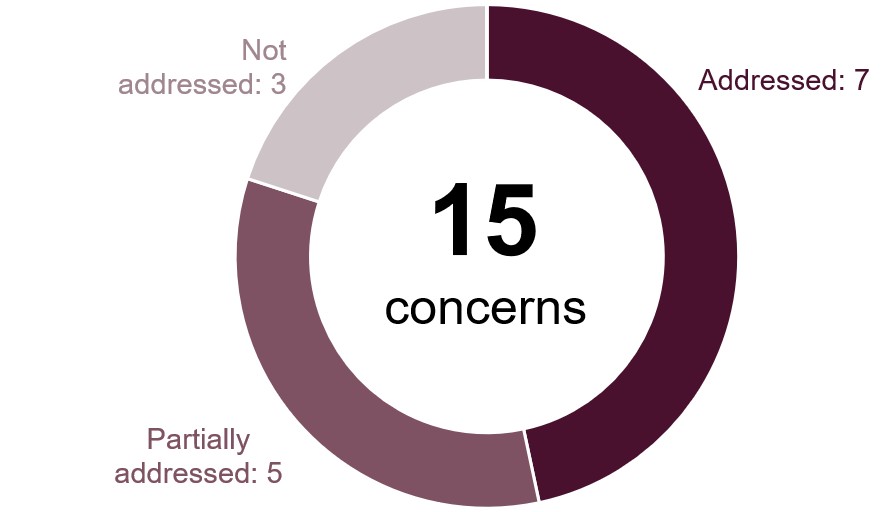
At our last inspection in 2024 we raised 15 concerns, five of which were about areas of priority concern.
At this inspection we found the following progress:
The following is a list of all the concerns raised, organised under the four tests of a healthy prison.
Safety
Priority concern
Illicit drugs were too easily available and the rate of positive random drug tests was high, but leaders had not put in place a coordinated or effective drug strategy.
Partially addressed
Key concerns
Levels of violence and force were high and governance of use of force was not sufficiently robust.
Not addressed
Expectations of prisoners were set at too low a level and the controlled regime did not provide enough opportunities for prisoners to demonstrate progression or earn trust.
Addressed
The rate of self-harm was higher than other similar prisons and mechanisms to provide support, such as ACCT case management and the Listeners scheme, were not being used effectively.
Addressed
Respect
Priority concerns
The over-restrictive regime, inexperienced staff and absence of managers on the wings meant that working relationships between staff and prisoners on the residential units were often poor.
Not addressed
Patients faced unacceptable barriers to receiving health care: there were too few health staff; clinics were often cancelled; patients were not escorted to appointments, including those outside at hospital; and they received medicines late. The problems were compounded by a high number of medical emergencies caused by substance misuse, a shortage of prison officers and regime restrictions.
Partially addressed
Key concerns
The promotion of fair treatment and inclusion was weak. Leaders had limited insight into the experiences of minority groups and could not be confident that they were treated fairly.
Addressed
Clinical governance of health services was weak. Clinical incidents were not always recorded, health care complaints were not confidential and patients did not know how to submit a complaint.
Partially addressed
Purposeful activity
Priority concerns
The unreliable regime was a huge source of frustration for prisoners. Many prisoners were locked up during the working day, which was especially unacceptable for a category C training prison, and prisoners struggled to get to places such as health care or activities on time or at all.
Partially addressed
The curriculum for education, skills and work (ESW) was not sufficiently broad to meet the needs of the prison population and did not enable prisoners to develop the knowledge and skills they needed to prepare for release. In addition, attendance was too low in ESW and prisoners too often arrived late.
Not addressed
Key concerns
Too much teaching in vocational training was weak. Leaders and managers had not identified the weaknesses in the quality of teaching and had not taken effective actions to make improvements.
Addressed
Leaders and managers had not implemented an enrichment curriculum that all prisoners could access. They had set up a range of useful activities on one residential wing but not on the remainder, so too few prisoners benefited from enrichment.
Partially addressed
Staff did not provide sufficiently helpful or timely ongoing careers guidance for prisoners to support them in their next steps.
Addressed
Preparation for release
Key concerns
There was insufficient contact with the individual prisoner by their prison offender manager (POM). The introductory meeting was often several weeks late, and subsequent meetings were not frequent enough, especially with prison POMs.
Addressed
There was insufficient pre-release support to meet the need of the considerable number of prisoners being released from Deerbolt.
Addressed
More about this report (Back to top)
This report outlines the priority and key concerns from the inspection and our judgements against the four healthy prison tests. Each of the following four sections contains a detailed account of our findings against our Expectations for men’s prisons.
Find out more about our Expectations and how we inspect
Find out more about priority and key concerns
Find out about notable positive practice
Findings from the survey of prisoners and a detailed description of the survey methodology are published alongside this report. Please note that we only refer to comparisons with other comparable establishments or previous inspections when these are statistically significant. The significance level is set at 0.01, which means that there is only a 1% chance that the difference in results is due to chance.
The tables in this report which provide data from HMI Prisons prisoner surveys also include comparisons with similar prisons.
| Description | What it means |
| Lower | the prison’s percentage is statistically significantly lower than the comparator: prisons with the same function type, or at the last inspection |
| Higher | the prison’s percentage is statistically significantly higher than the comparator: prisons with the same function type, or at the last inspection |
| No difference | the prison’s percentage is not statistically significantly different to the comparator: prisons with the same function type, or at the last inspection |
Inspection team
This inspection was carried out by:
Martin Lomas, Deputy chief inspector
Hindpal Singh, Bhui Team leader
Rachel Badman, Inspector
Martin Kettle, Inspector
Fiona Shearlaw, Inspector
Chelsey Pattison, Inspector
Donna Ward, Inspector
Emma King, Researcher
Emma Crook, Researcher
Helen Ranns, Researcher
Sana Zahid, Researcher
Simon Newman, Lead health and social care inspector
Tania Osborne, Health and social care inspector
Matthew Tedstone, Care Quality Commission inspector
Carolyn Brownsea, Ofsted inspector
Allan Shaw, Ofsted inspector
Dave Everett, Ofsted inspector
Andrew Thompson, Ofsted inspector
Find out more about the terms and abbreviations used in this report in our glossary.
Easy read summary and press notice (Back to top)
Survey materials and Ofsted full report (Back to top)
The following files may not be suitable for users of assistive technology.
Request an accessible format
If you use assistive technology (such as a screen reader) and need a version of any of these documents in a more accessible format, please email media@hmiprisons.gov.uk. Please tell us what format you need. It will help us if you say what assistive technology you use.