
HMP Spring Hill
Report on an unannounced inspection of HMP Spring Hill by HM Chief Inspector of Prisons 10–20 August 2026.
Introduction (Back to top)
HMP Spring Hill is the oldest of the men’s open prisons and is located adjacent to, and managed in conjunction with, the therapeutic community prison, HMP Grendon. At the time of this inspection, it held 314 adult men. As an open prison, its primary function is to help prisoners prepare for release, with many coming towards the end of long custodial sentences.
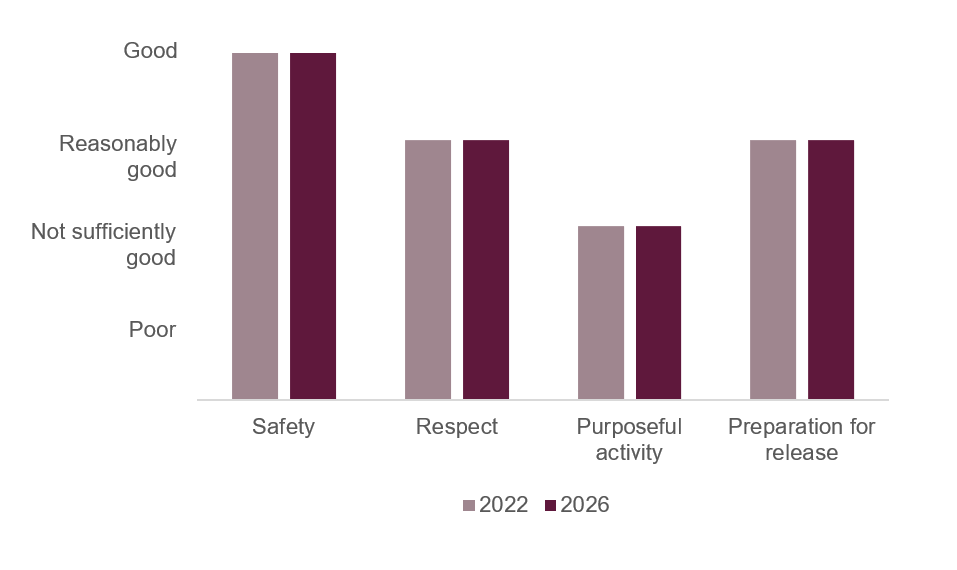
Outcomes for prisoners across our four healthy prison tests remained unchanged compared with our findings in 2022. The lack of progress in improving outcomes under the purposeful activity test was concerning, our Ofsted colleagues judging this area as requires improvement, their second lowest assessment, and this is very difficult to excuse in an open prison. While leaders had ensured sufficient activity places overall, attendance and punctuality were not good enough, opportunities beyond level 2 remained very limited, distance learning was underdeveloped and little on-site work led to recognised qualifications. A significant gap was the lack of effective support for prisoners with special educational needs and disabilities.
Leaders had increased the opportunities for prisoners to undertake release on temporary licence (ROTL) including paid employment in the community. More than a third were in full-time employment outside the prison, and many employers spoke highly of the reliability, commitment and work ethic of the men. Access to ROTL was undoubtedly a key motivational factor for most men, which contributed to the overall safety of the establishment. Rates of violence remained low and self-harm was rare. The prison’s multidisciplinary approach to supporting new prisoners and vulnerable men was effective, and decisions to return prisoners to closed conditions when risks became unmanageable in an open setting were robust and defensible.
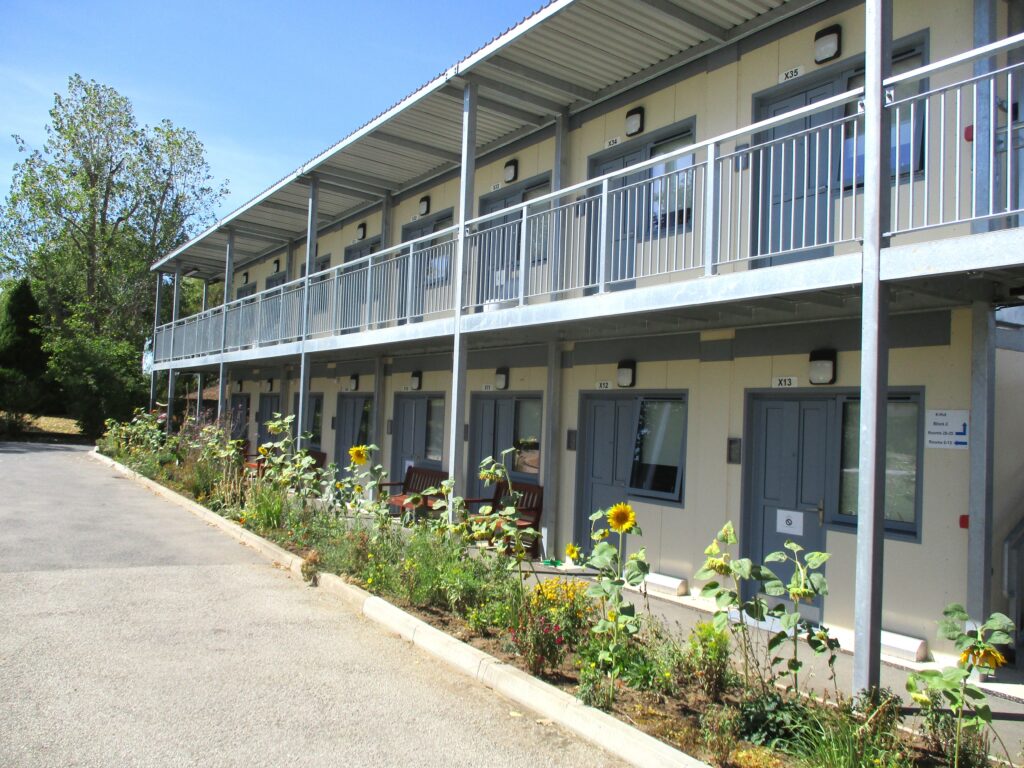
However, these positive findings were offset by several significant concerns. Perhaps the most striking was the poor condition of much of the older accommodation. While more men now lived in new accommodation pods, the old huts were barely fit for purpose. This situation has become a longstanding failure that requires a strategic solution from HMPPS. Standards of cleanliness were also disappointing. Many communal areas were dirty and uncared for, with facilities and much of the outside environment poorly maintained. In an open prison, where community living should be underpinned by personal responsibility and pride in the environment, such conditions were corrosive, undermining well-being for both prisoners and staff.
The availability of illicit items was another concern. The smell of drugs was evident during the inspection; prisoners told us it was easy to obtain drugs and mobile phones, and positive drug testing rates remained too high.
Open prisons rely on prisoners and staff working together within a culture that promotes responsibility, trust and rehabilitation. At Spring Hill, that culture felt partial and underdeveloped. There were too few organised enrichment activities, limited opportunities for prisoners to develop hobbies and interests, and inconsistent access to key facilities such as the gym, library and chaplaincy. Too many prisoners told us they were frustrated about their lack of meaningful progress while waiting for ROTL.
Although outcomes in preparation for release remained reasonably good, there were shortcomings in offender management. Too many prisoners lacked meaningful and regular contact with their prison offender manager and there was insufficient recording of evidence about behaviour while on ROTL to assess ongoing suitability.
Spring Hill has considerable potential and there were encouraging signs of renewed ambition among leaders. However, the condition of the older accommodation, the deterioration in standards of cleanliness, weaknesses in purposeful activity and shortcomings in offender management required determined action. Addressing these issues will be essential if Spring Hill is to fulfil its role as a successful open prison that equips men with the skills, confidence and support they need to live safely and responsibly on release.
Charlie Taylor, HM Chief Inspector of Prisons, September 2026
Outcomes for prisoners (Back to top)
We assess outcomes for prisoners against four healthy prison tests: safety, respect, purposeful activity, and preparation for release (see More about this report for more information about the tests). We also include a commentary on leadership in the prison (see Section 1).
At this inspection of HMP Spring Hill, we found that outcomes for prisoners were:
- good for safety
- reasonably good for respect
- not sufficiently good for purposeful activity
- reasonably good for preparation for release.
We last inspected HMP Spring Hill in 2022. Figure 1 shows how outcomes for prisoners have changed since the last inspection.
Figure 1: HMP Spring Hill healthy prison outcomes 2022 and 2026
What needs to improve (Back to top)
During this inspection we identified 12 key concerns, of which six should be treated as priorities. Priority concerns are those that are most important to improving outcomes for prisoners. They require immediate attention by leaders and managers.
| Priority concerns | |
| 1. | Prisoners had easy access to illicit items such as drugs and mobile telephones. |
| 2. | HMPPS had not replaced the very dilapidated residential huts despite them being barely fit for purpose. |
| 3. | Standards of cleanliness across the prison had deteriorated and some outside areas were not well maintained. |
| 4. | Teachers and instructors did not have the skills they needed to adapt their teaching and instruction to meet the needs of prisoners with SEND. |
| 5. | There was very limited curriculum in education and vocational training beyond level two and little of the on-site work was recognised through qualifications. |
| 6. | Reviews of ongoing suitability for ROTL were not always comprehensive. Little information was recorded by prison offender managers or other staff about the prisoner’s behaviour and risks while on ROTL. |
| Key concerns | |
| 7. | A community ethos, an important feature of an open prison, was lacking. There were hardly any organised enrichment activities to promote community living and very little provision to enable prisoners to pursue their interests and hobbies or take part in team events. |
| 8. | Prisoners did not always receive sufficient care on arrival. Those arriving late in the evening did not always receive their personal property; nor were they given the chance to make a free phone call or have a meal. |
| 9. | Leaders did not provide recognition of the knowledge and skills prisoners gained though employment in the community whilst on ROTL. |
| 10. | Too many prisoners failed to attend their on-site activity or were late to education lessons. |
| 11. | Men not yet able to access ROTL to see their family and friends in the community could only access social visits at the prison on a weekend. |
| 12. | Prisoners did not have regular contact from their POM to support their progression. |
Notable positive practice (Back to top)
We define notable positive practice as evidence of our expectations being met to deliver particularly good outcomes for prisoners, and/or particularly original or creative approaches to problem solving. Inspectors found some examples of notable positive practice during this inspection, which other prisons may be able to learn from or replicate.
| 1. | The Pathways Enhanced Resettlement Service (PERS) project continued to provide good support to high-risk men and those with complex needs to help them remain in open conditions. (see Early days in custody, Promoting positive behaviour and Safeguarding) |
| 2. | The Boats not Bars scheme supported small groups of prisoners to improve teamworking skills and the achievement of goals. (see Time out of cell) |
Unless otherwise specified, these examples are not formally evaluated, are a snapshot in time and may not be suitable for other establishments. They show some of the ways our expectations might be met, but are by no means the only way.
Section 1: Leadership (Back to top)
Leaders provide the direction, encouragement and resources to enable good outcomes for prisoners.
The governor’s job was challenging as he also managed the adjacent HMP Grendon, a specialist therapeutic community. Despite being in post for just three months, he had developed a reasonable understanding of the key risks impacting Spring Hill, but leaders were not setting high enough expectations or standards for their staff or prisoners. This was, for example, most visibly evidenced by a deterioration in the general standards of cleanliness.
Despite efforts to improve living conditions, the residential huts were barely fit for purpose and HMPPS had not provided a long-term solution. The PGD had recently allocated £200,000 for use across Spring Hill and Grendon but this would not be enough to rectify the significant problems with the huts.
There was a recognition amongst leaders that the population had changed, with more men, for example, arriving earlier in their sentence or arriving with less time left to serve. Good multidisciplinary support was provided to help them adjust to being in open conditions, but there was also robust and defensible decision making concerning the return of some to closed conditions if circumstances required it.
Leaders had not taken sufficient action to provide prisoners with enough curriculum opportunities to progress their educational and vocational studies. The promotion of distance learning was underdeveloped and there was a limited curriculum beyond level 2.
The use of ROTL was a priority for leaders and they had increased the proportion of prisoners who undertook high-quality paid employment in the community. They had established an effective employment advisory board that was helping to develop more partnerships with local and national employers, and the prison employment leader was ambitious in her role. Additional funding had enabled the recent recruitment for a second temporary prison employment lead post.
The PGD had asked HMPPS to review the workforce delivery model as the pool of band three officers was so small that it provided little resilience, particularly at weekends and overnight. It also made it difficult to supervise the residential units and spot poor behaviour. In addition, staff shortages within the offender management unit contributed to delays in the completion of some core tasks. Managers failed to help staff prioritise their work.
Open prisons rely largely on a strong community ethos that includes prisoners and staff working together with the shared aims of rehabilitation and resettlement. Leaders were not driving this well enough, and some key aspects – such as access to the gym, library and chaplains – were weak. Far fewer prisoners than in other open prisons inspected since November 2023 thought their experiences at Spring Hill had made them less likely to offend in the future.
Leaders of security, safety and drug strategy were working together well and used data effectively.
Section 2: Safety (Back to top)
Prisoners, particularly the most vulnerable, are held safely.
Early days in custody
Expected outcomes: Prisoners transferring to and from the prison are safe and treated decently. On arrival prisoners are safe and treated with respect. Risks are identified and addressed at reception. Prisoners are supported on their first night. Induction is comprehensive.
| HMIP prisoner survey | Yes | Compared with similar prisons |
| When you arrived at this prison, did you spend less than 2 hours in reception? | 58% | Lower |
The number of new arrivals had more than doubled since the last inspection, and many arrived in the evening when prisoners were also returning from ROTL (release on temporary licence). Reception staff worked hard to manage considerable pressures during busy periods, but facilities were cramped and safety interviews were not always conducted in private.
Prisoners arriving late in the evening did not always receive their personal property nor were they given the chance to make a free phone call or have a meal. Despite these drawbacks, our survey showed that 87% of men said they had been treated very/quite well while in reception.
Information about family ties, education, debt and equality needs were recorded in an ‘early days passport’, but this information was not always shared effectively with other departments.
Peer workers were used reasonably well and the support provided by the orderly based on the induction unit was valued by prisoners.
| HMIP prisoner survey | Yes | Compared with similar prisons |
| On your first night in this prison, was your cell very/quite clean? | 38% | Lower |
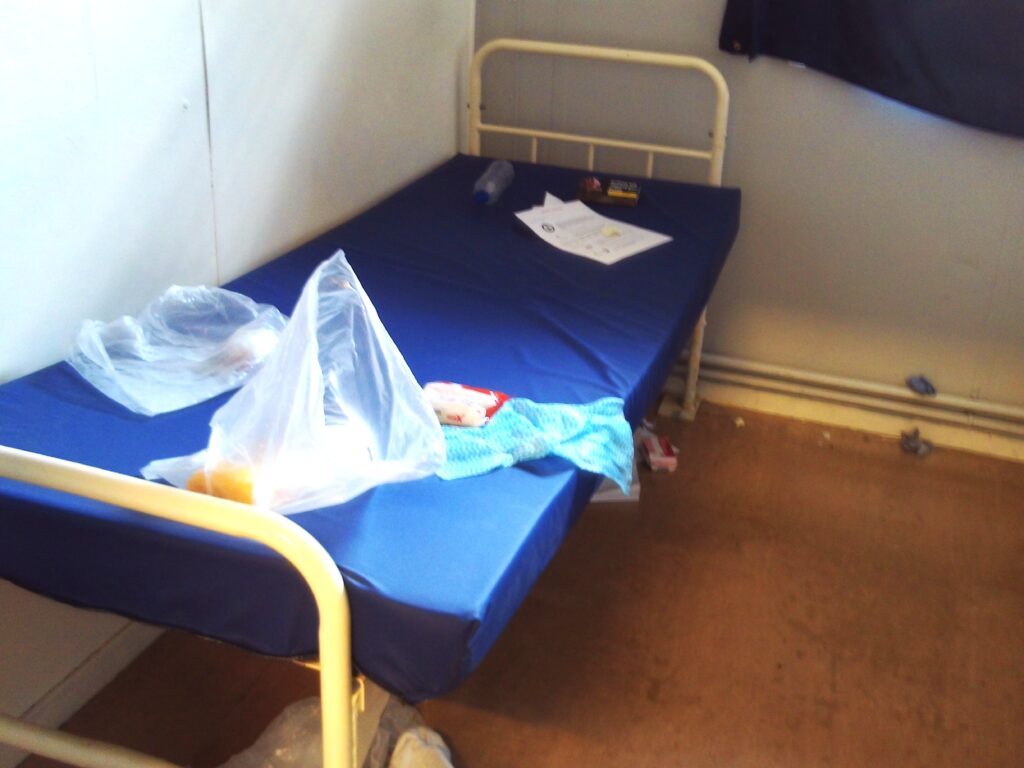
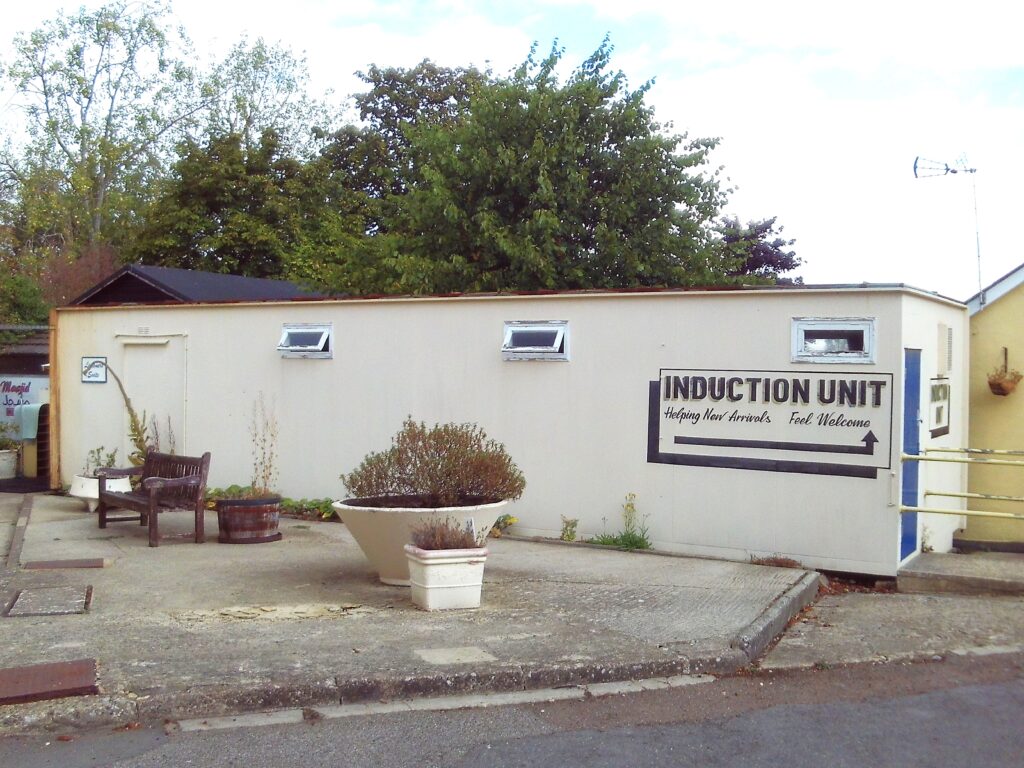
Leaders had reopened an induction hut to facilitate information sharing and help new men to settle in, which was positive. However, many rooms and communal areas were dirty and poorly maintained.
The induction programme was comprehensive. It included introductory sessions with key departments, a meeting with careers, information, advice and guidance staff to discuss ROTL opportunities, and a tour of the prison.
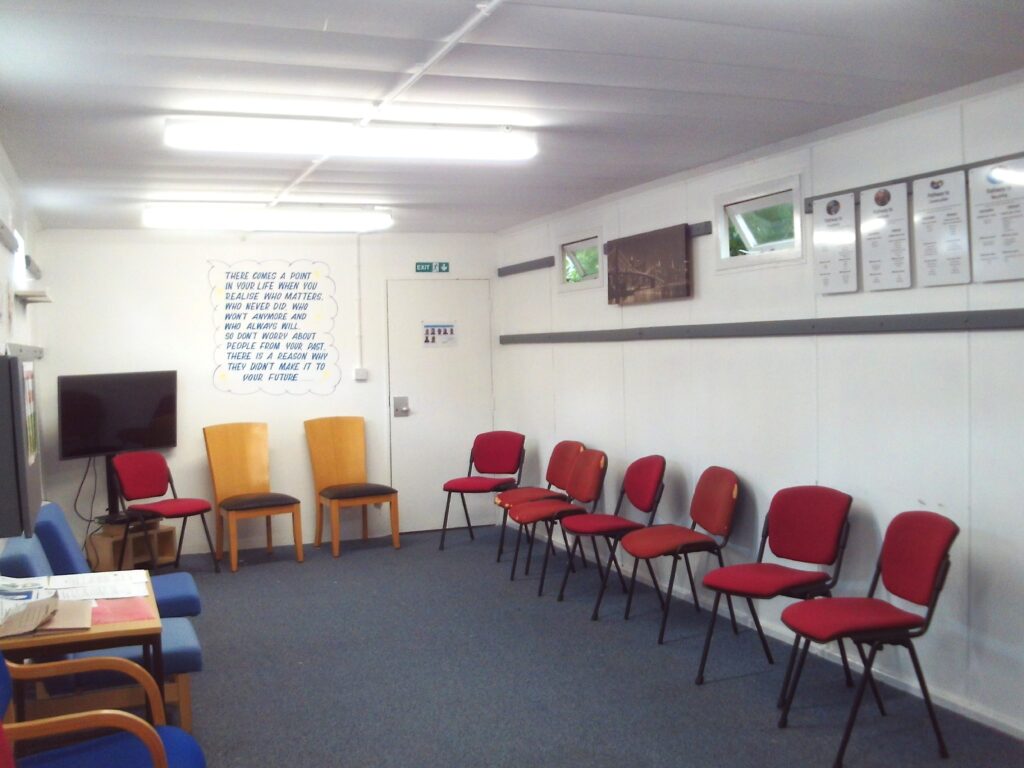
Prisoners new to Spring Hill who had more complex personal needs such as personality disorders were introduced to the Pathways Enhanced Resettlement Service (PERS) to support their transition to open conditions. This service provided help with the management of emotions, one-to-one supervision and daily drop-in sessions. (see Security, Safeguarding, and Opportunities to progress).
Promoting positive behaviour
Expected outcomes: Prisoners live in a safe, well ordered and motivational environment where their positive behaviour is promoted and rewarded. Unacceptable conduct is dealt with in an objective, fair, proportionate and consistent manner.
Encouraging positive behaviour
Opportunities to access ROTL and move into single accommodation, particularly in the pods (see Living Conditions), were the biggest motivators to behave well. There were, however, long waits to access these opportunities, and some men told us they were frustrated by not having much else to engage and incentivise them in the meantime.
| HMIP prisoner survey | Yes | Compared with similar prisons |
| Have you ever felt unsafe here? | 37% | Higher |
| Do you feel unsafe now? | 18% | Higher |
There had been no assaults on staff in the last year and violence between prisoners remained low at seven incidents over that time. However, two incidents that had taken place recently had been very serious and had unsettled some prisoners. Our survey results showed more negative perceptions about safety than in similar prisons but most of the men we spoke to during the inspection week said they felt safe from physical harm.
We saw low-level rule breaking, such as men frequenting huts they did not live in, and we were told of illicit activity on the campus as well as some bullying. A small number of officers were on duty at any one time which made it difficult for them to patrol the grounds and supervise the residential accommodation to identify rule breaking, bullying or suspicious behaviour (see Staff-prisoner relationships).
Challenge, support and intervention plans (CSIPs, see Glossary) were used appropriately for victims and perpetrators and those who had experienced one were positive about the support they had received. Actions often included informal mediation between prisoners and a move of location to reduce tensions.
The number of adjudication hearings in the last 12 months was more than double that in the same period before the last inspection. Most charges related to the possession of unauthorised items and positive mandatory drug testing (MDT) results.
Documents that we reviewed showed that investigations were thorough, hearings were held promptly and prisoners were given sufficient opportunity to contribute. However, unpaid work was underused as an award, which was a missed opportunity to promote the restorative approach and bolster the sense of community at the prison.
Use of force
The number of times force had been used against prisoners had increased since our last inspection, but it remained rare, with just 10 incidents in the last year. Most incidents involved the application of handcuffs with little actual use of physical force.
Records justifying the restraint of prisoners were mostly of a good standard, although only half the incidents were recorded on body-worn video cameras. This limited the opportunity for leaders to review practice and develop learning.
Oversight through triage and quarterly scrutiny meetings was otherwise appropriate and had resulted in robust action to address concerns, including the use of poor techniques by staff.
Security
Expected outcomes: Security and good order are maintained through an attention to physical and procedural matters, including effective security intelligence and positive staff-prisoner relationships. Prisoners are safe from exposure to substance misuse and effective drug supply reduction measures are in place.
| HMIP prisoner survey | Yes | Compared with other open prisons |
| In this prison is it easy/very easy to get illicit drugs? | 45% | Higher |
| In this prison is it easy/very easy to get alcohol? | 39% | Higher |
| In this prison is it easy/very easy to get medication not prescribed to you? | 35% | Higher |
The smell of drugs was prevalent during our inspection and our survey showed that far more prisoners said it was easy to get hold of drugs, alcohol and medication not prescribed to them than in other open prisons and at the last inspection. The positive random MDT rate was 9%, similar to the last inspection, but just above the average for all open prisons.
As an open prison, Spring Hill had very few physical security measures to limit the supply of illicit items. Good levels of intelligence were received, analysed and acted on in a timely way. Target driven searches frequently resulted in finds of illicit items and leaders worked proactively with the local police and neighbours around the site.
The security meeting was generally well attended and effective, with appropriate objectives set, although these were not always communicated well to staff.
The number of breaches of ROTL and absconds from the prison remained low at four and five respectively in the last year and these were dealt with robustly.
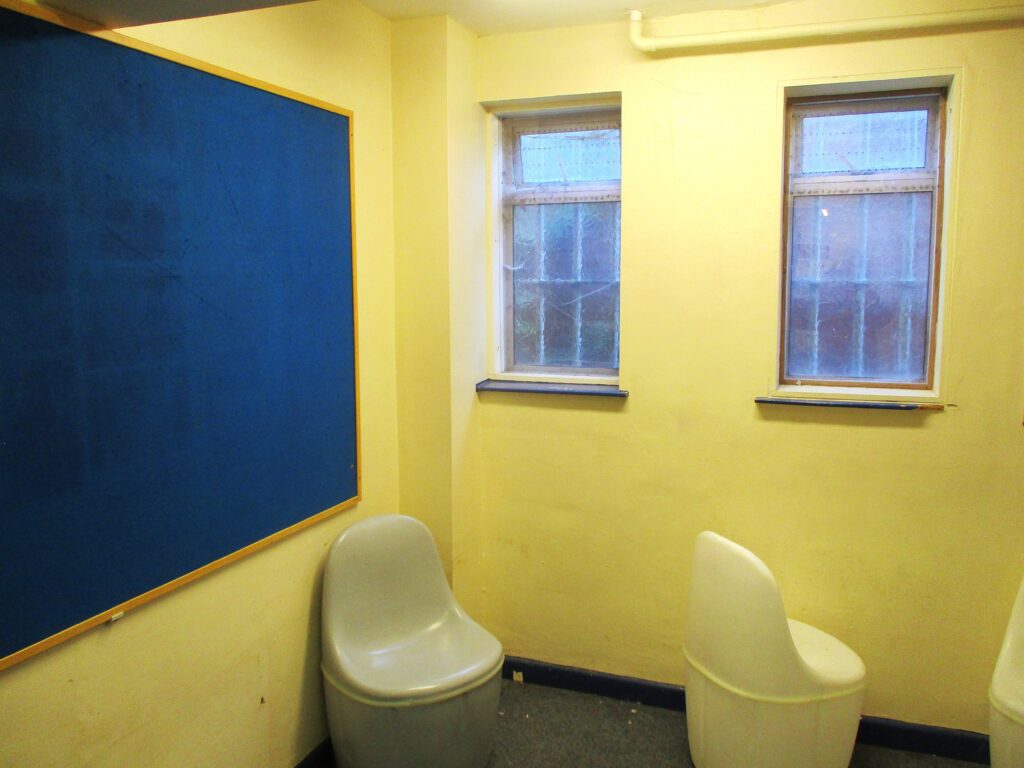
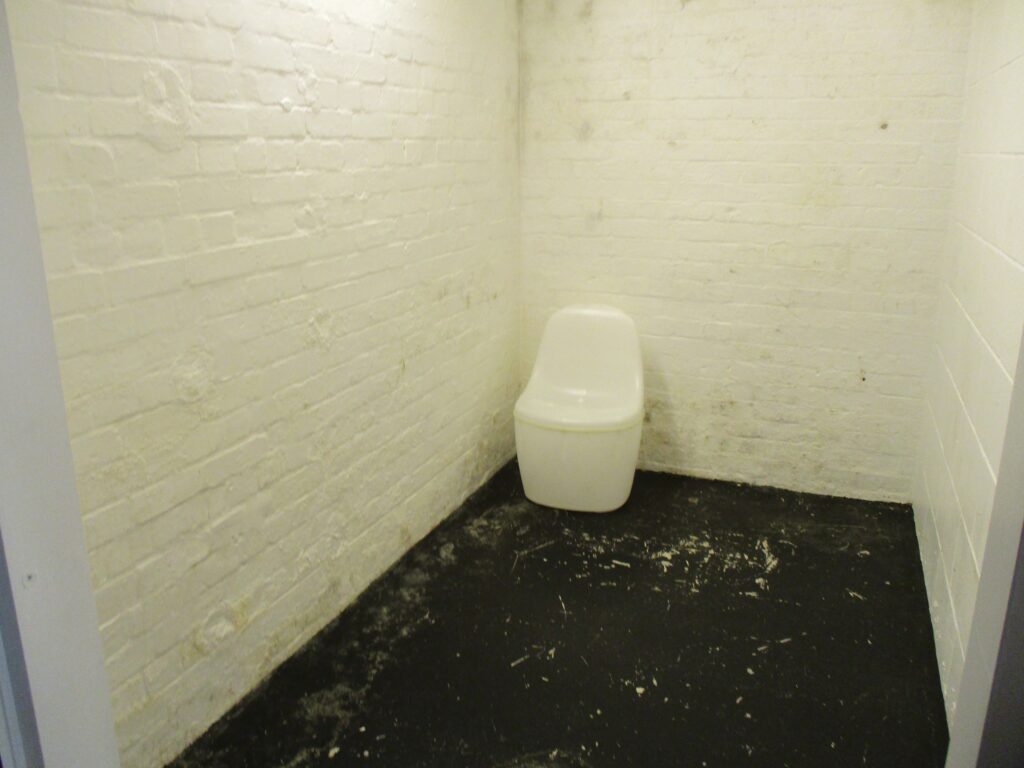
The number of prisoners returned to closed conditions was high at 167 in the last year, but the decisions to do so were defensible and based on behaviour that presented risks or persistent non-compliance. The secure rooms used to hold men waiting to be transferred to closed conditions were shabby and uncomfortable and, in some cases, men were held there for up to six hours.
Safeguarding
Expected outcomes: The prison provides a safe environment which reduces the risk of self-harm and suicide. Prisoners at risk of self-harm or suicide are identified and given appropriate care and support. All vulnerable adults are identified, protected from harm and neglect and receive effective care and support.
Suicide and self-harm prevention
There had been no self-inflicted deaths at Spring Hill since 2014 and there had been just two self-harm incidents recorded in the last 12 months.
Prisoners struggling to cope were supported well through multidisciplinary case conferences and were discussed at the weekly prisoners of concern meeting to establish a support plan.
The PERS service provided specialist support to high-risk prisoners and those serving Imprisonment for Public Protection (IPP) sentences. Including those with personality disorders. This included help with management of emotions, one-to-one supervision and daily drop-in sessions.
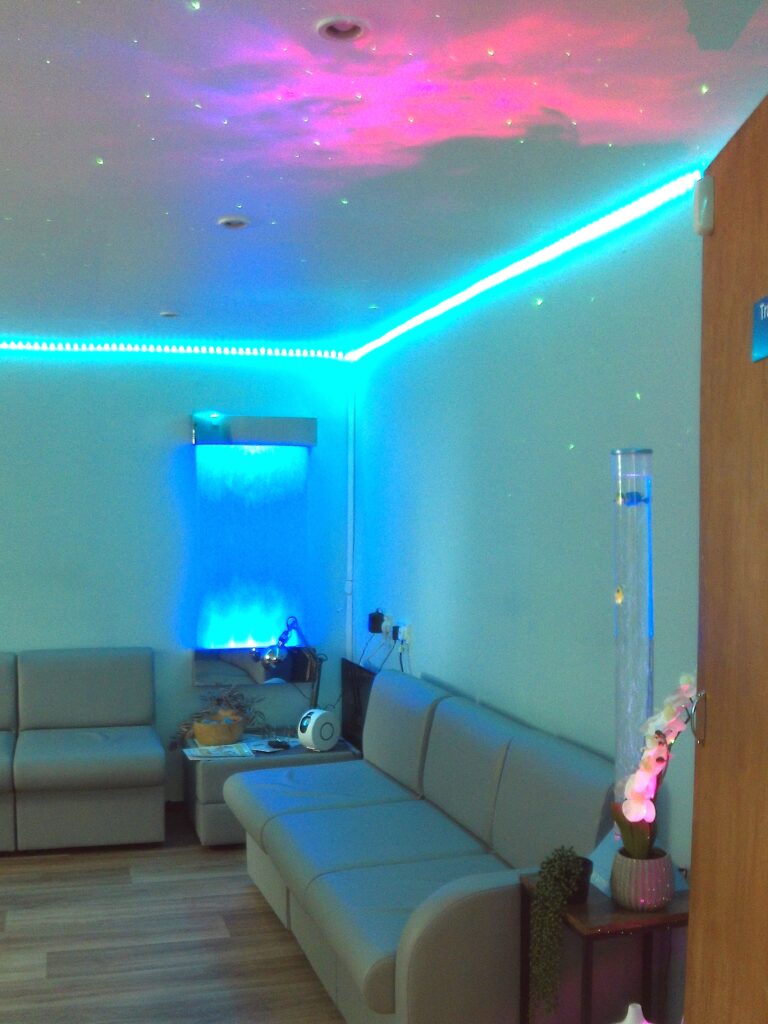
Listeners (prisoners trained by the Samaritans to provide emotional support to fellow prisoners) were available and they had a dedicated space for conversations.
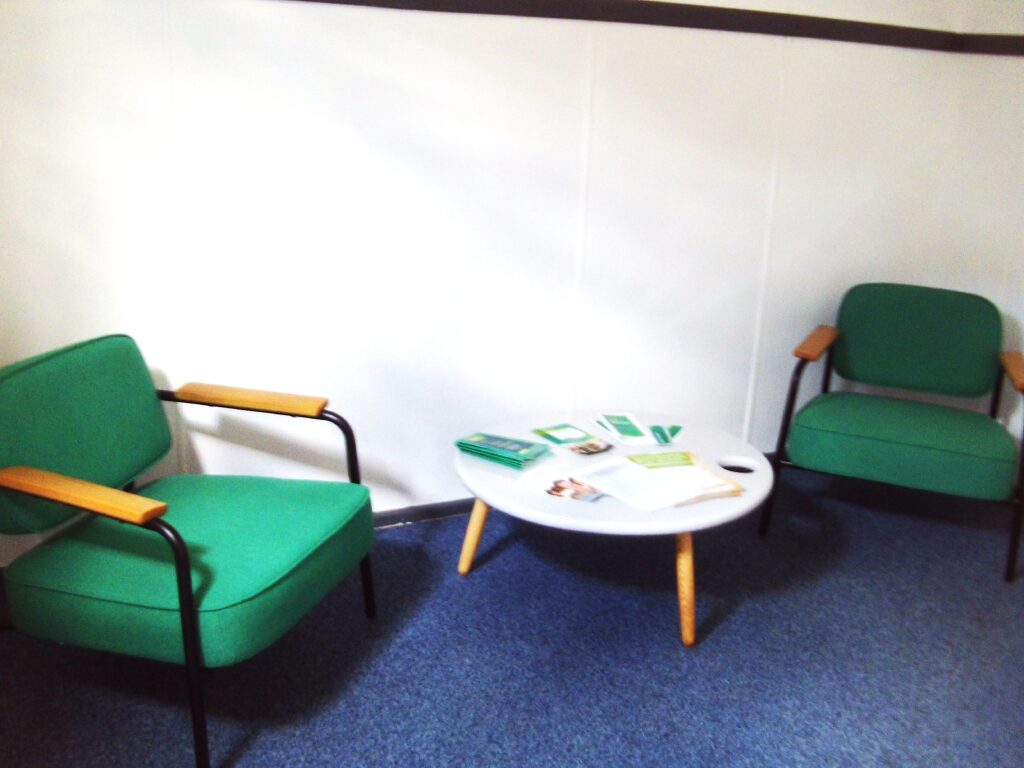
No prisoners were being supported through ACCTs (assessment, care in custody and teamwork; case management of prisoners at risk of suicide and self-harm) at the time of the inspection. In the last year, just six ACCTs had been opened. Most were opened to support men who were being returned to closed conditions, to help them cope with this. The small number of prisoners who had been supported by ACCT case management previously while at Spring Hill had received appropriate support.
Protection of adults at risk
Oversight of adult safeguarding was limited and some officers we spoke to were not confident about identifying vulnerable prisoners. Leaders were in the process of establishing links with the local adult safeguarding board.
Section 3: Respect (Back to top)
Prisoners are treated with respect for their human dignity.
Staff-prisoner relationships
Expected outcomes: Prisoners are treated with respect by staff throughout their time in custody and are encouraged to take responsibility for their own actions and decisions.
In our survey, 71% of prisoners said that most staff treated them with respect compared with 82% in similar prisons. Many prisoners we spoke to said that some staff were dismissive, rude and unsupportive but we also witnessed prisoners who were very rude and antagonistic towards staff.
| HMIP prisoner survey | Yes | Compared with similar prisons |
| Do you have a named officer (key worker)? | 97% | Higher |
In our survey, 72% of men said they had somebody to turn to if they had a problem and the personal officer scheme continued to operate effectively. Most prisoners had regular contact with their personal officer and, in our survey, 73% said they were very/quite helpful.
The number of officers on duty each day was low, giving little flexibility to manage unexpected pressures or support prisoners (see Encouraging positive behaviour). Staff absences or emergency escorts further depleted these resources. This meant that it was more difficult for staff to build a rapport with prisoners or take the time to care for them.
There was some good use of peer workers, although this was not as widely developed as we have seen in some open prisons.
Daily life
Expected outcomes: Prisoners live in a clean and decent environment and are aware of the rules and routines of the prison. They are provided with essential basic services, are consulted regularly and can apply for additional services and assistance. The complaints and redress processes are efficient and fair.
Living conditions
More prisoners than at our last inspection lived in the prefabricated ‘pods’ where conditions were very good. However, the majority still lived in the huts which were of dreadful quality. Most prisoners shared cramped rooms with inadequate and unsuitable furniture. Comments in our survey reflected this, for example, one man said: “apart from the pods, the main accommodation is disgusting” and another said that the “accommodation is rotten”.
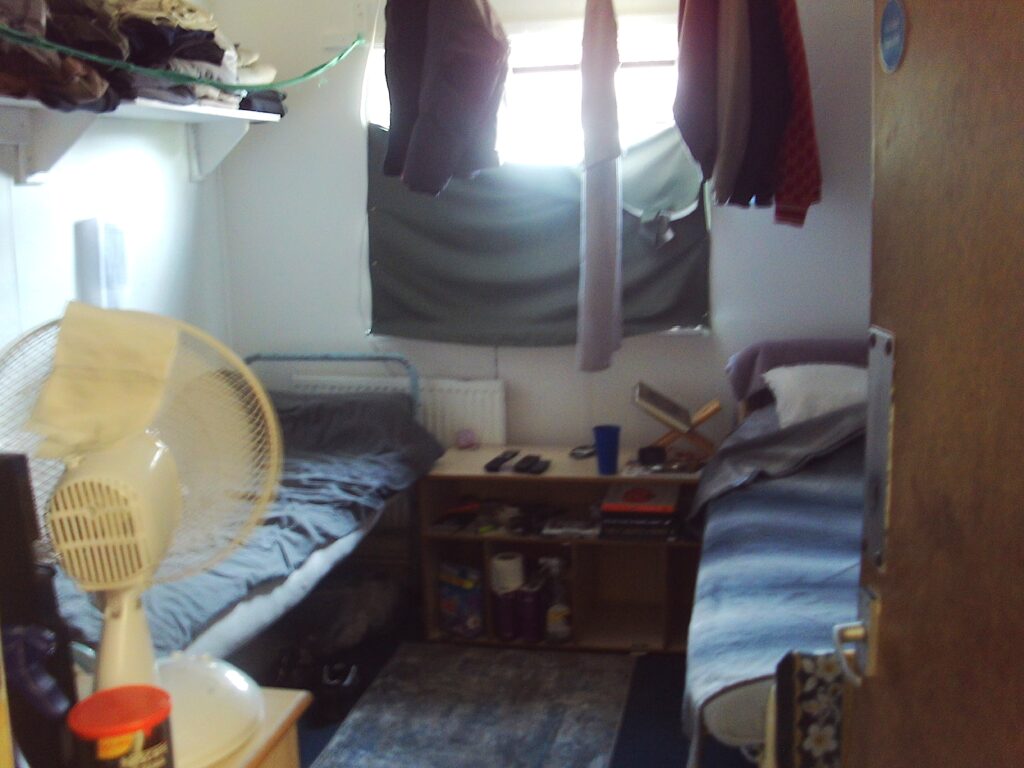
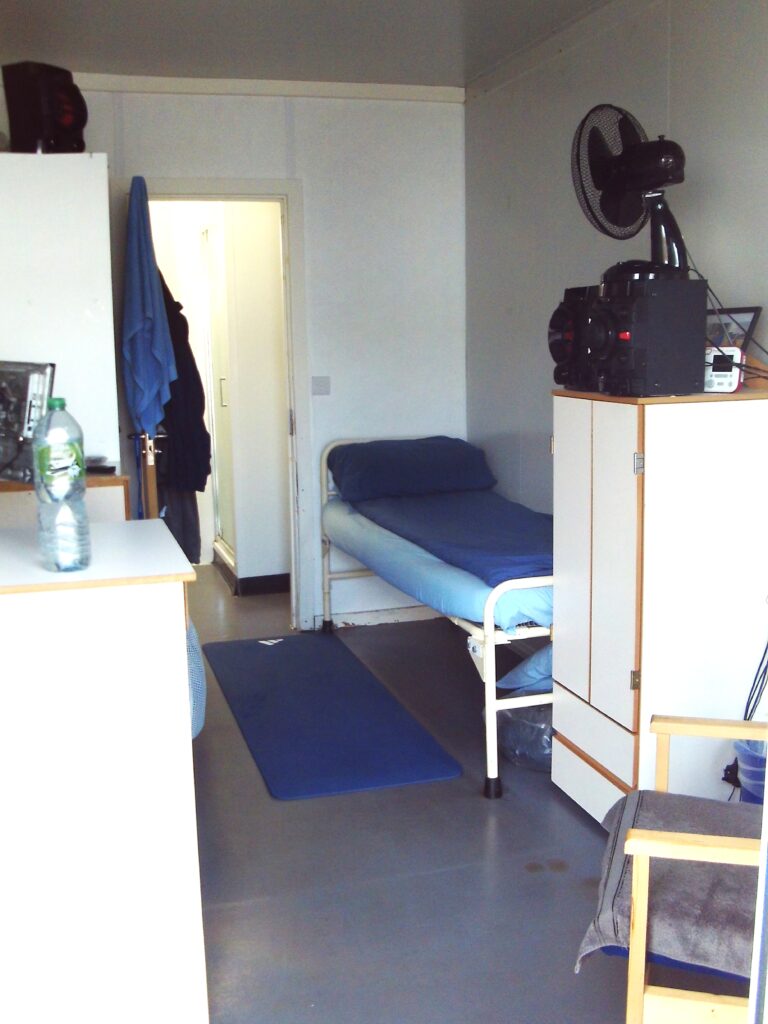
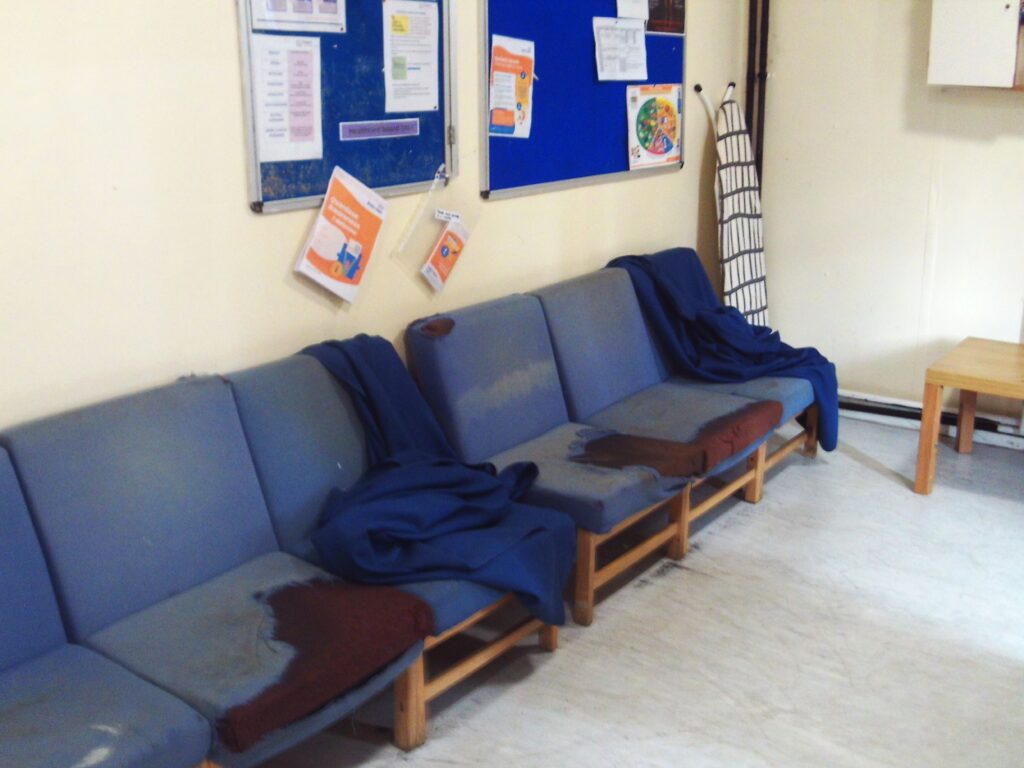
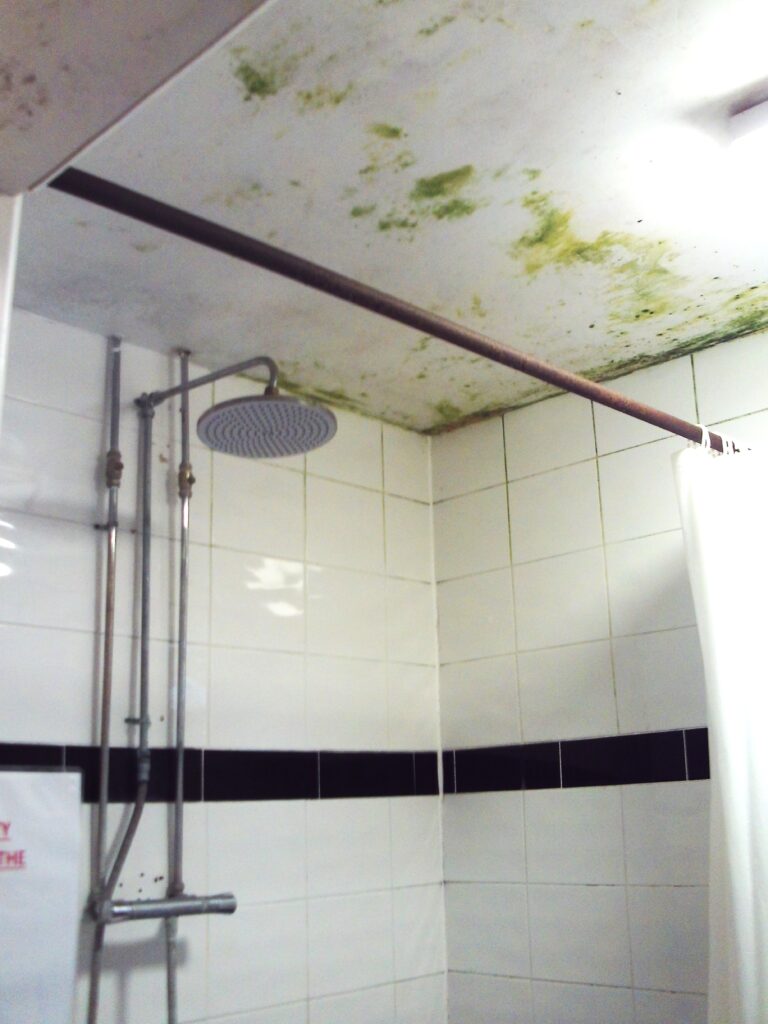
Despite some refurbishment of showers and toilets in five of the 10 huts, many remained in a poor state and were dirty. Problems persisted with broken sinks, plumbing and insufficient hot water. Association areas were very neglected, and many had worn and damaged furniture.
Further funding had been approved to improve the flooring, kitchens and association furniture, but this was unlikely to address the severe and longstanding dilapidation of the huts which needed replacing.
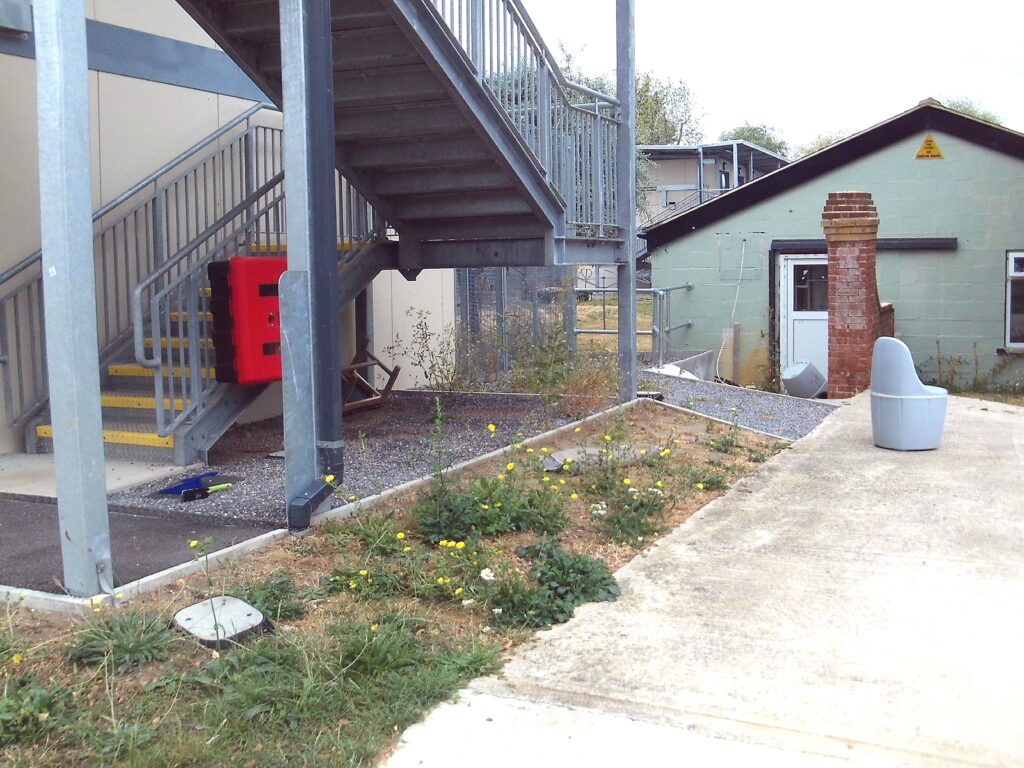
Most of the external areas across the site were not well maintained, often overgrown with weeds and scattered with junk such as broken furniture.
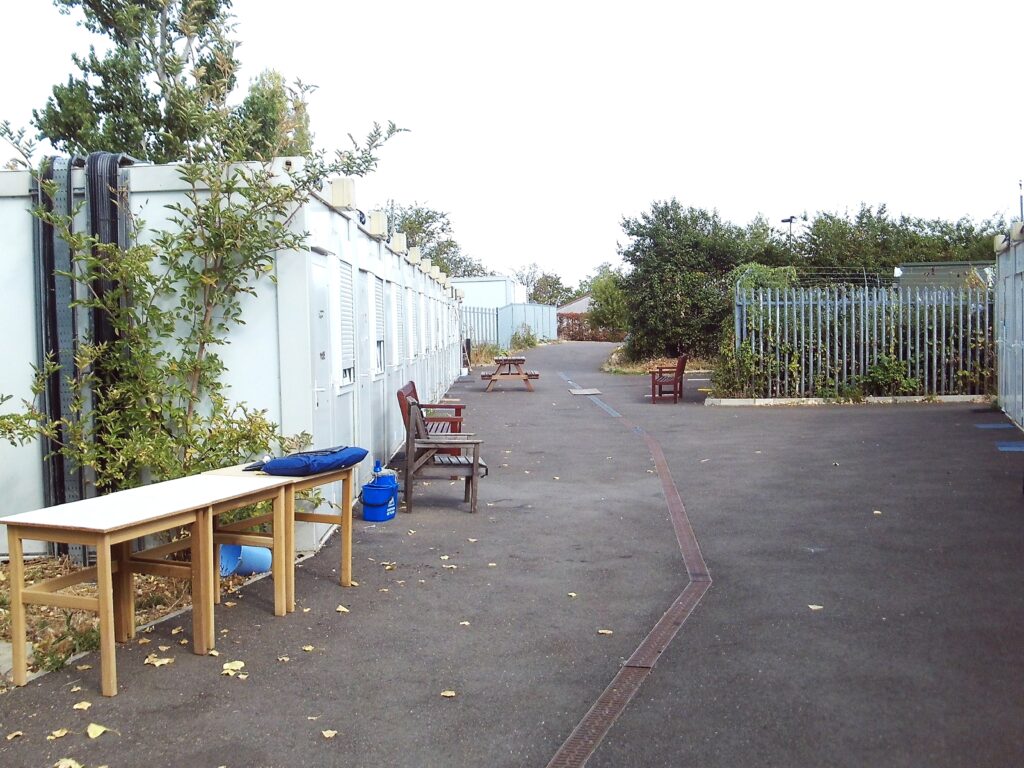
A few prisoners with appropriate experience were employed to carry out repairs. However, we found that most faults had not been reported to the prison estates team so items remained damaged or broken for far too long.
Some laundry equipment was out of order and prisoners could only submit one bag of laundry each week. This was simply not enough for all their dirty clothes, bedding and towels, particularly for those going out of the prison to work each day.
Access to stored property was good and, subject to approval, prisoners could receive or bring in parcels every two months.
Residential services
Menus now offered healthier and more varied options and the kitchen used fresh produce grown on site. Our survey showed that almost half of respondents rated the food as good or very good, in line with similar prisons. The charity, Food Behind Bars, was due to make further improvements to the food, nutrition and well-being, while strengthening training in catering for staff and prisoners.
The main kitchen and communal dining hall were shabby and occasionally dirty, with evidence of rats.
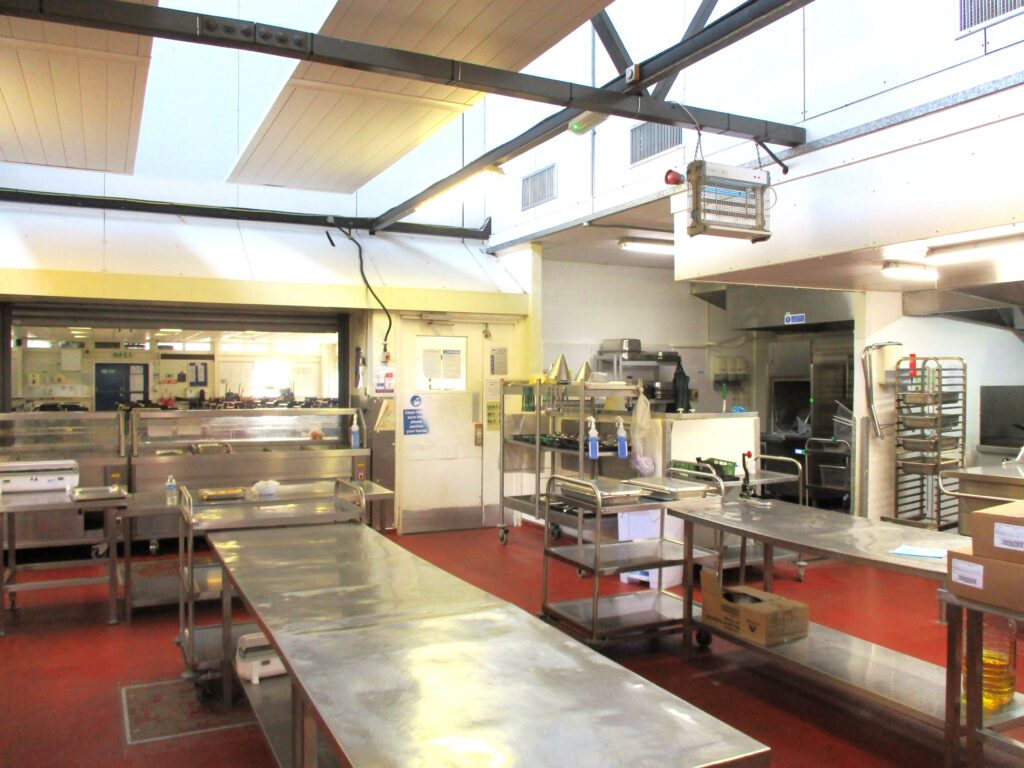
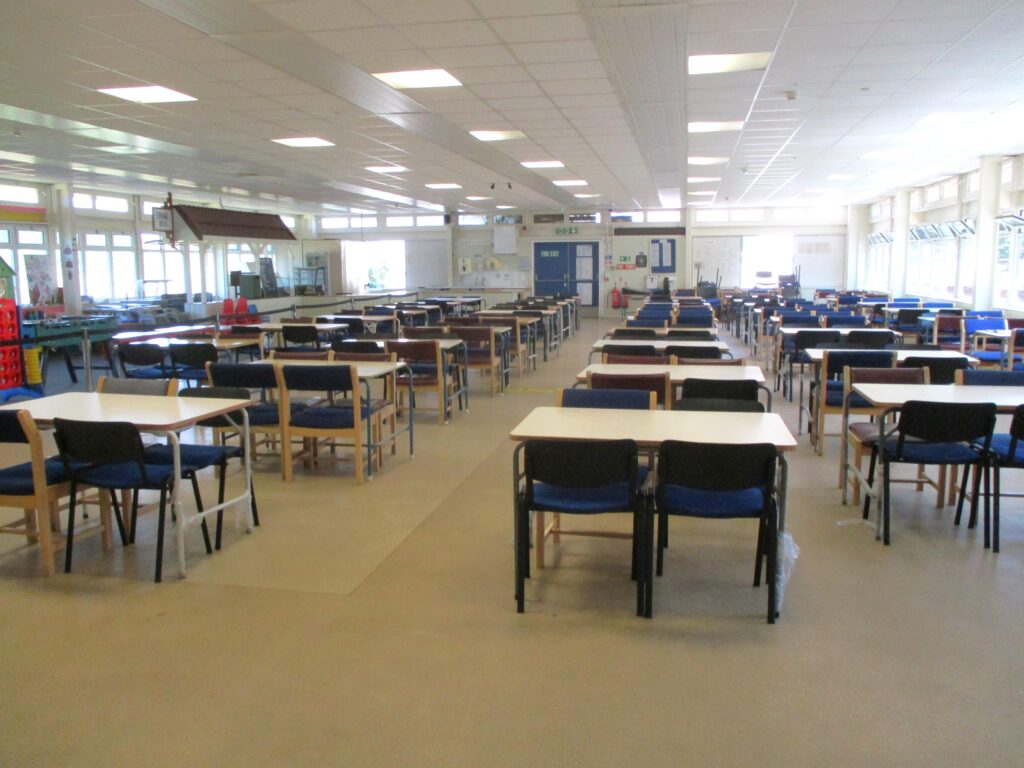
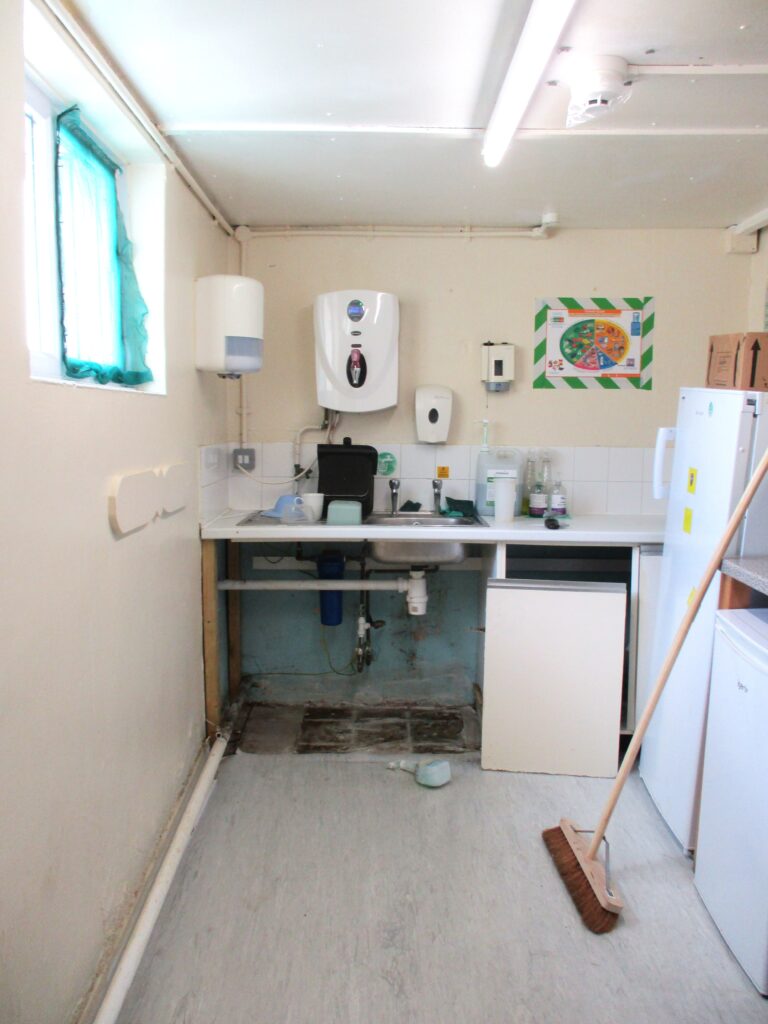
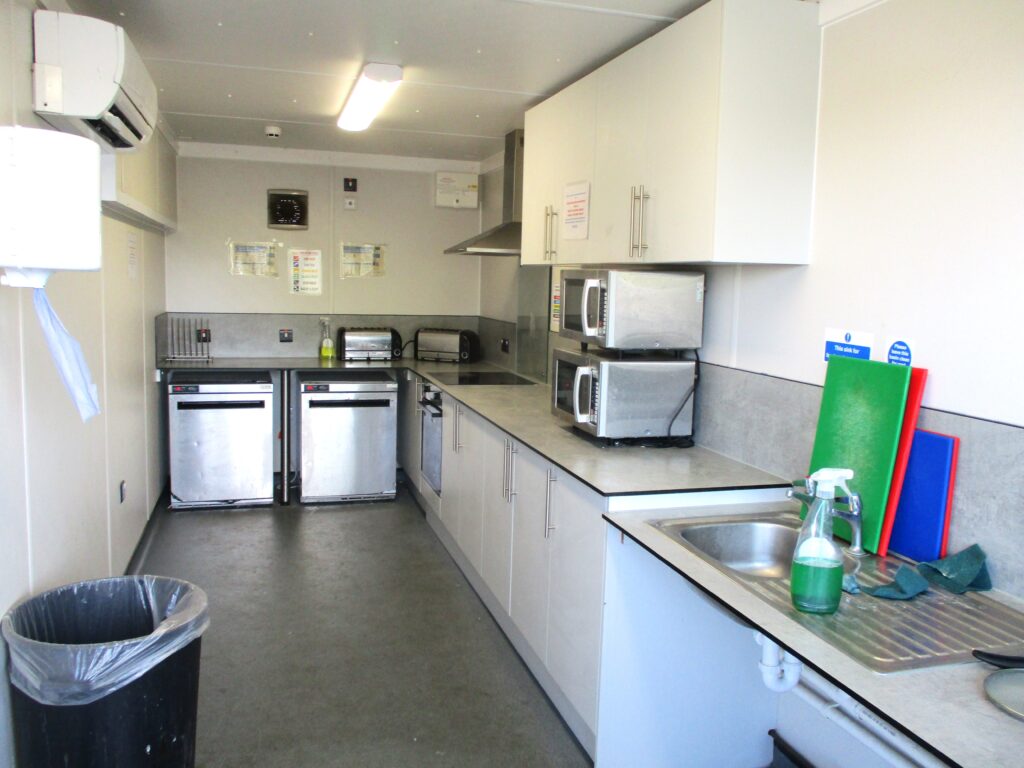
Prisoners now had more opportunities to cook for themselves, although some facilities and equipment were in poor condition.
The canteen offered a reasonable service but delays in refunding money for missing items caused considerable frustration. There was a reasonable range of catalogues and men could receive parcels every eight weeks, which was good.
Prisoner consultation, applications and redress
Consultation arrangements were good and had led to some tangible improvements, such as additional self-catering facilities. The prison council was effective, and attendance was not limited to just peer representatives. Some improvements had been made following council meetings; for example, leaders had reintroduced the dedicated induction wing.
| HMIP prisoner survey | Yes | Compared with similar prisons |
| For those who have made an application, are they usually dealt with: | ||
| Fairly? | 58% | Lower |
| Within 7 days? | 53% | Lower |
While most prisoners said they could resolve issues and requests informally, they were more negative about the fairness and timeliness of written applications than at similar prisons. The lack of IT equipment on the residential wings was a significant gap and meant applications remained paper based. The system was not working well. For example, applications were taken to HMP Grendon to be processed and returned for distribution, which was unnecessarily cumbersome and caused delays. Some prisoners also said that responses did not always feel fair and did not deal with the enquiry or request in full.
| HMIP prisoner survey | Yes | Compared with similar prisons |
| For those who have made a complaint are they usually dealt with fairly? | 28% | Lower |
Our survey results showed that there was a lack of confidence in the complaints system and this was reinforced when we spoke to prisoners. In the sample of complaints that we reviewed, too many responses were dismissive and staff rarely spoke directly to prisoners to resolve concerns. There had been gaps in quality assurance, although some recent improvements had been made in the analysis of data.
Fair treatment and inclusion
Expected outcomes: There is a clear approach to promoting equality of opportunity, eliminating unlawful discrimination and fostering good relationships. The distinct needs of prisoners with particular protected characteristics (see Glossary) or those who may be at risk of discrimination or unequal treatment, are recognised and addressed. Prisoners are able to practise their religion. The chaplaincy plays a full part in prison life and contributes to prisoners’ overall care, support and rehabilitation.
As an open prison, it was easier for prisoners to seek help and get their views heard when needed. In our survey, prisoners from different protected groups generally reported experiences similar to those of their peers, and those we spoke to did not identify examples of discrimination.
The new governor was committed to promoting fair treatment and had set this as one of the key priorities. There was a strategic meeting every two months but consultation forums with prisoners were not being delivered reliably. For example, prisoners from a minority ethnic background made up 47% of the population but no forums had been held over recent months.
Disproportionate outcomes for some groups (including men with disabilities, black prisoners and those aged 20 to 25) had been identified in relation to ROTL and being returned to closed conditions, but leaders had not taken action to explore this further.
| Data provided by the prison | |
| Number of prisoners identified as having a learning need and/or disability at the time of the inspection | 147 |
Self-declared data on learning needs and disabilities showed a significant number of neurodivergent prisoners. However, support for them was limited as the lead manager was absent and there was no cover for this work. Our Ofsted colleagues also noted inconsistencies in the use of support plans to help men with special educational needs and/or disabilities.
There were now five accessible rooms for men with significant physical disabilities and the needs of the small number of other men with mobility problems were met through the addition of appropriate adaptations. However, alarm buttons in adapted rooms were not connected to a central alert system and therefore might not be heard.
Prisoners aged over 50 valued having a dedicated association room where they could socialise together. However, there was no specific support for prisoners who had experienced living in local authority care.
Responses to discrimination complaints that we reviewed were generally decent and appropriate and they were now quality assured by the new governor in addition to the start of external scrutiny.
Faith and religion
| HMIP prisoner survey | Yes | Compared with similar prisons |
| Have you spoken to the chaplaincy team in this prison? | 57% | Lower |
| For those who have a religion: Are you able to attend religious services, if you want to? | 77% | Lower |
| For those who have a religion: Are your religious beliefs respected here? | 64% | Lower |
Long-term staff shortages in the chaplaincy, including the absence of a managing chaplain, affected the delivery of faith-based services and wider pastoral support. Our survey showed poorer perceptions than in other open prisons.
One exception to this was the provision of religious services for Muslim men, which was good. In our survey, 94% of these men said they were able to go to religious services if they wanted to and told us they valued their access to the Mosque.
Health, well-being and social care
Expected outcomes: Patients are cared for by services that assess and meet their health, social care and substance use needs and promote continuity of care on release. The standard of provision is similar to that which patients could expect to receive elsewhere in the community.
The inspection of health services was jointly undertaken by the Care Quality Commission (CQC) and HM Inspectorate of Prisons under a memorandum of understanding agreement between the agencies. The CQC found there were no breaches of the relevant regulations.
Strategy, clinical governance and partnerships
The main health provider, Practice Plus Group Health in Justice Ltd (PPG), worked effectively with the sub-contracted services and prison leaders to deliver decent and appropriate levels of patient care. Governance arrangements were well established, with sound mechanisms to account for service delivery and address clinical risks. Leaders were visible and oversaw services effectively.
There were few serious incidents and we saw examples of shared learning and testing the understanding of staff. There were few complaints. Most were well handled but not all complainants were seen face to face and written responses were not quality assured. Regular audits provided opportunities to review standards and make improvements. The rate of missed appointments was high which wasted valuable clinical time, but appointments were re-booked quickly and waits for clinics were short.
Staffing profiles across all pathways were scrutinised, including future planning. There was some use of bank and agency staff, but rosters showed stable staffing delivering consistent levels of service. Clinicians had access to training, development opportunities, supervision and reflective practice, and mandatory training targets were being met. Staff were trained to provide an immediate response to medical emergencies. Resuscitation equipment was appropriate and regularly checked. Staff told us they felt supported and contacts with patients that we observed demonstrated a positive approach and knowledge of patients’ needs.
Most clinical activity took place in the small health centre, with therapy space available in the Diamond Centre. Most treatment environments were reasonable, but the medicines administration area and waiting area were poor and needed investment to ensure patient privacy and improve the experience as the initial point of contact with staff.
Promoting health and well-being
The service had a health promotion strategy, although Prison Service involvement was limited. Support started at reception, with tests and vaccinations offered during prisoners’ first two weeks at Spring Hill. Small events based on a published calendar were delivered throughout the year, together with larger biannual events involving internal and external providers and charities. Individual health advice was available, with additional support from a dietitian and assistant. A patient engagement lead regularly visited the residential units gathering feedback to inform improvements. Sexual health services were available, with referral to specialist secondary services when required.
Primary care and inpatient services
Primary care services were available from 7.30am to 7pm Monday to Friday, with reduced hours at weekends. Hours had recently been extended to accommodate men who were out at work, which was positive. Officers could contact 111 for advice out of hours or call 999 in an emergency.
Teamwork across health care was very good and access to appointments was in line with community services. Patients were supported to attend external hospital appointments and the system was run efficiently.
A handover took place each day and new and existing patients with complex health care needs were discussed at a multidisciplinary care meeting. Reception screening worked well, although there was no suitable designated space in the prison reception area. Patients were transferred or released safely, although improved communication was required by the prison to make sure that all information was provided promptly. A long-term condition nurse delivered a comprehensive service and there was access to a range of visiting practitioners and allied health care professionals.
Social care
Demand for social care was rare and equipment needs were low. Referrals to the local authority were made and responded to within agreed timeframes. A referrals pathway was in place and we did not identify any unmet need. A memorandum of understanding was awaiting final approval. Meetings between the prison, health care and local authority took place.
Mental health
Oxford Health NHS Trust was responsible for the delivery of mental health support. Practitioners also worked at HMP Grendon but there was always a presence at Spring Hill to make sure that core services were provided. The team had clear leadership, sound governance and reporting arrangements, and worked closely with health partners and prison colleagues. Three nurses provided a service each day which consisted mainly of supporting prisoners to cope and adapt to being in an open prison, as well as preparing for discharge. More complex patient support was afforded for those with an underlying serious and enduring mental illness through what was still referred to as the care programme approach (a framework designed to assess and support individuals with a mental illness). Deteriorating health needs were picked up in the multi-agency ‘Prisoner of Concern’ meetings (see Suicide and self-harm). Therapeutic support reflected a stepped care approach which included talking therapies, more complex psychologically driven care and group work, all overseen and managed by a multidisciplinary nurse led team supported by a psychiatrist one day a week.
New patients were seen promptly. Initial assessments were timely and individuals were allocated to practitioner caseloads based on need. Records we reviewed indicated regular and appropriate contacts identifying need, future plans, risk identification and review schedules. The PERS service was run by prison staff and offered a supplementary but important level of support as part of the offender personality disorder pathway. No patients had needed transfer to hospital under the Mental Health Act in the last 12 months.
Support and treatment for prisoners with addictions and those who misuse substances
PPG supplied clinical treatment to a small but increasing number of prisoners accessing opiate substitution treatment. Clinical support was being temporarily provided by a specialist nurse from HMP Bullingdon. Arrangements were safe and multidisciplinary reviews involving the patient were well managed. Treatment options had developed since our last inspection and tailored, individualised care was now delivered. The availability of long-acting buprenorphine from September 2026 would further enhance the fullest range of support.
Inclusion delivered psychosocial support to about 40 prisoners and drop-in support was available for those not on the caseload. The team also covered HMP Grendon but had a good presence based in the Diamond Centre. The team was well led and supervised and the small team of accredited and experienced recovery workers provided a range of individual and group interventions targeted to the needs of the population. These included brief interventions, low intensity input (including harm reduction advice and general well-being support) through to more complex structured interventions.
Mutual Aid groups visited frequently and a small cohort of peer workers made a valued contribution to supporting prisoners’ recovery. T Hut, which provided additional support for prisoners in recovery from substance misuse problems could, with more resources, deliver more incentives.
The availability of drugs remained a problem which increased pressure on prisoners, but Inclusion was actively engaged with the prison to address this. Patients spoke positively about the support provided and records demonstrated short waits to be assessed and start meaningful, regular engagement, including preparation and support for release.
Medicines optimisation and pharmacy services
Medicines were supplied by Sigma Pharmacy services. Prisoners were medically screened on arrival and risk assessed with a view to holding medicines in possession. Medicines reconciliation occurred promptly and a good range of stock, including critical medicines, was available to dispense, which caused limited disruption to prescribing regimes. New prescriptions were forwarded to Sigma and commonly delivered on the same day.
The Sigma pharmacist visited periodically and was contactable for support, alongside the regional pharmacist from PPG. On-site arrangements were facilitated by a very dynamic and knowledgeable PPG pharmacy assistant who delivered an effective service alongside nursing staff. Contingencies in case of extended absence by the pharmacy assistant were not sufficient and no substantive pharmacy clinics were arranged to offer advice and support.
Medicines were supplied individually labelled. Handling, transportation and storage were safe, including medicines requiring constant, controlled low temperatures. The treatment room was extremely small and in poor condition but was kept clean and tidy. Most patients received medicines in possession with reviews and periodic cell checks to test compliance. Storage facilities in the cells were poor. It was good that men attending work could access their in-possession medicines out of hours through a kiosk-style dispenser opened by a fingerprint.
Administration arrangements, including for controlled drugs, were managed well and offered some privacy, but there was no control over patients entering the administration area unsupervised. An appropriate range of homely medicines was available and patient group directions (for nurses to supply and administer prescription-only medicine) enabled access to other medicine groups, including vaccines. There were not enough self-care preparations on the canteen list.
Multidisciplinary governance enabled good oversight of issues such as medicine errors and prescribing of tradeable medicines. Prisoners due for release were provided with a supply of medicines or a prescription enabling them to continue their treatment.
Dental services and oral health
Dental services were delivered from HMP Grendon, offering a full range of treatments at two sessions each week. Despite high non-attendance rates, waiting times were comparable with those in the community. At the time of the inspection, equipment repairs and refurbishment of the dental suite were creating challenges, but effective contingency arrangements ensured continued access. Pain relief, antibiotics and referrals for extractions under general anaesthetic were available. Patients received oral health advice from the dental nurse. Records were comprehensive and decontamination facilities and equipment met all infection prevention and control standards.
Section 4: Purposeful activity (Back to top)
Prisoners are able and expected to engage in activity that is likely to benefit them.
Time out of cell
Expected outcomes: All prisoners have sufficient time out of cell (see Glossary) and are encouraged to engage in recreational and social activities which support their well-being and promote effective rehabilitation.
Prisoners were never locked in their rooms or in their residential units and had free movement around much of the site for 16 hours a day. About a third of men were in paid employment in the community in addition to prisoners having time off site under other ROTL opportunities.
Compared to other open prisons, there were few recreational or social activities and little evidence of initiatives that promoted enrichment or a sense of community, such as staff-prisoner sports events or charity fundraising. The regular music group was a notable exception and highly valued by prisoners.
The library was not central to the community and its use was limited. In a typical month, less than a quarter of prisoners were active users. It was closed for the two weeks of our inspection because the librarian was on leave and there was no cover. Access was also reduced when the librarian had to provide cover at HMP Grendon. A new leader was aware of these problems, but it was too early to see improvements.

Despite significant improvements to the gym facilities, there had been frequent cancellations of sessions in recent months. There were only four PE instructors to deliver sessions across Spring Hill and Grendon, and they were very often redeployed to keep the daily regime running at both establishments.
The recently opened astroturf pitch had only been used once and was locked during our inspection because men were not allowed to play team sports without staff supervision.
‘Boats not Bars’ was an excellent initiative run by Fulham Reach Boat Club. Small groups of prisoners were regularly able to develop teamworking skills and work towards achievable goals.
Education, skills and work activities
Expected outcomes: All prisoners are expected and enabled to engage in education, skills or work activities that increase their employability on release. There are sufficient, suitable education, skills and work places to meet the needs of the population and provision is of a good standard.

Ofsted inspects the provision of education, skills and work in custodial establishments in England. The following summary has been provided by Ofsted inspectors who attended this inspection. Their full report is published under ‘Survey materials and Ofsted full report‘.
Ofsted made the following assessments about the education, skills and work provision:
- Overall effectiveness: requires improvement
- Quality of education: requires improvement
- Behaviour and attitudes: requires improvement
- Personal development: requires improvement
- Leadership and management: requires improvement
Leaders had addressed most of the concerns identified at the previous inspection. They had ensured that prisoners received effective careers guidance to make informed choices about their next steps.
The majority of prisoners working in the prison undertook useful employment in farms, gardens and waste management with a few carrying out orderly roles. A minority of work roles lacked challenge and, because of this, prisoners became uninterested.
Leaders provided sufficient full-time activity places for prisoners to take part in purposeful activity. Since the previous inspection leaders had ensured that prisoners who needed to improve their English language and/or mathematics were supported well to study these subjects.
There were insufficient courses above level 2 and few distance learning courses for prisoners who aspired to develop their academic or vocational skills. A very small number of prisoners were well supported by a tutor to study higher education courses.
Leaders had been very successful in establishing purposeful relationships with employers to provide prisoners with opportunities to take their first steps towards employment.
Leaders recognised the lack of opportunities for prisoners to gain recognition for the skills they were gaining from on-site roles and had plans to introduce qualifications in horticulture for those prisoners who worked in the farm and gardens.
Leaders had an appropriate reading strategy but had not implemented it fully. They were not assessing the impact of the actions they had taken to encourage reading rigorously enough. Few prisoners were encouraged to read for pleasure.
Teachers and workshop instructors had good sector and subject knowledge. They mostly used this well to provide helpful feedback to prisoners to help them to improve. Support plans for prisoners with SEND were not implemented well enough to consistently ensure that teachers and instructors used appropriate strategies to individualise teaching and training to meet the needs of these prisoners.
Prisoners’ attendance at work and education was inconsistent. Around three-quarters of those prisoners expected to attend education did so, with around two-thirds of prisoners attending their work roles. Too many prisoners were late to education lessons; this disrupted the learning for those prisoners who had arrived on time.
Prisoners were respectful towards each other and staff. They behaved well in lessons and at work. Prisoners attending external jobs were regarded highly by employers for their reliability and willingness to take on new and additional responsibilities.
There were insufficient opportunities for prisoners to attend activities and groups to pursue their interests and hobbies. Although a few prisoners valued participating in a rowing initiative, there were few organised enrichment activities for prisoners to join.
Prisoners were not taught well enough about how to keep themselves safe from the risks of radicalisation. Very few prisoners were able to recall how they would recognise risks.
Section 5: Preparation for release (Back to top)
Preparation for release is understood as a core function of the prison. Prisoners are supported to maintain and develop relationships with their family and friends. Prisoners are helped to reduce their likelihood of reoffending and their risk of harm is managed effectively. Prisoners are prepared for their release back into the community.
Children and families and contact with the outside world
Expected outcomes: The prison understands the importance of family ties to resettlement and reducing the risk of reoffending. The prison promotes and supports prisoners’ contact with their families and friends. Programmes aimed at developing parenting and relationship skills are facilitated by the prison. Prisoners not receiving visits are supported in other ways to establish or maintain family support.
The small PACT team (Prison Advice and Care Trust) provided useful support to men and their families, including signposting, access to welfare grants and twice-yearly family days (see Glossary). However, their services were not well promoted and some prisoners and staff we spoke to did not know about them.
Release on temporary licence (ROTL) had been used effectively to promote family ties and help men maintain their relationships outside the prison. There had been almost 4,400 town visits and overnight stays at approved addresses in the last 12 months.
However, there was not enough support for men who were not yet accessing ROTL. The Story Book Dads project (men are able to record stories to send to their children) was no longer available. Face-to-face social and video visits were only available at weekends and technical problems sometimes meant that the video call was cut short. The communal dining hall was used for social visits but the environment was drab and evidence of rats made it even less appealing. Only very basic refreshments were provided.
Men living in individual pods had their own phones, but most lived in the huts and had to rely on communal telephones, which limited access and afforded little privacy for personal conversations. The delivery of mail and emails was sometimes delayed when there were staff shortages and the mail room was closed.
Reducing reoffending
Expected outcomes: Prisoners are helped to change behaviours that contribute to offending. Staff help prisoners to demonstrate their progress.
Leaders had a clear strategic focus on resettlement and progression that was well aligned to Spring Hill’s role as an open prison. Regular resettlement meetings drove the work which appropriately prioritised preparing men for release through structured ROTL and employment in the community.
In the last two years, nationally driven early release schemes had emptied the prison of many longer-term prisoners. Leaders had initially found it challenging to maintain links with employers and sustain access to ROTL. However, over the last 12 months provision had steadily improved and was on a clear upward trend, although still not as good as other open prisons of similar size. Leaders were ambitious and had credible plans to increase further the number of men in paid work in the community.
Leaders used a creative approach to get men to work. They hired extra transport vehicles and forged excellent links with major national employers who hired large numbers of men and were able to offer permanent jobs all over the country when they were released.
How staff were supporting prisoners and managing risk
Not all men arrived at Spring Hill with an up-to-date risk and needs assessment which had informed their transfer to open conditions. However, assessments and sentence plans completed in preparation for ROTL were generally of good quality.
In our survey, 95% of prisoners with a sentence plan understood their objectives, but only 53% said that staff were supporting them to achieve these targets. The offender management unit was understaffed. Uniformed prison offender managers (POMs) were often redeployed to other duties and there were too few case administrators. POMs offered their prisoners weekly drop-in sessions, but these were short and often coincided with other aspects of daily life.
There were only three probation officers to oversee about half the population who were assessed as presenting a high risk of serious harm to others. They necessarily focused on tasks such as completing parole reports and the quality and frequency of contact with prisoners varied considerably. In some cases, work was proactive and purposeful, especially on arrival, but in too many others there were often lengthy gaps between contacts. There was also a backlog in the delivery of enhanced behaviour monitoring sessions to a small number of the most complex high-risk men who needed extra support to cope in open conditions.
There was very little recorded evidence of men who were accessing ROTL having regular meetings with their POM to review their behaviour. There were very few case notes from staff responsible for checking on them while at their workplace. Checks on stays at family addresses were often cancelled because the officer was needed to help run the prison regime. It was, therefore, very difficult to get a full picture of behaviour in the community or to understand how changes in circumstances or risk might affect suitability to be in the community.
Not all eligible men accessing ROTL had a confirmed and current management level under multi-agency public protection arrangements (MAPPA, see Glossary), even though they would require one for their eventual permanent release, often to the same home areas they had been visiting for months.
Opportunities for prisoners to progress
Many prisoners complained about delays in being approved for ROTL, and we found numerous examples of men waiting four or five months after arrival and sometimes even longer. In some cases, these waits were justified because of the need to understand and address risks before men were allowed to go into the community. However, there were delays in receiving information from community agencies and continuing weaknesses with prison processes. Prisoners were not involved in their ROTL boards, which was a missed opportunity to explore their risks and readiness for ROTL.
Reviews of continuing suitability for ROTL were often late and sometimes did not take place before temporary licences expired, causing some men to lose access to town visits and overnight stays with family. There was no tracking of the number of times this had happened to demonstrate the extent of the problem.
Some men who presented a high risk of serious harm to others needed a place in an approved probation hostel for overnight stays in the community. Too few placements were available and some spent several months with no place allocated.
Men who were not yet on ROTL had few opportunities to progress, which left many frustrated and bored. However, the support offered through the offender personality disorder pathway and the drug and alcohol recovery team helped some of these sustain and develop their progress.
Returning to the community
Expected outcomes: Prisoners’ specific reintegration needs are met through good multi-agency working to maximise the likelihood of successful resettlement on release.
About 200 men had been released in the last 12 months. Most would have accessed ROTL before their final release which meant they could resolve many of their resettlement needs themselves, such as seeking employment or building relationships with their family members.
There was a good service on site to help men obtain identification documents and open bank accounts, and prisoners had easy access to a DWP work coach for most of the week. A pre-release worker visited the site once a week and was easily accessible to prisoners, but she could only make referrals for men in the immediate resettlement area of the prison, who constituted less than half the releases.
Men were able to speak to their offender manager in the community ahead of their release date. However, not all high-risk cases approaching release were discussed at the interdepartmental risk management meeting in sufficient time to make sure that plans were robust, sometimes because these men had arrived at Spring Hill with just weeks left to serve.
Releases on home detention curfew were managed well and prisoners typically left on their earliest eligibility date.
In the last year, most men had gone to sustainable housing and very few had been released homeless. Nearly a third of men released from Spring Hill went out to employment, which compared reasonably well with other open prisons. This had been driven by the appointment of a new prison employment lead, who had been responsible for excellent links with new employers and a reinvigorated employment advisory board.
Section 6: About HMP Spring Hill (Back to top)
Please note, much of the following information was supplied by the establishment at the time of the inspection.
Category of the prison
HMP Spring Hill is an adult male open prison with a resettlement function.
Brief history
The prison opened in 1953 and is the oldest in the open estate. It is managed jointly with HMP Grendon.
Population
- 314 prisoners were held at the time of the inspection with an operational capacity of 335.
- 404 new prisoners were received last year (around 34 per month) and an average of 30 prisoners were released into the community each month.
- 47% of prisoners were from black and minority ethnic backgrounds. (based on data taken from DPS)
- 39 prisoners were receiving support for substance misuse
- There had been 28,207 releases on temporary licence in the last year.
Short description of residential units
- 13 residential units. All huts have shared kitchens, association rooms, toilet and shower facilities. All pods housed prisoners in full-time work, education or training. They all have en suite facilities, communal kitchens and association rooms.
- L hut is the designated induction unit.
- M hut houses full-time workers aspiring to move to single rooms or a pod.
- T hut provided additional support for prisoners in recovery from substance misuse problems.
- Y and Z pods each have 40 single rooms, including two accessible rooms and X pod has 41 single rooms including five accessible rooms.
Prison status (public/private)
Public
Key providers
Physical health provider: Practice Plus
Mental health provider: Practice Plus
Substance misuse treatment provider: Inclusion
Dental health provider: Time for Teeth
Prison education framework provider: Milton Keynes College
Escort contractor: Serco
Prison group director
Laura Sapwell, South Central
Name of governor/director and date in post
Matthew Tilt, 5 May 2026 –
Changes of governor/director since the last inspection
Olivia Phelps 2024 – 2026
Rebecca Hayward 2019 – 2024
Independent Monitoring Board Chair
Christoff Lewis
Date of last inspection
18 April – 6 May 2022
Progress on concerns from the last inspection (Back to top)
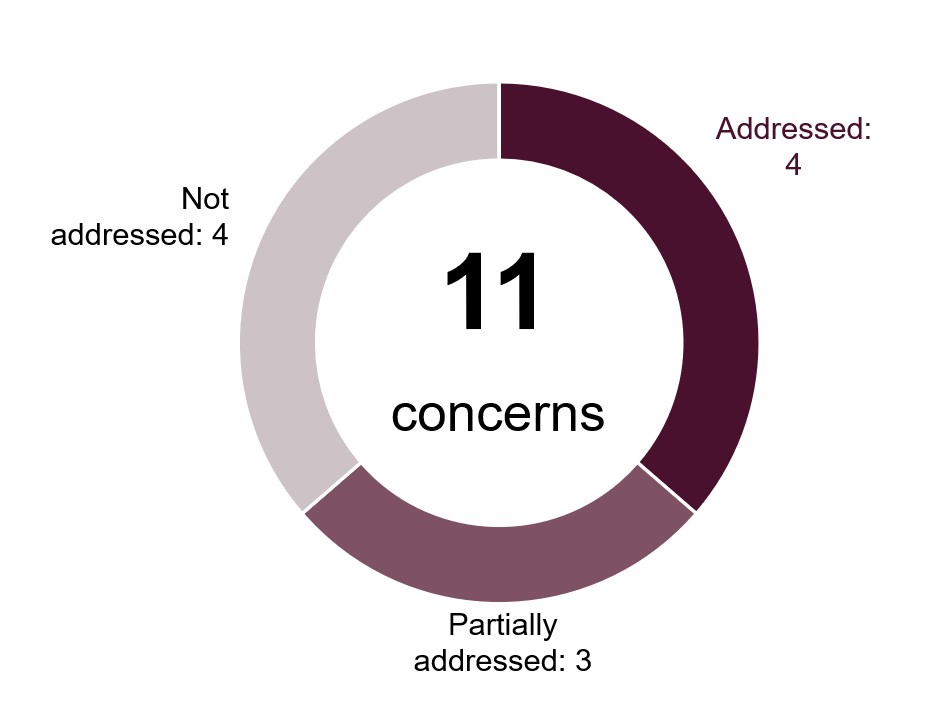
.At our last inspection in 2022, we raised 11 concerns, four of which were about areas of priority concern.
At this inspection we found the following progress:
The following is a list of all the concerns raised, organised under the four tests of a healthy prison.
Safety
No concerns.
Respect
Priority concern
The quality of accommodation for prisoners was poor. There had been insufficient investment in repairing or maintaining the huts over an extended period.
Not addressed
Key concerns
Prisoners lacked confidence in the complaints process. Only 51% said it was easy to make a complaint, and only 52% said that complaints were dealt with fairly. Thirty-five per cent said they had been prevented from complaining, which was significantly more than in other open prisons (15%).
Not addressed
Consultation with prisoners from protected groups had not been re-established after the pandemic, and work to promote equality was only just beginning.
Not addressed
There were weaknesses in the social care pathway, which caused significant delays and affected prisoners’ well-being. Prisoners transferring from other prisons with social care needs were not identified early enough. There were delays at each stage of the process – from referral and assessment to receiving equipment following assessment.
Addressed
Purposeful activity
Priority concerns
Prisoners did not receive a sufficiently detailed plan outlining what education, skills or work they needed to do to make progress during their time at the prison or to prepare them for their release. Leaders did not make sure that the curriculum pathways were effectively communicated. This meant prisoners, particularly those who were off site all day, did not receive appropriate information, advice or guidance to make informed choices about their education, skills and work activities. Staff had not made sure that prisoners were better prepared for their transition out of the prison.
Addressed
Many prisoners working on site were underemployed and unmotivated. This was exacerbated by limits on the numbers able to access ROTL and the low rates of pay for prison work.
Addressed
Key concerns
Leaders and managers had not provided sufficient places for those with low levels of English and mathematics. They did not make sure there were sufficient English and mathematics places for those prisoners who needed them the most.
Addressed
There was too much variation in the quality of teaching across education, skills and work. Leaders and managers did not make sure that teaching was consistently good or that support was provided to tutors to help them improve.
Partially addressed
Preparation for release/Rehabilitation and release planning
Priority concern
Many prisoners waited far too long for opportunities to test or reduce their risks through release on temporary licence. This was due to very long waiting times for information from community agencies, particularly probation services in London, to inform a risk assessment, in addition to a lack of suitable accommodation for prisoners returning from offsite activities and insufficient approved premises for overnight stays.
Partially addressed
Key concerns
There was little support to help prisoners build healthy relationships and family ties. Domestic violence and dysfunctional relationships were a factor in the offending patterns of many prisoners, so it was unfortunate that nothing was available other than the Storybook Dads project (which helps prisoners to record a story for their children to listen to at home).
Partially addressed
Prisoners did not receive sufficient practical resettlement support. This was chiefly because a team of five resettlement workers had been reduced to one person.
Addressed
More about this report (Back to top)
This report outlines the priority and key concerns from the inspection and our judgements against the four healthy prison tests. Each of the following four sections contains a detailed account of our findings against our Expectations for men’s prisons.
Find out more about our Expectations and how we inspect
Find out more about priority and key concerns
Find out about notable positive practice
Findings from the survey of prisoners and a detailed description of the survey methodology are published alongside this report. Please note that we only refer to comparisons with other comparable establishments or previous inspections when these are statistically significant. The significance level is set at 0.01, which means that there is only a 1% chance that the difference in results is due to chance.
The tables in this report which provide data from HMI Prisons prisoner surveys also include comparisons with similar prisons.
| Description | What it means |
| Lower | the prison’s percentage is statistically significantly lower than the comparator: prisons with the same function type, or at the last inspection |
| Higher | the prison’s percentage is statistically significantly higher than the comparator: prisons with the same function type, or at the last inspection |
| No difference | the prison’s percentage is not statistically significantly different to the comparator: prisons with the same function type, or at the last inspection |
Inspection team
This inspection was carried out by:
Ian Dickens, Representing the Chief Inspector
Sandra Fieldhouse, Team leader
Kellie Reeve, Inspector
Jonathan Tickner, Inspector
Natalie Heeks, Inspector
Jessie Wilson, Inspector
Dionne Walker, Inspector
Jasjeet Sohal, Researcher
Samantha Rasor, Researcher
Samatha Moses, Researcher
Alicia Grassom, Researcher
Steve Eley, Lead health and social care inspector
Bev Gray, Care Quality Commission inspector
Clifford Shaw, Ofsted inspector
Daisy Agathine Louise, Ofsted inspector
Rachel Clark, Ofsted Inspector
Diane Koppit, Ofsted Inspector
Find out more about the terms and abbreviations used in this report in our glossary.
Easy read summary and press notice (Back to top)
Survey materials and Ofsted full report (Back to top)
The following files may not be suitable for users of assistive technology.
Request an accessible format
If you use assistive technology (such as a screen reader) and need a version of any of these documents in a more accessible format, please email media@hmiprisons.gov.uk. Please tell us what format you need. It will help us if you say what assistive technology you use.