
HMP Bedford
Report on an unannounced inspection of HMP Bedford by HM Chief Inspector of Prisons, 27 July – 6 August 2026
Introduction (Back to top)
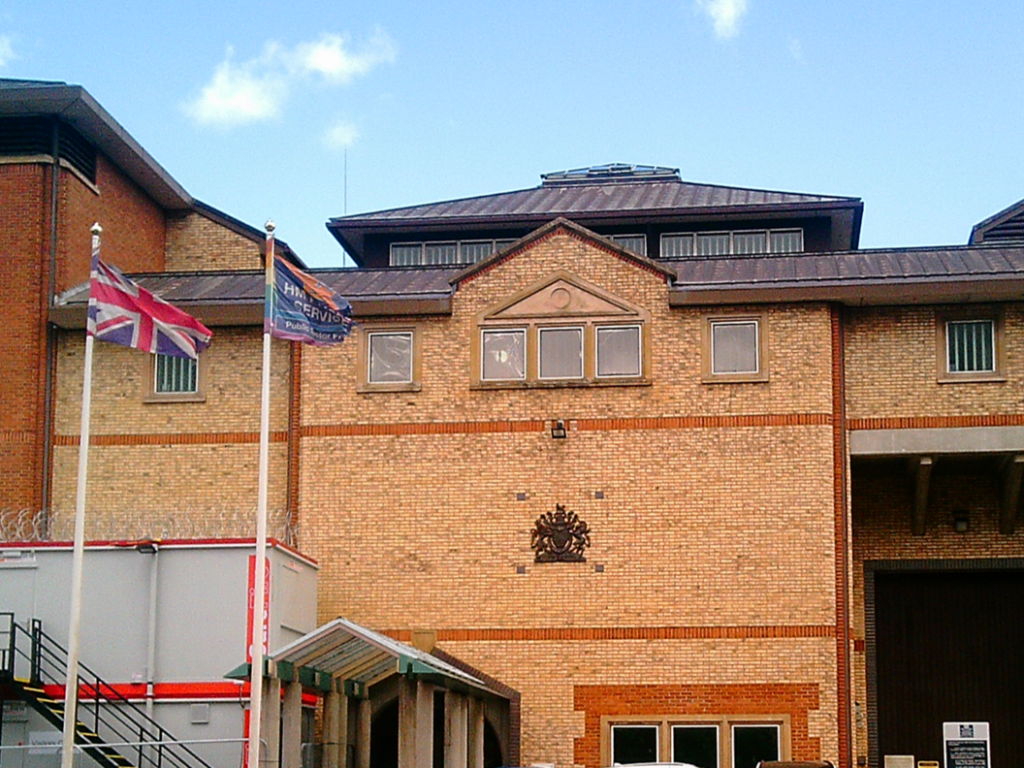
Bedford is a small category B reception jail that serves the courts of Hertfordshire and holds, on average, 340 men daily. The prison has had a troubled recent history, and, in the last ten years, we have had to issue two Urgent Notifications because of our concerns about the safety of the prison.
It is, therefore, heartening to report that on this latest inspection we found a prison that had made good progress and was performing much better than in recent years. The dynamic governor had significantly improved her leadership team, dealing with underperforming staff and recruiting some capable staff. She was also clear about her priorities, particularly the focus on improving the training and retention of prison officers. As such, there is now a more experienced and able group of officers. There was, however, still too much inconsistency in managing behaviour and, along with widespread availability of drugs, was likely to be a cause of the very high rates of violence at the prison.
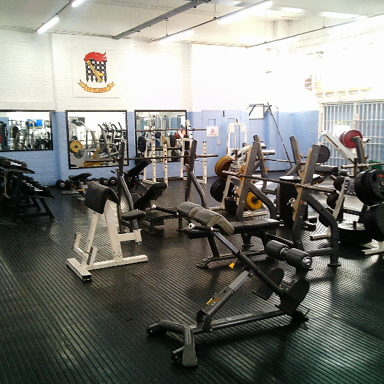
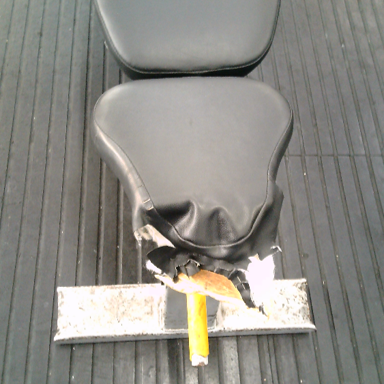
There had been considerable improvement in the regime, which was now the best of any reception prison we have inspected since the pandemic. Those in work were unlocked for 10 hours a day from Monday to Thursday. At the weekends, everyone was out for 6.5 hours daily. Unfortunately, there was not enough purposeful activity. This was in part because of a lack of activity spaces, which were not sufficient for the population, but it was compounded by delays in allocating prisoners to activities. There were few on-wing activities and inspectors witnessed many men who were loafing around the wing rather than using their time more productively. The library provided a good service, but its remoteness meant it was difficult to get to. Gym equipment was often broken and although there were lots of sessions available, staffing levels meant on many sessions only 12 men could attend at a time.
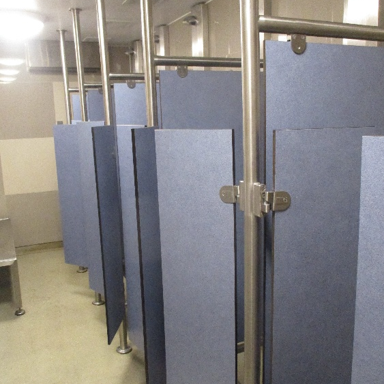
Living conditions at Bedford continue to be unsatisfactory. The prison is old and dilapidated with failing infrastructure such as broken windows and CCTV cameras. The new segregation unit, however, was much more decent than its appalling predecessor. Most men shared cramped cells originally designed for one and lavatory screening was rudimentary. Leaders had not done enough to make sure the prison was as clean as it could be.
The offender management unit was functioning much better, although there were some serious failings with phone and mail monitoring. Levels of employment on release were very low; just 25 men left with a job to go to. Far too many prisoners continued to leave the jail homeless or in unstable accommodation.
Health care was considerably better, particularly mental health support which had been woeful in the past. There was also a better offer for those with drug or alcohol addiction.
One of the most impressive parts of the jail was the young adults’ wing. Effective leadership from the functional head and her team meant unlock times for this group were even better than in other parts of the prison. There were some reasonable self-cook facilities and a varied programme of activities that helped prisoners with life skills such as conflict resolution.
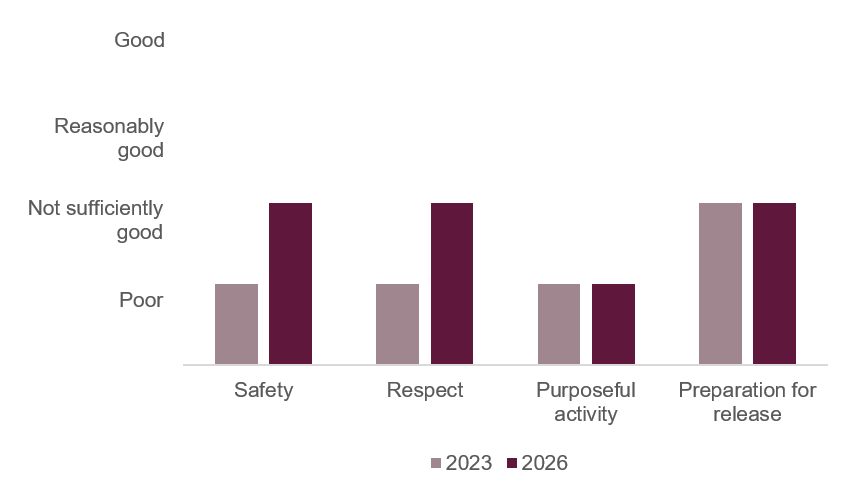
Our scores of not sufficiently good in safety, respect and preparation for release, and poor for purposeful activity, show that there is still a long way to go before Bedford can be described as a safe and decent prison. However, the governor, her senior team and staff should be congratulated for the good progress they have made in recent years.
The prison was about to enter a more unstable phase with the governor and some other key senior leaders due to leave. Regional and national leaders must make sure that these roles are quickly filled – Bedford is a fragile establishment, and it is essential that hard-won ground is not lost and that the improvements made in recent years are built on and sustained.
Charlie Taylor, HM Chief Inspector of Prisons, September 2026
Outcomes for prisoners (Back to top)
We assess outcomes for prisoners against four healthy prison tests: safety, respect, purposeful activity, and preparation for release (see More about this report for more information about the tests). We also include a commentary on leadership in the prison (see Section 1).
At this inspection of HMP Bedford, we found that outcomes for prisoners were:
- Not sufficiently good for safety
- Not sufficiently good for respect
- Poor for purposeful activity
- Not sufficiently good for preparation for release.
We last inspected HMP Bedford in 2023. Figure 1 shows how outcomes for prisoners have changed since the last inspection.
Figure 1: HMP Bedford healthy prison outcomes 2023 and 2026
What needs to improve (Back to top)
During this inspection we identified 13 key concerns, of which seven should be treated as priorities. Priority concerns are those that are most important to improving outcomes for prisoners. They require immediate attention by leaders and managers.
| Priority concerns | |
| 1. | The rate of violence was too high. Behaviour management systems were ineffective in promoting positive behaviour or deterring poor behaviour. |
| 2. | Living conditions were poor, with many living in overcrowded cells and significant maintenance issues remaining unresolved. Communal areas were often dirty and ineffective pest control contributed to widespread vermin. |
| 3. | Prisoners did not access education, skills and work early enough. This was a particular problem, given the high turnover at the prison. |
| 4. | Attendance at education, skills and work was not sufficiently high. |
| 5. | The curriculum was not sufficiently broad or ambitious, particularly for prisoners with high levels of prior attainment. |
| 6. | The quality of teaching, training and assessment was not consistently effective, particularly in workshops and work activities. |
| 7. | Public protection arrangements had significant weaknesses. The interdepartmental risk management meeting was poorly attended and did not routinely review all high-risk prisoners approaching release, and the required mail and telephone monitoring was not always carried out. |
| Key concerns | |
| 8. | Many prisoners were unable to contact family and friends during their first few days in custody. |
| 9. | Drug availability and use were high. A quarter of random mandatory drug test results were positive for illicit substances. |
| 10. | Relationships between staff and prisoners were too variable. Staff often failed to challenge low-level behaviour and key work lacked quality and consistency. |
| 11. | Prisoners arriving late at the prison who were experiencing withdrawal or needed detoxification could not access safe prescribing support. In addition, the prison held no out-of-hours storage for critical medicines, which meant that active treatments had to be paused, creating risks to patient care. |
| 12. | There was limited enrichment available to prisoners during periods of unlock, and many prisoners had little to occupy their time meaningfully. |
| 13. | The overall provision to help prisoners maintain contact with family and friends remained limited. Arrangements for booking social visits were inadequate and the timing of secure social video calls did not meet prisoners’ needs. |
Notable positive practice (Back to top)
We define notable positive practice as evidence of our expectations being met to deliver particularly good outcomes for prisoners, and/or particularly original or creative approaches to problem solving. Inspectors found two examples of notable positive practice during this inspection, which other prisons may be able to learn from or replicate.
| 1. | The assertive outreach service delivered individualised support for vulnerable prisoners who presented with challenging behaviour. (See Encouraging positive behaviour, Mental health and Opportunities for prisoners to progress) |
| 2. | There was an impressive, dedicated unit for young adult prisoners, with respectful relationships between staff and prisoners there and support available through the young adult Stride programme. (See Fair treatment and inclusion) |
Unless otherwise specified, these examples are not formally evaluated, are a snapshot in time and may not be suitable for other establishments. They show some of the ways our expectations might be met, but are by no means the only way.
Section 1: Leadership (Back to top)
Leaders provide the direction, encouragement and resources to enable good outcomes for prisoners.
Leadership had improved. The governor had arrived in 2024, understood the weaknesses and driven improvements in key areas. Leaders had invested in a guidance, coaching and support team to assist inexperienced staff to improve confidence and reduce the number of resignations. The number of frontline staff in post had much improved and at the time of the inspection 86% had more than two years’ experience.
The staff culture had also improved, with better responses to everyday requests. Leaders had remedied failings in the applications and complaints systems, with a particular focus on complaints about staff conduct or discrimination.
There continued to be challenges in recruiting middle and senior leaders, and the governor was reliant on using temporary promotion to fill posts. There was effective support from the prison group director and the regional team, some of whom had been deployed to the establishment to fill vacancies. Despite these challenges, the senior team was much more cohesive than at the time of the previous inspection. Given these issues, we had concerns that the imminent departure of the governor and other key leaders could lead to a further period of instability at the jail.
Partnership working between the prison leaders and other agencies, including education and health care, had improved and had led to a better service for prisoners.
The governor’s focus on improving time out of cell had been transformative. It had removed many of the regime-related tension, as well as improving prisoner access to the gym and library.
Leaders in safety had better oversight of self-harm and violence. Although this had led to reductions in the rate of self-harm, the prison had the highest rate of staff assaults nationally.
HMPPs leaders had not provided resources needed to address widespread failings with the infrastructure, including the age of the buildings, broken windows and poor-quality closed-circuit television (CCTV). In addition, the pest control contract managed by national leaders was ineffective in controlling cockroaches, rats and pigeons.
Despite the improvements, there were still longstanding issues within the control of local leaders that had not been addressed. These included attendance at education classes, behaviour management, public protection and the cleanliness of the site.
Section 2: Safety (Back to top)
Prisoners, particularly the most vulnerable, are held safely.
Early days in custody
Expected outcomes: Prisoners transferring to and from the prison are safe and treated decently. On arrival prisoners are safe and treated with respect. Risks are identified and addressed at reception. Prisoners are supported on their first night. Induction is comprehensive.
Despite the high number of new arrivals and the temporary closure of the induction unit, reception, first night and induction processes had all improved. When new prisoners arrived, staff completed timely and comprehensive initial safety screenings. While most received health care screening in private, those arriving after 9pm did not always see a doctor on their first night in custody (see Primary care and inpatient services).
New arrivals were provided with a hot meal and offered a vape pack.
The first night cells were now on A wing, while the induction wing was undergoing fire-safety improvements. Some cells designated for new arrivals were not fully equipped and we saw prisoners removing items from prepared cells before new occupants arrived.
Most prisoners received a comprehensive prison induction on arrival, although delays in completing initial education assessments had resulted in a backlog (see Education, skills and work activities).
The key frustration for prisoners was the poor access to telephone calls during their first few days. In our survey, just 41% of respondents said that they had been offered a telephone call before they were locked up on their first night. We found that prisoners received conflicting advice about how to get their telephone numbers approved, which delayed contact with family and friends.
Promoting positive behaviour
Expected outcomes: Prisoners live in a safe, well ordered and motivational environment where their positive behaviour is promoted and rewarded. Unacceptable conduct is dealt with in an objective, fair, proportionate and consistent manner.
Encouraging positive behaviour
In our survey, 29% of respondents said that they currently felt unsafe, which was similar to the figure at the time of the last inspection.
| Data provided by the prison | |
| Rate of overall violence per 1,000 prisoners in the 12 months prior to our inspection. | 938 |
The rate of violence over the previous 12 months had increased, compared with the same period before the previous inspection, and was the highest of all adult male prisons in England and Wales. There had been 151 assaults on staff, and 205 on prisoners in this period. However, there had been a large reduction in other serious protesting behaviours, including incidents at height, barricades and cell fires since the last inspection.
Oversight of violence, including meetings, investigations, quality assurance and use of data, was much more robust. Leaders had a good understanding of the causes of violence and had introduced a range of measures to reduce it, including the assertive outreach service (see Mental health and Opportunities for prisoners to progress), restorative justice, safety drop-in clinics on residential wings, consultation forums and the appointment of safety representatives.
There were two prisoners self-isolating and they were supported well through challenge, support and intervention plans (CSIPs; see Glossary). CSIPs for prisoners who perpetrated violence were also of good quality, but were not used sufficiently often to challenge this group.
Despite leaders’ efforts, the incentives scheme was not effective in promoting positive behaviour or discouraging poor conduct. There was little difference between the levels of the scheme, and prisoners were not routinely informed when their behaviour warranted recognition or intervention. We observed frequent low-level poor behaviour, much of which went unchallenged.

The number of adjudications had increased and was high, with 3,585 in the last year. Only half had been found proven, which was low and reduced the effectiveness of the adjudications process in addressing poor behaviour.
Use of force
Use of force had increased and was high, with 570 incidents in the last 12 months. The use of PAVA incapacitant spray (see Glossary) had also increased, having been used on six occasions in this period. In all incidents reviewed, force had been used appropriately and staff had made frequent use of de-escalation. This represented an improvement since the previous inspection.
Scrutiny processes had been strengthened, with all incidents subject to a review and learning outcomes reinforced through scenario-based training.
Segregation
The number of prisoners segregated had increased, although reintegration plans were good. As a result, stays were usually short, at an average of eight days. The old, squalid segregation unit had been closed and a replacement had opened on another wing. Living conditions had improved considerably and the cells were in good condition. Prisoners reported a consistent but limited regime, including daily access to a shower and exercise.
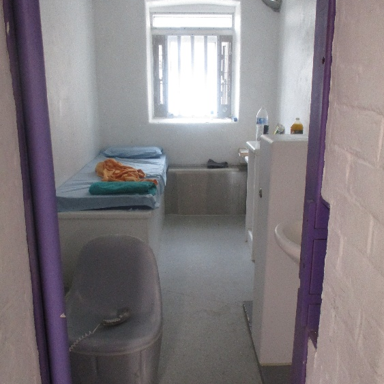
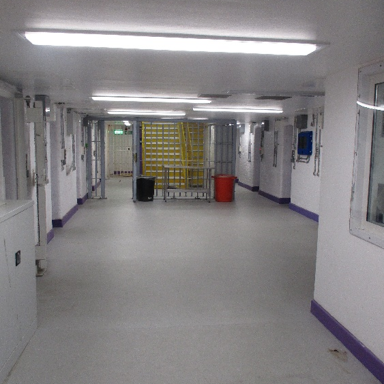
Staff knew the prisoners on the unit well, and this was supported by one-page plans highlighting key information for those working with segregated individuals.
Security
Expected outcomes: Security and good order are maintained through an attention to physical and procedural matters, including effective security intelligence and positive staff-prisoner relationships. Prisoners are safe from exposure to substance misuse and effective drug supply reduction measures are in place.
| Data provided by the prison | |
| Positive random mandatory drug test rate in the 12 months prior to the inspection. | 25% |
The use of drugs was too high, although lower than the average for similar prisons. There was a good drug strategy, supported by a recently introduced weekly ingress meeting, which had created meaningful actions to prevent drugs entering the prison. Leaders were proactive in their approach to searching and this had resulted in a substantial increase in the number of mobile phones, drugs and weapons found. However, there was no suspicion testing to deter prisoners from taking illicit substances.
Procedural security arrangements had improved, but there were physical weaknesses, including broken windows and poor-quality CCTV.
Safeguarding
Expected outcomes: The prison provides a safe environment which reduces the risk of self-harm and suicide. Prisoners at risk of self-harm or suicide are identified and given appropriate care and support. All vulnerable adults are identified, protected from harm and neglect and receive effective care and support.
Suicide and self-harm prevention
Since the previous inspection, there had been one self-inflicted death, one non-natural death and one further death awaiting classification. Leaders now reviewed and monitored progress against recommendations made by the Prisons and Probation Ombudsman. In addition, there were good investigations into serious incidents of self-harm and these led to learning being identified and shared with staff.
Prisoners at risk of self-harm told us that they felt well supported by staff. The quality of assessment, care in custody and teamwork (ACCT) case management for prisoners at risk of suicide or self-harm had improved and quality assurance was effective. The rate of self-harm over the previous year had reduced by around 50% when compared with the 12 months before the last inspection. It was now at around the average for reception prisons.
The response to emergency cell call bells had improved. Prison data showed that 82% were answered within four minutes.
The number of prisoners subject to constant supervision had substantially reduced, but the designated cells were in a poor condition.
Oversight of self-harm and suicide prevention was also effective, with a wide range of data reviewed through several forums to support efforts to reduce self-harm.
At the start of the inspection, there were no Listeners (prisoners trained by the Samaritans to provide confidential emotional support to fellow prisoners) available. However, leaders took action to address this during the inspection. Some prisoners told us of difficulties in contacting the Samaritans by telephone during the night.
Protection of adults at risk
There was a comprehensive safeguarding policy and the head of safety maintained effective links with external agencies, attending a range of local authority meetings relating to adult safeguarding.
Section 3: Respect (Back to top)
Prisoners are treated with respect for their human dignity.
Staff-prisoner relationships
Expected outcomes: Prisoners are treated with respect by staff throughout their time in custody and are encouraged to take responsibility for their own actions and decisions.
Prisoners told us that relationships with staff were generally reasonable but varied between individual officers. This inconsistency, particularly in challenging low-level poor behaviour, was a major source of frustration for prisoners and undermined, in part, efforts by leaders to improve the culture at the prison.
Middle leaders and senior managers, including the governor, were visible on the wings when prisoners were unlocked.
Leaders had taken steps to improve the frequency and quality of key work (see Glossary), with some success. In our survey, more respondents than at the time of the previous inspection said that a member of staff had talked to them in the previous week about how they were getting on. Prisoners needing urgent key work were identified at the morning meeting and received timely support. The number of completed sessions had increased considerably since the last inspection and most prisoners received regular contact. However, there continued to be problems with the consistency and quality of key work sessions.
The number of peer support schemes and peer workers had increased, but peer workers were hard to identify on the wings, which limited their effectiveness.
Daily life
Expected outcomes: Prisoners live in a clean and decent environment and are aware of the rules and routines of the prison. They are provided with essential basic services, are consulted regularly and can apply for additional services and assistance. The complaints and redress processes are efficient and fair.
Living conditions
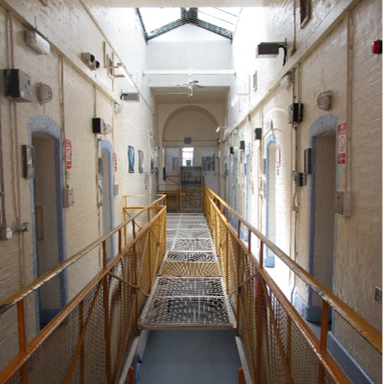
Despite leaders’ efforts to improve things, the prison remained a cramped site, with failing infrastructure. Around a half of prisoners shared cells designed for one person. Prisoner work parties helped to address routine maintenance issues. Cell presentation had improved through painting, minor repairs and graffiti removal. However, some longer-term maintenance issues, including window replacements, remained unresolved.
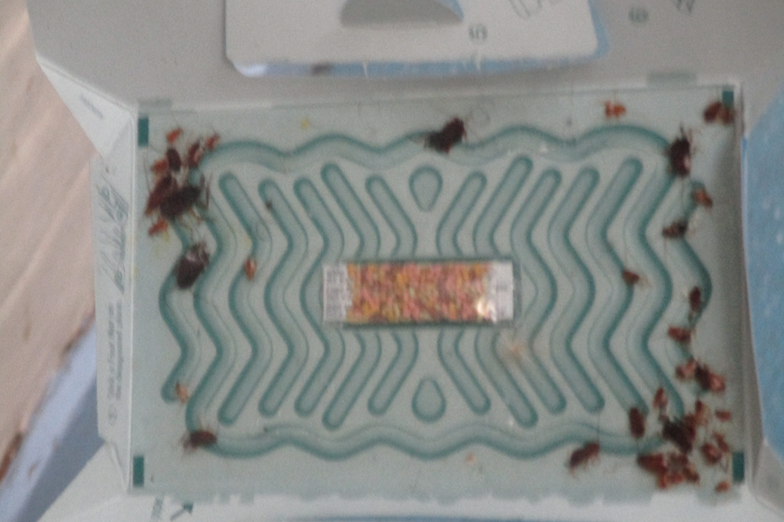
Despite some improvements in cleanliness, many communal areas on residential units remained dirty. In our survey, only 66% of respondents said that association areas were clean, which was lower than at similar prisons. This, and the ineffective management of the pest control contract, contributed to the widespread infestation of cockroaches and rats. There was also an issue with pigeons getting into residential units.
Prisoners now had much better access to showers, toiletries, cleaning materials and laundry facilities. This was mainly because of the improvements in time out of cell (see Time out of cell).
Residential services
The kitchen was clean and well maintained. Serveries were generally clean and the food was of reasonable quality. However, limited staff supervision on some units had led to unfair portion sizes and food distribution. We also found a mobile servery trolley that was not plugged in, resulting in food not being kept at the correct temperature.
In our survey, 39% of respondents said that they received enough food at mealtimes, which was better than at similar prisons.

New arrivals were able to place a small shop order to meet their immediate needs during their first few days in custody.
Alongside their weekly prison shop order, prisoners could buy additional items from a small number of approved suppliers. However, limited self-cooking facilities reduced the benefits of these purchases.
The prison shop offered a wide range of products, and refunds were processed promptly. Prisoners submitted orders through laptops or wing kiosks. New arrivals who missed the ordering deadline could buy essential items from the tuck shop.
The prison’s approach to debt was underdeveloped and did not focus sufficiently on preventing problems linked to illicit trading or theft from the prison shop. New cross-departmental meetings aimed at identifying vulnerable prisoners and those involved in trafficking were a promising development.
Prisoner consultation, applications and redress
Responses to applications and complaints had greatly improved. Prisoners had access to laptop computers, which improved communication and supported greater responsibility for day-to-day tasks. Digital applications and electronic food and prison shop ordering had reduced the number of complaints submitted.
The complaints process was well managed. Responses were timely and quality assurance arrangements were in place, and the complaints we reviewed had been handled appropriately. Monthly data analysis by the senior leadership team enabled emerging trends to be identified and dealt with. For example, there was a high volume of property-related complaints and leaders had provided staff training and greater oversight in this area.
There were good consultation arrangements for most prisoners. Representatives from each unit attended a monthly council forum, attended by senior managers, which regularly led to demonstrable change. The recent addition of audio recordings of the forums to in-cell laptops helped to keep prisoners informed.
Access to legal visits was good and official prison video conferencing facilities (see Glossary) were available for remote hearings.
Fair treatment and inclusion
Expected outcomes: There is a clear approach to promoting equality of opportunity, eliminating unlawful discrimination and fostering good relationships. The distinct needs of prisoners with particular protected characteristics (see Glossary) or those who may be at risk of discrimination or unequal treatment, are recognised and addressed. Prisoners are able to practise their religion. The chaplaincy plays a full part in prison life and contributes to prisoners’ overall care, support and rehabilitation.
Work to promote fair treatment had improved considerably. Monthly equality meetings had been established and leaders used a broad range of data to identify and investigate potential disproportionality.
Consultation about diversity had been introduced to get a better understanding of prisoners’ experiences and perceptions.
Responses to discrimination incident reporting forms (DIRFs) were timely and appropriate. Quality assurance arrangements for DIRFs were effective and included independent scrutiny.
Support for most groups was reasonable, but those with physical disabilities, particularly those using a wheelchair, had poor access to some areas of the prison, including induction facilities. In addition, interpreting and translation services were not used sufficiently to support prisoners whose first language was not English.
There was some impressive support for young adult prisoners, on a dedicated unit. There was a calm atmosphere, with positive and respectful relationships between staff and prisoners. Prisoners on the unit spoke positively about the support available through the young adult Stride programme. This programme helped prisoners to understand their triggers and develop personal goals that were linked to their sentence plan, and included modules such as parenting and managing anger.
Faith and religion
The chaplaincy provided good pastoral care and engaged with a large number of prisoners each month. Corporate worship services were well attended. A range of additional groups and activities were available, including sessions focused on conflict management and support for parents.
Health, well-being and social care
Expected outcomes: Patients are cared for by services that assess and meet their health, social care and substance use needs and promote continuity of care on release. The standard of provision is similar to that which patients could expect to receive elsewhere in the community.
The inspection of health services was jointly undertaken by the Care Quality Commission (CQC) and HM Inspectorate of Prisons under a memorandum of understanding agreement between the agencies. The CQC found a breach of regulations and issued a request for an action plan following the inspection (see Care Quality Commission Action Plan).
Strategy, clinical governance and partnerships
Northamptonshire NHS Foundation Trust (NHFT), supported by several subcontractors, delivered 24-hour health care services. Collaboration between health care providers and the prison had improved, resulting in better patient care. Local health care leadership and governance arrangements were stronger and provided better support to staff, contributing to improved morale and retention. Staffing levels were stable, vacancy rates were low and leaders were exploring innovative workforce models to enhance services further.
Reporting arrangements were robust, with systems demonstrating clear accountability and effective risk management. Some gaps in the governance of Dr PA (the GP provider), relating to training and supervision, were identified by the CQC (see CQC Action Plan). In all other pathways, staff were well supported and could access supervision, professional development and mandatory training.
There was a positive incident reporting culture and auditing was well organised, capturing both corporate risk issues and local initiatives, with evidence of learning and practice changes as a result. Patient complaints management had improved dramatically. Issues were addressed comprehensively, with an emphasis on face-to-face resolution, and all patients received qualitative written responses that addressed concerns raised.
| HMIP prisoner survey | Yes | Compared with last inspection |
| Do you think the overall quality of the health services here is very/quite good? | 46% | Higher |
Access to health care was fair for all patients. During our observations, staff consistently treated prisoners with respect and this was confirmed by many of the patients we spoke to, in addition to findings from our prisoner survey.
A new patient experience lead had introduced forums and consultation initiatives – admittedly from a low base, but with a clear brief to respond better to patient need.
Health care accommodation was limited, but areas were clean and had achieved compliance with most elements of a recent infection prevention audit. However, treatment rooms located on prison wings were not cleaned sufficiently regularly. Resuscitation equipment was routinely checked and strategically placed, with appropriately trained staff available to respond to medical emergencies.
Promoting health and well-being
Prisoners were positive about activities available to support health and well-being. New prisoners were offered screening for communicable diseases and the outbreak control policy was up to date.
Additional standard NHS disease prevention screening was also offered. Sexual health provision was inadequate because of the absence of a skilled sexual health nurse. Advice and information on improving health and recognising health conditions were displayed in strategic locations, and in languages other than English.
Primary care and inpatient services
Performance against key reception screening indicators was good. Ninety-five per cent of first and second health screenings were completed within the required timescales, making sure that prisoners received appropriate assessment, risk identification and onward referral where necessary. GP remote support was available during reception, but this service ended at 9pm despite prisoners often still waiting for assessment, creating clinical risk (see Early days in custody).
Patients could request health care appointments through paper applications or electronically via a recently introduced digital system. All requests were clinically triaged daily to ensure an appropriate response. However, the system remained in the early stages of implementation and not all staff and prisoners were confident in using it.
Nursing staff were available 24 hours a day and delivered a reasonable range of nurse-led clinics, including asthma, diabetes and hypertension management. Patients also had access to visiting physiotherapy, podiatry, optometry and other specialist services. Waiting times were reasonable and clinical records showed that interventions were timely and appropriate. Patients with complex needs were reviewed at weekly multidisciplinary meetings to ensure coordinated, responsive care.
Despite high operational demand, very few secondary care appointments were missed because of prison regime pressures. All prisoners received a health care assessment before release or transfer, to confirm clinical fitness and identify ongoing health care needs.
The enhanced care unit was closed for refurbishment, but care for the five patients relocated to conventional wings was being maintained appropriately.
Social care
The memorandum of understanding governing the provision of social care was current and clearly defined partner agency responsibilities.
Partnership working between health care staff, prison staff and Bedfordshire County Council was effective and well established, with regular engagement between agencies to review referrals and address emerging concerns.
Social care assessments were completed promptly, with clear arrangements for sourcing specialist equipment when needed. Delays in obtaining equipment were rare, and the health care department also maintained a small stock of essential mobility aids.
Mental health
Support for prisoners with mental health needs had improved. Staffing was stable, with few vacancies and a skill mix that enabled a stepped-care pathway, from low intensity interventions to complex care. Given the throughput and relatively short stays, there was an appropriate focus on identifying need, managing risk and keeping patients safe.
Input at the reception screening and during the early days at the prison was robust. A dedicated team member saw all new arrivals, enabling prompt access to support, including a full psychiatric assessment if needed. Access to services was good, with no significant waits. New referrals were triaged, assessed formally, if required, and allocated to practitioners according to need. The team met daily to review patients and make sure that caseloads remained appropriate. Although there were no regular formal multidisciplinary meetings, communication within the service was effective. Staff demonstrated a good understanding of patient risks and care was well coordinated. Patients with severe and enduring mental illness received regular reviews, and liaison with community services and other agencies before release was appropriate. The team provided specialist psychological support and talking therapies, including group interventions and the Stride programme (see Fair treatment and inclusion). Ambler Health delivered additional low-intensity support, and a dedicated nurse was a member of the excellent assertive outreach service, which delivered multi-agency, targeted, individualised support for vulnerable prisoners who presented with challenging behaviour, generating improved outcomes for a cohort of prisoner with neurodevelopmental differences (see Encouraging positive behaviour and Opportunities for prisoners to progress).
Patients spoke positively about the care they received. The clinical records we reviewed were of a high standard, documenting assessments, risk profiles and detailed care plans, including health monitoring and medication reviews. No patients had needed a transfer to hospital under the Mental Health Act for more than nine months, although three earlier cases had experienced delays beyond the 28-day standard.
Support and treatment for prisoners with addictions and those who misuse substances
Overall, the substance-use care service was good. Access to care and treatment was generally prompt, except for some new arrivals.
Newly arrived prisoners received a comprehensive assessment by a drug treatment nurse. This was followed by a remote review by an offsite prescriber; however, because this facility ended at 9pm (see above), late arrivals needing medicines to manage withdrawal symptoms were taken to emergency facilities in the community. This resulted in several hours of waiting in the local A&E department, placing an unnecessary strain on prison staffing.
A well-staffed clinical and psychosocial team provided a good range of assessments and interventions, based mostly on short-term care needs. The 90 patients on the caseload were managed as a team, so staff absences did not reduce patient contact or planned care.
However, patients were now dispersed throughout the main three wings, which was a backwards step for those previously located as a group on D wing. With staff now displaced from most patients, there were fewer opportunities for engagement. Patient health records demonstrated comprehensive, ongoing reviews until patients were stabilised.
Clinical prescribing was good, but access to injectable opiate substitution was not yet available. Peer supporters were available on the wings and were trained well through a modular training package. Mutual aid groups were also in place.
There was good preparation for release and naloxone (an opiate reversal agent) was provided for those at risk of overdose.
Medicines optimisation and pharmacy services
Pharmacy services were provided by Central and North West London NHS Foundation Trust through a partnership arrangement to supply medicines and undertake selected medicines management functions. NHFT was responsible for all other medicines management activities, including administration.
Medicines were dispensed safely, and usually without delay. However, patients arriving at weekends occasionally experienced treatment delays because access to medicines outside normal operating hours was limited. Although medicines could be obtained from community pharmacies when necessary, the absence of a dedicated out-of-hours medicines cupboard resulted in avoidable interruptions to treatment, and therefore clinical risk. Medicines were stored securely and controlled drugs were managed in line with legal requirements. Patient group directions enabled health care staff to supply a wider range of medicines.
Pharmacy technicians administered not-in-possession medicines three times daily from three wing-based administration points. Officer supervision was generally adequate and queues were usually well managed. However, crowding at the main administration point occasionally increased the risk of medication concealment and diversion, as well as reducing patient privacy.
Despite a system to identify and refer patients who missed medication administration, some non-attendance cases were reviewed only weekly, which was contrary to local policy. Due to staffing pressures, few in-possession compliance checks had been completed. Patients being released received either a minimum seven-day supply of medication or an electronic prescription to support continuity of care.
Prescribing and administration were recorded using SystmOne (the electronic clinical record). In-possession risk assessments and medicines reconciliation were generally completed within the required timescales. Around 81% of the population were assessed as suitable to hold medicines in possession.
The clinical pharmacist screened all prescriptions before dispensing. Prescribing trends, including the use of tradeable medicines, were reviewed at monthly medicines management meetings, but pharmacist-led clinics and structured medication reviews were not provided.
Dental services and oral health
Dental services were available two days each week and prisoners were able to access routine appointments and treatment within reasonable timescales.
Dental care records were detailed and demonstrated that patients received appropriate assessment, treatment and oral health instruction.
Governance was strong and key areas of safety, such as radiography, infection control and the decontamination of dirty instruments, were managed well.
Section 4: Purposeful activity (Back to top)
Prisoners are able and expected to engage in activity that is likely to benefit them.
Time out of cell
Expected outcomes: All prisoners have sufficient time out of cell (see Glossary) and are encouraged to engage in recreational and social activities which support their well-being and promote effective rehabilitation.
| HMIP time out of cell data (at the time of the inspection) | |
| Average proportion of prisoners locked up during the working day | 13% |
Time out of cell had improved substantially and was better than at most reception prisons. From Monday to Thursday, prisoners in full-time employment could spend up to 10 hours a day unlocked. Time out of cell was more limited on Fridays, particularly for unemployed prisoners, who received only three hours. At weekends, prisoners received around 6.75 hours out of cell. Evening association had been introduced since the last inspection and prisoners were no longer locked up during the evening meal.
However, there had not been the same focus on providing purposeful activity. We found that, while 87% of prisoners were unlocked during the working day, just 28% were engaged in education or work.
Prisoners had satisfactory access to exercise yards, some of which contained fitness equipment which was well maintained. They also had good access to the gym, but a lack of investment had resulted in some equipment needing urgent replacement. In addition, there was a limited range of activities on offer, with the programme dominated by weights sessions. The absence of opportunities to gain qualifications was another gap in gym provision.
The well-used library provided a welcoming space in which prisoners could read and learn. The library’s location away from residential areas meant it was not as easy to access. This was mitigated in part by a popular outreach service that was used by 51 prisoners at the time of the inspection.
Librarians ran a number of initiatives to promote reading, as well as interventions to help prisoners encourage their children to read, including Storybook Dads (which enables prisoners to record a story for their children) and Raising Readers (materials to encourage children to read for pleasure).
On-wing reading areas had been established but these had a limited supply of books as they were dependent on excess library stock and donations. The absence of reading representatives had resulted in a failure to maximise opportunities for peer support and encouraging prisoners to read.


Education, skills and work activities
Expected outcomes: All prisoners are expected and enabled to engage in education, skills or work activities that increase their employability on release. There are sufficient, suitable education, skills and work places to meet the needs of the population and provision is of a good standard.

Ofsted inspects the provision of education, skills and work in custodial establishments in England. The following summary has been provided by Ofsted inspectors who attended this inspection. Their full report is published under ‘Survey materials and Ofsted full report‘.
Ofsted made the following assessments about the education, skills and work provision:
- Overall effectiveness: Inadequate
- Quality of education: Inadequate
- Behaviour and attitudes: Inadequate
- Personal development: Requires improvement
- Leadership and management: Requires improvement
Leaders had not secured sufficient improvement in education, skills and work. Recently appointed leaders had improved partnership working, quality assurance and oversight of the prison education service, giving them a clearer understanding of weaknesses. Leaders had developed well-considered plans to broaden vocational opportunities and introduce industry-recognised qualifications. However, these changes had not resulted in consistently effective provision for prisoners.
Too many prisoners did not access education, skills and work early enough. Delays in induction, screening and assessment reduced the time available for prisoners to develop knowledge and skills, gain work experience and make meaningful progress before transfer or release. Leaders had improved their tracking of prisoners through induction and allocation, but did not evaluate prisoners’ whole journey well enough to identify and resolve delays promptly. Consequently, too many prisoners did not receive careers guidance or a learning and work plan early enough to inform their choices.
The curriculum was not sufficiently broad or ambitious. Prisoners with high levels of prior attainment had particularly few opportunities to progress and too few prisoners could gain recognition for the knowledge and skills developed through work. Although the industrial kitchen reflected industry practice, many other work roles provided limited opportunities to develop new skills. Leaders did not sequence learning consistently well and too few prisoners had opportunities to develop digital skills.
The quality of teaching, training and assessment was too variable. Teachers in English, mathematics and English for speakers of other languages used their subject knowledge well. However, instructors did not consistently assess, record or recognise the vocational and employability skills that prisoners developed. Targets and learning resources in education were not always sufficiently precise or well-matched to prisoners’ assessed levels.
Teachers adapted teaching and resources effectively for prisoners with identified neurodiverse and additional learning needs, who achieved as well as their peers. However, delays in screening and assessment meant that staff in skills and work did not always have the information needed to make equivalent adjustments. Consequently, prisoners did not receive consistent support across education, skills and work.
Leaders had introduced a prison-wide reading strategy, but reading support was not sufficiently embedded across skills and work. Reading champions were not deployed effectively enough and delays in screening meant that prisoners needing help were not always identified promptly. Consequently, prisoners had too few opportunities to practise and extend their reading outside formal education.
Prisoners who remained on their courses achieved their qualifications and made progress from their starting points. However, too few achieved English and mathematics qualifications at levels 1 and 2.
Attendance was too low, resulting in substantial lost learning time. Prisoners who attended behaved respectfully, worked safely and took pride in their activities. However, too many did not attend their allocated activities regularly enough to benefit fully from the curriculum and progress.
Leaders had broadened personal development opportunities. Prisoners who participated developed confidence, explored their interests and improved their well-being. However, prisoners were not consistently aware of the wider opportunities available. Leaders did not monitor participation or evaluate impact sufficiently well to know what proportion of prisoners benefited from these activities.
Section 5: Preparation for release (Back to top)
Preparation for release is understood as a core function of the prison. Prisoners are supported to maintain and develop relationships with their family and friends. Prisoners are helped to reduce their likelihood of reoffending and their risk of harm is managed effectively. Prisoners are prepared for their release back into the community.
Children and families and contact with the outside world
Expected outcomes: The prison understands the importance of family ties to resettlement and reducing the risk of reoffending. The prison promotes and supports prisoners’ contact with their families and friends. Programmes aimed at developing parenting and relationship skills are facilitated by the prison. Prisoners not receiving visits are supported in other ways to establish or maintain family support.
The prison had not cancelled any visits sessions since the last inspection, but the overall offer to support prisoners to maintain contact with friends and family remained limited. Staff from Invisible Walls, the family service provider, delivered a basic service of booking in visitors and running the tea bar in the visits hall. They also engaged prisoners on the wings three times a week with enrichment activities such as quizzes and poetry to support their well-being.
The visits booking system allowed prisoners’ families to block-book every visit session, even if they had no intention of attending, which disadvantaged others and created legitimate frustrations. The visitor’s centre was closed, and the temporary hut in its place served only to book visitors in and store property in the lockers. There was no space for visitors to wait or receive refreshments. The visits hall was adequate, but grubby.

There had been eight family days (see Glossary) delivered in the last 12 months, with around 12 prisoners attending each. Prisoners we spoke to said that they had enjoyed these and appreciated the additional facilities, such as activities and food they could enjoy with their visitors and children.
Secure social video calling (see Glossary) was available, and 448 calls had taken place in the last 12 months. However, the timings of the slots during the working or school day did not meet the needs of prisoners with children or families that worked. Prisoners were now able to email their families through the new in-cell laptop computers.
Reducing reoffending
Expected outcomes: Prisoners are helped to change behaviours that contribute to offending. Staff help prisoners to demonstrate their progress.
A new reducing reoffending strategy had been developed for 2026/2027, anticipating the new head of reducing reoffending moving into post later in August 2026. Monthly reducing reoffending meetings were supported by good data, with reasonably good attendance. As a result of the lack of purposeful activity, most prisoners we interviewed did not feel that the prison provided a positive rehabilitative environment.
How staff were supporting prisoners and managing risk
The offender management unit (OMU) leadership team had changed completely since the last inspection. They had worked well together for about a year, and had begun to deliver on their strategy. However, the head of offender management services was due to move into the head of reducing reoffending role soon after the inspection. An incoming head of offender management services had been identified, from within the existing staff, but that, in turn, would create a gap in the team.
The wider team within the OMU was also completely new. There were five prison-employed prison offender managers (POMs) and a single probation-employed POM. They worked well together in a supportive environment and had a good knowledge of the prisoners on their caseloads, which, at around 30 each, were reasonable. None of the prison POMs had yet received offender assessment system (OASys) training, which meant that the probation-employed POM, as the only OASys-trained member of the team, was having to contribute to all cases. This placed a particular burden on this individual, although they were working effectively.
In a marked improvement from the last inspection, prisoners we met were able to name their POM and most described a positive relationship. However, they were sceptical of the value of key work (see Staff–prisoner relationships).
Prisoners had better contact with POMs than at the time of the last inspection. Initial contact was usually timely and covered public protection and ‘person posing a risk to children’ processes. OMU staff held surgeries on each wing, providing an opportunity for prisoners to raise questions about their case.
In cases where the prison held responsibility for producing the OASys report, this was written by the probation-employed POM, supported by the allocated prison-employed POM. These were completed on time, and to a good standard, before the prisoner was transferred to a longer-term prison.
| Data provided by the prison | |
| Proportion of prisoners on remand or unsentenced at the time of our inspection | 53% |
Support for remand prisoners, who are out of scope for offender management, was good. They had early contact with the resettlement team who both provided support resolving issues like outstanding debts and referred prisoners with more complex issues to an identified POM. This POM was able to provide casework support, including planning for release. Although in its early stages, the initiative whereby the neurodiversity manager provided support to help prisoners who were recalled for short periods to fully understand their licence conditions was also promising.
There were weaknesses in telephone and PIN telephone monitoring for public protection. Staff did not always work from up-to-date lists of prisoners who should have been monitored, which meant that some surveillance did not take place.
Opportunities for prisoners to progress
No accredited interventions were delivered at the prison, which was appropriate, given its function as a reception prison and the large proportion of remand prisoners held there. However, the range of non-accredited work was wider than we normally see. A total of 169 prisoners had engaged in a number of non-accredited interventions over the past year.
The chaplaincy ran various courses and activities – for example, the living with loss/bereavement programme, which was delivered through one-to-one sessions on the wings rather than in a group setting. The young adult Stride programme provided a structured programme of support for young adult prisoners (see Fair treatment and inclusion).
The assertive outreach service was provided jointly by a prison officer, psychologist and mental health practitioner, and supported prisoners with multiple needs. Since its inception in September 2024, around 50 prisoners had used this service (see Encouraging positive behaviour and Mental health).
Recategorisation processes were working well.
Returning to the community
Expected outcomes: Prisoners’ specific reintegration needs are met through good multi-agency working to maximise the likelihood of successful resettlement on release.
Having seen all prisoners on arrival, the pre-release team reviewed those coming up for discharge four weeks before their release date. A weekly pre-release meeting provided prisoners with an opportunity to meet representatives from external agencies (such as councils and housing providers), which a small number accepted.
The interdepartmental risk management meeting was poorly attended and did not routinely discuss all high-risk and very-high-risk prisoners coming up for release. This resulted in some prisoners leaving the prison without adequate oversight of their risks and contributed to a large number being homeless on release.
| Data provided by the prison | |
| Proportion of prisoners released homeless in the 12 months prior to the inspection | 26% |
There had been a gap in the housing specialist post, but this was due to be filled soon after the inspection. The prison employment lead had taken on this role in the meantime, although this had reduced the amount of time she could spend making community links for employment. In the last 12 months, there had been 885 releases, of which the outcomes were known for only 511, as releases from court were not tracked. Of the 511, 40% had been homeless or in transient accommodation, which was far too many.
Only 25 prisoners had been released with a job in the last 12 months, and only 23 of these had been recorded as remaining in employment six weeks after release.
Section 6: About HMP Bedford (Back to top)
Please note, much of the following information was supplied by the establishment at the time of the inspection.
Category of the prison
HMP Bedford is a category B male reception prison with a resettlement function.
Brief history
HMP Bedford has stood on its current site in the centre of Bedford since the early 19th century. It was enlarged in 1849 and again in the early 1990s, with a new houseblock, gate lodge and health centre.
Population
297 prisoners were held at the time of the inspection. There was operational capacity for 378 prisoners.
- An average of 200 new prisoners were received each month.
- 59 were foreign national prisoners.
- 52.9% of prisoners were from black and minority ethnic backgrounds.
- An average of 73 prisoners were released into the community each month.
- 74 prisoners were receiving support for substance misuse.
Short description of residential units
A, B and C wings: gallery-style Victorian three-storey landings
B1: segregation unit
D wing: vulnerable prisoners unit
E wing: induction unit but currently closed for fire work to be completed
F wing: young adult unit
Health care inpatient unit: currently closed for refurbishment
Prison status (public or private)
Public
Key providers
Physical health provider: Northamptonshire NHS Foundation Trust (lead provider), Dr PA (provider of GP services)
Mental health provider: Northamptonshire NHS Foundation Trust
Substance misuse treatment provider: Northamptonshire NHS Foundation Trust
Dental health provider: Time for Teeth Ltd
Prison education service provider: PeoplePlus
Escort contractor: Serco
Prison group director
Gary Monaghan, Bedfordshire, Cambridgeshire and Norfolk
Name of governor and date in post
Sarah Bott, February 2024
Changes of governor since the last inspection
Ali Barker, January 2023 – February 2024
Independent Monitoring Board Chair
Kevin Whiteside
Date of last inspection
30 October – 9 November 2023
Progress on concerns from the last inspection (Back to top)
At this inspection we found the following progress:
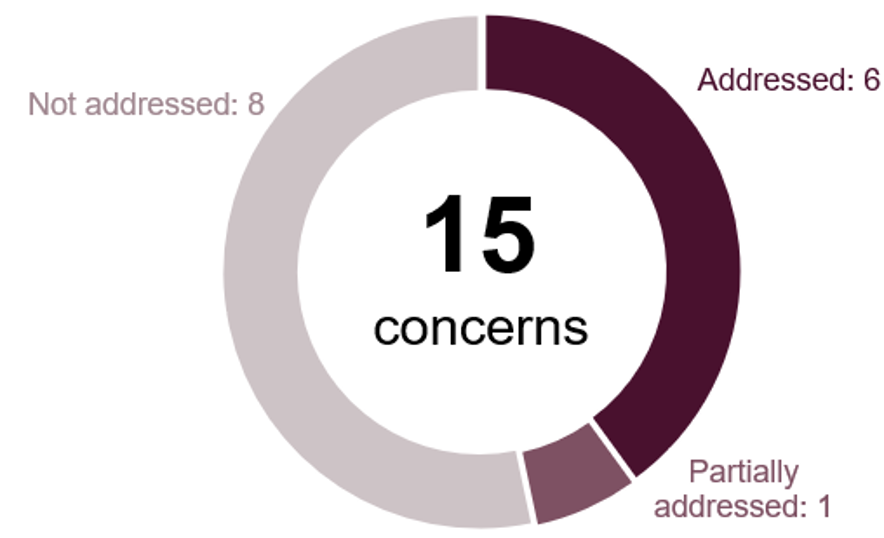
The following is a list of all the concerns raised, organised under the four tests of a healthy prison.
Safety
Priority concerns
Care for prisoners at risk of self-harm or suicide was weak. ACCT reviews lacked a multidisciplinary approach and most were ineffective. Mental health referrals were too often overlooked.
Addressed
Levels of violence, especially against staff, were very high. Much of this was fuelled by prisoner frustration at poor and inconsistent time out of cell and lack of response to legitimate requests through the application and complaints systems. Leaders did not deliver a full and purposeful regime that motivated prisoners to behave, engage or progress.
Not addressed
Key concern
Care and support for prisoners in their early days had deteriorated. Time out of cell was poor, first night cells were dirty and the induction was not adequately organised or informative.
Addressed
The amount of force used by staff was high. Scrutiny had not identified all examples of poor practice and excessive force.
Addressed
Respect
Priority concerns
Many cells needed refurbishment and/or redecoration, many prisoners were held in mouldy cells, with broken windows and graffiti. Living conditions in the segregation unit were squalid. There was evidence of mould and infestation of rats and cockroaches.
Not addressed
Prisoners, staff and managers reported witnessing racism. Systems to ensure fair treatment and inclusion were weak.
Addressed
Mental health services were poor. The quality and level of support for patients were very limited and did not meet the needs of the population.
Addressed
Key concern
Staff did not develop effective relationships with prisoners. Key work was not being delivered and prisoners lacked faith in the ability of staff to resolve legitimate concerns.
Partially addressed
The out-of-hours medicines cabinet was poorly stocked, contributing to delays in patients receiving medicines. There was no governance of the use of the cabinet and it contained some out-of-date medicines.
Not addressed
Purposeful activity
Priority concerns
Leaders had failed to provide a curriculum that adequately prepared prisoners for employment after release and that benefited vulnerable prisoners. They did not consider local skill needs. They did not offer opportunities for accredited vocational qualifications, progress or appropriate career pathways, nor did they provide well-equipped training areas.
Not addressed
Leaders did not use education, skills and workplaces efficiently, allocate prisoners appropriately or secure high attendance overall.
Not addressed
Key concerns
Leaders did not provide sufficient English and mathematics spaces to accommodate the needs of the population.
Not addressed
Leaders did not provide effective career education information, advice and guidance. Prisoners did not receive the right advice to help them with their next steps or future careers.
Partially addressed
Preparation for release
Key concerns
Staffing shortfalls had had a detrimental impact on prisoners’ ability to maintain family contact. Prisoners experienced delays in numbers being added to their phone accounts when they arrived. Visits and secure video call sessions had been cancelled and there were delays in post getting to prisoners.
Addressed
Too many prisoners were recorded as having been released with no address to go to or to accommodation that was not sustainable.
Not addressed
Care Quality Commission Action Plan (Back to top)
Care Quality Commission (CQC) is the independent regulator of health and adult social care in England. It monitors, inspects and regulates services to make sure they meet fundamental standards of quality and safety. For information on CQC’s standards of care and the action it takes to improve services, please visit: http://www.cqc.org.uk
The inspection of health services at HMP Bedford was jointly undertaken by the CQC and HMI Prisons under a memorandum of understanding agreement between the agencies (see Working with partners – HM Inspectorate of Prisons (justiceinspectorates.gov.uk)). The Care Quality Commission issued a request for an action plan following this inspection.
| Breach of Regulation |
| Provider: Dr PA Ltd Provider ID: 1-14970669839 Registered location: DrPA Secure – HMP Bedford Location ID: 1-20241627570 Regulated activities: Diagnostic and screening procedures; Treatment of disease, disorder or injury |
| Regulation 17 Good governance of the Health and Social Care Act 2008 (Regulated Activities) Regulations 2014 The provider had failed to establish and operate effective systems and processes to assess, monitor and improve the quality and safety of the services provided. Governance arrangements were not sufficiently effective to identify, manage and mitigate risks, ensure accurate and complete records were maintained, manage complaints effectively or drive continuous improvement. This was a breach of Regulation 17(1) and 17(2)(a), (b) and (c) of the Health and Social Care Act 2008 (Regulated Activities) Regulations 2014. |
| How the regulation was not being met: Risk Management Oversight of service risk was insufficient. The risk register did not include several known risks relevant to the safe operation of the service, including: • The risk associated with a GP leaving the service and the potential impact on clinical cover and continuity of care. • The risk that Datix incidents were not being shared by the trust with Dr PA in a timely manner for them to respond appropriately. • Two risks recorded on the risk register were overdue for review, having last been scheduled for review on 21 June 2026. The lack of assurance that clinicians working within the service had received the appropriate occupational health clearance, vaccinations and immunisations required for work in a secure setting. These concerns indicated that opportunities had been missed to fully identify, monitor and mitigate known risks. Complaints Management The provider’s Complaints Policy (February 2025) was not suitable for use within a secure environment and did not accurately reflect local processes. Specifically: • The policy directed complainants to raise concerns by email; however, this is not generally available to people detained in prison. • The policy advised complainants to seek assistance from organisations such as Citizens Advice and the Patients Association, which are not routinely accessible within the prison environment. • The policy stated that all Dr PA staff received appropriate complaints training; however, training records provided during the inspection did not demonstrate this. • The policy instructed complainants to write or email the provider directly and did not reference the established prison healthcare complaints process, whereby prisoners complete healthcare complaint forms for submission to the primary healthcare provider. • The policy stated complaints should be raised directly with the registered manager, who would arrange a face-to-face meeting with the complainant. This did not reflect operational arrangements, as the registered manager was not based on site. • The policy did not advise patients of their right to escalate unresolved complaints to the Parliamentary and Health Service Ombudsman. The provider had not ensured that governance systems reflected the operational realities of the service or supported patients to raise concerns effectively. Oversight of Staff Vaccinations and Immunisations The provider’s ‘Staff Vaccination and Immunisation Policy’, dated 8 May 2026, recognised the increased risks associated with working within prisons and other secure settings and stated that occupational health clearance must be completed before deployment and immunisation requirements regularly reviewed. However, records submitted to us contained multiple gaps relating to staff vaccination and immunity status, including Tuberculosis (TB), Measles, Mumps and Rubella (MMR), Varicella, Diphtheria, Tetanus and Polio. As a result, the provider could not demonstrate that all clinicians had received the appropriate occupational health clearance or were fit to work safely within a secure environment. Clinical Supervision The provider’s GP Supervision Guidance (undated) stated that: • All GPs working in secure or detained environments should receive a minimum of monthly supervision. • New starters, agency GPs and clinicians requiring enhanced support should receive supervision at least fortnightly. • Supervision sessions should be documented, structured and provided for a minimum of one hour, in a 1to1 format The supervision records submitted by the provider did not demonstrate compliance with these requirements. We found: • Of six supervision records submitted, five were dated in 2024. • Three records did not identify which clinicians attended the supervision sessions. • Staff told inspectors they did not receive monthly supervision. The provider had not maintained effective oversight of clinical supervision arrangements and could not demonstrate that staff were receiving support in line with its own governance processes. Staff Engagement The provider had not established a formal system for obtaining feedback from staff working within the service. There was no evidence of regular staff surveys or other structured mechanisms to gather feedback, identify concerns, or drive service improvement. This was particularly significant as all clinicians were locum staff, who had less access to regular managerial support, peer support, and opportunities for professional reflection and development. Audit and Quality Assurance The provider’s audit processes were not operating effectively to drive improvement. We reviewed an Antimicrobial Prescribing Audit completed in April 2026. The audit identified: • One instance where antimicrobial medication had been prescribed without supporting documentation. • Five instances where a NEWS2 assessment had not been completed. Despite these findings, no documented conclusions, recommendations, actions or improvement plans had been recorded. We also reviewed GP Clinical Documentation Audits for April, May and June 2026. Audit scores were 90%, 90% and 91% respectively. The same areas for improvement were identified across all three months, indicating that learning had not been embedded and sustained improvement had not been achieved. |
More about this report (Back to top)
This report outlines the priority and key concerns from the inspection and our judgements against the four healthy prison tests. Each of the following four sections contains a detailed account of our findings against our Expectations for men’s prisons.
Find out more about our Expectations and how we inspect
Find out more about priority and key concerns
Find out about notable positive practice
Findings from the survey of prisoners and a detailed description of the survey methodology are published alongside this report. Please note that we only refer to comparisons with other comparable establishments or previous inspections when these are statistically significant. The significance level is set at 0.01, which means that there is only a 1% chance that the difference in results is due to chance.
The tables in this report which provide data from HMI Prisons prisoner surveys also include comparisons with similar prisons.
| Description | What it means |
| Lower | the prison’s percentage is statistically significantly lower than the comparator: prisons with the same function type, or at the last inspection |
| Higher | the prison’s percentage is statistically significantly higher than the comparator: prisons with the same function type, or at the last inspection |
| No difference | the prison’s percentage is not statistically significantly different to the comparator: prisons with the same function type, or at the last inspection |
Inspection team
This inspection was carried out by:
| Charlie Taylor Angus Jones Donna Ward David Foot John Wharton Esra Sari Martyn Griffiths Emma King Joe Simmonds Samantha Rasor Steve Eley Tania Osborne Lindsey Woodford Janie Buchanan Carolyn Brownsea Darryl Jones Karen Carr Saher Nijabat | Chief Inspector Team leader Inspector Inspector Inspector Inspector Inspector Researcher Researcher Researcher Lead health and social care inspector Health and social care inspector General Pharmaceutical Council inspector Care Quality Commission inspector Ofsted inspector Ofsted inspector Ofsted inspector Ofsted inspector |
Find out more about the terms and abbreviations used in this report in our glossary.
Easy read summary and press notice (Back to top)
Survey materials and Ofsted full report (Back to top)
The following files may not be suitable for users of assistive technology.
Request an accessible format
If you use assistive technology (such as a screen reader) and need a version of any of these documents in a more accessible format, please email media@hmiprisons.gov.uk. Please tell us what format you need. It will help us if you say what assistive technology you use.