
HMP Stocken
Report on an unannounced inspection of HMP Stocken by HM Chief Inspector of Prisons 20–31 July 2026
Introduction (Back to top)
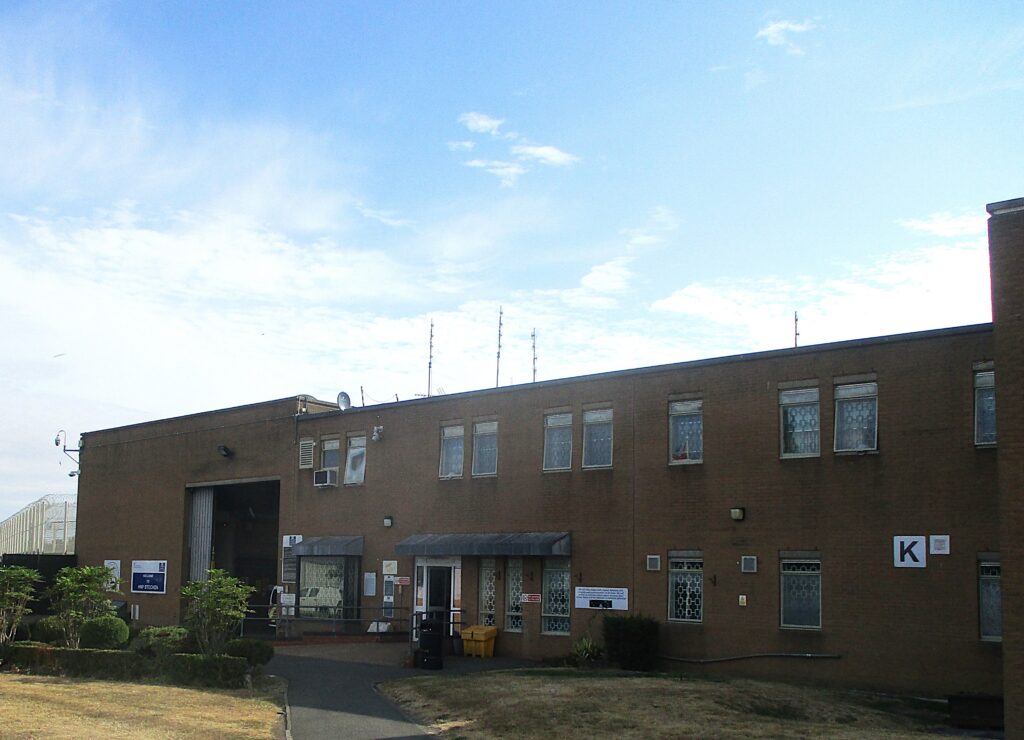
HMP Stocken is a large category C training prison which had expanded significantly since our last inspection and was now holding just under 1,300 adult men, many serving long or indeterminate sentences. At this inspection, we found a prison of considerable potential, with some capable and committed leaders, and evidence of a number of encouraging developments and initiatives.
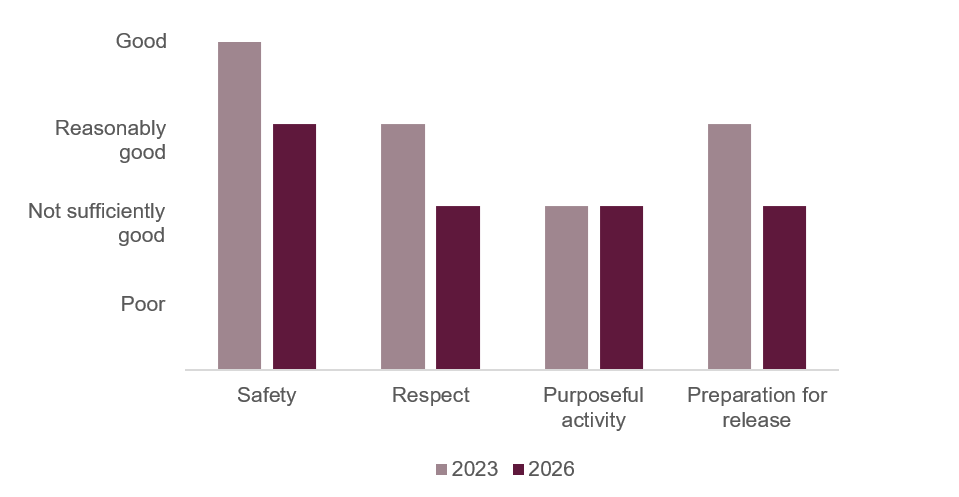
However, longstanding weaknesses continued to undermine outcomes for prisoners. The prison had recently experienced a period of leadership change, although this was mitigated by the presence of an experienced deputy governor and leaders had a broadly accurate understanding of the challenges they faced. It was, nevertheless, disappointing that only two of the 15 concerns from the previous inspection had been fully addressed, a lack of progress that was also reflected in our healthy prison test assessments. We found outcomes to be reasonably good in safety, but not sufficiently good in our three other tests. Outcomes in three of these tests had worsened since we last inspected.
Violence had increased, with debt and the use of illicit substances identified as important drivers, but most incidents were not serious, and rates remained lower than at many comparable prisons. Incidents of violence and bullying were properly investigated and the use of force we reviewed was generally necessary and proportionate. Reception and induction arrangements were mostly adequate, and peer workers provided very good support to new arrivals, although the support offered to prisoners in potential self-harm crisis needed to be better. The deaths that had occurred since the previous inspection, including three that were self-inflicted, reinforced the need for more decisive action on self-harm, drug-related harm, and safeguarding.
Accommodation was generally acceptable and most cells were well kept, but sewage problems, neglected grounds and a visible vermin problem undermined basic decency and well-being. Relationships between staff and prisoners were transactional, with our survey suggesting prisoners were more negative about staff than respondents at similar prisons. We also found weaknesses in mental health provision and pharmacy oversight, as well as in support for prisoners with disabilities, foreign nationals and neurodivergent prisoners. There were, however, some notable positives: catering was better than we often see, prisoner consultation and complaints processes worked well, the chaplaincy was active and well regarded, and primary health care and dental services were effective.
The provision of purposeful activity had seen some improvement, particularly through the broadening of the curriculum and better links to potential employers. The gym and library were both impressive, and most prisoners had a reasonable amount of time out of cell. However, English and mathematics provision remained weak, attendance and punctuality were inconsistent, and too many prisoners were in work that did little to develop their skills. Preparation for release also needed to be better. Stocken had developed a wider range of progression and resettlement opportunities, including an employment hub, but offender management was under too much pressure, assessments were badly delayed, and many prisoners were not receiving the support they needed to reduce their risks or progress.
Overall, it was disappointing that the success we saw in 2023 had not been sustained or developed. Leaders were perfectly capable and there was evidence of progress in several areas, but it was partial, often lacking coordination and drive, and undermined by a staff culture that lacked energy. In addition, there were a number of environmental factors such as the sewage and vermin problems which were holding the prison back. Stocken has become a large and important prison in eastern England. It needs the confidence to strive for excellence in the provision of a meaningful training regime and services that help men progress through sentences and address their risks.
Charlie Taylor, HM Chief Inspector of Prisons, September 2026
Outcomes for prisoners (Back to top)
We assess outcomes for prisoners against four healthy prison tests: safety, respect, purposeful activity, and preparation for release (see More about this report for more information about the tests). We also include a commentary on leadership in the prison (see Section 1).
At this inspection of HMP Stocken, we found that outcomes for prisoners were:
- reasonably good for safety
- not sufficiently good for respect
- not sufficiently good for purposeful activity
- not sufficiently good for preparation for release.
We last inspected HMP Stocken in 2023. Figure 1 shows how outcomes for prisoners have changed since the last inspection.
Figure 1: HMP Stocken healthy prison outcomes 2023 and 2026
What needs to improve (Back to top)
During this inspection we identified 14 key concerns, of which seven should be treated as priorities. Priority concerns are those that are most important to improving outcomes for prisoners. They require immediate attention by leaders and managers.
| Priority concerns | |
| 1. | There had been three self-inflicted deaths since the last inspection. Support for prisoners in crisis was not good enough. |
| 2. | The ingress of drugs posed a significant threat to the stability of the prison. The lack of enhanced gate security and netting over yards, for example, continued to create opportunities for illicit items to enter the prison. |
| 3. | Staff-prisoner relationships were often distant and transactional. Prisoners spoke negatively about the willingness of staff to support them. Key work was sporadic and ineffective. |
| 4. | Longstanding infrastructure failures, including sewage problems, vermin and poorly maintained grounds, undermined basic decency. |
| 5. | Patient safety was not assured in key areas of mental health, particularly the prescribing of antipsychotic medication and the absence of oversight by an on-site pharmacist. The lack of a rigorous and up-to-date risk register, robust prescribing audits and timely action had undermined safe and effective care. |
| 6. | Staff vacancies meant that prisoners could not always study functional English and mathematics at the level they needed. At the time of the inspection, there were lengthy waiting lists for entry-level mathematics in particular. |
| 7. | Achievement rates in functional mathematics and English at levels 1 and 2 were too low. |
| Key concerns | |
| 8. | Too many prisoners did not receive a positive first night experience, with delays in accessing basic items and a lack of privacy during initial safety interviews. |
| 9. | Support for prisoners with disabilities was not good enough. Informal peer support workers were not trained or sufficiently supervised, and the management of those with emergency evacuation plans was not good enough. |
| 10. | There were too many prisoners in wing-cleaning roles. They did not have enough to do to fill their working hours. |
| 11. | Workshop instructors did not set prisoners development targets that met their employability needs. |
| 12. | Prisoners who were motivated to make progress faced too many obstacles, including poor contact with prison offender managers, delays in completing offender assessments and in accessing offending behaviour programmes. |
| 13 | Many prisoners and visitors were unhappy with social visits. Delays and operational arrangements reduced the time available for some visits, and insufficient action had been taken to mitigate the impact of the prison’s remote location. |
| 14. | Some prisoners faced unacceptably long delays in transferring to open prisons. |
Notable positive practice (Back to top)
We define notable positive practice as evidence of our expectations being met to deliver particularly good outcomes for prisoners, and/or particularly original or creative approaches to problem solving. Inspectors found no examples of notable positive practice during this inspection, which other prisons may be able to learn from or replicate.
Section 1: Leadership (Back to top)
Leaders provide the direction, encouragement and resources to enable good outcomes for prisoners.
The prison had experienced a period of leadership instability, with two temporary governors since the previous inspection. However, continuity had been provided by the acting deputy governor, who remained in post throughout, and staff and stakeholders generally described a capable and committed leadership team.
The self-assessment report reflected many of the prison’s key strengths and challenges and demonstrated a realistic understanding of the risks posed by staff shortages, infrastructure failures, gaps in the curriculum, offender management pressures and the impact of illicit substances. It was disappointing, however, that only two of the 15 concerns identified at the previous inspection had been fully addressed.
Leaders collected and reviewed a broad range of performance information and had established governance structures in most areas. However, in several functions, available data were not used effectively to understand underlying causes, identify emerging trends or drive improvement. As a result, leaders did not always have a clear understanding of the scale of some problems and action taken was not always sufficient to deliver sustained improvement.
Significant staff shortages continued to restrict delivery and affect outcomes for prisoners. Despite efforts to improve recruitment and retention, the prison did not benefit from detached duty support and remained heavily reliant on overtime. Leaders were therefore required to prioritise regime delivery, activity attendance and time out of cell over other important work, including aspects of safety provision, mandatory drug testing and key work.
Leaders regarded staff-prisoner relationships, consultation and engagement as strengths. Consultation arrangements were sound and leaders remained visible around the prison. Nevertheless, prisoner survey findings and inspection evidence indicated that relationships were not consistent, and many prisoners did not feel that their day-to-day concerns were addressed effectively.
Longstanding infrastructure failures remained a significant barrier to improvement. Despite sustained challenge from prison leaders and the Prison Group Director, and a contractual improvement notice in place for the facilities management provider, issues including sewage failures remained unresolved and continued to undermine basic decency.
The misuse of illicit substances posed a significant risk to safety and stability. Leaders had implemented a range of preventative enforcement and recovery-focused measures and generally understood the impact of substance misuse on violence, debt and self-harm. Nevertheless, high levels of prisoners under the influence from illicit substance misuse and associated instability indicated that these measures were not yet having sufficient impact.
Since the last inspection, the prison had expanded significantly, with around 200 additional places. Leaders sought to strengthen its training and rehabilitative function through distinct wing identities and a range of progression, employment and resettlement initiatives. Ambitious developments, including the High Street concept, to support prisoners approaching release, reflected a commitment to rehabilitation. Many of these opportunities, however, were not sufficiently integrated or promoted as part of a coherent progression pathway for prisoners.
Section 2: Safety (Back to top)
Prisoners, particularly the most vulnerable, are held safely.
Early days in custody
Expected outcomes: Prisoners transferring to and from the prison are safe and treated decently. On arrival prisoners are safe and treated with respect. Risks are identified and addressed at reception. Prisoners are supported on their first night. Induction is comprehensive.
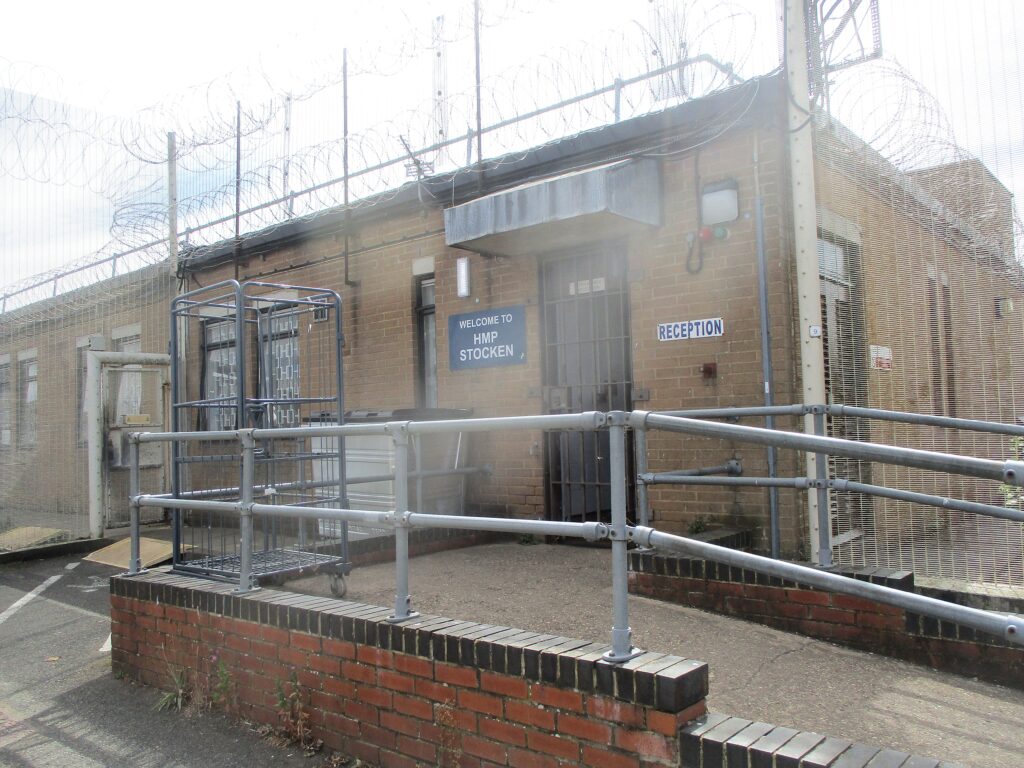
The reception area was clean but small. Prisoners did not always have a positive experience, particularly after long journeys from other establishments.
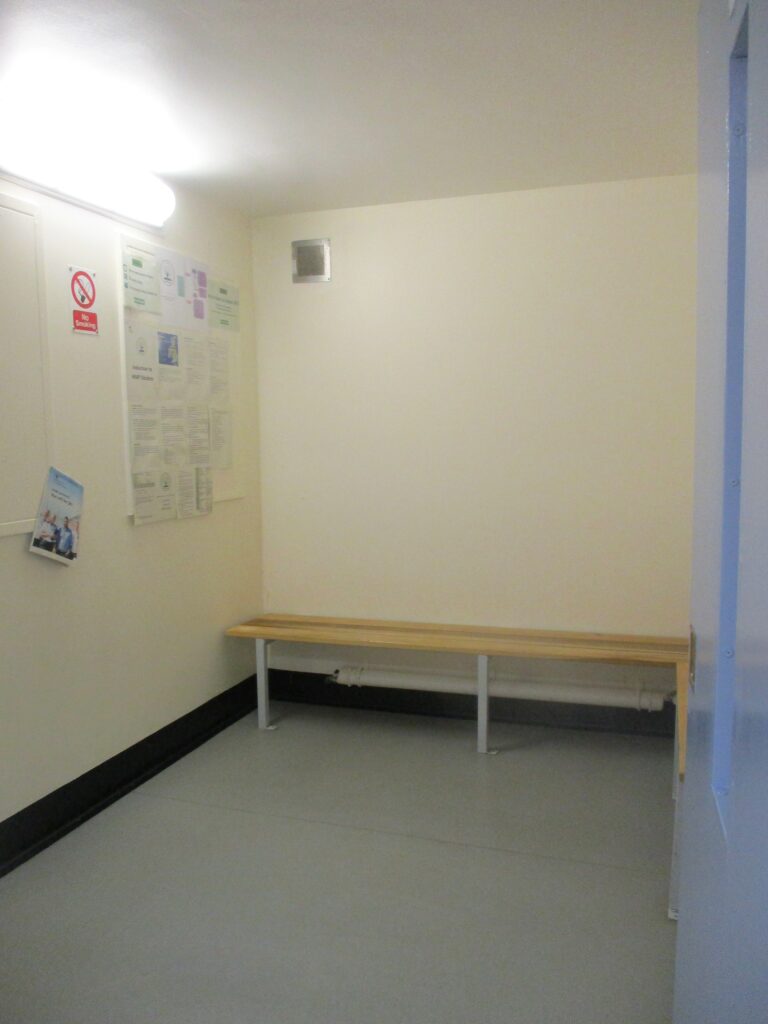
On arrival, prisoners were locked in small holding rooms, which was unnecessary, and were not offered any refreshments. Holding rooms contained limited information about the prison, leaders missing an opportunity to promote the rehabilitative and progression opportunities available.
| HMIP prisoner survey | Yes | Compared with similar prisons |
| Overall, were you treated very/quite well in reception? | 73% | Lower |
| For those who had any problems when they first arrived, were you able to talk to a member of staff in private? | 30% | Lower |
| Before you were locked up on your first night here, were you offered toiletries? | 54% | Lower |
| Before you were locked up on your first night here, were you offered a free phone call? | 22% | Lower |
| In your first few days here, did you get your personal property? | 61% | Lower |
New arrivals were not routinely offered a free telephone call to inform family or friends of their transfer, and most staff we spoke to were unaware of the process. Additional phone credit was also not routinely offered. However, prisoners appreciated the opportunity to purchase items from the prison shop.
Many prisoners arrived with large amounts of property. Those arriving later in the day did not always receive all their belongings until the following morning, which caused frustration among new arrivals.
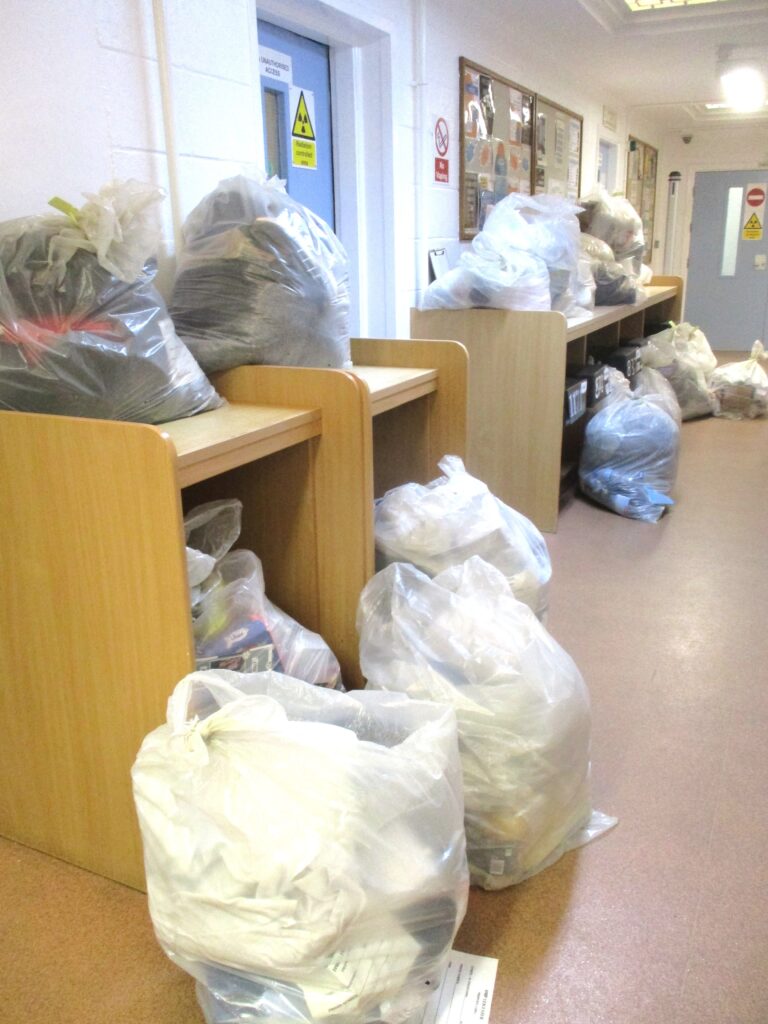
Initial safety interviews appropriately focused on risk and relevant information was shared with staff. However, interviews were not conducted in private, which limited prisoners’ ability to discuss sensitive issues.
Induction peer workers provided very good support and were highly valued by prisoners. A comprehensive induction programme started on the next working day and, in our survey, 96% of prisoners said they had received an induction.
Promoting positive behaviour
Expected outcomes: Prisoners live in a safe, well ordered and motivational environment where their positive behaviour is promoted and rewarded. Unacceptable conduct is dealt with in an objective, fair, proportionate and consistent manner.
Encouraging positive behaviour
| HMIP prisoner survey | Yes | Compared with similar prisons |
| Have you ever felt unsafe here? | 40% | No difference |
| Do you feel unsafe now? | 22% | No difference |
| Data provided by the prison | |
| Violence rates per 1,000 prisoners in the 12 months before this inspection | 199 |
| Violence rates per 1,000 prisoners in the 12 months before the last inspection | 105 |
Recorded rates of violence in the previous 12 months had almost doubled since the last inspection. Bullying and debt associated with illicit substances were identified as the main drivers, while some incidents were linked to prisoners seeking transfer to another establishment, either to avoid debt-related issues or to be closer to family. However, few assaults resulted in serious injury and rates remained lower than at many comparable category C prisons.
Investigations into violent incidents or conflict were very thorough. This enabled leaders to take swift action to keep prisoners safe and manage effectively, for example, approximately nine men self-isolating for their own protection at the time of the inspection.
A large backlog of adjudications resulted in some serious offences, including assaults, not being dealt with for long periods. Leaders had started to address this at the time of the inspection.
Low-level poor behaviour such as vaping, litter and the use of disrespectful language was not always challenged, which undermined efforts to set standards.
More positively, leaders had continued to develop the good work seen at the last inspection, offering individually tailored targets and opportunities for some on the basic level of the incentives scheme to return to the standard level within a few days if their behaviour improved.
| HMIP prisoner survey | Yes | Compared with similar prisons |
| Are there opportunities and rewards to motivate people in this prison? | 13% | Lower |
Leaders had developed a range of progression opportunities and incentives, including training workshops, enhanced accommodation on some units and trusted prisoner roles, including peer mentor roles. However, these opportunities were not well promoted or presented as part of a coherent strategy to encourage positive behaviour and progression through a prisoner’s sentence.
The formal incentives scheme was not sufficiently distinctive, particularly for prisoners who had achieved enhanced status but were not located on the designated units. As a result, frustrations about progression (see Opportunities for prisoners to progress) and being located far from home (see Children and families and contact with the outside world) often outweighed the motivational impact of the scheme.
Use of force
| HMIP prisoner survey | Yes | Compared with the last inspection |
| Have you been restrained by staff in this prison in the last six months? | 25% | Higher |
The number of recorded use of force incidents had increased significantly since the last inspection and more prisoners than previously reported had been restrained in the previous six months. Despite this, the rate of force remained lower than the average for category C prisons.
There had been 10 PAVA incapacitant spray incidents (see Glossary) involving nine prisoners, and a baton had been drawn once. Footage that we reviewed showed that force was justified and proportionate to the risk posed, with the exception of one incident which leaders had already addressed.
The documentation we reviewed, including submitted staff statements, was detailed and demonstrated efforts to de-escalate incidents before force was used.
Governance and scrutiny arrangements of use of force were effective. Duty governors reviewed each incident and identified learning and areas for improvement at weekly scrutiny meetings.
Segregation
Use of the segregation unit had increased, reflecting the higher levels of violence and disorder. However, the average length of stay had reduced from 16 days at the last inspection to 11.5 days, partly as a result of better case management and reintegration planning.
Living conditions were reasonable but the regime remained basic. Prisoners spent a maximum of 1.5 hours out of their cells each day and spent most of this time alone on the exercise yard.
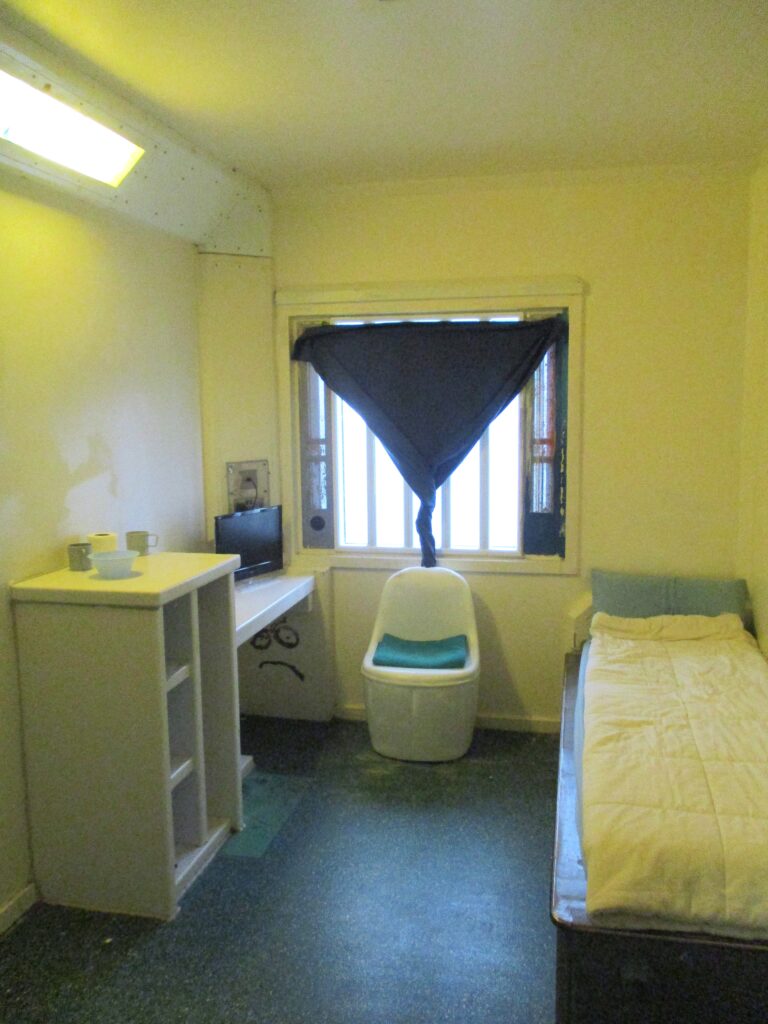
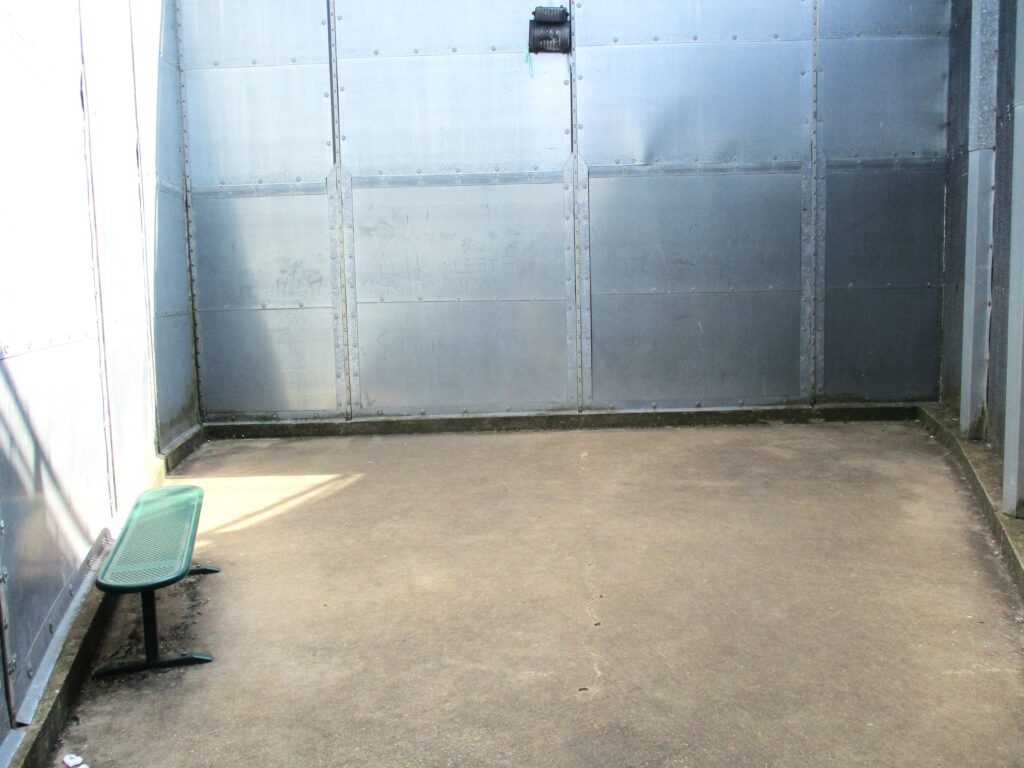
Some prisoners were denied access even to this minimal regime following incidents of poor behaviour. The use of these restrictions was not monitored well enough or overseen by managers and, in some cases, amounted to an unofficial punishment.
Oversight of the segregation unit was poor. Significant gaps in management information limited leaders’ understanding of outcomes and trends. More than a quarter of segregation unit stays were not recorded on the database used for analysis, and leaders did not have enough information to oversee the use of regime restrictions or the number of prisoners in crisis held in the unit (see Suicide and self-harm prevention).
Security
Expected outcomes: Security and good order are maintained through an attention to physical and procedural matters, including effective security intelligence and positive staff-prisoner relationships. Prisoners are safe from exposure to substance misuse and effective drug supply reduction measures are in place.
Security arrangements remained broadly proportionate for a category C prison and the prevailing risks.
The ingress of drugs and other illicit items was the main threat to the order and stability of the prison, which leaders had appropriately linked to violence, bullying, self-harm and debt.
The ability to combat this threat was hampered by significant staff shortages, which affected drug testing and searching activity. In the 12 months to June 2026, 19% of mandatory random drug tests had been positive, lower than at many comparable prisons. However, the required volume of testing had not been completed consistently. Thirty-four prisoners had refused testing and only a small number of suspicion tests had been conducted despite frequent reports of prisoners being under the influence of illicit substances.
Leaders had used intelligence well to understand ingress routes of illicit items and to allocate appropriate resources, for example by a programme to replace cell windows and improve security along the main walkway. They had also forged good links with the police and local community. However, the absence of suitable netting above exercise yards and the lack of enhanced gate security continued to create opportunities for illicit items to enter the prison.
There was a sensible, prison-wide drug strategy and action plan, which focused on reducing demand and recovery as well as preventing ingress. However, high levels of prisoners under the influence and associated instability indicated that the strategy was not yet having sufficient impact.
Safeguarding
Expected outcomes: The prison provides a safe environment which reduces the risk of self-harm and suicide. Prisoners at risk of self-harm or suicide are identified and given appropriate care and support. All vulnerable adults are identified, protected from harm and neglect and receive effective care and support.
Suicide and self-harm prevention
There had been three self-inflicted deaths and one drug-related death since our last inspection. Not all health care recommendations made by the Prisons and Probation Ombudsman, following their investigations, had been achieved (see Strategy, clinical governance and partnerships).
| Data provided by the prison | |
| Self-harm rate per 1,000 prisoners in the 12 months before this inspection | 434 |
Although rates of self-harm had increased since our last inspection, they remained lower than those at similar prisons. Leaders could not provide reliable data on the number of serious self-harm incidents in the previous 12 months. However, a recently introduced process to investigate serious incidents and identify learning provided some assurance that this weakness had been addressed.
In our survey, 40% of prisoners who self-declared as having mental health problems said they had been supported by assessment, care in custody and teamwork (ACCT) case management in this prison and 21% of those had developed a drug or alcohol problem while at the prison. Substance misuse and associated debt were common factors in incidents of self-harm and crisis. Leaders had introduced a range of measures, including dedicated recovery provision, a targeted intervention unit and multidisciplinary arrangements to support prisoners affected by substance misuse. However, high levels of prisoners under the influence and associated instability indicated that these measures were not yet having sufficient impact.
Support for prisoners in crisis was inadequate. The programme to improve prisoners’ well-being and reduce stress, anxiety and depression that we reported as notable at the last inspection had ceased, and there were too few Listeners (prisoners trained by the Samaritans to provide emotional support to fellow prisoners) for the size of the population.
Over the previous 12 months, 301 ACCT documents had been opened. Leaders were unaware that about one-third involved prisoners held in the segregation unit, a proportion significantly higher than we typically see. Some prisoners in crisis were being managed in segregation because alternative locations were not always available elsewhere in the prison.
The quality of ACCT case management was inconsistent, with weaknesses in documentation and support planning. Key stakeholders, including substance misuse services, were not routinely involved in case reviews. Despite this, prisoners being supported by the ACCT process described staff as caring and supportive.
Protection of adults at risk
Safeguarding arrangements had been lacking for some time and had only recently been implemented. However, leaders had established strong relationships with the local safeguarding authority and had plans to deliver staff training.
Section 3: Respect (Back to top)
Prisoners are treated with respect for their human dignity.
Staff-prisoner relationships
Expected outcomes: Prisoners are treated with respect by staff throughout their time in custody and are encouraged to take responsibility for their own actions and decisions.
| HMIP prisoner survey | Yes | Compared with similar prisons |
| Do most staff here treat you with respect? | 58% | Lower |
| Are there any staff here you could turn to if you had a problem? | 57% | Lower |
| In the last week, has any member of staff talked to you about how you are getting on? | 21% | Lower |
| For those who have a named officer (key worker), is your named officer very/quite helpful? | 46% | Lower |
| If you want to, can you talk to managers, governors or directors in this prison? | 19% | Lower |
| For those who have shared a problem with a manager, governor or director, did they try to help you? | 21% | Lower |
In our survey, prisoners were more negative about staff-prisoner relationships than those in similar prisons.
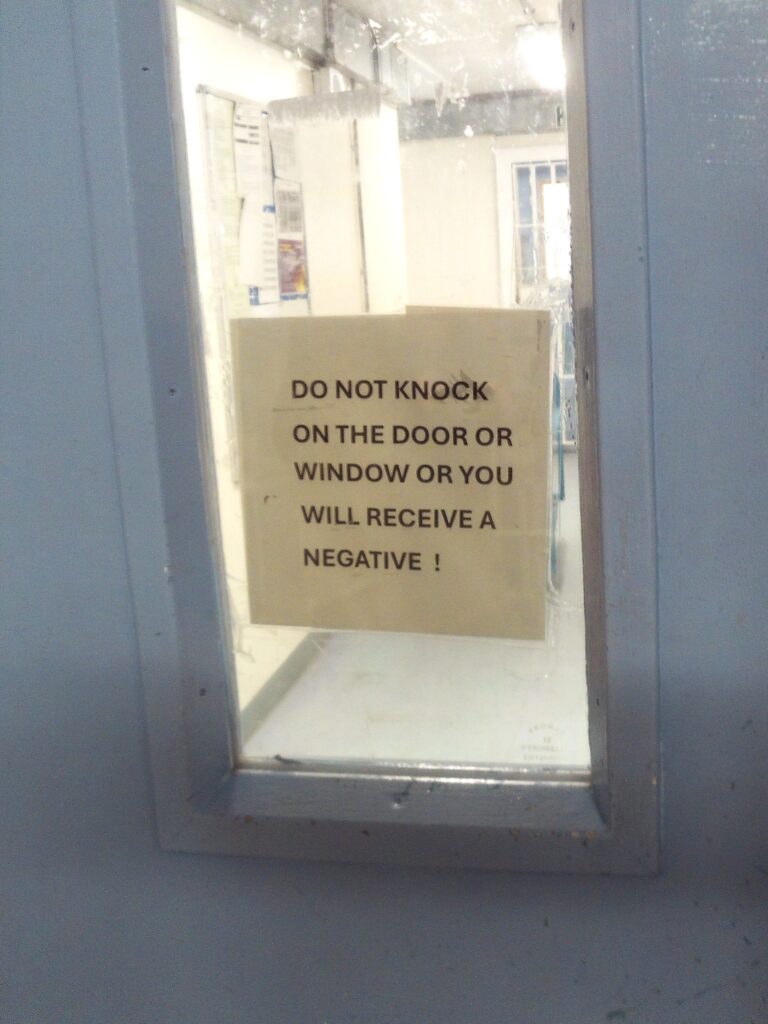
While we observed some positive staff-prisoner relationships, interactions were often distant or transactional and many prisoners expressed frustration at the difficulty of getting staff to address their concerns. On some residential units, staff had put up signs discouraging prisoners from disturbing them to make requests, which was not appropriate.
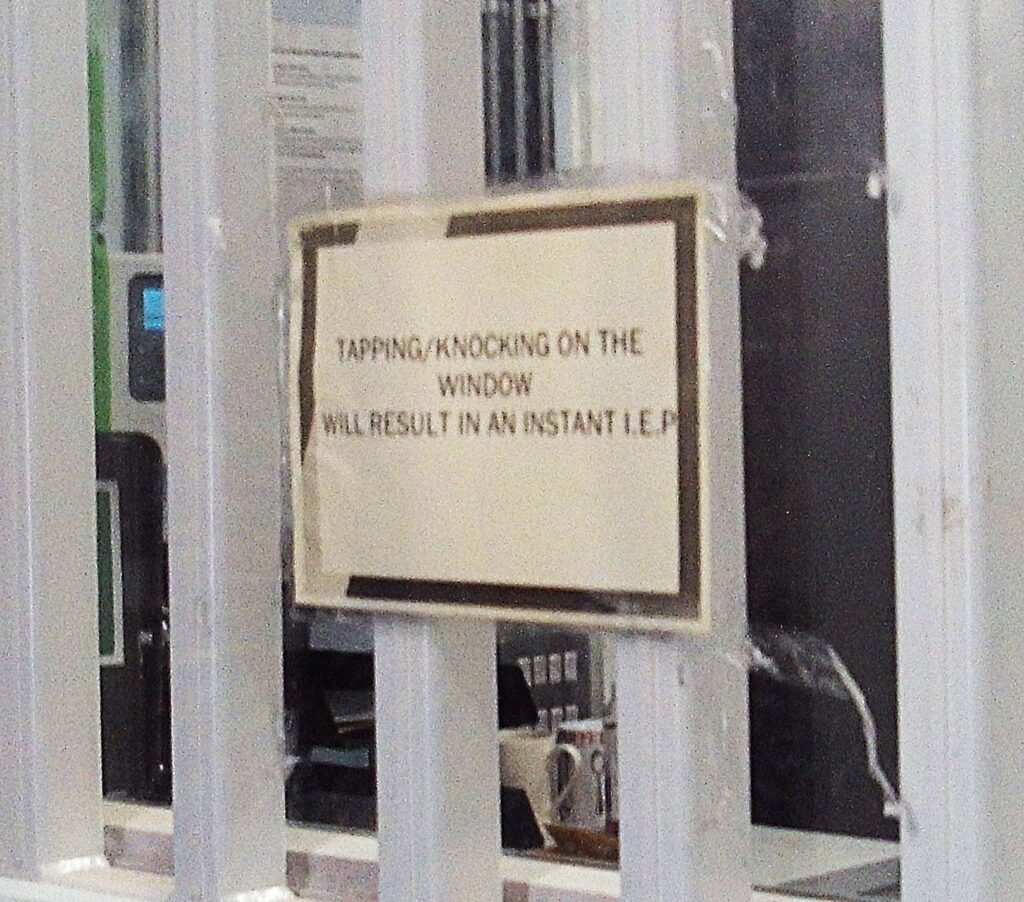
We saw some low-level poor behaviour on landings which was not being challenged adequately, for example prisoners not fully dressed, vaping or playing music loudly.
Staff shortages meant that key work (see Glossary) had been given lower priority than maintaining time out of cell. Sessions were infrequent and rarely delivered by the same officers, which limited their effectiveness and contributed to prisoners’ frustration about getting things done.
Leaders had developed a wide range of peer working roles for prisoners, which was positive. Many of these were used effectively around the prison, such as in induction, substance misuse services and education. However, some peer support roles, particularly those involving working with vulnerable prisoners, were not always supported by appropriate training and supervision.
Daily life
Expected outcomes: Prisoners live in a clean and decent environment and are aware of the rules and routines of the prison. They are provided with essential basic services, are consulted regularly and can apply for additional services and assistance. The complaints and redress processes are efficient and fair.
Living conditions
Accommodation standards were generally acceptable. Most communal areas and external exercise areas were clean and free of litter. Cells were appropriately equipped and well maintained, although some basic fixtures, including window and shower curtains, had been improvised by prisoners rather than provided by the prison. A few cells had minor maintenance defects and some windows remained sealed, making areas such as wing laundries uncomfortably hot in warm weather.
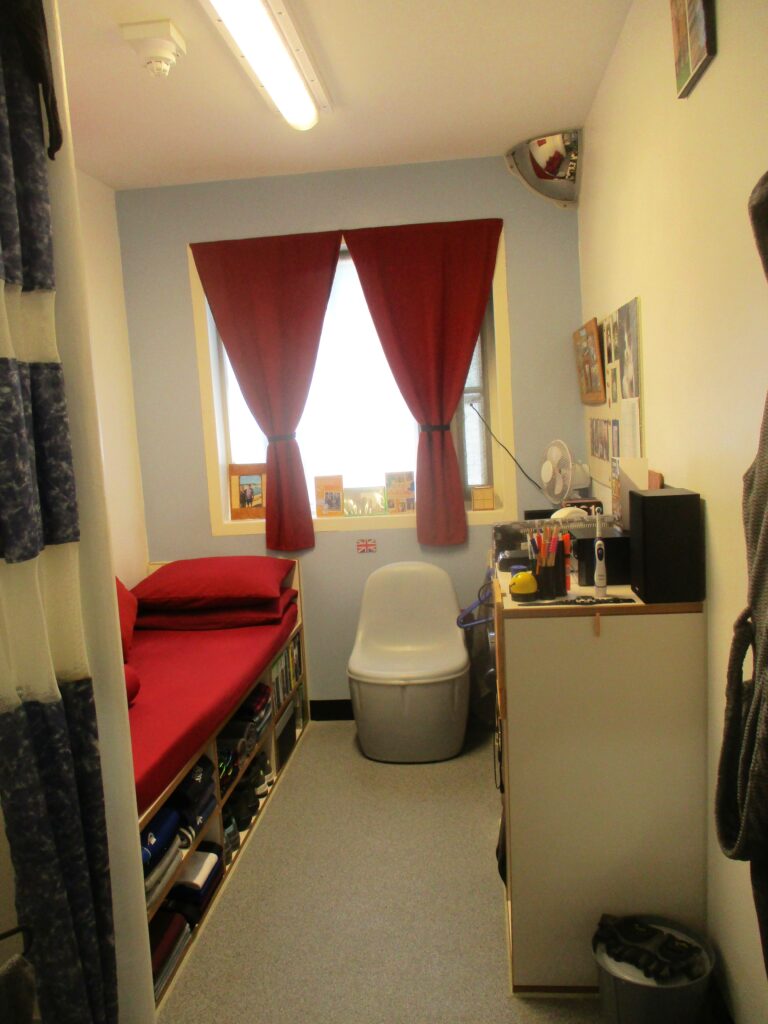
Staff and senior officers carried out regular decency checks on residential units, and remedial action was generally taken when local standards fell below expectations.
The grounds were disappointing and not conducive to prisoner well-being. Areas at the side of walkways and around some units were overgrown, unkempt and full of weeds.
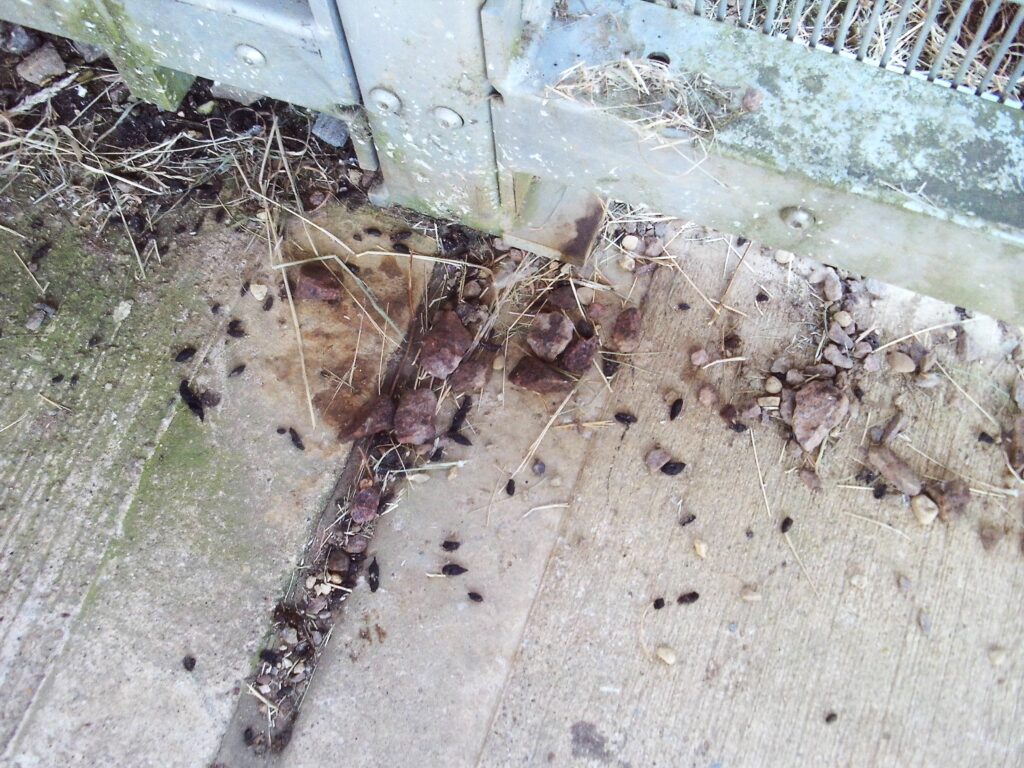
Longstanding sewage problems continued to affect the prison. Sewage lorries visited the site twice a day to pump and remove excess effluent, causing strong odours that created an unpleasant environment. Despite continuing control measures, vermin and vermin droppings remained evident around the site.
Residential services
Prisoners benefited from a varied and reasonably healthy diet and specific dietary requirements were well catered for. Kitchen staff held regular forums with prisoners to consult them about food.
| HMIP prisoner survey | Yes | Compared with similar prisons |
| Is the quality of the food in this prison very/quite good? | 50% | Higher |
Servery workers did not wear suitable personal protective equipment. Not all food service was adequately supervised by staff and the temperature of the food was not consistently taken and recorded, which was unsafe.
Trolleys used to transport food from the kitchen to the wings were dirty. One servery had a broken dishwasher where stagnant water had collected and remained for some weeks, and some serveries had damaged flooring which made it difficult to clean. Occasionally, food was left out in the servery overnight and bread left on the wings uncovered, which encouraged vermin.
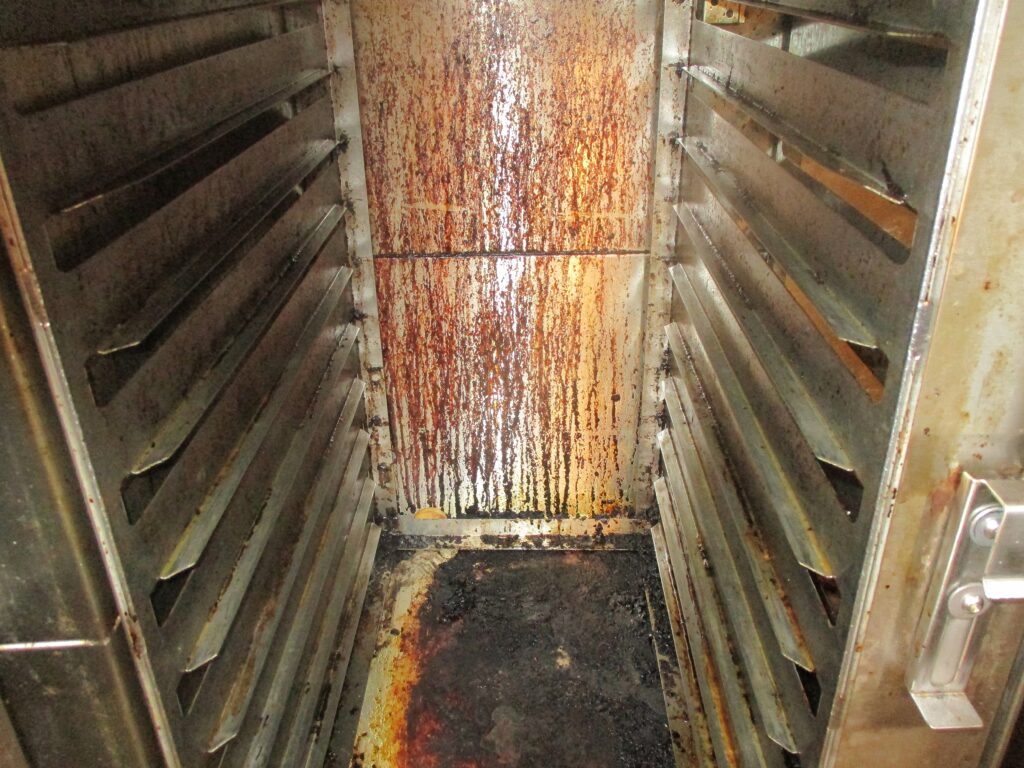
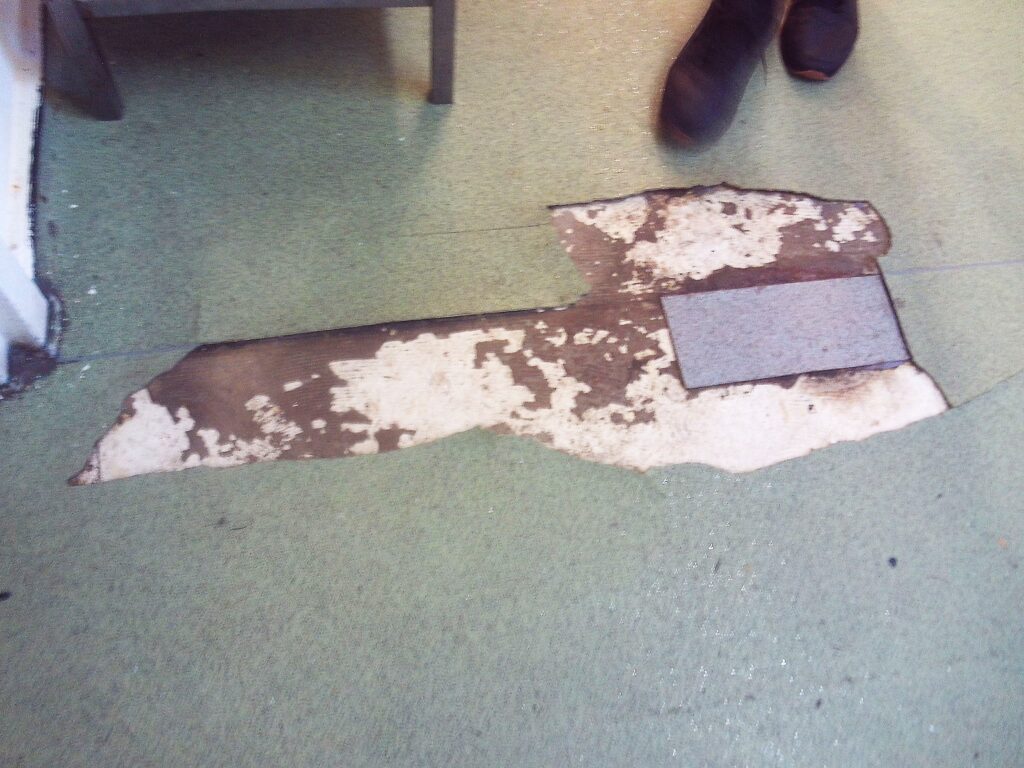
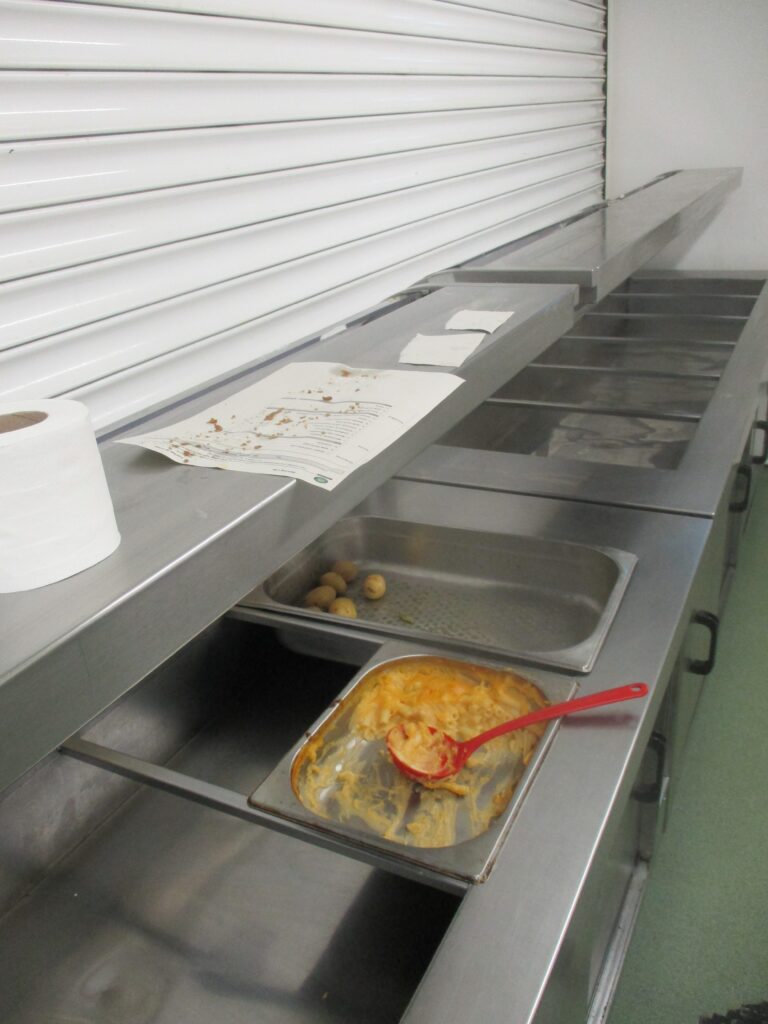
Self-catering areas were available on the units, but food preparation areas were not consistently maintained to an acceptable standard of hygiene, and kitchen equipment was rarely cleaned after use.
The canteen list contained a variety of Items which generally met prisoners’ needs, although black prisoners told us that there were not enough products for their hair type.
A range of clothes and footwear was provided for prisoners. However, prisoners said they had limited access to clothing catalogues and often relied on family or friends to identify items from approved suppliers, which restricted their ability to replace worn clothing. In addition, the clothing parcel policy was applied inconsistently with, for example, not all prisoners on the enhanced level permitted to order clothing parcels twice a year.
Following a review of the book policy, prisoners were allowed to receive books from family and friends or buy them from approved suppliers. However, while books sent by family and friends were subject to restrictions on the amount of property prisoners could keep in possession, those ordered from approved suppliers were not, creating an inconsistency that was difficult to justify.
Prisoner consultation, applications and redress
Leaders were visible and communication links with prisoners were good. They consulted prisoners through a well-established council forum. Wing forums were held before the council meeting to inform the agenda. Meetings were well attended and focused on actions. A summary of outcomes from actions taken was published on in-cell television so that all prisoners were kept informed.
The complaints process was effective. Most prisoners received a response within seven working days and few responses were late. Responses were generally polite and quality assured. The applications process operated similarly, with 94% of applications answered on time and late responses followed up.
Private rooms were available for prisoners to meet their legal representatives in person or remotely by video link. The process for booking meetings was efficient. Remote video meetings could be arranged within a few days, but face-to-face meetings could take up to three weeks. Legal privileged correspondence was well managed.
Fair treatment and inclusion
Expected outcomes: There is a clear approach to promoting equality of opportunity, eliminating unlawful discrimination and fostering good relationships. The distinct needs of prisoners with particular protected characteristics (see Glossary) or those who may be at risk of discrimination or unequal treatment, are recognised and addressed. Prisoners are able to practise their religion. The chaplaincy plays a full part in prison life and contributes to prisoners’ overall care, support and rehabilitation.
Oversight of work to support fair treatment and inclusion had improved since the last inspection, with departments across the prison increasingly taking responsibility for exploring potentially disproportionate outcomes in their areas.
Despite this, support for prisoners with protected characteristics (see Glossary) was not consistent and had lost momentum with some groups. Forums took place regularly with different groups, but these varied in effectiveness.
There were still no designated peer workers to support prisoners with disabilities, which was disappointing, and prisoners providing informal support were not trained or appropriately supervised (see Social care).
Staff were not trained to identify vulnerable prisoners and some with disabilities were held in inappropriate locations or, in one case, a cell that was poorly maintained.
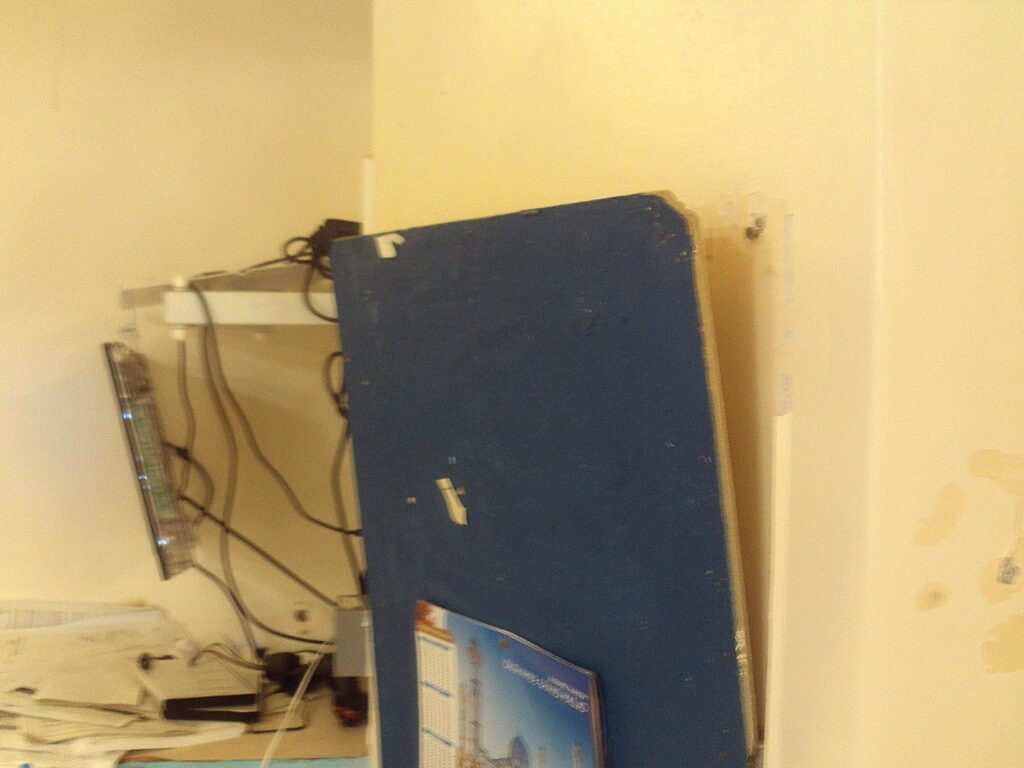
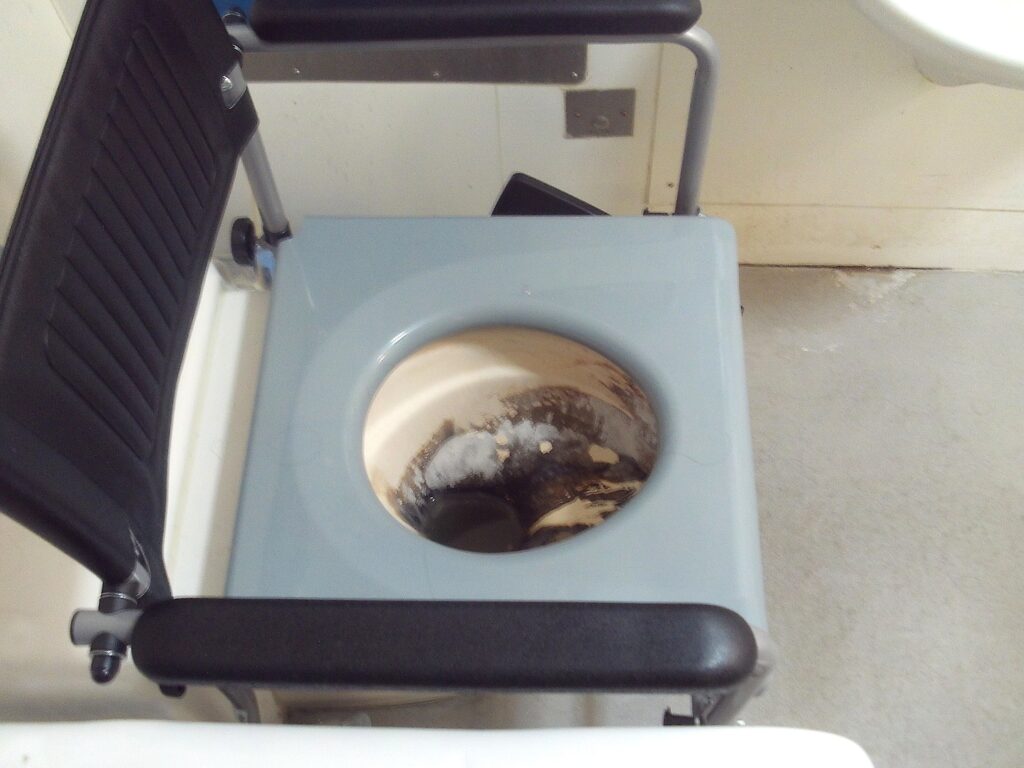
The management of emergency evacuation plans for prisoners with disabilities was not good enough. Local databases and digital prisoner records were not consistent and staff did not always demonstrate good knowledge of these prisoners or their needs.
There had been no neurodiversity manager in post for a long period and work to support prisoners with neurodiverse needs had lost focus. The designated residential unit for these prisoners was not fulfilling its intended purpose and the sensory pod, an excellent resource, had not been used for months. The newly appointed neurodiversity manager had started to take steps to rectify this situation, but work was in its early stages.
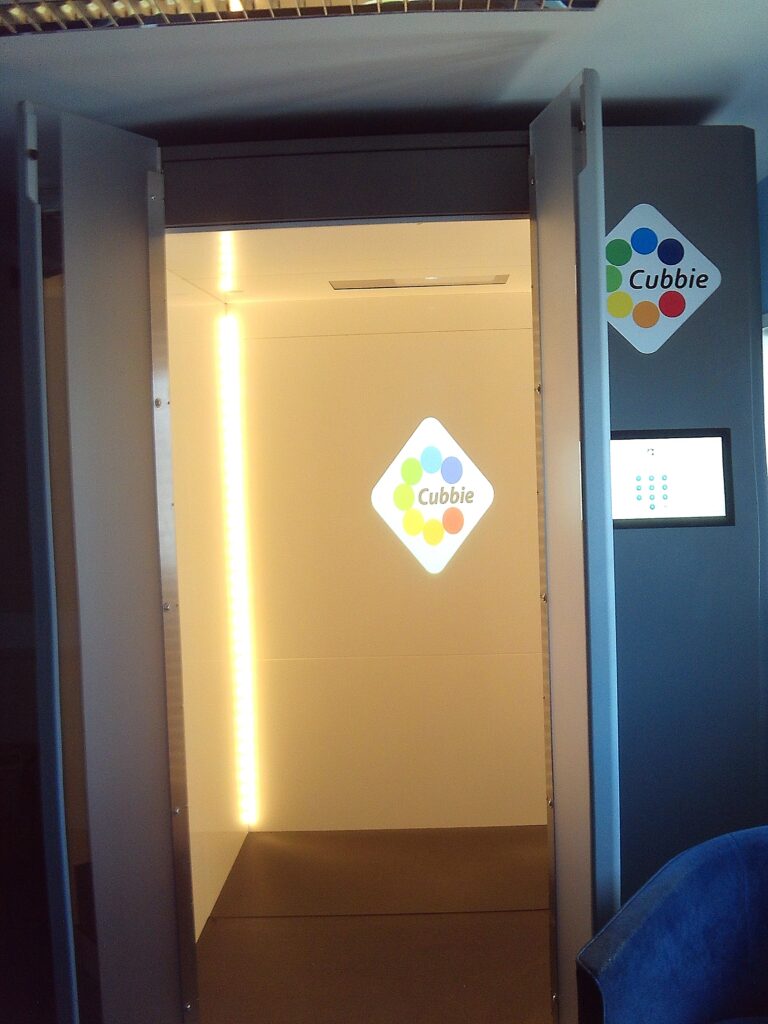
The number of foreign national prisoners had increased since the last inspection, and they now represented around 10% of the population. A specialist was active in the prison issuing documentation and offering support, but some prisoners we spoke to were not aware of resources available to them and received limited support during their early days in custody. Professional interpreting services were used infrequently on residential units.
Consultation with minority ethnic prisoners took place more regularly than at our last inspection. However, we were concerned that leaders had not yet taken robust action to address reports of inappropriate language being used by some staff.
Investigations into discrimination incidents were not always sufficiently thorough or challenging, although the introduction of prisoner scrutiny meetings was positive. These meetings allowed prisoners to review completed investigations and challenge the quality of responses. Where issues were identified, we saw evidence of appropriate action being taken.
We saw examples of good individual initiatives around the prison, for example, a peer-led LGBT group met regularly, television channels were available for the most commonly spoken languages among foreign national prisoners, and leaders were introducing a Duke of Edinburgh Award course for young adults.
Faith and religion
| HMIP prisoner survey | Yes | Compared with similar prisons |
| Have you spoken to the chaplaincy team in this prison? | 85% | Higher |
| Are you able to speak to the chaplaincy team in private, if you want to? | 73% | Higher |
The chaplaincy was active around the prison providing pastoral care to prisoners, who spoke positively about chaplaincy services.
Access to communal worship was good for most faith groups and study groups in the chaplaincy were well attended. There were gaps in provision for some faith groups, such as Buddhists and Rastafarians. Chaplaincy staff provided them with literature, but no communal worship was available.
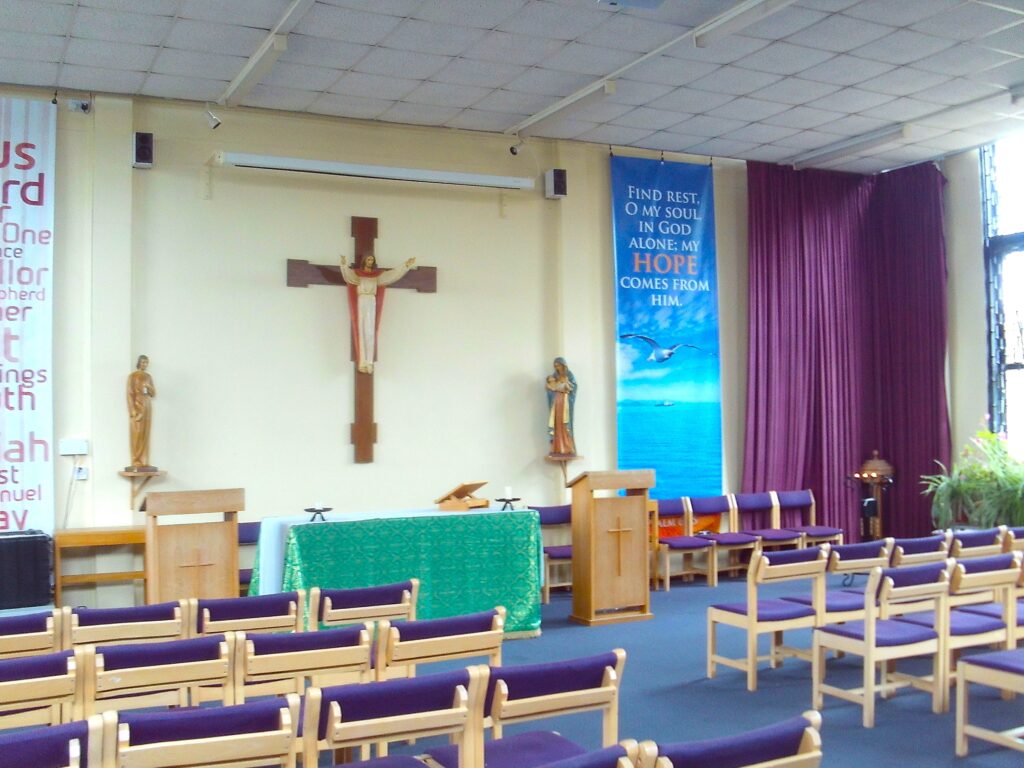
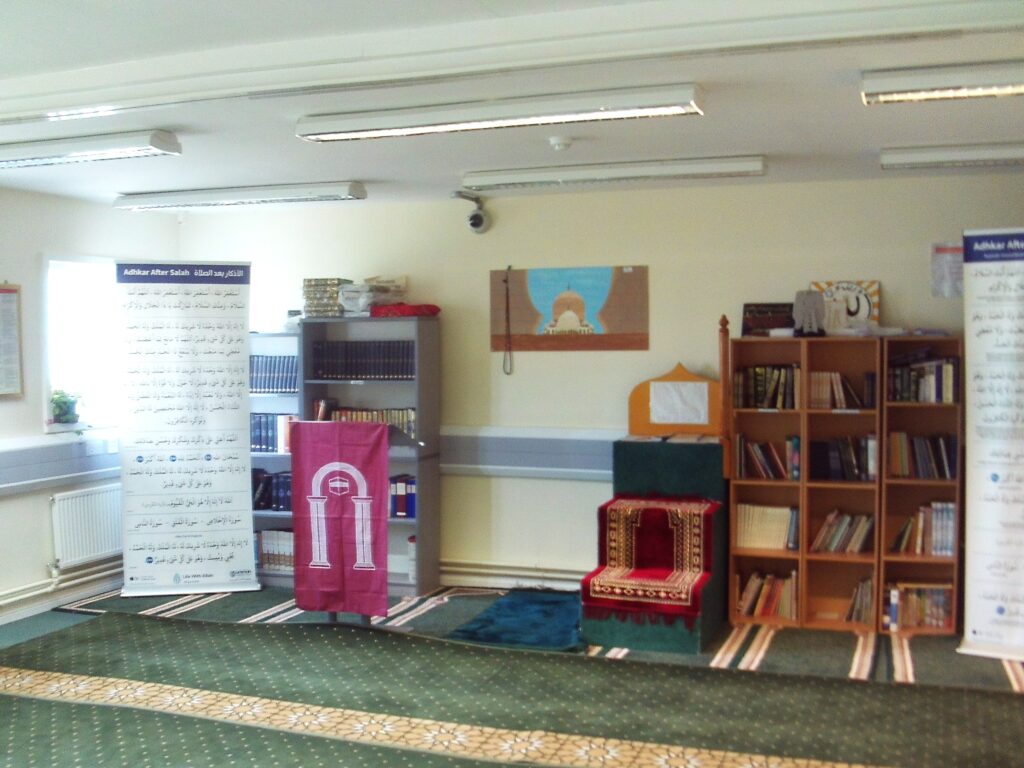
The chapel and expanded multi-faith room were pleasant, spacious environments.
Health, well-being and social care
Expected outcomes: Patients are cared for by services that assess and meet their health, social care and substance use needs and promote continuity of care on release. The standard of provision is similar to that which patients could expect to receive elsewhere in the community.
The inspection of health services was jointly undertaken by the Care Quality Commission (CQC) and HM Inspectorate of Prisons under a memorandum of understanding agreement between the agencies. The CQC found a breach of regulations and issued a request for an action plan following the inspection (see Appendix II).
Strategy, clinical governance and partnerships
There were weaknesses in oversight by the prison partnership board, which resulted in significant risks to patients, particularly in mental health and pharmacy. NHS England had not undertaken a quality visit since June 2025.
Local leaders had maintained good day-to-day working between health care and the prison.
Clinical governance and scrutiny were undermined by the lack of a rigorous and up-to-date risk register. Not all the Prisons and Probation Ombudsman’s recommendations had been achieved in a timely manner and risks to patient safety remained. Audits had failed to identify high prescribing rates with no associated physical health checks (see Mental health).
Leaders had addressed longstanding staff recruitment and retention issues in all areas. Staff felt supported and considered that managers were very approachable.
The health care centre did not have enough rooms to deliver the service. This was particularly noticeable in mental health and substance misuse where clinical, therapeutic and office space was inadequate and inappropriate.
Clinical supervision was in place and mandatory training for staff was up to date. There was a programme of further opportunities for staff development which contributed to safer patient care.
Records were kept to a good standard but some mental health patients did not have care plans which could have helped to identify the lack of physical monitoring more quickly (see Mental health). Work to rectify this was ongoing.
The infection control audit had identified a range of issues which had yet to be addressed, including the need to replace clinic cupboard doors to meet infection control and safe storage standards.
Patient feedback was gathered and used to inform service development.
The health care complaints process was well advertised. Responses that we reviewed were appropriate and addressed the concerns that had been raised.
Emergency medicines and equipment were located around the prison and subject to regular weekly checks. We identified a faulty emergency oral suction machine used in medical emergencies, which had not been replaced. This was addressed while we were on site.
Promoting health and well-being
There was no prison‑led health and well-being strategy to coordinate health promotion activities.
The small team of health and well-being champions provided peer support and were appropriately trained, coordinated, supported and supervised.
A range of health promotion materials was available, including posters, leaflets, laptop‑based information and podcasts that encouraged self‑care and education. Screening programmes and vaccinations were offered to all patients.
Patients had good access to sexual health services, with clear pathways for onward referral.
Disease outbreak plans were in place with good links to strategic public health advisers.
Primary care and inpatient services
As part of the early days in custody pathway, initial health screening and multidisciplinary scrutiny of all new arrivals were robust, which ensured that patients’ immediate clinical needs were identified.
Patients submitted paper applications to health care which were clinically triaged each day and appointments booked with the appropriate clinician. There was good access to nurse-led clinics and the GP.
Patients with long-term conditions received an annual review in line with recommended guidelines and patients participated in the development of comprehensive care plans.
Responses to emergency calls were prompt, including to patients suspected of having used illicit substances. Planned clinics sometimes had to be cancelled for this reason, but patients were rescheduled promptly to minimise delays to their care.
Waiting times for allied health services were reasonable and external appointments were well managed, with few cancellations. However, patients returning from hospital did not always receive their medicines in line with national NHS guidelines, which presented a significant risk.
At the time of the inspection, no prisoner was receiving palliative care, but policy arrangements and links with the local hospice were in place.
Patients were supported to register with a community GP before their release.
Social care
An information-sharing agreement was in place between Rutland County Council, Practice Plus Group (social care provider) and HMP Stocken.
The local authority portal was used effectively for referrals of which the prison safety team had good oversight. Most referrals were to assess individual needs for support before release.
Social care assessments were comprehensive and regular reviews took place. Families were involved where appropriate, which was good practice.
Only one prisoner was in receipt of a care package at the time of the inspection, and his social care plan was up to date and held within the clinical records.
There were no trained buddies, which was an omission (see Fair treatment and inclusion). However, reports of informal care being provided, including personal dressing, suggested there could be unmet social care needs. No prison staff had received training in social care.
An occupational therapist undertook timely assessments for equipment and reasonable adjustments. Equipment was delivered to the prison and grab rails or similar adjustments were installed promptly.
Mental health
Over the previous 10 months, significant improvements had been made to leadership, clinical expertise and experience in the mental health team. Most staff who were new to the service said they felt supported and good induction and training were in place.
Day-to-day management was effective and caseloads were manageable, with an average of 15 patients per practitioner. Referral processes had improved and urgent and routine referrals were responded to within expected timeframes.
The team attended most ACCT reviews, maintained good documentation and visited patients in the segregation unit each day. We observed staff responding promptly to urgent concerns and they described a supportive culture with advice and escalation pathways available.
However, staff vacancies resulted in insufficient access to psychological therapies. The psychologist’s contribution was limited to one day a week, which was not enough to meet the needs of a large population with complex and long-term mental health concerns. This had restricted therapeutic interventions to two weekly psychoeducational groups and limited psychology caseload activity.
Clinical record-keeping was good, with clear assessments and regular audits. Care plans were reviewed regularly and shared with patients. Access to psychiatry was good, with urgent appointments available and no waiting list.
Oversight of antipsychotic prescribing and monitoring was inadequate and did not reflect NICE guidance. Too many patients were overdue routine physical health monitoring at the time of the inspection, with evidence of delays in responding to abnormal results. This posed a significant risk to patient safety and required urgent attention (see Strategy, clinical governance and partnerships).
There had only been three referrals for transfer under the Mental Health Act in the last 12 months. Assessments were not completed within the expected timeframe and unwell patients continued to be cared for in the prison, which was not appropriate.
Support and treatment for prisoners with addictions and those who misuse substances
Health and substance misuse teams supported the prison drug strategy and there was a good joint approach to managing patients suspected of being under the influence of illicit substances.
The clinical team supported around 140 patients providing safe and flexible prescribing, including Buprenorphine (an injectable long-acting opiate substitution therapy).
New arrivals to the prison were screened for current or historic substance misuse and assessed promptly. Joint reviews of clinical treatment were up to date and care plans were in place.
Inclusion delivered an excellent psychosocial service with a range of interventions including group therapy, mutual aid and release planning.
Recovery workers supported just under 300 patients with individualised goal setting which involved patients. There was a considerable shortage of therapeutic space for the team to see their patients.
Release planning was good and the team had good links with local community providers to ensure a seamless transition for patients’ treatment.
Medicines optimisation and pharmacy services
There was no clinical pharmacist to give patients direct advice or provide oversight of the service. This was a missed opportunity.
Medicine management meetings took place regularly but did not routinely involve a prescriber. This reduced the ability to improve the service further or identify trends.
Management of the in-possession risk assessments ensured that regular reviews took place. Reviews that were overdue were followed up.
There was suitable access to a wide range of medicines, which were dispensed in a safe and timely fashion. Administration was carried out safely and prison officers undertook a good level of supervision.
We found examples of patients who had missed critical medication, for example to reduce high blood pressure or to support memory and brain function in patients with early dementia. This posed a risk to patient safety.
Tradeable medicines were monitored and audits undertake. Appropriate action was taken to address patient safety concerns.
Dental services and oral health
Time for Teeth delivered community-equivalent NHS dental treatments and oral health advice. A dental nurse was on site five days a week and a dentist or dental therapist ran daily clinics.
Waiting times were reasonable at around 10 weeks. Appointments were allocated according to clinical need, and access for urgent and emergency care was facilitated swiftly. Pain relief and antibiotics were available if needed.
The well-equipped dental suite had an adjoining decontamination room and equipment was suitably maintained and serviced.
Section 4: Purposeful activity (Back to top)
Prisoners are able and expected to engage in activity that is likely to benefit them.
Time out of cell
Expected outcomes: All prisoners have sufficient time out of cell (see Glossary) and are encouraged to engage in recreational and social activities which support their well-being and promote effective rehabilitation.
During our roll check around 82% of prisoners were unlocked, with 54% engaged in purposeful activities across the prison. Full-time workers had between seven-and-a-half and nine hours out of their cells each day, dependent on their privilege level. There were few unemployed prisoners and even those who chose not to work received about two-and-a-half hours out of their cell each day. Prisoners could exercise outside for an hour every day.
Managers offered a range of ad hoc enrichment opportunities alongside planned activities in the library and gym, which were well attended. Leaders recognised the need to develop further regular, structured activities on residential units during association periods and involve wing staff to help create and deliver a more varied and interesting programme.
Prisoners benefited from an extensive, well-equipped gym, which had been refurbished and expanded since the last inspection. Access was very good. The gym was open seven days a week and prisoners could attend up to nine times a week, based on their privilege level.
| HMIP prisoner survey | Yes | Compared with similar prisons |
| How many times in a normal week can you go to the gym or play sports? Once or more | 91% | Higher |
| How many times in a normal week can you go to the gym or play sports? Three times or more | 83% | Higher |
| How many times in a normal week can you go to the gym or play sports? More than five times | 47% | Higher |
A wide range of gym sessions, team sports and classes for specific groups were offered. Prisoners spoke positively about the physical and mental health benefits of attending gym activities.
The library offered a welcoming, well-resourced environment that was well used. Prisoners had good access seven days a week and, for full-time workers who could not attend during the day, a trolley service was taken to their work area.
Stock levels were good and met the needs of prisoners with a range of different reading levels and interests. Prisoners had good access to up-to-date legal textbooks and reference materials.
Education, skills and work activities
Expected outcomes: All prisoners are expected and enabled to engage in education, skills or work activities that increase their employability on release. There are sufficient, suitable education, skills and work places to meet the needs of the population and provision is of a good standard.

Ofsted inspects the provision of education, skills and work in custodial establishments in England. The following summary has been provided by Ofsted inspectors who attended this inspection. Their full report is published under ‘Survey materials and Ofsted full report‘.
Ofsted made the following assessments about the education, skills and work provision:
- Overall effectiveness: Requires improvement
- Quality of education: Requires improvement
- Behaviour and attitudes: Good
- Personal development: Good
- Leadership and management: Requires improvement
Since the last inspection, leaders had made notable improvements to the education, skills and work provision. Leaders had either achieved or partially achieved each of the recommendations. They had improved the quality of support for prisoners with special educational needs and/or disabilities so that it was now effective.
There were sufficient activity spaces for the entire population, although only enough full-time spaces for two-thirds of the population.
Managers in charge of allocations largely ran the process well. There were, however, long waiting lists for vocational subjects and for entry-level mathematics.
There were too many prisoners in wing-cleaning roles. They did not have enough to do to fill their working hours.
Leaders had broadened the workshop offer and enhanced the vocational training curriculum. These were more ambitious for prisoners than at the previous inspection. Links with employers such as Karcher and Toyota meant that some prisoners were trained to industry standards, and as a result received job offers.
However, staff vacancies at education provider People Plus – while less severe than at the previous inspection – persisted. Leaders had not been able to secure mathematics and English teachers consistently, which led to gaps in the curriculum. Prisoners could not consistently study these subjects at the levels they needed, which limited their progression onto vocational subjects.
There were only very limited opportunities for prisoners to develop essential digital skills.
The education provider’s teachers and trainers largely taught their subjects well. They explained new topics clearly and worked well with peer mentors.
In a minority of cases, teachers did not check thoroughly enough the meaning of key concepts. They moved on too quickly without ensuring learners had first secured foundation knowledge.
Leaders had implemented an appropriate reading strategy. The sessions taught by reading specialists were highly effective. Prisoners had access to mobile libraries on the wings and could take part in reading challenges and activities.
In most subjects, prisoners largely achieved their qualifications. However, the achievement rates in functional mathematics and English at levels 1 and 2 were too low.
In a significant number of cases, workshop instructors did not set prisoners targets that met their needs. They focused on work completion targets, but not on the employment-related skills that prisoners needed to develop.
The majority of prisoners benefitted from suitable careers information, advice and guidance. Prisoners close to release received useful support via the ‘Feel Good Friday’ initiative.
Although in most cases prisoners attended their activities well, attendance rates were too low in education classes such as functional mathematics and English. Prisoners were not consistently punctual in arriving at their activities.
In too many cases prisoners did not have a thorough enough understanding of fundamental British values, or of the dangers of radicalisation.
Section 5: Preparation for release (Back to top)
Preparation for release is understood as a core function of the prison. Prisoners are supported to maintain and develop relationships with their family and friends. Prisoners are helped to reduce their likelihood of reoffending and their risk of harm is managed effectively. Prisoners are prepared for their release back into the community.
Children and families and contact with the outside world
Expected outcomes: The prison understands the importance of family ties to resettlement and reducing the risk of reoffending. The prison promotes and supports prisoners’ contact with their families and friends. Programmes aimed at developing parenting and relationship skills are facilitated by the prison. Prisoners not receiving visits are supported in other ways to establish or maintain family support.
The prison was in a rural location and visitors who did not have access to a car often had to rely on taxis to complete their journey. A taxi from Peterborough railway station could cost more than £40, and many visitors faced lengthy train journeys before reaching the prison. One visitor told us that their journey involved a 10-hour round trip costing more than £200.
In our survey, far fewer respondents than at similar prisons said visits usually started on time (17% versus 36%). Visitors were escorted into the prison in groups so that those at the back of the queue had less time available for their visit. We met visitors who arrived hours before the scheduled start of the session to get to the front of the queue.
Visits staff were courteous and polite and interactions with visitors were professional. Although the prison faced a significant threat from the ingress of illicit items, the routine searching of all visitors’ mouths, including infants, was more intrusive than we typically see in comparable prisons facing similar risks.
The visits hall was spacious and offered a range of hot food which we do not often see. The smell in the hall from the sewers was almost intolerable (see Living conditions).
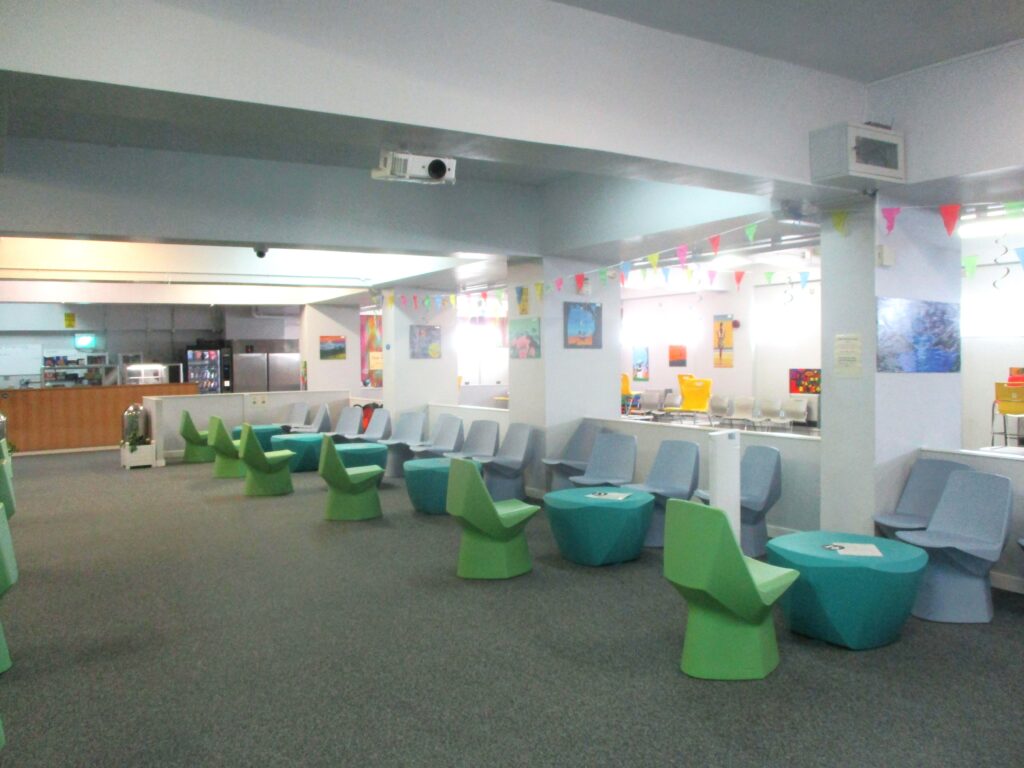
Prisoners on O wing had access to a video call suite with books that they could read to their children. However, video calling was underused across the prison with, for example, only 41% of available slots used in June 2026.
Prisoners with family concerns received good individual support from the family services provider, who also ran a parenting course that had benefited more than 50 prisoners in the previous year. The Storybook Dads scheme (enables fathers to record stories to send to their children) run by the library was also well used.
Reducing reoffending
Expected outcomes: Prisoners are helped to change behaviours that contribute to offending. Staff help prisoners to demonstrate their progress.
Almost all prisoners were serving sentences of four years or more, including over 230 indeterminate sentenced prisoners, whose release was dependent on a parole decision.
Leaders had a clear understanding of the needs of the population and the function of Stocken as a training prison. Improvements to education, skills and work provision, including the Karcher and Toyota workshops, had increased opportunities for prisoners to develop skills and support their progression. However, not enough had been done to make sure that prisoners were fully engaged and understood how the wide range of opportunities available to them could support progress.
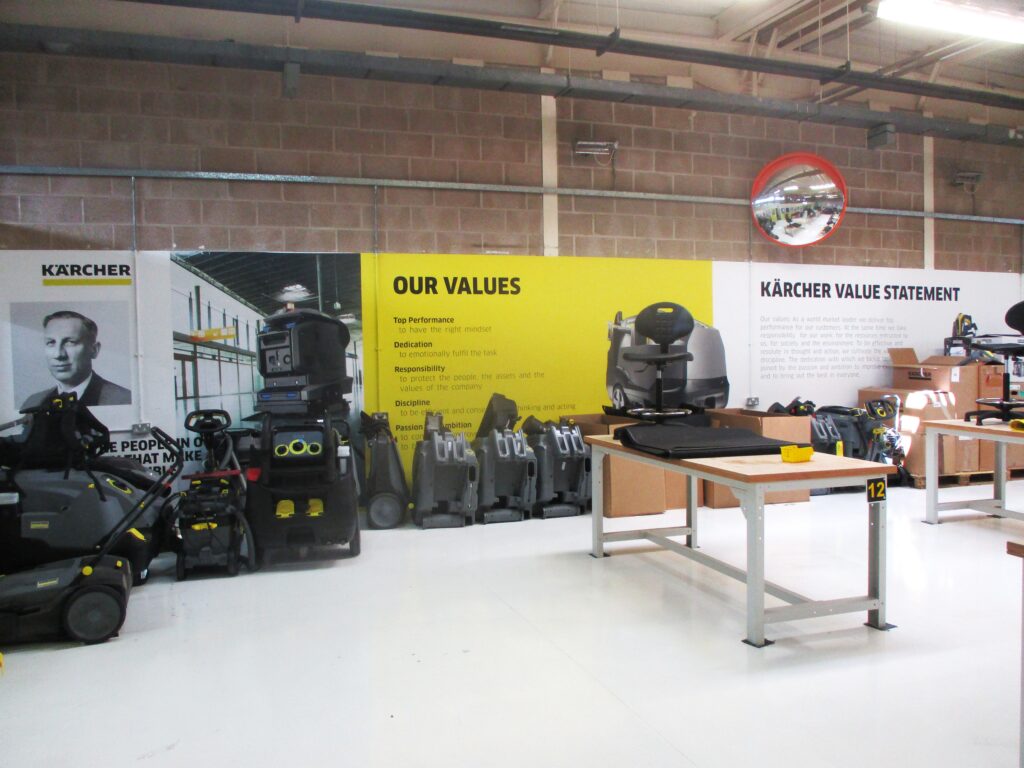
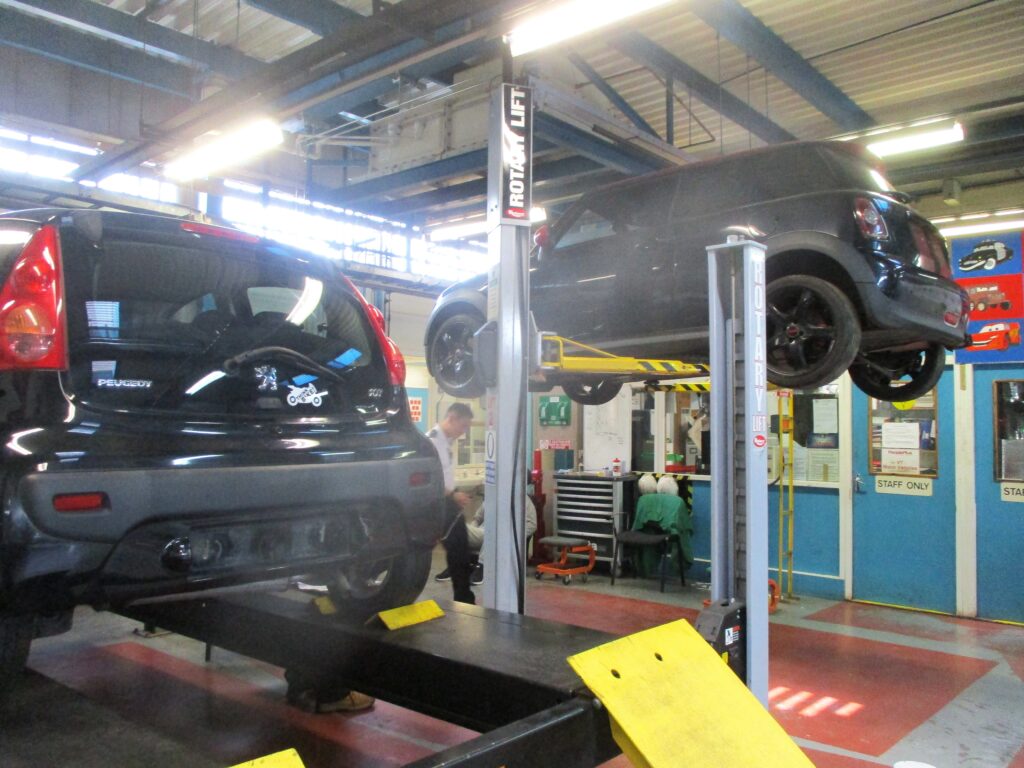
Many prisoners told us they felt stuck at Stocken and did not understand what more they could do to secure a recommendation for transfer to open conditions. There were more complaints relating to offender management than at similar prisons.
How staff were supporting prisoners and managing risk
The relatively new offender management unit (OMU) leadership team responded positively to our emerging findings and promoted a culture of continuous improvement. However, staff shortages among prison offender managers (POMs) continued to affect outcomes for prisoners. Despite these pressures, we found a committed team who worked well together.
Caseloads were too high, with some POMs managing more than 100 prisoners. Contact was prioritised for prisoners involved in time-critical activity, such as parole hearings, and these prisoners generally received appropriate support. For many others, contact was infrequent and sometimes limited to telephone calls. Key work (see Glossary), which might otherwise have mitigated the lack of POM contact, was poor, inconsistent and not linked to sentence planning.
At the time of the inspection, 119 prisoners did not have an initial offender assessment (OASys) and many more assessments had not been reviewed for several years. Leaders did not have a clear understanding of the scale of the backlog, which POMs struggled to reduce. We saw several examples where delays in completing or reviewing assessments directly limited opportunities for prisoners to progress to open conditions, causing understandable frustration.
For those who had a sentence plan, 89% knew their objectives. However, in our survey, only 31% said that staff were helping them to achieve them.
Opportunities for prisoners to progress
More than half the population had been convicted of a violent offence. Leaders had correctly identified that there was a high demand for offending behaviour programmes (OBPs) and had successfully bid to increase the capacity of the programme team.
More than 400 prisoners had been referred to the programme team to assess their suitability for an OBP. Over 200 of these had been confirmed as needing one and were added to a waiting list prioritised by release or parole date. The programme team had sufficient resources to deliver the required courses.
However, many others had not been referred to the programme team. This included those without an initial OASys, but we also saw cases where there was no justifiable reason for the delay. Waiting for confirmation that an OBP was required prevented prisoners from making progress as quickly as they might otherwise have done.
The high caseloads prevented POMs from carrying out one-to-one risk-focused work with prisoners, despite being keen to do so. A small number of prisoners whose complex needs made them unsuitable for an OBP had received bespoke risk-focused work from the psychology team. Another 12 prisoners had received trauma therapy over several months from the psychology team to help them engage with an OBP.
Many prisoners had benefited from a wide range of interventions. In the previous year, more than 150 had completed the Personal and Social Development programme through the education department, and many others had completed accredited courses on Coracle laptops provided by the prison. Useful courses were available in the gym and prisoners could gain employment skills in some impressive industries. Prisoners could also gain accreditation and experience in mentoring roles. However, it was not always clear that allocation to these opportunities was coordinated through the prisoner’s POM or recognised as part of their sentence plan.
We saw some examples of prisoners completing work which demonstrated their commitment to personal development but had not then been supported for a move to open conditions because they had not completed an OBP. This was particularly frustrating for some prisoners who would not be allocated a course for several years because of the way in which the waiting list was prioritised.
It was positive that more than 300 prisoners in the previous year had been given category D status (120 of whom had been recategorised solely as part of the temporary presumptive recategorisation scheme, see Glossary). However, difficulties with the escort provider meant that some prisoners then had to wait an unacceptably long time for a transfer to an open prison to benefit from release on temporary licence (see Glossary) and help prepare for release.
This included 12 prisoners who had been accepted for a move to HMP Spring Hill in June 2026. Since then, transport had been cancelled six times on the day of transfer, when they were waiting in reception with their bags packed, only to have to return to their wing. They were eventually transferred shortly after the inspection.
Returning to the community
Expected outcomes: Prisoners’ specific reintegration needs are met through good multi-agency working to maximise the likelihood of successful resettlement on release.
Two-thirds of prisoners posed a high risk of harm to others. The monthly interdepartmental risk management meeting provided OMU leaders with reasonable oversight of release planning for these prisoners, although departments across the prison did not always attend and actions were not always clearly recorded.
However, risk management work by the POM and community offender manager before the release of individual prisoners was collaborative and generally good.
Although the prison was not funded to provide a dedicated resettlement function, the number of people released to the community each month had increased from around 20 at the previous inspection to about 40, almost all on licence. In our survey, 71% of those who expected to be released in the next three months said that staff were helping them to prepare for this.
Leaders had developed an employment hub where prisoners received practical pre-release support, including benefits advice, employment support and preparation for release. There were also credible plans to introduce a High Street model to provide practical advice, services and life skills for prisoners approaching release, and a departure lounge to assist prisoners on the day of discharge. These initiatives were not yet operational at the time of the inspection.
Around 40% of prisoners were released initially to probation approved premises. For those who were not, support from the external pre-release team was limited, although prison staff worked together to help secure suitable accommodation. Data from the prison indicated that 27% had been released to sustainable accommodation and 3% had been released homeless.
There was an adequate range of practical support on the day of release, including the offer of transport to the local train station,
Section 6: About HMP Stocken (Back to top)
Please note, much of the following information was supplied by the establishment at the time of the inspection.
Category of the prison
HMP Stocken is an adult male category C training prison.
Brief history
Built in 1985 as a young offender institution, HMP Stocken then changed role and became a category C closed training prison. It has since expanded, with new accommodation added over several years. The most recent wing opened in 2024.
Population
1,253 prisoners were held at the time of the inspection. There was operational capacity for 1,285.
The prison received an average of 103 new prisoners each month.
On average 42 were released to the community each month.
36% of prisoners were from black and minority ethnic backgrounds.
276 prisoners were receiving support for substance use.
On average there were 130 referrals each month for mental health assessments.
Short description of residential units
Foxtrot wing: half for new arrivals and half for settled general population
Hotel wing: general population
India wing: substance use intervention wing. All cells with own shower.
Kilo wing: general population with some neurodiverse prisoners
Lima wing: integrated drug treatment wing and general population
Mike wing: half general population and half incentivised drug-free living (ISFL)
Newton wing: enhanced wing
Oakham wing: built in 2024, all cells with own shower. Mainly long-term prisoners.
Prison status (public/private)
Public
Key providers
Physical health provider: Practice Plus Group
Mental health provider: Practice Plus Group
Substance misuse treatment provider: Inclusion
Dental health provider: Time for Teeth
Prison education framework provider: People Plus
Escort contractor: GEOAmey/Serco
Prison group director
Russ Truman (September 2022 – December 2025)
Name of governor/director and date in post
Naomi Daw – acting governor January to July 2026
Jenifer McKechnie – due to take up post as acting governor from July 2026
Changes of governor/director since the last inspection
Russ Truman – from previous inspection until December 2025
Date of last inspection
16–27 January 2023
Progress on concerns from the last inspection (Back to top)
At our last inspection in 2023 we raised 15 concerns, five of which were about areas of priority concern.
At this inspection we found the following progress:
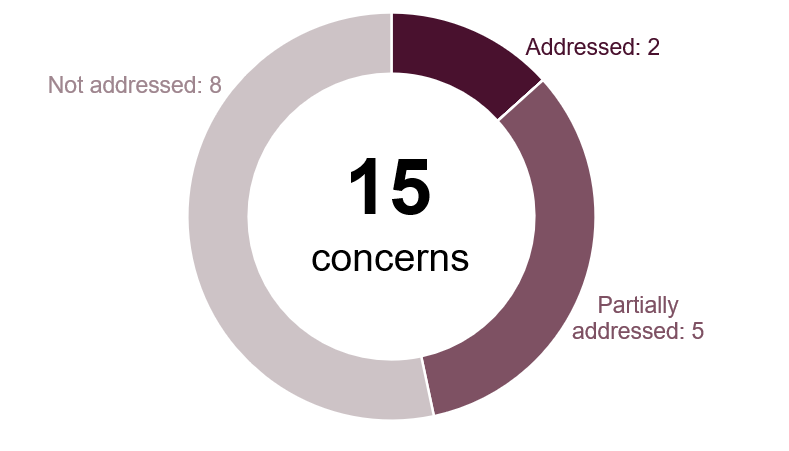
The following is a list of all the concerns raised, organised under the four tests of a healthy prison.
Safety
Key concern
Support for prisoners during their early days was weak. Not all prisoners’ risks were identified or shared with staff, and prisoners did not receive information about the prison.
Not addressed
Respect
Priority concerns
Too few key work sessions were being delivered and officers spent too long in offices instead of interacting with prisoners on the wings, limiting staff-prisoner relationships.
Not addressed
The prison’s infrastructure was in poor condition and in need of investment.
Partially addressed
Key concerns
Communal areas, food serving areas on wings and some cells were dirty. Adequate supplies of cleaning materials were not routinely issued to prisoners, and staff did not monitor wing cleaning.
Not addressed
Strategic oversight of equality and inclusion was limited and action to address potential disproportionality or to promote diversity across the prison were too often delegated to the small equality team.
Partially addressed
Too many mentally unwell patients waited beyond the recommended timeframe for a transfer under the Mental Health Act to external specialist mental health units.
Not addressed
The lack of a pharmacist to provide professional oversight had led to some weaknesses in the service.
Not addressed
Patients on opiate substitution treatment did not always see the prescriber in person for their 13-week review or to receive routine clinical observations.
Addressed
Purposeful activity
Priority concerns
There were not enough full-time activity spaces available to meet the needs of the population.
Partially addressed
Leaders and managers did not offer a broad enough curriculum that met prisoners’ needs and prisoners could not study mathematics above entry level.
Partially addressed
Key concerns
Appropriate qualifications were not offered in work areas to support prisoners to develop valuable employment skills.
Partially addressed
Staff had not received suitable training so they could support prisoners with learning difficulties to make swift progress.
Addressed
Preparation for release
Priority concern
It was difficult for prisoners to maintain contact with their family and friends.
Not addressed
Key concerns
Too many prisoners continued to arrive at Stocken without an assessment of their risks or needs. (To HMPPS)
Not addressed
Contact between offender managers and most prisoners was infrequent or task driven and did not consistently support men to make progress in their sentence.
Not addressed
Care Quality Commission Action Plan (Back to top)
Care Quality Commission (CQC) is the independent regulator of health and adult social care in England. It monitors, inspects and regulates services to make sure they meet fundamental standards of quality and safety. For information on CQC’s standards of care and the action it takes to improve services, please visit: http://www.cqc.org.uk
The inspection of health services at HMP Stocken was jointly undertaken by the CQC and HMI Prisons under a memorandum of understanding agreement between the agencies (see Working with partners) for action plans following this inspection. The Care Quality Commission issued a request for an action plan following this inspection.
Action Plan Request
Provider
Practice Plus Group Health and Rehabilitation Services Limited.
Location
HMP Stocken.
Location ID
1-4057485730
Regulated activities
Diagnostic and screening procedures, personal care and treatment of disease, disorder or injury.
Action we have told the provider to take
This notice shows the regulations which were not being met. The provider must send CQC a report that says what action it is going to take to meet these regulations.
Regulation 17 Good governance, of the Health and Social Care Act 2008 (Regulated Activities) Regulations 2014.
17 (1) Systems or processes must be established and operated effectively to ensure compliance with the requirements in this Part.
17 (2) Without limiting paragraph (1), such systems or processes must enable the registered person, in particular, to—
- assess, monitor and improve the quality and safety of the services provided in the carrying on of the regulated activity (including the quality of the experience of service users in receiving those services).
- assess, monitor and mitigate the risks relating to the health, safety and welfare of service users and others who may be at risk which arise from the carrying on of the regulated activity.
How the regulation was not being met:
- The staffing model includes 0.3 WTE of a pharmacist, but there were no regular on-site visits or oversight from a pharmacist.
- There was no pharmacist attendance at local medicines management or safer prescribing meetings.
- Patients did not have access to a pharmacist in line with the community.
- A concern regarding the high rate of anti-psychotic prescribing by a nurse had not been identified by the pharmacy team.
- The pharmacy manager, a senior pharmacy technician, did not receive supervision from a pharmacist but from a regional senior pharmacy technician.
On SystmOne, all prescribed medicines showed as ‘not clinically screened by a pharmacist’. The provider was unable to provide assurance that their sub-contractor was carrying out the clinical screening prior to dispensing.
More about this report (Back to top)
This report outlines the priority and key concerns from the inspection and our judgements against the four healthy prison tests. Each of the following four sections contains a detailed account of our findings against our Expectations for men’s prisons.
Find out more about our Expectations and how we inspect
Find out more about priority and key concerns
Find out about notable positive practice
Findings from the survey of prisoners and a detailed description of the survey methodology are published alongside this report. Please note that we only refer to comparisons with other comparable establishments or previous inspections when these are statistically significant. The significance level is set at 0.01, which means that there is only a 1% chance that the difference in results is due to chance.
The tables in this report which provide data from HMI Prisons prisoner surveys also include comparisons with similar prisons.
| Description | What it means |
| Lower | the prison’s percentage is statistically significantly lower than the comparator: prisons with the same function type, or at the last inspection |
| Higher | the prison’s percentage is statistically significantly higher than the comparator: prisons with the same function type, or at the last inspection |
| No difference | the prison’s percentage is not statistically significantly different to the comparator: prisons with the same function type, or at the last inspection |
Inspection team
This inspection was carried out by:
Martin Lomas, Deputy chief inspector
Ian Dickens, Team leader
Lindsay Jones, Inspector
Natalie Heeks, Inspector
Yvette Howson, Inspector
David Owens, Inspector
Sheila Willis, Inspector
Rick Wright, Inspector
Alicia Grassom, Researcher
Sam Moses, Researcher
Tareek Deacon, Researcher
Jasjeet Sohal, Researcher
Sarah Goodwin, Lead health and social care inspector
Angela Star, Health and social care inspector
Dayni Johnson, Care Quality Commission inspector
Saul Pope, Ofsted inspector
Andrew Holland, Ofsted inspector
Rob Mottram, Ofsted inspector
Andrea McMahon, Ofsted inspector
Find out more about the terms and abbreviations used in this report in our glossary.
Easy read summary and press notice (Back to top)
Survey materials and Ofsted full report (Back to top)
The following files may not be suitable for users of assistive technology.
Request an accessible format
If you use assistive technology (such as a screen reader) and need a version of any of these documents in a more accessible format, please email media@hmiprisons.gov.uk. Please tell us what format you need. It will help us if you say what assistive technology you use.