
HMP Highpoint
Report on an unannounced inspection of HMP Highpoint by HM Chief Inspector of Prisons 29 June –16 July 2026.
Introduction (Back to top)
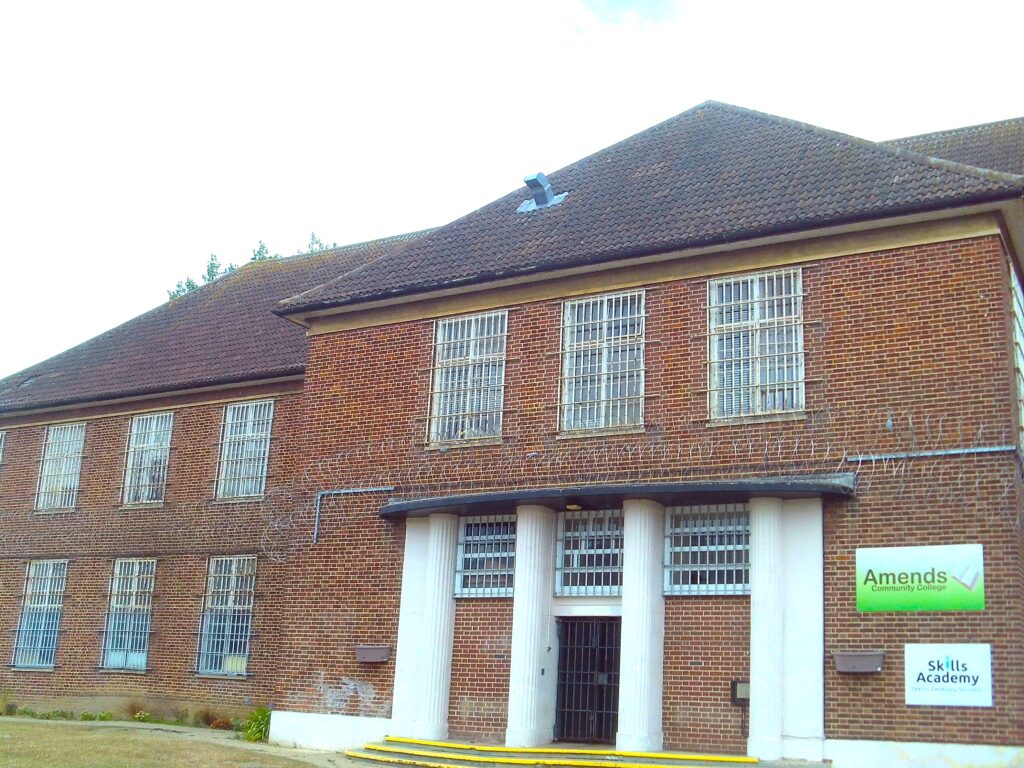
Highpoint is a men’s category C training and resettlement prison in Suffolk that held around 1,100 prisoners at the time of this inspection. In the next two years the opening of new accommodation will mean it will become the largest jail in the country. Recently, a serious fire had resulted in the closing of one of the houseblocks. This had disrupted the progression route within the prison that usually allowed the best-behaved prisoners to move to the north site, where the regime was more open.
We found a prison that continued to be generally well run by the experienced governor and his team. He had been an effective leader of a potentially risky establishment for many years, insisting on high standards of decency that had resulted in very clean and well-maintained cells and communal areas. However, there were some serious challenges that will need to be addressed by both the prison and HMPPS.
The most important of these is the ingress of contraband, often delivered by drones into this large, open site. There was a thriving drugs market within the prison with random drug tests showing a 28% positive rate. Leaders did not have a comprehensive drug reduction strategy and there was not enough support for those men who had a drug problem. There had also been a failure by the prison service to reduce the site’s susceptibility to drones. Many windows were vulnerable and prisoners had cut holes in the grilles to allow them to fish for the often-large packages that were being dropped off at the site. Problems were worse on houseblocks 1–4, but drugs were available around the prison and inspectors often smelt cannabis.
As with our last inspection in 2023, the prison scored our lowest rating of ‘poor’ for purposeful activity. Not nearly enough men were involved in meaningful work or education and attendance was poor. Although time out of cell, even for the many who were unemployed, was better than we usually see, there were too many men with not enough to do. Workshops and classrooms were often closed because of shortages of teachers or instructors, and the provision was shut on Wednesday mornings. As well as cuts to education, there had also been a substantial reduction in the prison’s dynamic purchasing system budget, which further reduced the governor’s scope to provide additional activities. Having too many prisoners with not enough to do was likely to be a cause of the widespread drug taking.
Many prisoners were frustrated by their inability to make progress with their sentences. Limited spaces on the Building Choices programme meant that men could only complete their sentence plan targets late in their sentence, delaying the possibility of a move to open conditions. Credit must, however, go to the case administration team in the offender management unit who were working very long hours to complete sentence recalculations ready for the next rounds of early releases.
Oversight and governance of health care was not good enough and the different providers often worked in silos, which meant the overall offer was disjointed. Did-not-attend rates at primary care clinics were poor and some of the facilities needed refurbishment. Social care buddies did not receive adequate supervision to safeguard vulnerable prisoners.
Staff-prisoner relationships on houseblocks 1–4 were not as good as they were in other parts of the jail and officers were often in offices rather than out on the wings. Interactions on these houseblocks were often transactional, rather than meaningful, and too much rule breaking went unchallenged.
Highpoint is a site which has, in the past, found it difficult to attract staff, but over-recruitment to some posts to prepare for the opening of the new accommodation meant that the situation at this inspection was reasonably good. Leaders were providing additional training to improve the capability of staff.
With the impending growth in the population, the prison service must do more to reduce Highpoint’s vulnerability to drones and the leaders at the jail will need to develop a drugs strategy that reduces both supply and demand. Much of this will be achieved by providing sufficient, high-quality purposeful activity.
Charlie Taylor, HM Chief Inspector of Prisons, August 2026
Outcomes for prisoners (Back to top)
We assess outcomes for prisoners against four healthy prison tests: safety, respect, purposeful activity, and preparation for release (see More about this report for more information about the tests). We also include a commentary on leadership in the prison (see Section 1).
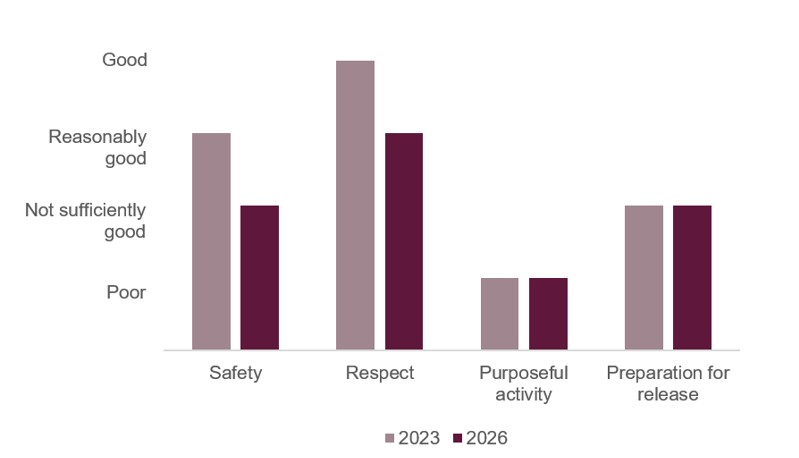
At this inspection of Highpoint, we found that outcomes for prisoners were:
- Not sufficiently good for safety
- Reasonably good for respect
- Poor for purposeful activity
- Not sufficiently good for preparation for release.
We last inspected Highpoint in 2023. Figure 1 shows how outcomes for prisoners have changed since the last inspection.
Figure 1: Highpoint healthy prison outcomes 2023 and 2026
What needs to improve (Back to top)
During this inspection we identified 15 key concerns, of which six should be treated as priorities. Priority concerns are those that are most important to improving outcomes for prisoners. They require immediate attention by leaders and managers.
| Priority concerns | |
| 1. | Drugs were too readily available in the prison and were a significant threat to stability. Prisoners were often found under the influence, and the prison’s approach to their management was often punitive. |
| 2. | Levels of violence had risen, and the rate of serious assaults had increased by 43%. |
| 3. | The partnership oversight of health services and social care delivery was poor. There was no local health delivery board and no overarching improvement plan to address some known issues. |
| 4. | Too few prisoners attended work, training or education; our roll checks found only 42% in purposeful activity during the working day. |
| 5. | Leaders did not plan a sufficiently broad, ambitious and consistently available education, skills and work curriculum. |
| 6. | Prisoners had too few opportunities to progress through their sentence. Prison offender manager contact was mainly transactional, with insufficient structured one-to-one work to help prisoners understand, work towards and demonstrate progression against their sentence objectives. |
| Key concerns | |
| 7. | The use of PAVA incapacitant spray was among the highest of category C prisons. Leaders were not analysing trends in its use, and scrutiny was not always sufficiently robust. |
| 8. | Processes to identify and help the most vulnerable prisoners at risk of exploitation and neglect were weak, and oversight of social care provision by peer workers was poor. |
| 9. | The quality of key work was still not good enough and did not link to offender management. |
| 10. | The food served to prisoners in the south site of the prison was not good enough. |
| 11. | The applications system was ineffective. Prisoners were frustrated by the length of time it took to get responses to their queries from the prison and health care providers. |
| 12. | The waiting list for psychology interventions was too long and there were too few suitable confidential rooms in which to deliver talking therapies. |
| 13. | Too few prisoners benefited from timely identification of their support needs, to enable them to overcome barriers to participation in education, skills and work. |
| 14. | Too many prisoners did not complete and achieve their intended learning aims in education, skills and work. |
| 15. | The inter-departmental risk management team did not provide sufficient oversight of high-risk releases to ensure comprehensive risk management planning. |
Notable positive practice (Back to top)
We define notable positive practice as evidence of our expectations being met to deliver particularly good outcomes for prisoners, and/or particularly original or creative approaches to problem solving. Inspectors found some examples of notable positive practice during this inspection, which other prisons may be able to learn from or
| 1. | Leaders were prioritising staff development and engagement through a staff handbook, a ‘staff charter’ and delivery of a structured induction programme for newly recruited middle leaders. (See Leadership) |
| 2. | During the reception process, peer workers sat with new arrivals in an unlocked holding room. This relaxed approach provided the opportunity for new prisoners to ask questions and seek advice. (See Early days in custody) |
| 3. | Community Dental Services had introduced an innovative oral health promotion service. (See Dental services and oral health) |
Unless otherwise specified, these examples are not formally evaluated, are a snapshot in time and may not be suitable for other establishments. They show some of the ways our expectations might be met, but are by no means the only way.
Section 1: Leadership (Back to top)
Leaders provide the direction, encouragement and resources to enable good outcomes for prisoners.
The longstanding and capable governor’s self-assessment of the prison was accurate and identified the considerable challenges currently faced.
The senior team was both dedicated and visible, but leadership instability in some key roles, including drug strategy, education, skills and work, and among senior probation officers had limited progress. Many of the concerns raised at the last inspection had not been addressed.
Despite recruitment challenges, prison officer staffing levels had improved, but leaders had concerns about the quality of staff being recruited. New starters were, for example, taken on without a face-to-face interview. A ‘staff charter’ had been developed by staff to help build a more positive workplace culture. An annual staff handbook, containing useful information and outlining the governor’s priorities, had also been issued.
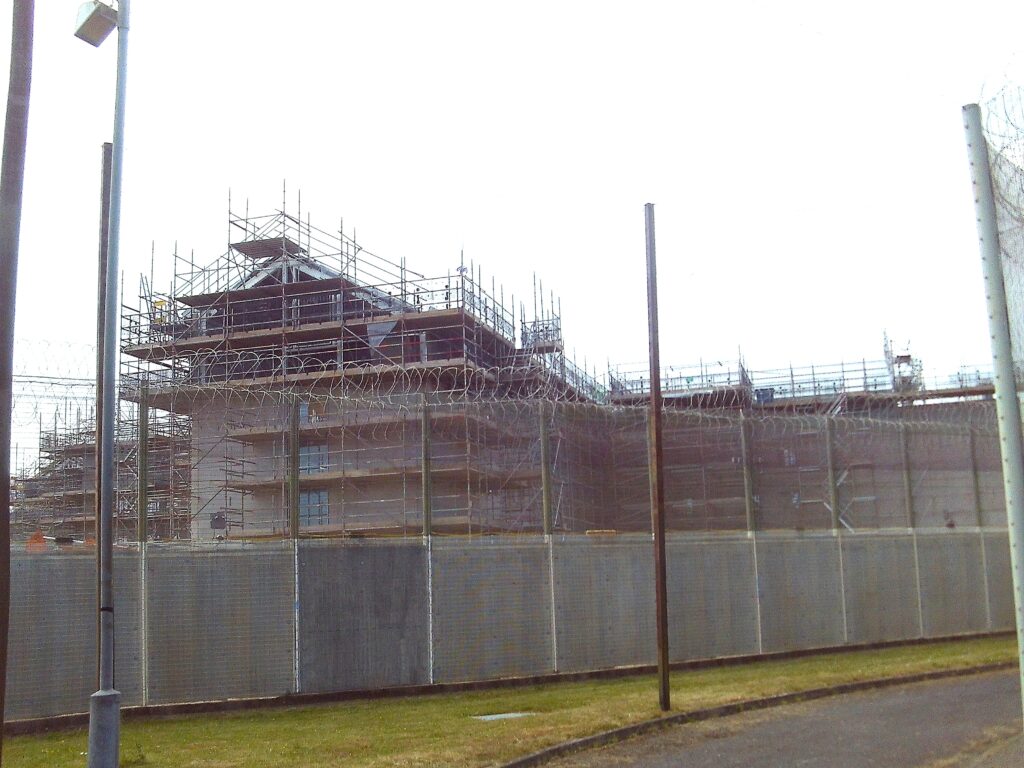
A recruitment lead had been appointed to prepare for the prison’s expansion. This included delivery of a structured induction programme for newly recruited middle leaders which had been well received. The prison’s capacity was expected to increase next year by 741 places following the construction of three residential units.
Leaders had taken appropriate action in response to security challenges from the huge amount of construction work across the site.
Leaders had continued to prioritise general standards and decency and, despite failing infrastructure across the extensive site, residential units were clean. Senior leaders had sensibly reduced the frequency of their cell decency checks to once a day, recognising the need to empower frontline staff to take greater responsibility.
While leaders offered a clear progression route for prisoners to move to the enhanced and semi-open units, this pathway had partially broken down following a fire which had closed unit 5.
A whole prison approach to reducing drug supply and demand had not been prioritised and there was insufficient focus on supporting recovery.
The offender management unit (OMU) had been affected by incessant national policy changes, and prisoners were frustrated by insufficient opportunities for sentence progression.
Although leaders had prioritised providing a good amount of time unlocked, too many prisoners were not engaged in purposeful activity. Cuts to the education contract and the prison’s dynamic purchasing system budget had reduced the vocational training offer. The prison was still not fulfilling its purpose as a training and resettlement prison.
Section 2: Safety (Back to top)
Prisoners, particularly the most vulnerable, are held safely.
Early days in custody
Expected outcomes: Prisoners transferring to and from the prison are safe and treated decently. On arrival prisoners are safe and treated with respect. Risks are identified and addressed at reception. Prisoners are supported on their first night. Induction is comprehensive.
About 150 prisoners arrived each month, an increase since the time of the last inspection. Early days support was reasonably good, even though the reception area was under reconstruction and the first night centre had recently relocated after a fire.
| HMIP prisoner survey | Yes | Compared with similar prisons |
| Overall, were you treated very/quite well in reception? | 92% | Higher |
We observed skilled, supportive interactions from reception staff. New arrivals had a private safety interview and were welcomed by a senior manager.
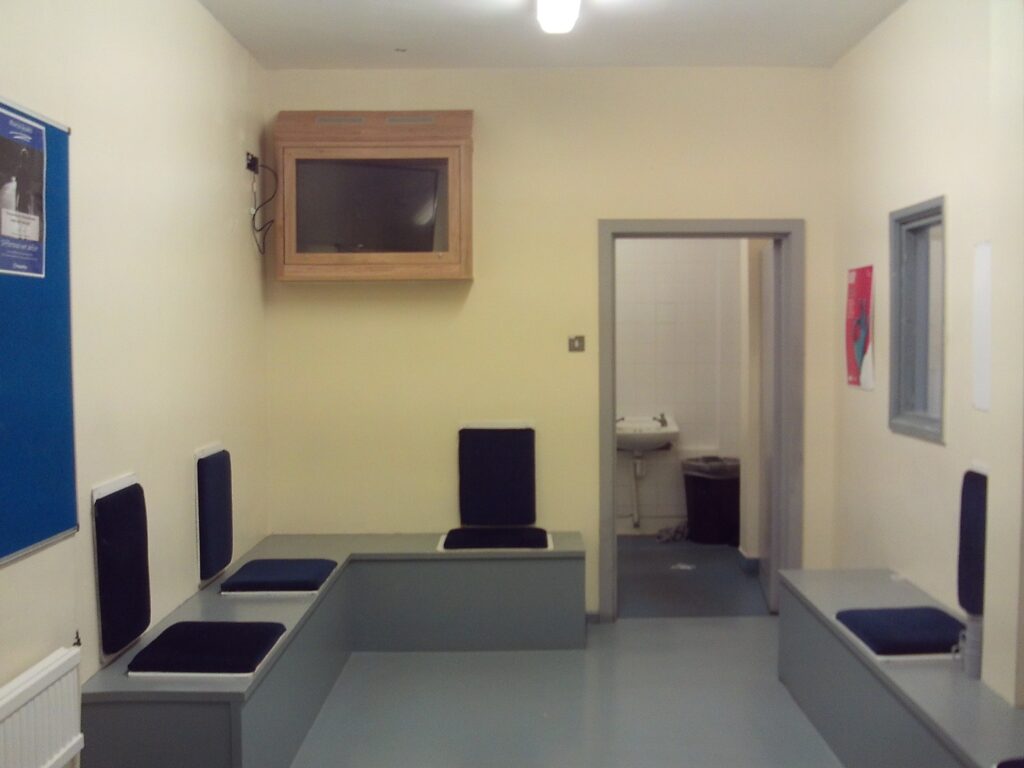
Peer workers were deployed effectively throughout early days processes. For example, they were seated in an unlocked holding room with new arrivals throughout their time in reception. This relaxed approach allowed new prisoners more opportunity than we usually see to ask questions and get advice.
| HMIP prisoner survey | Yes | Compared with similar prisons |
| Did you see someone from health care in reception? | 73% | Lower |
Escort vehicles sometimes arrived in the late afternoon or early evening, when reception and nursing staff were finishing their shifts. Coupled with some slow processes, this meant that prisoners did not always have a health screening or get a shower on their first night.
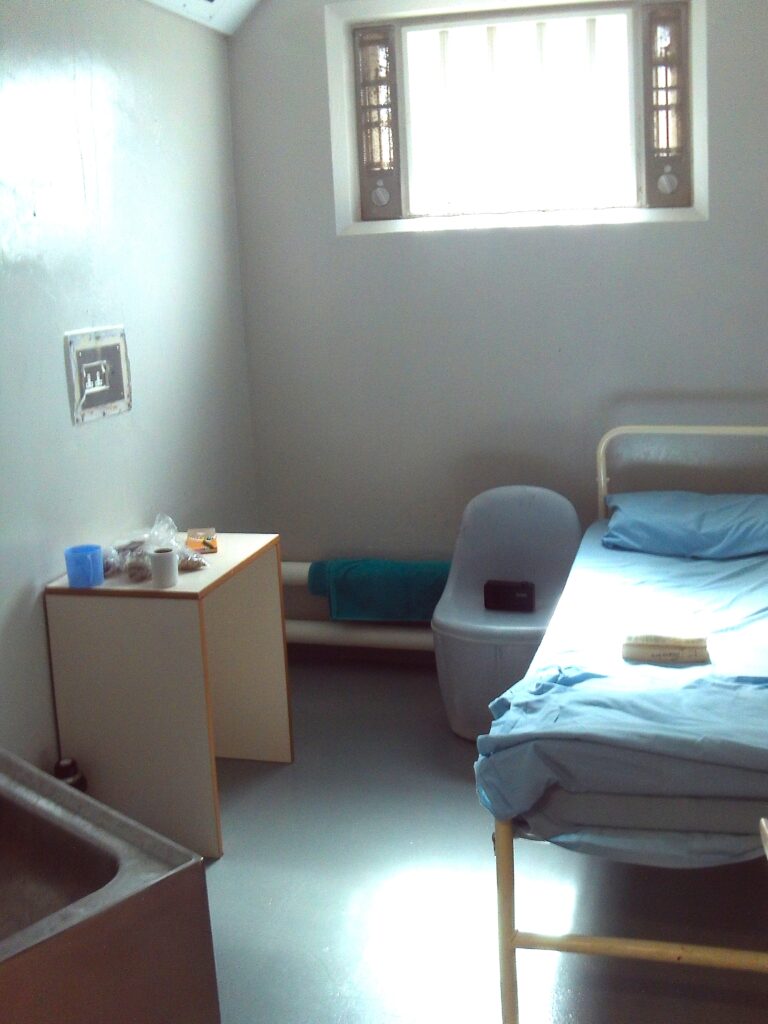
First night cells were clean and well equipped, and most prisoners had been authorised to make calls from their in-cell phone by the time they reached the first night centre. If they had no telephone credit, it was advanced to them so that they could call their families.
Induction was well delivered by peer workers, but new prisoners who had arrived late on the previous night missed the first available session because they had to return to reception the following morning to see the nurse.
Promoting positive behaviour
Expected outcomes: Prisoners live in a safe, well ordered and motivational environment where their positive behaviour is promoted and rewarded. Unacceptable conduct is dealt with in an objective, fair, proportionate and consistent manner.
Encouraging positive behaviour
| HMIP prisoner survey | Yes | Compared with similar prisons |
| Have you experienced physical assault by other prisoners? | 21% | Higher |
| Data provided by the prison | |
| Rate of overall violence per 1,000 prisoners from June 2025 to May 2026 | 239 |
| Rate of overall serious assaults per 1,000 prisoners from June 2025 to May 2026 | 27 |
The overall rate of violence had risen by 23% since the last inspection but remained at around the average for category C prisons. However, the rate of serious assaults had risen by 43%.
Leaders had a reasonable understanding of the key drivers of violence, such as debt, bullying and the illicit economy, and had held some consultation exercises to understand prisoners’ views. However, there was too little routine analysis of data to identify trends in the causes of violence.
Enhanced units provided an incentive for prisoners to behave well, particularly on the north site, which provided more time unlocked and a pleasant environment. However, the progression pathway between units had been undermined by the loss of accommodation following a fire on unit 5 and the need to separate prisoners who could not associate.
General population units were less settled. The availability of drugs undermined stability and some prisoners told us that they felt unsafe. Prisoners held on these units said that there was little to motivate them to behave well and that staff did not recognise good behaviour. While we saw good examples of support being offered to some men at risk of violence or bullying, the small number of officers deployed to address safety priorities limited their ability to meet the needs of all prisoners.
The challenge, support and intervention plan (CSIPs, see Glossary) case management approach was used to support prisoners involved in violence. CSIPs were, however, basic, with little recording of progress and inconsistent case managers. Prisoners supported by the CSIP process told us that they did not know what their targets were.
Despite this, there were some positive initiatives to address violence and encourage good behaviour. Prisoner community engagement representatives were employed to speak to prisoners involved in violence and held regular meetings with the safety team to raise issues they had identified. Prisoner mediators were active in resolving disputes. There was also some positive work with young adults who had been involved in violence, including a weekly cooking session held with a Community Engagement Representative on one of the enhanced units, which created a positive environment for those prisoners to socialise while demonstrating the benefits of sustained good behaviour.
Leaders had better oversight of isolating prisoners than at the time of the last inspection. The safety team saw these individuals weekly and staff were more consistent at offering them a daily regime. While this process worked reasonably well, we encountered one isolating individual whose needs had not been addressed for a long period (see Protection of adults at risk).
In the sample of adjudications we reviewed, there was evidence of a large proportion of prisoners refusing to attend, but the reasons for this had not been explored.
Awards were inconsistent and hearings often did not explain the reasons behind a punishment. There were no rehabilitative adjudications to support drug recovery.
Use of force
The rate of use of force had more than doubled since the last inspection, although a large proportion of this was due to increased use of handcuffing to reduce risk when uncooperative prisoners were moved around the extensive site.
In the lower-level uses of force that we reviewed, staff had been generally respectful and we saw examples of good de-escalation. Regular scrutiny of these incidents was effective and poor practice was identified and routinely challenged. Body-worn cameras had been activated in 87% of incidents over the last year, which was positive.
However, the use of PAVA incapacitant spray (see Glossary) was among the highest of category C prisons, with 53 uses in the previous year. In the footage we reviewed, we saw instances of staff deploying it without sufficiently exploring alternatives, and, in one case, an inappropriate use. Trends in PAVA use were not analysed. and leaders had not identified the disparity in scrutiny between lower-level uses of force and PAVA deployments.
Leaders had implemented some positive initiatives, such as an enhanced focus on use of force involving prisoners with hidden disabilities, and additional training in managing prisoners found under the influence.
Segregation
Average stays on the segregation unit were short, at around six days, and there was a focus on reintegration planning that addressed individual prisoner need. In the last four months, 90% of segregated prisoners had been returned to the residential units rather than being transferred elsewhere.
Leaders analysed only limited data in segregation, not enough being done to examine trends or outcomes among segregated men.
Prisoners on the segregation unit received a reliable daily regime and had access to a small library there. Distraction and art materials were also available on request.
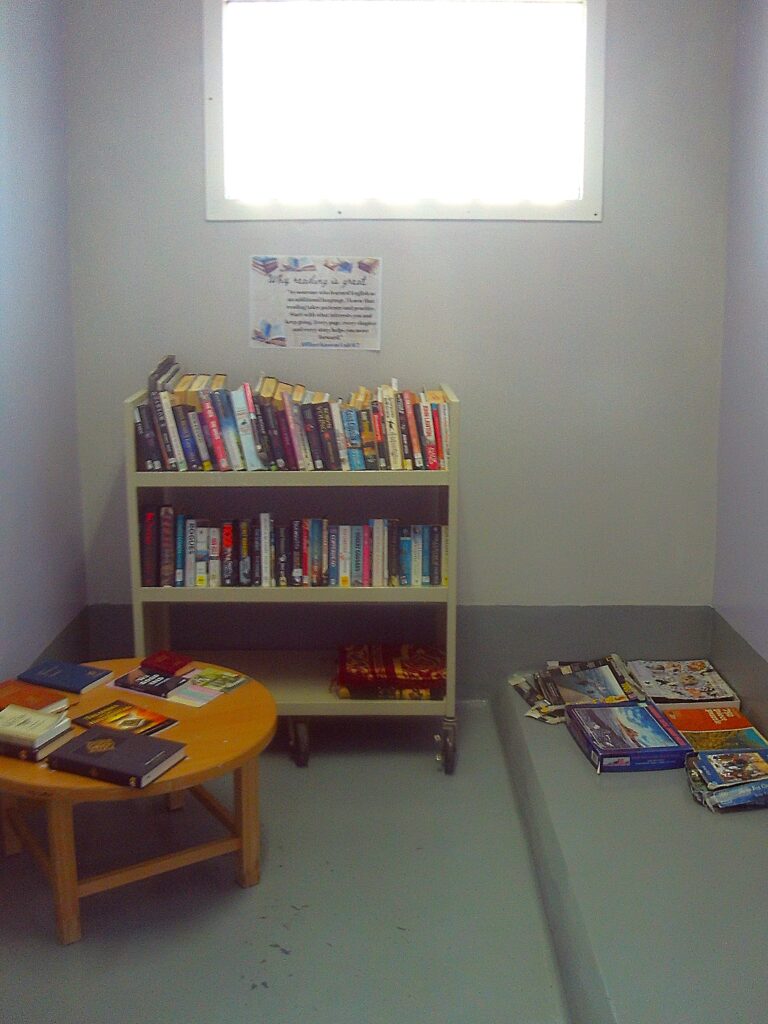
Prisoners spoke highly of unit staff, who had good knowledge about those in their care. We observed positive, respectful interactions.
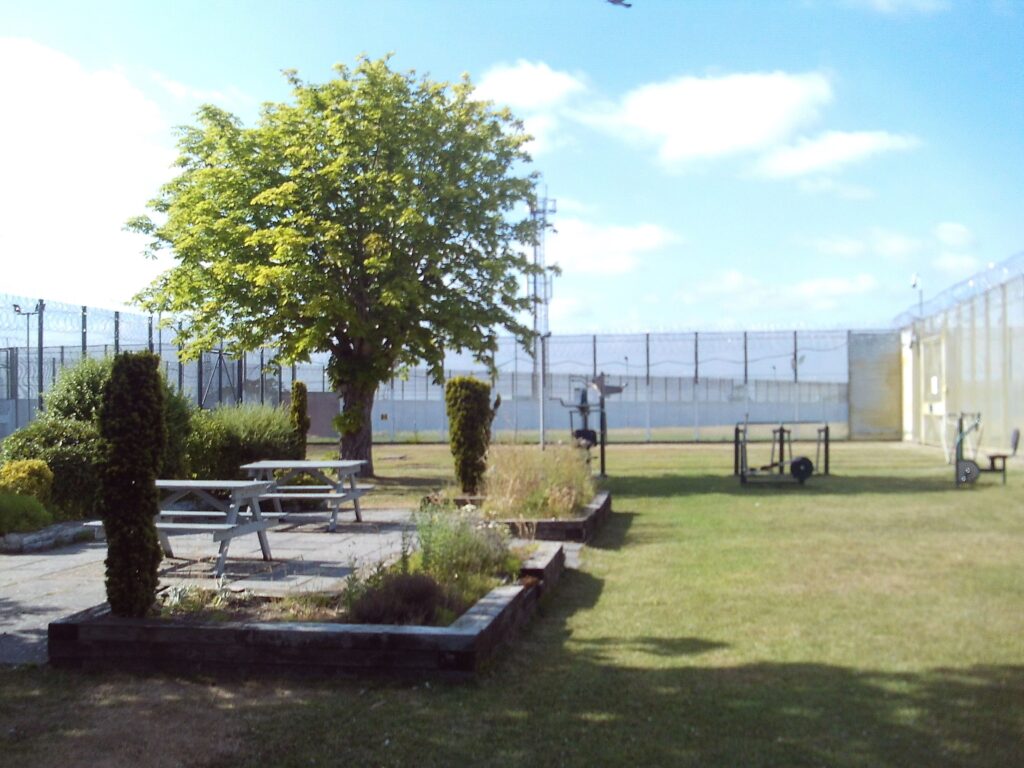
The unit was clean and in good condition. Cells were well maintained and free of graffiti. The exercise yards had some exercise equipment but were otherwise austere.
Security
Expected outcomes: Security and good order are maintained through an attention to physical and procedural matters, including effective security intelligence and positive staff-prisoner relationships. Prisoners are safe from exposure to substance misuse and effective drug supply reduction measures are in place.
| Data provided by the prison | |
| Percentage of prisoners testing positive following a random mandatory drug test in the 12 months to 30 April 2026 | 28% |
The size of the prison, level of construction activity and large number of prisoners identified as having been involved in serious and organised crime contributed to a challenging security environment.
Illicit drugs were too readily available and were a major threat to stability. The random mandatory drug testing positive rate over the previous year was 28%, an increase from 21% at the time of the last inspection. There had been two deaths confirmed to be related to illicit drugs since the previous inspection.
The number of prisoners found under the influence of illicit substances was high and we smelt drugs around the prison.
There had been some recent improvements in inter-departmental working. Leaders understood sources of ingress for illicit items, including the threat posed by drones, and had taken some steps to improve physical security: damaged window grilles had been repaired, a new enhanced gate security had opened on the south site and funding had been allocated for window grilles on the north site. Despite this, vulnerabilities remained.
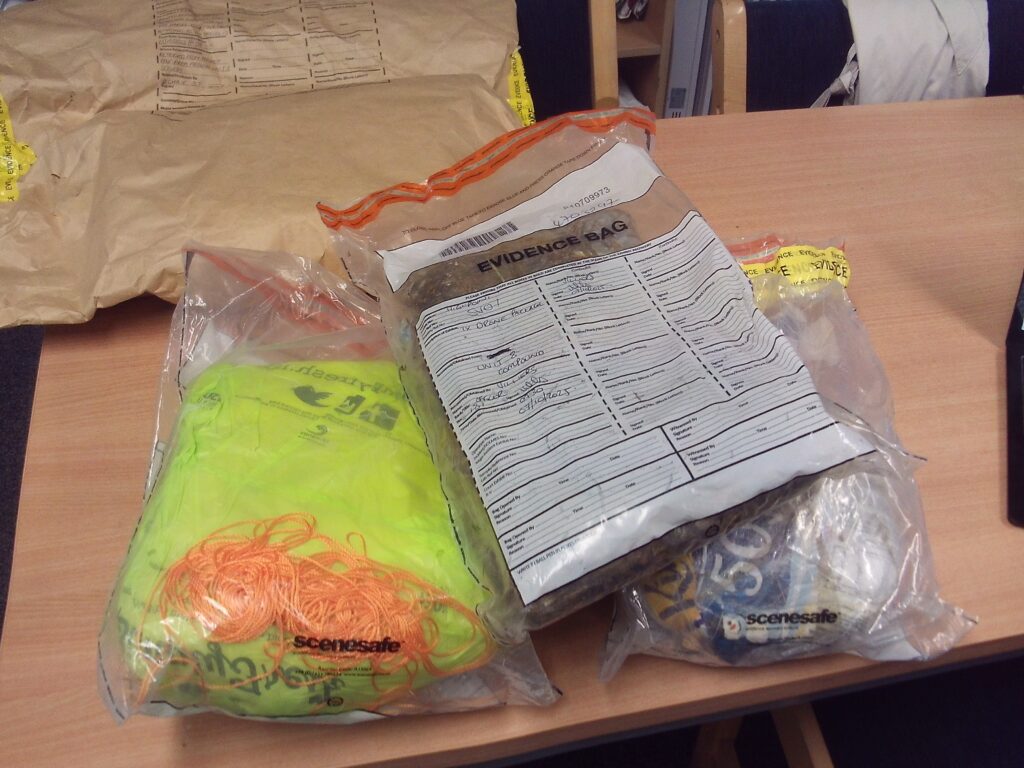
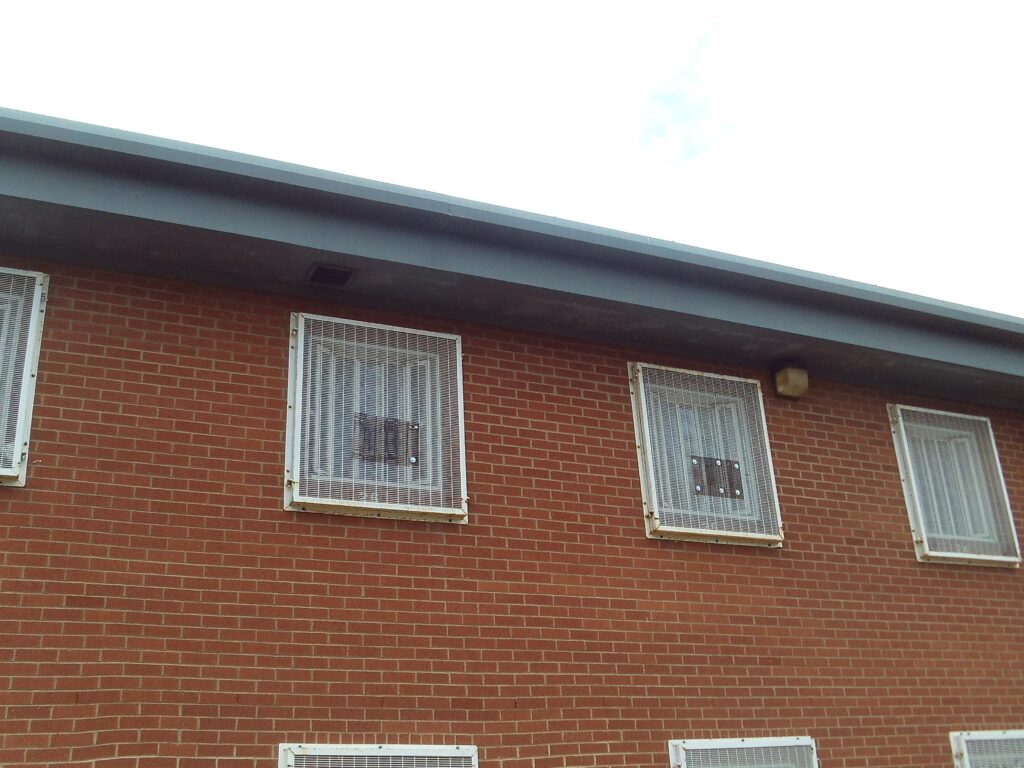
Leaders had also taken some positive steps to find illicit items. Night searching had been reintroduced and the regional dedicated search team visited the prison regularly. Since the last inspection, the number of drug finds had increased by 50%, and of illicit mobile phone finds by 25%.
However, leaders’ understanding of the networks of prisoners involved in the illicit economy was underdeveloped; a list of individuals of interest had not been updated for several months.
There was little to differentiate the incentivised substance-free living (ISFL; see Glossary) unit on unit 11 from other enhanced wings, besides some support from the substance misuse service (see Support and treatment for prisoners with addictions and those who misuse substances). The prison’s approach to managing prisoners found under the influence was usually punitive; these individuals were typically placed on a basic regime with little to occupy them.
Leaders were robust in challenging staff failures in gate and key security and provided additional training where appropriate.
Safeguarding
Expected outcomes: The prison provides a safe environment which reduces the risk of self-harm and suicide. Prisoners at risk of self-harm or suicide are identified and given appropriate care and support. All vulnerable adults are identified, protected from harm and neglect and receive effective care and support.
Suicide and self-harm prevention
The rate of recorded self-harm was very similar to that found at the last two inspections, and lower than at most other category C prisons. In the last 12 months, nearly half of all incidents concerned just 20 prisoners.
There had been one self-inflicted death since the last inspection but this had not resulted in any recommendations from the Prisons and Probation Ombudsman (PPO). However, the safer custody team was too short staffed to investigate and learn from serious incidents of self-harm, and the use of data to understand trends and develop support was too limited.
The number of prisoners being supported through the assessment, care in custody and teamwork (ACCT; see Glossary) case management process for prisoners at risk of suicide had almost doubled since the last inspection. Some of these individuals did not feel cared for. ACCT case management sometimes ended too soon, only for documents to be repeatedly reopened. The new lead for suicide and self-harm prevention had already recognised that the quality of support was too often lacking and was taking robust action to challenge poor practice.
There were not enough interventions to help prisoners in crisis. Although most prisoners benefited from a good amount of time out of their cells in pleasant surroundings, they were often bored, had easy access to illicit drugs and were frequently frustrated by a lack of sentence progression.
Other aspects of practical support were weak. In our survey, fewer prisoners than elsewhere said that their cell bells were responded to promptly. The Listener scheme (see Glossary) was rarely used, especially on the north site, although most prisoners lived in single cells and could easily call the Samaritans in private.
Protection of adults at risk
Processes to identify and help the most vulnerable prisoners at risk of exploitation and neglect were weak. Leaders did not have clear oversight of these prisoners or the actions taken to support them and did not have established links with the local safeguarding adults board to seek advice. Staff had not been trained to identify those prisoners most at risk.
We met one prisoner who had refused to step outside his cell for several months and was showing worrying signs of mental decline and self-neglect. Although he had been added to the list of prisoners discussed at the weekly safety meeting and was designated a ‘man of concern’ at daily briefings, this had not yet resulted in useful interventions.
Section 3: Respect (Back to top)
Prisoners are treated with respect for their human dignity.
Staff-prisoner relationships
Expected outcomes: Prisoners are treated with respect by staff throughout their time in custody and are encouraged to take responsibility for their own actions and decisions.
| HMIP prisoner survey | Yes | Compared with similar prisons |
| Do most staff here treat you with respect? | 75% | No difference |
| In the last week, has any member of staff talked to you about how you are getting on? | 50% | Higher |
Prisoners told us that relationships with staff were reasonable but expressed frustration about their inability to get things done. Those on general population units 1, 2, 3 and 4 were the most negative, with only limited supervision evident. Our observations suggested many interactions initiated by staff toward prisoners were perfunctory and transactional.
There were more positive interactions in reception and the segregation unit, and we observed good care towards prisoners in these areas (see Early days in custody and Segregation).
Leaders had begun to make some improvements to key work (see Glossary) through assurance checks by a dedicated manager. Sessions generally took place monthly but could be superficial and did not link to offender management (see Preparation for release).
Although there were some excellent peer support workers, particularly those based in reception (see Early days in custody), this was underdeveloped in other parts of the prison and oversight was generally poor (see Social care).
Daily life
Expected outcomes: Prisoners live in a clean and decent environment and are aware of the rules and routines of the prison. They are provided with essential basic services, are consulted regularly and can apply for additional services and assistance. The complaints and redress processes are efficient and fair.
Living conditions
| HMIP prisoner survey | Yes | Compared with similar prisons |
| Normally, are these communal areas of your wing or houseblock very/quite clean: Showers | 72% | Higher |
| Normally, are these communal areas of your wing or houseblock very/quite clean: Exercise yard | 95% | Higher |
Living conditions across both sites were reasonably good and standards of cleanliness were high.
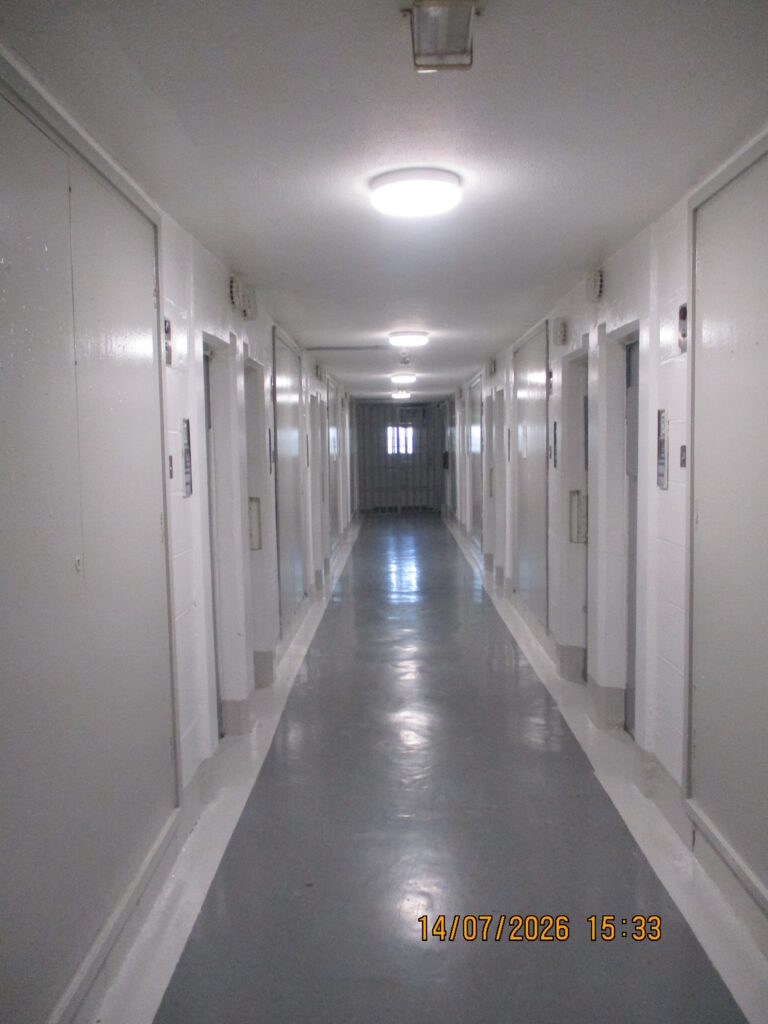
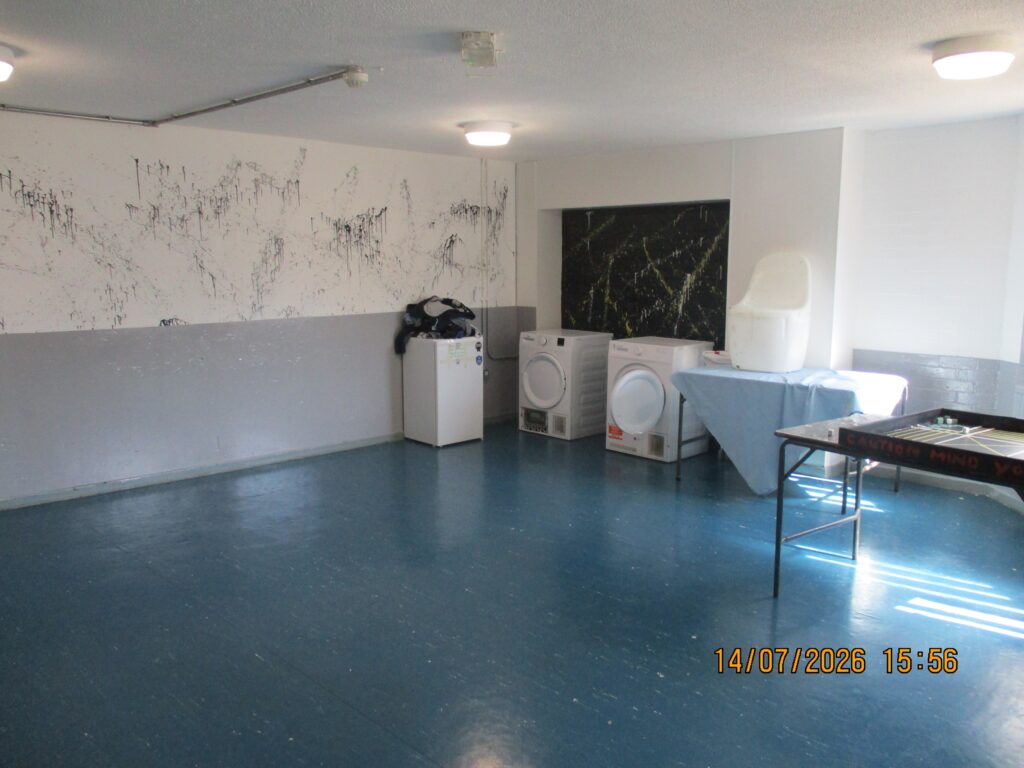
The cells we inspected were free from graffiti, well equipped and in reasonable condition. As part of the prison’s commitment to maintaining decency, a member of the senior leadership team checked each cell at least monthly.
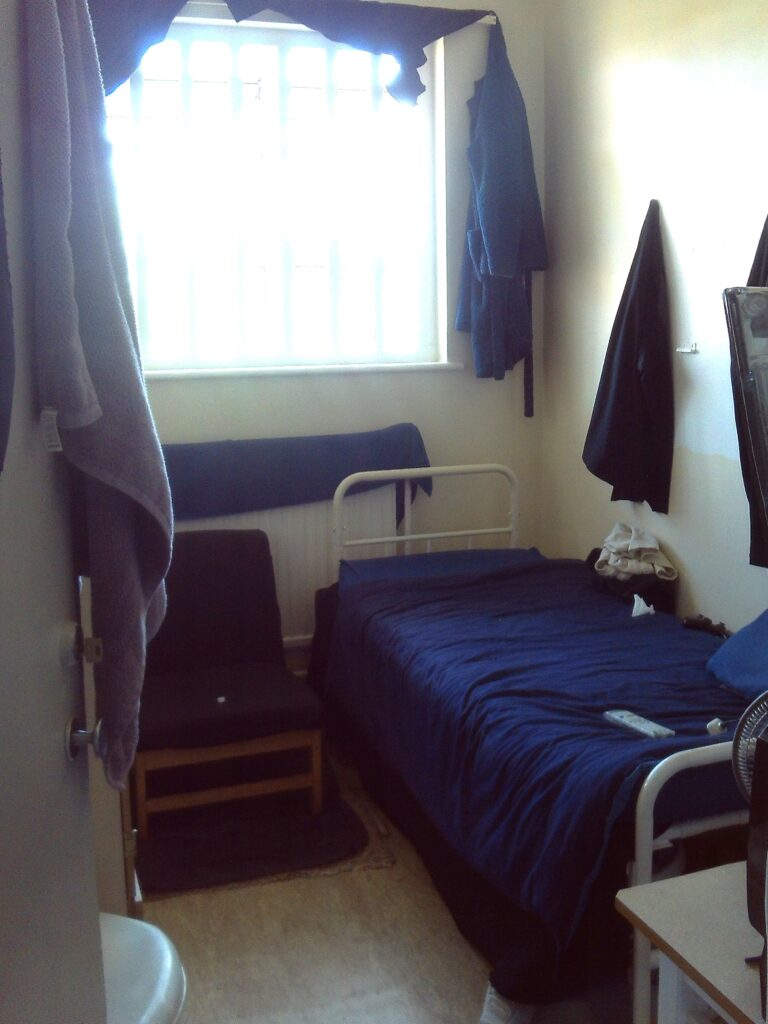
Prisoner work parties made a valuable contribution by carrying out repairs. However, some longstanding concerns, including poor ventilation and deteriorating flooring, had yet to be resolved.
Outside areas were well maintained and free from litter. On the north site, the grounds were attractive and contributed positively to prisoners’ well-being.
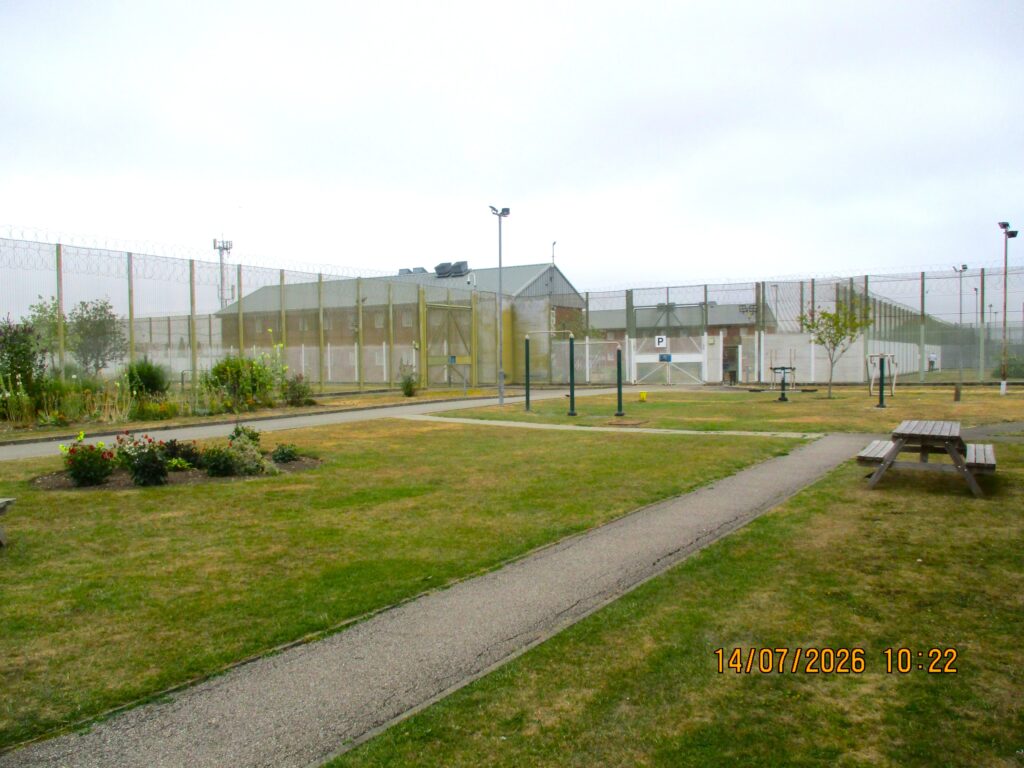
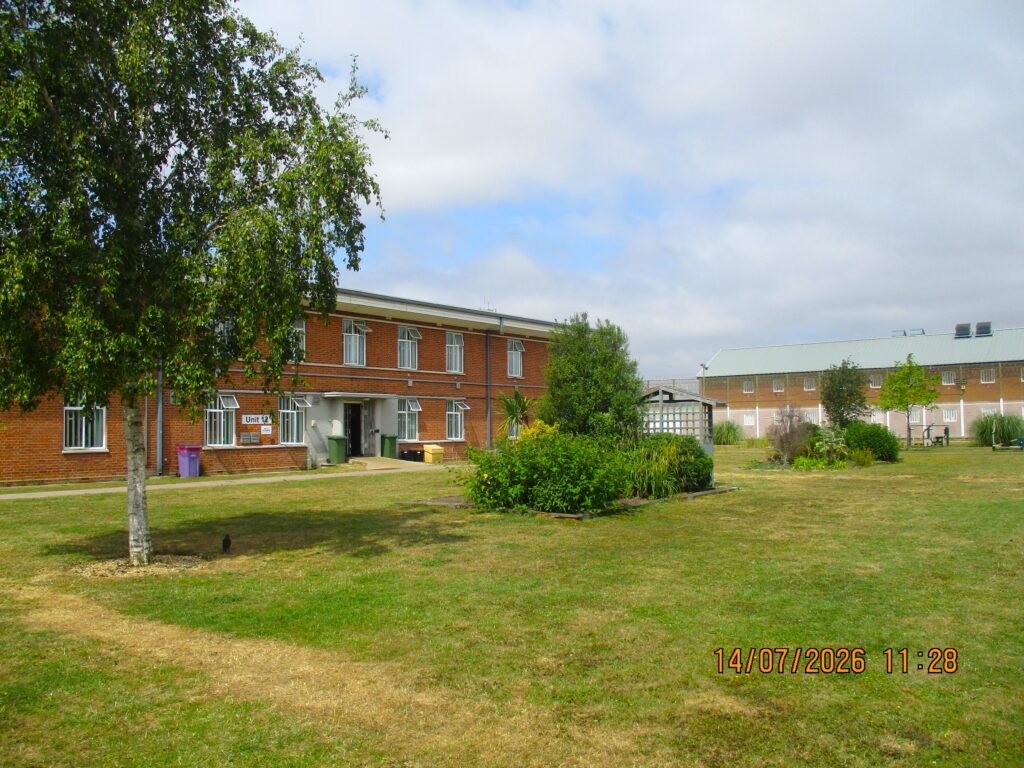
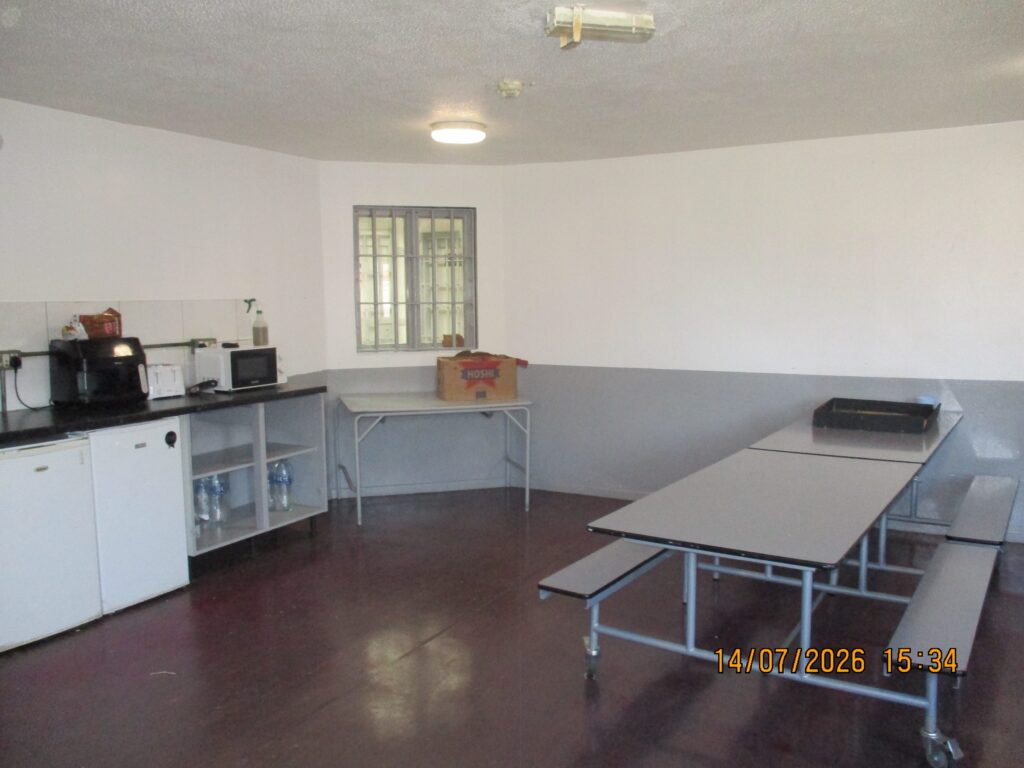
Wings contained some association equipment, such as pool tables, but communal areas were bare. Some of the older accommodation was shabby.
Residential services
There were separate kitchens and different menu options for the two parts of the prison. In our survey, perceptions about the food differed markedly between the sites, with 20% of respondents in the south site saying that the quality of the food was very/quite good, compared with 60% in the north site. We found the food on the north site to be reasonable, but meals served in the south site were often unappetising and of a noticeably lower quality. Much of the equipment in the south kitchen was out of service, and the flooring was in poor condition.
Serveries on the residential units were clean, but meals were served too early. Servery workers did not always wear appropriate protective clothing, and limited staff supervision resulted in inconsistent portion sizes.
Many units had reasonably good self-catering facilities. While these helped to offset the poor food provision on the south site, the best facilities were located on units in the north.
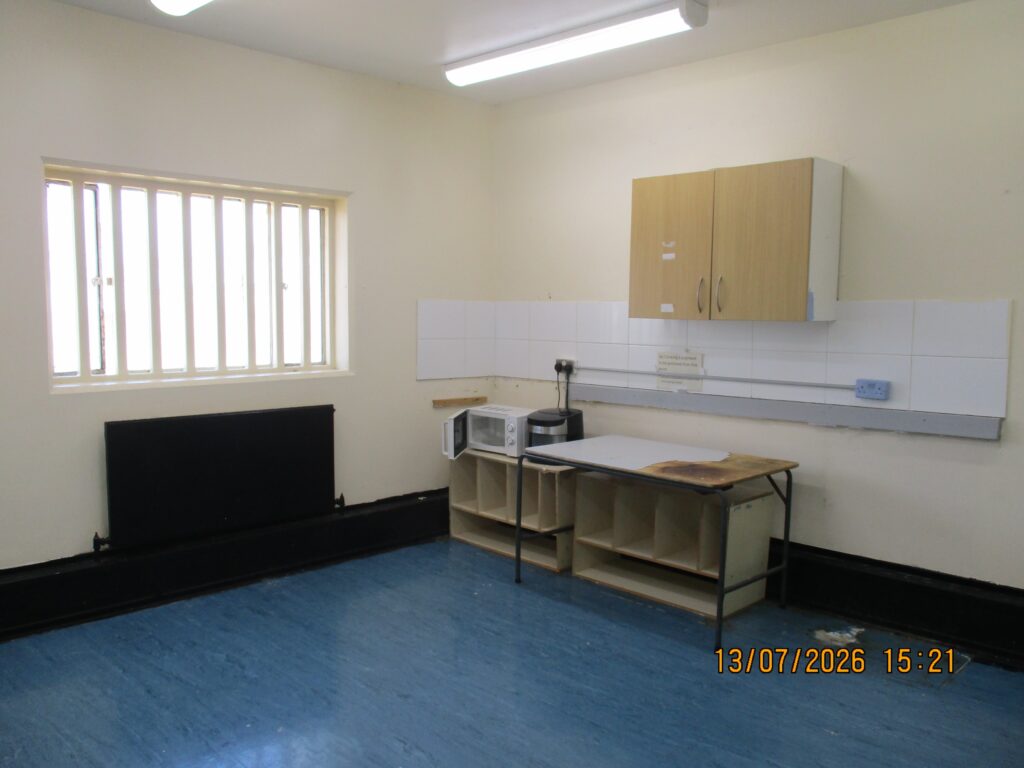
Newly arrived prisoners could order and receive essential prison shop items before they left reception, which helped them avoid getting into immediate debt.
A wide range of shop items was available, but we were told that fresh food often arrived in poor condition. Prisoners also told us of their frustration with incomplete orders and delays in receiving refunds.
Prisoner consultation, applications and redress
Consultation arrangements for prisoners were underdeveloped. Unit-level forums, led by heads of residential units, provided opportunities for prisoners to raise concerns and were reasonably effective in resolving issues.
However, awareness of these forums among prisoners was limited and there was no prison-wide council to address issues affecting the wider population.
| HMIP prisoner survey | Yes | Compared with similar prisons |
| For those who have made an application, are they usually dealt with within 7 days? | 26% | Lower |
The paper-based applications process was ineffective. There was no meaningful oversight and prisoners were frustrated that responses took a long time or were not received at all.
The number of complaints was above the average for a category C prison. The complaints process was well managed, responses were generally timely and the complaints we reviewed had been handled well.
Legal visits took place twice a week and there were no delays in scheduling, but they were held in the main visits halls, which lacked privacy. There was no provision for legal consultation using official prison video conferencing (see Glossary).
Fair treatment and inclusion
Expected outcomes: There is a clear approach to promoting equality of opportunity, eliminating unlawful discrimination and fostering good relationships. The distinct needs of prisoners with particular protected characteristics (see Glossary) or those who may be at risk of discrimination or unequal treatment, are recognised and addressed. Prisoners are able to practise their religion. The chaplaincy plays a full part in prison life and contributes to prisoners’ overall care, support and rehabilitation.
Efforts to promote fair treatment had progressed well since our last inspection and a good partnership with the Ipswich and Suffolk Council for Racial Equality (ISCRE) provided valuable support.
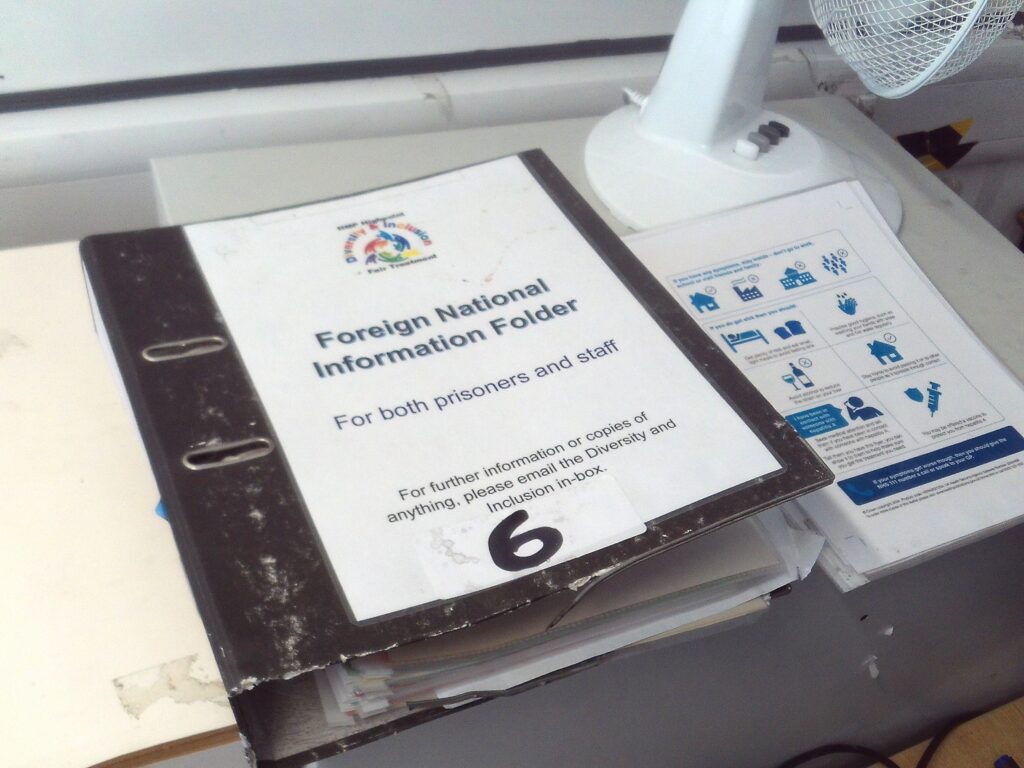
Support for foreign national prisoners had improved, with a dedicated staff member making sure that they received information about immigration matters. However, the use of professional telephone interpreting services was insufficient in some important areas, particularly reception and key work. This gap had been identified by leaders and appropriate action was being taken to address it.
Specific support for young prisoners was developing well. Among several initiatives, a ten-week course to support the development of life skills was being offered and there was good coordination between departments in delivering this provision. There was also better support for care experienced prisoners than we usually see, with a knowledgeable staff member assessing prisoners’ needs shortly after arrival and convening forums where they could highlight their concerns.
Prisoners with physical disabilities were well supported, with necessary adjustments being made and equipment provided. Prisoner evacuation plans were well managed on the units.
In our survey, 44% of respondents identified as neurodivergent, but only 22% of such prisoners said that they were getting the support they needed. The absence of a neurodiversity support manager for more than a year had had a detrimental impact on work with these prisoners.
Equality meetings took place every two months. Equality data relevant to items on the agenda were reviewed, but data for many areas of prison life were not scrutinised.
A useful programme of consultation with prisoners from different groups was being undertaken, although meetings varied markedly in their frequency.
Complaints about discrimination were addressed appropriately and there was good quality assurance. Leaders had identified that a large proportion of such complaints were from minority ethnic prisoners and ISCRE had recently been tasked with facilitating forums to explore issues in greater depth.
Faith and religion
Faith provision was valued by prisoners, with good pastoral support available. Although there were currently vacancies for chaplains, the managing chaplain had made good use of sessional chaplains and volunteers for cover.
The chaplaincy had good facilities in both parts of the prison. However, following violent incidents in the south site, Muslim prisoners were only able to attend Friday prayers on alternate weeks.
Health, well-being and social care
Expected outcomes: Patients are cared for by services that assess and meet their health, social care and substance use needs and promote continuity of care on release. The standard of provision is similar to that which patients could expect to receive elsewhere in the community.
The inspection of health services was jointly undertaken by the Care Quality Commission (CQC) and HM Inspectorate of Prisons under a memorandum of understanding agreement between the agencies. The CQC found there were no breaches of the relevant regulations.
Strategy, clinical governance and partnerships
In our survey, 37% of respondents said that the overall quality of health services was quite or very good. Patients we spoke to had mixed but mostly positive views. Overall, we found that the access to, and quality of, health services were reasonable.
NHS England (NHSE) commissioned Practice Plus Group Health and Rehabilitation Services Limited (PPG) to deliver most services, Forward Trust (FT) primary mental health services, Phoenix Futures (PF) psychosocial substance misuse services and Community Dental Services dental services. Suffolk County Council (SCC) was the local authority.
Complex commissioning arrangements and the absence of a local health delivery board meant that leaders lacked oversight of all health services and social care delivery, and there was no overarching improvement plan.
NHSE held quarterly contract review meetings and regional partnership boards, but had not undertaken a quality visit for most services since 2023. The recently completed health needs analysis had not involved patients or providers and did not consider substance misuse needs.
Despite the complex arrangements, services collaborated well informally and communicated effectively to discuss individual patients and focus on outcomes. High levels of ‘under the influence’-related activity adversely affected most services.
Governance arrangements were reasonable across all organisations. PPG’s risk register captured most risks and there was good oversight of incident management, clinical audit and safeguarding.
However, there was insufficient integration of PPO recommendations with prison systems, and some longstanding risks dependent on prison action had not been jointly reviewed. Health care complaint oversight was weak; quality assurance was inconsistent and complaint forms were not readily available.
Patient engagement was too limited and peer support was largely absent.
SystmOne (the electronic clinical record) was used across all services except social care, and record-keeping standards were mostly good.
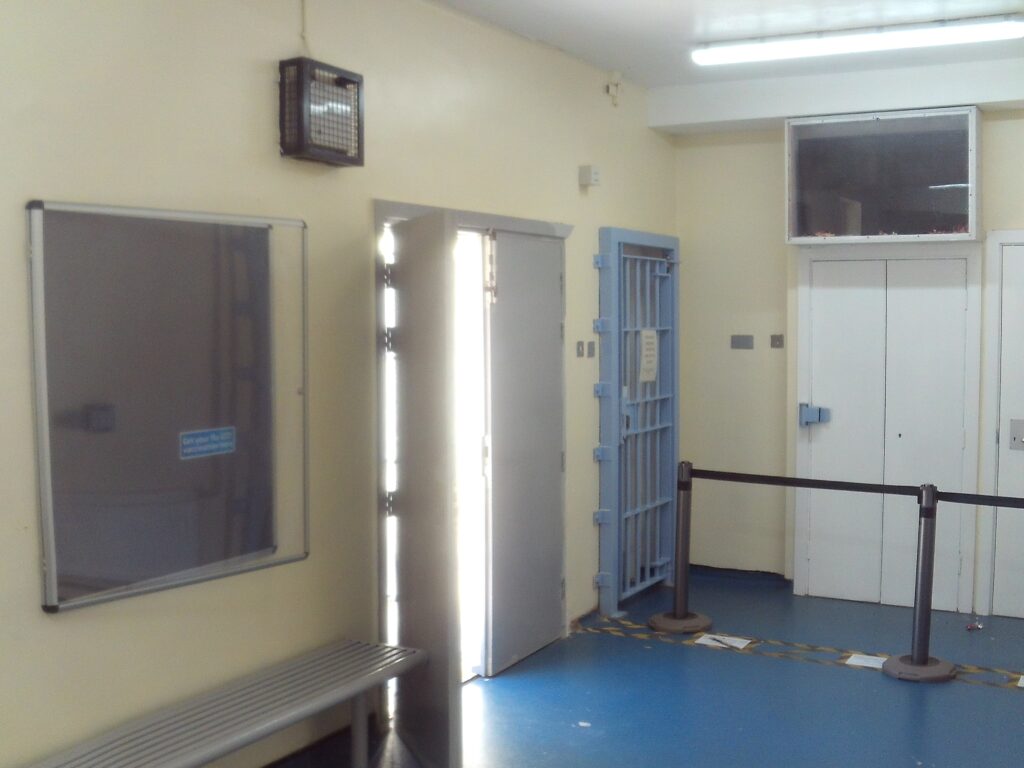
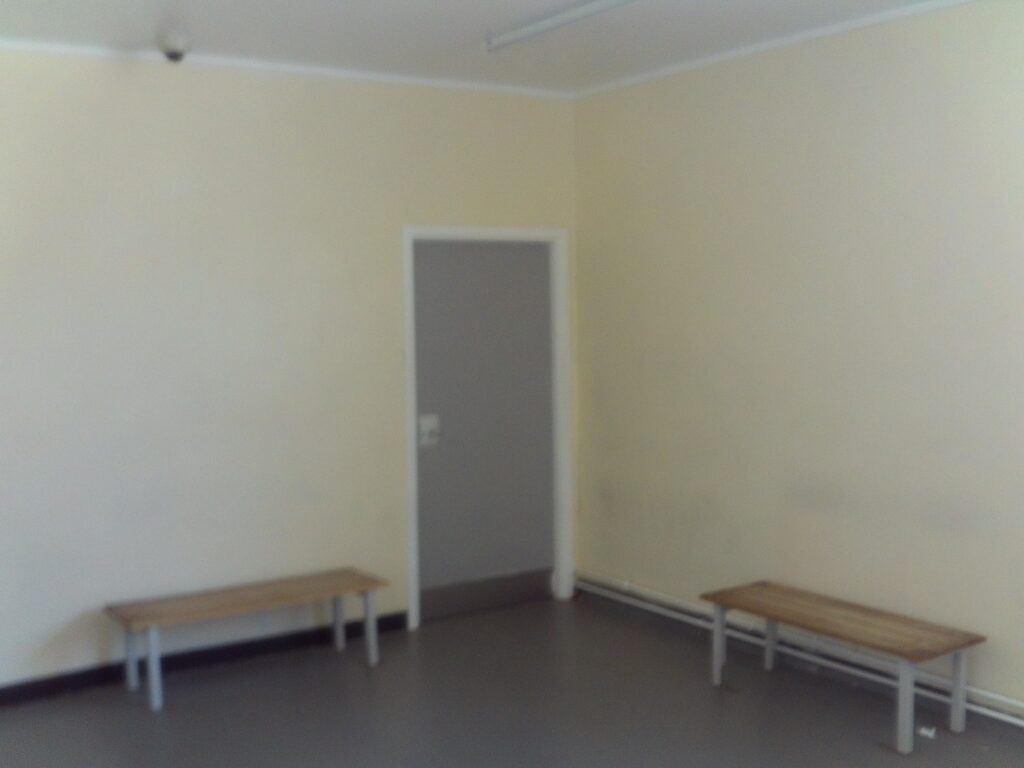
Some clinical areas in both the north and south sites were in poor condition, needed refurbishment and did not meet infection prevention and control standards, particularly in reception. The patient entrance and waiting areas in both health care departments were bleak and unacceptable.
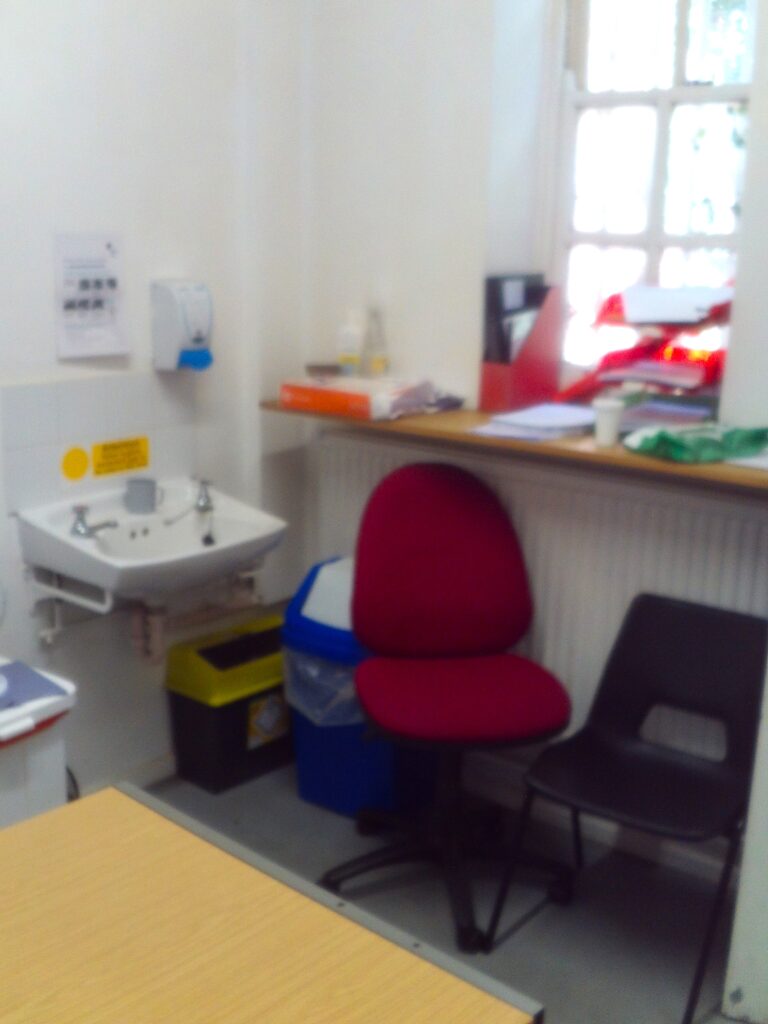
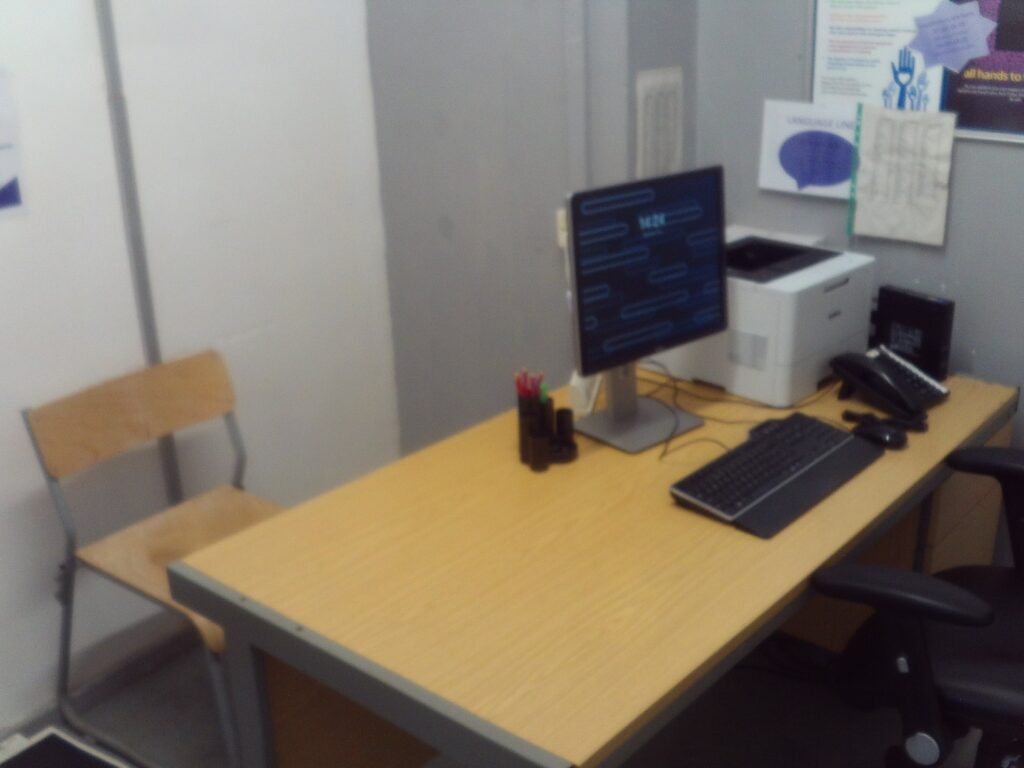
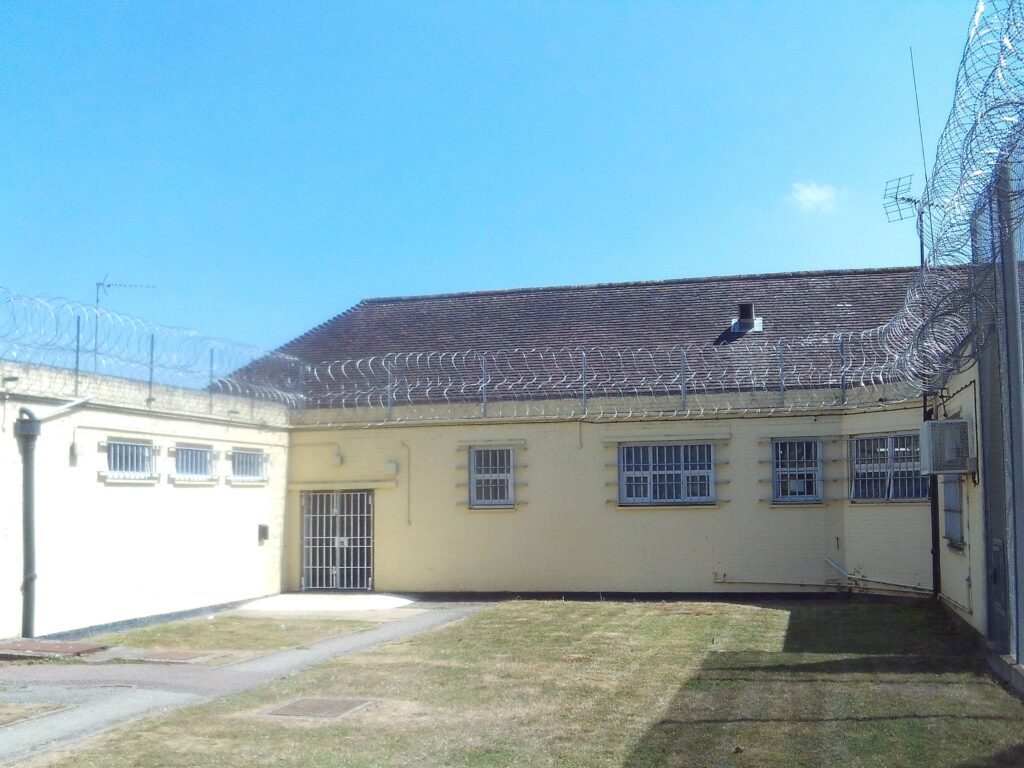
Emergency equipment and medicines were appropriately maintained and checked daily.
Promoting health and well-being
There was no prison-led health promotion strategy, and little evidence of any meaningful, coordinated health promotion activity.
Although uptake was variable, a full range of immunisation and vaccination programmes and NHS screenings was coordinated by the proactive public health nurse.
A good sexual health service was available, and screening and treatment for blood-borne viruses was in place.
Primary care and inpatient services
The primary care team delivered a seven-day service but this did not operate overnight. The service had a good skill mix of clinicians.
Initial health assessments were completed by registered nurses, with appropriate referrals made as needed. New prisoners arriving late were seen within 24 hours. Secondary health screenings were carried out in line with national guidance. Clinical room capacity across both health care centres was adequate.
The unscheduled care team responded to emergency calls and provided care for patients with more acute needs. Ongoing health care needs were met through a suitable range of primary care services. There was effective management of long-term conditions, supported by detailed care plans and regular patient reviews.
The unreliable, slow paper applications process was poor. However, the appointment system was effective, with referrals and applications clinically triaged, and waiting times were reasonable for most services. Emergency appointments were available each day. Attendance at both internal and external appointments was closely monitored. However, patient non-attendance rates reached as high as 40% in some clinics and rarely fell below 10%. There was a similar situation for the optician, physiotherapist and podiatrist.
Patients received appropriate pre-release health assessments and interventions, and were supported to register with community health care services before release.
Social care
An updated memorandum of understanding (MOU) was in place between the prison and SCC, which commissioned a community domiciliary care service to deliver social care within the prison.
Oversight of social care provision across partner agencies was poor. At the time of the inspection, there were 19 prisoner peer support orderlies in post. None had received formal training and there were no structured supervision or support arrangements. These orderlies were chosen by wing staff, but security staff were not consulted as part of the selection process. This posed a risk to the safety of prisoners receiving care and support, and did not adequately safeguard the orderlies.
One prisoner was receiving a formal social care package (see Glossary) and a further 11 were receiving some support. When the local authority was unable to provide care, or between referral and assessment, PPG covered the shortfall to ensure continuity of personal care. However, this arrangement was not reflected in the MOU.
Social care needs were identified on arrival and throughout prisoners’ time in custody. A dedicated prison officer made referrals to the local authority. Assessments were generally completed promptly and delays were followed up.
Mental health
FT and PPG worked in collaboration with the prison and PF addictions service to ensure integrated care. However, the constant search for rooms in which to undertake talking therapies undermined efficiency.
FT provided support to a third of the population (350 patients), with psychologically led individual and group therapies underpinned by psychometric measures. This enabled patients to identify areas of success in therapy, and for further work.
An impressive range of cognitively based interventions included anxiety management, sleep hygiene, anger management, eye movement desensitisation and reprocessing, and intensive and trauma-focused therapies. The waiting list for intensive work was too long, with around 125 patients waiting up to 500 days. However, action was being taken to alleviate this through enhanced staffing and greater access to groups.
The PPG mental health in-reach team offered compassionate, evidence-based treatment for patients with serious and enduring mental health disorders, and others with neurodiverse needs. There were 13 patients managed under the care programme approach (see Glossary) and reviewed through regular joint meetings.
The oversight of the physical health of patients in mental health care had improved, although there were no peer mental health champions to promote well-being.
No patients had needed transfer to hospital in the previous 12 months. PPG provided good support to prison staff to manage patients with challenging behaviour.
Support and treatment for prisoners with addictions and those who misuse substances
PF and PPG coordinated care to maximise outcomes for service users. PF now used SystmOne. The search for confidential rooms in which to see clients on the wings was a daily challenge for PF recovery practitioners.
PF assessed all new prisoners within the required timescales, with open access to services thereafter. Throughcare and pre-release preparation were carefully planned, and PF saw all prisoners believed to be under the influence. Around 250 clients were in active recovery support using personalised and group interventions, which they valued. High-quality in-cell workbooks were used alongside ‘Inside recovery’ and ‘Recovery +’ group programme materials, to develop and sustain recovery.
A drug recovery wing had been opened in 2024 and then closed, despite need. The ISFL unit in the north site had good support from PF, but there was no equivalent in the south.
A family worker introduced since the last inspection had proved beneficial. There was one peer recovery worker in the north site but none in the south. Alcoholics Anonymous mutual aid was available in the north site only, although discussions were under way to expand provision and reintroduce Narcotics Anonymous.
PPG treated 45 patients for opiate dependence following national guidance. Treatment now included long-acting buprenorphine (an opiate substitution medication), which liberated patients to develop a better work/life balance. Prescribing was personalised and subject to multidisciplinary scrutiny.
The under the influence strategy developed by the prison, PF and PPG was the most comprehensive we had seen, but our observations on residential units showed that it was not being adhered to (see Security).
Medicines optimisation and pharmacy services
A highly skilled pharmacy team provided a limited service and there were no pharmacist clinics. Team members worked collaboratively with health care colleagues, completed medicine reconciliation for new patients and supported medicine policies.
Suitable arrangements were made for transporting medication around the prison. However, the pharmacy team did not have access to two-way staff radios, which could have compromised safety.
Medicines were labelled appropriately and stored correctly.
Pharmacy technicians led medicines administration; patients’ identification card and prison number were checked. Prison officers supervised the queues suitably. However, a Perspex screen across the administration hatch created a barrier for effective conversations with patients.
The time taken to administer medicines was too long, and patients reported having to miss their medicine doses to attend other activities. Specific initiatives supported the safe supply of complex medicines, to make sure that patients received their dose on time.
Suitable records were kept of medicines administration, including patients not attending, which was closely monitored.
Around 86% of patients received their medicines as in possession (IP), to support self-management. IP risk assessments were completed and reviewed. However, supplies were provided in clear rather than paper bags, so other patients could potentially see the medication. Lockable storage facilities were available in cells.
Medicines were available when the pharmacy was closed, and were suitably managed. Advance notice of patients attending court or transferring enabled medication to be prepared.
Medicines management meetings were held, medicine errors were appropriately managed and drug safety alerts were correctly responded to. Confidential waste was suitably handled and medicines waste was correctly disposed of.
Dental services and oral health
The waiting time for a routine appointment had reduced following an increase to nine dentist sessions each week, split between both sites. However, the variation between north (13 weeks) and south (five weeks) units was inequitable and required focus. Urgent need was appropriately prioritised.
All equipment was serviced in line with requirements, and the dental suites were generally clean and in reasonable condition. There was no separate decontamination room in the north site, but processes were in place to mitigate this.
In the south site, some broken prison equipment and the unacceptable, disruptive environment presented risks to patient safety and needed immediate attention.
The dental service had introduced an innovative dental nurse-led fluoride application service which gave a clear focus on oral health promotion and disease prevention. This enhanced service was available to all patients after their first appointment with a dentist.
Section 4: Purposeful activity (Back to top)
Prisoners are able and expected to engage in activity that is likely to benefit them.
Time out of cell
Expected outcomes: All prisoners have sufficient time out of cell (see Glossary) and are encouraged to engage in recreational and social activities which support their well-being and promote effective rehabilitation.
| HMIP prisoner survey | Yes | Compared with similar prisons |
| Do you usually spend less than 2 hours out of your cell each day on Monday – Fridays? | 5% | Lower |
| Do you usually spend less than 2 hours out of your cell each day on Saturday – Sundays? | 4% | Lower |
Time out of cell was good across both sites. Prisoners in full-time employment received up to nine hours out of cell during the week, while those on the basic regime or who were intentionally unemployed had up to three hours and 45 minutes. Prisoners living on the semi-open units (6, 7, 11, 12 and 13) were not routinely locked in their cells and benefited from good access to the open air.
Our roll checks found that only 17% of prisoners were locked up during the working day, which was similar to our finding at the previous inspection. However, only 42% of prisoners were engaged in purposeful activity, which was too low for a training prison. We estimated that approximately 350 prisoners were not participating in education, training or work each day.
At the time of the inspection, 91 prisoners were refusing to engage in work or education. Many told us that they chose not to attend because of the poor quality of the activities available, describing the work as repetitive and lacking stimulation.
There were few enrichment activities available on most wings, and we observed prisoners with little to occupy them during association periods, apart from playing pool (see Living conditions).
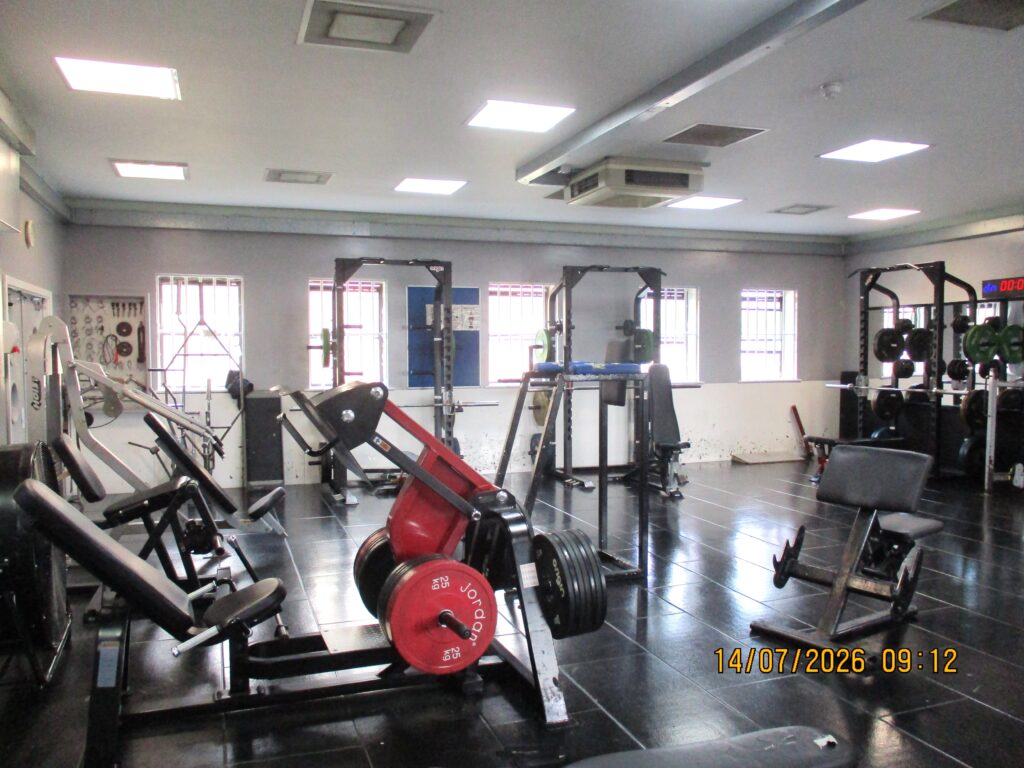
In our survey, prisoners reported more frequent access to the gym than we usually see. Those who wished to attend were generally able to do so regularly, and some accessed more than one session a day. Despite this, the prison’s data showed that participation rates were low, with only 32% of the population on the south site attending the gym.
Gym facilities on both sites provided a wide range of indoor sports and physical activities. However, as a result of ongoing building work, outdoor sports facilities were unavailable, and this had adversely affected the delivery of accredited and educational courses.
The libraries provided a good range of resources. Each site offered a varied selection of titles and formats to meet different needs. However, prison data indicated that only around a quarter of the population used the facilities.

The libraries hosted a small number of activities, including a chess club, book groups and creative arts sessions, but attendance was low and access to these activities was limited.
Education, skills and work activities
Expected outcomes: All prisoners are expected and enabled to engage in education, skills or work activities that increase their employability on release. There are sufficient, suitable education, skills and work places to meet the needs of the population and provision is of a good standard.

Ofsted inspects the provision of education, skills and work in custodial establishments in England. The following summary has been provided by Ofsted inspectors who attended this inspection. Their full report is published under ‘Survey materials and Ofsted full report‘.
Ofsted made the following assessments about the education, skills and work provision:
- Overall effectiveness: Inadequate
- Quality of education: Inadequate
- Behaviour and attitudes: Requires improvement
- Personal development: Requires improvement
- Leadership and management: Inadequate
Leaders had not rectified sufficiently the concerns identified at the previous inspection. Too many longstanding weaknesses remained in education, skills and work. Attendance was too low, too few prisoners achieved their intended learning aims and leaders’ actions to improve reading had not had sufficient impact. Longstanding vacancies in teaching, careers and neurodiversity roles limited prisoners’ access to education and support.
Leaders had planned sufficient activity places by combining full- and part-time opportunities. However, allocation arrangements were not effective enough to make sure that prisoners participated in purposeful activity. Too many prisoners remained unemployed or intentionally unemployed, while places in some education, training and work activities remained vacant.
Leaders had developed useful employment pathways linked to local labour market priorities, particularly in specialist vocational areas. However, the curriculum was not sufficiently broad or consistently available to meet prisoners’ needs. Too few prisoners accessed English, mathematics and vocational training, and the curriculum did not meet the needs of all prisoner groups, including young adults.
The Prison Education Service (PES) provider did not deliver education and vocational training consistently. Longstanding teaching vacancies and difficulties in retaining staff prevented the PES provider from delivering some planned provision. Where teaching was most effective, prisoners developed useful vocational knowledge and practical skills. However, the quality of teaching was too variable, and feedback did not consistently help prisoners improve their work.
Prisoners developed practical skills and positive work habits through work activities. However, too few prisoners working in industries gained recognised qualifications or received structured opportunities to develop and demonstrate their knowledge, skills and behaviours.
Leaders’ actions to improve reading had limited impact. Reading support, access to appropriate interventions and opportunities to develop reading skills were inconsistent across the prison. Consequently, too many prisoners with low reading ability made insufficient progress in developing these skills.
Prisoners with identified learning difficulties and/or disabilities who attended education received effective support to enable them to participate in learning. However, the longstanding vacancy in the neurodiversity support manager role meant that too few prisoners who were not attending education classes had their additional learning needs identified or supported.
Too few prisoners completed and achieved their intended learning aims. Achievement in functional skills English and mathematics remained particularly weak and too few prisoners progressed successfully from entry level 3 to level 1 qualifications.
Attendance remained too low in education despite some recent improvement, although it was higher in work and vocational training. Too many prisoners arrived late or failed to attend planned activities, reducing the continuity of their learning and limiting the progress they made.
Prisoners who received careers information, advice and guidance valued the support they received and found it helpful in planning their next steps. However, long-term staffing vacancies meant that too many prisoners did not receive timely careers guidance.
Leaders had not developed a sufficiently coherent personal development curriculum. Although prisoners benefited from a range of activities, participation was inconsistent and leaders did not evaluate their impact well enough. Consequently, too many prisoners did not benefit from a planned programme that prepared them sufficiently well for employment, release and life in the community.
Section 5: Preparation for release (Back to top)
Preparation for release is understood as a core function of the prison. Prisoners are supported to maintain and develop relationships with their family and friends. Prisoners are helped to reduce their likelihood of reoffending and their risk of harm is managed effectively. Prisoners are prepared for their release back into the community.
Children and families and contact with the outside world
Expected outcomes: The prison understands the importance of family ties to resettlement and reducing the risk of reoffending. The prison promotes and supports prisoners’ contact with their families and friends. Programmes aimed at developing parenting and relationship skills are facilitated by the prison. Prisoners not receiving visits are supported in other ways to establish or maintain family support.
Visits provision was varied and responsive, with specialist visits tailored to meet a range of individual needs, including autism-friendly and adult-only family days (see Glossary). Prisoners and families we spoke to were positive about these initiatives.
The large visits hall on the south site had a well-resourced play area, and a range of age-appropriate activities supported positive family interaction.
Despite the breadth of provision by the family services provider (Ormiston), there was no family engagement worker. Ormiston staff knew prisoners’ families well and provided valuable practical and emotional support, but limited resource restricted the amount of one-to-one work.
Infrastructure and equipment issues disrupted the delivery of secure social video calling (see Glossary), affecting some prisoners’ ability to maintain family contact.
Reducing reoffending
Expected outcomes: Prisoners are helped to change behaviours that contribute to offending. Staff help prisoners to demonstrate their progress.
The prison held a large and complex population, presenting significant offender management, public protection and resettlement challenges. Leaders had developed a reducing reoffending approach informed by a comprehensive needs analysis, which identified future priorities. The prison had begun to introduce new initiatives in response to emerging need, including pre-release clinics.
However, governance focused more on monitoring activity than evaluating whether interventions were improving outcomes for prisoners.
Rehabilitative work was undermined by the lack of purposeful activity and limited opportunities for prisoners to demonstrate progression in their sentence (see Education, skills and work activities).
| HMIP prisoner survey | Yes | Compared with the last inspection |
| Do you think your experiences in this prison have made you less likely to offend in the future? | 49% | No difference |
How staff were supporting prisoners and managing risk
New OMU leaders had brought much-needed stability and had begun implementing improvements to support staff and strengthen practice. Short policy briefings, regular supervision and an open-door approach provided staff with greater support and consistency.
Prison offender managers (POMs) prioritised activity needing immediate attention, including parole work, recalls and release planning. While case reviews demonstrated good engagement at significant points, particularly relating to parole, there was little evidence of structured work to help prisoners work towards their sentence objectives. Prisoners expressed frustration about limited contact with their POM, particularly on the north site.
Key work focused mainly on prisoners’ immediate circumstances, with limited evidence of meaningful rehabilitative conversations. Practice was more consistent on specialist units (see Staff–prisoner relationships).
Provision for specific cohorts was well developed, with targeted support helping prisoners who had previously been in local authority care, young adults and prisoners serving imprisonment for public protection (IPP) to address their individual needs and progression. This included tailored forums, progression panels and specialist support, which helped prisoners access additional services and statutory entitlements where appropriate.
Public protection screening was robust and overseen well, but relied heavily on a single member of staff, creating a risk to resilience if that individual were to be absent.
Telephone and mail monitoring was generally timely, proportionate and effective, with intelligence resulting in appropriate safeguarding and public protection action. Information was appropriately disseminated to relevant departments.
Opportunities for prisoners to progress
The Building Choices programme (see Glossary) was delivered, with both moderate and high-intensity strands on offer. Since its introduction in September 2025, around 60 prisoners had completed this intervention. However, it was only available on the south site, limiting access for prisoners who resided on the north site.
While programme places were allocated in line with national guidelines for key dates, such as the imminence of release or parole hearings, recategorisation was not prioritised. As a result, many prisoners waited long periods beyond their eligibility date to be considered for transfer to open conditions, mainly because programme completion was needed.
Some brief interventions were available to support positive change, including help for those with mental health and substance misuse needs (see Health, well-being and social care). The forensic psychology and OMU teams worked well together to support some very complex prisoners, including some who were reluctant to engage, struggling to progress or serving IPP sentences.
However, there was an overreliance on the completion of an accredited programme to suggest a reduction in risk to support progression, and little meaningful one-to-one offence-focused work was delivered by POMs.
Many prisoners we spoke to were frustrated by the lack of opportunities to progress and described feeling ‘stuck’ at the establishment.
There had been recent improvements in the timeliness of recategorisation reviews, but some prisoners told us that they were not aware of when reviews had taken place or been involved in the process.
Only a small number of prisoners benefited from transfers to other category C prisons for resettlement or progression reasons. Those approved for open conditions usually moved promptly, although there were delays for some. Too many prisoners experienced delays in being released on home detention curfew.
Returning to the community
Expected outcomes: Prisoners’ specific reintegration needs are met through good multi-agency working to maximise the likelihood of successful resettlement on release.
| HMIP prisoner survey | Yes | Compared with similar inspections |
| For those who expect to be released in the next 3 months, is anybody helping you to get ready for your release (e.g. Prison or Community Offender Manager)? | 56% | No difference |
More prisoners were being released than at the time of the last inspection, increasing the demand for resettlement support. In the last year, nearly half had been released to areas outside of the East of England, which added challenges to resettlement planning.
Multi-agency public protection arrangements (MAPPA; see Glossary) were generally effective, with improved OMU processes to escalate matters with community probation staff where necessary, in order to obtain MAPPA levels before release, and appropriate contributions to community panels. However, attendance at the monthly inter-departmental risk management team meeting (see Glossary) was poor and there was insufficient oversight of high-risk releases to ensure comprehensive risk management planning.
Prisoners approaching release were invited to attend a pre-release clinic. These helped to make sure that outstanding needs were addressed and supported coordinated resettlement planning. Prisoners could get help with obtaining proof of identification, bank accounts and job centre appointments.
The pre-release team was small and short of staff, and until recently not all prisoners had received their help. For those assessed as high risk, we saw examples of effective communication between individual POMs and community offender managers in preparation for release, including meetings involving prisoners, but this was not consistent practice.
Some prisoners we spoke to were anxious about their release and were not aware of the support being provided to help them.
Work to engage employers had been strengthened. Prisoners were supported to develop CVs, write disclosure statements and prepare for interviews. There were some good examples of this help leading to job offers on release for some prisoners (see Education, skills and work activities).
In the last year, most prisoners had had accommodation on release, but only about 30% had had settled housing in place, and 12% had left the prison homeless.
When prisoners could not be collected on release, the prison transported them to the nearest bus station and provided sufficient funds for onward travel to the nearest main train station.
Section 6: About HMP Highpoint (Back to top)
Please note, much of the following information was supplied by the establishment at the time of the inspection.
Category of the prison
HMP Highpoint is a category C training and resettlement prison for adult men.
Brief history
A former Royal Air Force base and refugee camp, the site opened as a prison in 1977. Originally, there were two prisons, one holding women and the other holding men. In 2005, the women’s prison became a men’s prison and in 2011, the two prisons merged to form HMP Highpoint, with a north and south site.
Population
1,103 prisoners were held at the time of the inspection. There was operational capacity for 1,160. (Figures provided by the prison.)
- 390 foreign national prisoners.
- 57% of prisoners from ethnic minority backgrounds.
- Average of 78 prisoners released into the community each month.
- 322 prisoners receiving support for substance misuse.
- An average of 155 referrals for mental health assessments each month.
Short description of residential units
HMP Highpoint is split between two sights, Highpoint South and North.
South site:
- Unit 1 – general population
- Unit 2 – general population
- Unit 3 – general population and induction
- Unit 4 – general population
- Unit 5 – closed
- Unit 6 – enhanced prisoners
- Unit 7 – enhanced prisoners
- Unit 8 – general population and lifer, IPP and long-term prisoners
- Unit 9 – enhanced prisoners
- Unit 10 – enhanced older prisoners
- Segregation unit
The North site:
- Unit 11 – enhanced prisoners and incentivised substance-free living unit
- Unit 12 – enhanced prisoners
- Unit 13 – enhanced prisoners
- Unit 14 – general population
- Unit 15 – general population
Prison status (public/private)
Public
Key providers
Physical health provider: Practice Plus Group Health and Rehabilitation Services Limited (PPG)
Mental health provider: PPG
Substance misuse treatment provider: Phoenix Futures
Dental health provider: Community Dental Service
Prison education framework provider: People Plus Group
Escort contractor: Serco
Prison group director
Simon Cartwright
Name of governor/director and date in post
Nigel Smith, September 2013
Changes of governor/director since the last inspection
None
Date of last inspection
16–27 October 2023
Progress on concerns from the last inspection (Back to top)
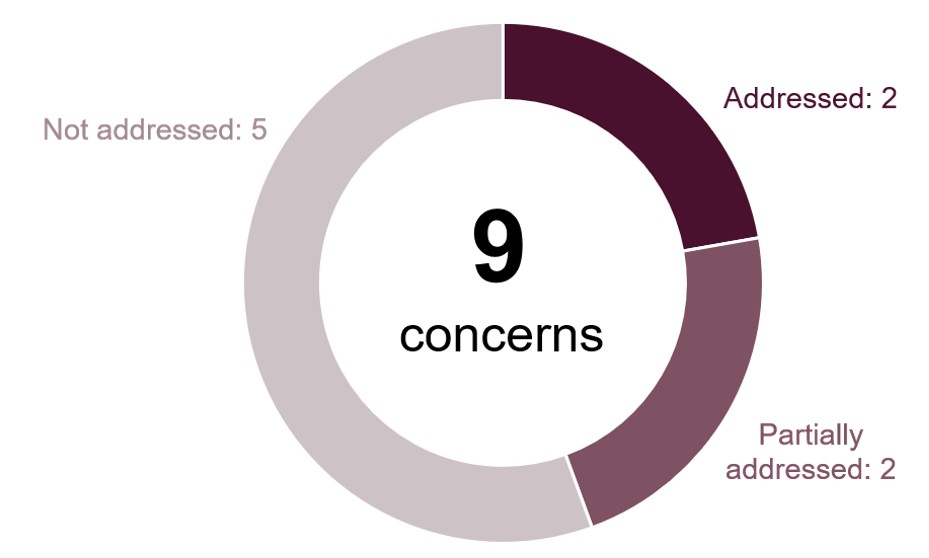
At our last inspection in 2023 we raised nine concerns, five of which were about areas of priority concern.
At this inspection we found the following progress:
The following is a list of all the concerns raised, organised under the four tests of a healthy prison.
Safety
Priority concern
Drugs and other illicit items were easily available in the prison. The evidence indicated that this problem was linked to violence, debt and bullying, but that steps taken to address risks were neither comprehensive nor well-coordinated.
Not addressed
Key concern
A significant number of prisoners were self-isolating in their cell because they felt unsafe but received little support or encouragement to reintegrate.
Addressed
Respect
Priority concern
The quantity and quality of key work were not good enough. Prisoners had too little support and, for example, over the last six months, only a third of sessions had been delivered. Records also suggested a lack of focus on sentence progression.
Not addressed
Key concern
Support for foreign national prisoners was too limited. Professional telephone interpreting services were rarely used and there was no access to free independent legal advice. Reasons for denying prisoners a move to an open prison were not always defensible.
Partially addressed
Purposeful activity
Priority concerns
Leaders had not implemented a reading strategy to improve literacy.
Not addressed
Too much teaching in English and mathematics was of poor quality and too few prisoners achieved external accreditations.
Not addressed
Key concern
Prisoners did not receive effective careers information, advice and guidance throughout their sentence.
Partially addressed
Preparation for release
Priority concern
Highpoint was designated a training and resettlement prison but fell short of its stated aim and purpose. Too few purposeful activities were available, and there was not enough support given to prisoners to help them get employment on release. There was, similarly, not enough offending behaviour work, and the delivery of resettlement services was poorly coordinated.
Not addressed
Key concern
The application of some public protection measures was weak. Communications monitoring was not used effectively, child contact restrictions were not enforced consistently and not all MAPPA management levels were confirmed within eight months of release.
Addressed
More about this report (Back to top)
This report outlines the priority and key concerns from the inspection and our judgements against the four healthy prison tests. Each of the following four sections contains a detailed account of our findings against our Expectations for men’s prisons.
Find out more about our Expectations and how we inspect
Find out more about priority and key concerns
Find out about notable positive practice
Findings from the survey of prisoners and a detailed description of the survey methodology are published alongside this report. Please note that we only refer to comparisons with other comparable establishments or previous inspections when these are statistically significant. The significance level is set at 0.01, which means that there is only a 1% chance that the difference in results is due to chance.
The tables in this report which provide data from HMI Prisons prisoner surveys also include comparisons with similar prisons.
| Description | What it means |
| Lower | the prison’s percentage is statistically significantly lower than the comparator: prisons with the same function type, or at the last inspection |
| Higher | the prison’s percentage is statistically significantly higher than the comparator: prisons with the same function type, or at the last inspection |
| No difference | the prison’s percentage is not statistically significantly different to the comparator: prisons with the same function type, or at the last inspection |
Inspection team
This inspection was carried out by:
Charlie Taylor, Chief Inspector
Sara Pennington, Team leader
Harriet Leaver, Inspector
Chris Rush, Inspector
Jade Richards, Inspector
Jonathan Tickner, Inspector
Dionne Walker, Inspector
Rick Wright, Inspector
Sam Moses, Researcher
Tareek Deacon, Researcher
Emma King, Researcher
Sam Rasor, Researcher
Sana Zahid, Researcher
Simon Newman, Lead health and social care inspector
Paul Tarbuck, Health and social care inspector
Helen Jackson, General Pharmaceutical Council inspector
Richard Thorpe, General Pharmaceutical Council inspector
Joanne White, Care Quality Commission inspector
Carolyn Brownsea, Ofsted inspector
Steve Lambert, Ofsted inspector
Chris Brooker, Ofsted inspector
Diane Koppit, Ofsted inspector
Find out more about the terms and abbreviations used in this report in our glossary.
Easy read summary and press notice (Back to top)
Survey materials and Ofsted full report (Back to top)
The following files may not be suitable for users of assistive technology.
Request an accessible format
If you use assistive technology (such as a screen reader) and need a version of any of these documents in a more accessible format, please email media@hmiprisons.gov.uk. Please tell us what format you need. It will help us if you say what assistive technology you use.