
HMP Leyhill
Report on an unannounced inspection of HMP Leyhill by HM Chief Inspector of Prisons 6–16 July 2026

Introduction (Back to top)
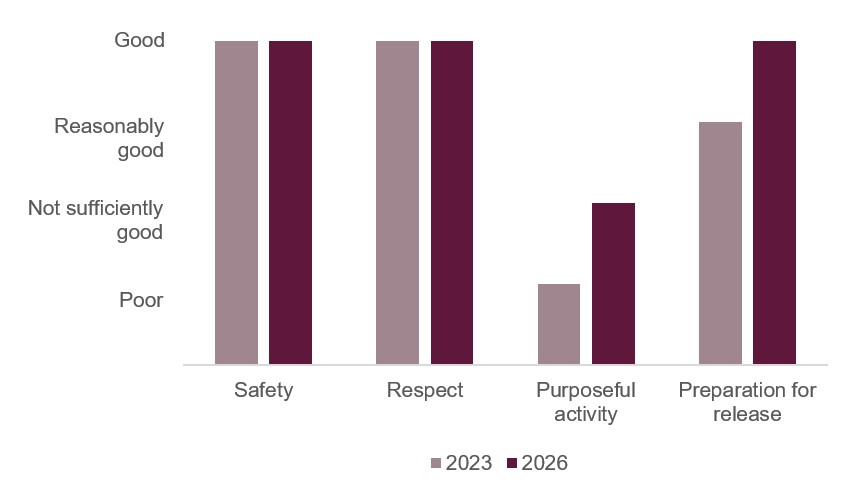
On our first visit to Leyhill since 2023, we found an institution that continues to evidence many of the features that distinguish a good open prison. It was a well-led establishment with a tangible rehabilitative culture, set in attractive surroundings, that supported a strong sense of community. Leaders understood the prison’s strengths and weaknesses; and communicating their priorities effectively, they had created a culture in which most prisoners felt safe, treated with respect and able to progress. Outcomes were good in three of our healthy prison tests: safety, respect and preparation for release (PfR). They were not sufficiently good in purposeful activity, although, as was also the case with the PfR score, this reflected improvement since our previous inspection.
Senior leaders were visible and approachable; staff retention was good and there was a strong focus on staff well-being. Leaders had responded positively to many of the concerns identified at our previous inspection and were willing to act quickly during this inspection when shortcomings were identified. Innovation was encouraged and several initiatives, including a mobile phone pilot and plans for a prison shop, demonstrated a determination to improve prisoners’ experience and prepare them more effectively for life in the community.
Violence and self-harm were rare, the use of force had reduced significantly, and security arrangements were proportionate and effective. The prison had also achieved substantial success in reducing the availability of illicit drugs. The opportunities available through release on temporary licence (ROTL) gave prisoners a strong incentive to maintain positive behaviour and played an important role in creating a calm and constructive atmosphere.
Prisoners benefited from a good environment that promoted well-being. The grounds were attractive and well maintained, accommodation was mostly decent, and there was good support for minority groups, notably older prisoners, veterans and neurodivergent prisoners. Health care services were a particular strength, with accessible and generally high-quality provision.
However, there remained weaknesses. Education, skills and work provision continued to fall short of what we expect in an open prison. Prisoners did not have access to the full range of training they needed, too few gained substantive qualifications and progress in work was not recorded effectively. As a result, too many prisoners left Leyhill without employment, despite the prison’s otherwise considerable efforts to improve opportunities.
Leyhill is a positive and well-run prison that offered many prisoners genuine opportunities to help rebuild their lives. If leaders can address the weaknesses we have identified, the establishment will be even better placed to fulfil its important resettlement role. We have listed several concerns which we hope will assist this process.
Charlie Taylor, HM Chief Inspector of Prisons, August 2026
Outcomes for prisoners (Back to top)
We assess outcomes for prisoners against four healthy prison tests: safety, respect, purposeful activity, and preparation for release (see More about this report for more information about the tests). We also include a commentary on leadership in the prison (see Section 1).
At this inspection of HMP Leyhill, we found that outcomes for prisoners were:
- Good for safety
- Good for respect
- Not sufficiently good for purposeful activity
- Good for preparation for release.
We last inspected HMP Leyhill in 2023. Figure 1 shows how outcomes for prisoners have changed since the last inspection.
Figure 1: HMP Leyhill healthy prison outcomes 2023 and 2026
What needs to improve (Back to top)
During this inspection we identified ten key concerns, of which two should be treated as priorities. Priority concerns are those that are most important to improving outcomes for prisoners. They require immediate attention by leaders and managers.
| Priority concerns | |
| 1. | The curriculum did not meet the needs of prisoners sufficiently well. There was a lack of substantive qualifications and self-employment training. |
| 2. | Too many prisoners failed to obtain employment on release. |
| Key concerns | |
| 3. | Support for disabled prisoners was undermined by poor arrangements to summon help in an emergency, and a lack of oversight for prisoner peer support workers. |
| 4. | Support provided to prisoners on their first night was weak. Access to essential items, including canteen purchases, telephone calls and toiletries, was not provided consistently. There were also no opportunities for prisoners to speak with staff in private. |
| 5. | The GP provider had insufficient governance, monitoring and oversight of staff. |
| 6. | Patients’ resuscitation directions were not always correctly documented for all staff to follow. We found forms missing for patients who did not want to be resuscitated and outdated forms for a patient now requiring resuscitation. |
| 7. | The recording of work skills and behaviours developed in prison was poor. As a result, prisoners did not fully understand the progress they had made or how their new skills might be useful to them when applying for work or on release. |
| 8. | Prisoners were not prepared sufficiently for life in modern Britain on release. There was limited access to digital skills development and a lack of learning about how to protect themselves from radicalisation and extremist views. |
| 9. | Too many prisoners faced delays in accessing release on temporary licence (ROTL). This was often due to delayed contributions from the community probation teams. |
| 10. | Prisoners were frustrated by a lack of communication from the offender management unit. This included sentence plan targets, ROTL and when they could expect to see their prison offender manager. |
Notable positive practice (Back to top)
We define notable positive practice as evidence of our expectations being met to deliver particularly good outcomes for prisoners, and/or particularly original or creative approaches to problem solving. Inspectors found some examples of notable positive practice during this inspection, which other prisons may be able to learn from or replicate.
| 1. | The Lobster Pot was a dedicated, well-resourced drop-in centre for prisoners over the age of 50 and those who were retired or neurodivergent. It offered a creative range of support and activities, including opportunities for prisoners to develop independent living skills. (See Fair treatment and inclusion) |
| 2. | Work to support ex-service personnel was impressive, with a wide variety of meetings and social events, and good support from veterans’ organisations. (See Fair treatment and inclusion) |
| 3. | The health provider had developed an older person’s strategy for prison and health care services to jointly ensure reliable, inclusive and appropriate activity provision for older prisoners. This included a memory café and Pilates for those with reduced mobility. (See Promoting health and well-being) |
| 4. | A monthly newsletter was produced and circulated among all offender management unit (OMU) staff and the wider prison. It contained information on legislative and policy changes as well as providing current performance data about Leyhill. (See How staff were supporting prisoners and managing risk) |
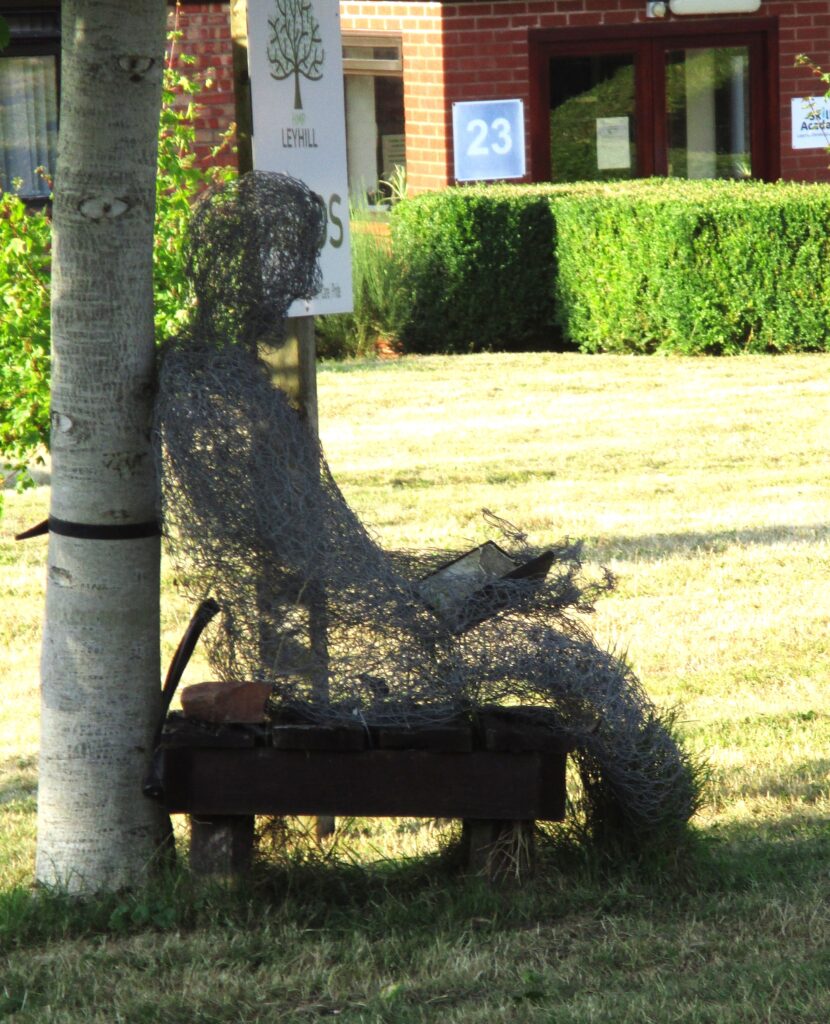
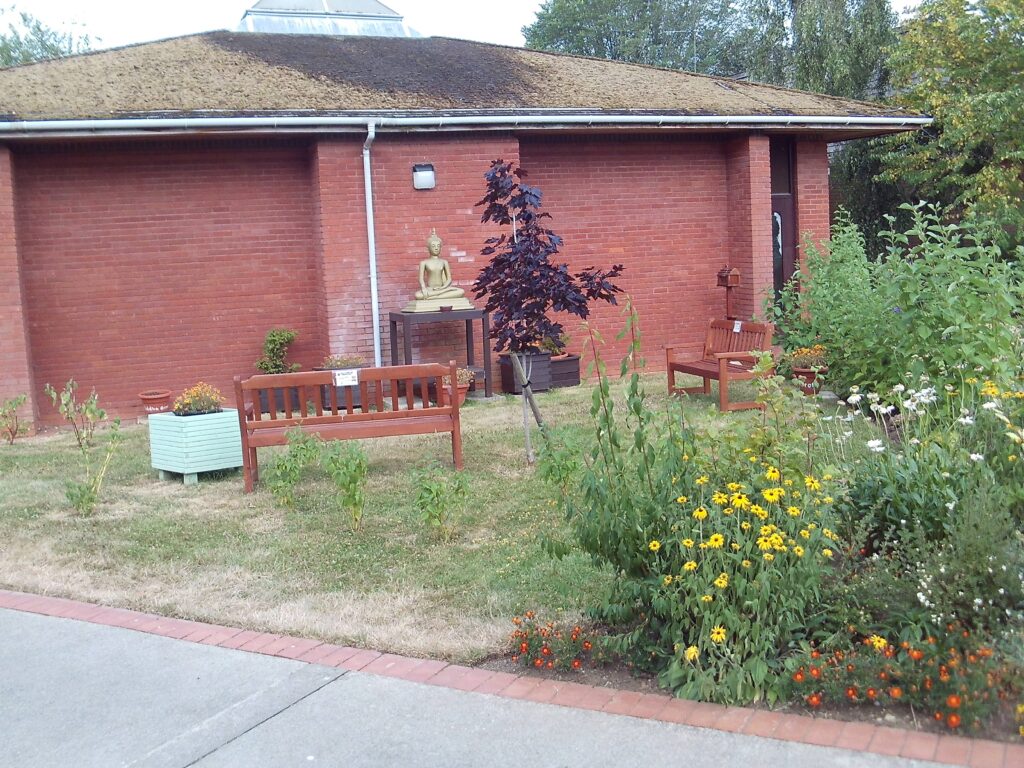
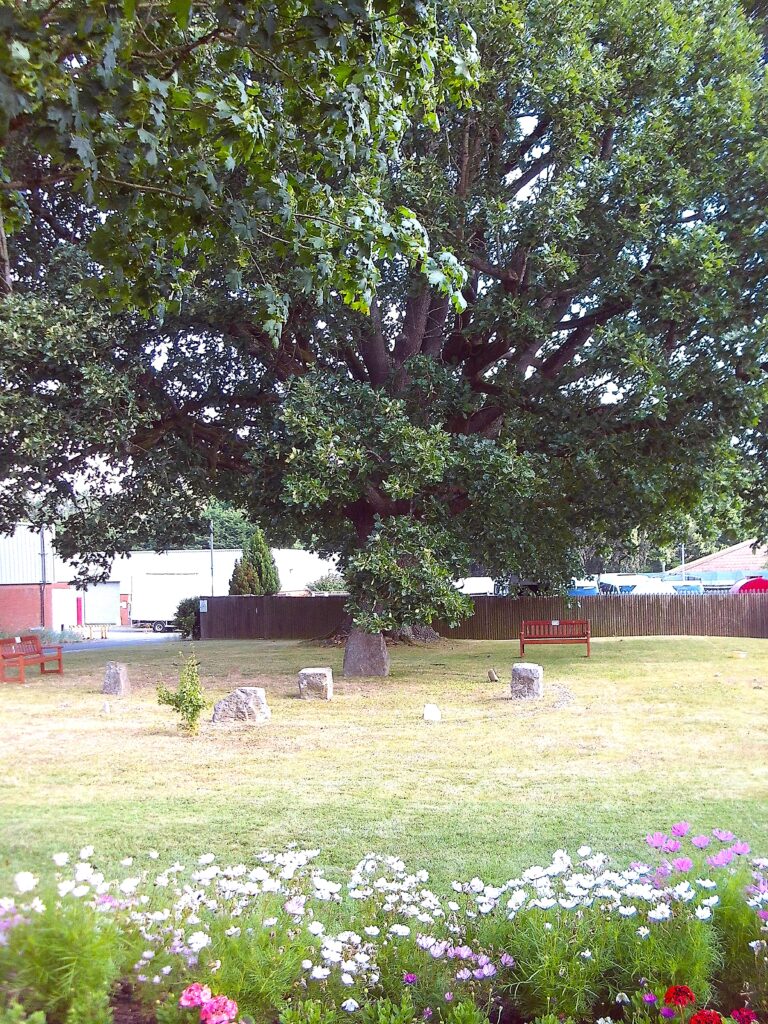
| 5. | The prison grounds were very attractive and included outdoor seating around the site. Prisoners could spend as much of their free time as they wanted in the fresh air, which was beneficial to their well-being. (See Living conditions) |
| 6. | The PE instructors organised wellness walks. Small groups of suitable prisoners were taken out of the prison to complete a walk of several miles and team building activities. Routes were selected to meet the ability of the group and feedback from prisoner participants was positive. (See Time out of cell) |
Unless otherwise specified, these examples are not formally evaluated, are a snapshot in time and may not be suitable for other establishments. They show some of the ways our expectations might be met, but are by no means the only way.
Section 1: Leadership (Back to top)
Leaders provide the direction, encouragement and resources to enable good outcomes for prisoners.
Leaders had a good understanding of the prison’s strengths and weaknesses and had established clear and appropriate priorities. These were communicated effectively to staff, most of whom understood and supported them.
Senior leadership visibility was a real strength. In our survey, prisoners were more positive than at the last inspection, and compared to other prisons, about access to speak to leaders. Prisoners and staff we spoke to described the governor and his team as approachable.
The prison was fully staffed with experienced prison officers, staff retention was good and leaders had a strong focus on staff well-being.
Leaders had been responsive to feedback from the last inspection, with over three-quarters of the concerns raised being either fully or at least partially addressed. In addition, leaders were responsive to feedback during the inspection, for example by taking immediate action to improve the conditions of the holding room in reception and improving disabled prisoners’ access to raising the alarm.
Leaders encouraged innovation and this had resulted in several initiatives that strengthened prisoners’ access to services and opportunities, including the media suite, mobile phone pilot and the shop which was planned to open in the autumn.
There was good use of data to understand performance, identify emerging risks and target resources where they were needed. Leaders used weekly performance meetings to review a range of indicators, including equality data and complaints, as well as monitoring progress against key prison priorities such as the development of the personal officer scheme and the use of release on temporary licence (ROTL, see Glossary).
Health care services were highly accessible to prisoners and were managed effectively by Oxleas NHS Foundation Trust. Good partnership working between providers and prison leaders helped ensure services were well coordinated and responsive to need.
However, prison and education leaders had not ensured that the curriculum provided prisoners with the full range of skills and training needed to secure and sustain employment on release, including opportunities for self-employment.
Section 2: Safety (Back to top)
Prisoners, particularly the most vulnerable, are held safely.
Early days in custody
Expected outcomes: Prisoners transferring to and from the prison are safe and treated decently. On arrival prisoners are safe and treated with respect. Risks are identified and addressed at reception. Prisoners are supported on their first night. Induction is comprehensive.
Reception was a welcoming environment for new arrivals who were greeted by friendly staff and, in our survey, most prisoners reported being treated very or quite well.
Prisoners’ access to essential items on their first night was insufficient. In our survey, prisoners were less positive than those in comparable prisons about access to a telephone call, canteen purchases and basic toiletries. During the inspection, we found that free telephone calls and the opportunity to purchase additional telephone credit were not routinely offered. In addition, grocery packs were not available, limiting prisoners’ access to basic necessities on arrival.
In our survey, 88% of prisoners said they felt safe on their first night which, although encouraging, was worse than in similar prisons. New arrivals did not have an opportunity to speak with a member of staff in private to discuss any concerns, which was a gap.
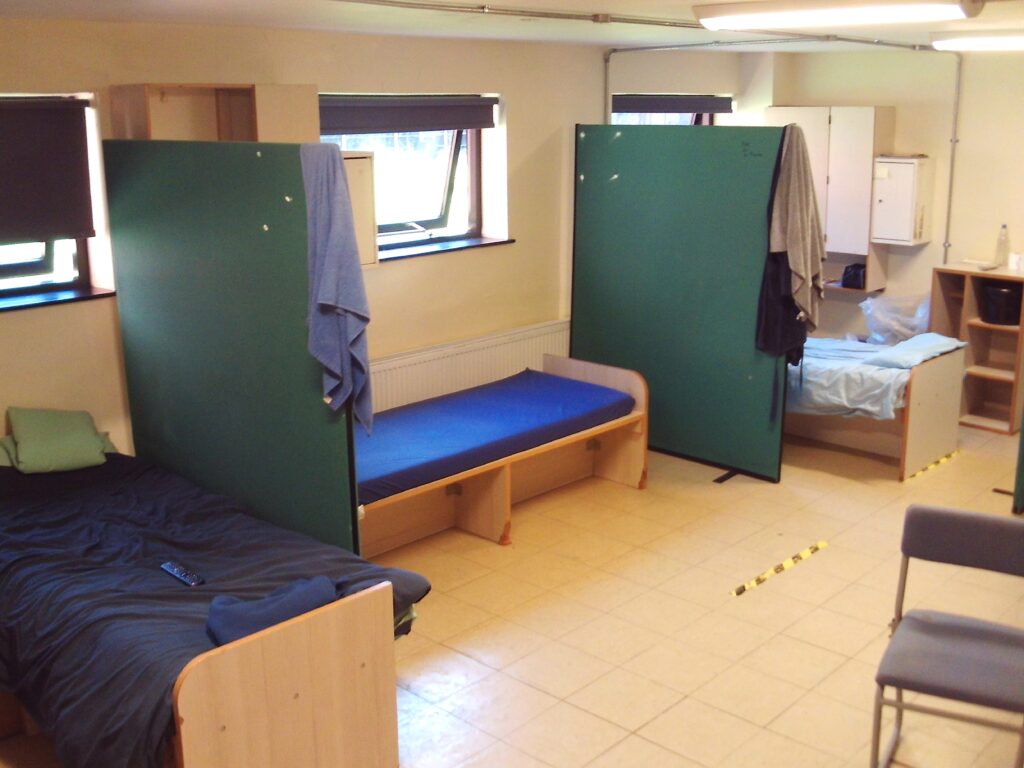
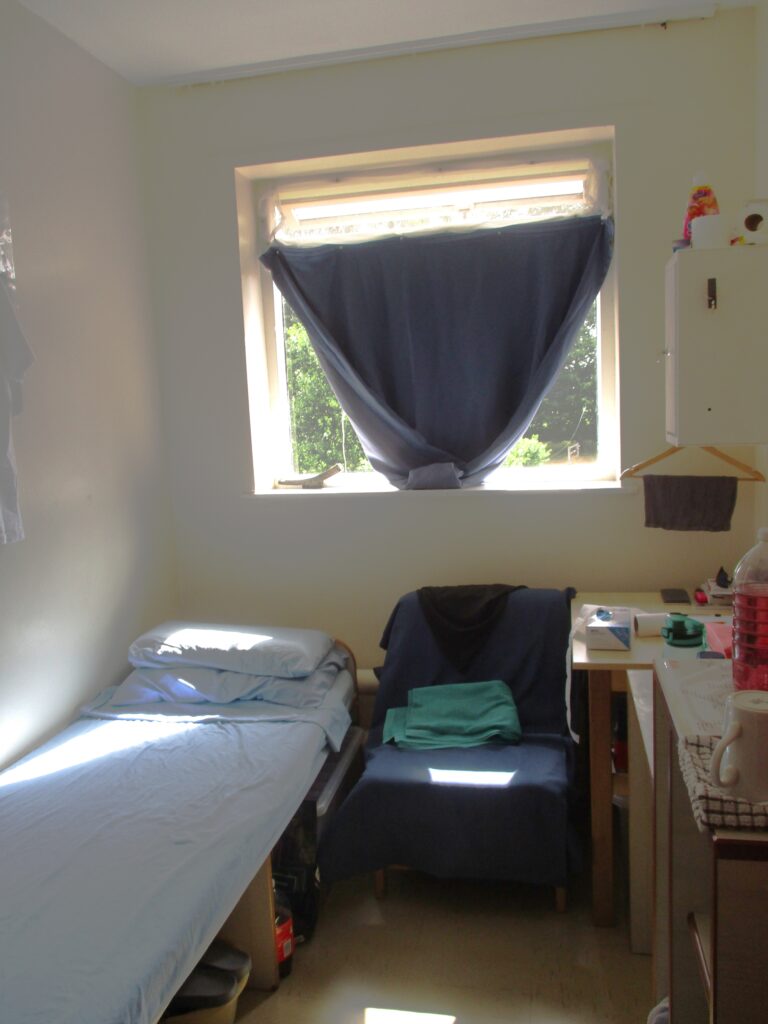
New arrivals continued to be located in shared dormitories on either Ash or Beech unit until a single room became available. The lack of privacy, along with unsuitable and worn furniture, created a poor first impression of the accommodation at the prison.
Peer workers provided effective support throughout the early days period. They met all new arrivals on their first night to provide essential information and support, and again the following morning to deliver a prison tour and more detailed information about life in the prison.
| HMIP prisoner survey | Yes | Compared with last inspection |
| For those who had an induction: Did your induction cover everything you needed to know in this prison? | 80% | Higher |
Promoting positive behaviour
Expected outcomes: Prisoners live in a safe, well ordered and motivational environment where their positive behaviour is promoted and rewarded. Unacceptable conduct is dealt with in an objective, fair, proportionate and consistent manner.
Induction arrangements had improved, with better information provided to prisoners alongside effective support from peer workers. Survey findings were positive, with almost all prisoners reporting that they had received an induction.
Encouraging positive behaviour
Violence remained low, with six incidents of violence between prisoners and two assaults on staff in the 12 months prior to this inspection.
| HMIP prisoner survey | Yes | Compared with last inspection |
| Have you ever felt unsafe here? | 28% | Lower |
| Do you feel unsafe now? | 9% | No difference |
Overall perceptions of safety had improved since the previous inspection. However, in our survey more prisoners than in similar establishments said they had felt unsafe at the prison. Prisoners and staff told us that this was, in part, because some prisoners convicted of sexual offences had been separated at other establishments; a practice that was not in place at Leyhill.
Prisoners told inspectors that the opportunities for ROTL, including the ability to work in the community, together with the relative freedom and environment at Leyhill, were the main incentives for prisoners to maintain good behaviour. Leaders had communicated clear expectations for behaviour, compliance and progression, which prisoners understood well.
Challenge, support and intervention plans (CSIPs, see Glossary) were used effectively. These plans were opened for prisoners who required additional support, monitoring or intervention because of concerns about their behaviour, safety or vulnerability. Examples included showing antagonistic behaviour towards other prisoners or to support a prisoner to develop a better relationship with staff. The plans that we reviewed were of a good quality, with appropriate targets.
There had been 242 adjudications in the last 12 months, a slight reduction since the last inspection. Charges were mostly for prisoners having an unauthorised item in their possession or for a breach of ROTL conditions, such as returning late. In the sample we reviewed, the quality of inquiries was good and awards were proportionate.
Use of force
The amount of force used against prisoners had reduced from 31 incidents in the 12 months prior to the last inspection to seven at this inspection. This was mainly due to prisoners no longer being routinely handcuffed when they were being returned to closed conditions; appropriately, leaders were basing the decision on individual risks posed.
Oversight was robust, with regular scrutiny meetings where each incident was viewed and learning identified and shared with staff. At our last inspection, only 72% of staff were in-date with their control and restraint training; at this inspection that figure had improved to 96%, which was good.
Segregation
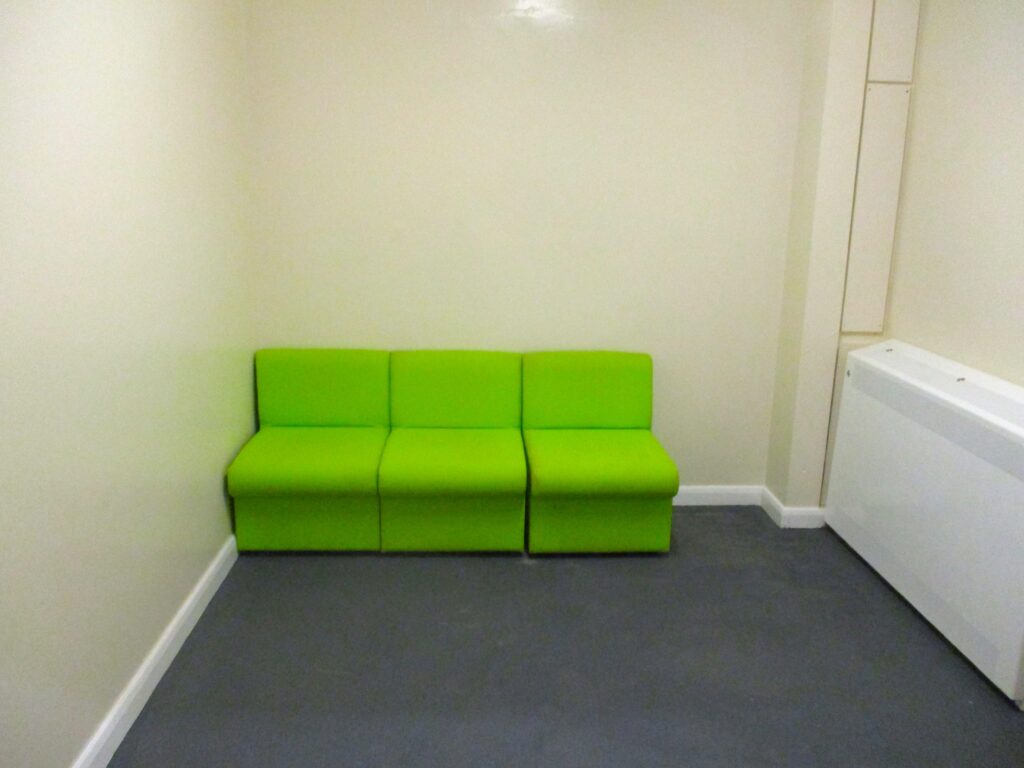
There was no segregation unit, and prisoners were not segregated on the wings. Prisoners who needed to be returned to closed conditions were held in basic holding rooms in reception, sometimes for up to six hours, until transport could be arranged.
Security
Expected outcomes: Security and good order are maintained through an attention to physical and procedural matters, including effective security intelligence and positive staff-prisoner relationships. Prisoners are safe from exposure to substance misuse and effective drug supply reduction measures are in place.
Security arrangements were proportionate to the risks presented by the prison population. Intelligence reports were well managed and responded to swiftly. There was a good focus on managing risk in the prison and the community.
The rate of ROTL failures was low, with 99.7% of releases completed successfully. Most failures were for minor breaches and involved prisoners returning late or failing to bring back their licence documentation.
There had been five absconds in the 12 months before the inspection, compared with none at the previous inspection, although this remained lower than in comparable prisons. Leaders had responded appropriately to these incidents and there had been no further absconds in the months immediately preceding the inspection.
In the last year, leaders had considered 121 prisoners for a return to closed conditions, usually following poor behaviour, a change in circumstances or a potential increase in risk. A multidisciplinary meeting took place which reviewed each case and considered any mitigating factors. As a consequence, 35 prisoners were allowed to remain at Leyhill, enabling them to continue to benefit from the prison’s resettlement opportunities. In the cases we reviewed, decision-makers took a proportionate approach and balanced risk appropriately against the benefits of continued progression.
| Data provided by the prison | |
| Positive random mandatory drug testing rate in the 12 months before the inspection | 1.7% |
Leaders’ efforts to reduce the supply of drugs were having a positive impact and the availability of illicit substances had reduced since the previous inspection. The positive random mandatory drug testing (see Glossary) rate had fallen from 7.8% to 1.7%. In our survey, fewer prisoners than in our last inspection, said that it was easy to obtain illicit drugs, and prisoners told us that the consequences of being caught deterred them from using or possessing illicit substances.
Safeguarding
Expected outcomes: The prison provides a safe environment which reduces the risk of self-harm and suicide. Prisoners at risk of self-harm or suicide are identified and given appropriate care and support. All vulnerable adults are identified, protected from harm and neglect and receive effective care and support.
Suicide and self-harm prevention
There had been no self-inflicted deaths since before the previous inspection and the rate of reported self-harm incidents remained very low, with only six incidents in the last 12 months.
Good time out of room, combined with a strong community ethos and a sense of well-being and hope, contributed to an environment that helped prevent prisoners from falling into crisis.
At the time of inspection, there were no prisoners being supported through ACCT (assessment, care in custody and teamwork, see Glossary) case management. However, there had been 26 documents opened in the previous 12 months. The sample of documents reviewed was of a good standard, with comprehensive multidisciplinary reviews that demonstrated appropriate care and support for prisoners.
There was good support from Listeners (prisoners trained by the Samaritans to provide confidential emotional support to fellow prisoners). This extended beyond crisis support, providing prisoners with an opportunity to discuss general concerns, frustrations and well-being issues.
Protection of adults at risk
Safeguarding information was readily available to staff and processes for making referrals were in place. However, not all staff we spoke to were confident in identifying safeguarding risks and concerns.
Section 3: Respect (Back to top)
Prisoners are treated with respect for their human dignity.
Staff-prisoner relationships
Expected outcomes: Prisoners are treated with respect by staff throughout their time in custody and are encouraged to take responsibility for their own actions and decisions.
| HMIP prisoner survey | Yes | Compared with last inspection |
| Do most staff here treat you with respect? | 80% | No difference |
Most prisoners reported respectful treatment from staff, and we observed many positive interactions across the prison. However, many prisoners described some operational staff, particularly on residential units, as standoffish and unhelpful. As at the previous inspection, some staff remained in closed unit offices, limiting opportunities for meaningful engagement with prisoners.
| HMIP prisoner survey | Yes | Compared with last inspection |
| For those who have a named officer (key worker) is your named officer (key worker) very/quite helpful? | 77% | Higher |
Personal officer work had improved since the last inspection. Prisoners were allocated a consistent personal officer and frequency of contact was better. The quality of electronic case notes was variable; leaders had plans for improvement and were using quality assurance well.
Prisoner peer workers, mentors and orderlies were used well to provide useful, practical and information-based support in trusted roles across the prison. They spoke positively about their work, but some needed more support (see Social care).
Daily life
Expected outcomes: Prisoners live in a clean and decent environment and are aware of the rules and routines of the prison. They are provided with essential basic services, are consulted regularly and can apply for additional services and assistance. The complaints and redress processes are efficient and fair.
Living conditions
Prisoners had free access to the attractive outdoor areas which were maintained to an extremely high standard. Gardens included artwork and quotes from books to encourage reading, and there was seating around the site. Appreciative prisoner survey comments included:



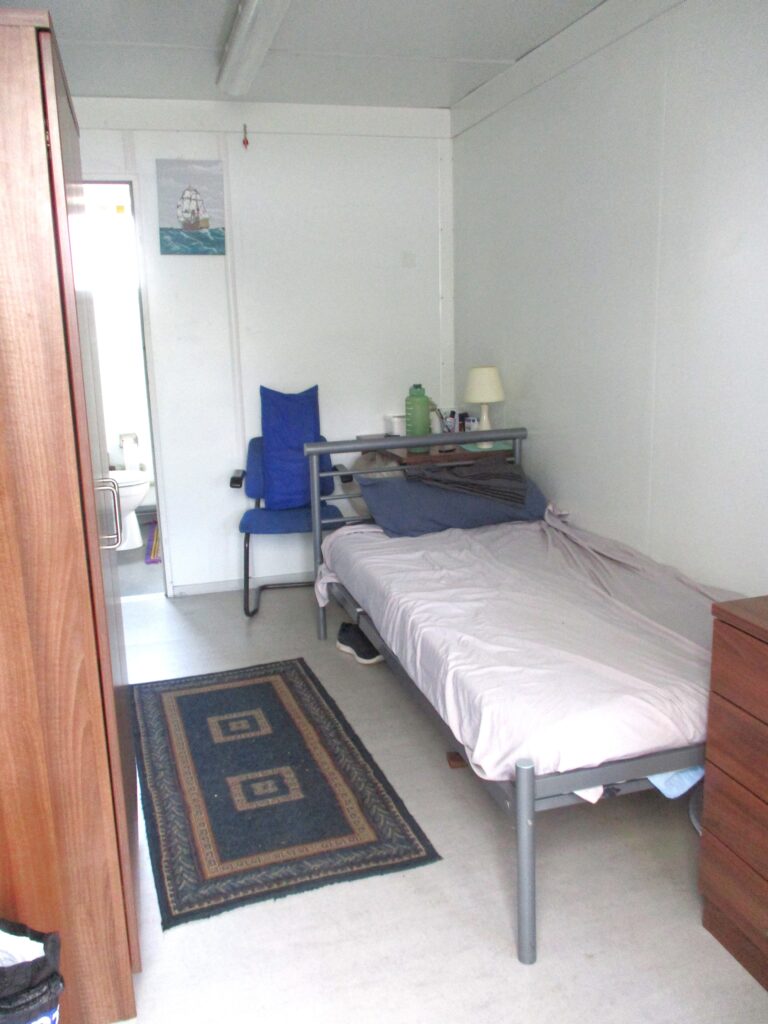
The site contained a variety of accommodation, including a few dormitories for new arrivals (see Early days in custody), single rooms with shared washrooms, and ‘pods’ with shower and toilet facilities. Change of accommodation often reflected prisoners’ progression at the prison and some told us they saw moving to Cedar 4 pods or the new accommodation (due to open later in the year) as something to work towards.
Residential services
| HMIP prisoner survey | Yes | Compared with the last inspection and similar prisons |
| Is the quality of the food in this prisoner very/quite good? | 64% | Higher |
| Do you get enough to eat at mealtimes always/most of the time? | 73% | Higher |
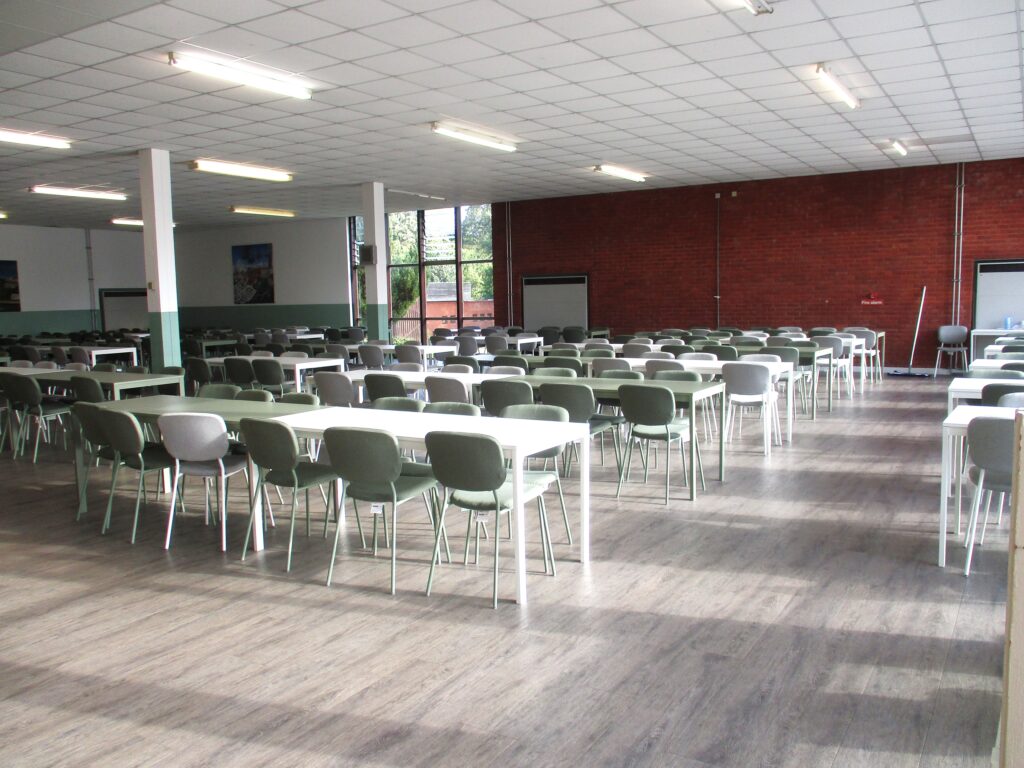
Prisoners reported more favourably on the quality and quantity of food, and this was consistent with what we saw during the inspection. Prisoners continued to select their meal from the servery in the large communal dining hall and could often have hot items at each of their three daily meals. There was a suitable range of dietary choices and arrangements for food for those who worked outside the prison.
Since the last inspection, self-catering facilities had improved and air fryers and induction hobs had been introduced. Facilities were now adequate across all units and of a higher standard in some.
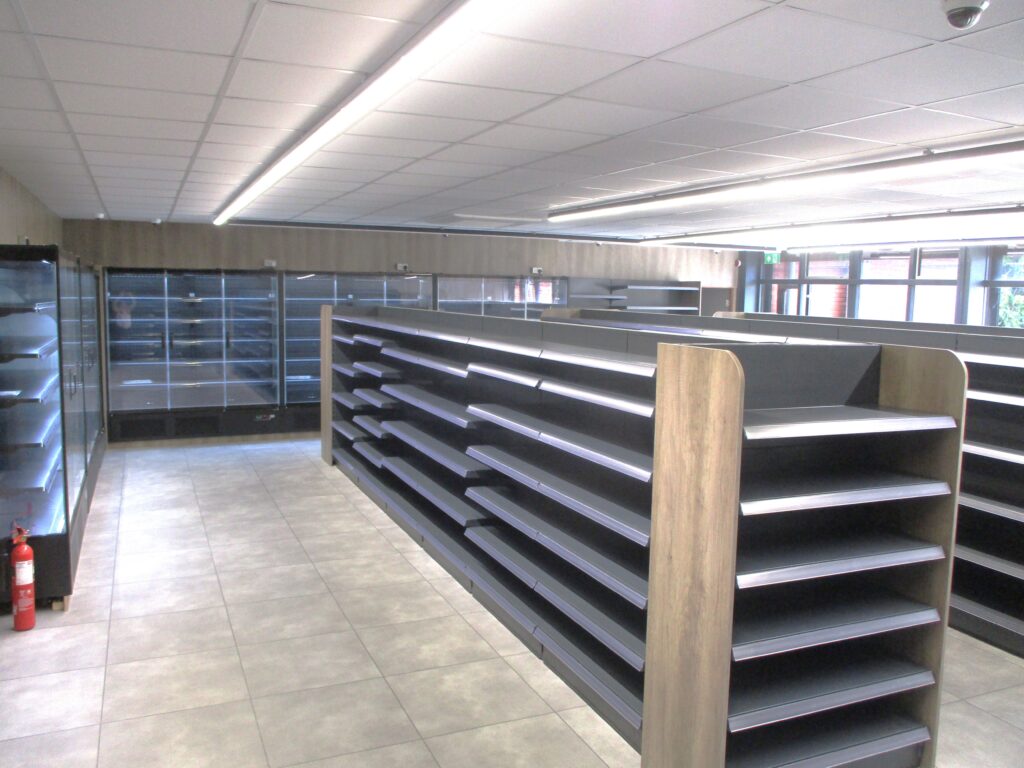
Prisoners could buy items from a small choice of approved suppliers in addition to their weekly DHL order. A prison shop was due to open which would give prisoners access to a greater range of items and a shopping experience comparable to the community. Many prisoners told us they were looking forward to this opportunity.
Prisoner consultation, applications and redress
Consultation arrangements were good. An effective Leyhill community council (LCC) was led by prisoners and met with senior leaders monthly. Issues raised were taken seriously and progressed between meetings. Our survey indicated not all prisoners (59%) were aware of consultation arrangements, despite the LCC’s and prison leaders’ focus on communication.
Leaders also used local surveys to gain prisoners’ views on different issues, including a six-monthly staff-prisoner relationships survey.
Complaints had reduced from over 900 in the 12 months prior to the last inspection to 440 at this inspection. Monthly analysis of complaint data, regular dialogue with the LCC and leaders’ accessibility to prisoners enabled emerging trends to be identified and addressed. Complaint responses were timely and appropriate, supported by regular quality assurance.
The applications process was paper based. Prisoners who had used applications were more positive about the timeliness of responses than at the last inspection, but applications were not routinely tracked and during the inspection some prisoners raised unanswered applications as an issue.
Fair treatment and inclusion
Expected outcomes: There is a clear approach to promoting equality of opportunity, eliminating unlawful discrimination and fostering good relationships. The distinct needs of prisoners with particular protected characteristics (see Glossary) or those who may be at risk of discrimination or unequal treatment, are recognised and addressed. Prisoners are able to practise their religion. The chaplaincy plays a full part in prison life and contributes to prisoners’ overall care, support and rehabilitation.
Leaders continued to prioritise fair treatment and sought to understand the different experiences and needs of the population, helping to ensure outcomes were fair, responsive and inclusive. In our survey, prisoners from different protected groups generally reported experiences similar to those of their peers, and those we spoke to did not identify any differences in treatment or discrimination.
Arrangements to support fair treatment were good. Leaders used data effectively to monitor a wide range of meaningful indicators of potential disproportionality, including access to ROTL and prisoners returning to closed conditions. Regular consultation gave prisoners from most protected groups opportunities to express their views.
Leaders investigated complaints of discrimination thoroughly and promptly. Quality assurance arrangements were robust. The deputy governor and the Zahid Mubarek Trust (see Glossary) reviewed complaints, and the prison council scrutinised a sample of anonymised cases.
Support for a range of groups, including transgender prisoners, was good. Provision for neurodivergent prisoners had improved since the previous inspection, and staff could readily access information about individuals’ strengths and support needs through electronic records.
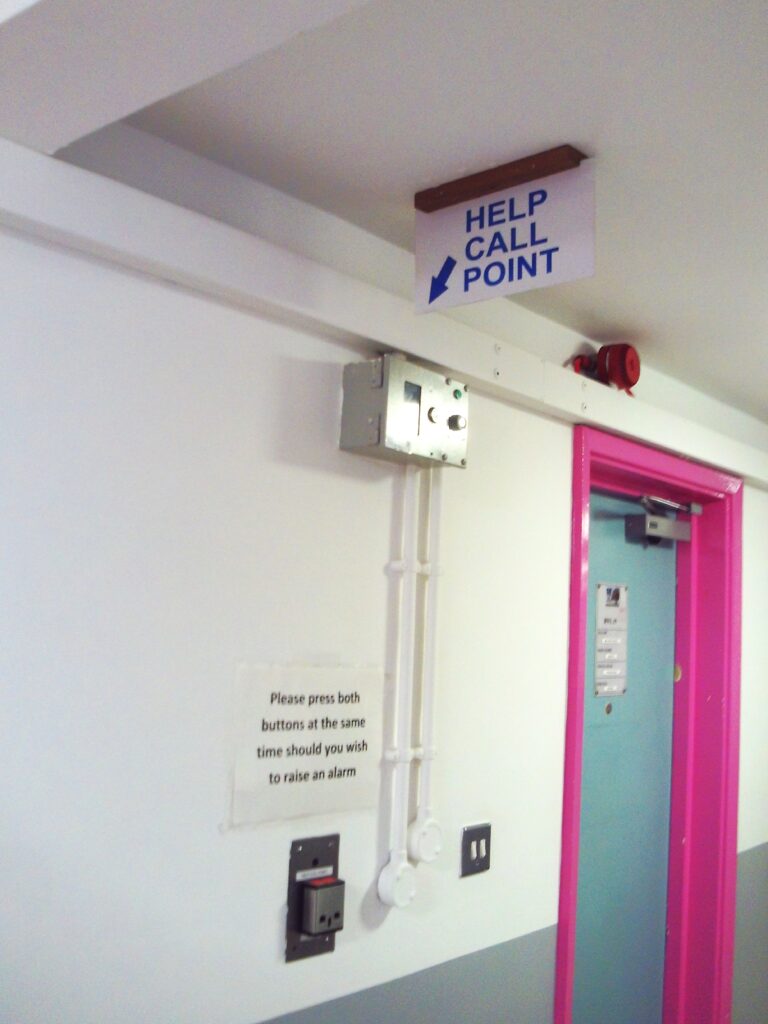
More than a third of prisoners reported a disability, and the prison generally met their needs through measures such as adapted showers and larger rooms for wheelchair users. However, arrangements to summon help in an emergency were weak. Communal alarms had been broken for more than a year. Personal emergency evacuation plans (PEEPs) were not always up to date and staff were not consistently aware of them. During the inspection, leaders provided a small number of prisoners with personal alarms to alert staff in an emergency.
Just over half the population were aged over 50 and support for this group remained very good. The Lobster Pot was a popular drop-in centre for older prisoners. It provided daily opportunities for social interaction and to develop independent living skills, as well as support and access to essential items, such as clothes and toiletries.
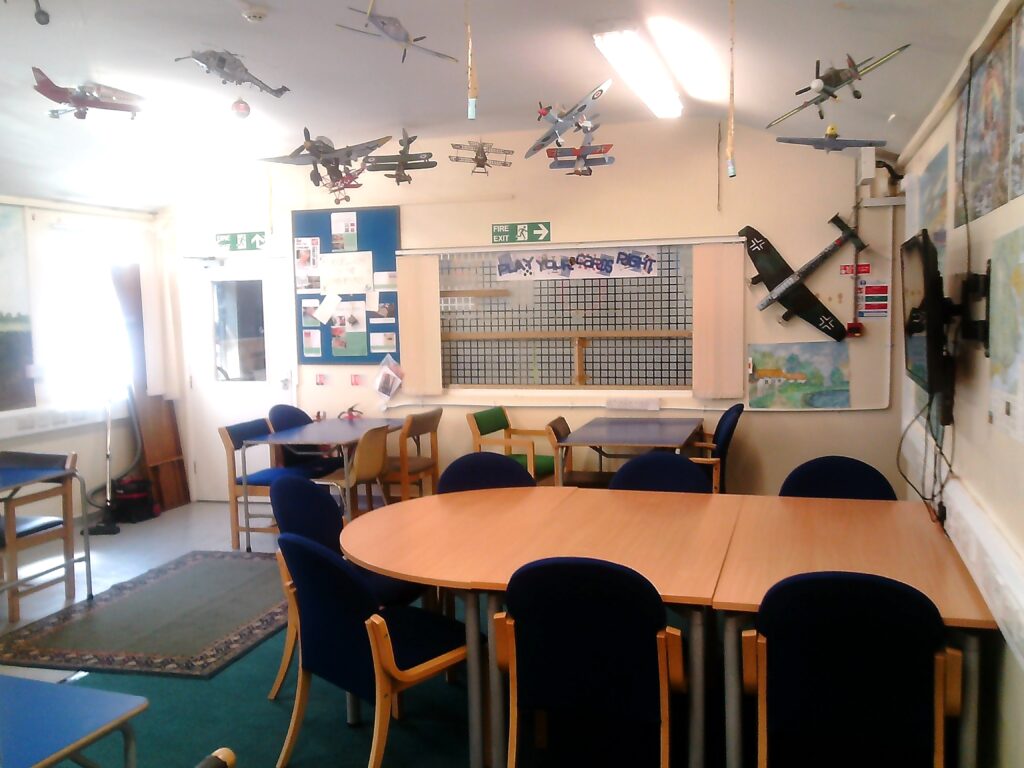
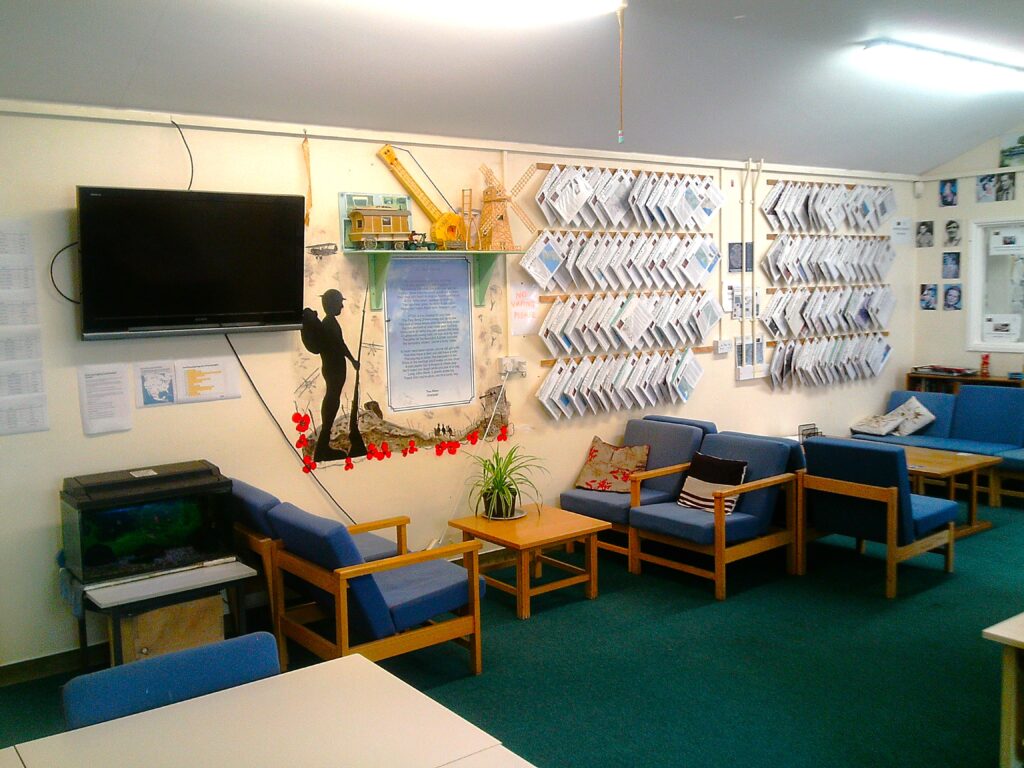
Leaders continued to provide excellent support for veterans. Effective partnerships with external organisations gave veterans access to a wide range of specialist support and community projects such as restoring memorial walls, quarterly veterans’ breakfasts and well-being programmes.
Faith and religion
Faith facilities remained excellent, and prisoners had good access to worship, religious study and a range of spiritual, well-being and community-based activities. The chapel was open every day until 7.30pm. Chaplains provided consistent support to prisoners from arrival through to discharge, alongside an annual programme of religious festivals and celebrations.
Health, well-being and social care
Expected outcomes: Patients are cared for by services that assess and meet their health, social care and substance use needs and promote continuity of care on release. The standard of provision is similar to that which patients could expect to receive elsewhere in the community.
The inspection of health services was jointly undertaken by the Care Quality Commission (CQC) and HM Inspectorate of Prisons under a memorandum of understanding agreement between the agencies. The CQC found two breaches of regulations and issued requests for action plans following the inspection (see Appendix II).
Strategy, clinical governance and partnerships
Oxleas NHS Foundation Trust leaders understood the health risks and provided good oversight of the service. NHS England monitored the contract well and we saw regular medicines management and quality meetings. We did, however, find some weaknesses with the oversight of GP services which needed to be addressed, including monitoring and oversight of staff, and that clinical supervision uptake had not commenced and key recruitment information was missing. There were also some serious irregularities with the documentation that communicated those who require and do not require an attempted resuscitation (see Primary care and inpatient services).
Overall, an accessible and good quality health provision was available to patients. A proactive approach to quality improvement, lessons learned and patient consultation was evident. A very small number of complaints were received and incidents were monitored for trends. Lessons learned were shared.
Staffing levels were acceptable. Supervision, training and appraisal compliance were good.
The electronic clinical record included standard templates for recording care and entries were comprehensive.
Emergency equipment and medicines were maintained properly and checked daily. Officers were trained in life support for out-of-hours emergencies and naloxone was now available.
There were an adequate number of well-maintained clinical rooms.
Promoting health and well-being
| HMIP prisoner survey | Yes | Compared with similar prisons |
| Are you able to lead a healthy lifestyle here always/most of the time? | 71% | No difference |
There was a whole-prison approach to promoting health and well-being. Monthly health promotion campaigns were in place, supported by a wide range of well-being information displayed across the prison. A health peer mentor was employed to support health promotion and well-being activities.
The older person’s strategy delivered by the health provider included activities such as chair Pilates and a memory café, which were good practice.
The Hepatitis C Trust provided excellent in-reach services to promote blood-borne virus testing. Sexual health screening was routinely offered, with referrals to community services for ongoing care where required, and condoms were easily accessible in discreet packaging. Screening and vaccination programmes were delivered in line with those available in the community.
Primary care and inpatient services
| HMIP prisoner survey | Yes | Compared with similar prisons |
| Do you think the overall quality of the health services here is very/quite good? | 84% | Higher |
A well-led primary care team provided a good service. A walk-in reception enabled patients to request or cancel appointments. The service provided daily nurse triage and urgent care appointments on the day.
Waiting times across all services were low with a routine GP appointment available within a week. Optometry, podiatry and physiotherapy waiting times had improved since our last inspection.
New arrivals received a comprehensive health screening. However, some patients arrived late meaning they had to wait until the following morning to see a health care professional, which created risk.
Long-term conditions were well managed and patients had detailed care plans. A multidisciplinary complex case forum was held regularly to monitor the most complex patients.
Resuscitation plans were thoroughly completed on health records, with copies held on residential units and at the prison gate which could be provided to ambulance crews. However, the weekly audit had not identified errors. We also found forms missing on the wings for patients who did not wish to be resuscitated and an outdated form for someone whose status had changed and now required a resuscitation attempt. This created a significant risk.
Patients attended outside hospital appointments on time. Those receiving end-of-life or palliative care were well supported with community transition into hospice care if required.
Discharge planning was excellent and patients were registered with a community GP prior to them leaving.
Social care
A memorandum of understanding was in place between the relevant agencies and there was a well-used and effective referrals system. The local authority carried out assessments promptly, with most taking place within 48 hours.
Three patients were receiving a package of social care and were happy with the support they received. Carers held comprehensive records for their patients on wings and provided a handover to prison staff if any concerns were raised. The senior social worker, who attended the prison weekly, had excellent oversight and visibility of social care arrangements.
Adaptations and additional equipment were sourced promptly for patients.
Support orderlies worked hard to provide non-personal care to a number of patients. However, oversight and supervision by prison staff remained insufficient; a concern we had also identified at the last inspection.
Mental health
Mental health services were providing good quality care and a broad range of interventions. Wait times were acceptable and urgent cases were prioritised.
The team were available five days a week and were working well with the prison; being co-located with substance misuse team created holistic care.
In our survey, 36% of respondents said they had a mental health problem and 66% of these patients said they had been helped.
The team operated a stepped care model, ranging from self-directed care through to psychological complex case management. Interventions were delivered by staff with a good skill mix, including a speech and language therapist and psychologists.
Neurodivergent patients were supported by the learning disability nurse and the the prison neurodiversity lead. They benefited from a wide range of prison activities, such as neurodiversity walks, coffee mornings and smaller gym sessions (see also Fair treatment and inclusion).
Clinical records demonstrated risk management and meaningful contact with patients. Pre-release support was very good and effectively engaged with community mental health teams to ensure continuity of care.
A staff role called Patient-flow provided access to information across the teams and the community, and this improved outcomes.
Over the previous 12 months, one patient had required a transfer to hospital under the Mental Health Act for a specific non-urgent treatment. This transfer was not made within 28 days.
Support and treatment for prisoners with addictions and those who misuse substances
Despite a vacancy in the very small team, waiting times were reasonable and group work was regularly and comprehensively undertaken.
A small number of patients (14) were receiving opiate substitution therapy, and a skilled non-medical prescriber was offering face-to-face consultations with regular reviews, with well-maintained health records.
There were joint complex case and pain management meetings available for multidisciplinary working.
Release plans were comprehensive. Naloxone was available on release and held in rooms by trained prisoners.
Medicines optimisation and pharmacy services
Patients received their medicines safely and on time. The pharmacists at the off-site prison dispensary and two on-site pharmacy technicians provided an excellent service, despite handling many prescriptions.
Oversight of the service was managed through regular medicines management meetings, but local prescribers were not involved in these so GP locums were required to read minutes once published to keep up to speed on issues raised.
Administration of medicines was carried out safely and missed doses were followed up swiftly. In-possession risk assessments and medicine reconciliation were completed promptly on arrival and reviewed as required.
Clinical screening was carried out on all prescriptions at an external dispensary, however there were no regular pharmacist clinics.
The storage and transportation of drugs was in line with expected standards.
Patients could take their already in-possession medicines with them on release. Those who needed additional supplies were given an electronic prescription so they could access their prescription at the pharmacy of their choice.
Dental services and oral health
Patients could access a full range of dental care within reasonable waiting times. Time for Teeth provided community-equivalent dental treatment and the waiting time for an appointment was around seven weeks. The rate of missed appointments had also decreased since the last inspection.
The team provided two days per week of appointments with a dentist or therapist, and a nurse triaged applications when on site. In the absence of the dental team, primary care staff supported patients with pain management or referred them to A&E to manage urgent issues.
Governance arrangements were robust and equipment was appropriately maintained. The dental suite had ample space and a clear decontamination flow. There was a good standard of cleanliness and routine checks of tools, equipment and cleaning were consistently recorded.
Section 4: Purposeful activity (Back to top)
Prisoners are able and expected to engage in activity that is likely to benefit them.
Time out of cell
Expected outcomes: All prisoners have sufficient time out of cell (see Glossary) and are encouraged to engage in recreational and social activities which support their well-being and promote effective rehabilitation.
Prisoners were never locked in their room and had free movement around the site for 12.5 hours daily. This included the large sports field which was now open to prisoners without staff supervision.
Prisoners of working age took part in work or education and there was a programme of activities at the Lobster Pot (see Fair treatment and inclusion) for those who were retired, over 50 or neurodivergent.
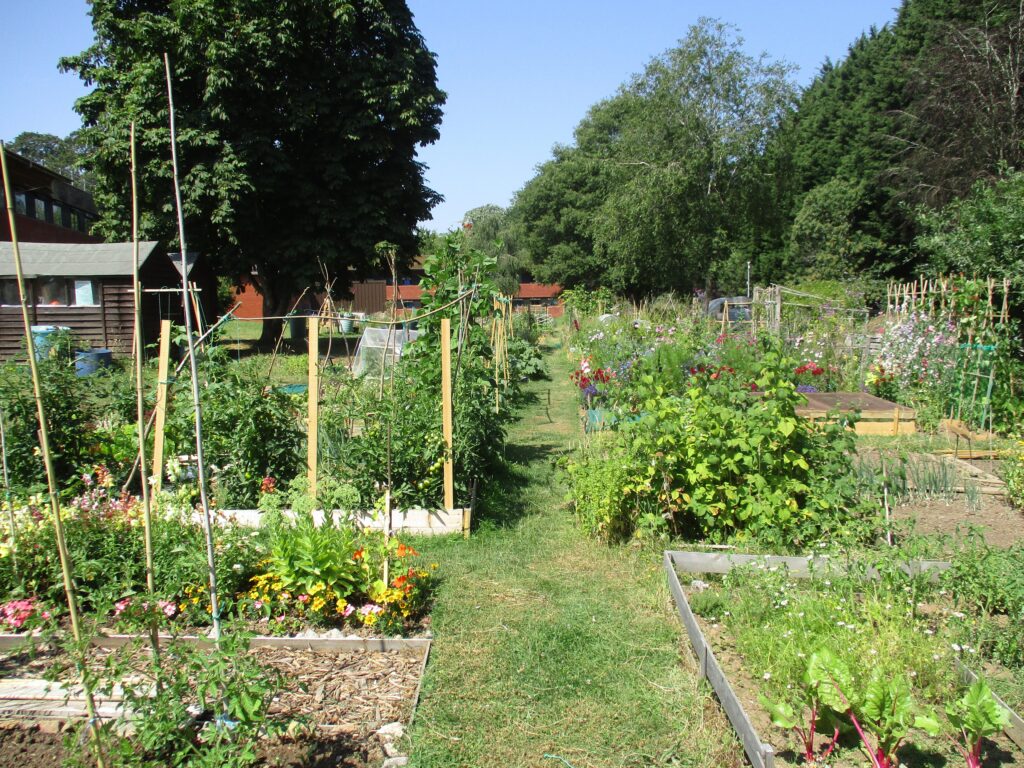
Free time could be spent in the grounds, unit communal areas (which had games equipment), the library, fitness centres or sports field, although it was not possible to use equipment, such as footballs, without a PE instructor present. Some prisoners pursued hobbies such as gardening in their allotments or music during the evenings.
Access to the library was good. It was open daily, including evenings and weekends. There was a good range of reading materials, CDs, DVDs, audiobooks and board games.
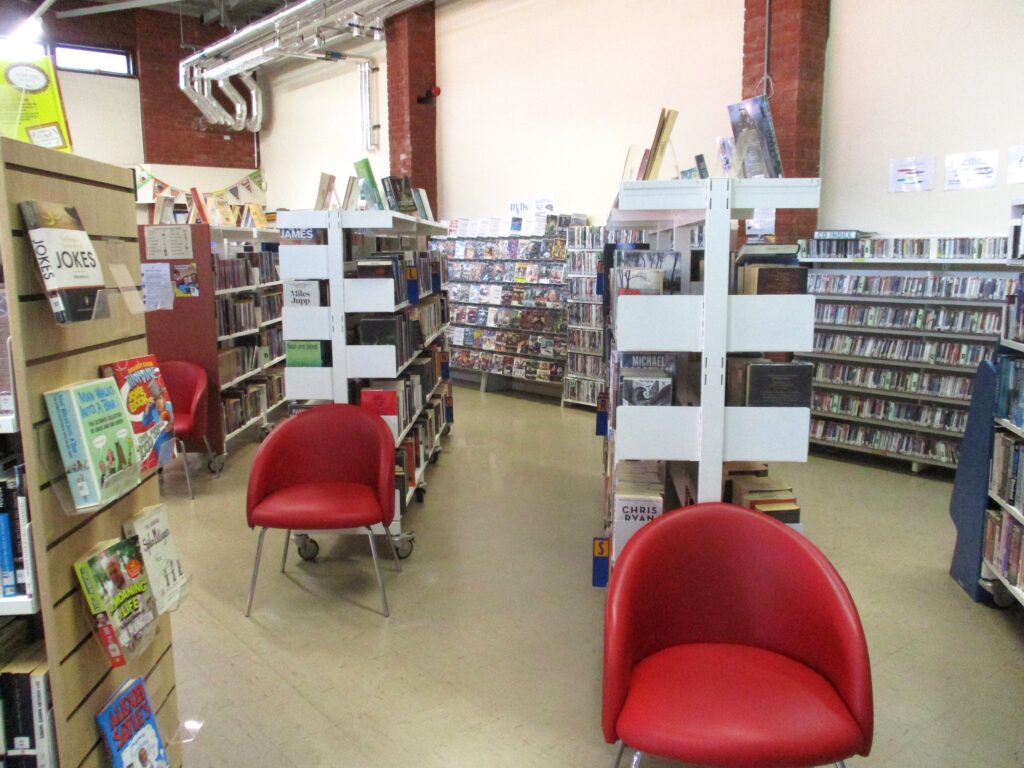
Reading was promoted across the prison through book clubs, reading champions, readily available books on residential units and support from Shannon Trust mentors (see Glossary).
| HMIP prisoner survey | Yes | Compared with similar prisons |
| In a normal week, can you go to the gym or play sports more than five times? | 60% | Higher |
PE facilities had improved since the last inspection. A new classroom allowed some courses to be taught and the showers had been refurbished. The small fitness centre near the dining hall was appreciated by those who used it.
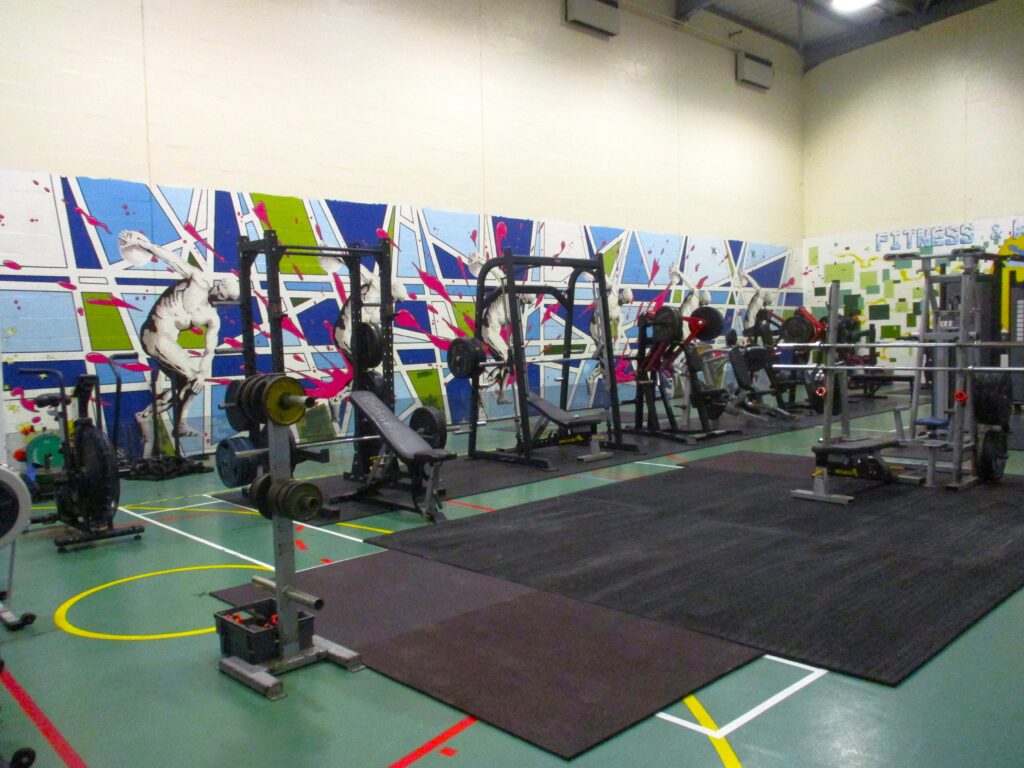
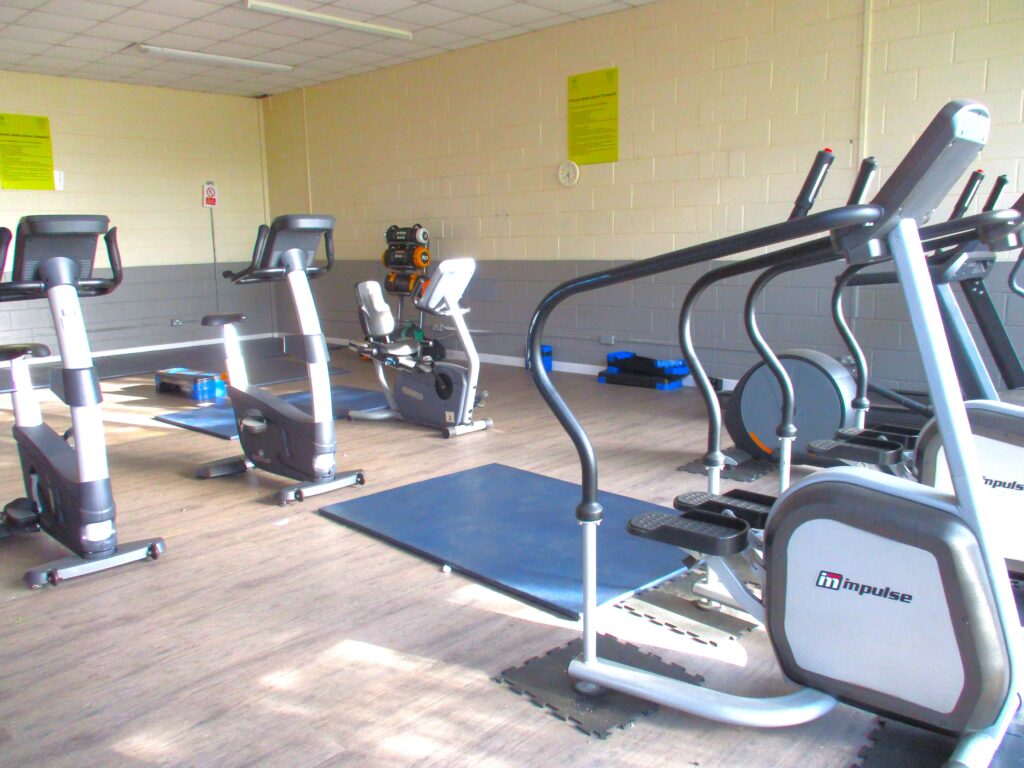
A weekly programme met the needs of different groups. This included charity events, boot camps, seated exercise and team sports. Parkrun continued to be well attended. There were also wellness walks, which involved small groups of prisoners completing walks of several miles, with team building activities, outside the prison. Routes were selected to meet the ability of the group and feedback from prisoners was positive.
Education, skills and work activities
Expected outcomes: All prisoners are expected and enabled to engage in education, skills or work activities that increase their employability on release. There are sufficient, suitable education, skills and work places to meet the needs of the population and provision is of a good standard.

Ofsted inspects the provision of education, skills and work in custodial establishments in England. The following summary has been provided by Ofsted inspectors who attended this inspection. Their full report is published under ‘Survey materials and Ofsted full report‘.
Ofsted made the following assessments about the education, skills and work provision:
- Overall effectiveness: Requires improvement
- Quality of education: Requires improvement
- Behaviour and attitudes: Good
- Personal development: Requires improvement
- Leadership and management: Requires improvement
Prison leaders had not provided a curriculum that met the needs of prisoners in a category D prison. The curriculum did not prepare prisoners well to gain and sustain employment on release. For example, leaders did not offer courses in self-employment. Consequently, too few prisoners gained employment on release.
Although prison leaders had provided sufficient opportunities for prisoners to take part in work and education, they had provided too few opportunities for prisoners to gain substantive qualifications. Prison leaders and managers did not always ensure that prisoners could gain accredited qualifications for their new learning. Consequently, too many prisoners could not validate what they knew and could do as a result of the training they received.
Prison leaders did not consistently record, monitor or review the progress that prisoners made in developing new knowledge, skills and behaviours in skills and work. Consequently, prisoners were not helped to consolidate what they learned and were not supported to learn more challenging skills.
Prison leaders had not implemented an effective personal development curriculum. They had not ensured that prisoners’ wider development needs were being met well enough, including digital skills and knowing the risks associated with racialisation and extremism. Consequently, prisoners did not develop enough of the knowledge and skills they needed for the modern world.
Prison leaders had mostly assessed the strengths and weaknesses of education, skills and work accurately. They had taken some useful actions to improve the curriculum, including increasing local employment for prisoners while on release on temporary licence. However, leaders’ actions to improve all the curricular weaknesses had been too slow.
Prison leaders had put in place a few useful reading support initiatives. A small number of prisoners participated in peer-supported reading groups and benefitted from reading-related guest-speaker workshops. Leaders worked closely with staff from the Shannon Trust to develop reading mentors. However, leaders acknowledged inconsistencies in the broader implementation of their reading strategy. For example, staff did not always promote reading for pleasure. Leaders knew prisoners’ reading levels upon arrival at the prison but did not routinely assess or monitor their progress.
Teachers in education planned lessons well and used effective techniques to support the development of new knowledge. Teachers knew the support needs of prisoners with special educational needs and/or disabilities well and provided effective support. However, too few prisoners achieved their qualifications in English and/or mathematics. Teachers did not always use what prisoners knew and could do to inform their teaching. Teachers did not always ensure that prisoners used the feedback they received to improve their work.
Prisoners attended well and were punctual to their education, work and skills sessions. They mostly demonstrated positive attitudes towards their learning and were respectful to staff and their peers. Prisoners received effective careers information and guidance.
Section 5: Preparation for release (Back to top)
Preparation for release is understood as a core function of the prison. Prisoners are supported to maintain and develop relationships with their family and friends. Prisoners are helped to reduce their likelihood of reoffending and their risk of harm is managed effectively. Prisoners are prepared for their release back into the community.
Children and families and contact with the outside world
Expected outcomes: The prison understands the importance of family ties to resettlement and reducing the risk of reoffending. The prison promotes and supports prisoners’ contact with their families and friends. Programmes aimed at developing parenting and relationship skills are facilitated by the prison. Prisoners not receiving visits are supported in other ways to establish or maintain family support.
| HMIP prisoner survey | Yes | Compared with last inspection |
| Have staff here encouraged you to keep in touch with your family and friends? | 50% | Higher |
Prisoners had good support to help maintain family ties through social visits, family days and ROTL.
Visitors spoke positively about their treatment by staff, and we observed warm and respectful interactions. The Lounge, a prisoner-run café, was open before visit sessions, providing those travelling to the prison with a comfortable environment in which to wait. Visits facilities were good; the visits hall offered a range of hot and cold refreshments, separate outdoor areas for adults and children, and a well-equipped children’s play area.
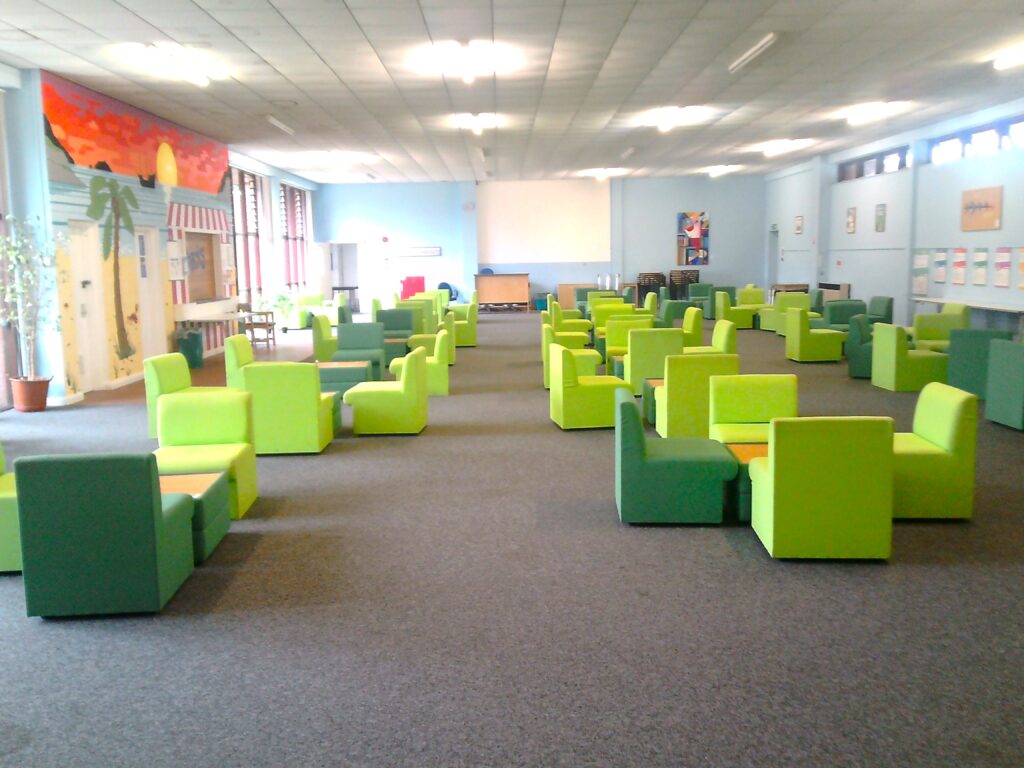

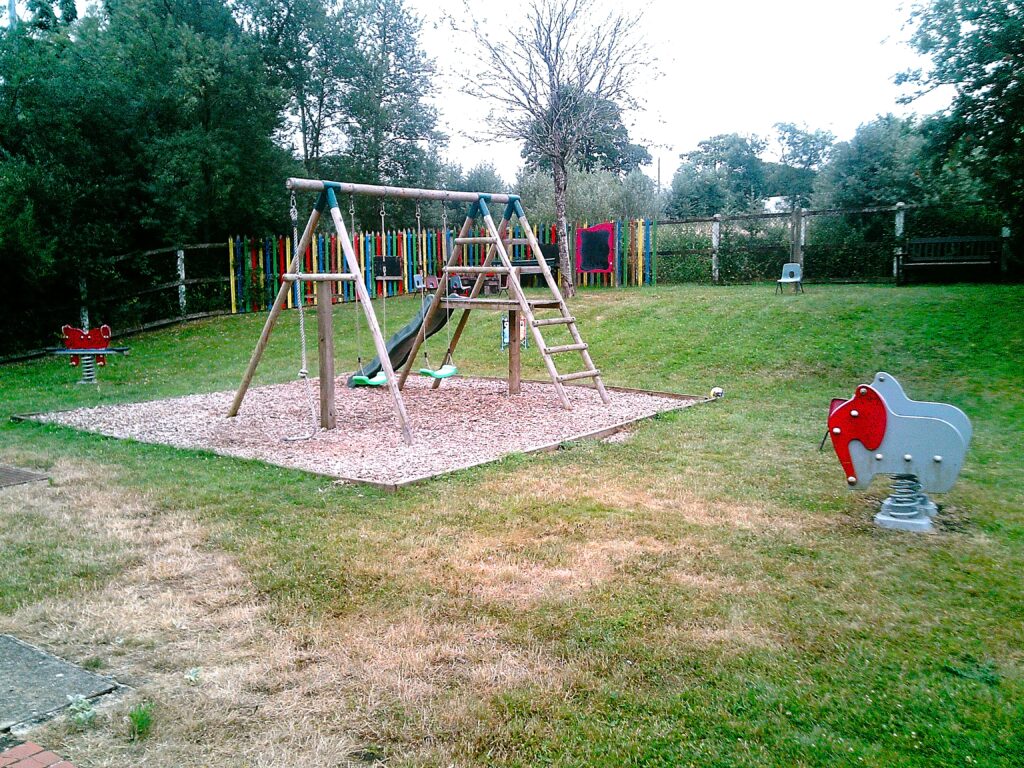
The Prison Advice and Care Trust (PACT) delivered a broad range of services for prisoners and their families. These included themed family days, in-room resources and practical casework support, including assistance with family court matters. Family days were held regularly throughout the year and alternated between events for children and families and those aimed at adult visitors.
The Official Prison Visitor (OPV) scheme, which arranges vetted volunteers to provide social visits to prisoners who rarely or never receive visits, was well used.
Leaders were trialling secure mobile phones to address the long-standing absence of in-room telephones. Around a fifth of prisoners had access to the scheme at the time of the inspection, and early feedback was encouraging. Prisoners using the mobile phones told us that they valued the greater flexibility and privacy they provided. Prisoners who were not part of the pilot remained frustrated by their reliance on communal telephones.
Access to secure video calling remained limited. In our survey, only 33% of respondents said that they had used the service in the previous month, and availability was restricted to two weekdays. Plans to relocate the equipment to a more discreet location were positive, but the lack of weekend provision continued to limit access for some prisoners and their families.
Reducing reoffending
Expected outcomes: Prisoners are helped to change behaviours that contribute to offending. Staff help prisoners to demonstrate their progress.
At the time of inspection, sex offenders accounted for three-quarters of the population, compared to just over half in 2023. As an open prison, this brought extra complexity, such as most ROTL being restricted and work placements for prisoners being harder to secure.
Earlier this year, a new reducing reoffending strategy had been introduced. This was based on a comprehensive needs analysis, which had previously been lacking. The strategy was supported by well-attended meetings which helped to improve coordination and identify and address emerging issues.
| HMIP prisoner survey | Yes | Compared with similar prisons |
| Do you think your experiences in this prison have made you less likely to offend in the future? | 62% | No difference |
The relative freedom offered at the prison, well-tended gardens and supportive environment with access to opportunities, including ROTL, contributed to Leyhill being a positive rehabilitative environment.
How staff were supporting prisoners and managing risk
The offender management unit (OMU) leadership team was well established and effective, fostering a culture of high professional standards among staff. The OMU team produced a range of work covering, among other areas, prisoner assessment, sentence planning, public protection and sentence calculations, which we found to be of a good standard.
In early 2025, the team launched a monthly OMU newsletter, which offered a useful and informative resource for both OMU staff and the wider prison. The newsletter kept staff up to date with legislative and policy changes and provided current performance data relating to Leyhill, helping to promote awareness, transparency and engagement across the establishment.
Prison offender managers (POMs) managed reasonable caseloads. In cases we reviewed, we found the quality and frequency of POM contact was generally appropriate; contact was prescribed based on individual need and being enough to ensure prisoners’ progression. Prisoners we spoke to described positive working relationships with their POM. On arrival of a new prisoner, the POM would start all key processes, but initial contact was often too slow. We also found that there was a lack of communication with prisoners about key processes, expectations and timelines, leading to uncertainty and frustration.
All prisoners had a sentence plan and these were of a good standard, although our survey indicated that prisoners were less clear about their sentence plan objectives than prisoners in similar prisons.
Public protection arrangements were working well at Leyhill. Staff demonstrated a good understanding of risk, which was reflected in their day-to-day practice. They delivered formal public protection processes effectively and supported them with a culture that encouraged professional curiosity about prisoners’ histories, behaviour and attitudes. This helped staff to identify, assess and manage risks appropriately.
Opportunities for prisoners to progress
| Data provided by the prison | |
| Number of ROTL instances that took place in the last 12 months | 30,503 |
| Number of individual prisoners in the last 12 months that had accessed ROTL | 608 |
The frequency of ROTL had increased significantly, with an average of over 2,500 occurrences per month, compared to an average of 1,500 per month at the last inspection. This was particularly positive given the increase in the sex offender population who were generally more difficult to place in employment and required greater scrutiny. Most ROTL (around 60%) was for paid work.
Leaders had good oversight of ROTL processes and the risk management underpinning this was robust. However, there were delays in prisoners accessing ROTL on arrival. Few prisoners had their initial board within the target of 12 weeks and, in some cases, delays extended to six months. Prisoners were also unclear about timescales for ROTL, and poor communication about these delays contributed to uncertainty and frustration.
We found Leyhill to be doing everything it could to expedite ROTL boards so that prisoners could safely embark on resettlement day release (see Glossary) as soon as possible. Delays were mostly due to it taking too long for the individual community probation team to return their contribution to the ROTL risk assessment and highlight any potential restrictions needed. This was particularly exacerbated in some cases where the prisoner had not been allocated a community offender manager (COM). There was good evidence of leaders using escalation processes to resolve issues with the community probation teams.
The psychology team and POMs provided support to around 25 prisoners under the enhanced behaviour monitoring (EBM) scheme. This monitored and supported prisoners who posed particular risk or had specific extra needs in open conditions. The prisoners who were subject to EBM that we spoke to were positive about their experience.
About 50 prisoners who had screened into the offender personality disorder pathway were engaging with the pathways enhanced resettlement service (PERS). These prisoners were offered frequent sessions with an officer or psychologist over a few months after which they could access less formal drop-in sessions. Prisoners told us they valued this support.
Returning to the community
Expected outcomes: Prisoners’ specific reintegration needs are met through good multi-agency working to maximise the likelihood of successful resettlement on release.
In the last year, 265 prisoners had been released. Most returned to areas outside the prison’s resettlement region, which created challenges in securing accommodation and employment. Despite these difficulties, arrangements to prepare prisoners for release were good and prisoners received appropriate support to help them resettle in the community.
Information sharing and joint working between prison staff and community probation teams were effective. Release plans were comprehensive and addressed prisoners’ resettlement needs. Regular, well-attended multi-agency release meetings supported a coordinated approach to identifying and addressing these needs.
| HMIP prisoner survey | Yes | Compared with similar prisons |
| For those who expect to be released in the next 3 months, is anyone helping you to get ready for your release? | 80% | No difference |
There was support available through the employment hub for prisoners to secure benefits, obtain identification and banking services. Access to the hub was good with evening and weekend openings for those who were working during the week.
Securing accommodation on release had become increasingly difficult. Despite this, only one prisoner was released homeless, and this following a late change in personal circumstances. Prison data showed that 43% of prisoners were released into sustainable accommodation, most of the remainder were released to approved premises.
Despite sustained efforts by the prison employment lead, opportunities for prisoners to secure employment on release remained limited. Data on post-release employment outcomes at six weeks and six months after release showed that Leyhill had the worst outcomes among open prisons.
Public protection arrangements in the lead-up to release were managed effectively. The interdepartmental risk management meeting provided effective multidisciplinary oversight of prisoners due for release. Multi-agency public protection arrangements (MAPPA, see Glossary) levels and licence conditions were confirmed in a timely manner, supporting robust release planning and risk management.
Practical arrangements for the day of release were good, including transport to the local train station for those who needed it.
Section 6: About HMP Leyhill (Back to top)
Please note, much of the following information was supplied by the establishment at the time of the inspection.
Category of the prison
HMP Leyhill is a category D male open prison.
Brief history
HMP Leyhill is an open prison located near Wotton-under-Edge in Gloucestershire. It was originally built during the Second World War as a United States Army military hospital. In 1946, the site was converted into a prison. In its early years, prisoners were accommodated in former military huts. During the late 1970s and early 1980s, the prison underwent significant redevelopment. New residential accommodation was brought into use in 1986, and further units were added in 2002 to increase capacity. Additional modular single cell ‘pod’ accommodation was added in 2020 for 40 prisoners.
Population
455 prisoners were held at the time of the inspection. There was operational capacity for 488. (Figures provided by the prison.)
- 37% of the population were serving indeterminate sentences
- 76% of the population were convicted of a sexual offence
- 20% of prisoners were from black and minority ethnic backgrounds
- 30% of prisoners were aged over 60
- 13% of prisoners were aged over 70
- 2 prisoners were foreign nationals
- 265 prisoners had been released in the last 12 months
Short description of residential units
- Residential accommodation is provided across four main units: Ash, Beech, Cedar 1 and Cedar 4. Current baseline capacity:
- 213 prisoners in Ash
- 207 prisoners in Beech
- 28 prisoners in Cedar 1
- 40 prisoners in Cedar 4
Prison status (public/private)
Public
Key providers
Physical health provider: Oxleas NHS Foundation Trust
Mental health provider: Oxleas NHS Foundation Trust
Substance misuse treatment provider: Oxleas NHS Foundation Trust and Change, Grow, Live
Dental health provider: Time for Teeth
Prison education framework provider: Milton Keynes College
Escort contractor: Serco
Prison group director
Paul Woods
Name of governor/director and date in post
Steve Cross, October 2023
Changes of governor/director since the last inspection
Acting Governor: S. Coombs, July to September 2023
Governor: S. Hodson, July 2020 to June 2023
Independent Monitoring Board Chair
Paul Lane
Date of last inspection
12–22 June 2023
Progress on concerns from the last inspection (Back to top)
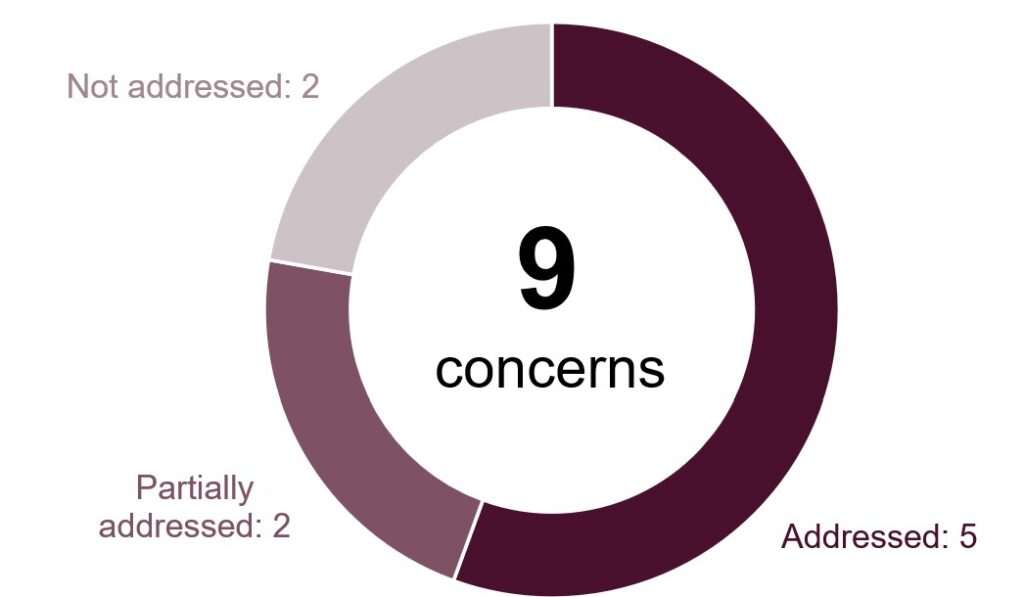
At our last inspection in 2023 we raised nine concerns, three of which were about areas of priority concern.
At this inspection we found the following progress:
The following is a list of all the concerns raised, organised under the four tests of a healthy prison.
Safety
Priority concerns
None
Key concerns
None
Respect
Priority concern
The lack of training and effective supervision of support orderlies posed a potential safeguarding risk for frail, elderly and vulnerable prisoners.
Not addressed
Key concern
Waiting times for access to certain allied and specialist clinics and services were excessive, with up to six months to see a podiatrist and an optician, and five months to see a physiotherapist.
Addressed
Purposeful activity
Priority concerns
The provision of education, skills and work was of not of sufficiently high quality and did not equip prisoners with the skills they needed to gain employment on release.
Not addressed
Prisoners with additional learning needs did not receive the support they needed.
Addressed
Key concerns
The reading strategy was ineffective, which meant that prisoners who struggled to read did not get the help they needed.
Partially addressed
Enrichment activities for younger prisoners were less well developed than those for prisoners who were retired or aged over 50. Some complained of boredom and not having enough to do during evenings and weekends, and they were not allowed to use the sports field unsupervised, which limited their access to healthy recreational activity.
Addressed
Preparation for release
Priority concerns
None
Key concerns
Work to reduce the risk of reoffending was not informed by an adequate overall analysis of the population’s risks and needs.
Addressed
Prison-employed prison offender managers did not receive enough training or supervision.
Addressed
There were not enough opportunities for eligible prisoners to work while on temporary release in the community.
Partially addressed
Care Quality Commission Action Plan (Back to top)
Care Quality Commission (CQC) is the independent regulator of health and adult social care in England. It monitors, inspects and regulates services to make sure they meet fundamental standards of quality and safety. For information on CQC’s standards of care and the action it takes to improve services, please visit: http://www.cqc.org.uk
The inspection of health services at HMP Leyhill was jointly undertaken by the CQC and HMI Prisons under a memorandum of understanding agreement between the agencies (see Working with partners – HM Inspectorate of Prisons (justiceinspectorates.gov.uk)). The Care Quality Commission issued requests for action plans following this inspection.
Action plan request
Provider
Dr PA Ltd
Provider ID
1-14970669839
Location
DrPA Secure – HMP Leyhill
Location ID
1-20243031052
Regulated activities
Diagnostic and screening procedures, Treatment of disease, disorder or injury
Action we have told the provider to take
Regulation 17 – Good governance, of the Health and Social Care Act 2008 (Regulated Activities) Regulations 2014
Regulations for service providers and managers – Care Quality Commission (cqc.org.uk)
17 (1) Systems or processes must be established and operated effectively to ensure compliance with the requirements in this Part.
(2) Without limiting paragraph (1), such systems or processes must enable the registered person, in particular, to—
(a) assess, monitor and improve the quality and safety of the services provided in the carrying on of the regulated activity (including the quality of the experience of service users in receiving those services);
(b) assess, monitor and mitigate the risks relating to the health, safety and welfare of service users and others who may be at risk which arise from the carrying on of the regulated activity;
(c) maintain securely an accurate, complete and contemporaneous record in respect of each service user, including a record of the care and treatment provided to the service user and of decisions taken in relation to the care and treatment provided;
(d) maintain securely such other records as are necessary to be kept in relation to— (i) persons employed in the carrying on of the regulated activity, and (ii) the management of the regulated activity;
(e) seek and act on feedback from relevant persons and other persons on the services provided in the carrying on of the regulated activity, for the purposes of continually evaluating and improving such services;
(f) evaluate and improve their practice in respect of the processing of the information referred to in sub-paragraphs (a) to (e)
How the regulation was not being met:
Systems and processes were not all effectively established or implemented to identify, assess, monitor and mitigate the risks relating to the health, safety and welfare of patients and others who may be at risk arising from the carrying on of the regulated activities. In particular:
- There was no evidence to demonstrate that all clinicians received clinical supervision, in accordance with the provider’s policy.
- There was a lack of evidence to demonstrate staff vaccination was maintained in line with current UK Health and Security Agency (UKHSA) guidance. Not all vaccination immunisation history was confirmed as recommended by the Green Book, including tetanus, polio, diphtheria, and measles, mumps and rubella (MMR) or in accordance with the provider’s policy.
This was in breach of Regulation 17 (1) of the Health and Social Care Act 2008 (Regulated Activities) Regulations 2014.
Action plan request
Provider
Oxleas NHS Foundation Trust
Provider ID
RPG
Location
HMP Leyhill
Location ID
X9X8T
Regulated activities
Diagnostic and screening procedures, Treatment of disease, disorder or injury
Action we have told the provider to take
Regulation 17 – Good governance, of the Health and Social Care Act 2008 (Regulated Activities) Regulations 2014
17 (1) Systems or processes must be established and operated effectively to ensure compliance with the requirements in this Part.
(2) Without limiting paragraph (1), such systems or processes must enable the registered person, in particular, to—
(a) assess, monitor and improve the quality and safety of the services provided in the carrying on of the regulated activity (including the quality of the experience of service users in receiving those services);
(b) assess, monitor and mitigate the risks relating to the health, safety and welfare of service users and others who may be at risk which arise from the carrying on of the regulated activity;
(c) maintain securely an accurate, complete and contemporaneous record in respect of each service user, including a record of the care and treatment provided to the service user and of decisions taken in relation to the care and treatment provided;
How the regulation was not being met:
Systems and processes were not all effectively established or implemented to identify, assess, monitor and mitigate the risks relating to the health, safety and welfare of patients and others who may be at risk arising from the carrying on of the regulated activities. In particular:
- Copies for 3 of the 11 patients with an active DNACPR decision were not available within the relevant residential unit offices. This created a risk that resuscitation may be attempted against a patient’s wishes.
- 1 DNACPR form was available which had since been void, due to change in patients wishes. This created a risk that a patient may not be resuscitated in line with their documented wishes.
- DNACPR forms on residential units were not included in the provider’s weekly audit.
This was in breach of Regulation 17 (1) of the Health and Social Care Act 2008 (Regulated Activities) Regulations 2014.
More about this report (Back to top)
This report outlines the priority and key concerns from the inspection and our judgements against the four healthy prison tests. Each of the following four sections contains a detailed account of our findings against our Expectations for men’s prisons.
Find out more about our Expectations and how we inspect
Find out more about priority and key concerns
Find out about notable positive practice
Findings from the survey of prisoners and a detailed description of the survey methodology are published alongside this report. Please note that we only refer to comparisons with other comparable establishments or previous inspections when these are statistically significant. The significance level is set at 0.01, which means that there is only a 1% chance that the difference in results is due to chance.
The tables in this report which provide data from HMI Prisons prisoner surveys also include comparisons with similar prisons.
| Description | What it means |
| Lower | the prison’s percentage is statistically significantly lower than the comparator: prisons with the same function type, or at the last inspection |
| Higher | the prison’s percentage is statistically significantly higher than the comparator: prisons with the same function type, or at the last inspection |
| No difference | the prison’s percentage is not statistically significantly different to the comparator: prisons with the same function type, or at the last inspection |
Inspection team
This inspection was carried out by:
Martin Lomas, Deputy chief inspector
Donna Ward, Team leader
David Foot, Inspector
Natalie Heeks, Inspector
Angela Johnson, Inspector
John Wharton, Inspector
Martyn Griffiths, Inspector
Tareek Deacon, Researcher
Sana Zahid, Researcher
Helen Ranns, Researcher
Joe Simmonds, Researcher
Tania Osbourne, Lead health and social care inspector
Dayni Johnson, Care Quality Commission inspector
Matt Hann, Ofsted inspector
Daisy Agathine-Louise, Ofsted inspector
Alan Shaw, Ofsted inspector
Cliff Shaw, Ofsted inspector
Find out more about the terms and abbreviations used in this report in our glossary.
Easy read summary and press notice (Back to top)
Survey materials and Ofsted full report (Back to top)
The following files may not be suitable for users of assistive technology.
Request an accessible format
If you use assistive technology (such as a screen reader) and need a version of any of these documents in a more accessible format, please email media@hmiprisons.gov.uk. Please tell us what format you need. It will help us if you say what assistive technology you use.