
HMP Lindholme
Report on an unannounced inspection of HMP Lindholme by HM Chief Inspector of Prisons 1–11 June 2026.
Introduction (Back to top)
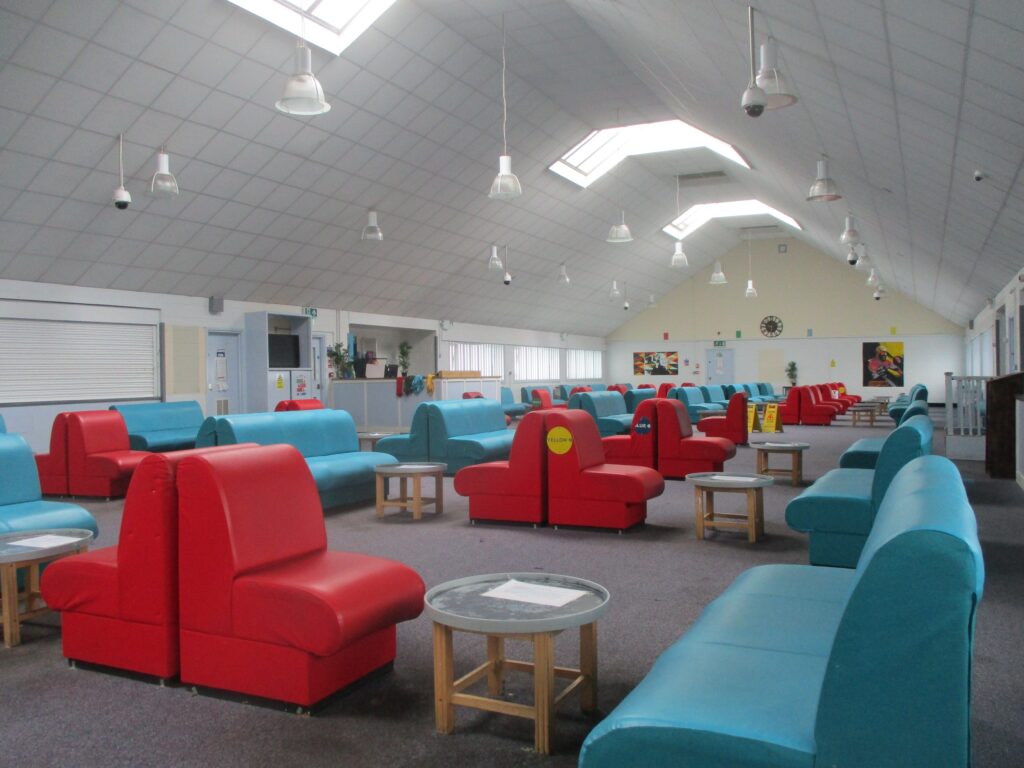
A former RAF base near Doncaster, HMP Lindholme is a large category C training prison holding just under 1,000 men, and comprising a mixture of old, re-purposed RAF accommodation and more modern but run-down cell blocks. Since we last visited, the prison had experienced considerable operational pressure, most notably, a substantial increase in population churn.
The governor had been in post for a year and brought stability to the prison, maintaining an energetic leadership style. He had set clear expectations, improved communication with prisoners and increased the visibility of senior managers on residential units. Staff understood his priorities, and there were signs of better coordination operationally, and in the delivery of core services.
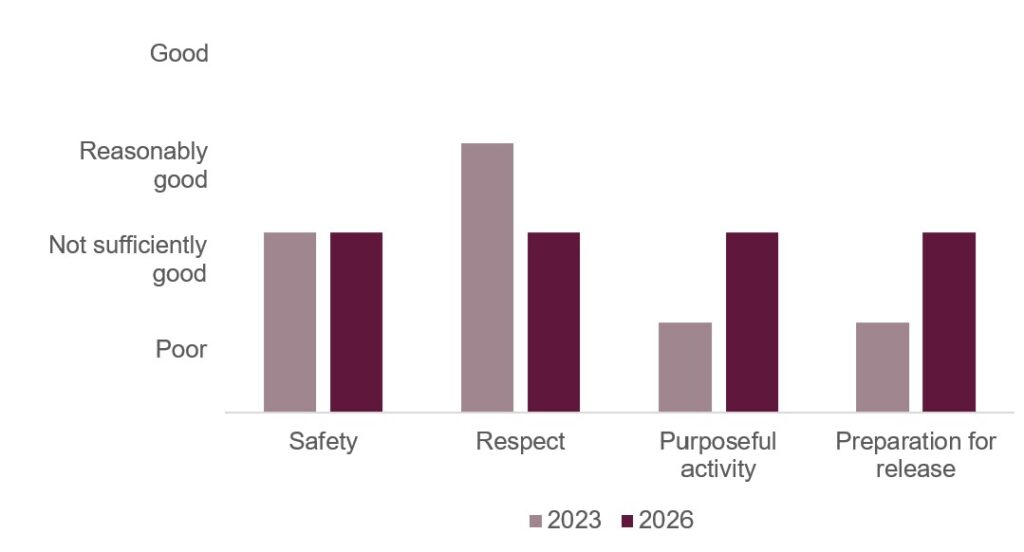
However, the prison continued to face some significant and persistent challenges. At this inspection we judged outcomes for prisoners to be not sufficiently good in all four of our healthy prison tests. Safety had not improved and respect had deteriorated, but purposeful activity and preparation for release, while still not good enough, had both improved slightly.
Arguably, the most pressing challenge the prison faced was the continuing availability and use of illicit drugs. More than half of prisoners in our survey said they were easy to obtain, and random mandatory testing indicated a positive rate in excess of 30%. Leaders had responded with more suspicion testing, stronger intelligence and partnership working with the police, and practical steps to detect packages delivered by drones. These were encouraging developments, but the scale of drug use continued to undermine safety, causing at least one death, fuelling debts and bullying, and damaging any chance some of the most vulnerable prisoners had to make progress.
Assaults too remained above the average for similar prisons, although there had been some positive signs of a fall since autumn 2025. Self-harm was also high and support for vulnerable prisoners was not always well coordinated. At the same time, inspectors saw some better outcomes on the smaller and more open A to F wings. Here men lived on shared spurs and were not locked up in cells. The units tended to be calmer, and in our survey, respondents were generally more positive about their perceptions of safety and their relationships with staff. The introduction of a safety club which sought to provide a constructive intervention for some very vulnerable men was an interesting and encouraging initiative.
Relationships between staff and prisoners were reasonable but living conditions across the prison were not good enough. The larger house blocks were often dirty and poorly decorated, some cells were badly ventilated, laundry arrangements were inadequate and repairs took too long. Health care was also too variable. Access to GPs and dentists was delayed, more than 300 health care applications were awaiting a response at the start of the inspection, and the Care Quality Commission found breaches of regulations. Mental health provision was stronger, but transfers to hospital under the Mental Health Act still took too long.
Purposeful activity had improved, but HMP Lindholme was still not functioning well enough as a training prison. Ofsted judged education, skills and work to require improvement in every area. Leaders had increased the number of activity places, broadened the curriculum and developed strong links with employers, including innovative work with a waste management employer. However, too few prisoners accessed full-time activity, attendance and punctuality were poor, and many men on the larger residential units had only two hours out of cell each day. The investment in the gym was impressive, and prisoners could gain useful qualifications there, but this did not compensate for weaknesses in the wider regime.
Work to support the maintenance of family ties was thoughtful and innovative, while some resettlement services, including help with bank accounts, identification documents and employment, were among the best we have seen. Since our previous inspection the number of men being released from the prison had increased fourfold, but despite this additional pressure the prison was coping reasonably well. The offender management unit, however, was under-resourced, contact with prisoners was very limited, public protection arrangements were weak, and many men were frustrated by the lack of opportunity to complete offence-focused work so that they could progress further.
Notwithstanding some disappointing judgements and healthy prison scores following this inspection, we had confidence in the capability of leaders to take this prison forward and had some optimism they can bring about the change and improvement needed.
Charlie Taylor, HM Chief Inspector of Prisons, July 2026
Outcomes for prisoners (Back to top)
We assess outcomes for prisoners against four healthy prison tests: safety, respect, purposeful activity, and preparation for release (see More about this report for more information about the tests). We also include a commentary on leadership in the prison (see Section 1).
At this inspection of HMP Lindholme we found that outcomes for prisoners were:
- not sufficiently good for safety
- not sufficiently good for respect
- not sufficiently good for purposeful activity
- not sufficiently good for preparation for release.
We last inspected Lindholme in 2023 Figure 1 shows how outcomes for prisoners have changed since the last inspection.
Figure 1: HMP Lindholme healthy prison outcomes 2023 and 2026
What needs to improve (Back to top)
During this inspection we identified 15 key concerns, of which six should be treated as priorities. Priority concerns are those that are most important to improving outcomes for prisoners. They require immediate attention by leaders and managers.
| Priority concerns | |
| 1. | The ingress and use of illicit drugs was too high. The abuse of drugs had contributed to one death in custody since our last inspection, with possible links to other deaths yet to be classified. |
| 2. | The health partnership had not addressed known issues impacting patient outcomes. These included long waiting times to see the GP and dentist, poor supervision of medicine administration queues and too many cancelled or delayed hospital appointments. |
| 3. | There were not enough prisoners in full-time education, training or employment. |
| 4. | Attendance at education, skills and work remained low and punctuality was poor. |
| 5. | Contact with prisoners by prison offender managers was very limited. |
| 6. | Many prisoners were frustrated at the lack of opportunity to complete offence-focused work. |
| Key concerns | |
| 7. | The rate of assaults was high and above the average when compared to similar prisons. |
| 8. | Scrutiny of the use of force was limited. |
| 9. | There was insufficient support for prisoners on the drug recovery pathway. |
| 10. | Many wings were poorly decorated and dirty. |
| 11. | Patients waited too long to transfer to hospital under the Mental Health Act. |
| 12. | Oversight of the delivery of social care by peer workers was poor. |
| 13. | The quality of education was not consistently good across education, skills and work activities. |
| 14. | Some public protection arrangements were weak. |
| 15. | Resources allocated to resettlement had not kept pace with the substantial increase in the number of releases. |
Notable positive practice (Back to top)
We define notable positive practice as evidence of our expectations being met to deliver particularly good outcomes for prisoners, and/or particularly original or creative approaches to problem solving. Inspectors found some examples of notable positive practice during this inspection, which other prisons may be able to learn from or replicate.
| 1. | The safety club provided a supportive environment for vulnerable prisoners and helped to develop positive engagement between prisoners, peer workers and staff. (See Safeguarding) |
| 2. | Excellent joint working between the prison, police and other agencies was helping to disrupt the supply of illicit drugs. (See Security) |
| 3. | The governor had developed very good links with the local community to enhance intelligence and build working relationships. (See Security) |
| 4. | Leaders and managers had successfully collaborated with a key national employer in the waste management sector to design the content of qualifications at Levels 1 and 2 that met the specific needs of employers working in this industry. (See Education, skills and work activities) |
| 5. | Monthly ‘dining events’ allowed prisoners and their visitors to eat a meal together in the bistro. (See Children and families and contact with the outside world) |
Unless otherwise specified, these examples are not formally evaluated, are a snapshot in time and may not be suitable for other establishments. They show some of the ways our expectations might be met, but are by no means the only way.
Section 1: Leadership (Back to top)
Leaders provide the direction, encouragement and resources to enable good outcomes for prisoners.
The governor had been in post for a year and, with his active and positive leadership style, had started to deliver improvements, although improvement to outcomes lagged. For example, six of our concerns raised at the 2023 inspection had not been fully addressed, most notably the availability and abuse of illicit drugs. Work was clearly being done, but outcome measures remained concerning.
Clear expectations about the behaviour of staff and prisoners had been set by the governor and he was very visible around the site. Locating some senior leaders on residential units had helped to also increase their visibility. The number of supervising officers had been increased to provide more direct support to officers working on the house units, a quarter of whom had less than two years’ experience.
Most staff who responded to our survey knew and agreed with the governors’ priorities. Our staff survey results suggested that morale was mixed, but almost two thirds of respondents said their well-being was promoted. Communication with prisoners was enhanced by a weekly vlog by the governor and a decent level of consultation.
Leaders knew all too well the risks caused by drug use and a regular meeting between the safety functions had improved joint working, as had an impressive partnership with the local police and other law enforcement agencies. Some examples of positive practice from other prisons had been adopted and more resources had been allocated to drug testing. Leaders had taken some very simple yet effective steps to detect and stop drones. This included adding more staff to patrol the grounds and the perimeter.
Prison and health care leaders had been complacent in failing to address some longstanding issues such as long delays in accessing the GP and dental services. Leaders were ambitious in their longer- term vision for the substance misuse recovery pathway but, at the time of this inspection, the substance support unit was still very new, and the incentivised substance-free living unit was not yet fulfilling its intended role.
The governor had a particularly thorough understanding of offender management, and leadership within education, skills and work had improved. However, the prison was not yet fulfilling its role as a training site. Not enough men were in full-time purposeful activity, prison offender managers could not provide regular support and the number of places on the accredited offending behaviour programme did not meet the level of need.
The prison was not resourced to provide help with resettlement despite the number of releases having quadrupled since our last inspection. The governor had funded some short employability courses for this group and the prison employment lead, strategic housing specialist and prison leaders worked very well together to deliver improved outcomes.
Section 2: Safety (Back to top)
Prisoners, particularly the most vulnerable, are held safely.
Early days in custody
Expected outcomes: Prisoners transferring to and from the prison are safe and treated decently. On arrival prisoners are safe and treated with respect. Risks are identified and addressed at reception. Prisoners are supported on their first night. Induction is comprehensive.
In our survey, three-quarters of men said they felt safe on their first night. Support for new arrivals remained reasonably good, despite a considerable increase in the number. The delivery of reception arrangements were, however, inefficient and needlessly time consuming which delayed men getting to the first night unit and settling in. Safety interviews were thorough, but the room was too small which left the prisoner standing throughout.
Peer workers provided good support and prisoners could still buy items from the prison shop, which helped them to avoid getting into debt during their first few days. New arrivals did not always receive a thorough induction and had too little time out of their cell while they waited to be allocated to work. In our survey, far fewer prisoners than in similar prisons said they had completed an induction and only 58% said it covered everything they needed to know.
| HMIP prisoner survey | Yes | Compared with similar prisons |
| On your first night in this prison, was your cell very/quite clean? | 17% | Lower |
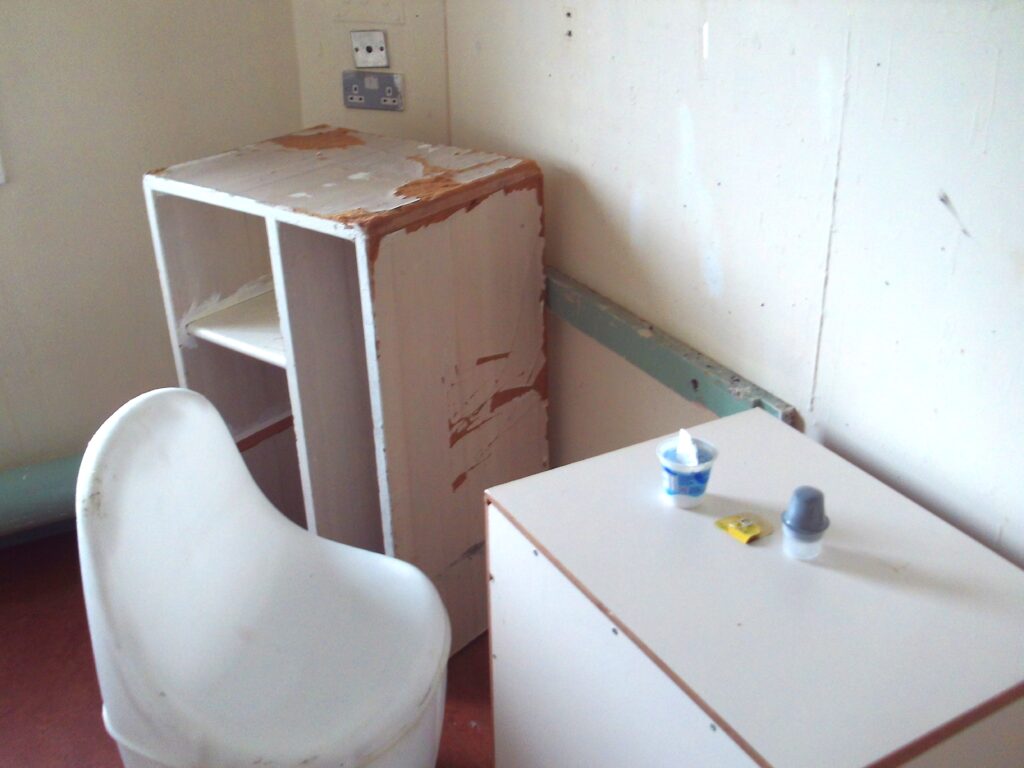
First night cells were not prepared well enough. They were shabby, often lacked items of furniture and, in some cases, still contained litter left by the previous occupant.
Promoting positive behaviour
Expected outcomes: Prisoners live in a safe, well ordered and motivational environment where their positive behaviour is promoted and rewarded. Unacceptable conduct is dealt with in an objective, fair, proportionate and consistent manner.
Encouraging positive behaviour
In our survey, one in five men (21%) said they felt unsafe at the time of the inspection, which was similar to the 2023 inspection and other prisons. However, only 7% of men living on A to F wings – which consisted of small landings rather than being a large houseblock where men were never locked in their cell – said they felt unsafe.
| Data provided by the prison | |
| Rate of prisoner assaults per 1,000 prisoners, 12 months to May 2026 | 292 |
| Rate of staff assaults per 1,000 prisoners, 12 months to May 2026 | 118 |
The rate of assaults had increased since the previous inspection, although there had been some reduction since autumn 2025. The rate overall was still above the average for similar prisons.
The quality of challenge, support and intervention plans (CSIPs, see Glossary) was better than we often see. However, there was little evidence of day-to-day support for prisoners to help them achieve their specific targets.
There were some positive initiatives to help men improve their behaviour. For example, a rugby-based project targeted the most challenging prisoners and aimed to help them become more disciplined and involved in teamwork. Leaders had also introduced a short problem-solving course to help prisoners progress from the basic level of the incentives scheme. The proportion of men on this level had reduced over the last year.
Prisoners who demonstrated consistent positive behaviour could move to A to F wings where opportunities and time unlocked were noticeably better. Prisoners could also attain meaningful qualifications in the gym (see Time out of cell) and become trusted peer workers. However, rewards were not well promoted across the prison and, in our survey, only 23% said there were opportunities to motivate them.
Arrangements to manage prisoners convicted of terrorist offences were robust, including information sharing at regular meetings with other agencies and access to a structured intervention when needed.
Most adjudications were now dealt with promptly, but at the time of the inspection more than 100 serious incidents had been adjourned awaiting police enquiry. Most of these related to charges laid at other prisons.
Use of force
The rate at which force was used had fallen in the previous 12 months and was average for similar prisons, with about 14 incidents per week. Most force used was relatively low level. Batons had not been used and while PAVA had been used 11 times, this appeared justified in the cases we reviewed.
There was too little leadership oversight of the use of force and the monthly meeting was often cancelled. Scrutiny was further hampered by the limited use of body-worn video cameras, although poor practice was managed appropriately when it was identified.
Responses to complaints about the use of force were not of sufficient quality and did not address all the issues raised.
Segregation
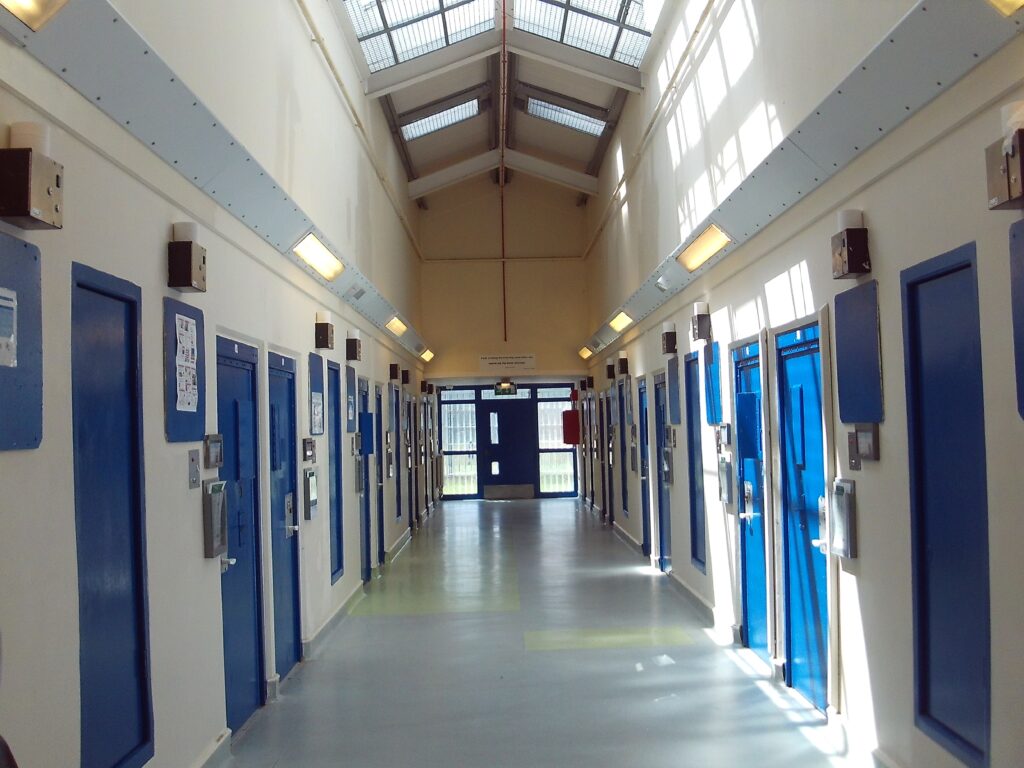
The use of segregation had reduced considerably since the last inspection. The average length of stay remained short, but, at the time of this inspection, one prisoner had been segregated for two-and-a-half months while waiting for a place in a mental health hospital.
Relationships between staff and prisoners were good and prisoners spoke positively about their treatment. Staff working on the unit continued to receive regular supervision from the psychology team.
The day-to-day regime remained very limited and individualised risk assessments to judge the need for restrictions were not undertaken. For example, very few men had been allowed to associate in pairs while in the unit or take part in purposeful activity elsewhere in the prison.
Security
Expected outcomes: Security and good order are maintained through an attention to physical and procedural matters, including effective security intelligence and positive staff-prisoner relationships. Prisoners are safe from exposure to substance misuse and effective drug supply reduction measures are in place.
| HMIP prisoner survey | Yes | Compared with similar prisons |
| In this prison, is it easy/very easy to get illicit drugs? | 53% | No difference |
| In this prison, is it easy/very easy to get alcohol? | 45% | Higher |
Illicit drugs and alcohol remained easily available. The use of illicit drugs had been confirmed as causing one death since the last inspection. We were told that more deaths may be linked to drug use, but investigations into these had yet to be completed by the Prisons and Probation Ombudsman (PPO).
The average random mandatory drug testing positive rate was 33% for the last year which was higher than similar prisons. However, this had been falling over recent months.
| HMIP prisoner survey | Yes | Compared with previous inspection |
| Have you developed a drug or alcohol problem in this prison (including medication not prescribed to you)? | 16% | No difference |
In our survey, some vulnerable groups reported far more negatively about developing a drug or alcohol problem while in prison; for example, 23% of neurodivergent prisoners told us they had. We were also given examples of vulnerable men being bullied into taking drugs, forcing them into debt and fear of reprisal.
The level and type of drug testing had increased, and leaders had excellent arrangements with the police and other law enforcement agencies to disrupt organised criminal activity. Effective steps, including the deployment of more staff to patrol the grounds and the perimeter, were being taken to find illicit packages delivered by drones.
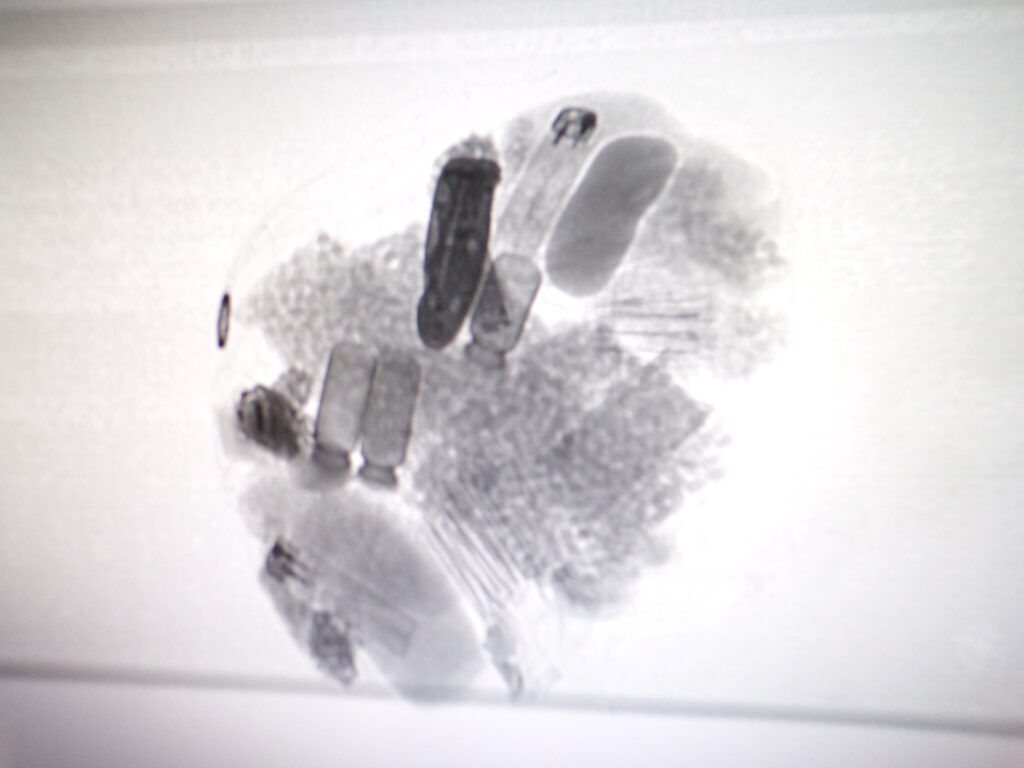
The recently opened substance support unit (SSU) was a promising initiative aimed at helping those actively using drugs. Following their time on the SSU they could move to the incentivised substance free living (ISFL) unit, but support on that unit was still developing, lacking, for example, psychosocial work to help sustain recovery.
Security arrangements across the site were proportionate and prisoner movement was now much more ordered and controlled. Intelligence was used well and the governor was engaging with members of the local community to improve working relationships. No prisoners convicted of terrorism were held at the time of this inspection, but we were confident that the necessary processes and joint working between agencies would be managed appropriately.
Safeguarding
Expected outcomes: The prison provides a safe environment which reduces the risk of self-harm and suicide. Prisoners at risk of self-harm or suicide are identified and given appropriate care and support. All vulnerable adults are identified, protected from harm and neglect and receive effective care and support.
Suicide and self-harm prevention
| Data provided by the prison | |
| Rate of self-harm per 1,000 prisoners, 12 months to May 2026 | 562 |
Since our last inspection, there had been one self-inflicted death. Leaders kept recommendations made by the PPO under review and carried out internal learning after a serious incident.
The rate of self-harm was high but had reduced considerably in the last 12 months. There was a reasonable range of support to help men cope including peer workers (see Staff-prisoner relationships) and a ‘safety club’ (structured support sessions) which allowed vulnerable prisoners to undertake activities in a small group, away from the house blocks. This was scheduled to take place twice a week but was often cancelled. There were too few Listeners in post (prisoners trained by the Samaritans to provide emotional support to fellow prisoners) and, with no dedicated meeting space, prisoners could not always access Listeners’ support at night.
Mental health staff now attended assessment, care in custody and teamwork (ACCT, see Glossary) case reviews, but other staff, such as substance misuse workers and prison offender managers, were often absent. Many prisoners supported by ACCT case management were also on the lowest level of the incentives scheme and had very little time unlocked. Prisoners we spoke to described a cycle of drug use leading to being placed on basic level, with increased boredom and frustration, followed by further drug use and, for some, more self-harm.
Protection of adults at risk
Links with the local authority safeguarding adults board were in place. A monthly meeting of safety and health care managers was used to explore concerns about individual prisoners.
Some officers still lacked awareness of adult safeguarding risks and how to identify them.
Section 3: Respect (Back to top)
Prisoners are treated with respect for their human dignity.
Staff/prisoner relationships
Expected outcomes: Prisoners are treated with respect by staff throughout their time in custody and are encouraged to take responsibility for their own actions and decisions.
Staff-prisoner relationships were reasonably good and, in our survey, two-thirds of men said that most staff treated them with respect and they had somebody to turn to if they had a problem. Perceptions were notably better on A to F wings where 81% of men said that most staff treated them with respect.
We observed helpful and patient interactions. However, a few men on the larger house blocks told us that some officers were antagonistic and dismissive of prisoners’ circumstances and well-being.
The delivery of key work (see Glossary) was poor. Most men did not receive this help, although, in our survey, the perceptions of men on A to F wings were far more positive. Peer support was developing well. The neurodiversity peer workers were exceptionally helpful to some of the most vulnerable men.
Daily life
Expected outcomes: Prisoners live in a clean and decent environment and are aware of the rules and routines of the prison. They are provided with essential basic services, are consulted regularly and can apply for additional services and assistance. The complaints and redress processes are efficient and fair.
Living conditions
The prison remained overcrowded with about 37% of men paired up in cells originally designed for one.
Outside areas were well maintained and all communal showers had been refurbished since the last inspection. Living conditions on A to F wings were better than on the larger houseblocks and offered a good level of communal living. Toilets and showers were clean, but cells lacked sufficient storage space.
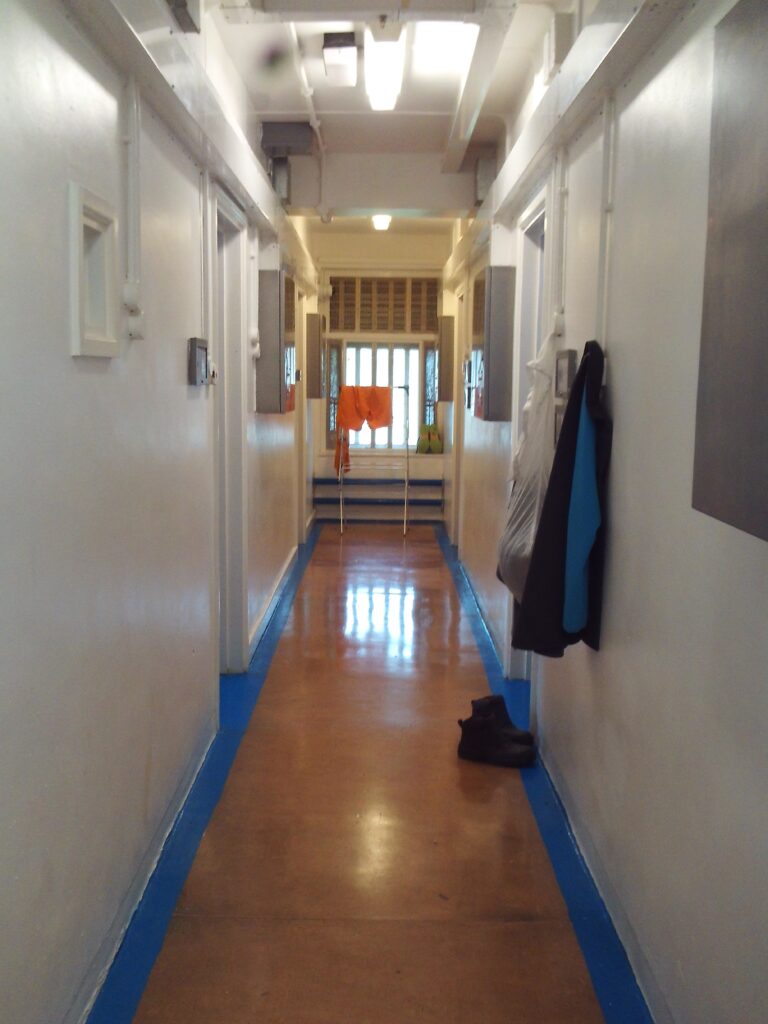
Living conditions on the larger house blocks needed improvement, for example, communal areas were grubby, toilets were stained and some wing serveries were dirty. Some cells lacked adequate storage space and too many were poorly ventilated. The standard of painting and decorating was very poor. Paint was peeling off the walls and there were splatters of blue paint on many stairwells and along the landings which demonstrated a lack of care and poor oversight of intended improvements.
Access to cell cleaning materials was reasonable but our survey showed that far fewer men could get clean bedding each week than in comparable prisons. Laundry equipment on the wings was not fit for purpose and some wings only had one small domestic washing machine for more than 60 men.
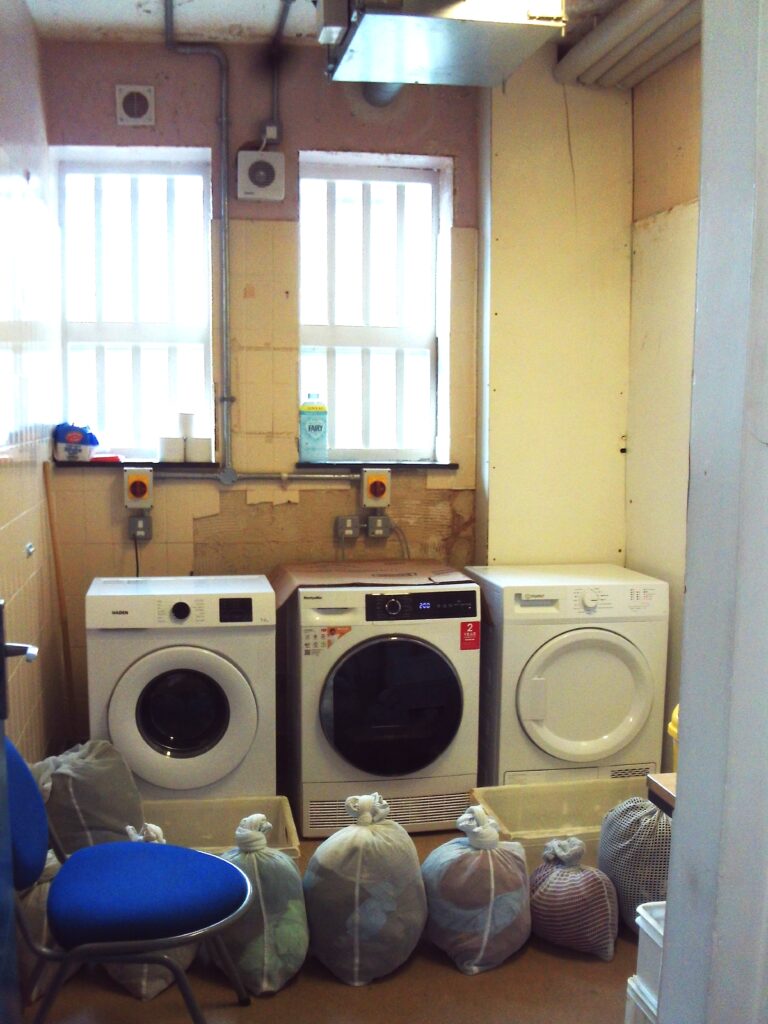
General repairs, including reinstating cells that were out of action, often took too long to complete.
Prisoners could access their stored property regularly, but many complained that items had been lost during transfer, when they first arrived or when they moved cells.
Our survey results showed that less than a third of prisoners said their cell call bell was normally answered within five minutes. On the large house blocks, we observed some call bells taking far longer than this to be answered.
Residential services
The shop sold a decent range of items and 62% of prisoners in our survey said this was sufficient. Prisoners also had good access to catalogues to buy additional personal items.
Some serveries were not clean enough and staff supervision of the serving of meals was poor at times. Our survey showed that prisoners’ perceptions of the quality of the food was much worse than in similar prisons. However, our observations suggested the quantity and quality were reasonably good with healthy options including homemade soup and wholemeal rolls.
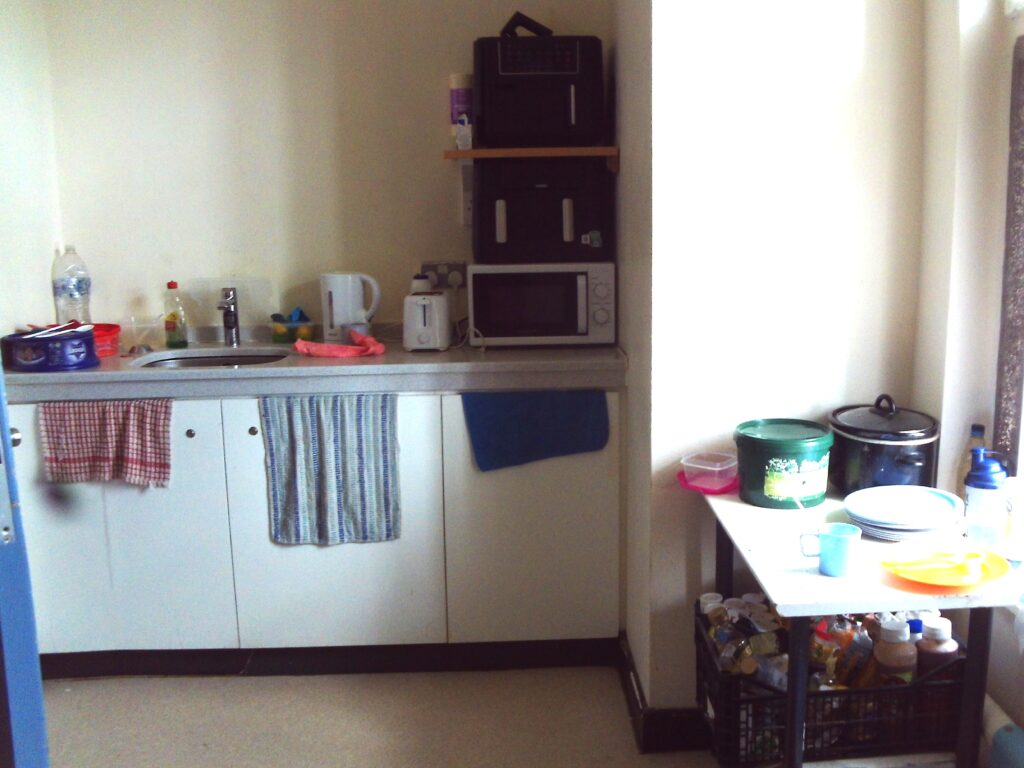
Units A to F provided basic self-cook facilities which were appreciated by prisoners who used them daily and kept them clean.
Prisoner consultation, applications and redress
Consultation with prisoners was well embedded and included monthly culture committee meetings where improvements were initiated. Wing forums were less well developed and lacked meaningful follow-up actions despite constructive discussions and suggestions from prisoners.
Digital media were used well to communicate with prisoners via their in-cell laptops, including a weekly vlog during which the governor responded to questions submitted by prisoners.
Prisoners could make applications easily, using their cell laptop or one of the kiosks located on the wing, and most were answered promptly. However, there were long delays in replies from health care (see Strategy, clinical governance and partnerships).
The rate of complaints had decreased since the last inspection but was still higher than similar prisons. Oversight was reasonably good and responses were generally polite and clear, although most prisoners were not spoken to in person about their complaint.
There were not enough legal visit sessions each week to meet demand.
Fair treatment and inclusion
Expected outcomes: There is a clear approach to promoting equality of opportunity, eliminating unlawful discrimination and fostering good relationships. The distinct needs of prisoners with particular protected characteristics (see Glossary) or those who may be at risk of discrimination or unequal treatment, are recognised and addressed. Prisoners are able to practise their religion. The chaplaincy plays a full part in prison life and contributes to prisoners’ overall care, support and rehabilitation.
Leaders had tried to re-establish work to promote fair treatment, but some consultation forums were not held as often as intended. A useful range of data were analysed at the equality meetings which showed some disproportionate outcomes such as the over-representation of prisoners with a disability in use of force incidents. However, analysis did not always lead to improvement.
Our survey showed significantly more negative perceptions of outcomes for some groups of prisoners. Many prisoners who reported having a disability also said they had mental health problems and were neurodivergent. A higher proportion of these groups said they felt unsafe at the time of our inspection and far more said they had developed a drug problem while at Lindholme (see Security).
Over half the population were known to the neurodiversity manager, including 50 men with complex needs. They received very good help including gym sessions, regular art classes and access to support sessions called the ‘safety club’ (see Suicide and self-harm prevention). Staff training had been delivered to raise awareness of neurodiversity, and each prisoner had a support plan which staff could use to gain a better understanding of the best ways to interact with individuals.
Our survey did not show significant differences in the perceptions of prisoners from an ethnic minority background, who were generally positive about their care, although some said the canteen did not sell all the items they wanted. Far more Muslim men said they could speak to the chaplaincy if they wanted to and they had good access to religious services.
Our survey showed that 95% of men aged over 50 said that staff showed them respect compared with 63% of those under 50. They could attend dedicated gym sessions and there was a residential landing specifically for their age group. About 10% of the population were under 25, but there was little dedicated support for them.
Support for veterans included monthly visits from ‘Care after Combat’ (an organisation providing support to former British Armed Forces personnel in the justice system).
There was a lack of information for prisoners who did not speak English. For example, the in-cell laptops and electronic kiosks on the wings held little information in languages other than English.
Prisoners we spoke to had little confidence in the discrimination reporting system. In our review of complaints, we could see that some investigations were not thorough and did not fully explore the allegations using all available evidence.
Faith and religion
In our survey, 59% of prisoners said they had spoken to a member of the chaplaincy against 71% at comparable prisons. Lengthy delays in vetting new staff led to continuing shortages, particularly of Church of England chaplains. Prisoners from smaller faith groups were given opportunities to meet regularly and facilities were reasonably good for them.
Health, well-being and social care
Expected outcomes: Patients are cared for by services that assess and meet their health, social care and substance use needs and promote continuity of care on release. The standard of provision is similar to that which patients could expect to receive elsewhere in the community.
The inspection of health services was jointly undertaken by the Care Quality Commission (CQC) and HM Inspectorate of Prisons under a memorandum of understanding agreement between the agencies. The CQC found breaches of regulations and issued requests for action plans following the inspection (see Appendix II).
Strategy, clinical governance and partnerships
In our survey, only 33% of respondents said that the overall quality of health services was very or quite good and we found that access to, and the quality of, services were variable.
NHS England monitored the contract through quarterly performance meetings and regular visits. A full health needs analysis had been completed in 2023. Practice Plus Group (PPG) remained the primary health provider, with Time for Teeth delivering dental services and Doncaster Council providing social care.
Demand for services was high. PPG teams were stretched because of vacancies, unplanned absences and cross deployment to other duties.
The local partnership had not addressed known concerns which affected outcomes, including long waits to see a GP or a dentist and poor supervision by officers at medication hatches. The delivery board did not include key partners, Time for Teeth or Doncaster Council.
Governance arrangements were reasonable, the risk register captured most issues, and there was good oversight of incident management, learning from deaths in custody, clinical audit and safeguarding. However, leaders had been complacent and lacked a focus on continuous improvement.
Complaint forms were not readily available and oversight of those submitted was poor. Responses were not always provided on time and there was no quality assurance.
SystmOne (electronic clinical record) was used across all services except social care. Most record keeping was comprehensive and staff demonstrated good knowledge of their patients.
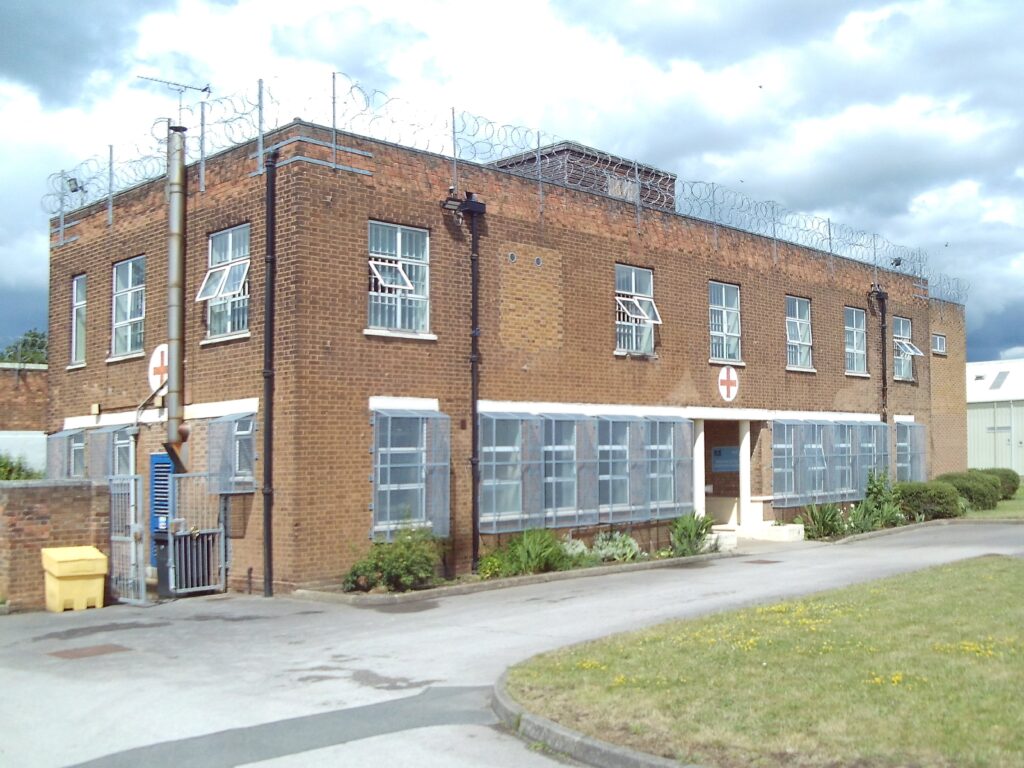
Clinical facilities were reasonable but needed refurbishing. Emergency equipment and medicines were appropriately maintained and checked each day.
Promoting health and well-being
There was no prison-led health promotion strategy to maximise the initiatives undertaken by the patient engagement lead who promoted events aligned to the NHS national calendar.
A full range of immunisation and vaccination programmes and NHS screenings were available, but uptake was generally poor. However, the prison had successfully delivered a lung cancer screening programme. At the time of the inspection, sexual health services were only available through the GP.
Health promotion information was visible across the prison and helpful patient newsletters were published each month. However, in-cell laptops were not used to their full potential and there were too few health care peer workers.
There was no coordinated approach to providing all patients leaving the prison with health promotion advice and guidance.
Primary care and inpatient services
There was an appropriate range of primary care services and the team was on site between 7:30am and 7:30pm. However, access was delayed by an ineffective applications process. At the time of the inspection, more than 300 applications were awaiting a response, some of which were four weeks old. Most clinics operated despite staffing pressures. Waits for a routine GP appointment were too long at eight to nine weeks but urgent need was prioritised.
A registered nurse completed a comprehensive screening of all new arrivals and secondary screening was completed on the third day. A ‘new arrivals’ meeting provided good oversight and ensured that all relevant referrals were made.
Long-term conditions were managed well. Individualised care plans were in place and additional health checks completed. There were regular wound clinics and records demonstrated appropriate care.
Some patients experienced long delays in accessing treatment because not enough escorts were provided by the prison to ensure that all external hospital appointments could be kept.
Social care
A regional Memorandum of Understanding between Doncaster Council, PPG and the prison had been reviewed in April 2025.
No prisoners were in receipt of a care package (see Glossary) at the time of our inspection and there had only been 25 referrals in the last year. These had been prioritised appropriately and agreed timescales for assessment were met.
PPG employed health care support workers to deliver social care during the day but there was no contingency for care required overnight. Processes for providing equipment were overseen by the PPG regional occupational therapist.
Oversight of social care delivered by peer workers was poor. We spoke to some who did not understand their role and had not been formally selected or trained.
Social workers worked closely with the offender management unit to communicate with local authorities in areas where prisoners were being released.
Mental health
The mental health service was responsive and access was good. The team received approximately 50 referrals each month and operated effective triage, with urgent cases seen within 48 hours and routine cases within five days.
New arrivals were supported well. Leadership was strong, with an experienced clinical lead providing clear oversight. Governance arrangements were effective, including regular auditing of clinical records and good staff supervision and development.
The service used the stepped care model, with a strong psychological and trauma-aware approach. Input from psychology staff was a notable strength, including groupwork and monthly formulation meetings. Communication within the team was effective, supported by daily allocation meetings and a weekly multidisciplinary team meeting chaired by a psychiatrist. Access to psychiatric input was prompt and good support was available for those with neurodevelopmental needs. The team had a regular presence in the segregation unit.
Mental health staff were, however, frequently redeployed to cover other health care duties, resulting in cancelled or delayed clinics. Relationships with substance misuse services were positive but there was too little joint working. Overall, staff were valued across the prison and contributed well to key prison safety meetings.
Transfers to hospital under the Mental Health Act continued to take too long.
Support and treatment for prisoners with addictions and those who misuse substances
The substance misuse service faced a high level of demand, receiving approximately 50 to 60 referrals each month. All patients were seen within five days and urgent cases within 24 hours.
Well-trained and supervised peer mentors saw all new arrivals. Clinical care was delivered safely and in line with national guidance. At the time of the inspection, 151 patients were on opioid substitution treatment and 264 were being supported by the psychosocial team. Sixty-eight patients were on long-acting Buprenorphine by injection, which was positive. Comprehensive assessments and appropriate recovery plans were in place.
Partnership working was strong, supported by an experienced substance misuse services lead. Peer mentoring arrangements and a new substance support unit were promising developments, although it was too early to judge outcomes.
Staffing capacity was reduced because of frequent redeployment to medicines administration and other health care duties. In three months, 253 hours had been lost to medicines administration alone. This had limited provision of group interventions, with only one group delivered in six months.
Release planning was well organised, with effective links to community services. Naloxone was issued on release if appropriate (a medicine that rapidly blocks or reverses the effects of opioid overdose).
Medicines optimisation and pharmacy services
Medicines management was reasonably good despite consistent staffing pressures. A competent team ensured that medicines were ordered in a timely manner, but there was no on-site pharmacist to support medicine use reviews.
Two GPs were supported by an advanced care practitioner which provided some resilience with prescribing. Regular medicines management meetings provided oversight of tradeable medicines. There was a range of patient group directions (enable nurses to supply and administer prescription-only medicine) and a homely remedies policy, with suitable stock available.
Transportation was secure and waste disposal processes were in place. Medicines, including controlled drugs, were stored securely.
| HMIP prisoner survey | Yes | Compared with similar prisons |
| In this prison, is it easy/very easy to get medication not prescribed to you? | 49% | No difference |
Medicines administration was carried out professionally by health care staff. However, the supervision of queues by officers was sometimes poor and there was no officer supervision on J and K wings which increased the risk of medicines being diverted.
Patients who missed critical medicines or regularly failed to attend to collect medicines were followed up appropriately.
Medicines reconciliation and in-possession risk assessments were completed on the prisoner’s arrival. The number of prisoners with medicines in possession was relatively low at around 55%. Lockers for medicines collection had been installed but were not in use. Regular in-cell compliance checks were completed.
A comprehensive range of out-of-hours medicines was available and staff recorded the items used. Medicines were given to prisoners on their release when sufficient notice was given.
Dental services and oral health
Patients waited too long for a routine dental appointment at around 12 weeks. This was compounded by delays of up to 20 weeks to start treatment. About a third of the population was on the waiting list.
All dental equipment was serviced in line with requirements, and the suite was in reasonable condition. There was no separate decontamination room, but staff used the available space effectively.
Section 4: Purposeful activity (Back to top)
Prisoners are able and expected to engage in activity that is likely to benefit them.
Time out of cell
Expected outcomes: All prisoners have sufficient time out of cell (see Glossary) and are encouraged to engage in recreational and social activities which support their well-being and promote effective rehabilitation.
Too few men were allocated to full-time activities and about 15% had not been allocated at all, which was not good enough for a training prison. Our roll checks showed that less than half the population were involved in purposeful activity.
Most prisoners with no purposeful activity lived on the larger cellular wings (G, J, K and L). They were only unlocked for about two hours a day and only one hour if they chose not to take outside exercise.
Our survey showed that time out of cell over the weekend was better than in similar prisons.
Those living on A to F wings were never locked in their cells and could access facilities on their landing at any time. Our roll checks showed that a greater proportion of these prisoners were in purposeful activity away from the wing and also had very good access to exercise in the yard at the centre of the prison.
Access to the library was poor. There was no dedicated escort officer to take men on regular visits and the library was closed in the evenings and at weekends. In a typical month there were only about 300 visits. There was, however, a good book delivery service to the wings.
| HMIP prisoner survey | Yes | Compared with similar prisons |
| In a normal week, can you go to the gym or play sports more than five times? | 70% | Higher |
Since the arrival of the new governor, there had been significant investment in the gym which now had impressive facilities. There was a varied timetable, which included outdoor sports and a weekly ‘park run’. Men had very good access and those in part-time work often spent the other half of their day in the gym. Prisoners could complete accredited qualifications, which were relevant for gaining employment on release.
Education, skills and work activities

Ofsted inspects the provision of education, skills and work in custodial establishments in England. The following summary has been provided by Ofsted inspectors who attended this inspection. Their full report is published under ‘Survey materials and Ofsted full report‘.
Ofsted made the following assessments about the education, skills and work provision:
- Overall effectiveness: Requires improvement
- Quality of education: Requires improvement
- Behaviour and attitudes: Requires improvement
- Personal development: Requires improvement
- Leadership and management: Requires improvement
Leaders had partially rectified or rectified each concern from the previous inspection.
The number of full-time education, skills and work (ESW) spaces had increased since the previous inspection, however, the number of prisoners allocated to these, although increasing, was not yet high enough for a training prison.
Leaders had improved the curriculum regarding the range available and offering qualifications at a higher level, providing progression routes for prisoners. Further improvements had been made to ensure that the curriculum met the needs of those prisoners with the lowest levels of English and mathematics.
Leaders had developed very good relationships with employers to increase the vocational training offer. The collaboration with a waste recycling employer to design the content of the curriculum in this area was highly innovative and effective.
Novus delivered the vocational training and education in the prison. Teachers got to know their learners rapidly, using the results of initial assessment and prior learning to plan lessons. Prisoners quickly developed valuable vocational skills. However, teachers did not consistently maintain learners’ attention in lessons.
Leaders had improved the reading support for prisoners by, for example, commissioning a Shannon Trust co-ordinator (charity that supports people in prison to learn to read) and setting up a dedicated reading hub in education. Reading areas were present in all vocational and prison industries workshops, although the promotion of their use was variable.
Leaders and managers had increased their capacity to deliver prisoner qualifications in industries, investing in training instructors. Prisoners in land-based activities quickly developed new skills and knowledge. However, wing workers did not benefit from suitable instruction or supervision.
The neurodiversity team had made a positive impact on learners’ progress and well-being. New initiatives including a regular newsletter, a dedicated hub, and the introduction of four trained mentors had raised staff awareness and support to prisoners with learning needs.
Prisoners in the gym had developed a thorough knowledge of the subjects and skills they had learned through their course, achieving their qualifications well. Mentors described how they had developed their coaching and communication skills.
A high proportion of prisoners who completed their courses achieved their qualification, but leaders did not yet identify the reasons for withdrawals. This was not aided by the recent change in central data systems.
The number of learners receiving prompt careers information, advice and guidance had improved significantly. Learners now received useful advice and discussed their career options specific to their sentence. This information was used to create their personalised learning plans which reflected well their education and employment goals.
Leaders had been effective at reducing the number of prisoners refusing to attend work which had decreased significantly over the past year. However, attendance, particularly in education, remained low and punctuality was poorly affected by regime movement.
Prisoners, particularly those in education, were encouraged to develop their personal and employability skills. They also accessed opportunities to develop into responsible citizens, playing a part in prison life in roles such as mentors. However, their understanding of the risks posed by extremism and radicalisation was not good.
Section 5: Preparation for release (Back to top)
Preparation for release is understood as a core function of the prison. Prisoners are supported to maintain and develop relationships with their family and friends. Prisoners are helped to reduce their likelihood of reoffending and their risk of harm is managed effectively. Prisoners are prepared for their release back into the community.
Children and families and contact with the outside world
Expected outcomes: The prison understands the importance of family ties to resettlement and reducing the risk of reoffending. The prison promotes and supports prisoners’ contact with their families and friends. Programmes aimed at developing parenting and relationship skills are facilitated by the prison. Prisoners not receiving visits are supported in other ways to establish or maintain family support.
Support for prisoners to maintain ties with family and friends was reasonably good. Partnership working with the Prison Advice and Care Trust (PACT) was strong. The quality of individual casework was a particular strength. Staff took a thoughtful and innovative approach which included liaising with social workers and the facilitation of final visits before adoption. There were also some relationship courses. However, there was only one family engagement worker for whom there was a waiting list.
Prisoners had in-cell phones and laptops which allowed them good contact, and they could also use the ‘Email a prisoner’ scheme (see Glossary). However, video calling was underused and prisoners said poor connectivity and a lack of confidentiality were the main reasons for this.
Access to face-to-face visits was good and some men could eat in the bistro (a training centre for men working towards an NVQ in catering and hospitality) with their visitors. However, social visits often started late and finished early and sessions for prisoners on the basic regime were limited to one hour, which was unfair.
Prisoners with no direct family contact had access to enrichment activities, peer support and a befriending service to reduce their isolation.
Reducing reoffending
Expected outcomes: Prisoners are helped to change behaviours that contribute to offending. Staff help prisoners to demonstrate their progress.
The new accredited programme Building Choices had been introduced since our last visit, and the governor had a good understanding of resettlement work and the needed resettlement outcomes of his population. Nonetheless, Lindholme was still not fulfilling its role as a training prison. Many men hoping to progress to an open prison or gain parole were frustrated at their lack of opportunity to complete relevant interventions aimed at reducing their risk.
Since our last inspection, the number of men being released from the prison had increased substantially. Despite this, the size of the resettlement team had not increased, which made it difficult for them to respond to the level of need. However, we found good joint working with the OMU to try to bridge this gap.
How staff were supporting prisoners and managing risk
| Data provided by the prison | |
| Proportion of categorisation reviews completed late in the last year | 76% |
In the last year, three-quarters of categorisation reviews had been completed late, which was a frustration for many men as it delayed their progression to open conditions. However, once deemed suitable, they moved on quickly and about 200 had transferred in the last year.
Confirmation of release on home detention curfew (early release ‘tagging’ scheme) was also delayed and, at the time of our inspection, about 20 men were still in prison when they could have been released. Some of the longest delays were well over 100 days.
The offender management unit (OMU) was still short staffed, with too few probation officers and a critical shortage of case administrators. Prison offender manager (POM) caseloads were very high, and many prisoners complained to us about the lack of regular contact or support.
In the cases that we reviewed, POMs were doing their best to manage and support prisoners at significant points of their sentence. However, competing demands resulted in very limited contact and there was hardly any key work to help with this gap (see Staff-prisoner relationships).
Public protection arrangements were weak. For example, there had been a consistent backlog of initial screenings, although this was starting to reduce. We were not confident that intelligence on emerging public protection risks was communicated consistently to OMU leaders, acted on or brought to multidisciplinary meetings. Very few prisoners were subject to public protection monitoring, but even these calls were not listened to for several weeks. Most emails received by prisoners were not screened by the correspondence team to enforce existing contact restrictions.
Opportunities for prisoners to progress
Many men we spoke to were confused and frustrated by inconsistent messages from leaders about what they needed to do to gain parole or to be deemed suitable for open conditions. There was an over-reliance on the completion of the only available accredited programme, Building Choices, to indicate a reduction in the risk of harm to others.
Both the moderate and high intensity strands of Building Choices had been delivered reliably since October 2025. However, supply did not meet demand with almost 290 men on the waiting list for between 60 to 70 places a year. This was compounded by the fact that POMs were not able to offer much individual offence-focused work.
Some other short, structured interventions were available, for example those experiencing trauma and bereavement could attend a programme called ‘Living with Loss’ in the chaplaincy and some men had accessed individual support from a counselling psychologist. PACT had run sessions for a small number of prisoners to look at their attitudes and relationships.
Returning to the community
Expected outcomes: Prisoners’ specific reintegration needs are met through good multi-agency working to maximise the likelihood of successful resettlement on release.
| Data provided by the prison | |
| Number of releases, June 2025–May 2026 | 354 |
The number of releases had quadrupled compared to the year leading up to our last inspection. Despite no additional resettlement staff such as housing workers, staff had coped reasonably well with this increase. Joint working between the prison employment lead and the strategic housing specialist was excellent. Initiatives included the introduction of pop-up departure lounges on days when large numbers were released, and resettlement boards attended by most prisoners.
There was good evidence of POMs communicating with community offender managers (COMs) to put plans in place. However, it was unclear how the projected increase in releases, once the dates are recalculated under the Sentencing Act, would be managed. Data provided to us by the prison also showed that a third of all recalled men released in the six weeks leading up to this inspection had already been sent back to prison.
In the last year, nearly 40% of releases had been initially housed in approved premises because of their risk to the public. About 30% of men had left to settled housing. Although the number of men being released homeless was small, this group often presented a high risk of harm to others.
The OMU struggled to get COMs to confirm MAPPA management levels (see Glossary) until too near release. The interdepartmental risk management meeting was poorly attended, even by POMs, and gaps in release planning for high-risk prisoners were not always addressed.
Men could easily open bank accounts and obtain identification documents; this was one of the best such services we have seen. They could also see staff from the Department for Work and Pensions to start benefit claims. In the last 12 months, about 35 men had found a job on release.
Section 6: About HMP Lindholme (Back to top)
Category of the prison
Category C training prison
Brief history
HMP Lindholme is located on the site of a former Royal Air Force base, approximately 10 miles north of Doncaster. It was opened as a prison in 1985 and covers approximately 100 acres of land within the perimeter fence.
Population
At the time of the inspection, 956 prisoners were held. There was operational capacity for 1,010.
- 832 new prisoners received in the last year and 340 released into the community
- 37 foreign national prisoners
- 22% of prisoners from black and minority ethnic backgrounds
- 273 prisoners were receiving support for substance misuse with 44 referrals in May 2026.
- 52 referrals for mental health assessments in April 2026
Short description of residential units
A to F wings – each of these units holds 64 prisoners who are never locked in their cells but are locked off on corridors. D wing is the incentivised substance free living unit. Men on these units have enhanced privileges and cannot be assessed as a high-risk cell share.
The rest of the accommodation is on large residential units where men are locked in their cells.
G wing right side: induction unit – 78 prisoners
G wing left side: substance support unit – 70 prisoners
J wing: 209 prisoners
K wing: 209 prisoners
L wing: 60 bed recovery unit
Segregation unit: 20 cells including one special accommodation cell, two cells for secreted items and a cell for conversion into a gated cell.
Prison status (public/private)
Public
Key providers
Physical health provider: Practice Plus Group
Mental health provider: Practice Plus Group
Substance misuse treatment provider: Practice Plus Group
Dental health provider: Time for Teeth
Prison education framework provider: Novus
Escort contractor: GeoAmey
Prison group director
Dan Cooper, Yorkshire Prison Group
Name of governor/director and date in post
Shaun Mycroft, June 2025 –
Changes of governor/director since the last inspection
Rob Kellett, February 2021 – May 2025
Independent Monitoring Board Chair
Antoni Cain
Date of last inspection
Full inspection: July 2023
IRP: May 2024
Progress on concerns from the last inspection (Back to top)
At our last inspection in 2023 we raised 15 concerns, five of which were about areas of priority concern.
At this inspection we found the following progress:
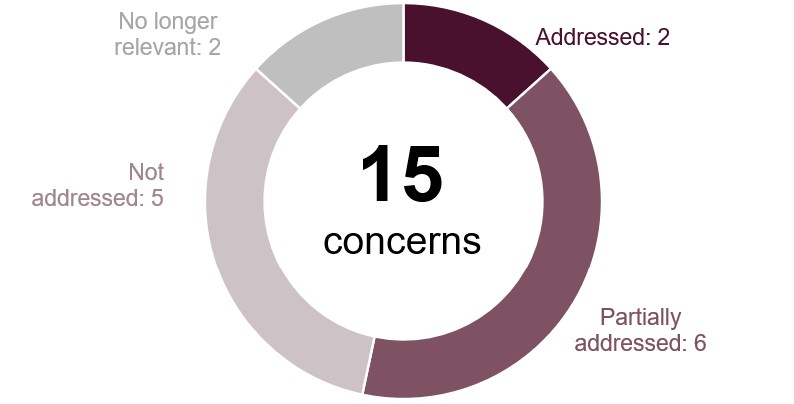
The following is a list of all the concerns raised, organised under the four tests of a healthy prison.
Safety
Priority concern
There was a very high level of illicit drug use in the prison, which was linked to violence, debt and deaths in custody. Remedial action was not sufficiently comprehensive or coordinated.
Not addressed
Key concerns
Not enough was done to encourage the high number of self-isolating prisoners to return to a normal regime.
No longer relevant
Efforts to prevent self-harm were hindered by night staff not carrying ligature knives, lacking awareness of the needs of vulnerable individuals or the location of automatic external defibrillators. Cell observation panels were not kept clear.
Addressed
Respect
Priority concern
Prisoners had poor access to health services because of weaknesses in the application process and poor organisation of prison officer escorts to health care.
Partially addressed
Key concerns
The key working scheme was not well established. Only about a third of scheduled appointments were delivered and records showed that they rarely focused on progression goals.
Not addressed
Many cells were poorly ventilated and could become very hot. The ventilation screens in many cells were either blocked or painted shut.
Partially addressed
Recent price rises in the canteen had sharply reduced the number of items that prisoners were able to buy.
No longer relevant
Prisoners requiring transfer to specialist inpatient facilities under the Mental Health Act were waiting too long. One man in this category had been in the segregation unit for more than four months.
Not addressed
Purposeful activity
Priority concerns
The prison was not adequately fulfilling its core function as a training establishment. The range, quantity and quality of education, skills and work were inadequate to meet the needs of prisoners.
Partially addressed
Leaders had not implemented a curriculum that met the needs of the prison population. Few prisoners could study towards accredited qualifications or have their personal and employability skills developed and recognised to support successful transition to another prison or release.
Partially addressed
Key concerns
Leaders had not made sure that all prisoners were able to attend well-planned purposeful activity places that contributed to the fulfilment of their future goals.
Partially addressed
Leaders had not made sure that all prisoners with low English and mathematics skills levels, and those with special educational needs, received the help they needed. Current strategies had failed to achieve their aim of raising prisoners’ participation in reading.
Addressed
Leaders had not made sure that workshop instructors used information about prisoners’ existing levels to plan sessions which would help them develop valuable employability skills. Too often instructors focused on meeting production targets rather than providing training to prisoners.
Partially addressed
Preparation for release
Priority concern
Prisoners could not progress through their sentence and achieve their targets. Reasons included poor availability of offending behaviour interventions, a lack of progressive transfer opportunities and a severely understaffed offender management unit.
Not addressed
Key concern
Information-sharing and subsequent planning to support public protection were weak. High-risk prisoners due for release were not discussed at the interdepartmental risk management team meeting and concerns that should have been addressed before release were not adequately managed.
Not addressed
Care Quality Commission Action Plan (Back to top)
Care Quality Commission (CQC) is the independent regulator of health and adult social care in England. It monitors, inspects and regulates services to make sure they meet fundamental standards of quality and safety. For information on CQC’s standards of care and the action it takes to improve services, please visit: http://www.cqc.org.uk
The inspection of health services at HMP Lindholme was jointly undertaken by the CQC and HMI Prisons under a memorandum of understanding agreement between the agencies (see Working with partners) for action plans following this inspection. The Care Quality Commission issued a request for an action plan following this inspection.
Action plan request (Back to top)
Provider
Practice Plus Group Health and Rehabilitation Services Limited.
Location
HMP Lindholme
Location ID
1-4133265935
Regulated activities
Treatment of disease, disorder, or injury and Diagnostic and screening procedures.
Action we have told the provider to take
This notice shows the regulations that were not being met. The provider must send CQC a report that says what action it is going to take to meet these regulations.
Regulation 17 (1)(2) (a)(b)(f)
17.—
- Systems or processes must be established and operated effectively to ensure compliance with the requirements in this Part.
- Without limiting paragraph (1), such systems or processes must enable the registered person, in particular, to—
a. assess, monitor and improve the quality and safety of the services provided in the carrying on of the regulated activity (including the quality of the experience of service users in receiving those services);
b. assess, monitor and mitigate the risks relating to the health, safety and welfare of service users and others who may be at risk which arise from the carrying on of the regulated activity;
f. evaluate and improve their practice in respect of the processing of the information referred to in sub-paragraphs (a) to (e).
How the regulation was not being met
Action had not been taken to resolve issues which affected patients’ access to timely healthcare services despite these being known issues. The waiting time for a routine GP appointment was around 8-9 weeks when taking into account delays in processing applications, time on the waiting list and the next available appointment date. This meant there was a risk of patients’ healthcare needs not being met.
The electronic application system for healthcare appointments was not well managed and there was a lack of oversight. At the start of the inspection there were 330 open applications of which 180 were ‘overdue’ (over 7 days). Several applications were 4 weeks old. This meant that some patients experienced additional delays in accessing healthcare services.
A waiting list called ‘GP follow ups’ had been created by one GP for patients they wanted to see again. However, many of these patients were showing as overdue for follow up. There was insufficient oversight of the use of the waiting list which created a risk that patients may be missed or not seen in a timely manner.
There was limited challenge of prison senior managers where prison related issues impacted on healthcare delivery. There was insufficient provision of external hospital escorts meaning patients sometimes experienced delays attending hospital appointments. Prison officer supervision of medicines administration on two wings was absent which increased the risk of medicines being diverted. Despite being known issues, insufficient action had been taken to resolve them.
Not all risks highlighted during this inspection were captured on the risk register meaning that appropriate mitigation measures had not been implemented.
Responses to patients’ concerns and complaints were not always timely and did not always fully address the issues raised.
More about this report (Back to top)
This report outlines the priority and key concerns from the inspection and our judgements against the four healthy prison tests. Each of the following four sections contains a detailed account of our findings against our Expectations for men’s prisons.
Find out more about our Expectations and how we inspect
Find out more about priority and key concerns
Find out about notable positive practice
Findings from the survey of prisoners and a detailed description of the survey methodology are published alongside this report. Please note that we only refer to comparisons with other comparable establishments or previous inspections when these are statistically significant. The significance level is set at 0.01, which means that there is only a 1% chance that the difference in results is due to chance.
The tables in this report which provide data from HMI Prisons prisoner surveys also include comparisons with similar prisons.
| Description | What it means |
| Lower | the prison’s percentage is statistically significantly lower than the comparator: prisons with the same function type, or at the last inspection |
| Higher | the prison’s percentage is statistically significantly higher than the comparator: prisons with the same function type, or at the last inspection |
| No difference | the prison’s percentage is not statistically significantly different to the comparator: prisons with the same function type, or at the last inspection |
Inspection team
This inspection was carried out by:
Martin Lomas, Deputy Chief Inspector
Sandra Fieldhouse, Team leader
Jonathan Tickner, Inspector
Rebecca Stanbury, Inspector
Natalie Heeks, Inspector
Dionne Walker, Inspector
David Owens, Inspector
Sana Zahid, Researcher
Samantha Moses, Researcher
Samantha Rasor, Researcher
Alicia Grassom, Researcher
Simon Newman, Lead health and social care inspector
Shaun Thomson, Health and social care inspector
Matthew Tedstone, Care Quality Commission inspector
Maria Navarro, Lead Ofsted inspector
Dave Everett, Ofsted inspector
Dave Baber, Ofsted inspector
Chris Brooker, Ofsted inspector
Find out more about the terms and abbreviations used in this report in our glossary.
Easy read summary and press notice (Back to top)
Survey materials and Ofsted full report (Back to top)
The following files may not be suitable for users of assistive technology.
Request an accessible format
If you use assistive technology (such as a screen reader) and need a version of any of these documents in a more accessible format, please email media@hmiprisons.gov.uk. Please tell us what format you need. It will help us if you say what assistive technology you use.