
HMP Altcourse
Report on an independent review of progress at HMP Altcourse by HM Chief Inspector of Prisons 6-8 July 2026
Section 1: Chief Inspector’s summary (Back to top)
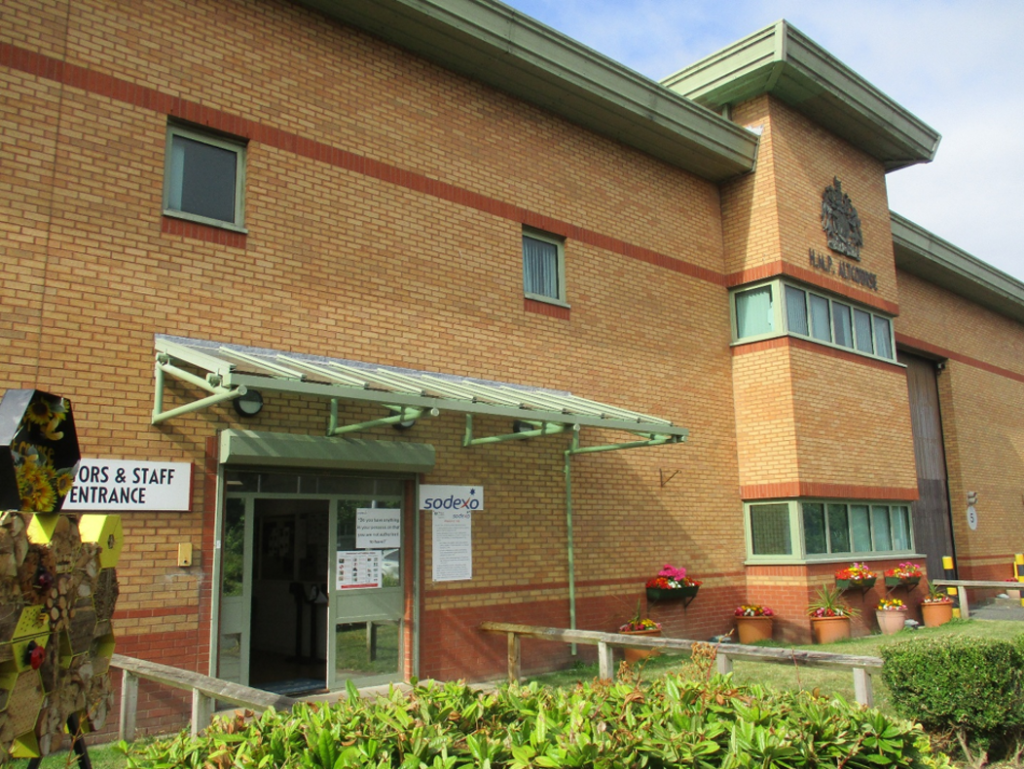
HMP Altcourse is a reception prison holding almost 1,100 adult men. It receives prisoners from several courts in Merseyside and Cheshire as well as Bolton.
This review visit followed up on the concerns we raised at our last full inspection of HMP Altcourse which took place in 2025.
What we found at our last inspection
At our previous inspections of HMP Altcourse in 2021 and 2025 we made the following judgements about outcomes for prisoners.
Figure 1: HMP Altcourse healthy prison outcomes in 2021 and 2025
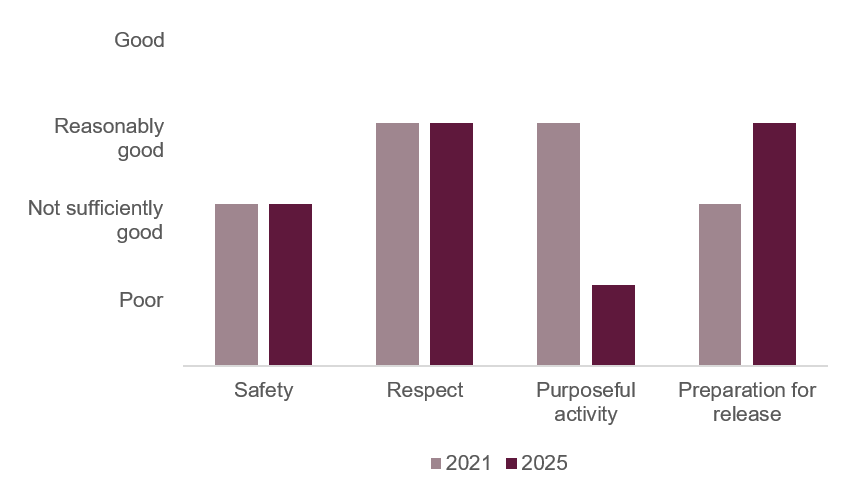
The availability and use of illicit drugs were a major threat to safety and security; rates of self-harm were high and there had been six self-inflicted deaths since the previous inspection. Leaders did not use data effectively to better understand violence or self-harm, and several important oversight systems lacked rigour when seeking to address emerging risks. Long-standing concerns in healthcare about patient safety, and delays in transferring seriously mentally ill patients to hospital, remained and there were weaknesses in work to promote fair treatment and inclusion as well as shortcomings in public protection arrangements. Too many prisoners were also released without accommodation.
What we found during this review visit
Leaders had responded positively to many of our findings and had strengthened oversight, governance and the use of data across several areas. Progress was most evident in health care, where substantial investment had improved staffing, governance and access to care. The provision of food had also improved; leaders having acted on prisoner feedback. Ofsted also found reasonable progress across all three education, skills and work themes they had raised.
The prison was managing significant population pressures. At the time of our visit, nearly a third of prisoners were on licence recall, one of the highest proportions currently in the reception estate. This population generated additional demand across several functions, including offender management, public protection and resettlement. National population pressures also meant that the prison regularly received prisoners who would ordinarily have been held elsewhere, adding to the complexity and turnover that leaders were required to manage.
Leaders often demonstrated a much better understanding of the risks and challenges facing the prison than we had found at the inspection. This was particularly evident in the approach to violence, self-harm and drugs, where improved analysis and scrutiny had provided a stronger basis for decision-making and the development of more targeted responses. Leaders made better use of information to understand risks and vulnerabilities and had introduced several initiatives in response.
Despite the hard work we saw, progress remained uneven. Drug use remained too high, rates of violence had not reduced, and self-harm rates remained among the highest for reception prisons. Work to promote fair treatment remained underdeveloped, too many patients still waited far too long for transfer to mental health hospital, and weaknesses in public protection and accommodation outcomes for prisoners going into the community persisted.
Improvement in education, skills and work was clear, and Ofsted found reasonable progress across all three themes it reviewed, including the provision of activity spaces, the allocation of prisoners to activities, and the recognition and recording of skills and qualifications they gained through work.
Charlie Taylor, HM Chief Inspector of Prisons, July 2026
Section 2: Key findings (Back to top)
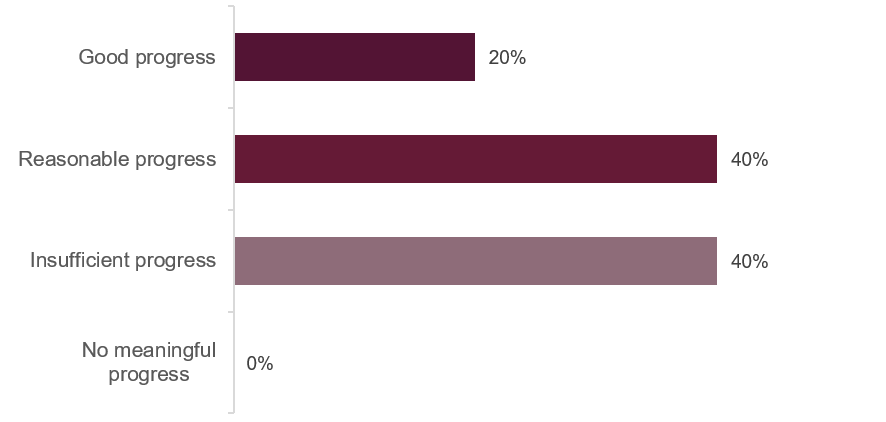
At this IRP visit, we followed up 10 concerns from our most recent inspection in July 2025 and Ofsted followed up three themes based on their latest inspection.
HMI Prisons judged that there was good progress in two concerns, reasonable progress in four concerns and insufficient progress in four concerns.
Figure 2: Progress on HMI Prisons concerns from 2025 inspection (n=10)
This bar chart excludes any concerns that were followed up as part of a theme within Ofsted’s concurrent prison monitoring visit.
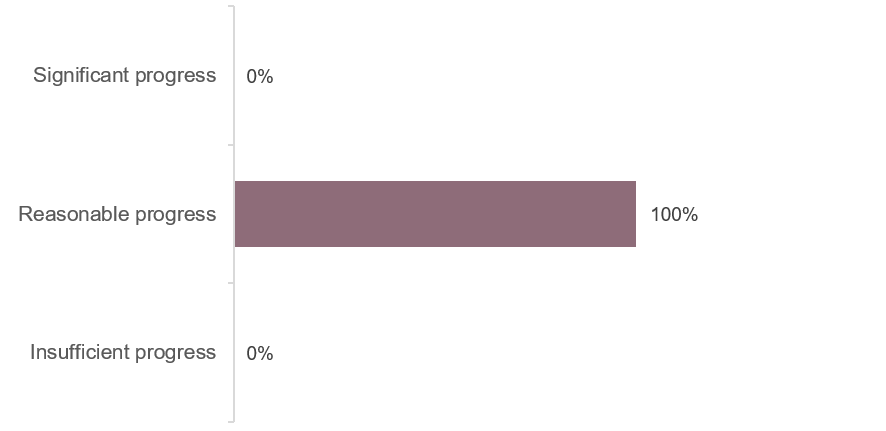
Ofsted judged that there was reasonable progress in three themes.
Figure 3: Progress on Ofsted themes from 2025 inspection (n=3).
Notable positive practice
We define notable positive practice as:
Evidence of our expectations being met to deliver particularly good outcomes for prisoners, and/or particularly original or creative approaches to problem-solving.
Inspectors found one example of notable positive practice during this IRP visit, which other prisons may be able to learn from or replicate. Unless otherwise specified, these examples are not formally evaluated, are a snapshot in time and may not be suitable for other establishments. They show some of the ways our expectations might be met, but are by no means the only way.
| 1. | Leaders had developed an effective method to record and review prisoners’ skills development in work. They had introduced it across workshops and were in the process of rolling it out to wing workers on completion of a pilot process. Prisoners appreciated how they were able to recognise their skills and how to improve them (See Education, Skills and Work). |
Section 3: Progress against our concerns and Ofsted themes (Back to top)
The following provides a brief description of our findings in relation to each concern followed up from the full inspection in 2025.
Early days in custody
Concern: New arrivals often waited too long in reception and did not get to bed on their first night until the early hours of the morning.
The reception unit remained one of the busiest in England and Wales, with 950 admissions in June 2026. The prison was meant to serve the courts of Cheshire, parts of Merseyside and Bolton. However, because of national population pressures, prisoners were routinely diverted from out of the area, most notably from Forrest Bank in Salford.
The prison had completed work in reception to improve and speed up the processing of new arrivals. The body scanner had been moved away from the physical searching area, an additional holding cell had been created, and a further health care assessment room had been added.
Two nurses were now assigned to reception each day, one finishing at 8pm and the other at 10pm. This addressed one of the principal causes of delay that we had identified at the inspection. Prison data showed that these changes had improved outcomes, with more new arrivals spending less than two hours in reception and health care assessments completed promptly.
Despite regular liaison between managers from the prison and the escort contractor, vehicles transporting prisoners from court often arrived in the evening, sometimes as late as 8pm. While managers recorded the time that the last prisoner was assigned a first night cell, leaders did not routinely use this information to better understand the extent or causes of continuing delays.
We considered that the prison had made reasonable progress in this area.
Encouraging positive behaviour
Concern: The prison had no clear and coordinated strategy to reduce violence. Leaders did not use data well to understand violence or inform actions to reduce it.
The rate of assaults was similar to that at the inspection and remained lower than the average for reception prisons.
Leaders had developed a safety strategy, which includes violence reduction, and identified a broad range of priorities, including improving key work (see Glossary), increasing engagement in purposeful activity, making better use of data and strengthening risk identification during prisoners’ early days in custody. However, the associated action plan was less well developed. Actions were often limited in scope and, in some cases, lacked clear ownership and accountability.
The quality of data analysis had improved considerably. Leaders reviewed a broad range of relevant information, which was presented clearly and had helped develop a much better understanding of the drivers of violence than at the time of the inspection.
There was early evidence that this improved understanding was beginning to inform operational practice. Leaders had, for example, introduced additional enrichment and support for young adults, including work delivered by the chaplaincy and external organisations. We also observed Maverick Sounds, a third-sector organisation, working with prisoners with complex needs to encourage engagement and support positive behavioural change through music. Leaders had introduced a questionnaire to help identify new arrivals at risk of violence and self-harm. While this tool would benefit from further refinement, it was a positive attempt to identify risks at an earlier stage.
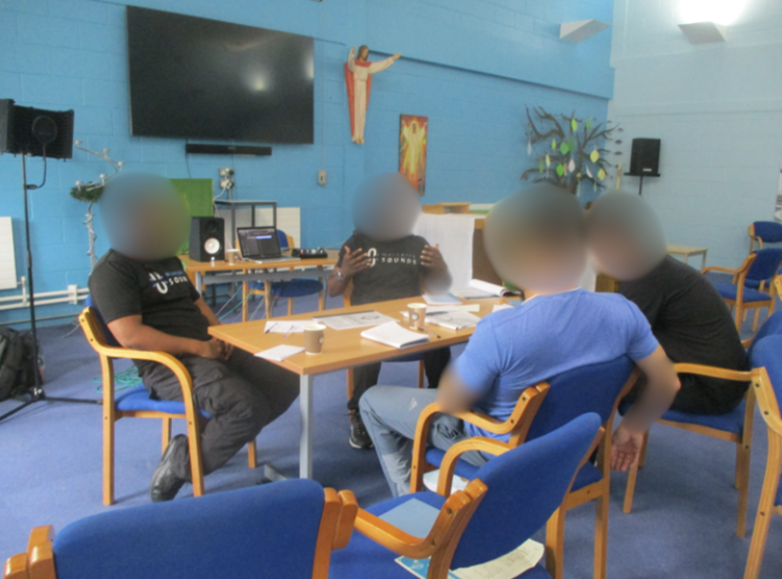
Despite these improvements, leaders did not yet make best use of all available interventions. Challenge, support and intervention plans (CSIPs, see Glossary) did not consistently support perpetrators of violence to address their behaviour. There was also insufficient focus on learning lessons from incidents to improve future practice.
The introduction of one-page support plans completed by forensic psychology and neurodiversity staff for a small number of prisoners with particularly complex needs was a positive development. These plans helped frontline staff better understand individual risks and how to support these prisoners safely.
We considered that the prison had made reasonable progress in this area.
Security
Concern: The entry and use of illicit drugs was a major threat to safety and security. The positive drug testing rate was among the highest for this type of prison.
Illicit substances remained too easily available. The percentage of random drug tests found positive for illicit substances in the previous six months was 31%, a slight reduction from 35% for the same period before the inspection, but still too high and higher than all but five other reception prisons. There had been only four suspicion-based drug tests over the same period.
Leaders had strengthened capacity within the security department. Additional analytical resource meant intelligence was reviewed over weekends as well as weekdays, enabling swifter operational responses. Increased staffing had also improved the prison’s capacity for drug testing and searches.
Better use of intelligence and analysis had improved leaders’ understanding of vulnerabilities and emerging risks. This had informed operational responses, including increased searching activity and a greater focus on identifying and disrupting potential routes of illicit supply. While some gaps in intelligence remained, leaders now had a clearer understanding of the threat than at the inspection.
There had been significant investment in measures to reduce the supply of illicit substances. A £2 million programme to improve window security had commenced, with two of six residential units completed at the time of our visit. The prison had also invested in additional technology, including an improved x-ray body scanner, to strengthen efforts to detect and prevent the entry of contraband.
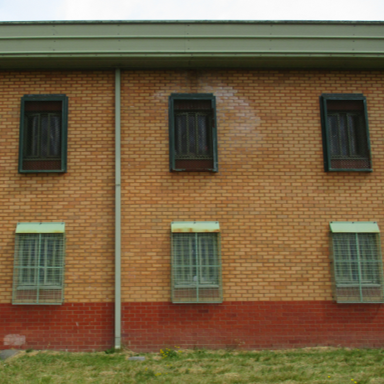
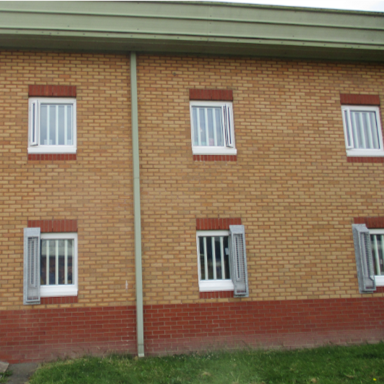
A revised action plan to tackle substance misuse had recently been introduced and interventions to reduce demand had been expanded, including additional support for prisoners using cocaine and ketamine. While many planned actions remained at an early stage of implementation, there was evidence of increased focus on both reducing the supply of illicit substances and supporting prisoners with substance misuse needs.
We considered that the prison had made reasonable progress in this area.
Safeguarding
Concern: There had been six self-inflicted deaths since the previous inspection and a concerning recent rise in the rate of self-harm. The prison did not investigate all near-fatal incidents and had not done enough to understand and address the causes of self-harm.
Since the inspection there had been one self-inflicted death at the prison and another shortly after the prisoner’s release.
Rates of self-harm had been reducing over the previous year but remained among the highest for reception prisons. Less than 5% of incidents were recorded as serious.
Staff in reception identified and responded promptly to indicators of self-harm. Prison data showed that almost a third of assessment, care in custody and teamwork (ACCT, see Glossary) case management books were opened when prisoners had just arrived. In many instances, the prisoner had not self-harmed at that point and the support was intended to prevent them doing so.
The use of data to understand trends, risks and drivers of self-harm had improved considerably and provided leaders with a much stronger basis for decision-making. However, while leaders demonstrated a much better understanding of self-harm than at the inspection, plans to address its underlying causes were less well developed and the prison could not evidence how analysis had consistently been translated into action to reduce self-harm.
Some of the prison’s responses to concerns identified at the inspection were likely to have a positive effect. For example, prisoners who self-harmed were prioritised for allocation to purposeful activity. Prison data for June 2026 showed that 50% of prisoners supported by ACCT case management were in employment, compared with 16% at the time of the inspection.
Leaders had encouraged staff to engage family members where appropriate to help those supported by ACCT case management, and we saw examples where this had happened. We also saw instances where the ‘pets as therapy’ dog had been used well to support prisoners in crisis.
Local data showed that over 16% of prisoners supported by ACCT case management in the previous year did not self-harm again while at Altcourse. It also highlighted that in June 2026, 28% of all self-harm incidents were attributable to just four prisoners. Those who repeatedly self-harmed received support from several departments, and their care was reviewed at the weekly safety intervention meeting.
The first group of Listeners (prisoners trained by the Samaritans to provide emotional support to fellow prisoners) were nearing the end of their training at the time of our visit.
The prison now investigated all incidents where a fatality had been narrowly avoided, and shared learning points with staff. However, the records of investigations were too focused on action after the self-harm rather than whether the situation could have been averted, and the learning bulletins were too brief to increase the understanding and action of staff.
We considered that the prison had made reasonable progress in this area.
Residential services
Concern: The quality and quantity of food for prisoners were insufficient. In our survey, only one in five prisoners said that they got enough to eat, which was much worse than at our last inspection.
Following the inspection leaders had asked User Voice (a charity that advocated for prisoners) to gather prisoner feedback about food. Leaders had acted on these comments and introduced additional items for brunch on the weekend, as well as moving the serving time for the Sunday roast.
The prison had conducted two food surveys since the inspection and made changes to the menu as a result. Prisoners could also submit ad hoc comments about food electronically, and the catering manager responded to these.
The daily budget for food for each prisoner had also been increased, and portion sizes now matched those served at HMP Forest Bank. The food portions we observed appeared sufficient.
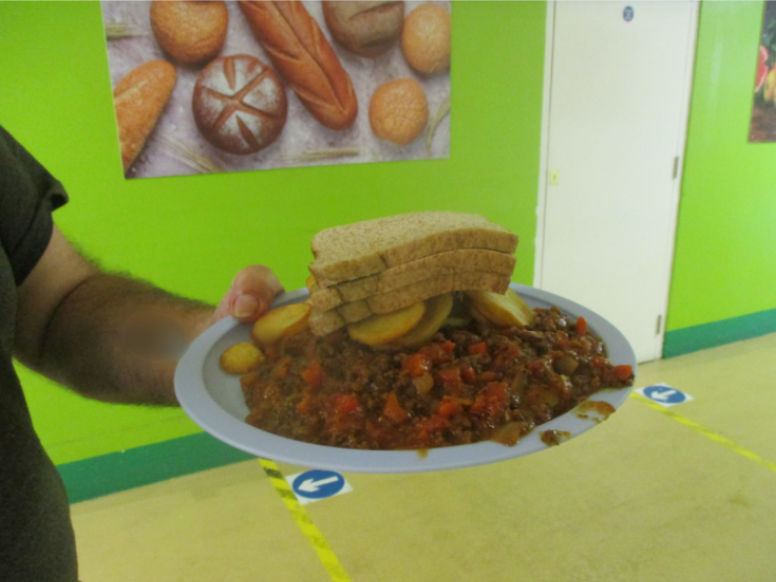
There had been 10 prisoner complaints about food in the previous year (only one of which had been submitted since November). This was the lowest rate of food complaints among the 31 reception prisons.
We considered that the prison had made good progress in this area.
Fair treatment and inclusion
Concern: Work to make sure there was fair treatment and inclusion of prisoners was weak. There was a lack of understanding and provision for prisoners’ diverse individual needs and experiences.
A fair treatment strategy had been devised since the last inspection; however, it was lengthy and not easily understood. It was supported by a needs analysis, and recommendations arising from this analysis were reviewed at diversity and equality action team meetings, which had been held since April 2026. These meetings were purposeful and considered relevant data and information. However, evidence that this scrutiny had led to meaningful change or improved outcomes for prisoners was less clear.
Some protected characteristic groups continued to be disproportionately represented. For example, young adults and prisoners from minority ethnic backgrounds were overly represented in use of force, and disparities persisted for minority ethnic prisoners in access to education, skills and work opportunities, as well as unit-based jobs.
There was some evidence of positive action for foreign national prisoners, who now received their five-minute phone credit allowance if they had not had any visits, and detainees whose sentence had finished and were held awaiting deportation received their weekly entitlement to free phone calls.
Prisoner consultation arrangements were underdeveloped. Only three forums had been held, and there was limited evidence that the issues or concerns raised there had been acted upon.
The absence of full-time dedicated officer equality roles and lack of investment in their development were a barrier to effective delivery of equality work and limited the capacity for sustained progress.
We considered that the prison had made insufficient progress in this area.
Health, well-being and social care
Concern: There were several longstanding risks to patient safety. These included a lack of staff in key areas, which reduced prescribing capacity to an unsafe level, and poor oversight and governance of medicines management.
Strategic partners had worked effectively together to address long-standing patient safety concerns. There had been significant investment to improve staffing in primary care and pharmacy services, addressing one of the key weaknesses identified at the inspection.
The provision of a second health care room in reception enabled nurses to see new arrivals more promptly for health screening. A daily multidisciplinary review of all new arrivals provided effective oversight and helped identify and manage risks promptly, including for those who arrived late in the day.
GP and primary care staff levels were more consistent and patient access to care was much improved. Waiting times for a routine GP appointment were three days, with same-day emergency appointments available six days a week.
A monthly medicines management meeting and safer prescribing forum provided effective governance and oversight. Incidents were promptly investigated with learning shared throughout the team and used to improve patient safety. There was a regular ongoing series of audits and these had been used to address deficiencies we found at the inspection.
The pharmacy room was small and not fit for purpose given the size of the population and the high number of patient movements in and out of the prison.
Administration of opiate substitution therapy had moved to the wings and was safely managed in accordance with national standards.
We considered that the prison had made good progress in this area.
Concern: Patients waited too long for transfer to mental health hospital, which delayed their care and treatment.
In addition, PPT had fostered effective collaboration with a range of hospitals, which had a positive impact for those returning to prison from hospital, as well as facilitating assessment and admission for others. However, too many patients who required transfer to mental health hospital continued to wait far too long. In the previous six months, 17 patients required admission, but only two were transferred within 28 days. The longest wait was 147 days.
In the previous three months, four seriously mentally ill men had been transferred from court into the prison without receiving a mental health assessment or being considered for diversion from custody, delaying their access to appropriate care and treatment.
We considered that the prison had made insufficient progress in this area.
Education, skills and work

This part of the report is written by Ofsted inspectors. Ofsted’s thematic approach reflects the monitoring visit methodology used for further education and skills providers. The themes set out the main areas for improvement in the prison’s previous inspection report or progress monitoring visit letter.
Theme 1: What progress had leaders made in offering sufficient activity spaces in education, skills and work (ESW) to occupy the population purposefully, and in ensuring prisoners were taking part in these activities?
Since the previous inspection leaders had increased the number of activity spaces in ESW to meet the needs of the prison population. They had considered the average length of prisoners’ time in the prison and had adapted the curriculum accordingly with a focus on part-time short courses to meet the needs of the population. The duration of prisoners’ time in the prison had changed, with a considerable increase in the number of prisoners being recalled and serving very short sentences. This caused a greater churn in the prison population with a high proportion of prisoners entering and leaving the establishment on a frequent basis. There were sufficient full and part time activity places to meet the needs of the population.
Leaders and managers had introduced a staff mess and a coffee production workshop as two additional employment areas for prisoners. They had set up additional classes within the education centre to develop prisoners’ employability skills and a targeted personal development programme including health and safety in the workplace.
Leaders and managers had worked very closely with the allocations team to maximise the usage of activity spaces and there were very few unfilled places. Leaders had increased the number of prisoners undertaking purposeful activity and the proportion who were unemployed had reduced by almost one third. Prisoners typically accessed ESW for 25 hours per week compared to 18 hours at the time of the previous inspection.
Ofsted considered that the prison had made reasonable progress against this theme.
Theme 2: What progress had leaders made in allocating prisoners to spaces in education, skills and work in a suitable timeframe?
Since the previous inspection leaders and managers had improved the effectiveness of the allocations process. On completion of their induction to ESW, prisoners were allocated quickly to suitable activities. Leaders and managers had increased the size of the allocations team, which had enabled a manageable workload for staff. The number of prisoners allocated had more than doubled since the previous inspection. If prisoners could not start on their preferred choice of activity, they were allocated to a suitable alternative. Considering the churn within the prison population the number of unemployed prisoners was relatively low.
Leaders and managers had developed useful systems and effective communication methods with ESW to ensure that activity places were filled quickly and were up to capacity. The allocations team tracked occupancy daily and formally reported to leaders on a weekly basis. The number of daily vacancies in ESW had considerably reduced from the previous inspection and was now low. This high occupancy level had been mostly maintained since the end of 2025. However, leaders rightly recognised that they needed the high occupancy level to be maintained for a sustained period.
Ofsted considered that the prison had made reasonable progress against this theme.
Theme 3: What progress had leaders made in making sure prisoners in work and industries had access to qualifications or accreditation, and that the knowledge, skills and behaviours that prisoners learned and developed were being accurately recorded?
Leaders and managers had introduced suitable qualifications across prison industries and most work roles to accredit and recognise the knowledge and skills prisoners developed. Most prison industries offered access to relevant work-based qualifications that were tailored to the daily tasks normally available in the individual workshops. Prisoners could access specialist qualifications in areas such as welding, customer service and food safety. However, many of the qualifications had only been recently introduced and the number of prisoners gaining qualifications had not yet increased significantly. Leaders had provided staff in workshops with helpful training to develop and/or refresh their teaching and assessment skills.
Leaders and managers had developed an effective method to record and track the knowledge, skills and behaviours prisoners developed in work and industries. They used a helpful progress tracking system that clearly identified prisoners’ development at work, their achievement of key work skills, their development of employability skills and work-based attitudes and behaviours. Staff reviewed prisoners’ progress to identify areas for further improvement. They shared this with residential officers. Leaders were also trialling the tracker system on residential wings for wing workers but had not rolled it out across the full estate.
Ofsted considered that the prison had made reasonable progress against this theme.
Public protection
Concern: Public protection processes were not sufficiently robust to provide adequate oversight of high-risk prisoners. Leaders had not made sure that multi-agency working was effective or that monitoring was up to date.
Since the previous inspection, leaders had taken steps to strengthen public protection arrangements and improve oversight of high-risk prisoners.
An offender management unit (OMU) development day had identified six strategic objectives to support service improvement for the whole of the OMU department. From this, it was decided to relocate the public protection team to the same building as the OMU, creating a dedicated public protection hub and improving opportunities for joint working. This included administrators who screened all new arrivals, four dedicated prison offender managers (POMs, see Glossary) and managers who were readily available to provide guidance and support.
The interdepartmental risk management meeting (IRMM), which provided oversight of high-risk prisoners preparing for release, had been re-established. Monthly meetings had generally good attendance, and relevant information and updates were circulated in advance. However, prisoners were typically only discussed in the month before their release, which meant that some were considered only a week or two before leaving. In addition, assurance arrangements were insufficient as not all high-risk prisoners were discussed. We found examples of prisoners who had not been reviewed in the IRMM, but leaders were unaware of this.
Although there was an action tracker to monitor progress arising from the IRMM, this was not supervised and not all actions had been updated post-meeting, limiting effective oversight and accountability.
In response to the high prisoner turnover, and to avoid the IRMM becoming overly burdensome, the prison had established a separate weekly child protection meeting. This reviewed breaches and contact requests, providing additional oversight of safeguarding-related concerns.
Monitoring the communications of prisoners subject to public protection concerns had improved. The backlog had been eliminated, and telephone calls and emails were monitored within appropriate timescales.
Despite these improvements, public protection arrangements remained fragile. Although a team of six staff were listed for call monitoring, in practice, only two undertook this routinely, and they were frequently cross-deployed to other duties with no effective cover during their absence.
We considered that the prison had made insufficient progress in this area.
Returning to the community
Concern: Too many sentenced prisoners were released with no accommodation. Leaders did not collate data on those who were released from court without accommodation.
Outcomes in this area had improved slightly. The strategic housing lead and the resettlement senior probation officer (SPO) had worked closely together and with local authority partners to improve oversight of prisoners at risk of release without settled accommodation. Despite this, too many prisoners were still released without an address to go to. At the last inspection, 24% of prisoners had been released homeless, which had reduced marginally to 20% at this visit.
Commissioned rehabilitative services at the prison were delivered by Seetec, whose staff were based on site full-time. However, their support was only available to prisoners returning to Cheshire and Merseyside. Although prisoners from the Greater Manchester area often accounted for more than half of the population, support from the regional resettlement provider, Ingeus, was available at the prison only one day a week, limiting the support available to prisoners from that area.
Governance arrangements had improved. The resettlement SPO attended a fortnightly governance board which provided oversight of prisoners at risk of release without accommodation. The strategic housing lead maintained a comprehensive pre-release tracker, which had been expanded to include prisoners released directly from court. The tracker was updated weekly and colour coded to identify prisoners who were vulnerable, presented with complex needs or were due to be released without accommodation.
We considered that the prison had made insufficient progress in this area.
Section 4: Summary of judgements (Back to top)
A list of the HMI Prisons concerns and Ofsted themes followed up at this visit and the judgements made.
HMI Prisons concerns
New arrivals often waited too long in reception and did not get to bed on their first night until the early hours of the morning.
Reasonable progress
The prison had no clear and coordinated strategy to reduce violence. Leaders did not use data well to understand violence or inform actions to reduce it.
Reasonable progress
The entry and use of illicit drugs was a major threat to safety and security. The positive drug testing rate was among the highest for this type of prison.
Reasonable progress
There had been six self-inflicted deaths since the previous inspection and a concerning recent rise in the rate of self-harm. The prison did not investigate all near-fatal incidents and had not done enough to understand and address the causes of self-harm.
Reasonable progress
The quality and quantity of food for prisoners were insufficient. In our survey, only one in five prisoners said that they got enough to eat, which was much worse than at our last inspection.
Good progress
Work to make sure there was fair treatment and inclusion of prisoners was weak. There was a lack of understanding and provision for prisoners’ diverse individual needs and experiences.
Insufficient progress
There were several longstanding risks to patient safety. These included a lack of staff in key areas, which reduced prescribing capacity to an unsafe level, and poor oversight and governance of medicines management.
Good progress
Patients waited too long for transfer to mental health hospital, which delayed their care and treatment.
Insufficient progress
Public protection processes were not sufficiently robust to provide adequate oversight of high-risk prisoners. Leaders had not made sure that multi-agency working was effective or that monitoring was up to date.
Insufficient progress
Too many sentenced prisoners were released with no accommodation. Leaders did not collate data on those who were released from court without accommodation.
Insufficient progress
Ofsted themes (Back to top)
What progress had leaders made in offering sufficient activity spaces in education, skills and work to occupy the population purposefully, and in ensuring prisoners were taking part in these activities?
Reasonable progress
What progress had leaders made in allocating prisoners to spaces in education, skills and work in a suitable timeframe?
Reasonable progress
What progress had leaders made in making sure prisoners in work and industries had access to qualifications or accreditation, and that the knowledge, skills and behaviours that prisoners learned and developed were being accurately recorded?
Reasonable progress
More about this report (Back to top)
This report contains a summary from the Chief Inspector and a brief record of our findings in relation to each concern we have followed up. You may find it helpful to refer to the report of the full inspection for further detail on the original findings (available in Our reports).
Independent reviews of progress (IRPs) are designed to improve accountability to ministers about the progress prisons make in addressing HM Inspectorate of Prisons’ concerns in between inspections. IRPs take place at the discretion of the Chief Inspector when a full inspection suggests the prison would benefit from additional scrutiny and focus on a limited number of the concerns raised at the inspection. IRPs do not therefore result in assessments against our healthy prison tests.
The aims of IRPs are to:
- assess progress against selected priority and key concerns
- support improvement
- identify any emerging difficulties or lack of progress at an early stage
- assess the sufficiency of the leadership and management response to our concerns at the full inspection.
Find out more about priority and key concerns
Inspection team
This independent review of progress was carried out by:
| Ian Dickens Lindsay Jones David Owens Nadia Syed Sarah Goodwin Dave Everett Jonny Wright | Team leader Inspector Inspector Inspector Health and social care inspector Ofsted inspector Ofsted inspector |
Further resources (Back to top)
Find out more about the terms and abbreviations used in this report in our glossary.