
HMP Bure
Report on an unannounced inspection of HMP Bure by HM Chief Inspector of Prisons 8–18 June 2026.
Introduction (Back to top)
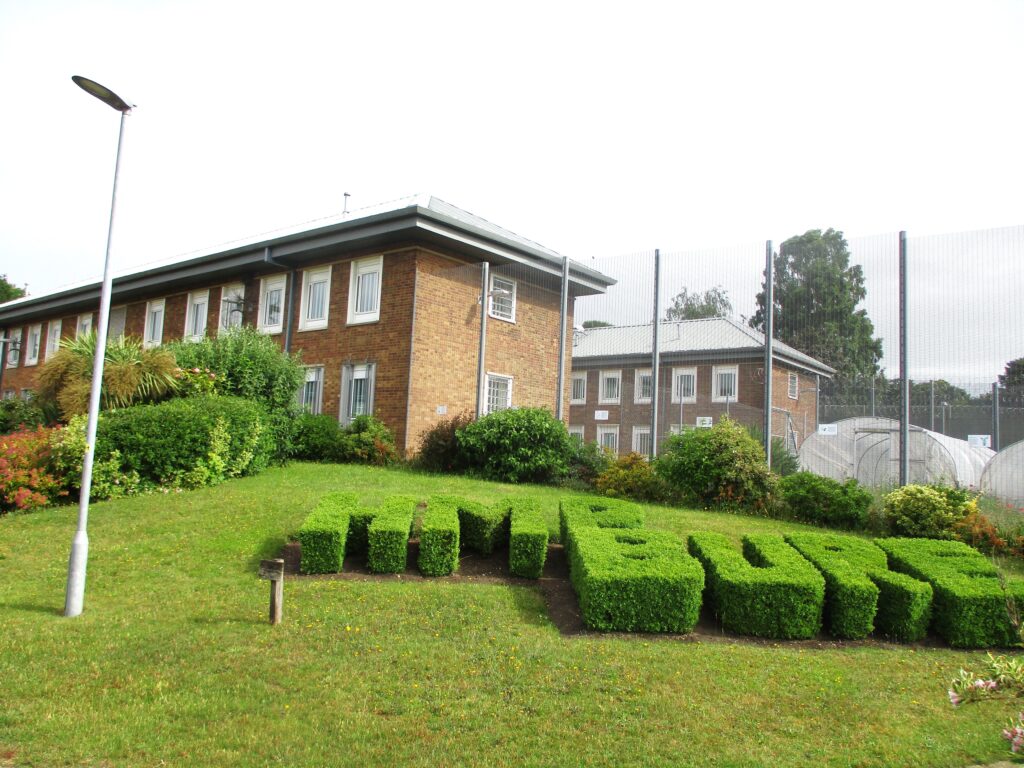
This rural Norfolk prison held 636 men convicted of sexual offences, many of whom were serving long or indeterminate sentences.
At our last inspection in 2023, although time out of cell was much better than elsewhere, standards and the availability of education, training and work were poor. At this inspection, despite some serious cuts to provision, the prison had managed to make some improvements leading to Ofsted’s judgment ‘requires improvement’. The offer, however, was still not good enough for a category C training prison and men complained that they were allocated to activities where there were vacancies, rather than provision that was suitable to their needs and interests. Some of the space was very tight in workshops and there was an overreliance on wing work, which often left men underemployed.
Although staff in the offender management unit worked extremely hard and effectively to support the progression of prisoners, contact was limited for those who were not approaching a sentence milestone. Better communication with prisoners would have helped to manage their expectations about what support they should have been receiving. Some of this frustration was mitigated by key work, which was a better than in most prisons. Staff were working hard to deliver the accredited programmes that featured on the sentence plans of most of the men and more progress had been made than we have seen elsewhere.
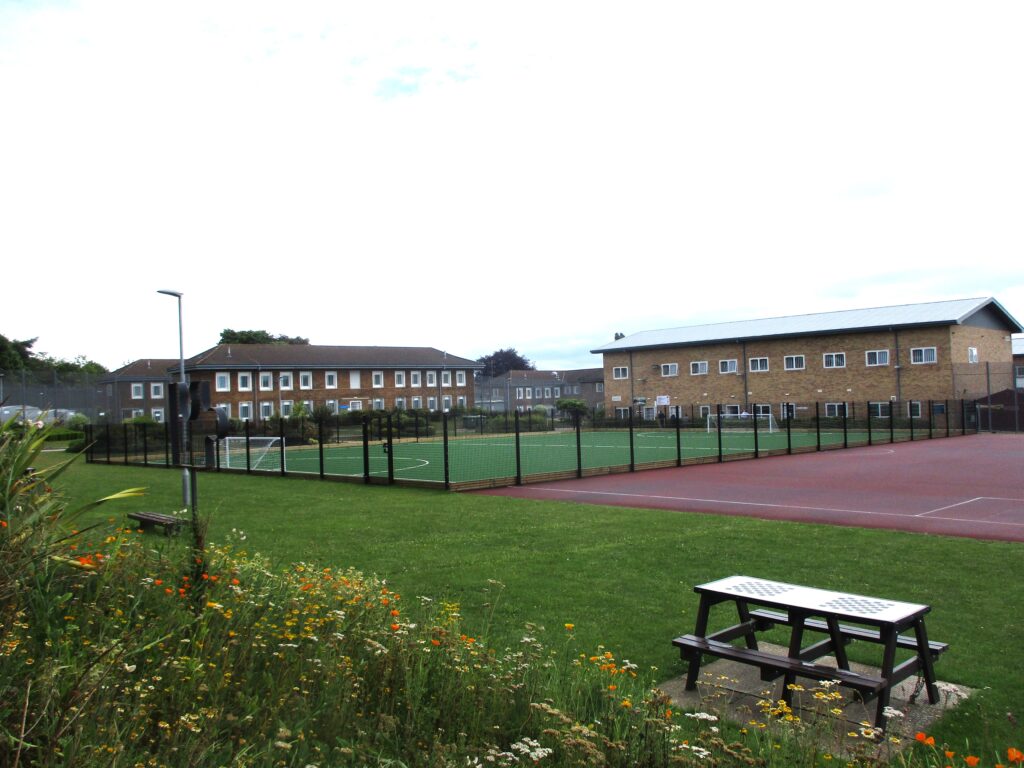
Bure remained a safe and decent prison. The experienced and effective governor had worked to reduce levels of violence, drug taking and use of force to minimal levels. There had also been some thoughtful work to support those men who were at risk of suicide or self-harm. Relationships with staff were generally good and prisoners often identified officers who had helped them. Supervision levels on some of the wings were not good enough because some officers were congregating in offices. There were complaints about the food and it remained a disappointment that there were such meagre self-cook facilities. The prison continued to be very well maintained with very pleasant grounds and clean wings, while a new outdoor sports facility provided more activity space.
The many elderly men in the jail were generally well looked after, although there was a shortage of adapted cells. The prison had also worked to improve the experiences of other groups such as minority ethnic prisoners.
There is much to like about HMP Bure and if sickness-driven staffing shortages can be reduced, and the prison service can create and fund more high-quality activity spaces, then the prison can begin to fulfil more effectively its role as a training prison.
Charlie Taylor, HM Chief Inspector of Prisons, July 2026
Outcomes for prisoners (Back to top)
We assess outcomes for prisoners against four healthy prison tests: safety, respect, purposeful activity, and preparation for release (see More about this report for more information about the tests). We also include a commentary on leadership in the prison (see Section 1).
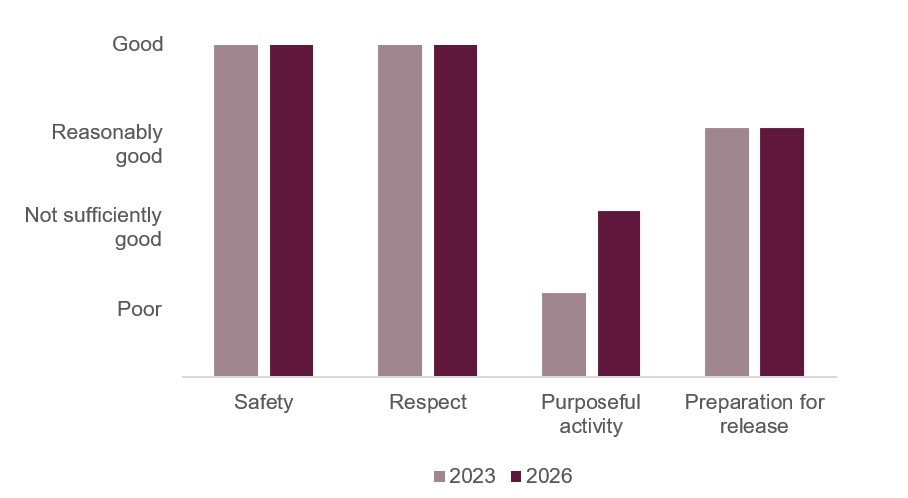
At this inspection of HMP Bure, we found that outcomes for prisoners were:
- Good for safety
- Good for respect
- Not sufficiently good for purposeful activity
- Reasonably good for preparation for release.
We last inspected HMP Bure in 2023. Figure 1 shows how outcomes for prisoners have changed since the last inspection.
Figure 1: HMP Bure healthy prison outcomes in 2023 and 2026
What needs to improve (Back to top)
During this inspection we identified eight key concerns, of which four should be treated as priorities. Priority concerns are those that are most important to improving outcomes for prisoners. They require immediate attention by leaders and managers.
| Priority concerns | |
| 1. | Leaders did not provide sufficient activity spaces for the population to take part in full-time education and/or work. |
| 2. | Leaders did not offer an ambitious enough curriculum, with enough suitable training and qualifications at level 2 and above, to improve progression opportunities for prisoners during their time in the prison and on release. |
| 3. | Leaders had not built effective enough links with employers to provide sufficient work opportunities for prisoners on release. |
| 4. | Prisoners had insufficient contact with prison offender managers. |
| Key concerns | |
| 5. | Leaders had not communicated key information effectively, leaving many prisoners frustrated and unclear about developments. This included access to offending behaviour programmes, consultation outcomes and actions arising from concerns about fair treatment. |
| 6. | There was inadequate oversight of prisoners on residential units. There was no CCTV, compounded by insufficient staff supervision on some wings. |
| 7. | Self-catering options for prisoners remained too limited for a training prison holding many with long sentences. Most wings only had microwaves and toasters and prisoners could not buy fresh ingredients to cook with. |
| 8. | The prison was not designed to meet the needs of those with mobility concerns. |
Notable positive practice (Back to top)
We define notable positive practice as evidence of our expectations being met to deliver particularly good outcomes for prisoners, and/or particularly original or creative approaches to problem solving. Inspectors found some examples of notable positive practice during this inspection, which other prisons may be able to learn from or replicate.
| 1. | Key workers were actively involved in prisoners’ incentive level reviews, gathering evidence from different teams to inform decision-making. (See Staff-prisoner relationships) |
| 2. | The excellent well-being gym sessions supported vulnerable prisoners to stay active and develop personal confidence and social skills. (See Mental Health) |
| 3. | The management of medicines was impressive. Separate colour-coded containers for storage of medicines had made stock management more consistent and safer. (See Medicines optimisation and pharmacy services) |
Unless otherwise specified, these examples are not formally evaluated, are a snapshot in time and may not be suitable for other establishments. They show some of the ways our expectations might be met, but are by no means the only way.
Section 1: Leadership (Back to top)
Leaders provide the direction, encouragement and resources to enable good outcomes for prisoners.
The long-serving governor provided strong and stable leadership, which underpinned the effective running of the prison. He had a clear and accurate understanding of the prison’s strengths and weaknesses, demonstrated through their self-assessment report and inspection findings. He set appropriate priorities about which most staff understood and were in agreement.
The prison was almost fully staffed with mostly experienced officers; retention was good, but sickness absence rates were increasing. A number of staff were unavailable due to detached duties or temporary promotions, which placed further pressure on those remaining. Leaders had developed an appropriate plan to improve the prison’s culture, including measures to strengthen staff confidence and capability. This was supported by well-being initiatives and a programme of regular training.
Leaders were resourceful in securing funding for key roles to support important areas, including the family worker and prison employment lead. However, a lack of funding from national leaders meant that projects such as CCTV on residential units or investment in workshops had not been realised, limiting progress on some concerns raised at the last inspection. As a result, there remained insufficient full-time activity spaces for a training prison.
There remained significant weaknesses in purposeful activity, and efforts to improve provision had been undermined by severe cuts to education, resulting in a limited curriculum and fewer opportunities for prisoners.
Effective assurance systems were in place at both local and regional levels, which reviewed progress in, for example, security and violence management. This had helped maintain the good standards observed at the last inspection, particularly in safety and respect.
While communication channels with prisoners and staff were in place, leaders had not made sure that messages were consistently clear. Many prisoners remained unaware of developments or became frustrated by a lack of accessible, coherent information, such as how often they could expect to see their prison offender manager.
Leaders had established a culture that encouraged prisoners and created a community ethos through developing unit identities and peer-led enrichment activities, as well as maintaining a very clean, well-ordered and supportive environment.
Section 2: Safety (Back to top)
Prisoners, particularly the most vulnerable, are held safely.
Early days in custody
Expected outcomes: Prisoners transferring to and from the prison are safe and treated decently. On arrival prisoners are safe and treated with respect. Risks are identified and addressed at reception. Prisoners are supported on their first night. Induction is comprehensive.
| HMIP prisoner survey | Yes | Compared with similar prisons |
| Overall were you treated very/quite well in reception? | 94% | No difference |
Early days arrangements were largely working well and the reception was clean and welcoming. Prisoners reported good treatment by staff, who completed processes efficiently, including private safety interviews and ensuring property was searched and returned to prisoners without delay. Security arrangements were proportionate.
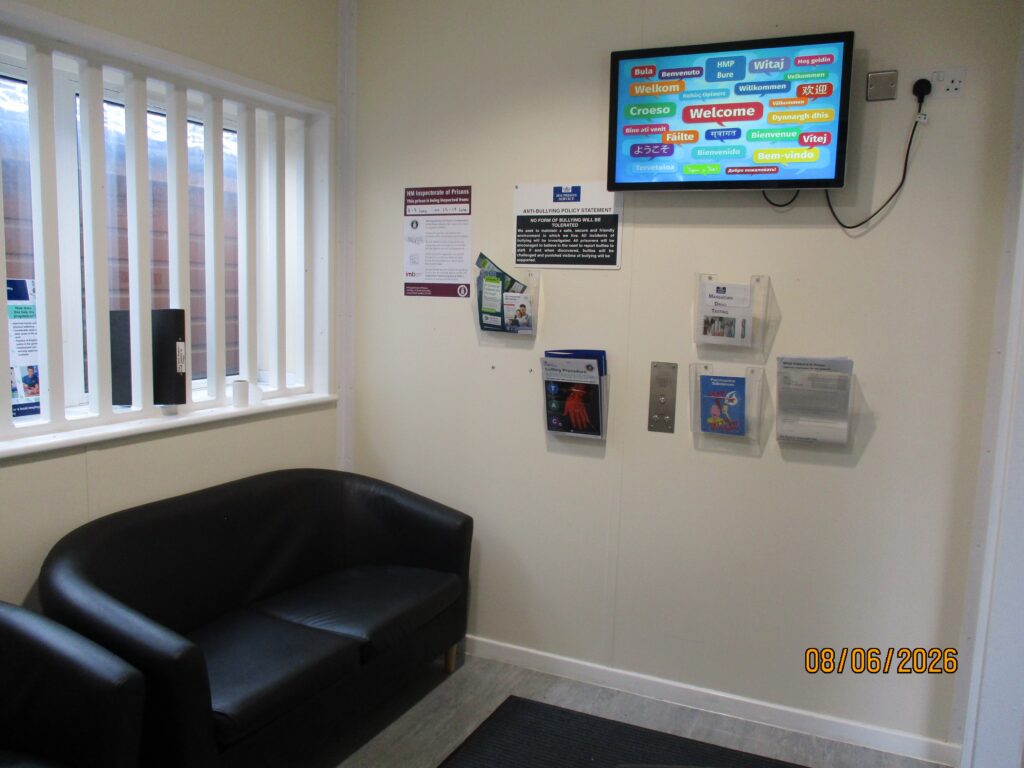
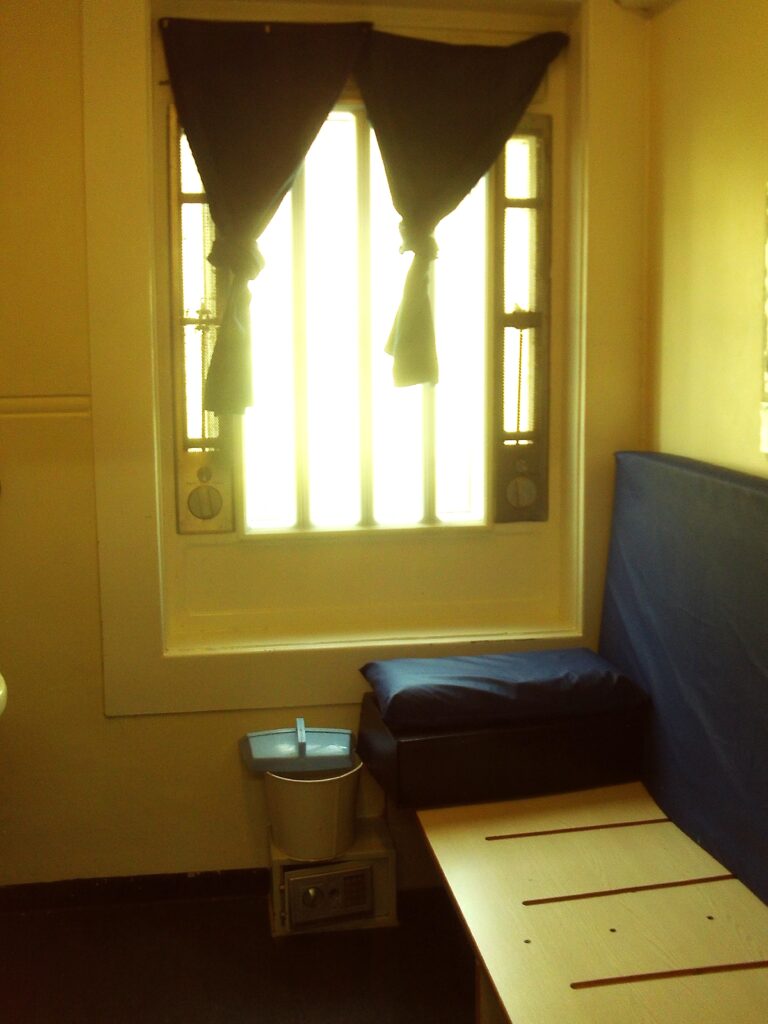
Peer workers met new arrivals in reception to tell them what to expect. They walked with them to the induction unit and continued to support them throughout their early days. First night cells were clean and well equipped.
Induction arrangements were comprehensive, and mostly led by peer workers, including a tour of the site. Other departments including education, the offender management unit and the gym met prisoners during the first two weeks. In our survey, 98% of prisoners said they had received an induction and 74% said it covered everything they needed to know. Prisoners we spoke to were positive about their experience.
Early days processes had some weaknesses. Support for prisoners with limited English was underdeveloped and few translated materials were available. Some new arrivals waited up to two weeks for their first shop order despite the availability of ‘community shops’ on site (see Residential services).
Promoting positive behaviour
Expected outcomes: Prisoners live in a safe, well ordered and motivational environment where their positive behaviour is promoted and rewarded. Unacceptable conduct is dealt with in an objective, fair, proportionate and consistent manner.
Encouraging positive behaviour
| HMIP prisoner survey | Yes | Compared with similar prisons |
| Do you feel unsafe now? | 9% | No difference |
The prison was safe, with a settled and well‑ordered environment. The overall rate of violence had reduced by 22% since the previous inspection, with 59 incidents recorded in the last 12 months. Prisoners we spoke to generally told us they felt safe. One prisoner said in our survey: “The environment is very relaxed which promotes a calm atmosphere. The prison is mainly very safe and there is little in the way of drugs etc”.
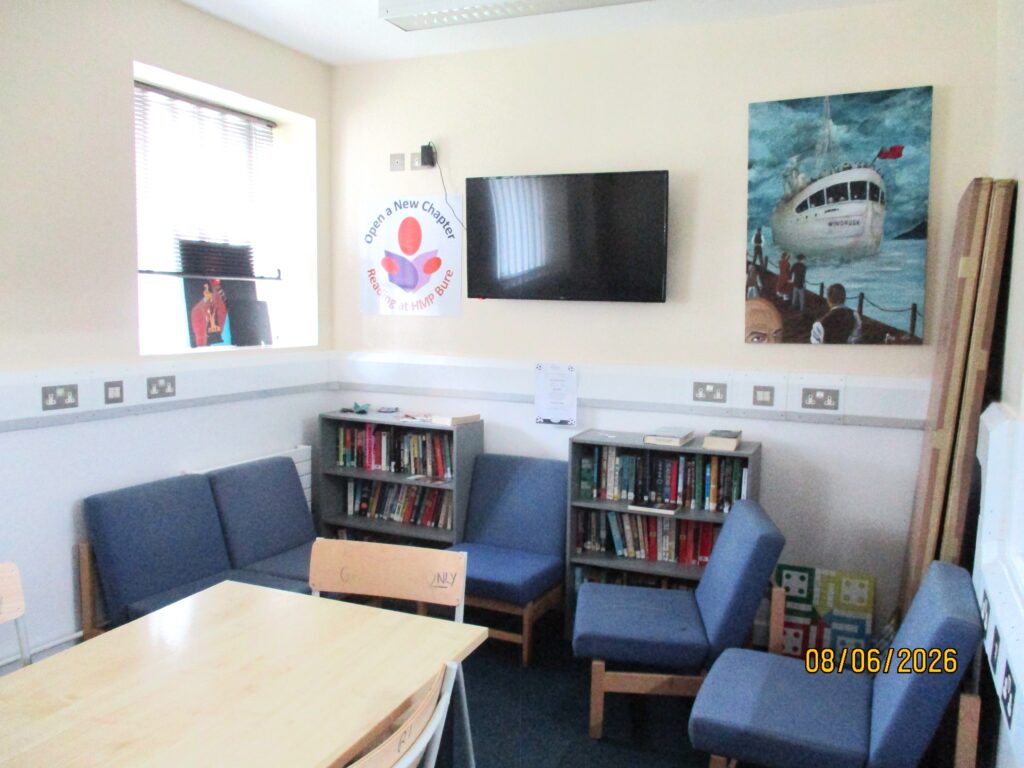
The pleasant environment, regular key work (see Glossary), a strong community ethos and a range of social opportunities, including prisoner‑led activities (see Time out of cell), promoted and reinforced positive behaviour among prisoners.
At the last inspection, a significant proportion of the population had reached the highest level of the incentives scheme. In response, leaders had introduced an additional ‘enhanced plus’ level, delivered on a dedicated unit. This enabled prisoners serving longer sentences to access further rewards, such as additional recreational equipment on the unit and access to more visits and gym sessions.
Leaders recognised that younger prisoners were more likely to be involved in violence and had responded by creating a dedicated landing for them on the enhanced-plus unit. This provided opportunities for younger prisoners to observe and learn from prisoners who consistently behaved well. This initiative had helped to improve behaviour within this cohort, including a reduction in violence (see Fair treatment and inclusion).
Challenge, support and intervention plans (CSIPs, see Glossary) were used appropriately for prisoners presenting a heightened risk to others. Some required further development to make sure targets were meaningful, but prisoners we spoke to said they received constructive support.
The number of adjudications was low and had decreased over the last year. The quality of hearings was good, with more evidence of investigation than we usually see. Robust quality assurance focused on thematic issues, most recently offences involving racism or homophobia.
Use of force
Use of force was low, with 71 incidents in the previous 12 months, most of which were at a low level, consisting of guiding holds. We reviewed footage which showed that force was used proportionately and staff demonstrated effective use of de-escalation.
One prisoner was responsible for 11 incidents of force. Through effective, multidisciplinary planning a ‘one-page’ plan had been developed to help staff understand and respond to his behaviour.
Scrutiny arrangements were robust and all incidents were reviewed. While the use of body-worn video cameras had improved since the last inspection, with 75% of incidents now recorded, too often footage did not capture the full lead-up to the incidents.
Segregation
Use of segregation was low and stays were generally short, averaging just over three days. All prisoners had timely reintegration plans in place.
The unit was bright and spacious and cells were well equipped. The exercise yard was better than we often see.
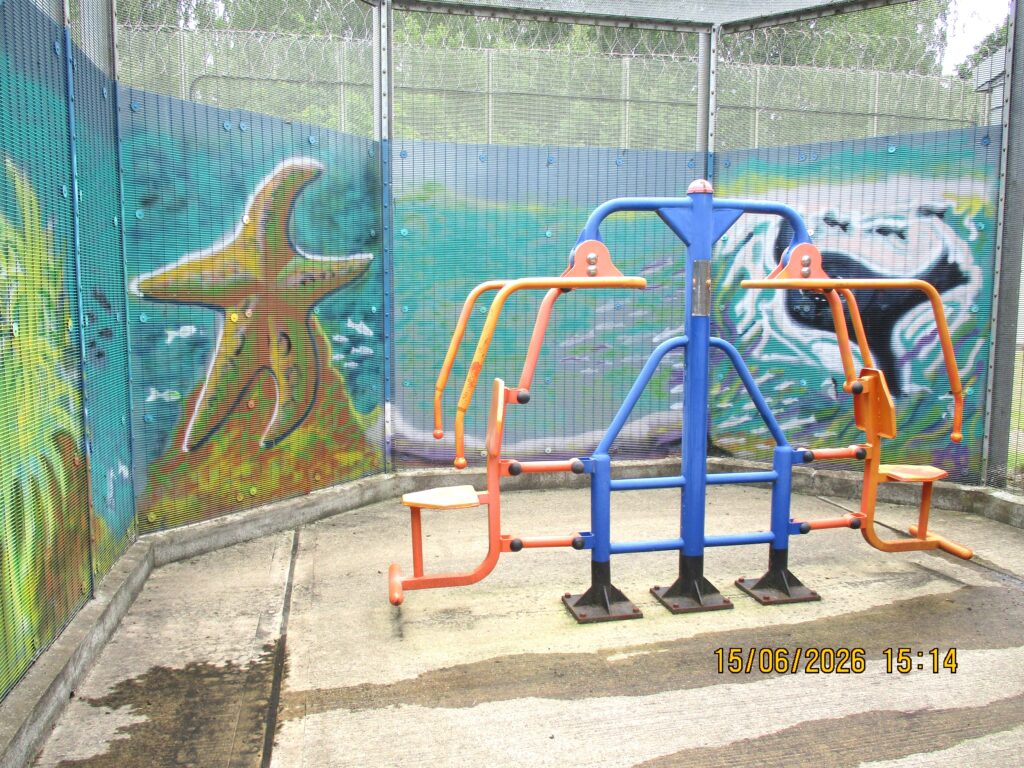
Relationships between staff and prisoners were positive. Prisoners spoke of good support and we observed respectful interactions. Prisoners were actively encouraged to engage in purposeful activity, including education and work on the unit, such as painting.
The unit operated as a regional resource and a small number of prisoners from other establishments were also held in segregation. This included category B prisoners from Norwich and Bedford prisons, with oversight provided by the regional team.
Security
Expected outcomes: Security and good order are maintained through an attention to physical and procedural matters, including effective security intelligence and positive staff-prisoner relationships. Prisoners are safe from exposure to substance misuse and effective drug supply reduction measures are in place.
| Data provided by the prison | |
| Positive random mandatory drug testing rate in the 12 months before the inspection | 2% |
The drug strategy had improved and was more focused on recovery. Leaders had taken effective action, supported by joint working with the substance misuse service, to reduce both the supply and demand of illicit items. As a result, the rate of positive random mandatory drug tests had fallen from 9.6% at the previous inspection to 2.1% in the 12 months before this inspection.
The lack of CCTV coverage on residential units, together with insufficient staff supervision on some wings, limited effective oversight. We observed instances of staff congregating in offices, rather than actively supervising landings.
Frequent inaccuracies in prisoner roll checks resulted in delays in confirming that all prisoners were accounted for, which disrupted movement around the prison and affected attendance at appointments. Leaders had identified this issue earlier in 2026 and taken appropriate action, which was beginning to take effect.
Security was well managed and intelligence was responded to promptly. Staff we spoke to were able to describe clearly the offence-related behaviours that they monitored and were aware of the risks presented by the population.
Safeguarding
Expected outcomes: The prison provides a safe environment which reduces the risk of self-harm and suicide. Prisoners at risk of self-harm or suicide are identified and given appropriate care and support. All vulnerable adults are identified, protected from harm and neglect and receive effective care and support.
Suicide and self-harm prevention
| Data provided by the prison | |
| Rate of self-harm incidents per 1,000 prisoners in the 12 months before this inspection | 241 |
The rate of self-harm had fallen by 39% since our last inspection and was on a downward trend over the previous year. Good time out of cell, positive staff-prisoner relationships and a community ethos on residential units all contributed to creating an environment that helped to prevent prisoners from falling into crisis.
There was one death in custody during the last inspection in October 2023, and there had been six more since then, all from natural causes. Leaders kept recommendations arising from these under regular review to make sure lessons were embedded.
The prison had 21 Listeners (trained by the Samaritans to provide emotional support to fellow prisoners) who conducted weekly drop-in sessions on the residential units, which was positive. The weekly ‘safe space’ peer-led group for prisoners who were struggling was a good initiative, but it was frequently cancelled because staff were not available.
Most prisoners supported through the assessment, care in custody and teamwork process (ACCT, case management of prisoners at risk of suicide or self-harm) spoke positively of the consistent day‑to‑day support from staff and key workers, although some said that not all their individual concerns had been fully addressed. The quality of ACCT documentation was reasonable: care plans usually identified helpful actions, but reviews were not always conducted by a consistent case manager.
The weekly safety intervention meeting was well attended. All complex prisoners and those subject to ACCT case management were discussed.
Protection of adults at risk
Leaders attended the local adult safeguarding board and a safeguarding policy was in place. However, not all staff members could confidently describe what actions they would take if they were concerned about a potentially vulnerable individual.
Section 3: Respect (Back to top)
Prisoners are treated with respect for their human dignity.
Staff/prisoner relationships
Expected outcomes: Prisoners are treated with respect by staff throughout their time in custody and are encouraged to take responsibility for their own actions and decisions.
| HMIP prisoner survey | Yes | Compared with similar prisons |
| Do most staff here treat you with respect? | 80% | No difference |
| Are there any staff here you could turn to if you had a problem? | 88% | No difference |
Staff-prisoner relationships were good. We observed positive and professional interactions but we also saw instances of staff congregating in offices rather than patrolling landings (see Security). There were few instances of low-level poor behaviour such as vaping on the landings.
Leaders had prioritised improvements to key work and had set appropriately high expectations. Prisoners received regular key work sessions which were supportive. Key workers demonstrated good cross-departmental working, for example they gathered information from different teams to inform prisoners’ incentive level reviews and liaised with the offender management unit to share information and resolve queries.
The prison had a wide range of peer workers and leaders had successfully established a community ethos on residential units by enabling prisoners to organise activities and groups.
Daily life
Expected outcomes: Prisoners live in a clean and decent environment and are aware of the rules and routines of the prison. They are provided with essential basic services, are consulted regularly and can apply for additional services and assistance. The complaints and redress processes are efficient and fair.
Living conditions
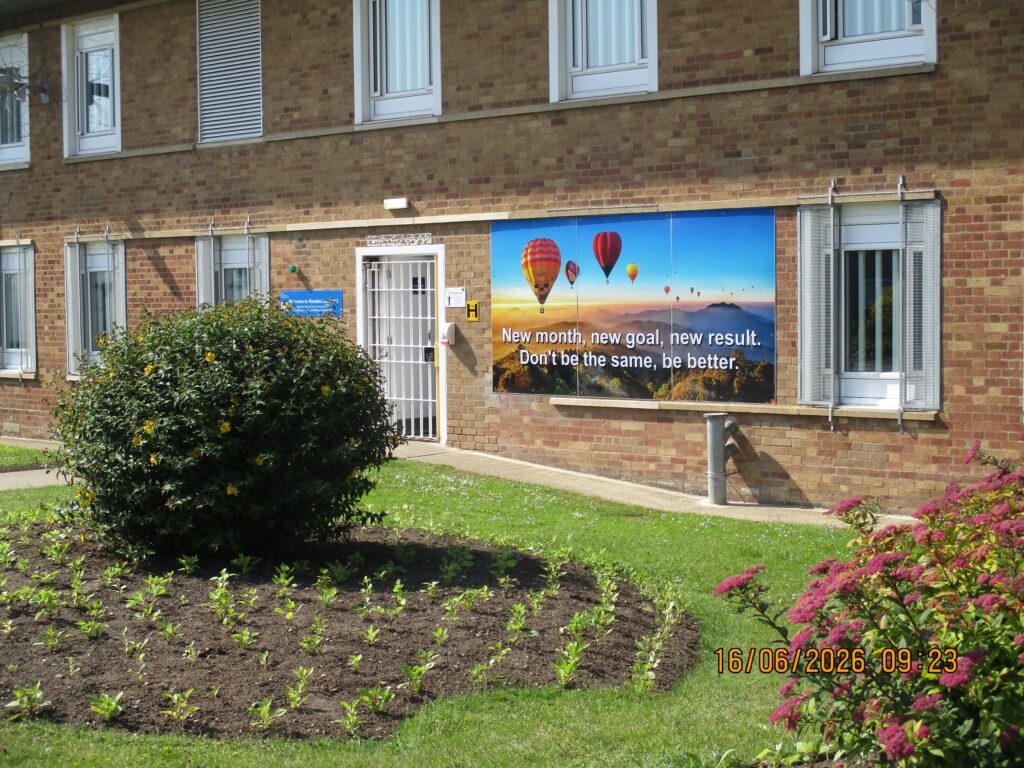
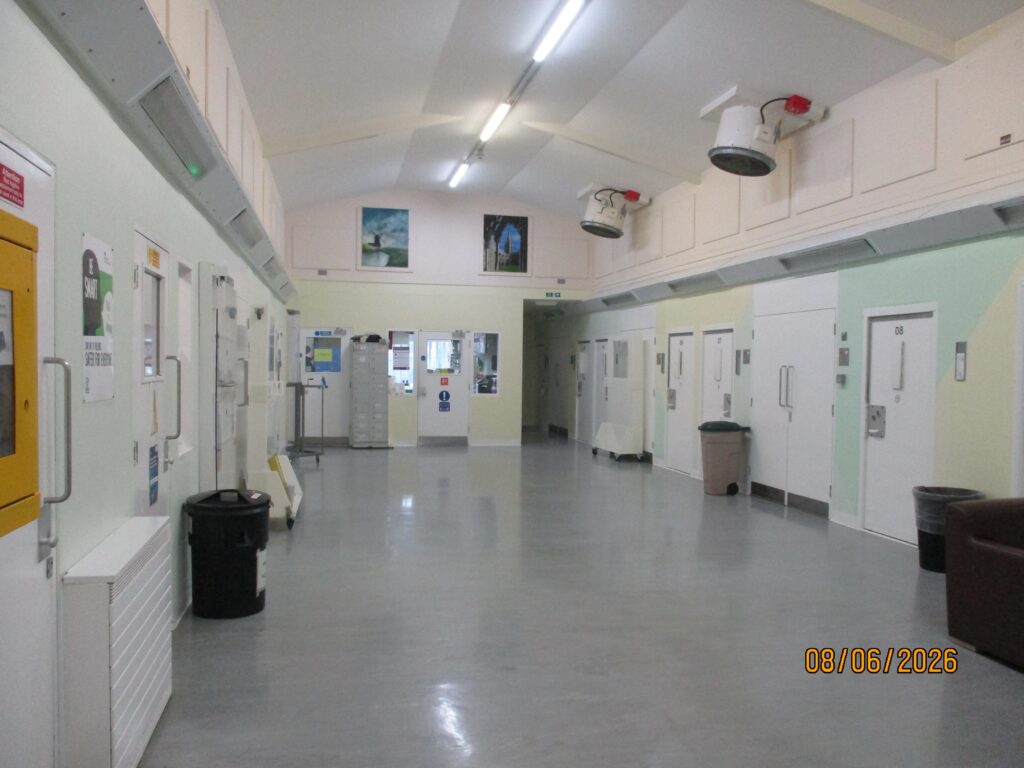
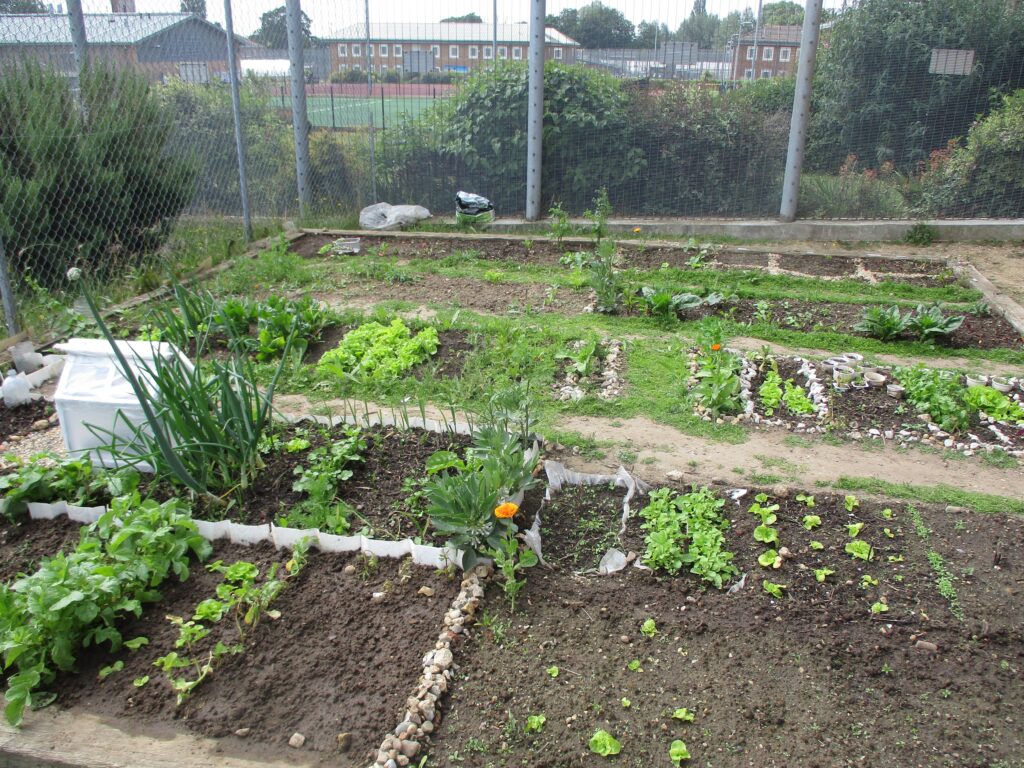
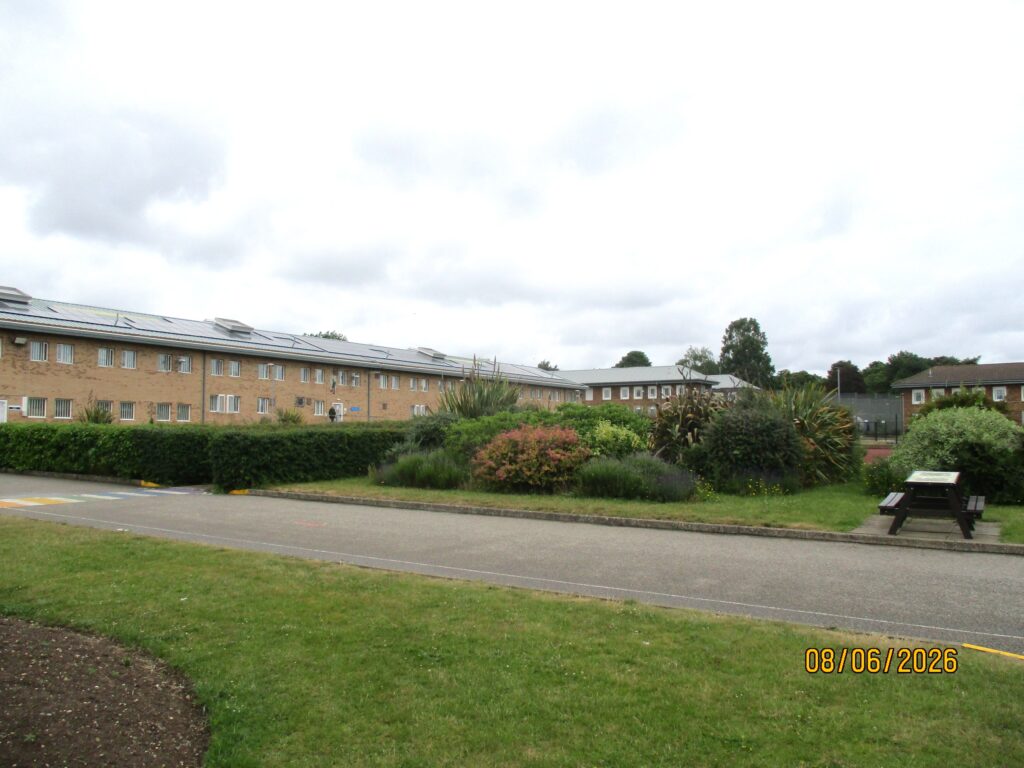
The outside areas of the prison were attractive and the grounds were well maintained. Indoor communal areas were clean, bright and well decorated. Despite limited investment in showers, efforts had been made to improve them, although some areas were still affected by mould and damp.
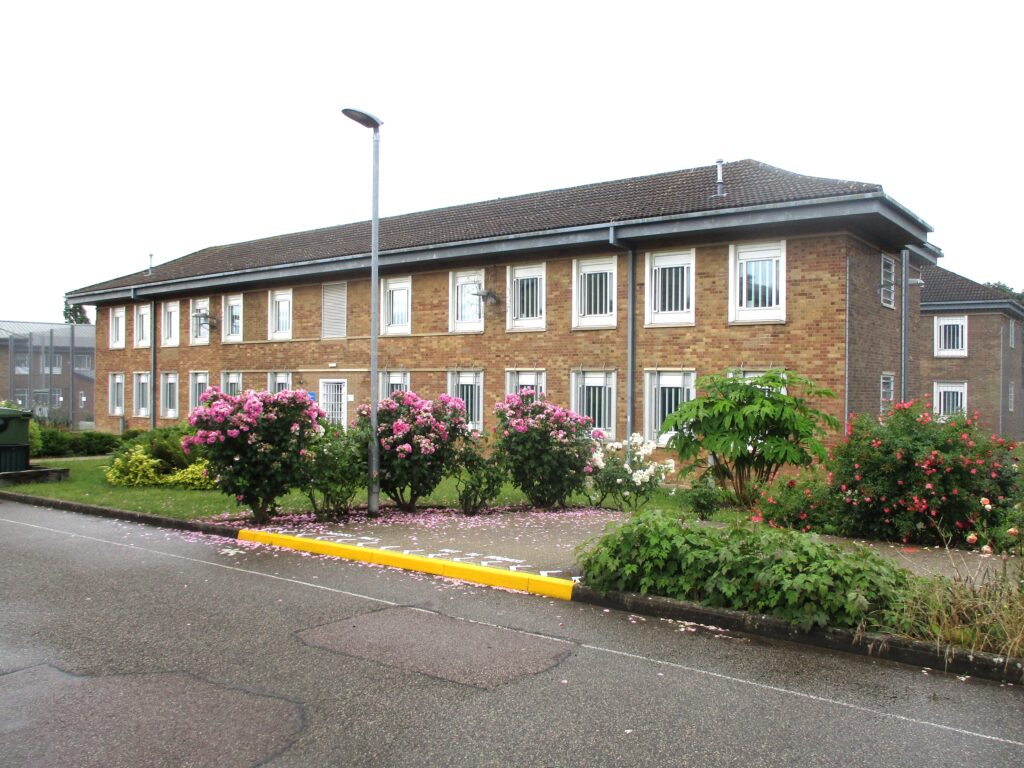
Cells were suitably equipped and kept in good condition. Those on unit seven benefited from in-cell showers. However, around 13% of prisoners lived in overcrowded conditions with two prisoners living in a cell designed for one, with some cells lacking working lockable storage.
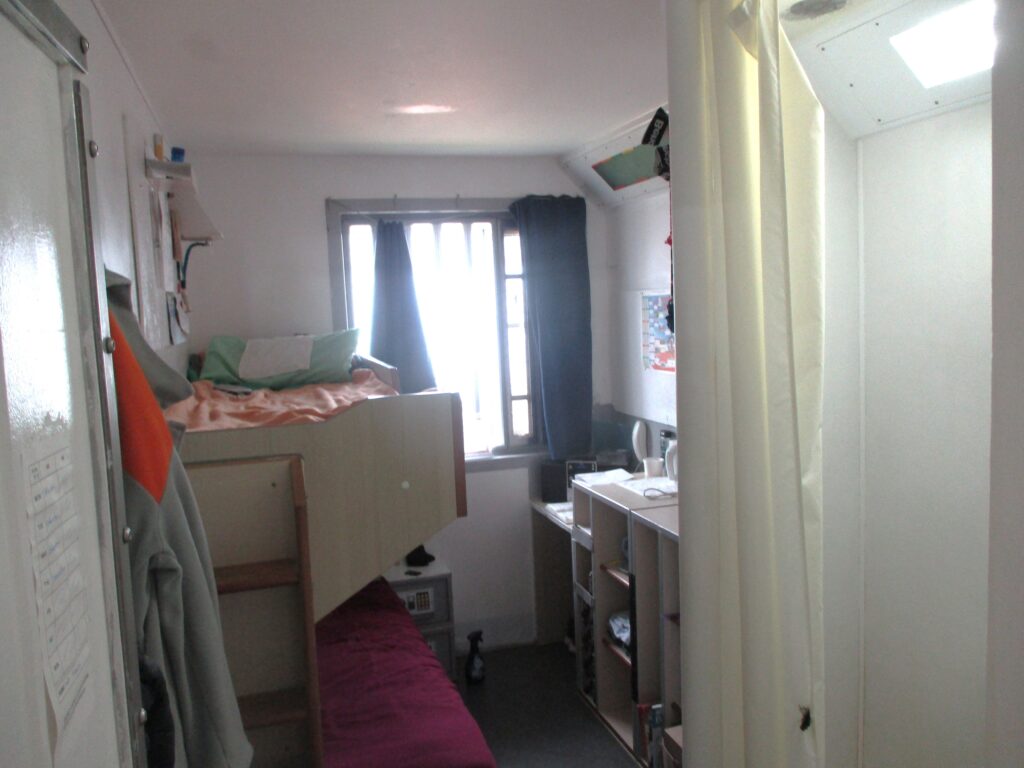
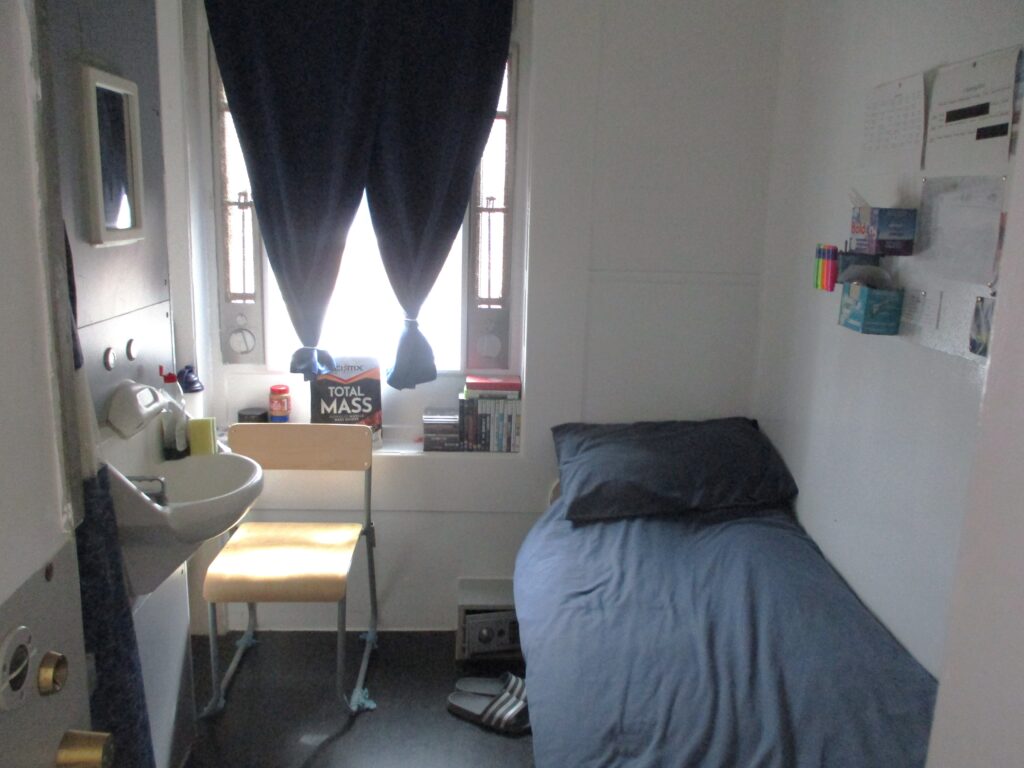
In our survey, prisoners were more positive than at our last inspection about access to cell cleaning materials. Clear processes were in place to ensure prisoners could access laundry facilities or clean kit. Leaders had recently introduced a new system to resolve problems with access to stored property.
Residential services
| HMIP prisoner survey | Yes | Compared with similar prisons |
| Do you get enough to eat at mealtimes always/most of the time? | 34% | Lower |
Prisoners were negative about how much food they had to eat. Portion sizes that we observed were reasonable, but some lunch options appeared smaller.
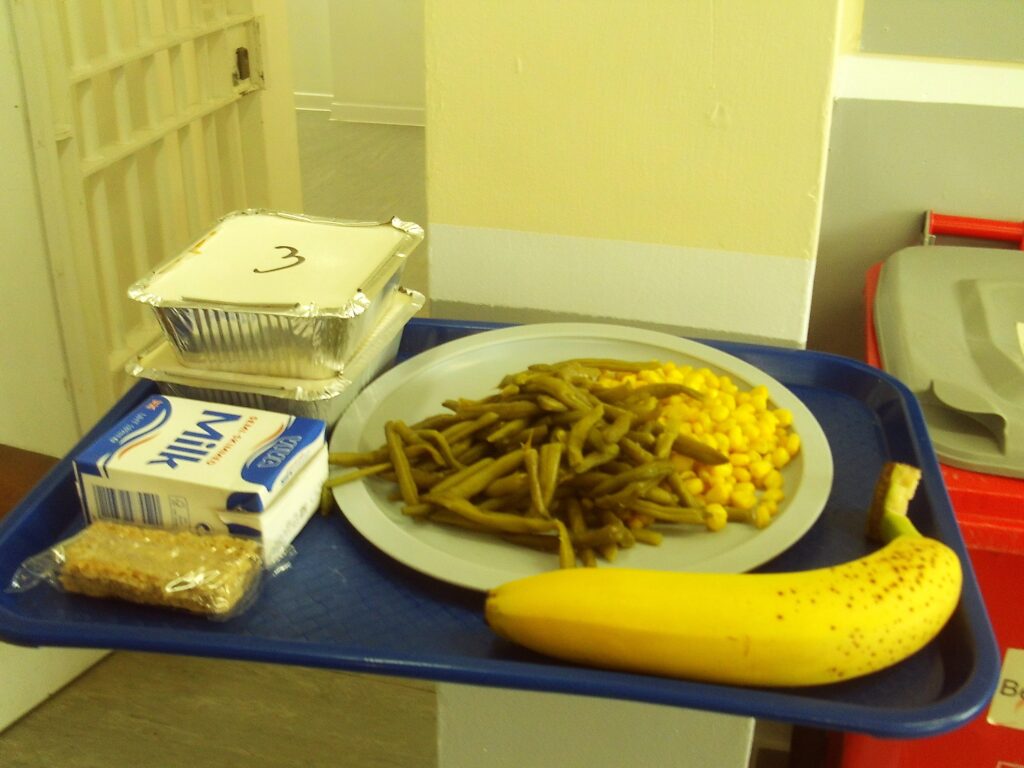

The kitchen was delivering a menu in line with the new national catering policy, which had a greater focus on healthy foods. Some prisoners we spoke to were negative about some of the changes, although there were good consultation arrangements to support improvements.
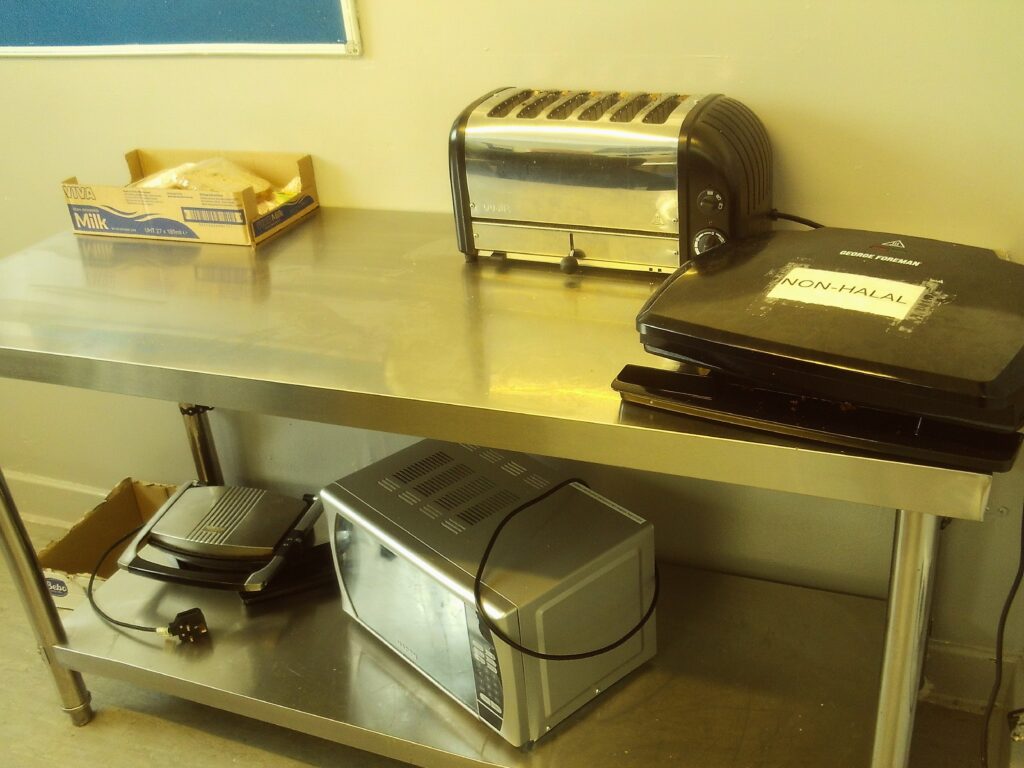
Self-catering facilities on the wings remained limited. Wings had toasters, microwaves and a few sandwich grills, which was insufficient for a category C prison holding many long-term prisoners. Prisoners could not order fresh ingredients from the canteen to cook with.
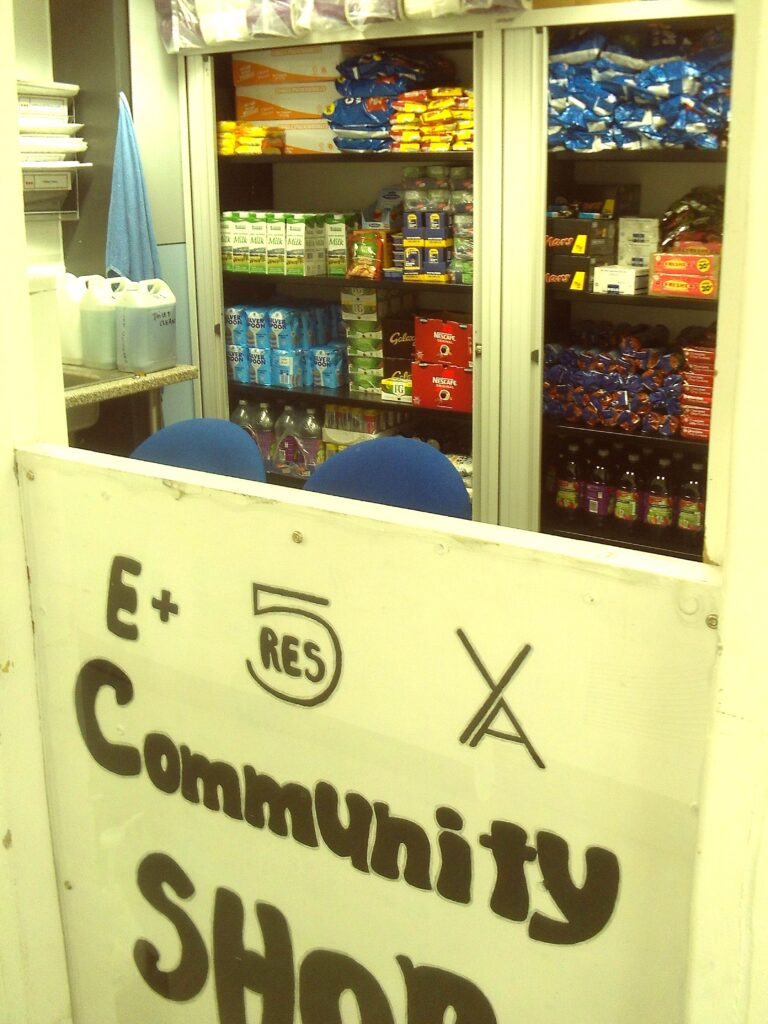
The presence of ‘community shops’ run by orderlies on the two ‘enabling environment’ units and the young adult ‘enhanced plus’ unit was a positive initiative, valued by prisoners who had access.
Prisoner consultation, applications and redress
There was a range of consultation arrangements, such as forums, surveys and an established prison council which had led to meaningful changes, for example improving residential facilities. However, despite publication of the minutes of these meetings, most prisoners were unaware of the outcomes. This shortfall in communication undermined prisoners’ confidence that their views were being heard and acted upon.
The number of complaints had been reducing in the year before our inspection. Leaders had introduced mechanisms to enable prisoners to resolve issues informally, through custodial manager surgeries and a dedicated reception staff member to resolve property issues. This was positive, but the practice of rejecting some complaints was inappropriate, with 14% rejected over the previous year.
The application system was paper based. Leaders had recently introduced a new tracking system to improve accountability and oversight, but this was not yet embedded.
Fair treatment and inclusion
Expected outcomes: There is a clear approach to promoting equality of opportunity, eliminating unlawful discrimination and fostering good relationships. The distinct needs of prisoners with particular protected characteristics (see Glossary) or those who may be at risk of discrimination or unequal treatment, are recognised and addressed. Prisoners are able to practise their religion. The chaplaincy plays a full part in prison life and contributes to prisoners’ overall care, support and rehabilitation.
The prison held a diverse population. Leaders had made sustained efforts to promote fair treatment and a more inclusive environment. They had responded constructively to concerns from our previous inspection and demonstrated a commitment to understanding minority experiences through staff and peer-led forums, supported by peer workers trained by the Zahid Mubarek Trust (ZMT, see Glossary).
Leaders used a broader range of data than we typically see to identify potential disproportionality. However, some datasets covered too short a period to enable meaningful trend analysis, limiting its value.
Despite these steps, some minority ethnic prisoners described differential treatment, and data showed continuing disparities in access to trusted jobs, less desirable accommodation and use of force. Leaders had introduced initiatives, including mentoring relationships with senior leaders and social groups that reflected a wider range of identities, such as an urban group. However, communication to build trust and demonstrate progress required improvement. Not all prisoners were aware of the efforts being made and actions from consultation were not always reflected clearly in strategic plans.
Provision for some protected groups was stronger. Older prisoners benefited from dedicated accommodation, appropriate activities and tailored gym sessions. Young adults were located on landings intended to promote positive behaviour (see Promoting positive behaviour).
LGBT+ prisoners we spoke to said they felt safe to be open about their identity. However, arrangements for transgender prisoners were not applied consistently.
The prison environment posed challenges for prisoners with disabilities. While most areas were accessible, residential units lacked sufficient adapted facilities and intermittent lift failures created additional barriers. Although peer ‘buddy’ systems and care plans were in place, staff oversight was inadequate.
Care experienced and neurodivergent prisoners responded more negatively across several survey indicators, particularly access to services or support. Leaders had introduced appropriate arrangements, including neurodiversity led groups, a sensory room, and effective local authority partnerships for eligible under-25s to maintain contact with personal advisers.
During the last year, 112 discrimination incident report forms had been submitted. Leaders had taken steps to improve timeliness following previous delays. Investigations were generally thorough, although opportunities for deeper analysis and learning were sometimes missed. Independent scrutiny by the ZMT, together with prisoner review of redacted cases, strengthened transparency and confidence in the process.
Faith and religion
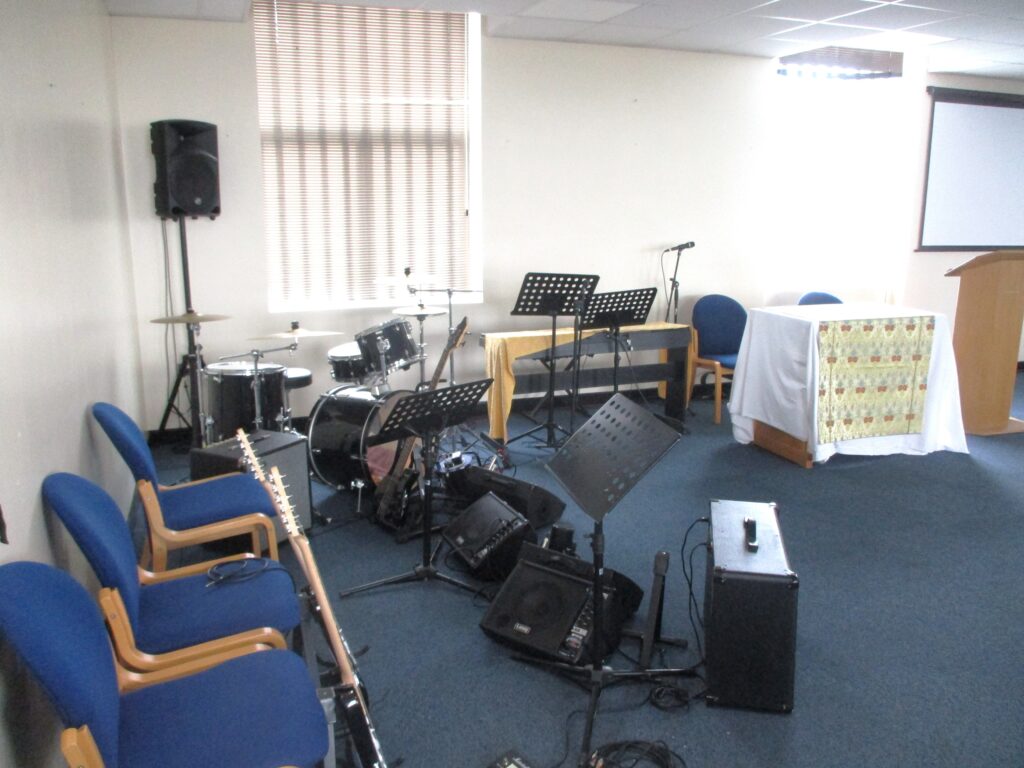
There was access to corporate worship and faith-based classes, but the chaplaincy was short staffed and had struggled to find chaplains for the Hindu, Rastafarian and Pagan communities. They relied on peer led worship in the chapel to mitigate this. In addition to their statutory duties, the chaplaincy facilitated a poetry group and hosted a prisoner band which performed at services.
Health, well-being and social care
Expected outcomes: Patients are cared for by services that assess and meet their health, social care and substance use needs and promote continuity of care on release. The standard of provision is similar to that which patients could expect to receive elsewhere in the community.
The inspection of health services was jointly undertaken by the Care Quality Commission (CQC) and HM Inspectorate of Prisons under a memorandum of understanding agreement between the agencies.
Strategy, clinical governance and partnerships
The prison and health and social care providers had a mature approach to delivering services to patients with significantly diverse health and social care needs, captured within the health needs assessment. The design of the prison was not suitable to provide for the care and mobility needs of some men.
Despite being in a prolonged NHS tendering process, Practice Plus Group (PPG) maintained a well-led and stable service in an unusually complex commissioning environment with at least six providers.
Clinical governance of services remained strong. This was now enhanced by the assertive approach to in-house development of staff, which resulted in a skilled group of well-informed health practitioners, and ensured sustainability.
The health department was clean, infection prevention compliant (except for one new sink) and equipment for use in an emergency was ready and strategically distributed in the prison.
There were around 12 concerns a month and a similar number of unsolicited written compliments. Improved oversight of concerns and complaints had been introduced since our last inspection, with regular audit by senior practitioners. Responses that we sampled were timely and focused.
There was evidence of positive change in response to learning from audits, incidents and complaints, for example the early days in custody process was now more comprehensive, which enhanced communications and safety.
Promoting health and well-being
Although there was no overarching, prison-wide well-being promotion strategy, there was strong evidence of effective health promotion activity tailored to the older population at the prison, including high participation in key screening programmes for bowel cancer (80%), abdominal aortic aneurysm (89%) and NHS Health Checks (95%). The high uptake of MMR and RSV vaccinations was similarly impressive.
Several innovative health promotion initiatives included a 12-week ‘mental health gym’ programme, a nurse-led vaping cessation programme and enhanced blood screening for patients aged over 50, supporting early identification of long-term conditions. Staff had been trained to undertake minor hearing aid and glasses repairs, helpfully reducing the need for external referrals.
Effective use of waiting area displays promoted awareness of cancer, stroke, diabetes and oral health. An informative monthly newsletter was distributed widely around the prison.
Prisoners had access to sexual health advice and condoms on request from the health centre. However, not all staff had undertaken specialist sexual health training aligned to recommended standards.
There were no peer champions, which was a missed opportunity to provide peer-led health promotion and strengthen engagement.
Primary care and inpatient services
Early days in custody reception screening processes were robust, with first and second health screens and medicines reconciliation consistently completed within required timescales. Daily multidisciplinary ‘new arrivals’ meetings provided effective oversight of patients’ care by identifying needs and risks and promptly progressing referrals for diagnostics and treatment.
PPG managed patients’ paper applications with daily collection, nurse triage and appropriate recording on the clinical system.
A GP clinic ran two to three days a week and daily nurse-led clinics tended to patients’ needs. Patients requiring more intensive health care were discussed at weekly multidisciplinary meetings to make sure their complex needs were addressed.
Waiting times for routine appointments were reasonable and a good range of visiting services, including X-ray, ultrasound and continence care, provided access to specialist input.
Despite high operational demand, very few secondary care appointments were missed because of pressures on the prison regime. Additional bed watches were provided when required, demonstrating flexibility.
Clinical records showed that patients received appropriate and timely care. Patients were provided with copies of their care plans, although the quality and consistency of some plans required improvement to ensure a fully person-centred approach.
There was a strong focus on end-of-life care, with evidence of good implementation of Gold Standards Framework principles, which promote coordinated, person-centred care and dignified end-of-life support. Patients with terminal diagnoses reported high levels of satisfaction with their care, including involvement in advance care planning and resuscitation decisions.
Release planning arrangements were well coordinated, with occupational therapy input into resettlement boards and pre-release health checks completed for prisoners before discharge.
Social care
A pathway for prisoners to access social care was set out in a Memorandum of Understanding between the prison, health care and the local authority. Early days in custody included robust consideration of needs, led by an effective in-house occupational therapist (OT) who coordinated support, adaptations and formal assessments. Personal care was provided by PPG nurses, with one prisoner receiving a social care package (see Glossary) at the time of the inspection.
Several prisoners, mainly on houseblock seven, were supported with basic domestic tasks by peer workers, which was appropriate. The OT delivered some training and oversight, but the prison needed its own training and supervision arrangements to ensure effective safeguarding of vulnerable prisoners’ needs (see Fair treatment and inclusion).
Mental health
The well-led PPG in-reach team delivered a seven-day service through a stable workforce of nurses and health care assistants, supported by an OT and visiting psychiatrist. Mental health needs were considered at initial screening and during ‘new arrivals’ discussions to identify immediate or ongoing care needs.
Anyone could refer a prisoner of concern and prisoners could self-refer. All referrals were triaged promptly, discussed at daily meetings and confirmed at weekly multi-disciplinary team reviews. This effective process triggered full assessment, leading to an individualised care plan, which was regularly reviewed. Mental health referrals averaged around 10 a month, with no waiting time for in-reach services, which was good.
A member of the team completed triages for all newly opened ACCTs and attended subsequent reviews which helped to keep prisoners safe.
At the time of the inspection, seven patients with severe and enduring mental illnesses were managed under the care programme approach (a framework designed to assess and support individuals with a mental illness), with regular reviews and well documented monitoring of physical health. An excellent collaboration with the gym successfully targeted vulnerable patients to improve their physical and mental well-being.
The well-being team from Norfolk and Suffolk NHS Foundation Trust, who were unfortunately based outside the prison, delivered primary care talking therapies, including cognitive behavioural therapy. However, there were long waits for this service and no specialist psychological interventions were available for those with complex needs.
Only one patient had required transfer under the Mental Health Act in the past 12 months, which had been marginally delayed beyond the 28-day standard.
Support and treatment for prisoners with addictions and those who misuse substances
The Phoenix Futures (PF) Inside Recovery addictions service was well led. PF supplied the prison drugs strategy demand reduction and recovery components, dovetailing their work with several other agencies such as PPG and the offender management unit (OMU).
Following a period of instability in 2025, the small PF team was now fully established. Recovery workers provided personalised psycho-social services to about 60 clients through an open referral system, seeing all new prisoners within three days. They supported clients’ family members as required, holding events to maintain contacts.
Coordination with PPG and others had been enhanced by recovery workers’ access to the shared health clinical record; care plans that we sampled were recovery-focused and personalised. Unusually the recovery workers were not contracted to deliver group therapies.
Matthews Charity (MC) provided Self-Management and Recovery Training and other groups, which clients valued. They did not have access to the single clinical record and provided verbal reports on PF clients, which was a less robust way to record essential client information. Fewer rooms were available for psychosocial therapy than at the last inspection.
Five patients in opiate substitution therapy (OST) had 13-week reviews with their recovery workers and PPG clinicians. Clinical practices were evidence based and patients had access to new medical options to improve access to rehabilitative work. The advent of electronic prescribing tokens in England made the provision of OST on release safer.
Alcoholics Anonymous provided crucial mutual aid and a proposed virtual Narcotics Anonymous group was in development. Consultations with service users were productive. There were no peer recovery workers, although recruitment had started.
PF worked with the OMU to support clients systematically before release through harm minimisation advice and supplies, including naloxone to reverse the effects of opiate overdose, if necessary. Recovery workers arranged through-the-gate care in the region via Reconnect community workers and liaised with community drug and alcohol recovery teams nationally, which supported the client’s next steps.
Medicines optimisation and pharmacy services
| HMIP prisoner survey | Yes | Compared with similar prisons |
| Do you think the quality of the health service is very/quite good from the pharmacist? | 79% | Higher |
An external registered pharmacy supplied medicines efficiently to PPG.
Professional oversight had improved and PPG pharmacists were on site three days a week. The PPG operational policy framework was comprehensive. Patients now benefited from medicine use reviews involving several clinical disciplines.
A well-led group of pharmacy technicians effectively administered medicines and were respected by the patients. The management of medicines was impressive, for example an elegant colour-coded storage system had made stock management safer, removing a concern that we had previously identified.
Around two-thirds of patients received medicines in possession, which was appropriate. Supervision of medicine administration queues by prison officers was more consistent than at the previous inspection.
Pharmacy technicians contributed effectively to early days in custody meetings and prepared medicines for patients on release.
Dental services and oral health
Community Dental Services CIC operated two days a week with 16 week waits for routine dental treatment, which was too long. However, additional funding had recently been secured to introduce an extra day of dental therapy, which was expected to improve access.
Section 4: Purposeful activity (Back to top)
Prisoners are able and expected to engage in activity that is likely to benefit them.
Time out of cell
Expected outcomes: All prisoners have sufficient time out of cell (see Glossary) and are encouraged to engage in recreational and social activities which support their well-being and promote effective rehabilitation.
| HMIP time out of cell data | |
| Average proportion of prisoners locked up during the working day (at the time of the inspection) | 2% |
Time out of cell was good. Most prisoners received around 9.5 hours unlocked from Monday to Thursday and 6.5 hours on Friday and weekends. However, only 37% were engaged in off-wing purposeful activity during the core day, which was too low for a category C training prison.
Staffing pressures compounded by a high number of unplanned hospital escorts and bed watches put pressure on leaders to deliver a consistent daily regime. While they had worked hard to make sure the impact was limited to the evening period, this happened too frequently and was a source of frustration for prisoners. There was also limited oversight to understand how often the inconsistencies occurred or whether they were proportionate across residential units.
Prisoners had good access to time in the open air. During the working week, all prisoners were able to use the central courtyard for one hour each morning where a range of social, recreational and fitness activities were available.
A wide range of peer-led social and recreational activities were provided on each unit, including chess, origami and art clubs, and were particularly well developed on the enabling community units. This helped to prevent boredom for some prisoners.
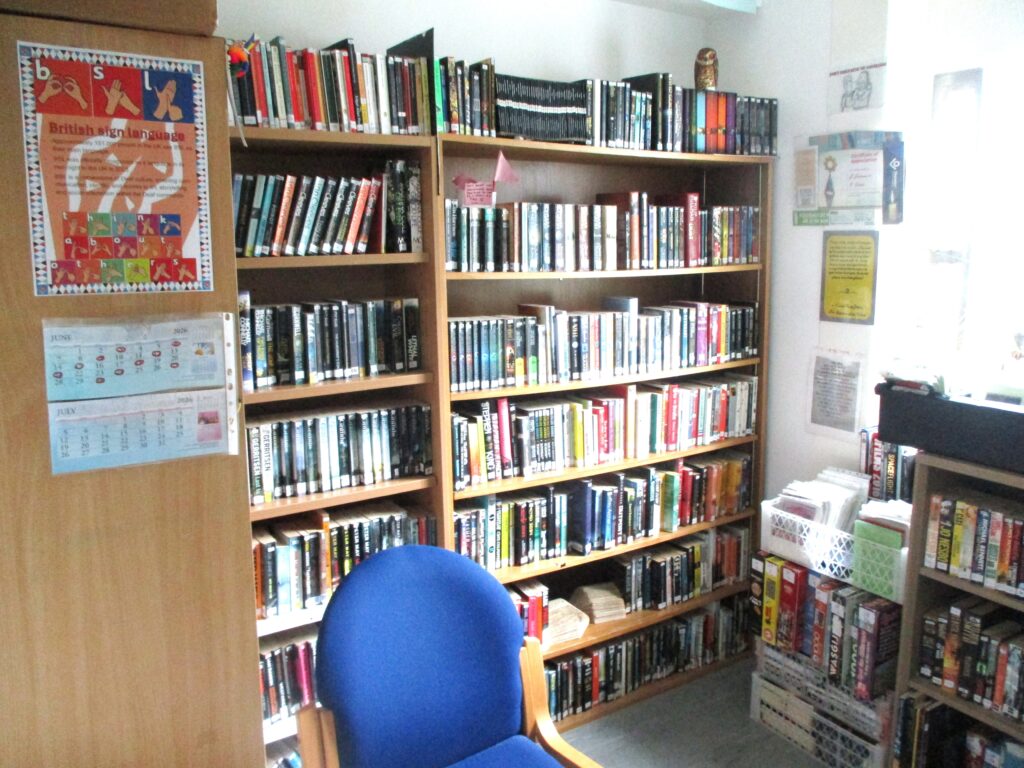
The library was a well-used and welcoming community space. About three-quarters of the population were active users. Librarians organised a number of initiatives to promote reading at all levels, including reading groups. The enabling community units also had small, prisoner-run wing libraries, which held a substantial stock of books, all of which had been donated.

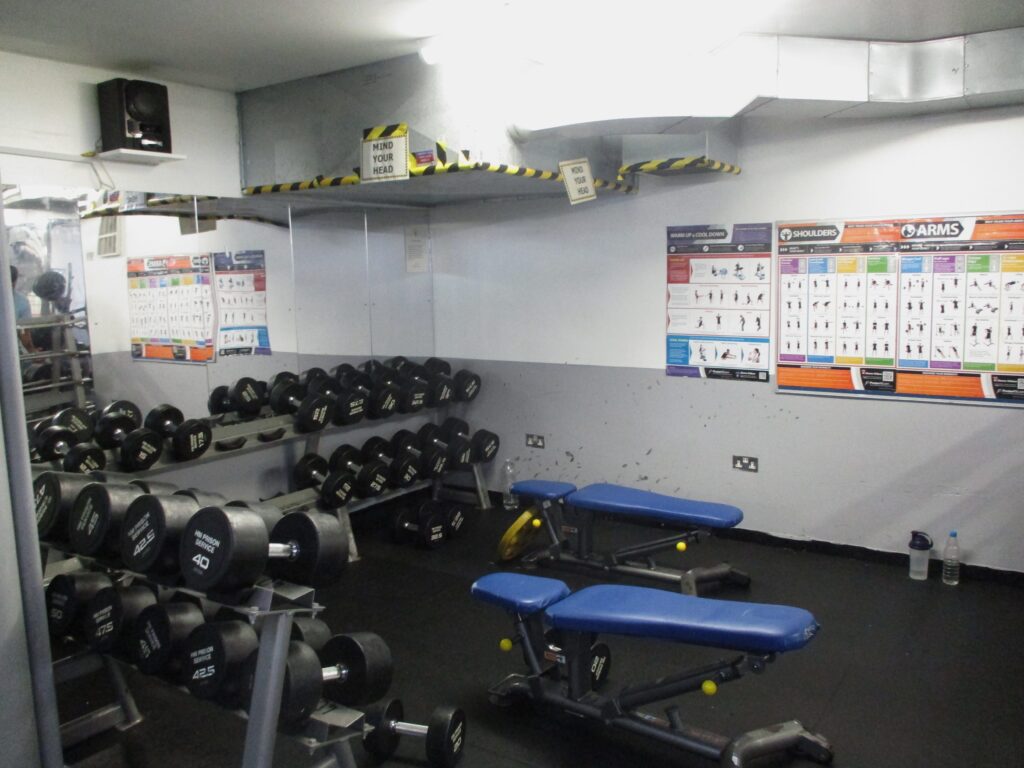
The gym offered a varied programme to cater to the diverse population. Just under half the prisoners were active users. Depending on their incentive level, prisoners could attend up to seven sessions a week. The indoor weights facilities were shabby but well maintained and in working order and we observed the outdoor sports areas being well used.
Education, skills and work activities

Ofsted inspects the provision of education, skills and work in custodial establishments in England. The following summary has been provided by Ofsted inspectors who attended this inspection. Their full report is published under ‘Survey materials and Ofsted full report‘.
Ofsted made the following assessments about the education, skills and work provision:
- Overall effectiveness: Requires improvement
- Quality of education: Requires improvement
- Behaviour and attitudes: Good
- Personal development: Requires improvement
- Leadership and management: Requires improvement
Leaders did not offer enough full-time equivalent activity spaces for the working-age population. Leaders made sure prisoners were allocated to the spaces available, but too often prisoners did not see the value in the activity they were taking part in, particularly if they had been removed from a work role to take part in education.
Leaders and managers did not offer a broad or ambitious enough curriculum, particularly for prisoners who arrived with high levels of prior learning. There were too few qualifications available at higher levels beyond Open University and Prison Education Trust courses. Leaders had sensible plans to offer more higher-level courses, but these were not in place at the time of inspection.
Leaders rightly prioritised English and mathematics and had recently opened more opportunities for prisoners to study these subjects. However, they did not make sure prisoners were consistently on a course at the appropriate level.
At the prison education service contractor, People Plus, the quality of teaching was not consistently high enough. Teaching staff structured the curriculums logically and considered the starting points of prisoners and built on their knowledge over time. Prisoners followed individually tailored programmes that improved their areas of weakness. However, tutors did not consistently provide useful feedback to prisoners about how to improve. Prisoners achieved well in most education courses, except in mathematics at levels 1 and 2.
Leaders and managers had implemented useful strategies to help prisoners to improve their reading skills. They had checked the reading levels of the population and commissioned the Shannon Trust to support prisoners who had low reading levels. Staff set goals to help improve prisoners’ reading. Many prisoners spoken to had made progress in their reading skills.
In industries prisoners developed useful skills, but there were not enough opportunities for progression. Leaders only offered qualifications in a few work areas, and there were not enough opportunities for progression for prisoners outside of the welding workshops and mentoring roles. Prisoners’ progress in developing new knowledge, skills and behaviours was not consistently well-tracked or recognised.
Tutors and instructors provided effective support for prisoners with special educational needs and/or disabilities, particularly through effective use of suitably trained peer mentors. These prisoners achieved in line with their peers.
Careers information, advice and guidance was not effective enough. Prisoners’ plans lacked coherence. Staff did not update learning and work plans to reflect prisoners’ progress or changing aspirations.
Leaders and managers had worked very hard to engage employers, but had not built relationships to offer enough opportunities for prisoners on release.
Attendance was consistently high across education, skills and work areas. Prisoners arrived on time and ready to take part in their activities. They worked professionally and in many cases autonomously.
Leaders offered a range of enrichment activities such as art club and reading groups. Taking part in activities in the gym scheduled around education or work activities helped to support prisoners’ mental and physical health.
Section 5: Preparation for release (Back to top)
Preparation for release is understood as a core function of the prison. Prisoners are supported to maintain and develop relationships with their family and friends. Prisoners are helped to reduce their likelihood of reoffending and their risk of harm is managed effectively. Prisoners are prepared for their release back into the community.
Children and families and contact with the outside world
Expected outcomes: The prison understands the importance of family ties to resettlement and reducing the risk of reoffending. The prison promotes and supports prisoners’ contact with their families and friends. Programmes aimed at developing parenting and relationship skills are facilitated by the prison. Prisoners not receiving visits are supported in other ways to establish or maintain family support.
| HMIP prisoner survey | Yes | Compared with similar prisons |
| Is it very/quite easy for your family and friends to get here? | 20% | Lower |
| Do visits usually start and finish on time? | 59% | Higher |
The remote location of Bure made visiting difficult and costly. The prison funded a subsidised bus service from Norwich which was available to visitors on one Saturday a month and was an excellent initiative to support family contact.
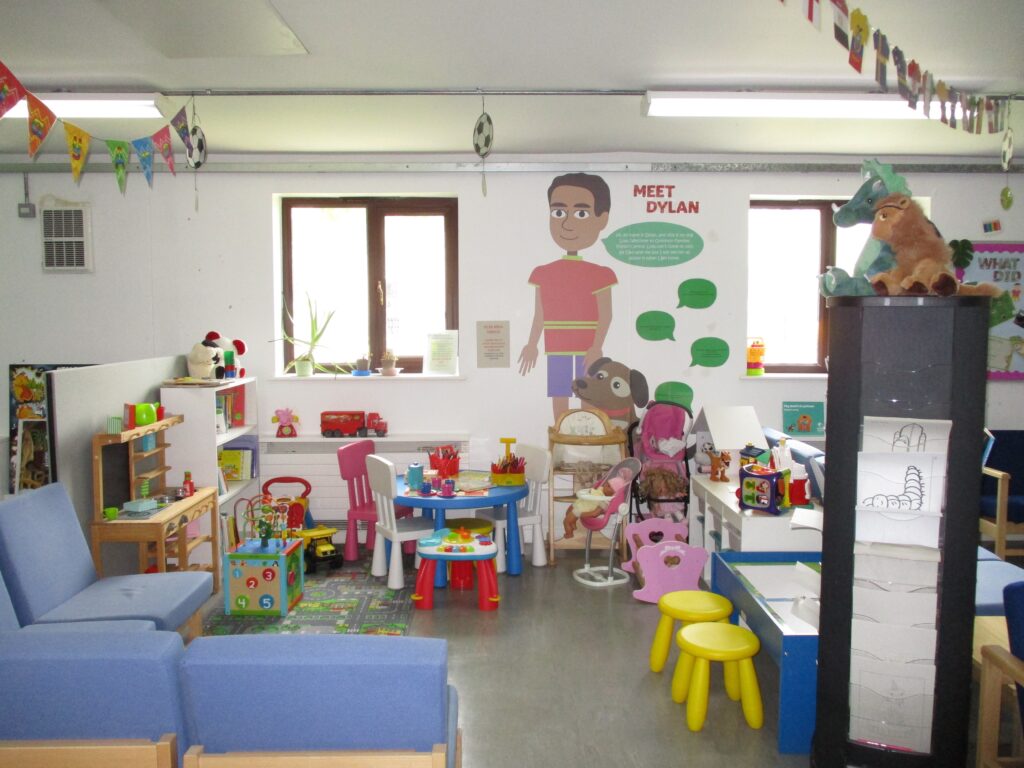
An improved programme of popular extended visits for children and families was delivered throughout the year. These four-hour sessions included creatively themed activities and were well organised, engaging and appreciated by prisoners.
The visits booking system was managed effectively by the family services provider, Ormiston Families (charity in the East of England supporting families affected by offending). Two-hour sessions were offered in the morning and afternoon at weekends which was sufficient to meet the needs of the population.
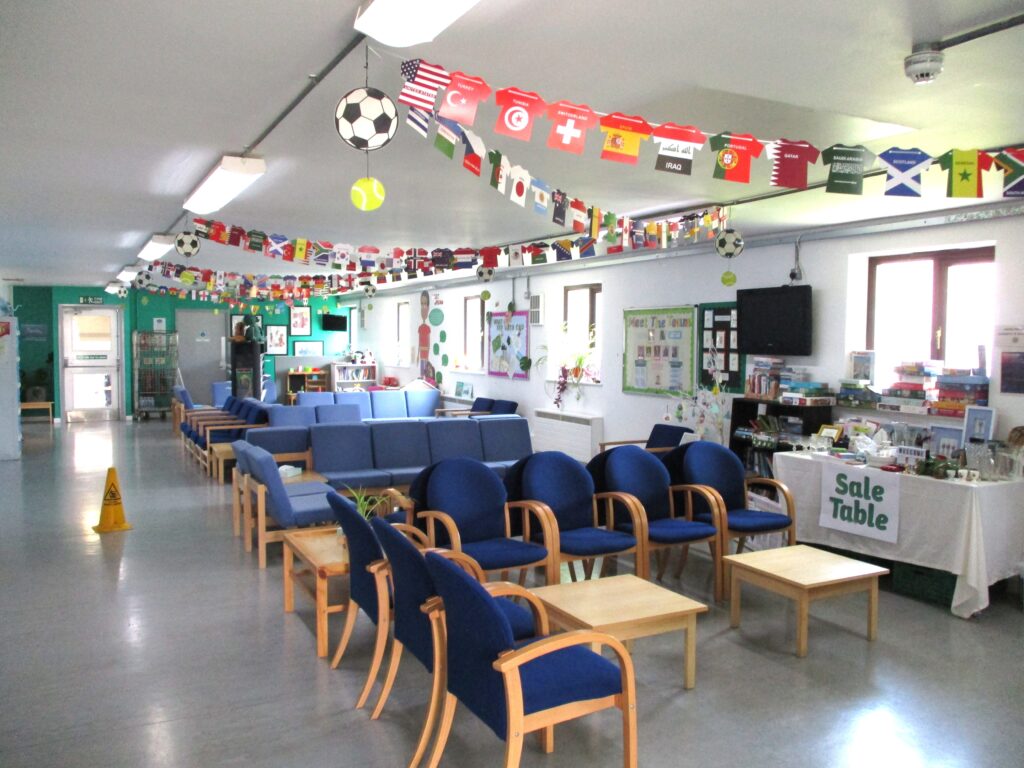
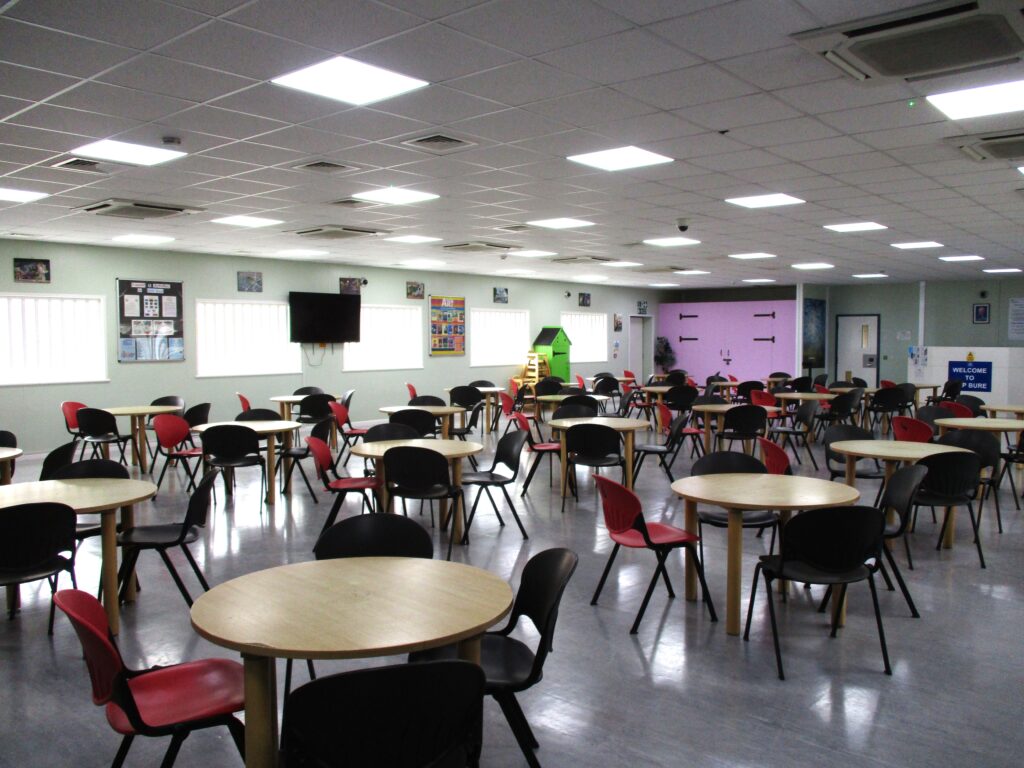
The visitors’ centre outside the prison was a welcoming environment and offered families and friends access to help and advice from experienced Ormiston staff. The facilities were well presented and a range of refreshments, snacks and some hot food were available for families to buy.
| HMIP prisoner survey | Yes | Compared with previous inspection |
| Are you able to use a phone every day (if you have credit)? | 97% | Higher |
Other arrangements, including secure social video calls (see Glossary), were well used, with sessions available six days a week, including evenings. Since the previous inspection, in‑cell telephones had been installed across the establishment, enabling prisoners to maintain more regular contact with the outside world.
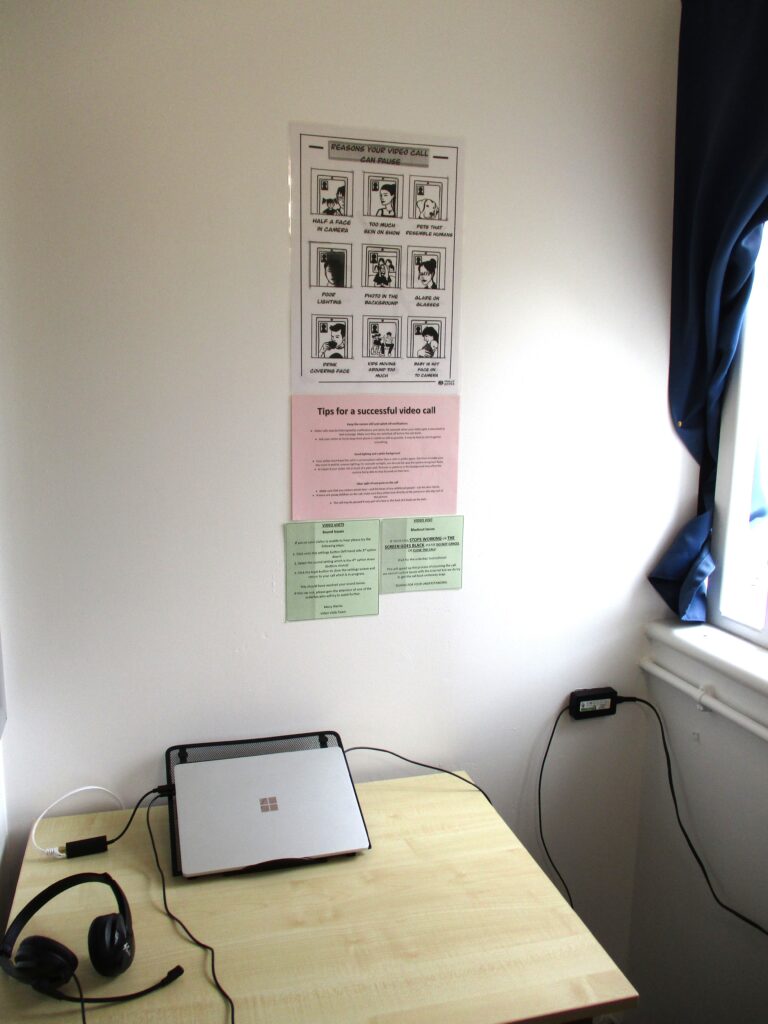
There was good oversight of prisoners who did not receive visits. Local monitoring indicated over half the population (56%) had not had a visit in the last six months, including 89 prisoners who had never had a visit. ‘Visits experience’ days were held regularly. These provided activities for prisoners who had no social contact in the informal atmosphere of the visits hall, while Ormiston staff were on hand to speak to the prisoners about their relationships with families or friends. The days were well attended and feedback was positive.
There remained very little provision for targeted family interventions, such as case work for those with more complex family circumstances. However, following the recent recruitment of a prison-funded family development officer, there were plans to introduce a ‘family focus’ programme.
Reducing reoffending
Expected outcomes: Prisoners are helped to change behaviours that contribute to offending. Staff help prisoners to demonstrate their progress.
Leaders demonstrated a clear understanding of the role of HMP Bure as a training prison for adult sex offenders. The population was mostly stable, with about two-thirds of the population having been at Bure for over a year, and 89% serving sentences of more than four years to life. Most prisoners were assessed as presenting a high risk of serious harm and were subject to restrictions on contact with children. Many also had histories of domestic abuse and were subject to restraining orders.
A new reducing reoffending strategy reflected the needs of the population. The refreshed meeting structure to support delivery was in its infancy.
| HMIP prisoner survey | Yes | Compared with similar prisons |
| Do you think your experiences in this prison have made you less likely to offend in the future? | 67% | No difference |
Many aspects of the culture, including the calm atmosphere, positive staff-prisoner relationships and community ethos, contributed to a rehabilitative environment. However, this was undermined by limited access to purposeful activity, together with prisoners’ perceptions of insufficient progression through accredited programmes and inconsistent contact with offender managers.
How staff were supporting prisoners and managing risk
The OMU leadership team was stable and effective, which continued to promote high professional standards and a strong understanding of risk.
Prison offender managers’ (POMs’) caseloads were high, particularly for probation POMs who were responsible for about 60 prisoners each. POMs kept a good focus on prisoners approaching important milestones in their sentence such as parole hearings or release, which made up about a third of their caseloads. These prisoners usually received more regular contact. However, those who were not close to these key milestones often went for long periods without hearing from their POM. Many found this frustrating and felt they received too little support. While leaders had attempted to improve this through the introduction of a contact centre, this was still insufficient.
Key work had developed since the last inspection and in cases that we reviewed reflected some good joint working between POMs and key workers. Leaders had appropriately prioritised improving key work through focusing on prisoners’ sentence plans (see Staff-prisoner relationships).
In our survey, 78% of prisoners said that they had a sentence plan. This reflected prison data showing that a similar percentage had only had a sentence plan or review completed within the last two years. Of those who knew they had a sentence plan, 77% knew what their targets were.
Initial public protection and child protection screening processes were embedded and, where required, restrictions were appropriately identified and implemented swiftly. Offence-related monitoring was carried out promptly.
Opportunities for prisoners to progress
The Building Choices programme was being delivered at two levels of intensity, which was appropriate for the population. Almost all prisoners had been assessed as eligible for this intervention.
Prisoners on average had more than nine months left to serve at Bure following completion of Building Choices which gave them the opportunity to consolidate and apply their learning. Future delivery was set to increase further the time between completion and release.
Prisoners could access programmes earlier in their sentence than we often see, and a small number had progressed to category D status following completion. However, leaders had not done enough to make sure that prisoners understood when they could realistically expect to undertake these programmes. This lack of clarity contributed to avoidable frustration among some prisoners.
A few more complex prisoners had benefited from the Healthy Sex Programme. We saw several examples of meaningful, structured one-to-one work delivered by POMs often informed by the forensic psychology team. There were examples of the delivery of other non-accredited interventions such as support for substance misuse and mental health.
Categorisation reviews were generally timely and well informed. Prisoners could submit written representations, although few attended a face-to-face board. In the previous year, 32 prisoners had transferred to open conditions. Most transfers were prompt, but delays to some more distant establishments meant a small number waited several months after approval.
Returning to the community
Expected outcomes: Prisoners’ specific reintegration needs are met through good multi-agency working to maximise the likelihood of successful resettlement on release.
Despite the prison having no designation or resource as a resettlement prison, an average of seven prisoners had been released into the community each month. Leaders had responded positively and worked creatively to manage this demand.
Prisoners were invited to multi-agency resettlement boards held at 12 and four weeks before release and led effectively by the prison-funded employment lead. These meetings provided a useful forum to identify and address practical resettlement needs and support coordinated and effective release planning.
Prisoners could get help with obtaining identification, bank accounts and Job centre appointments. There was reasonable support with developing CVs and writing disclosure statements, but help to prepare for job interviews was limited. Despite sustained efforts, work to engage potential employers and secure employment opportunities in the community remained a challenge. Prison data indicated that in the previous year only 10 prisoners were in employment six months after release.
All prisoners were managed under MAPPA (see Glossary) due to the serious nature of their offences. Public protection arrangements were well managed. The interdepartmental risk management meeting provided good, collaborative oversight of those due for release, and joint working between the prison and community probation teams was generally strong. MAPPA processes were well supported and release plans were of good quality and well considered.
All prisoners had been released with accommodation in the last 12 months. Most prisoners (82%) had been discharged to probation-approved premises on release.
There were good practical arrangements for prisoners on the day of release, including a taxi funded by the prison to the nearest train or bus station for onward travel, for those who were not met at the gate.
Section 6: About HMP Bure (Back to top)
Category of the prison
Category C prison for prisoners convicted of sexual offences.
Brief history
HMP Bure is built on part of the former RAF Coltishall site, seven miles north of Norwich. Constructed in 2009, the prison is a mix of new buildings and converted RAF accommodation and service buildings. A new unit, housing 120 prisoners, was constructed in September 2013.
Population
637 prisoners were held at the time of the inspection. There was operational capacity for 643. (Figures provided by the prison.)
- 236 new prisoners received each year
- 57 foreign national prisoners
- 87 prisoners aged over 70
- 26% of prisoners from black and minority ethnic backgrounds
- Seven prisoners released into the community each month
- 47 prisoners receiving support for substance misuse
- Six prisoners referred for mental health assessment each month.
Short description of residential units
There are seven residential units, mostly comprising single cells. Most units have only four double cells, but unit seven has 19. Residential units 1-6 have communal showers and residential unit 7 has integral showers in every cell. Residential unit 6 has one landing of 10 cells, used by new arrivals on induction. The ground floor accommodation on unit 7 is allocated to prisoners with identified medical and social care needs. Each unit has its own identity and provides an environment for a specific cohort.
Res 1: Pathways unit
Res 2: Enabling community
Res 3: Enabling community
Res 4: Over 50s unit
Res 5: Young adults and enhanced plus
Res 6: Induction and resettlement
Res 7: Older population and social care
Prison status (public/private)
Public
Key providers
Physical health provider: Practice Plus
Mental health provider: Practice Plus
Substance misuse treatment provider: Phoenix Futures
Dental health provider: Community Dental Services
Prison education framework provider: People Plus
Escort contractor: Serco
Prison group director
Gary Monaghan, Bedfordshire, Cambridgeshire and Norfolk
Name of governor/director and date in post
Simon Rhoden, June 2017 to date
Independent Monitoring Board Chair
Barbara Richardson
Date of last inspection
October 2023
Progress on concerns from the last inspection (Back to top)
At our last inspection in 2023, we raised 15 concerns, five of which were about areas of priority concern.
At this inspection we found the following progress:
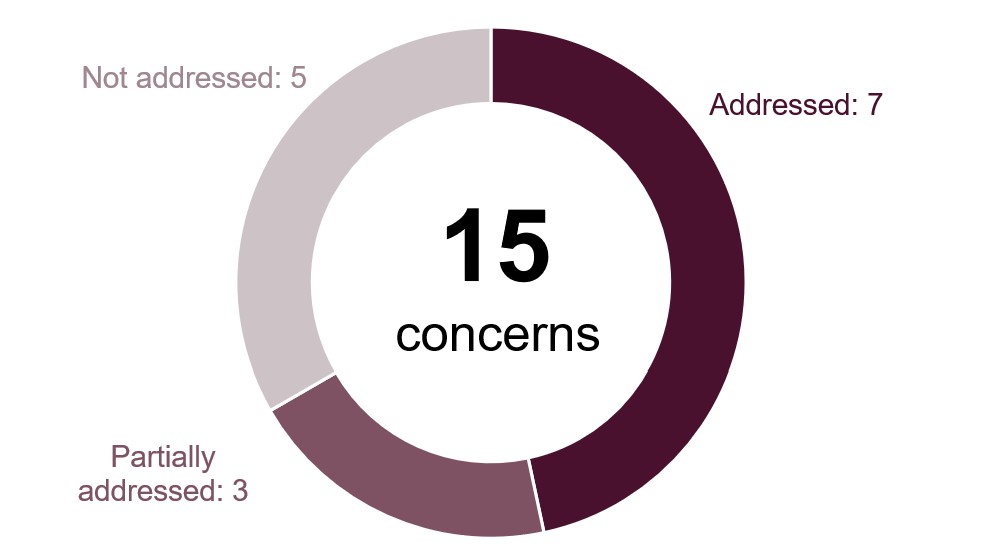
The following is a list of all the concerns raised, organised under the four tests of a healthy prison.
Safety
Key concerns
There was no CCTV in accommodation and activity areas, which affected prisoners’ feelings of safety and hindered investigations into alleged assaults.
Not addressed
During use of force, staff often did not activate body-worn video cameras until very late into an incident, which undermined their value as a deterrent and a means of assurance.
Partially addressed
Leaders’ efforts to reduce the supply of alcohol and drugs were not sufficiently comprehensive or rigorous. Only about half of the tests requested by staff who had suspicions about prisoners using illicit drugs were actually carried out.
Addressed
Respect
Priority concern
Leaders had not done enough to understand or address the comparatively negative experiences of prison life reported by minority ethnic prisoners over several inspections.
Addressed
Key concerns
Communal showers in the older residential units had poor ventilation and drainage.
Partially addressed
There were too few opportunities for prisoners to cook for themselves or to dine communally. This was a major omission for a training prison with many men serving long sentences.
Not addressed
Insufficient paid activity spaces, low wages and high prices meant that many prisoners could not afford to buy basic items from the prison shop.
Partially addressed
Health care complaints were poorly managed. Staff did not follow the complaints process consistently and prisoners did not always receive responses. There was no oversight or quality assurance by health care leaders.
Addressed
Purposeful activity
Priority concerns
Training needs analysis, achieving challenging strategy. Leaders and managers did not have appropriate oversight of the effectiveness of the prison education framework contract. Leaders’ recently completed training needs analysis was not fit for purpose. It contained too little relevant information or data to inform the curriculum.
Addressed
Meaningful learning pathways. There were too few meaningful learner pathways, and the vocational offer was very limited. The learner pathways leaders provided was too narrow with too few, and generally basic-level, courses offered.
Not addressed
Key concern
Reading strategy. Leaders’ implementation of a reading strategy was poorly coordinated and had had limited impact. Prison managers did not have effective arrangements to support prisoners with no or low-level reading skills. While more prisoners were reading fiction or non-fiction as part of their working day, many areas of industries and work had yet to adopt all aspects of the reading strategy.
Addressed
Preparation for release
Priority concerns
Offending behaviour programmes were limited to prisoners within 18 months of potential release, reducing opportunities for parole and transfer to open conditions.
Addressed
Many prisoners were frustrated at the lack of communication about what they could expect during their sentence. Communication with prisoners about sentence progression was not good enough. Many did not know when they could expect to see their offender manager or start an offending behaviour programme, nor did they understand why these things took so long.
Not addressed
Key concerns
Increased links with employers. Leaders did not have sufficient links with employers. In the past eight months, prison managers had only placed a few prisoners on release into permanent full-time employment with a small number of local employers. Leaders’ initiatives to increase the proportion of such opportunities and broaden the geographical locations were at an early stage of implementation and had had no impact yet.
Not addressed
There was insufficient support for prisoners to develop or rebuild relationships with family or friends in the community.
Addressed
More about this report (Back to top)
This report outlines the priority and key concerns from the inspection and our judgements against the four healthy prison tests. Each of the following four sections contains a detailed account of our findings against our Expectations for men’s prisons.
Find out more about our Expectations and how we inspect
Find out more about priority and key concerns
Find out about notable positive practice
Findings from the survey of prisoners and a detailed description of the survey methodology are published alongside this report. Please note that we only refer to comparisons with other comparable establishments or previous inspections when these are statistically significant. The significance level is set at 0.01, which means that there is only a 1% chance that the difference in results is due to chance.
The tables in this report which provide data from HMI Prisons prisoner surveys also include comparisons with similar prisons.
| Description | What it means |
| Lower | the prison’s percentage is statistically significantly lower than the comparator: prisons with the same function type, or at the last inspection |
| Higher | the prison’s percentage is statistically significantly higher than the comparator: prisons with the same function type, or at the last inspection |
| No difference | the prison’s percentage is not statistically significantly different to the comparator: prisons with the same function type, or at the last inspection |
Inspection team
This inspection was carried out by:
Charlie Taylor, Chief inspector
Donna Ward, Team leader
Rick Wright, Inspector
Jade Richards, Inspector
Sumayyah Hassam, Inspector
Martyn Griffiths, Inspector
Harriet Leaver, Inspector
Tareek Deacon, Researcher
Helen Ranns, Researcher
Emma Crook, Researcher
Paul Tarbuck, Lead health and social care inspector
Steve Eley, Health and social care inspector
Janie Buchanan, Care Quality Commission inspector
Rebecca Jennings, Lead Ofsted inspector
Diane Koppit, Ofsted inspector
Teresa Kiely, Ofsted inspector
Viki Faulkner, Ofsted inspector
Find out more about the terms and abbreviations used in this report in our glossary.
Easy read summary and press notice (Back to top)
Survey materials and Ofsted full report (Back to top)
The following files may not be suitable for users of assistive technology.
Request an accessible format
If you use assistive technology (such as a screen reader) and need a version of any of these documents in a more accessible format, please email media@hmiprisons.gov.uk. Please tell us what format you need. It will help us if you say what assistive technology you use.