
HMP Birmingham
Report on an independent review of progress at HMP Birmingham by HM Chief Inspector of Prisons 22–24 June 2026.
Section 1: Chief Inspector’s summary (Back to top)
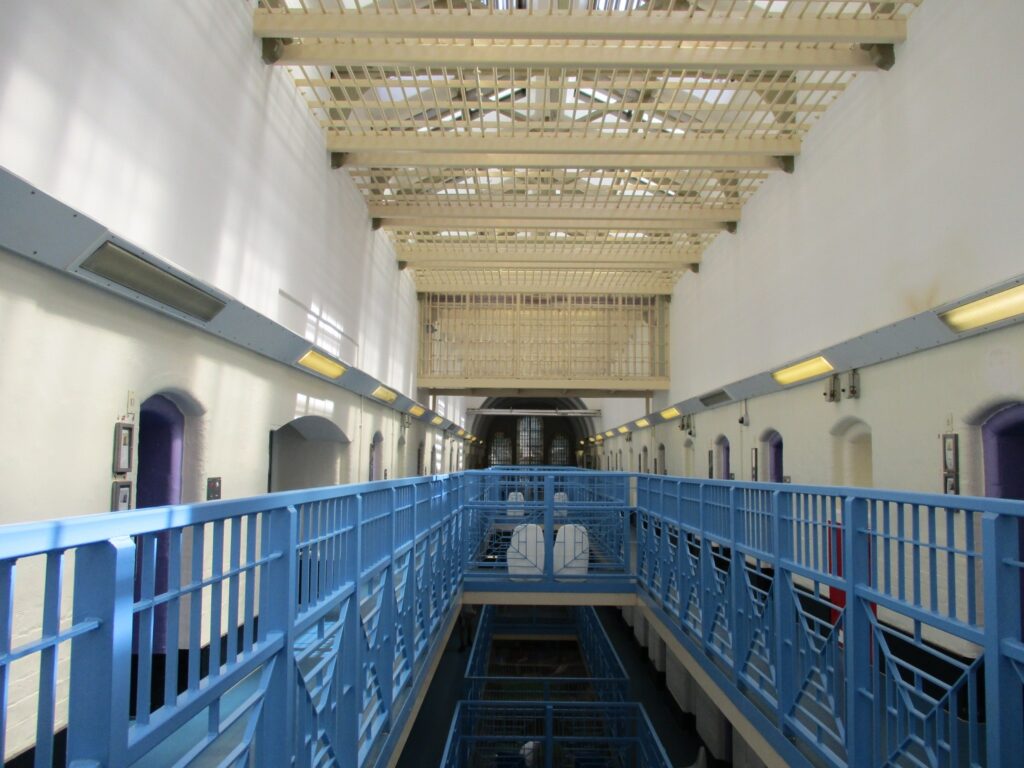
HMP Birmingham is a category B men’s reception prison holding a maximum of 1,003 prisoners. At the time of this review visit, about 70% of the population were unsentenced, and there were still huge numbers of admissions and releases. Three of the larger Victorian wings remained closed pending a long-delayed refurbishment.
This review visit followed up on concerns we raised at our inspection in October 2025.
What we found at our last inspection
At our previous inspections of HMP Birmingham in 2023 and 2025 we made the following judgements about outcomes for prisoners.
Figure 1: HMP Birmingham healthy prison outcomes in 2023 and 2025
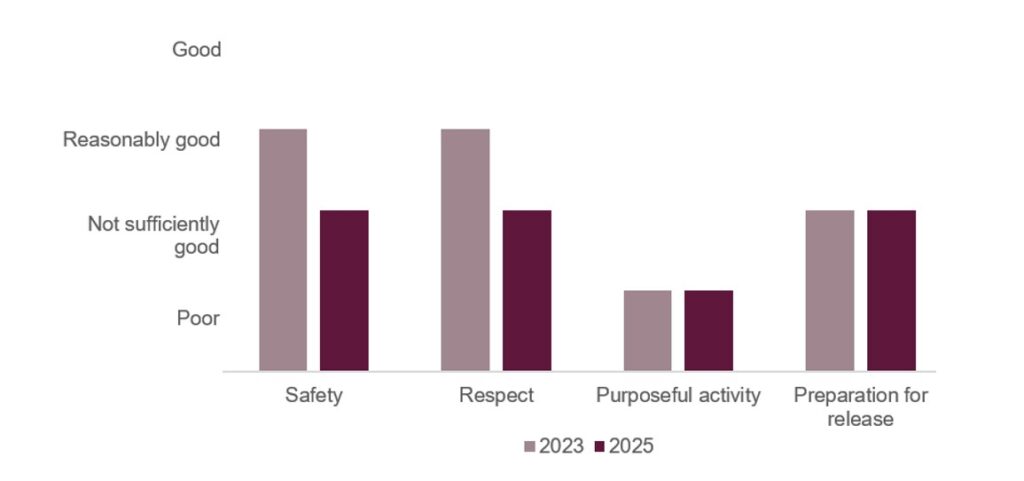
In 2025, levels of violence and self-harm were too high, and drugs were easily available, which affected the stability of the prison. Living conditions had been allowed to deteriorate, and the prison was dirty. Unacceptably, very mentally unwell men were being sent to the prison without an assessment while in police or court custody, to potentially divert them to a more suitable setting. There were long delays in transferring prisoners to a mental health hospital. Care plans for prisoners withdrawing from drugs were lacking. Prisoners who were not in work or education had very little time unlocked. Ofsted found deficiencies in the delivery of education induction, outreach education, the vulnerable prisoner curriculum and the reading strategy. There was a lack of support to help men stay in touch with their families and friends.
What we found during this review visit
This time, we found that leaders had taken sensible steps to reduce the rates of self-harm and violence, although the latter remained high. However, prisoners told us they still felt unsafe because of the continuing widespread availability of drugs, and there had been no meaningful progress in stopping illicit items getting into the prison.
There had been a sustained effort to make the prison much cleaner, but many chronic problems still affected decency, such as vermin and overcrowding. Although real efforts had been made to improve the visitors’ centre, a totally inadequate visits booking system was unchanged, which hugely frustrated men and their families.
Some slight improvements had been made to the amount of time men were unlocked, but about a third of the population were still locked up for at least 21 hours a day. Ofsted found there had been reasonable progress in improving outreach education and the curriculum for vulnerable prisoners, reasonable progress in embedding the reading strategy, but insufficient progress in delivering education induction to all new arrivals.
There had been no progress at all in stopping the practice of sending the most mentally unwell men to Birmingham without prior assessment or diversion. Once at the prison, men got stuck because transfers to hospital under the Mental Health Act still took far too long. We were told that in the West Midlands, prison had now become the main pathway for men to access a secure mental health bed. This was appalling and delayed effective care for the prisoners involved while having a huge impact on the staff at Birmingham who were trying their best to support them. All parties involved should work together to end this practice without further delay.
Overall, despite the impetus provided by the arrival of a new governor just after our inspection, progress at Birmingham had been too limited. More investment was needed to tackle the ingress of drugs and improve living conditions, as well as urgent, focused joint working to resolve persistent problems which had dogged the prison and prevented better outcomes for prisoners.
Charlie Taylor, HM Chief Inspector of Prisons, July 2026
Section 2: Key findings (Back to top)
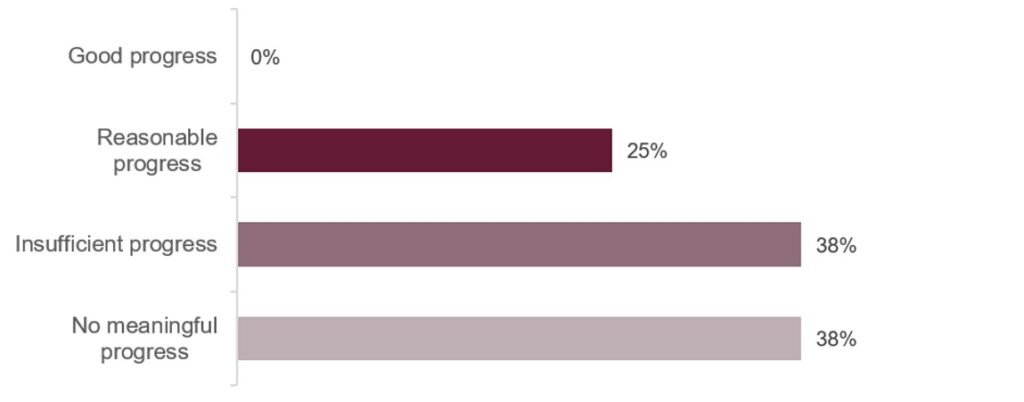
At this IRP visit, we followed up eight concerns from our most recent inspection in October 2025, and Ofsted followed up three themes based on their latest inspection visit to the prison.
HMI Prisons judged that there was reasonable progress in two concerns, insufficient progress in three concerns and no meaningful progress in three concerns.
Figure 2: Progress on HMI Prisons concerns from October 2025 inspection (n=8)
This bar chart excludes any concerns that were followed up as part of a theme within Ofsted’s concurrent prison monitoring visit.
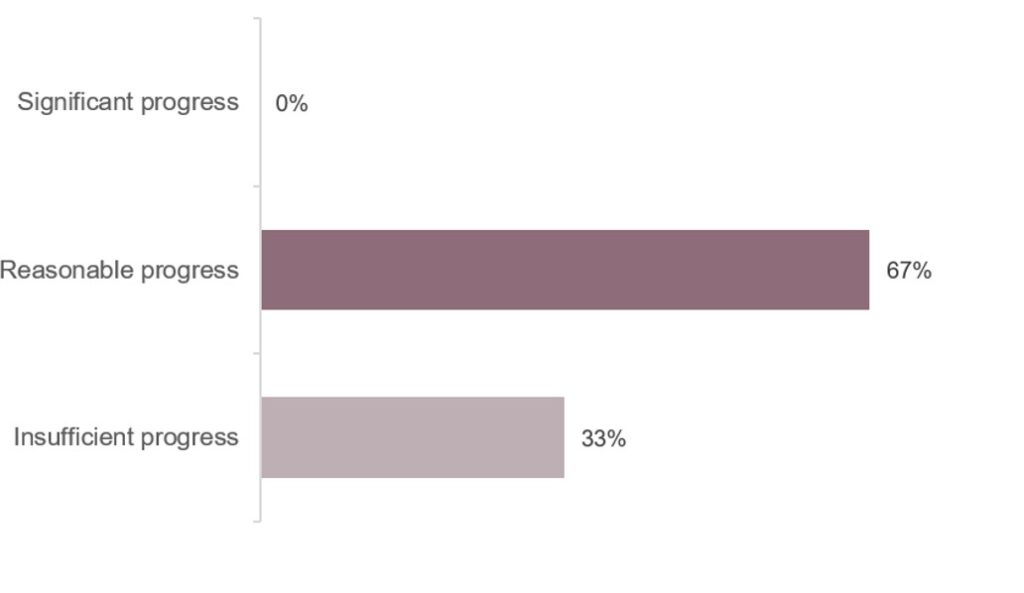
Ofsted judged that there was reasonable progress in two of their themes and insufficient progress in one theme.
Figure 3: Progress on Ofsted themes from October 2025 inspection visit (n=3).
Notable positive practice
We define notable positive practice as:
Evidence of our expectations being met to deliver particularly good outcomes for prisoners, and/or particularly original or creative approaches to problem-solving.
Inspectors found two examples of notable positive practice during this IRP visit, which other prisons may be able to learn from or replicate. Unless otherwise specified, these examples are not formally evaluated, are a snapshot in time and may not be suitable for other establishments. They show some of the ways our expectations might be met, but are by no means the only way.
| 1. | Prisoners were provided with weekly cleaning packs containing the materials they needed to keep their cells decent. (See Daily life) |
| 2. | Officers acted as ‘decency champions’ and were held accountable for the good upkeep of specific cells on their wings. (See Daily life) |
Section 3: Progress against our concerns and Ofsted themes (Back to top)
The following provides a brief description of our findings in relation to each concern followed up from the full inspection in 2025.
Safety
Concern: The rates of violence and self-harm were high and continuing to increase.
The overall rate of violence had decreased but remained high compared to other reception prisons. Far fewer assaults were now serious. The rate of self-harm had reduced and was now lower than similar prisons. There had been no self-inflicted deaths since the inspection.
Leaders had developed a range of sensible actions to address our concerns. A regular tripartite meeting between the safety, security and drug strategy teams had improved joint working. A safety ‘roadshow’ had raised staff awareness of the issues causing violence and self-harm. Safety peer workers now identified and shared concerns about other prisoners with the safer custody team, which was no longer deployed to other duties. This team saw all new arrivals with a risk of self-harm and provided proactive support. It also held a weekly ‘power hour’, visiting a particular wing with identified problems to share feedback and gather information. Leaders had identified debt as a key driver of violence and a hand-delivered prisoner survey was being used to improve their understanding of the issues.
Challenge Support and Intervention Plans (CSIPs; see Glossary) were now used more effectively and were mostly opened promptly following a violent incident.
Too many Assessment, Care in Custody and Teamwork (ACCT; see Glossary) care plans still failed to address all the issues raised by prisoners at risk of self-harm. While time out of cell had slightly increased, during this visit most men receiving ACCT support were not allocated to purposeful activity. Although some told us they had received the help they needed, others said their documents had been closed without their issues being resolved, only to be reopened shortly after.
We considered that the prison had made reasonable progress in this area.
Security
Concern: Illicit drug use was high. The rate of positive random mandatory drug tests was higher than in most similar prisons and there had been five deaths suspected to be related to drug use since our last inspection.
Drugs were still far too easily available and widespread drug use continued to make many men feel unsafe. The average positive random mandatory drug testing (see Glossary) rate was unchanged at 35% and was among the highest in reception prisons. There had been no drug-related deaths since the inspection.
Not enough was being done to prevent the ingress of drugs into the establishment. During the winter months, heavy snowfall had damaged the netting covering exercise yards, leaving the prison exposed to drones and throwovers. Although netting had been replaced, throwovers continued to pose a risk and some CCTV systems were still outdated.
Only a third of requested suspicion drug tests had been carried out in the last six months. There had however been some recent improvements in the timeliness of cell searches, which had resulted in more finds of mobile phones and drugs.
The incentivised substance-free living unit (see Glossary) was a decent environment with valued incentives, and hardly any prisoners on this unit tested positive for drugs. However, there was evidence that some men on the unit concealed drugs and phones to supply in other parts of the prison.
Joint working between the prison and substance misuse services had improved. Both the increased use of rehabilitative adjudications, as well as weekly support sessions for men who had recently tested positive for drugs or had been found under the influence, promoted engagement with substance misuse services.
We considered that the prison had made no meaningful progress in this area.
Daily life
Concern: Standards of decency had declined. Cleanliness of residential units had deteriorated, and many prisoners did not have some basic items in their cell.
The prison now had an impressive ‘Clean and Decent’ manager who had driven real improvement and had excellent oversight.
Communal and outside areas were now substantially cleaner thanks to initiatives like the ‘Big Clean’, which had seen staff and prisoners cleaning wings and removing broken furniture. A deep-cleaning party had made excellent progress tackling ingrained dirt on wings and serveries. Prisoners were now provided with weekly cleaning packs containing the materials they needed to keep their cells decent.
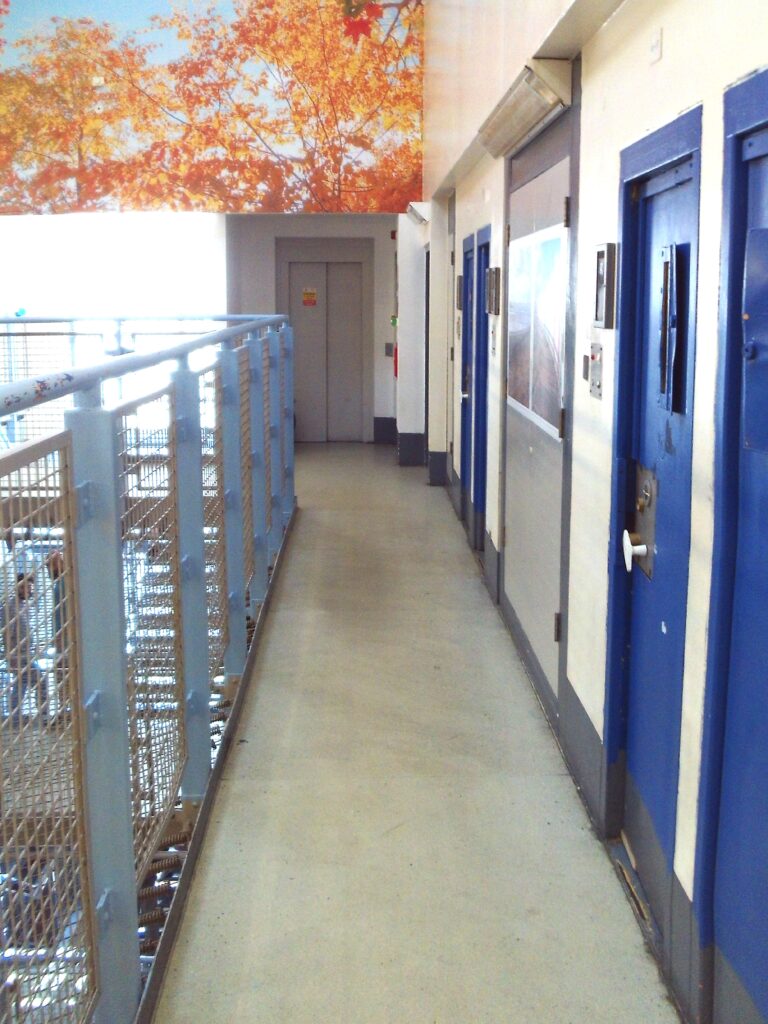
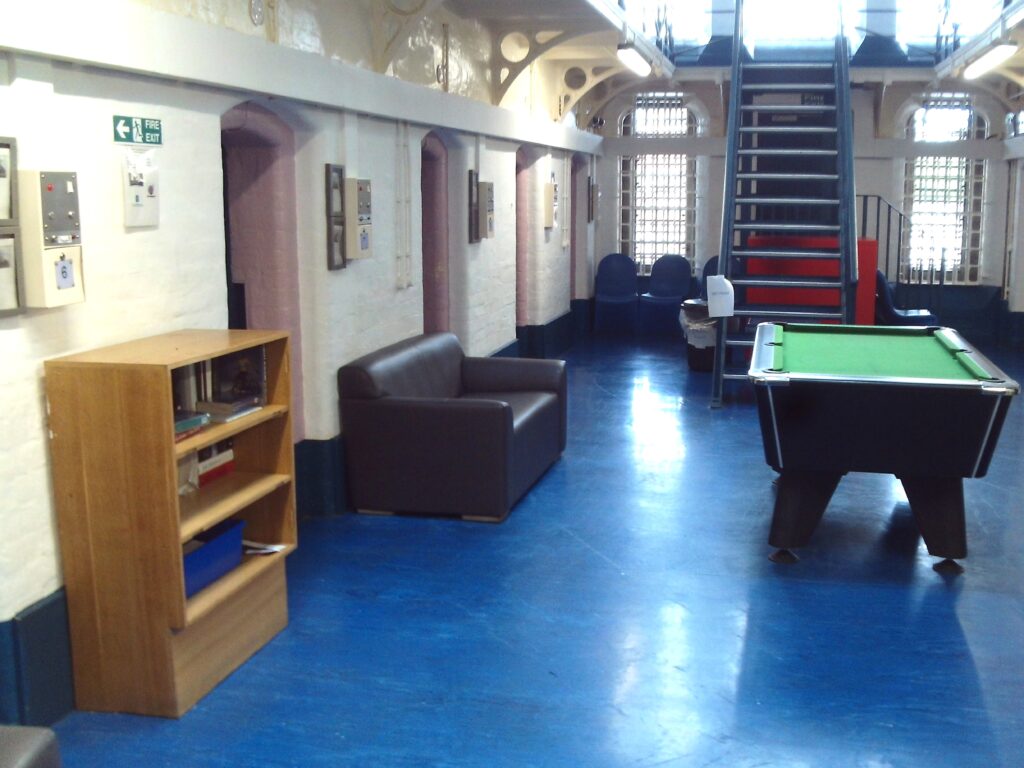

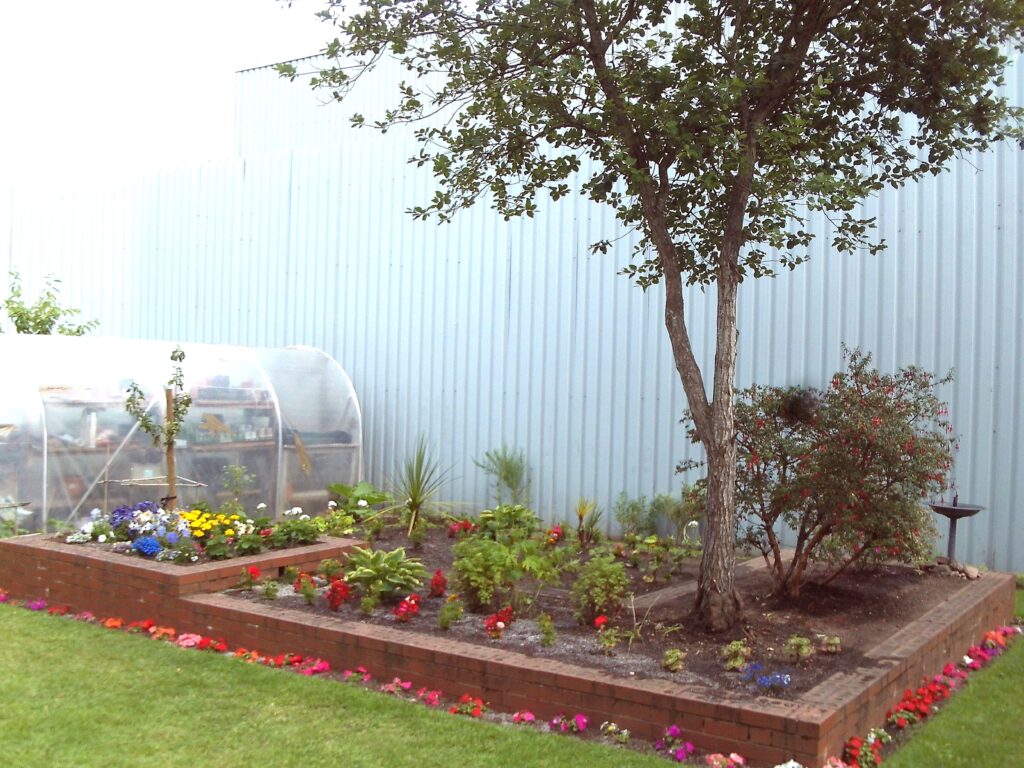
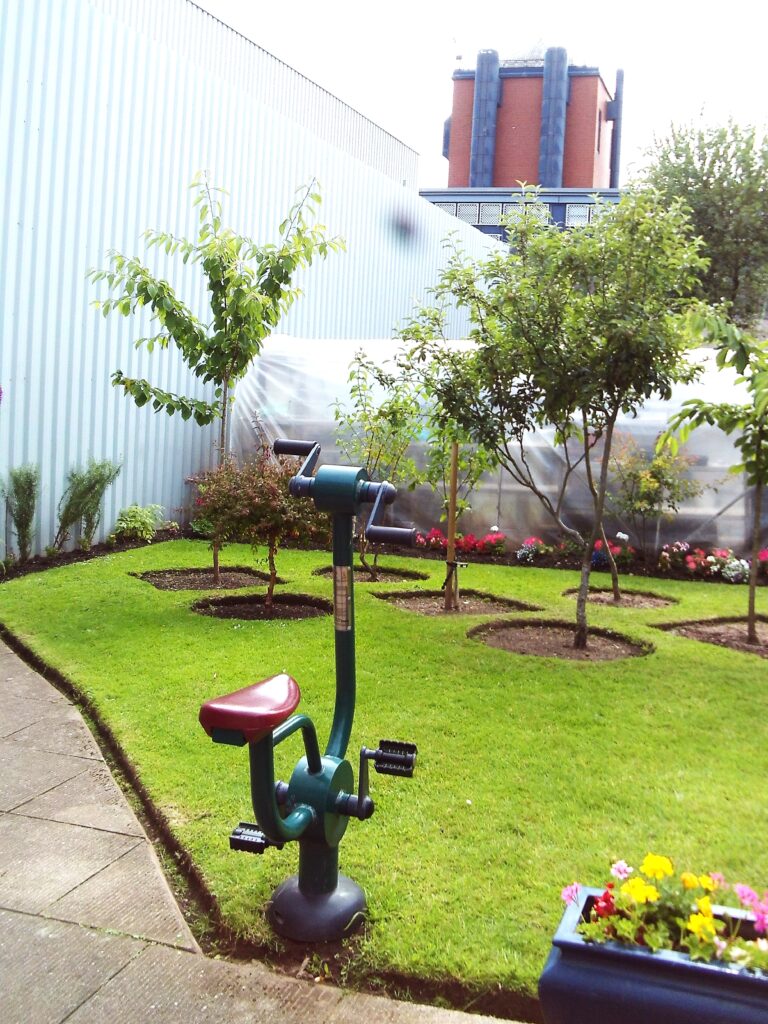
Officers now acted as ‘decency champions’ and were held accountable for the good upkeep of specific cells on their wings. Cells were now somewhat better equipped, although very few had curtains, and the weekly kit change system was unreliable. The number of cells which were out of action was gradually reducing thanks to better joint working with facilities contractors.
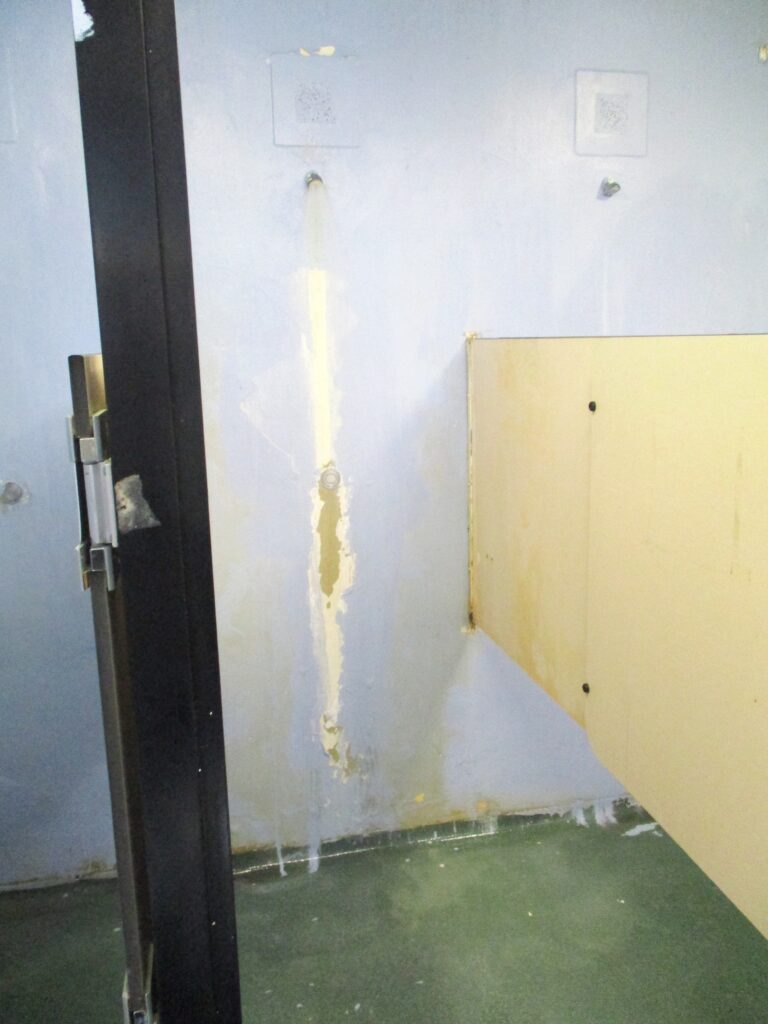
However, some serious longstanding issues continued to undermine decency. The number of prisoners living in overcrowded conditions was unchanged; in-cell toilets were still not screened; access to hot water was intermittent on some units; communal showers still needed refurbishment; and there were still vermin and cockroaches in some areas.
We considered that the prison had made reasonable progress in this area.
Health, well-being and social care
Concern: A significant number of acutely mentally unwell men had been sent to the prison. They had not had a Mental Health Act assessment while in police or court custody to potentially divert them to a more appropriate setting.
Since May 2025, acutely mentally unwell people arrested in the West Midlands have been remanded to prison without undergoing a mental health assessment in police or court custody to determine the most appropriate form of care for them. This is not normal practice in other parts of the country.
At this visit, an average of nine of these prisoners continued to arrive at HMP Birmingham each month without having received a mental health assessment or been considered for diversion from custody, which was appalling and delayed their access to the right care and treatment.
Some of these men were very vulnerable and posed a significant risk to themselves and others. They often had to live on the wings, which left officers, who are not trained as mental health workers, trying to manage and care for them.
Strategic level partnership discussions about this so-called ‘Red Route’ to custody were ongoing but had had no impact at all.
We considered that there had been no meaningful progress in this area.
Concern: Many patients waited too long to transfer to a mental health hospital.
There continued to be a high number of seriously mentally unwell patients admitted to the prison. The number of patients who then required a transfer to a mental health hospital was rising. Since the inspection, 31 men had needed to be transferred from Birmingham to a mental health hospital. Most continued to wait too long, which delayed their care and treatment. The longest wait in recent months was 311 days.
We considered that there had been no meaningful progress in this area.
Concern: Care plans for patients detoxing from drug use did not always address individual risks. Treatment was not always adapted to meet complex needs.
Leaders had been slow to address our concern. A new care plan template had been developed with the involvement of patients, but it had only been implemented just before this visit. Only about half of patients currently receiving clinical substance misuse care had a care plan in place, and some plans did not provide clear guidance to staff to ensure patients’ needs were met.
We considered that the prison had made insufficient progress in this area.
Time out of cell
Concern: Prisoners who were not engaged in education, training or work, including those on the induction unit, had far too little time unlocked.
A new core day had been introduced a week before our visit and was not yet embedded. Although a great deal of effort had been put into this project, the gains made were incremental, and the significant proportion of officers unavailable for work (about 20% on the week of this visit) affected some aspects of delivery.
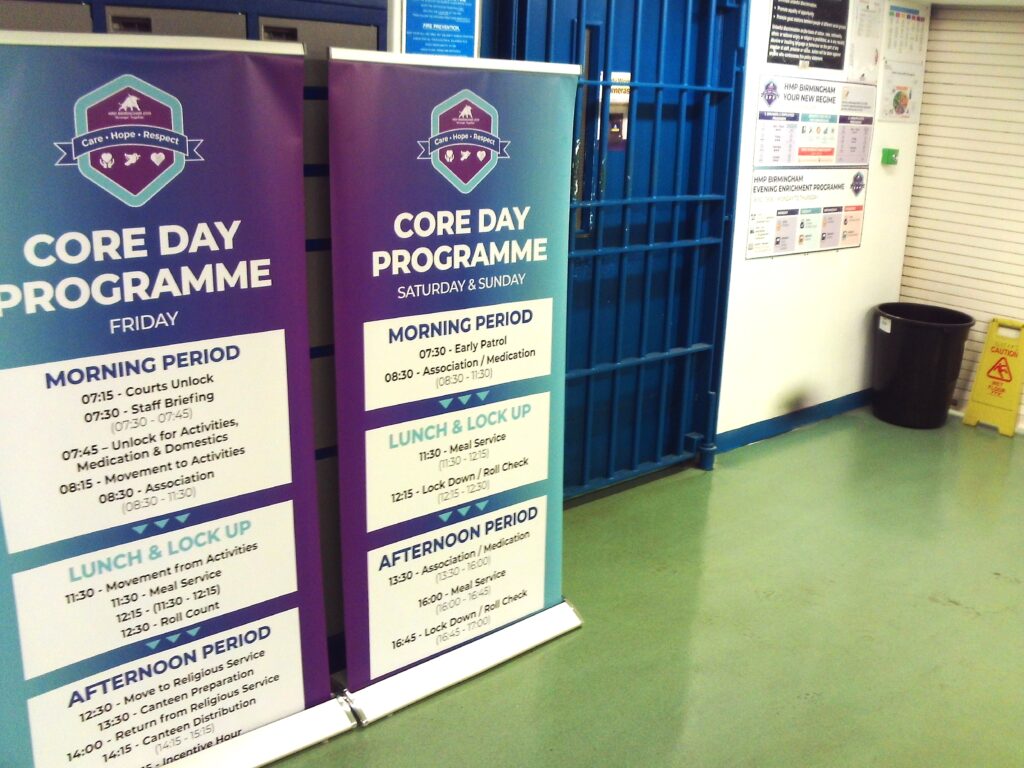
The proportion of prisoners without any purposeful activity was somewhat lower than at the inspection but was still about a third of the population. Their time unlocked had increased from two hours to between two and a half and three hours a day, but on Fridays they were only unlocked for one and a half hours.
Men on the induction unit now got the same amount of time unlocked as unemployed prisoners in other areas of the prison, which was an improvement for them.
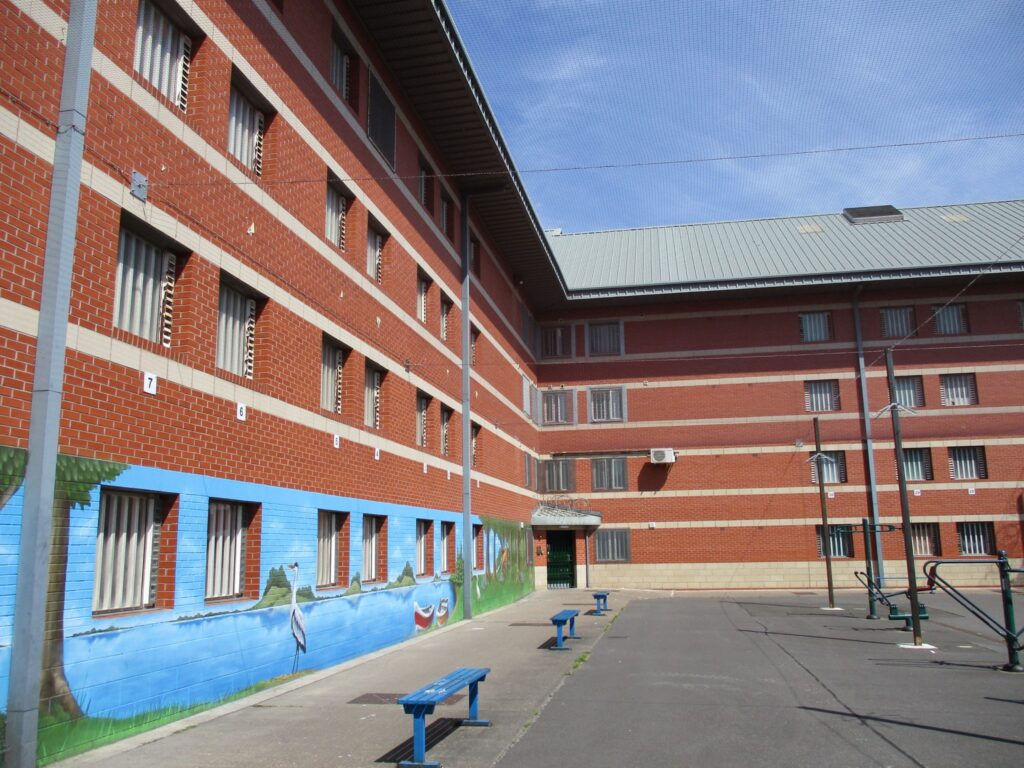
The new core day ensured that men could access time in the open air more reliably.
During our roll checks, we found only 19% of prisoners involved in education, work or training off the wings, which was very low and the same as at the inspection. Very few men went to the education department during our visit.
Around 120 men on G and J wings now had an hour’s evening association four days a week. Library and gym visits had also just been introduced in the evening for working prisoners on the enhanced level of the incentives scheme, but uptake had been low, and access was patchy.
We considered that the prison had made insufficient progress in this area.
Education, skills and work

This part of the report is written by Ofsted inspectors. Ofsted’s thematic approach reflects the monitoring visit methodology used for further education and skills providers. The themes set out the main areas for improvement in the prison’s previous inspection report or progress monitoring visit letter.
Theme one: What progress had leaders and managers made to ensure that all prisoners received a timely and comprehensive induction to education, skills and work?
Since the previous inspection, leaders had improved attendance at education induction for prisoners in the induction wing, but attendance had not improved overall for those prisoners who had moved to other wings. Approximately, only a third of the men attended induction and this was too low. The prison did not fulfil its key function of promptly assessing prisoners’ resettlement needs.
Leaders and managers had not designed or implemented a robust enough plan to improve attendance at induction. They had not identified the true reasons for poor attendance and, as a consequence, managers and staff across the prison held different views as to the root cause of this issue. Leaders had not set targets for improving attendance at induction and they had not agreed a unique set of data to measure their progress. Leaders had recently decided to stop monitoring and reviewing attendance on a daily basis, which further curtailed their capacity to improve it.
A high percentage of prisoners accessed their careers’ information, advice and guidance interviews on the phone in their cells which did not allow them the necessary privacy. In too many cases, they attended these meetings without having undertaken an accurate initial assessment of their mathematics and English levels, including reading skills and learning difficulties. This meant that the individual learning plan constructed at these interventions was not appropriately informed by the prisoner’s needs. This compromised the appropriate and prompt allocation of prisoners to the most suitable education, skills and work activity to meet their needs and career goals. Leaders had not fully identified that these processes were no longer appropriately sequenced or delivered effectively. The recently appointed activities manager had begun to introduce modest improvements in this area.
Ofsted considered that the prison had made insufficient progress against this theme.
Theme two: What progress had leaders and managers made to improve the quality of outreach education and the range of curriculum available to vulnerable prisoners?
Soon after the last inspection, leaders and managers acted promptly to increase the outreach learning capacity across the prison. They had adopted a new model for outreach delivery where sessions were taught in wing or workshop-based classrooms, to increasing numbers of prisoners.
Outreach classrooms were now available in a prison industries workshop and two wings, with a third one already planned. Prisoners attending outreach learning sessions were engaged and motivated to learn. A significant number of prisoners were now engaged in outreach study.
In the outreach classrooms, lessons were well planned and structured. They mirrored what took place in the group sessions in the education block. However, these new classrooms did not utilise information communications technology to support learners’ digital skills development.
Those allocated to one-to-one outreach education enjoyed the individual learning experience and stated that it suited their mental health or learning need. However, they did not benefit from the same structured teaching sessions that class-based learners enjoyed, instead accessing unsuitably short lessons.
The curriculum offer available to the vulnerable prison (VP) population had not increased since the previous inspection. There were still too few education, skills and work spaces allocated to meet the needs of this group of prisoners. Around a quarter of these prisoners remained unemployed while the remainder engaged in a range of full or part-time warehousing, wing work, or outreach education. Leaders had advanced plans to increase access to education for this group from September.
The curriculum available to VPs was not widely publicised and this made it difficult for prisoners to plan or choose their education activity. A key part of their curriculum offer consisted of access to the library on Friday mornings. However, the number of VPs able to attend this session was too small and, too often, operational staffing failures caused the session to be cancelled.
Ofsted considered that the prison had made reasonable progress against this theme.
Theme three: What progress had leaders and managers made to fully embed the reading strategy?
Leaders had revamped their reading strategy to ensure that reading improved across the prison, involving staff and prisoners. Leaders and managers had worked to develop a reading culture among staff by investing funds to purchase books for them. Staff, in return, wrote a review and passed their books on to prisoners. Leaders had carried out a number of initiatives to promote reading such as setting up reading clubs in two wings.
Leaders had implemented a ‘Raising Readers’ campaign where prisoners read a book with their children over the phone. In addition, leaders had supported reading visits by a neurodiverse writer and a poetry improvisation session delivered by a prisoner, which had been well received.
Since the previous inspection, leaders and managers had strengthened the process of recruiting wing workers, ensuring that these prisoners were appropriately signposted to education. This meant that they now had access to English lessons where they were formally supported to improve their reading skills and to achieve a qualification.
In industries, the majority of instructors had set up dedicated reading areas that were based on prisoners’ interests and reflected the vocational areas that the men were working in, such as woodwork. Training had been carried out with the industries’ instructors to enable them to support prisoners with their reading. Most instructors enjoyed leading on this activity and where this was supported well prisoners were beginning to develop a love for reading.
Dedicated reading areas were present in all wings including the care and separation unit, where books were regularly rotated to refresh the reading stock.
Attendance at the library had decreased since the previous inspection. The prisoner induction process and the introductory library visit did not sufficiently highlight to prisoners the importance of reading from the moment they arrived at the prison.
Ofsted considered that the prison had made reasonable progress against this theme.
Children and families and contact with the outside world
Concern: There was not enough help for prisoners to keep in contact with their children and families.
Partnership working between prison leaders and the Prison Advice and Care Trust (PACT; see Glossary), the service provider, had improved. PACT had appointed a new family support manager, and efforts were being made to address our concerns.
However, longstanding problems with the outdated visits booking system persisted, and families said this remained their main problem. Visitors could not book using the online portal that virtually all other establishments now rely on. Instead, they had to phone or email the PACT staff, but they were completely overwhelmed and families struggled to get through. In a recent survey which asked visitors about this service, one said: “[you] spend hours letting it ring until it kicks you off… [it] can take all day to get through”.
There was still hardly any family support casework, and new arrivals experienced delays in having their telephone numbers approved so they could phone their families. A few extra secure social video calling (see Glossary) visit slots had been added, but the service was still very underused.
The visitors’ centre environment was improving. The flooring had been replaced, the outside area was more welcoming, and visitors could now secure their valuables. The number of family days (see Glossary) was gradually increasing and some sessions for fathers and their newborn babies had recently been held.

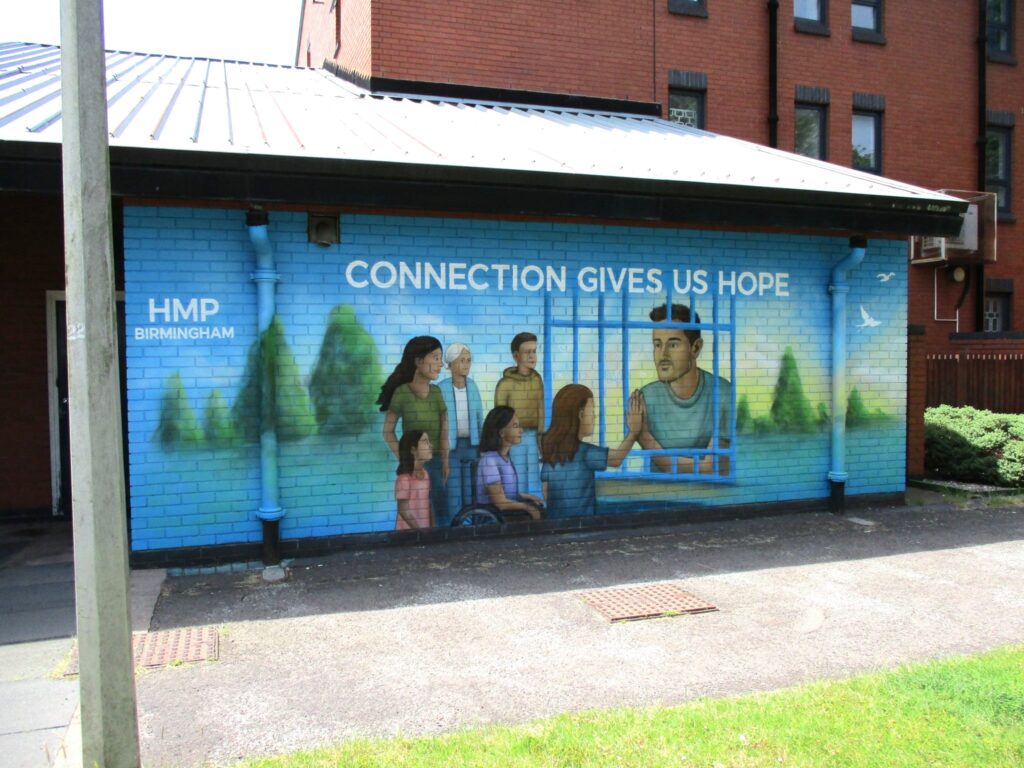
We considered that the prison had made insufficient progress in this area.
Section 4: Summary of judgements (Back to top)
A list of the HMI Prisons concerns and Ofsted themes followed up at this visit and the judgements made.
HMI Prisons concerns
The rates of violence and self-harm were high and continuing to increase.
Reasonable progress
Illicit drug use was high. The rate of positive random mandatory drug tests was higher than in most similar prisons and there had been five deaths suspected to be related to drug use since our last inspection.
No meaningful progress
Standards of decency had declined. Cleanliness of residential units had deteriorated, and many prisoners did not have some basic items in their cell.
Reasonable progress
A significant number of acutely mentally unwell men had been sent to the prison. They had not had a Mental Health Act assessment while in police or court custody to potentially divert them to a more appropriate setting.
No meaningful progress
Many patients waited too long to transfer to a mental health hospital.
No meaningful progress
Care plans for patients detoxing from drug use did not always address individual risks. Treatment was not always adapted to meet complex needs.
Insufficient progress
Prisoners who were not engaged in education, training or work, including those on the induction unit, had far too little time unlocked.
Insufficient progress
There was not enough help for prisoners to keep in contact with their children and families.
Insufficient progress
Ofsted themes
What progress had leaders and managers made to ensure that all prisoners received a timely and comprehensive induction to education, skills and work? Insufficient progress
What progress had leaders and managers made to improve the quality of outreach education and the range of curriculum available to vulnerable prisoners?
Reasonable progress
What progress had leaders and managers made to fully embed the reading strategy?
Reasonable progress
More about this report (Back to top)
This report contains a summary from the Chief Inspector and a brief record of our findings in relation to each concern we have followed up. You may find it helpful to refer to the report of the full inspection for further detail on the original findings (available in Our reports).
Independent reviews of progress (IRPs) are designed to improve accountability to ministers about the progress prisons make in addressing HM Inspectorate of Prisons’ concerns in between inspections. IRPs take place at the discretion of the Chief Inspector when a full inspection suggests the prison would benefit from additional scrutiny and focus on a limited number of the concerns raised at the inspection. IRPs do not therefore result in assessments against our healthy prison tests.
The aims of IRPs are to:
- assess progress against selected priority and key concerns
- support improvement
- identify any emerging difficulties or lack of progress at an early stage
- assess the sufficiency of the leadership and management response to our concerns at the full inspection.
Find out more about priority and key concerns
Inspection team
This independent review of progress was carried out by:
Jonathan Tickner, Team leader
Natalie Heeks, Inspector
Rebecca Stanbury, Inspector
Lindsay Jones, Inspector
Sarah Goodwin, Health and social care inspector
Cat Raycraft, Care Quality Commission inspector
Maria Navarro, Ofsted inspector
Dave Everett, Ofsted inspector
Further resources (Back to top)
Find out more about the terms and abbreviations used in this report in our glossary.