
HMP & YOI Brinsford
Report on unannounced inspection at HMP & YOI Brinsford 2026.
Introduction (Back to top)
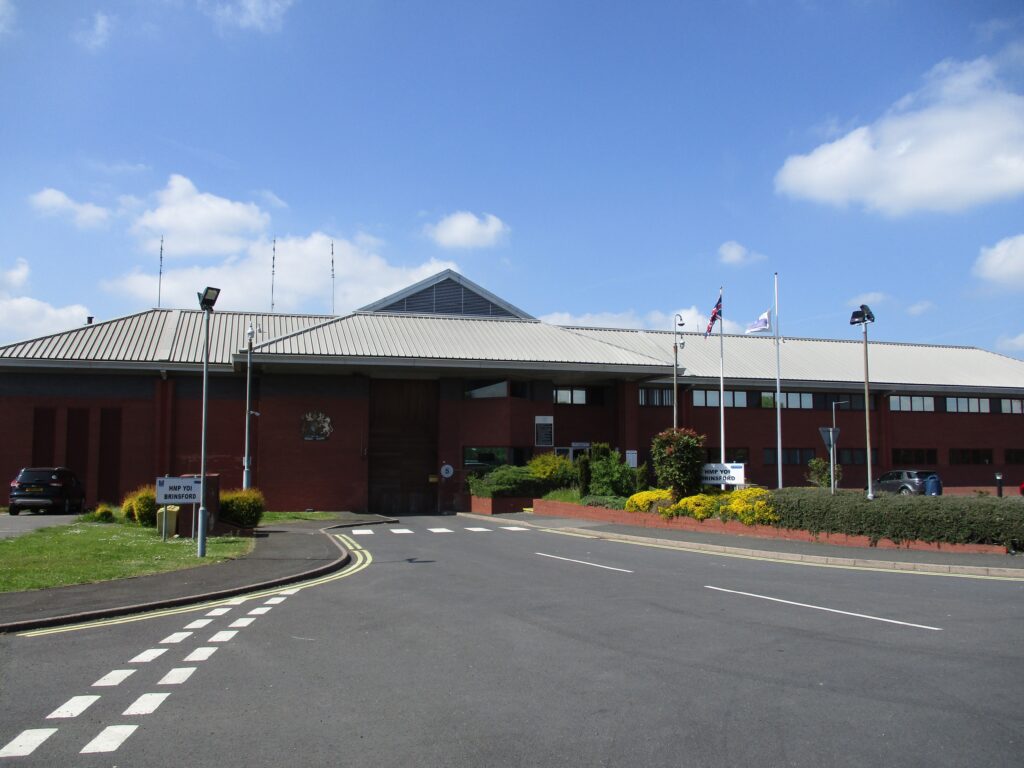
Brinsford, in the West Midlands, held a complex population of just over 500 remanded and sentenced men, of whom most were under 25 and some were in prison for the first time. The large population of 18–20-year-olds was largely responsible for the very high levels of violence, which had increased since our last inspection and was now the highest of any adult male prison in England and Wales. This had led to some very high levels of use of force and some particularly concerning over-reliance on PAVA incapacitant spray, the oversight of which by leaders was not always sufficiently robust. There had also been a concerning rise in the quantity of drugs getting into the prison, with 26% of tests coming back positive, a significant increase since our last inspection. Levels of self-harm had also increased to a worrying level.
An improved, more dynamic education, work and training offer had resulted in better provision for the men at Brinsford, but it remained a jail in which prisoners spent too much time locked in their cells. The many unemployed prisoners spent not much more than an hour unlocked every day, and at the weekend, the regime was very poor, with most men locked up for 22 hours a day. The gym however, provided a good range of activities, including early sessions for prisoners who were going to work.
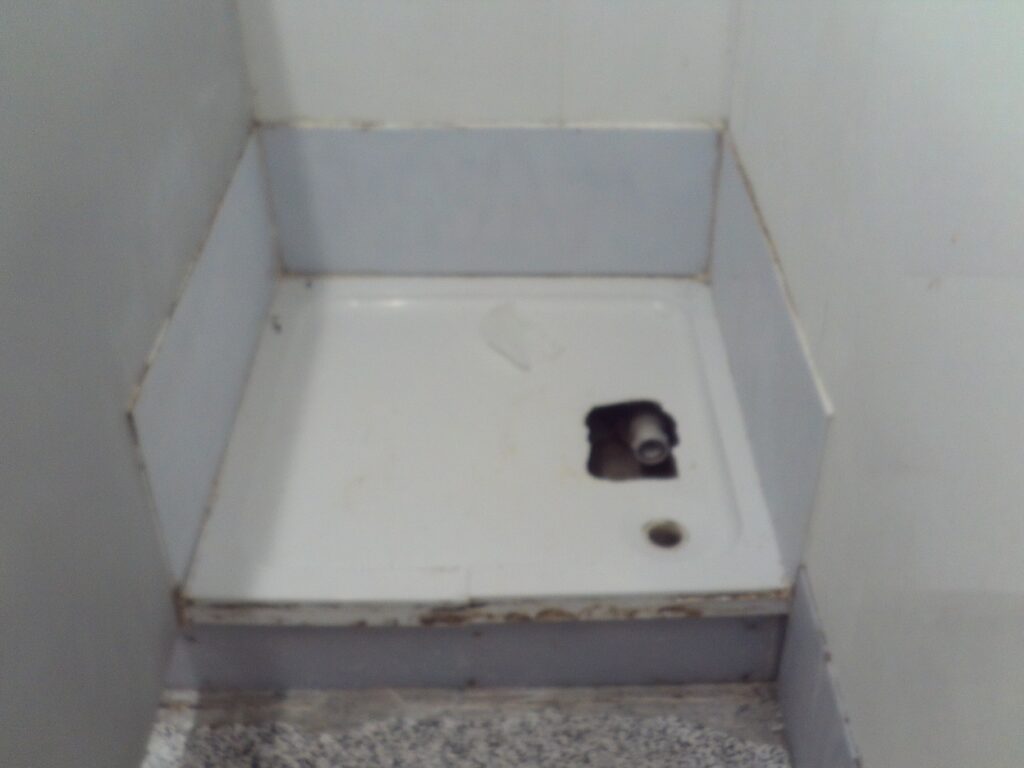
Many of the cells were in poor condition and restrictions in the regime meant that prisoners did not always have time to clean them. Showers were in need of refurbishment and communal areas were dirty, but the rest of the jail was generally well looked after. A failure to answer applications in a timely fashion remained a cause of prisoner frustration.
Despite there being a hardworking team, staffing difficulties and high caseloads had led to a deterioration in standards in the offender management unit and release arrangements, particularly for higher-risk prisoners, were not good enough. Provision for visits, however, remained a strength with creative staff trying to engage families in lots of areas.
Brinsford remains a jail of concern, lacking a clear sense of purpose. The prison has to manage some longer sentenced, category C prisoners at the same time as looking after a transient remand population. In future it will also have to provide for those on 56-day recalls, further adding to the challenges. Greater clarity from the prison service about what the prison is for will help to focus resources.
Although the scores for this inspection were concerning, the team left with some optimism that things will improve. The well-regarded governor was active in supporting his leadership team to make improvements and he had ambitious plans for developing the prison in the future. He had worked hard to support his staff team and as a result, retention, previously a real challenge, had improved.
Brinsford has had, at times, a troubled history, but if leaders can increase the range and quality of purposeful activity, while continuing to bear down on drug taking and levels of violence, there is the possibility that the prison can thrive.
Charlie Taylor, HM Chief Inspector of Prisons, June 2026
Outcomes for prisoners (Back to top)
We assess outcomes for prisoners against four healthy prison tests: safety, respect, purposeful activity, and preparation for release (see More about this report for more information about the tests). We also include a commentary on leadership in the prison (see Section 1).
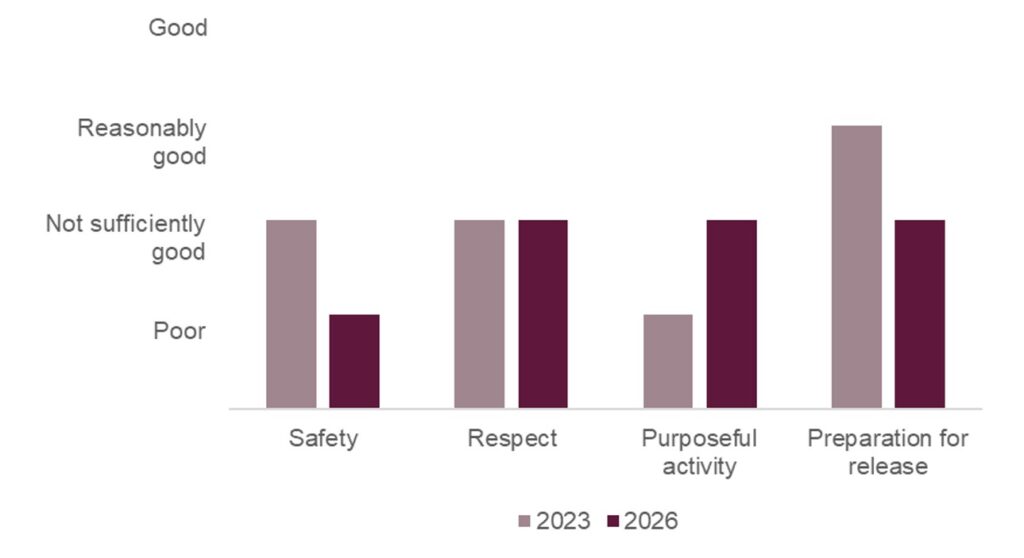
At this inspection of HMP & YOI Brinsford, we found that outcomes for prisoners were:
- poor for safety
- not sufficiently good for respect
- not sufficiently good for purposeful activity
- not sufficiently good for preparation for release.
We last inspected HMP & YOI Brinsford in 2023. Figure 1 shows how outcomes for prisoners have changed since the last inspection.
Figure 1: HMP & YOI Brinsford healthy prison outcomes 2023 and 2026
What needs to improve (Back to top)
During this inspection we identified 15 key concerns, of which six should be treated as priorities. Priority concerns are those that are most important to improving outcomes for prisoners. They require immediate attention by leaders and managers.
| Priority concerns | |
| 1. | Levels of violence were very high. The rate of violent incidents was the highest in the adult male estate. |
| 2. | Use of force was too high. PAVA incapacitant spray had been deployed frequently and not always appropriately. Staff often used unprofessional language when addressing prisoners during use of force. |
| 3. | Living conditions were poor. Some showers needed urgent repair, and prisoners were not given sufficient opportunities to clean their cells. |
| 4. | Time out of cell was poor for many prisoners. Prisoners not engaged in purposeful activity often spent only one hour a day out of their cell in addition to time for meal collection, and most had only two hours a day unlocked at weekends. |
| 5. | Attendance at education, skills and work was still too low. |
| 6. | Resettlement support was too limited. Many prisoners were anxious about their release and were not fully prepared. |
| Key concerns | |
| 7. | The entry of illicit drugs posed a threat to the stability of the prison. The percentage of prisoners testing positive for drugs had risen since our last inspection. |
| 8. | Leaders examined only a narrow range of data about fair treatment, and had not adequately addressed disparities identified. |
| 9. | Too many prisoners waited too long for transfer to secure hospital beds under the Mental Health Act. |
| 10. | The inpatient unit did not deliver a stable or therapeutic regime with limited activities, minimal clinical input and poor amenities. |
| 11. | Library access was too limited. |
| 12. | Leaders did not provide sufficient capacity for careers education, information and guidance during prisoners’ induction to education, skills and work. |
| 13. | Prisoners were not always allocated to the activity of their choice. Leaders had yet to make sure that the allocations team could manage the high turnover of prisoners and cope with their changes of learning pathway. |
| 14. | Prisoners had insufficient contact with prison offender managers and key workers, which did not support their sentence progression. |
| 15. | There were gaps in public protection arrangements for high-risk prisoners on their arrival and in preparation for their release. |
Notable positive practice (Back to top)
We define notable positive practice as evidence of our expectations being met to deliver particularly good outcomes for prisoners, and/or particularly original or creative approaches to problem solving. Inspectors found five examples of notable positive practice during this inspection, which other prisons may be able to learn from or replicate.
| 1. | Two external non-executive members of the senior team continued to help leaders better understand prisoners’ experiences and perspectives. (See Leadership) |
| 2. | The prison made effective use of rehabilitative adjudications to support prisoners who tested positive for drugs, and had introduced community payback orders for prisoners found guilty of some charges. (See Encouraging positive behaviour) |
| 3. | The new neurodiversity hub was well-equipped and also provided staff training. (See Fair treatment) |
| 4. | Collaborative working and a ‘care leavers flat’ for promoting independent living skills supported those with care experience. (See Fair treatment) |
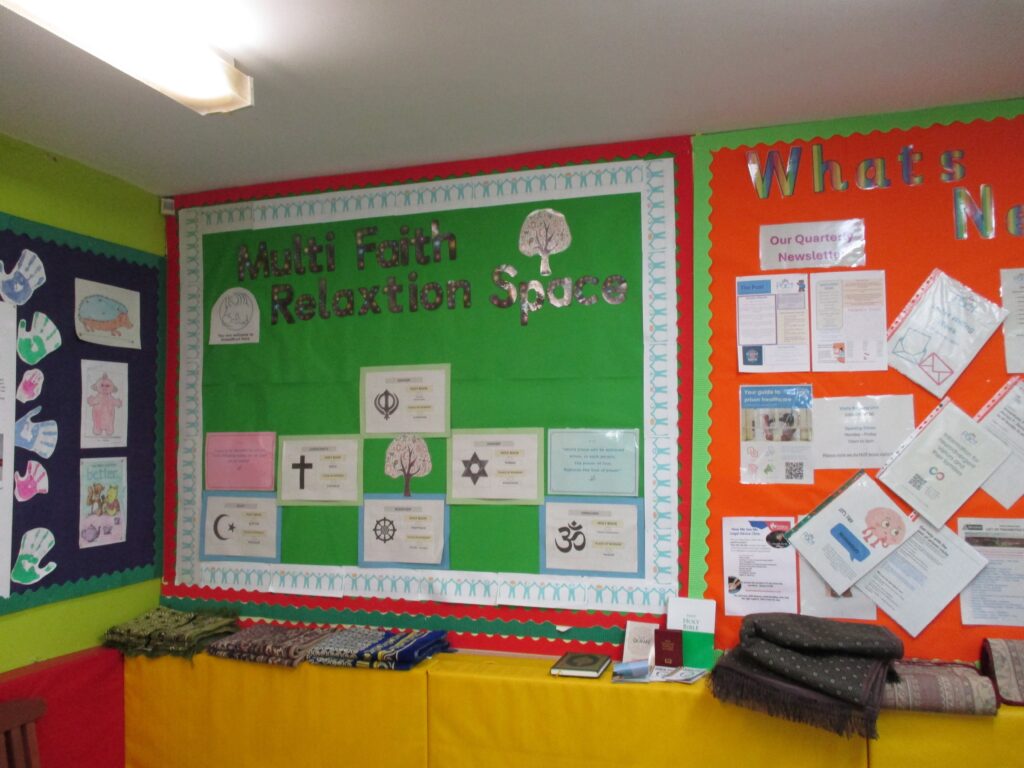
| 5. | A multi-faith area had been provided in the visitors’ centre to support prisoners’ families. (See Children and families) |
Unless otherwise specified, these examples are not formally evaluated, are a snapshot in time and may not be suitable for other establishments. They show some of the ways our expectations might be met, but are by no means the only way.
Section 1: Leadership (Back to top)
Leaders provide the direction, encouragement and resources to enable good outcomes for prisoners.
The governor had provided strong and visible leadership since taking up post the previous year. Staff supported his fresh approach and clearly communicated priorities, and an enthusiastic senior team reported feeling empowered.
Leaders had given priority to addressing the very high rates of violence with the appointment of a dedicated violence reduction lead and hub manager. The incentives scheme now set out greater deterrence for poor behaviour. However, rates of assaults remained the highest in the adult male estate.
Use of force remained very high and scrutiny was still not always sufficiently challenging, although the governor had taken some robust action where inappropriate use had been identified. Investigations into the use of PAVA incapacitant spray, which was at the highest rate in the adult male estate and disproportionately deployed against black prisoners, were often cursory.
Leaders had prioritised increasing attendance at activities, but we still found too many prisoners locked up during the working day. Only 70% of the prison’s quota of officers were available for operational duties and, consequently, the regime was far too limited for many.
While leaders were developing an ambitious range of activities to engage a younger population, specific staff training was still needed to address how best to work with young adults.
Leaders had not sufficiently prioritised offender management and preparation for release, and delivery of this key function had deteriorated since our last inspection.
Leaders had not made enough progress in improving living conditions; many showers and cells were still in poor condition and needed national investment. They had also removed the regular opportunity in the core day for prisoners to clean their cells.
The governor had prioritised staff well-being through a variety of initiatives and engagement was strong. The retention of officers was much better than the national average.
The prison’s self-assessment report identified mostly appropriate priorities but was not sufficiently critical of the current performance. The prison group director’s visit reports also reflected insufficient challenge in key areas, such as the high rate of PAVA use and public protection failings.
Leaders needed to make better use of data to inform their strategies and drive improvements, for example, within safety and fair treatment and to reduce reoffending. There was also too much focus on comparison with other prisons in the region, when performance against national data would have given leaders greater insight.
Partnership working was generally good, especially with the third sector which provided, for example, better support for care leavers than we usually see. The continued involvement of two non-executive members of the senior team to help leaders better understand prisoners’ experiences and perspectives was positive; both were young black men, and one had experienced prison life.
Section 2: Safety (Back to top)
Prisoners, particularly the most vulnerable, are held safely.
Early days in custody
Expected outcomes: Prisoners transferring to and from the prison are safe and treated decently. On arrival prisoners are safe and treated with respect. Risks are identified and addressed at reception. Prisoners are supported on their first night. Induction is comprehensive.
Early days arrangements had improved since our last inspection. The reception area was clean and spacious, with further refurbishment underway. After new arrivals were searched, they could wait in an association area rather than a holding cell. We saw prisoners move efficiently through reception, with appropriate attention to identified risks.
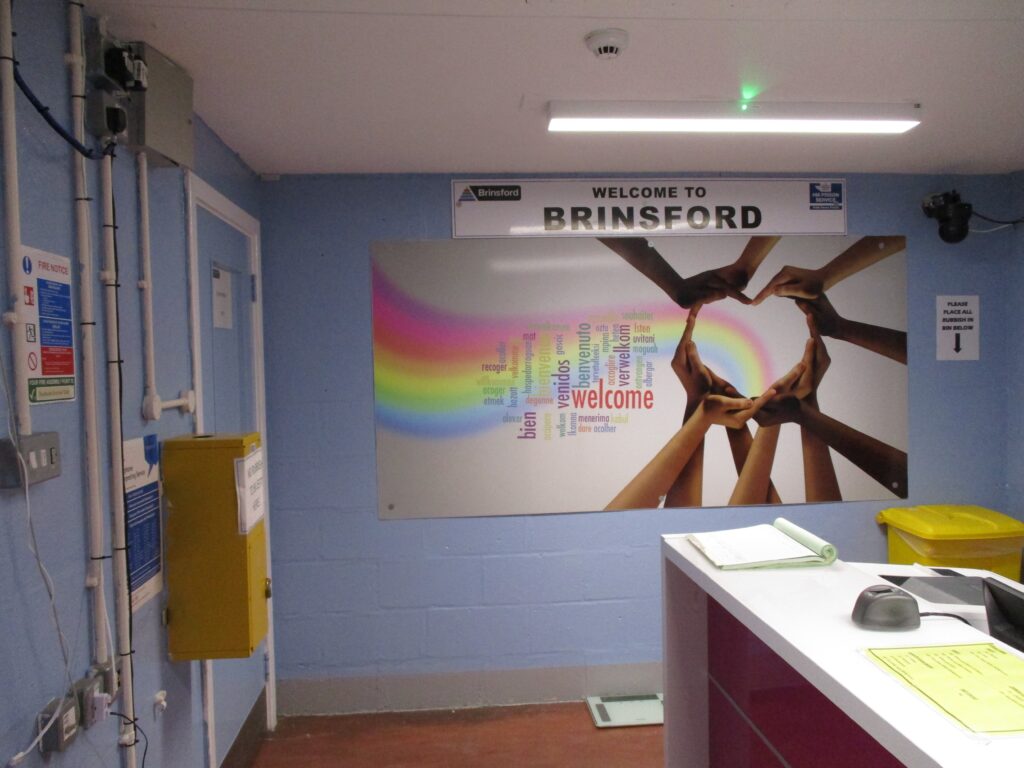
The induction unit had been relocated to a smaller wing holding up to 19 prisoners, and was clean and well presented.
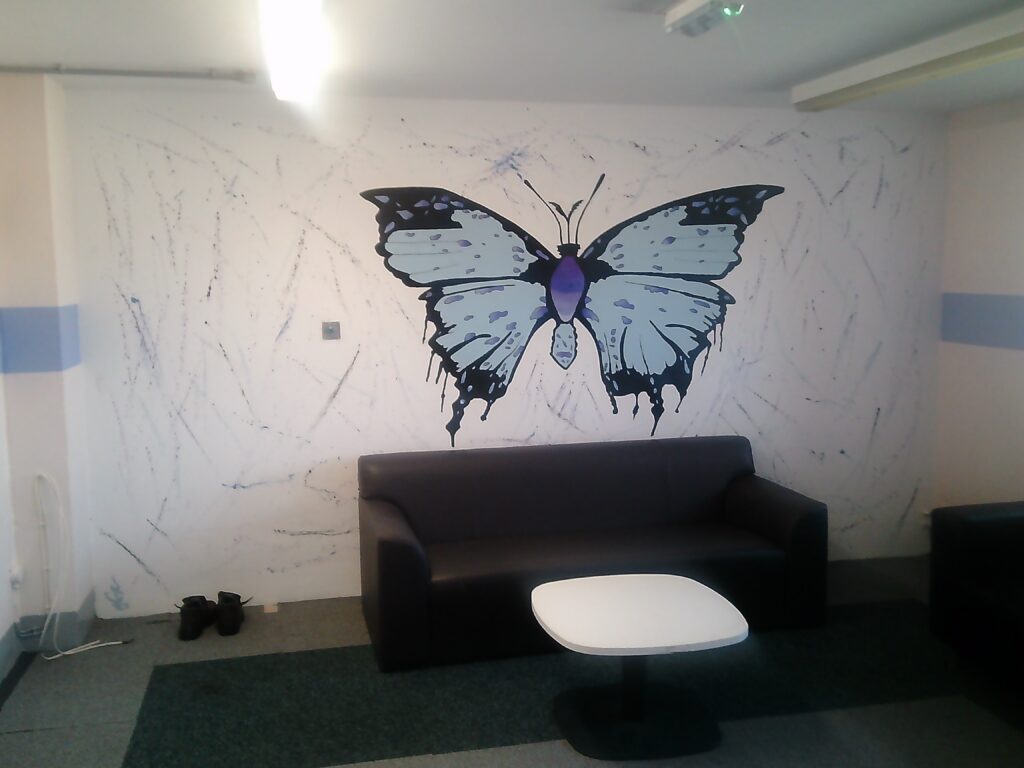
First night cells were well equipped; a kettle, duvet, toiletries and bedding were issued on arrival, and relevant information was clearly displayed.
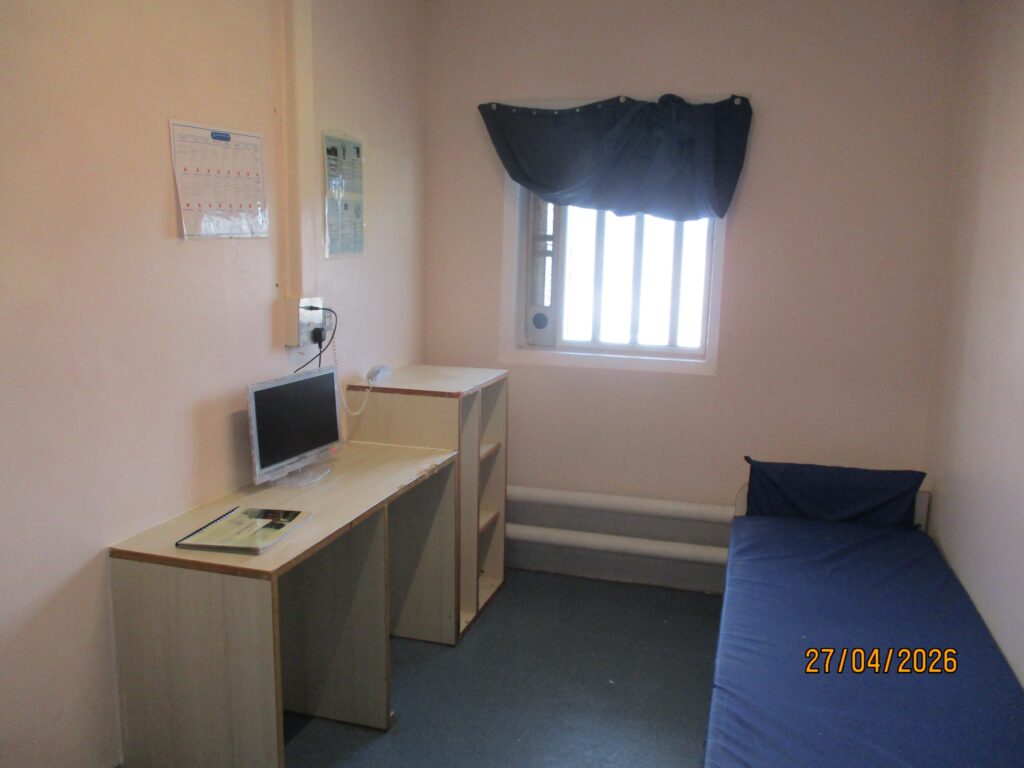
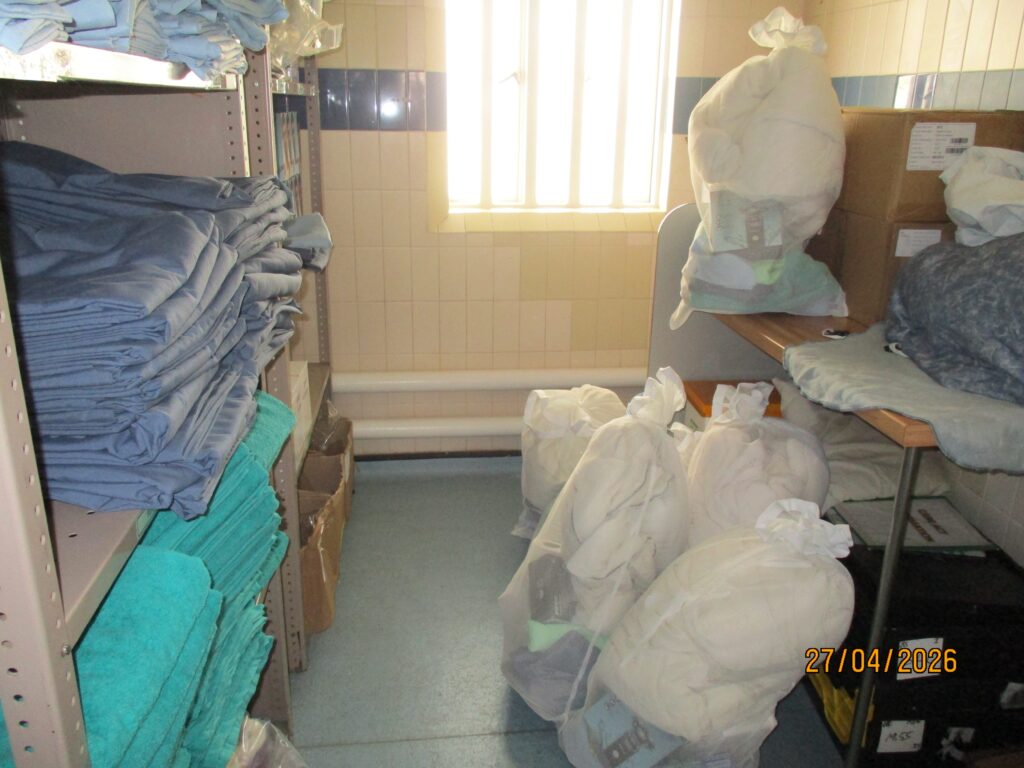
First night procedures prioritised safety, with private interviews and nightly checks for new arrivals. Enthusiastic staff had positive relationships with prisoners on the unit.
Peer supporters delivered an induction presentation, and a Listener (prisoners trained by the Samaritans to provide confidential emotional support to fellow prisoners) attended reception to meet new arrivals.
Promoting positive behaviour
Expected outcomes: Prisoners live in a safe, well ordered and motivational environment where their positive behaviour is promoted and rewarded. Unacceptable conduct is dealt with in an objective, fair, proportionate and consistent manner.
Encouraging positive behaviour
| Data provided by the prison | |
| Number of recorded assaults in the 12 months prior to our inspection | 527 |
| Rate of overall violence per 1,000 prisoners in the 12 months prior to our inspection | 971 |
The rate of violence was the highest in the adult male estate and had increased by 10% since our last inspection. Rates of violence against staff had more than doubled but had been on a downward trend over the last year.
The prison continued to hold a large population aged between 18 and 20 who were responsible for the majority of incidents. Violence was often driven by interpersonal issues and bullying.
The violence reduction team held weekly meetings with residential staff to discuss prisoners who were potentially vulnerable and review incidents.
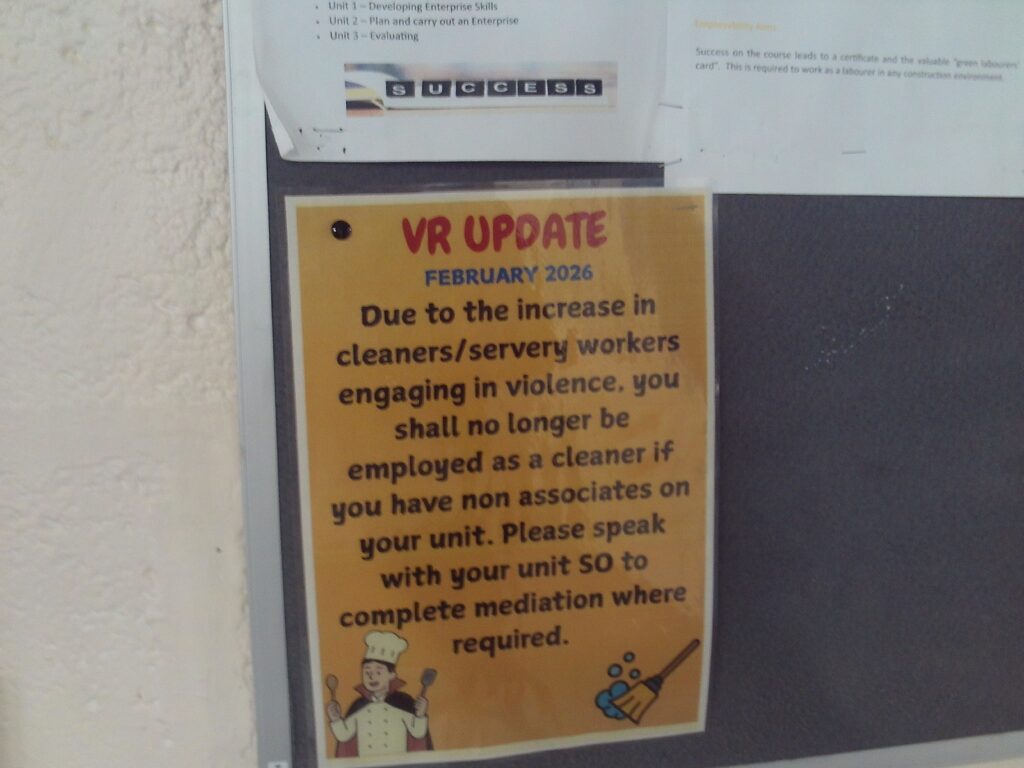
Almost half of the population had ‘non-associations’, which meant that they had to be kept apart from one or more other prisoners due to conflict. Although this number was high, their management had improved. Mediation was used regularly in the residential units to resolve disputes but was not always available to prisoners on separate units.
| HMIP prisoner survey | Yes | Compared with similar prisons |
| Are there opportunities and rewards to motivate people in this prison? | 28% | No difference |
While well-behaved prisoners had access to some benefits, such as bigger televisions and additional association time, the incentives scheme was weighted towards sanctioning prisoners who behaved poorly rather than motivating them to behave well. There was limited support to help prisoners on the lowest level of the scheme to progress.
Violent incidents were investigated and investigations were generally thorough for serious incidents. Challenge, Support and Intervention Plans (CSIPs) for perpetrators of violence were of variable quality, and some we reviewed were closed before the prisoner had completed actions to address poor behaviour.
There were four self-isolating prisoners at the time of our inspection. They spoke positively of support from staff, and we saw some good work to encourage them to re-engage.
There had been a 69% increase in adjudications in the previous year compared to the same period before our last inspection. Despite the high volume, the system was managed reasonably well. In the previous three months, 86% of cases referred to the police had been taken on for investigation.
Rehabilitative adjudications were used for prisoners with positive drug tests, giving them the opportunity to avoid sanction if they desisted from illicit substances.
‘Community payback’ punishments were another positive initiative, in which prisoners found guilty of some charges undertook work to benefit the community.
Use of force
| Data provided by the prison | |
| Rate of recorded use of force incidents per 1,000 prisoners in the 12 months prior to the inspection | 2,214 |
| Number of prisoners PAVA was deployed on in the 12 months prior to the inspection | 160 |
The rate of the use of force in the previous year was the third highest in the adult male estate and had increased by 30% since our last inspection.
The rate of PAVA incapacitant spray use was the highest in the adult male estate, and the number of prisoners it had been used on in the previous year had more than doubled compared to the same period before our last inspection. More than a third of PAVA deployment in the previous year was against black prisoners, even though they made up just 17% of the population.
In incident footage we reviewed, PAVA was not always deployed appropriately or as a last resort, sometimes hitting staff and prisoners indiscriminately. Investigations into its use were often cursory and did not identify opportunities for learning. However, a use of force coordinator had been appointed, and scrutiny overall had improved since our last visit. Leaders had escalated some concerning incidents to formal investigations in the previous year, but weekly scrutiny meetings did not always provide sufficient challenge.
In the footage we reviewed, staff used unprofessional language towards prisoners too often, and in some cases, there was too little attempt at de-escalation.
The use of body-worn video camera had improved since our last inspection. In the last year they had been activated in 60% of incidents, and rates of activation had improved further recently.
Segregation
The average length of stay in segregation was seven days and the unit was rarely full. No prisoners had been segregated for more than 42 days in the last year. Strong links between segregation and the violence reduction team meant there was greater oversight of segregated individuals. However, as at our last inspection, paperwork to justify and explain the reasons for segregation remained inadequate.
The unit was well ordered, but some cells did not have electrical sockets, and some furniture and phone points needed replacing.
During the inspection, one prisoner was attending education, which was positive, but the regime was limited for most with just a shower and exercise each day.
Most segregated prisoners returned to normal location, but reintegration planning was not yet fully embedded.
Security
Expected outcomes: Security and good order are maintained through an attention to physical and procedural matters, including effective security intelligence and positive staff-prisoner relationships. Prisoners are safe from exposure to substance misuse and effective drug supply reduction measures are in place.
| Data provided by the prison | |
| Percentage of prisoners testing positive following a mandatory drug test in the 12 months to 28 February 2026 | 26% |
There had been a substantial increase in positive random mandatory drug tests in the previous year, from just 4% at our last inspection, mostly for cannabis. Only a third of suspicion tests requested in the last three months had been completed.
Leaders knew the entry routes for illicit items, and we saw evidence of steps to address them. Intelligence-led searching was effective, although reliance on external resources meant that they were not always prompt. In the previous year, finds of illicit drugs and telephones had more than quadrupled compared to the same period before our last inspection.
The prison’s drug strategy focused on non-punitive approaches to supporting prisoners found under the influence, such as through rehabilitative adjudications (see Encouraging positive behaviour). An incentivised substance free living (ISFL) unit (see Glossary) provided a well-being-focused environment for some prisoners.

Leaders had developed strong links with local and regional law enforcement, which provided valuable intelligence on gang-related issues and support to manage threats from organised crime groups.
Safeguarding
Expected outcomes: The prison provides a safe environment which reduces the risk of self-harm and suicide. Prisoners at risk of self-harm or suicide are identified and given appropriate care and support. All vulnerable adults are identified, protected from harm and neglect and receive effective care and support.
Suicide and self-harm prevention
| Data provided by the prison | |
| Rate of incidents of self-harm per 1,000 prisoners in the last 12 months | 954 |
The incidence of self-harm had increased by 70% since the last inspection and the rate was the 11th highest for all male prisons. However, there had been an overall downward trend in the last year, and few incidents had been serious. There had been no self-inflicted deaths since the last inspection, but one non-natural death was linked to drug use.
Leaders understood the individual reasons for self-harm, but more work was needed to reduce the incidence. The safety team gathered a wide variety of relevant data, but this had not been used to inform the strategy to reduce self-harm.
The weekly safety meeting provided effective oversight of care for a group of complex prisoners. Some of these prisoners told us they were coping better in custody because of this support.
There continued to be good involvement of families and significant others (see Children and families), and we found examples of personal advisors taking part in case management reviews for care-experienced individuals.
Documents for at-risk prisoners being supported through Assessment, Care in Custody and Teamwork (ACCT) case management were of a reasonable standard, and those case-managed by the safety team were of a higher quality. The prisoners we spoke to said they received adequate care, but there were insufficient well-being initiatives for those who posed a risk to themselves.
In our survey, only 20% of prisoners said that it was easy to talk to a Listener if they needed to, against the comparator of 38%, but more had recently been trained for the role.
Protection of adults at risk
Adult safeguarding work had improved, with positive joint working including psychology and health care staff. Regular meetings discussed vulnerable prisoners, and staff were better able to articulate their understanding of safeguarding. However, there were still no links with the local safeguarding adults board.
Section 3: Respect (Back to top)
Prisoners are treated with respect for their human dignity.
Staff/prisoner relationships
Expected outcomes: Prisoners are treated with respect by staff throughout their time in custody and are encouraged to take responsibility for their own actions and decisions.
In our survey, fewer prisoners than the comparator said that staff treated them with respect or that there were staff they could turn to if they had a problem. However, we observed mostly positive interactions, and prisoners told us that staff were approachable and supportive.
| HMIP prisoner survey | Yes | Compared with similar prisons |
| Do you have a named officer (key worker)? | 59% | Lower |
The quality and frequency of key work (see Glossary) was poor; prison data showed a backlog of over 160 sessions, and many prisoners told us that they had not seen their allocated officer.
Although most peer workers were well trained and motivated (see Early days and Safeguarding), peer support was underdeveloped and limited by high turnover of prisoners.
Daily life
Expected outcomes: Prisoners live in a clean and decent environment and are aware of the rules and routines of the prison. They are provided with essential basic services, are consulted regularly and can apply for additional services and assistance. The complaints and redress processes are efficient and fair.
Living conditions
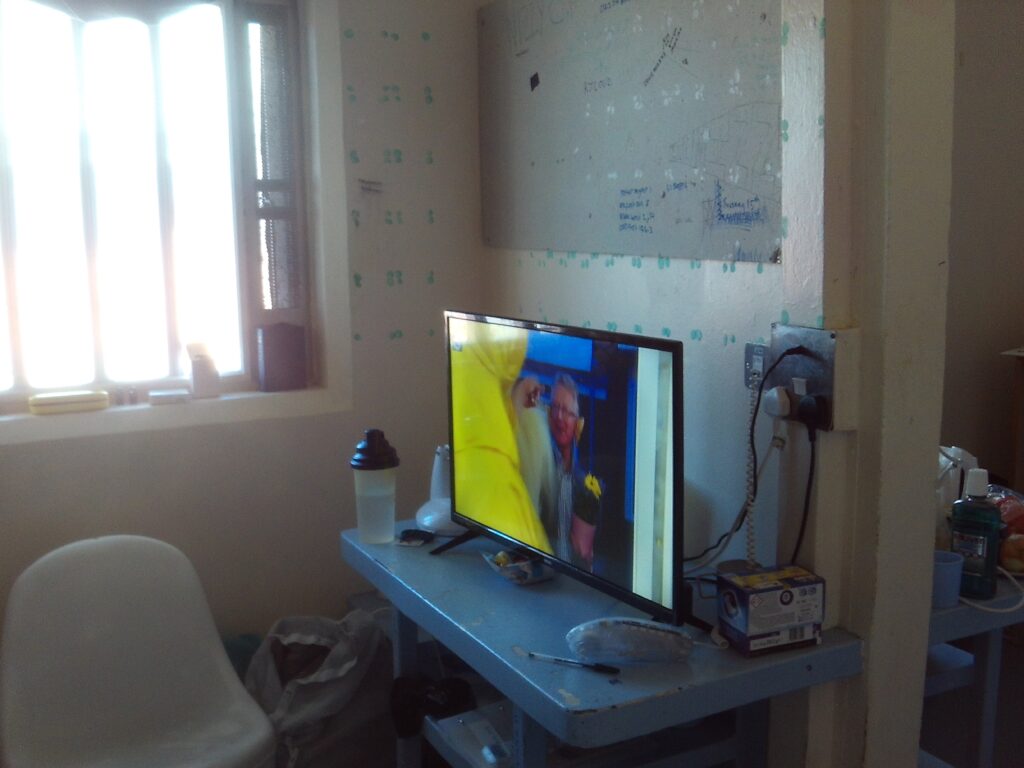
Many cells were in poor condition, and communal areas were dirty. Some double cells were very cramped, and graffiti remained visible despite repainting. The ISFL unit was an exception, providing decent accommodation and in-cell showers.
| HMIP prisoner survey | Yes | Compared with similar prisons |
| In a normal week, can you complete domestic tasks once or more? | 37% | Lower |
Prisoners expressed frustration about the removal of a dedicated domestic period to clean their cells. Some showers were out of use and required refurbishment. In our survey, only 75% of respondents said they could shower every day if they wanted to, against the comparator of 89%.
Outside areas were clean and well maintained, and there were plans to improve outside activity areas.
We were told that staff shortages caused delays in prisoner access to their stored property; only 12% of prisoners in our survey said that they could get their property promptly, against 21% in similar prisons.
In our survey, only 22% said their cell call bell was answered within five minutes, but we were told that response times were monitored to reduce long waits.
Residential services
| HMIP prisoner survey | Yes | Compared with last inspection |
| Is the quality of the food in this prison very/quite good? | 35% | Lower |
| Do you get enough to eat at mealtimes always/most of the time? | 28% | Lower |
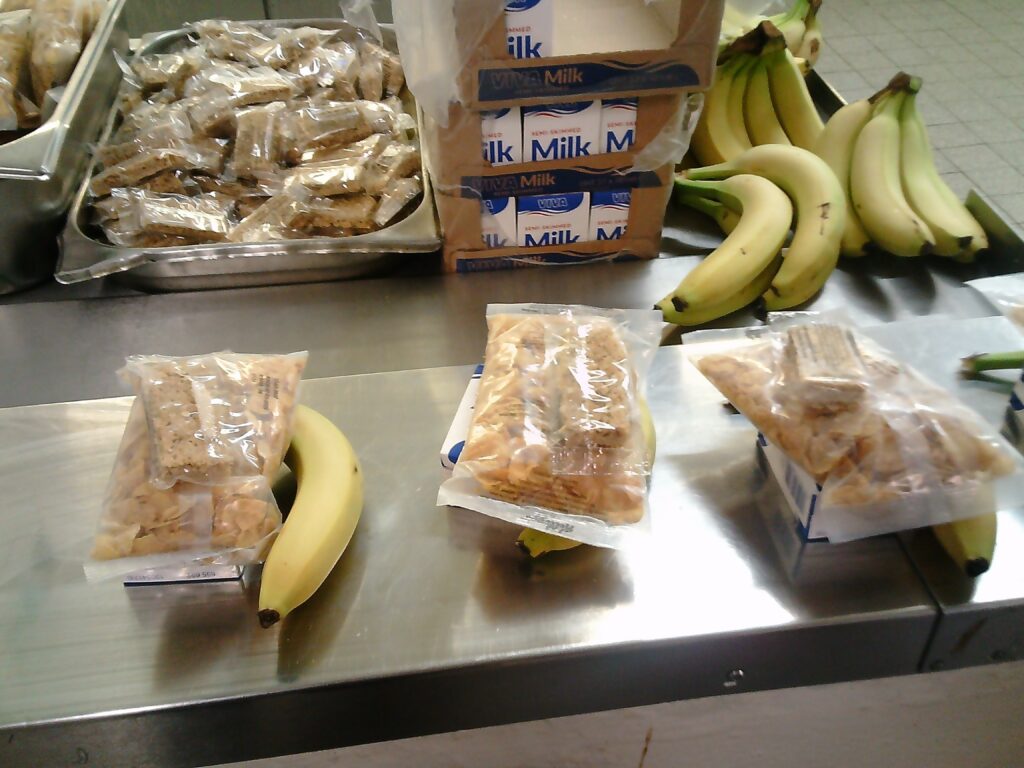
In our survey, prisoners were more negative about the quantity and quality of food than at our last inspection. Breakfast packs had been supplemented and were now served in the mornings rather than the previous day, but we were not assured that all prisoners received them. Prisoners continued to eat their meals in their cells.
There were no self-catering facilities, apart from on the ISFL unit, and prisoners said the prison shop did not provide sufficient items for cooking.
In our survey, prisoners were more negative than at similar prisons about access to catalogue shopping; the range was limited and few orders were placed.
Prisoner consultation, applications and redress
There were no electronic kiosks or in-cell technology for prisoners to make day-to-day requests, and the paper applications process was not effective; in our survey, only 17% of prisoners said their applications were answered within seven days, compared with 40% in similar prisons.
The prison rejected more than a third of complaints, often inappropriately, and prisoners told us they lacked confidence in the system. The quality of responses was inconsistent.
Although leaders held a monthly prisoner council, most prisoners were unaware of its existence or outcomes. While important issues had been discussed, some took too long to be addressed. Attendance was inconsistent and membership did not represent the population; for example, there were no members under 21. Residential forums were sporadic and poorly advertised.
Only 33% of prisoners in our survey said it was easy to communicate with their legal representative, against the comparator of 48%.
Fair treatment and inclusion
Expected outcomes: There is a clear approach to promoting equality of opportunity, eliminating unlawful discrimination and fostering good relationships. The distinct needs of prisoners with particular protected characteristics (see Glossary) or those who may be at risk of discrimination or unequal treatment, are recognised and addressed. Prisoners are able to practise their religion. The chaplaincy plays a full part in prison life and contributes to prisoners’ overall care, support and rehabilitation.
| Data provided by the prison | |
| Proportion of prisoners who were neurodivergent (including self-reported) at the time of inspection | 61% |
| Proportion of prisoners who were from minority ethnic backgrounds at the time of inspection | 48% |
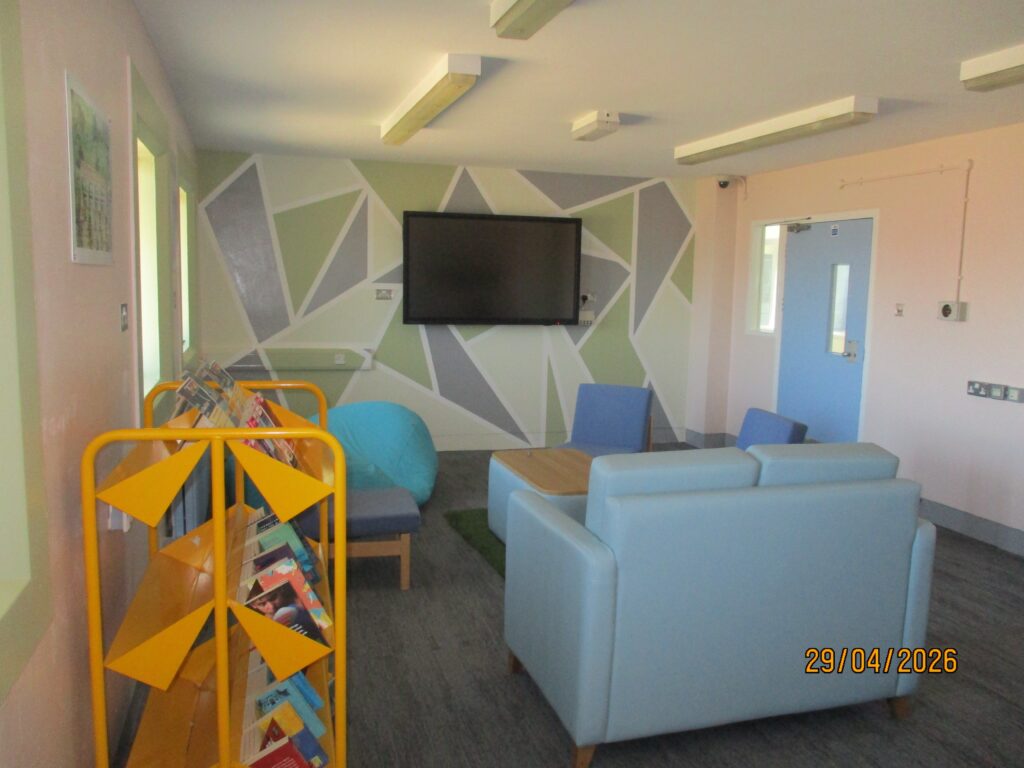
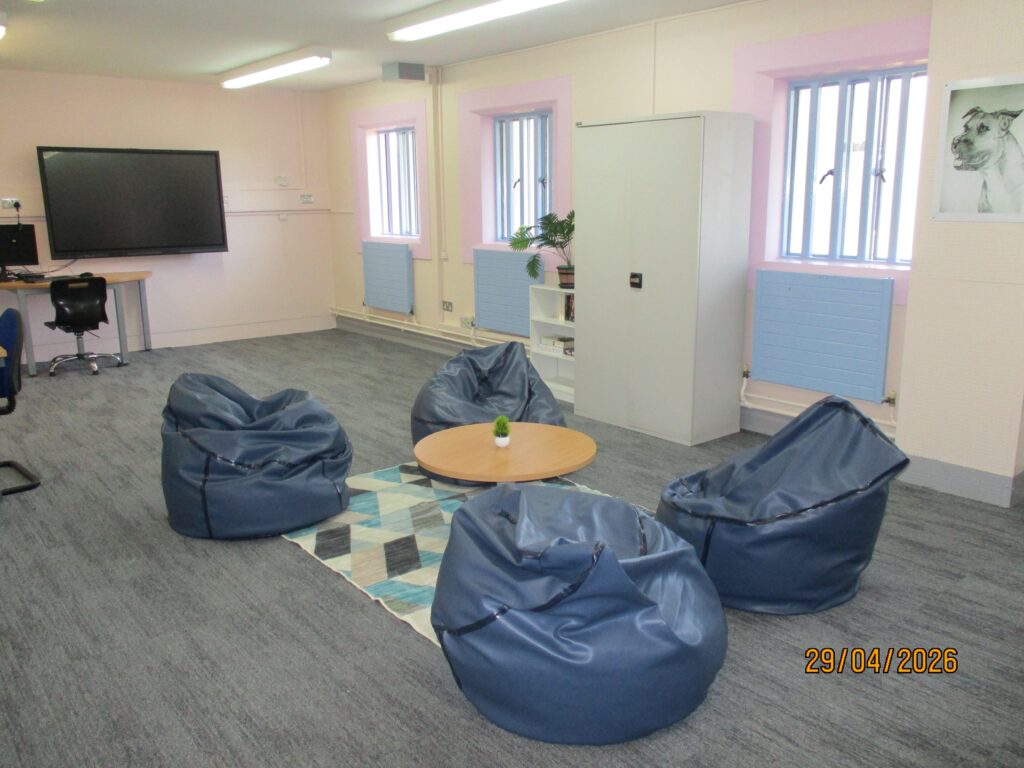
Brinsford had high proportions of young adults, prisoners from ethnic minorities and those who identified as neurodivergent. Although we found some positive partnership working and targeted initiatives for specific groups this did not consistently translate into day-to-day practice. An impressive neurodiversity hub opened during the inspection, and the neurodiversity support manager delivered staff training and guidance but too often officers did not use this support to inform their interactions with prisoners.
Gaps in staff training, informal or disrespectful ways of addressing prisoners, poor communication with some groups and inconsistent allocation of prisoners to wing work undermined perceptions of fairness. A lack of interpreting support for foreign national prisoners left them struggling to navigate prison life or establish family contact. Limited use of diversity data and irregular consultation with minority groups meant persistent disproportionality in outcomes for minority ethnic and Muslim prisoners had not been addressed. While leaders had worked hard to encourage prisoners to use the discrimination incident reporting form (DIRF) system, a lack of external scrutiny and meaningful follow up limited their ability to build trust and address inequality.
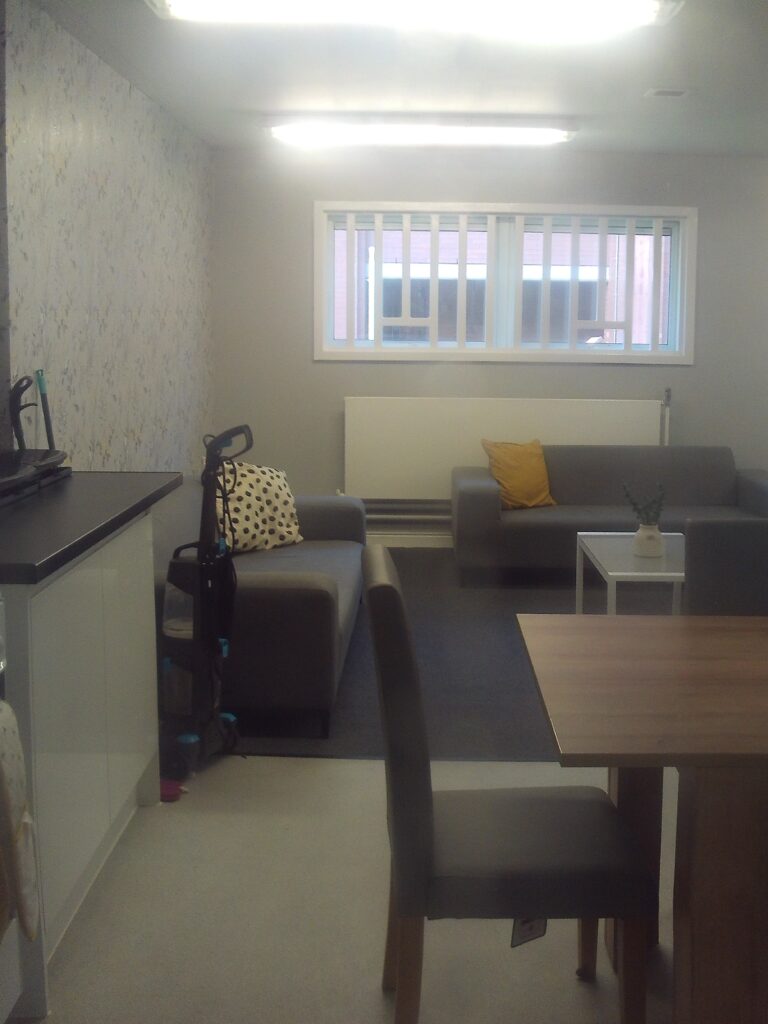
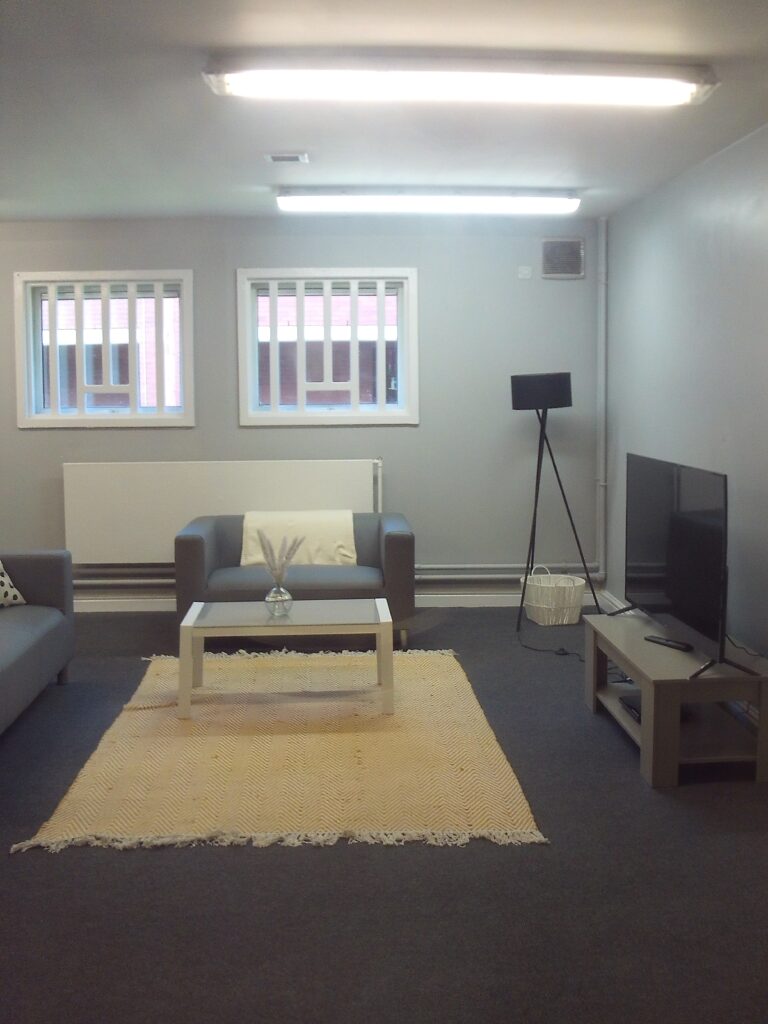
More positively, leaders collaborated with the Rees Foundation national charity to provide good support to care leavers, including holding monthly breakfasts in the ‘care leavers flat’ which was equipped to support developing independent living.
Faith and religion
The chaplaincy was well-integrated into the prison and hosted a regular multi-faith group. It had introduced a bespoke Bible study course, ‘Man in the Mirror’, tailored to the young adult population. However, in our survey, prisoners were more negative about chaplaincy provision than at other similar prisons. Many were excluded from corporate worship due to non-association restrictions. Although chaplains visited prisoners on the wings and worked closely with the safety team to offer mediation, frustration persisted, particularly among Muslim prisoners.
Health, well-being and social care
Expected outcomes: Patients are cared for by services that assess and meet their health, social care and substance use needs and promote continuity of care on release. The standard of provision is similar to that which patients could expect to receive elsewhere in the community.
The inspection of health services was jointly undertaken by the Care Quality Commission (CQC) and HM Inspectorate of Prisons under a memorandum of understanding agreement between the agencies. The CQC found there were no breaches of the relevant regulations.
Strategy, clinical governance and partnerships
Governance processes, which included prison leaders and commissioners, demonstrated clear accountability and escalation arrangements, although the peripheral involvement of the GP and dentist diluted effective communication. Shortfalls in staffing had stretched the health team and rosters commonly fell below optimum levels. However, most vacancies had now been addressed and were due to be filled. Nevertheless, shortfalls in medical and prescribing capacity still needed to be addressed to ensure future resilience. Despite these pressures, service provision met most need with clinic curtailments mainly relating to prison officer shortages.
Health complaints were generally well handled, but there was little evidence of face-to-face resolution. While structured patient engagement had largely been neglected, the individual staff-patient relationships we observed were positive. Staff had access to appropriate training and development opportunities. Despite staffing pressures, supervision arrangements were robust and most staff said they were well-supported.
Infection-control standards were mostly in place, although there was a lack of clinic space in the health care department and some wing treatment rooms were in particularly poor condition. Interview space on wings was also limited and not conducive to therapeutic activity.
Preparedness for medical emergencies was good. Response staff were trained to immediate life support level with ready access to appropriate resuscitation equipment, although prison officers could not identify the location of wing automatic external defibrillators (AEDs).
Promoting health and well-being
There was no health promotion strategy, and practical well-being approaches were mostly limited to standard immunisation and vaccination offers to new arrivals. Sexual health support and access to smoking cessation were available but poorly advertised. The absence of any trained peer workers or patient experience work stifled both the dissemination of health-related information and active engagement with the population.
Primary care and inpatient services
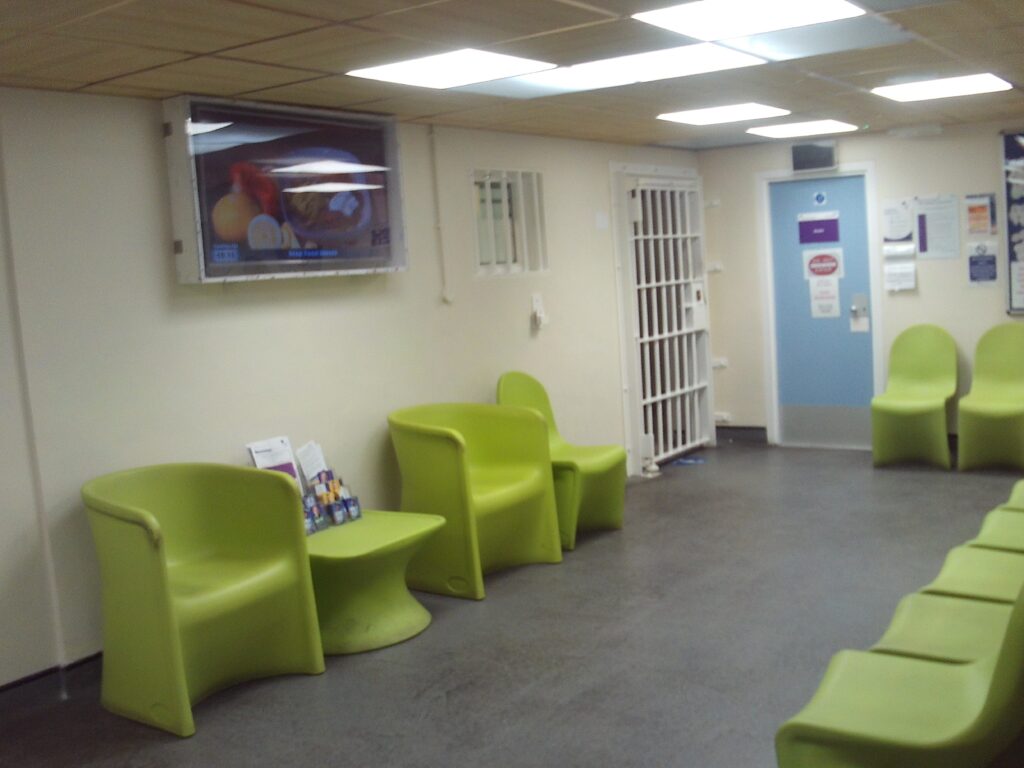
The range of primary care services was appropriate, and included 24-hour nursing cover. An effective application process and face-to-face triage supported prompt assessment. Waiting times were generally good, but lack of prison officers sometimes meant some clinics did not start punctually, resulting in delays for patients.
A registered nurse saw all new arrivals, transfers and planned releases. Most patients received comprehensive initial and secondary health screenings, but, when required, professional interpreting services were not always used.
There were interim arrangements for reviews and care planning for most patients with long-term conditions, but no meaningful plan for the long-term delivery of this aspect of care to better reflect the population.
Secondary care referrals were managed well with few cancellations. Patients with complex needs were facilitated to access out-of-area hospitals to maintain continuity of care.
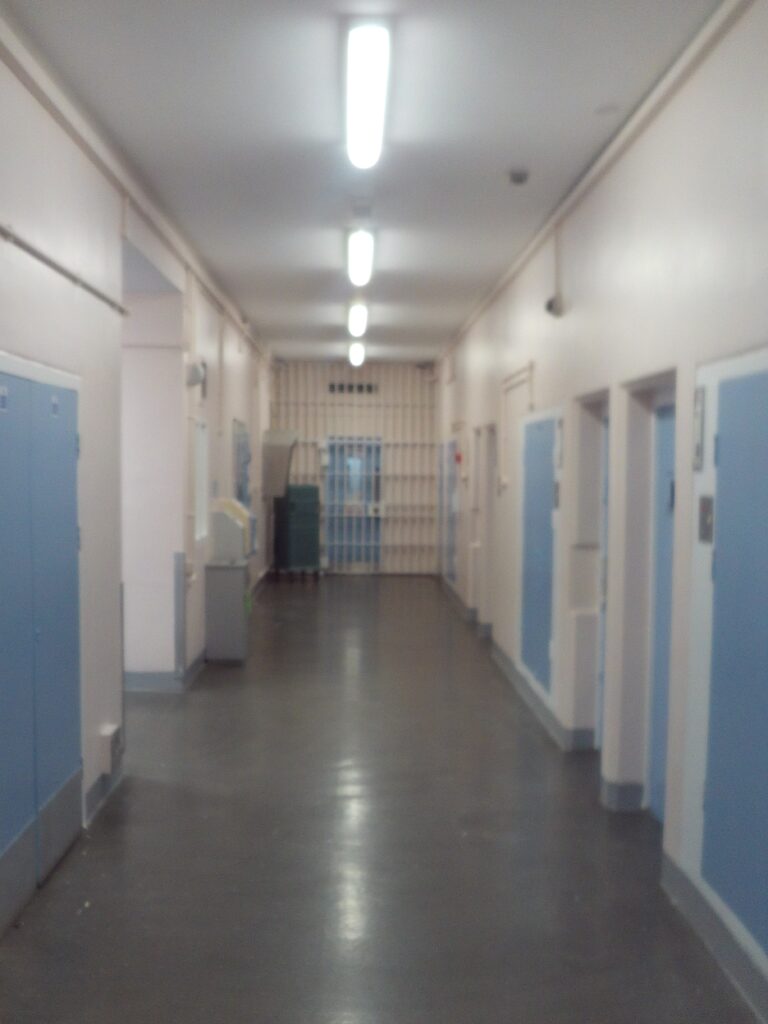
The 11-bed regional inpatient unit for under 25s had seen little improvement since our previous two inspections. There was a limited regime, insufficient time out of cell and no meaningful therapeutic activity. There were no dedicated clinical staff, nurses spent limited time on the unit, and admission assessments and individualised care planning were not always completed. Although officer staffing was consistent, they were routinely redeployed elsewhere in the prison. The unit remained austere with showers in poor condition.
Social care
There were arrangements to assess and provide support for prisoners with social care needs. Demand was low and no prisoners had required a package of care in the last 12 months, but several had been supported in establishing appropriate community arrangements post-release. Adaptations and additional equipment could be accessed when required. Although there was no indication of any unmet need, information about services could be better promoted.
Mental health
The Inclusion team of mental health and substance misuse recovery workers provided a Monday to Friday service, with regional emergency cover at weekends. The team included mental health nurses, a social worker, psychologist and psychiatrist, with short waits to see the latter. They delivered a patient-centred and responsive service, managing new referrals promptly and using a stepped-care model, providing lower-level interventions as well as supporting more acutely unwell patients.
Staff provided an outreach service seeing their patients on each unit, although the rooms were not suitable for therapeutic interventions and lacked privacy.
A member of the team attended all initial ACCT reviews and any subsequent reviews where required. Patients gave positive feedback about their care and knew how to get in touch with their care coordinator. Care plans were basic, but ongoing notes provided richer detail about the support patients required.
Nine of the 14 patients transferred to secure hospitals under the Mental Health Act in the previous year had waited over 28 days due to a lack of beds. The longest wait was 131 days, which was unacceptable.
Support and treatment for prisoners with addictions and those who misuse substances
Inclusion provided a Monday to Friday psychosocial substance misuse service, with PPG providing clinical support for a few patients. Although staff sickness absence had affected the psychosocial team, managers had covered caseloads and patients still received a good service. We received many positive comments from prisoners about the support they had received.
New arrivals’ need was identified in reception and prompt referrals made, with all given information about the service. Clinical prescribing was managed by the recovery hub (covering Brinsford and two neighbouring prisons) who were able to see new patients quickly on arrival and regularly thereafter for review. Two patients were receiving opiate substitution therapy with appropriate support plans, and referrals to community services were made before release. Naloxone (a drug to manage substance misuse overdose) and training in its use were offered to patients before their release.
Prisoners found under the influence of drugs were offered harm-reduction advice. Due to the lack of suitable rooms, no groups were provided, and the team had been unable to engage mutual aid groups, such as Alcoholics Anonymous and Narcotics Anonymous. Two well-being recovery groups had recently started in partnership with the gym. The ISFL unit provided a calmer environment (see Security) and Inclusion regularly visited their patients for one-to-one sessions.
Medicines optimisation and pharmacy services
Medicines management arrangements were reasonable and had improved. The lead pharmacy technician had a good understanding of all processes, with oversight from the regional pharmacist and pharmacy hub at neighbouring HMP Oakwood, which supplied all medicines. However, there were no pharmacist-led clinics or medication reviews.
Medicines reconciliation and in-possession risk assessments were completed for new arrivals. There was a focus on increasing medicines held in possession, supported by recently introduced electronic cabinets on the ISFL unit. Regular compliance checks were completed.
Medicines administration was primarily nurse led. We observed appropriate officer supervision at medicine hatches. Patients who missed critical medicines were followed up promptly.
Prescribing arrangements largely depended on the part-time GP. Although the GP did not attend medicines management meetings and there was no safer prescribing forum, oversight of tradable medicines was good.
A comprehensive range of out-of-hours medicines was available and appropriately stock controlled. Medicine-related incidents were reviewed and investigated. Medicines were provided to prisoners on release, transfer or attending court. Medicine transport arrangements were secure, drug safety alerts were actioned correctly, and waste disposed of appropriately.
Dental services and oral health
Waits for new patients was reasonable at around six weeks. Prisoners experiencing swelling or severe dental pain were prioritised and seen promptly.
A new dental chair and flooring had been installed. Although most dental equipment was maintained and serviced, the prison had not completed some essential servicing, which presented risks to patient safety and service delivery.
Section 4: Purposeful activity (Back to top)
Prisoners are able and expected to engage in activity that is likely to benefit them.
Time out of cell
Expected outcomes: All prisoners have sufficient time out of cell (see Glossary) and are encouraged to engage in recreational and social activities which support their well-being and promote effective rehabilitation.
| HMIP prisoner survey | Yes | Compared with last inspection |
| Do you usually spend less than 2 hours out of your cell each day on Monday – Fridays? | 63% | Lower |
| Do you usually spend less than 2 hours out of your cell each day on Saturdays –Sundays? | 76% | No difference |
Our roll checks found 39% of prisoners locked up during the working day. Only 26% were attending off-wing activities and a further 8% were working on their unit. Full-time workers had up to eight hours a day out of their cell, and part-time workers could expect around five hours unlocked on most weekdays. Those not engaged in purposeful activity often spent only one hour a day out of their cell in addition to time for meal collection. The activities team visited unemployed prisoners to encourage them to engage, and the number inactive had reduced.
Social and recreational activities were underdeveloped and many prisoners said they were bored with nothing to do at weekends.
| HMIP prisoner survey | Yes | Compared with similar prisons |
| Are you able to visit the library once a week or more? | 15% | Lower |
Although the library was a well-stocked facility, it was seriously underused, and even though it was open on some evenings, numbers using the library had declined. Mobile book trolleys were reasonably well stocked and accessible in unit association areas.
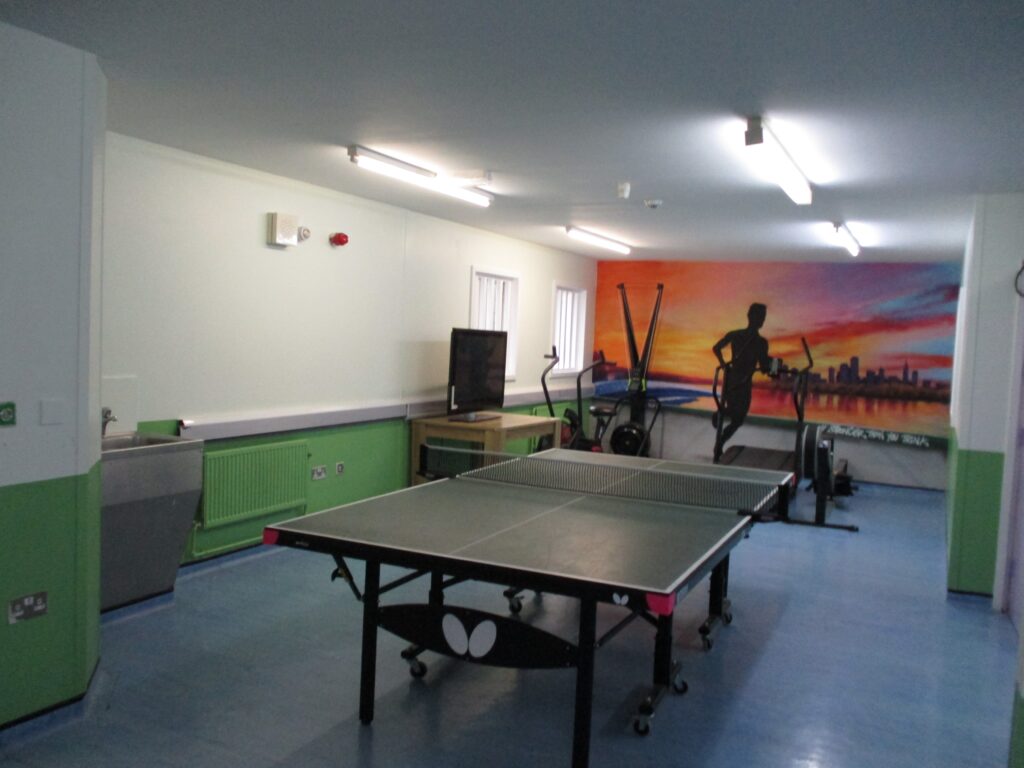
Prisoners had access to well-equipped indoor PE facilities. Fitness equipment had also been provided to the ISFL unit and the education centre with sessions delivered by PE staff. In our survey, 87% of prisoners said they could attend the gym or play sports at least once a week. The introduction of early morning sessions for prisoners in full-time employment had been popular.
PE staff delivered a wide range of activities and several industry-recognised and accredited qualifications.
Education, skills and work activities

Ofsted inspects the provision of education, skills and work in custodial establishments in England. The following summary has been provided by Ofsted inspectors who attended this inspection. Their full report is published under ‘Survey materials and Ofsted full report‘.
Ofsted made the following assessments about the education, skills and work provision:
- Overall effectiveness: requires improvement
- Quality of education: requires improvement
- Behaviour and attitudes: requires improvement
- Personal development: requires improvement
- Leadership and management: requires improvement
Leaders and managers had implemented ambitious improvement actions for education, skills and work (ESW) under the strong direction of the governor and senior team. They had focused tightly on tackling the ESW concerns from the previous inspection and the numerous additional concerns they had identified themselves. Most of these actions were beginning to have a positive impact on prisoners’ experience of ESW. In particular, prisoners were improving their wider understanding of the personal and technical skills needed to gain meaningful employment and build a career. The previously high proportion of prisoners refusing to engage with ESW at Brinsford had reduced substantially but was still too high, and the available activity spaces were underutilised.
Leaders intended that every prisoner left the prison with new knowledge gained through ESW which would help improve their life prospects. Leaders had devised eight learning pathways which provided prisoners with solid foundations on which to build their practical knowledge and employment skills. Prison managers’ links with employers and inspirational speakers were growing in number and their visits to Brinsford were helping prisoners understand their broader positive opportunities in life and work. Prisoners who inspectors spoke with who were nearing release said they felt empowered to make better choices and had a greater sense of self-worth through ESW.
Leaders had ensured there were sufficient full-, half- and part-time activity spaces in total, although not enough were full-time. The allocation process to ESW was mostly equitable and well-considered but every prisoner was not routinely allocated to their activity of choice. Leaders were improving the consistency of this process, but it was at an early stage. Classes in English and mathematics were not running at full capacity. Waiting lists for the most popular vocational activities were long and slowed prisoners’ access to learning.
Careers education information, advice and guidance was running at half capacity. This reduced the number of prisoners receiving careers advice sessions during induction. However, the advice sessions that were available to prisoners were rich in information and options. An additional advisor had been appointed.
Prisoners’ achievement of qualifications was mostly high in vocational subjects and in work, but low in Levels 1 and 2 functional skills courses. Prisoners in work and industries were trained and rightly proud of how well they did their jobs. Where qualifications were not available instructors were not regularly recording prisoners’ development of work skills.
Most prisoners experienced effective education or training from teachers and instructors which helped prisoners gain and be confident in their new knowledge and skills. Teachers and instructors provided good support to prisoners with additional learning needs. Leaders’ reading strategy and action plan were being implemented well in ESW, but the strategy was not fully integrated across the whole prison, notably the wings.
Prisoners’ punctuality was poor at most activities, which was the knock-on effect of a successful strategy to reduce violent behaviours during movement. ESW environments were safe, calm and purposeful.
Section 5: Preparation for release (Back to top)
Preparation for release is understood as a core function of the prison. Prisoners are supported to maintain and develop relationships with their family and friends. Prisoners are helped to reduce their likelihood of reoffending and their risk of harm is managed effectively. Prisoners are prepared for their release back into the community.
Children and families and contact with the outside world
Expected outcomes: The prison understands the importance of family ties to resettlement and reducing the risk of reoffending. The prison promotes and supports prisoners’ contact with their families and friends. Programmes aimed at developing parenting and relationship skills are facilitated by the prison. Prisoners not receiving visits are supported in other ways to establish or maintain family support.
The focus on family support continued to be a strong feature, and the Prison Advice and Care Trust (PACT) offered a good, holistic service.
We saw many instances of staff readily encouraging families to engage in different aspects of prisoners’ lives. This included inviting family members and personal advisors to inform the support for those in crisis (see Suicide and self-harm prevention) and participate in celebratory events recognising prisoners’ achievements.
Prisoners valued the range of provision aimed at restoring, strengthening and maintaining family relationships, including complex case work, baby bonding sessions for new fathers, popular themed family days and tailored visits for those with specific needs.
PACT offered a selection of family-focused workbooks and one-to-one interventions covering topics such as conflict resolution and communication, parenting skills, and dealing with anger and stress in relationships.
Social visits were generally well managed, but visitors reported difficulties in booking visits through the central booking system, and some prisoners complained that sessions did not always start or finish on time.
The visitors’ centre was well equipped, offering access to advice, guidance and support from experienced PACT staff. Facilities included a multi-faith relaxation area and prayer mats, which was a thoughtful provision for families, especially as some had travelled long distances.

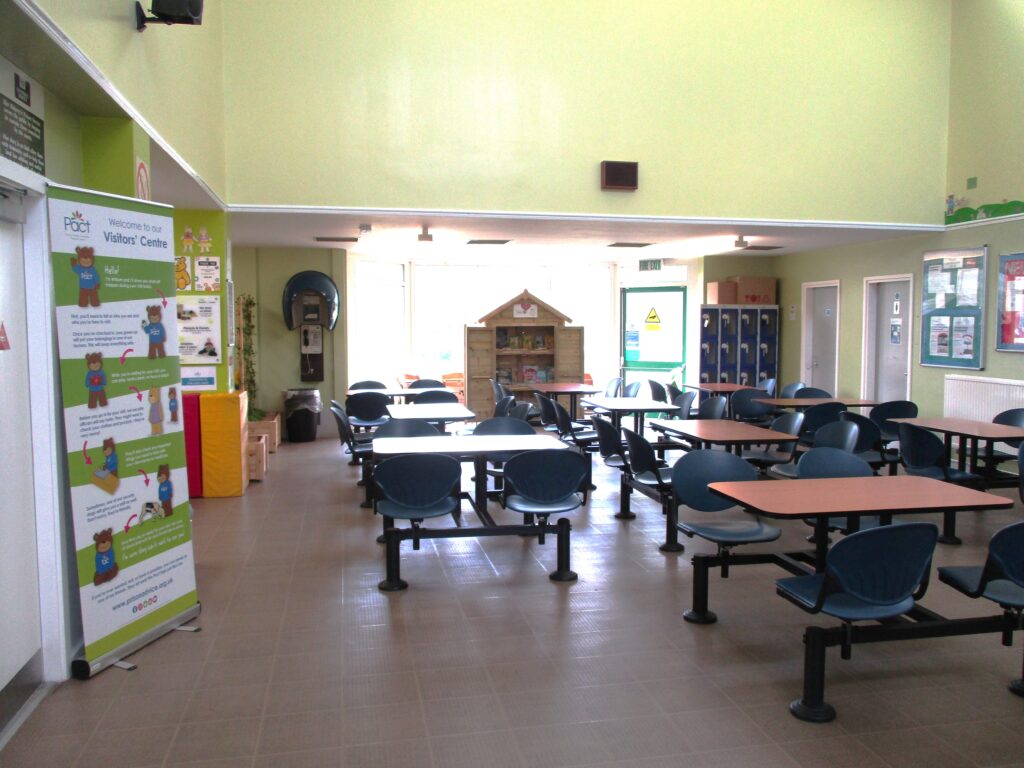

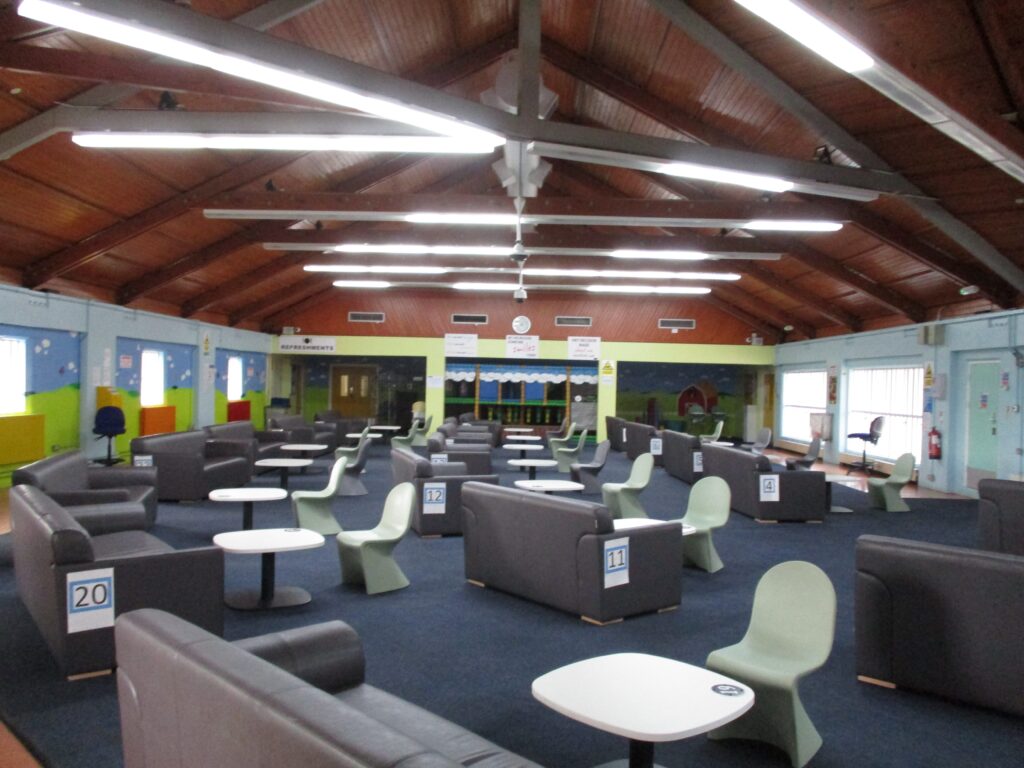
Visits facilities were good and included hot and cold refreshments, cheerful murals and a large soft-furnished children’s play area.
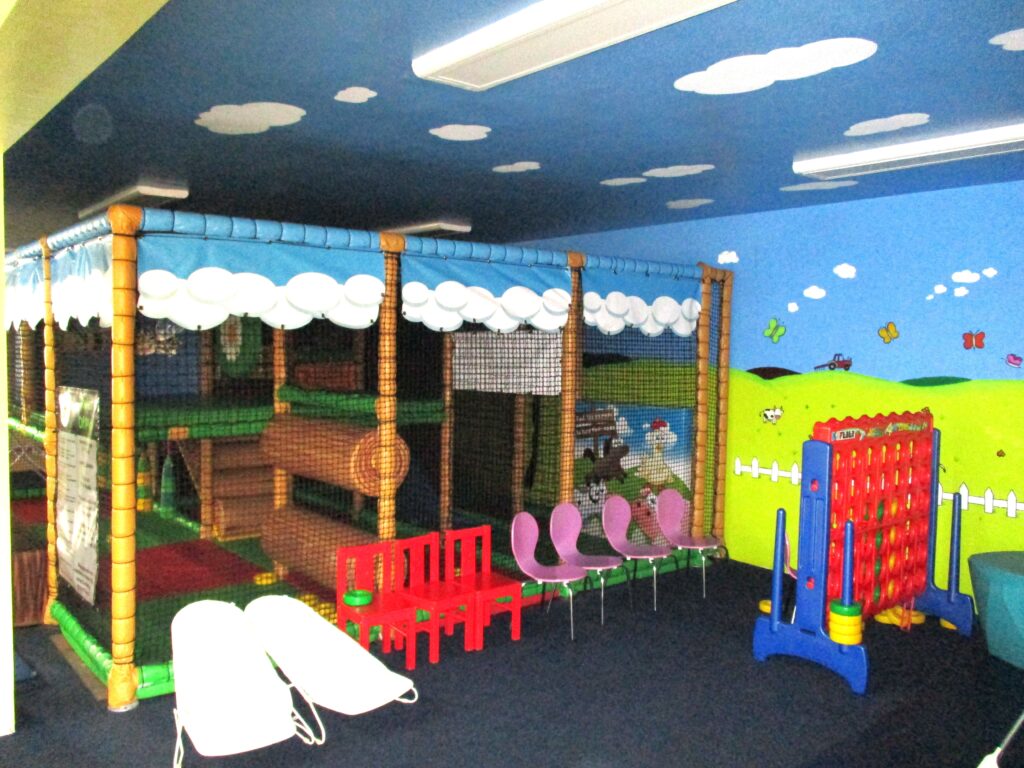
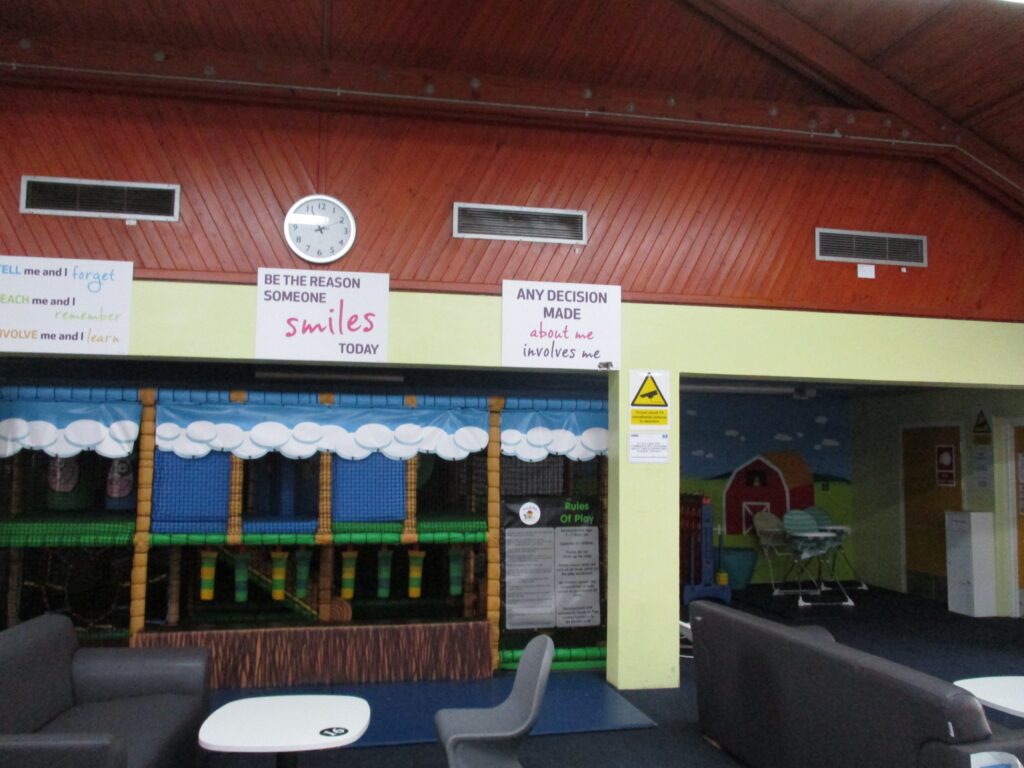
Secure social video calling (see Glossary) was not well promoted or used. In our survey, just 25% of prisoners reported using video calls in the previous month. Prison leaders had identified this shortfall, and had well-developed plans to improve uptake.
Reducing reoffending
Expected outcomes: Prisoners are helped to change behaviours that contribute to offending. Staff help prisoners to demonstrate their progress.
| Data provided by the prison | |
| Proportion of prisoners who were remanded or yet to be sentenced at the time of the inspection | 33% |
| Proportion of the population serving a sentence at the time of the inspection | 67% |
The newly-appointed head of reducing reoffending was leading work to refresh the population needs analysis and strategy, but it was too early to judge the outcomes for prisoners.
Rehabilitative work was undermined by poor time out cell, too few incentives to behave, and the lack of brief interventions and key work (see Glossary) to help prisoners think about their offending behaviour.
In our survey, only 44% of prisoners said their time at Brinsford had made them less likely to offend in the future.
How staff were supporting prisoners and managing risk
Offender management unit (OMU) delivery was constrained by fluctuating staffing, population flow pressures and ongoing policy changes, which had affected the team’s ability to carry out some of its core functions.
Prison offender manager (POM) and key worker contact with prisoners was inconsistent and far too often lacked the necessary focus and support to drive progression, and was a big source of frustration for many prisoners (see Staff-prisoner relationships).
POM contact was often delayed and largely task led. Prisoners we spoke to were unclear about their sentence or release plans. They did not view Brinsford as a prison that helped them progress. In our survey, only 39% of those who knew their sentence plan targets said they had staff support to achieve them.
Support for remand, unsentenced and short-sentenced prisoners was limited. There was no full-time bail information officer on site, and many of these prisoners only saw a POM for public protection reasons or other task-led matters.
Case administrators carried out public protection initial screenings promptly, and alerts were generally added quickly following prisoners’ arrival. However, there were some delays in POM completion of risk screening, and the management oversight of prisoners who potentially posed a risk to children was not robust.
Offence-related monitoring was generally well managed; there was no backlog of telephone calls waiting to be listened to, and risk-related concerns were usually identified and acted upon appropriately.
Opportunities for prisoners to progress
Although not a designated training prison, it was positive that Brinsford was delivering ‘Building Choices’ (see Glossary). Managers prioritised waiting lists sensibly and allocated prisoners to the programme based on risk and need. However, there was a lack of non-accredited interventions and structured one-to-one work with POMs to address prisoners offending-related attitudes, thinking and behaviour. The absence of the HMPPS ‘Choices and Changes’ resource pack for young adults identified as having low psychosocial maturity was a particular gap.
Most prisoners were transferred quickly to a more suitable prison soon after they were sentenced.
Returning to the community
Expected outcomes: Prisoners’ specific reintegration needs are met through good multi-agency working to maximise the likelihood of successful resettlement on release.
| Data provided by the prison | |
| Average number of releases each month (April 2025 – March 2026) | 65 |
| Proportion of the whole population who were assessed as high/very high risk of serious harm at the time of inspection | 45% |
Many prisoners who left Brinsford had not been there very long or were released outside of the West Midlands, which posed challenges to prompt and effective resettlement planning.
Interdepartmental risk management meetings did not provide sufficient or collaborative oversight to make sure risk management arrangements were in place for all eligible prisoners due for release.
Multi-agency public protection arrangements (MAPPA, see Glossary) levels and licence conditions were not always confirmed sufficiently far ahead of release, which jeopardised effective multi-agency release planning. The risk management plans in OASys (offender assessment system) assessments did not always indicate how risk would be managed in the community.
| HMIP prisoner survey | Yes | Compared with last inspection |
| If you expect to be released in the next three months, is anybody helping you to get ready for your release (like prison or community offender managers)? | 55% | No difference |
Prisoners’ practical resettlement needs were not always reliably identified or addressed. The pre-release team (PRT) was small and short of staff, and not all prisoners received their help.
The range of resettlement support had declined since our last inspection. For example, there were no longer routine monthly multi-agency pre-release meetings to make sure that prisoners’ outstanding needs were addressed or arrangements for the PRT to meet prisoners on the day of release.
Many prisoners we spoke to were anxious about their release. They did not feel fully prepared and were not always aware of what was being done to help them.
Sentenced prisoners could get help for their finance, benefit and debt needs.
Work to engage employers and prepare prisoners for employment on release was developing well. This included help to develop CVs, write disclosure letters, meet prospective employers and prepare for interviews. There were some examples of hoe this support had led to job offers on release for some prisoners.
In the last 12 months, about one third of prisoners had left to housing that was deemed unsustainable and 19 prisoners were released homeless. The outcomes for too many others were not recorded.
There had been recent improvements in the prison’s oversight of home detention curfew processes (early release tagging), but too many prisoners were released after their eligibility date.
Section 6: About HMP & YOI Brinsford (Back to top)
Category of the prison
Young Offender Institution and Cat C adult male prison.
Brief history
Brinsford opened as a young adult offender institution and remand centre in November 1991, on the same site as HMPs Featherstone and Oakwood.
The establishment’s role changed in 2016 to accommodate a mixed population of young adults and sentenced category C adults.
Population
505 prisoners were held at the time of the inspection. There was operational capacity for 577.
- 540 new prisoners received each year (around 45 per month).
- 62 current foreign national prisoners (12.27%).
- 48% of prisoners from black and minority ethnic backgrounds.
- Average of 65 prisoners released into the community each month.
- 53 prisoners currently receiving support for substance misuse.
- Average of 55 prisoners referred for mental health assessment each month.
Short description of residential units
Units 1-4 – residential living unit
Unit 5 – incentivised substance free living unit
Unit 6 – early days in custody unit
Care and separation (segregation) unit
Inpatient health care facility
Prison status (public/private)
Public
Key providers
Physical health provider: Practice Plus Group (PPG)
Mental health provider: Inclusion
Substance misuse treatment provider: Inclusion
Dental health provider: J Hear and Partners
Prison education framework provider: Novus
Escort contractor: GEOAmey
Prison group director
Mark Greenhaf, West Midlands
Name of governor/director and date in post
Darren Hudson, June 2025
Changes of governor/director since the last inspection
Amanda Hughes, June 2020 – June 2025
Independent Monitoring Board Chair
Frances Ridge
Date of last inspection
June 2023
Progress on concerns from the last inspection (Back to top)
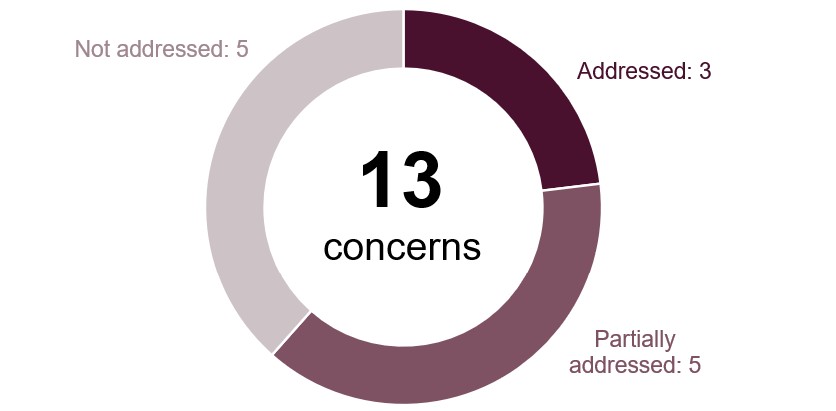
At our last inspection in 2023 we raised 13 concerns, six of which were about areas of priority concern.
At this inspection we found the following progress:
The following is a list of all the concerns raised, organised under the four tests of a healthy prison.
Safety
Priority concerns
Levels of violence were too high.
Not addressed
Governance, oversight and practice of the use of force continued to be very poor.
Not addressed
Key concern
Prisoners’ experience during their early days required improvement.
Addressed
Respect
Priority concerns
Leaders had not done enough to address the negative attitude of a significant minority of staff and some managers, which was hampering progress in many parts of the jail.
Addressed
Leaders had not set a high enough standard for living conditions. Communal areas had been neglected, and prisoners lived in austere conditions and struggled to get access to basic supplies. This was particularly unwelcoming for new arrivals who were met with messy and indecent cells.
Partially addressed
Key concerns
Patients lacked consistent access to clinical services, which meant they were not being assessed in a timely manner.
Not addressed
Patients did not receive their medication in line with national standards or in such a way that the optimum therapeutic effect was achieved.
Addressed
Patients experienced long delays before they were transferred to a mental health hospital, preventing them from having prompt access to specialist care.
Not addressed
Purposeful activity
Priority concerns
Leaders were not providing enough full-time activity spaces for prisoners, and too many were stuck in their cells with nothing to do.
Partially addressed
Prisoners’ attendance rates at education, skills and work were too low, and had not improved over time. Too few prisoners had positive attitudes towards education and work.
Partially addressed
Key concerns
Too few prisoners developed the mathematical and English knowledge that they needed for their future careers. The prison’s reading strategy had had little impact on the many prisoners with low levels of reading ability.
Partially addressed
Teachers did not plan the content of their curriculums well enough. In too many cases they did not consider the knowledge, skills or attitudes that prisoners most needed.
Partially addressed
Preparation for release (formerly Rehabilitation and release planning)
Key concern
Public protection arrangements to prepare for the release of prisoners who presented a risk to others were not sufficient
Not addressed
More about this report (Back to top)
This report outlines the priority and key concerns from the inspection and our judgements against the four healthy prison tests. Each of the following four sections contains a detailed account of our findings against our Expectations for men’s prisons.
Find out more about our Expectations and how we inspect
Find out more about priority and key concerns
Find out about notable positive practice
Findings from the survey of prisoners and a detailed description of the survey methodology are published alongside this report. Please note that we only refer to comparisons with other comparable establishments or previous inspections when these are statistically significant. The significance level is set at 0.01, which means that there is only a 1% chance that the difference in results is due to chance.
The tables in this report which provide data from HMI Prisons prisoner surveys also include comparisons with similar prisons.
| Description | What it means |
| Lower | the prison’s percentage is statistically significantly lower than the comparator: prisons with the same function type, or at the last inspection |
| Higher | the prison’s percentage is statistically significantly higher than the comparator: prisons with the same function type, or at the last inspection |
| No difference | the prison’s percentage is not statistically significantly different to the comparator: prisons with the same function type, or at the last inspection |
Inspection team
This inspection was carried out by:
Martin Lomas, Deputy Chief inspector
Sara Pennington, Team leader
Sumayyah Hassam, Inspector
Harriet Leaver, Inspector
Jade Richards, Inspector
Dionne Walker, Inspector
Rick Wright, Inspector
John Wharton, Inspector
Emma Crook, Researcher
Tareek Deacon, Researcher
Phoebe Dobson, Researcher
Helen Ranns, Researcher
Steve Eley, Lead health and social care inspector
Simon Newman, Health and social care inspector
Matthew Tedstone, Care Quality Commission inspector
Nick Crombie, Lead Ofsted inspector
Matt Hann, Ofsted inspector
Daryl Jones, Ofsted inspector
Andrew Thompson, Ofsted inspector
Find out more about the terms and abbreviations used in this report in our glossary.
Easy read summary and press notice (Back to top)
Survey materials and Ofsted full report (Back to top)
The following files may not be suitable for users of assistive technology.
Request an accessible format
If you use assistive technology (such as a screen reader) and need a version of any of these documents in a more accessible format, please email media@hmiprisons.gov.uk. Please tell us what format you need. It will help us if you say what assistive technology you use.