
HMP Winchester
Report on an announced inspection of HMP Winchester by HM Chief Inspector of Prisons 9–19 February 2026.
Introduction (Back to top)
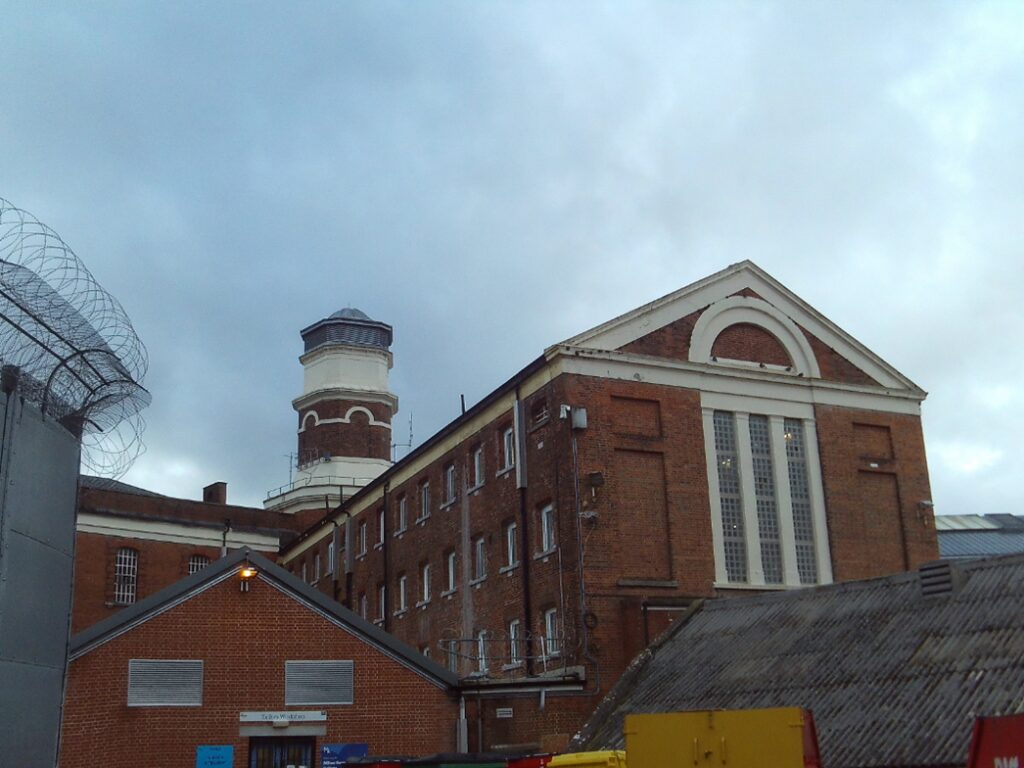
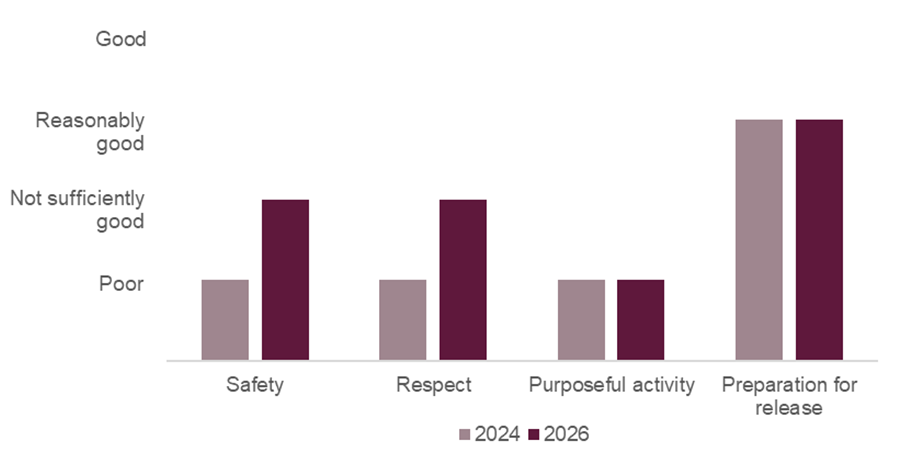
The challenges at Winchester prison are well known: a deteriorating and overcrowded Victorian site, a transient population with complex needs, staff shortages and a history of instability across key functions. In 2024 these factors, as well as the lack of leadership grip we observed, had caused me to issue an Urgent Notification for what was then a prison in crisis. At the time we assessed outcomes as poor in three of our healthy prison tests, and only in preparation for release were outcomes judged to be reasonably good. At this follow up, announced inspection we have been encouraged by the progress leaders had made to stabilise the prison. However, many of the weaknesses we described previously persisted and outcomes remained poor in purposeful activity and insufficient in safety and respect.
The rate of violence at Winchester continues to be among the highest for comparable prisons; a persistent problem fuelled by the widespread availability of drugs, debt and bullying as well as the frustrations of daily life in an overcrowded, ageing jail. Although leaders had strengthened their oversight and were developing strategies to address these failings, this had not yet led to sufficient or sustained improvement. The smell of drugs on the wings, for example, was pervasive, and more than half of prisoners surveyed said that drugs were easy to obtain. Levels of self-harm were also high, although they had begun to fall. Staff supporting the safety function were committed, but too often cross‑deployed, which limited their ability to sustain interventions.
Too many prisoners spent long periods locked in their cells. On the main site, a third of men were locked up during the working day, and nearly half were not allocated to any activity. Even on the category C units, where prisoners should have had greater opportunities, less than half were regularly engaged in purposeful activity. Libraries were poorly stocked and underused, association was limited and frequently cancelled, and most prisoners told us they were bored. Ofsted judged the prison’s education, skills and work provision to be inadequate across almost every measure.
Living conditions still needed urgent attention. Despite the efforts of the dedicated ‘clean and decent’ lead and prisoner maintenance teams, the fabric of the prison was still run down, with leaks, damp, graffiti and crowded cells a daily reality for many. Conditions on the Westhill unit were particularly poor.
The prison does, however, have some strengths. Leadership had improved since the last inspection, with a new and experienced governor having a realistic understanding of the difficulties ahead and already evidencing the strong leadership the prison needs. The offender management unit continued to provide a useful service, with motivated staff who knew their prisoners well. Support for maintaining family ties was good and health services had improved significantly, with effective clinical leadership, better partnership working and more reliable access to care. Mental health provision had strengthened.
Winchester remains a very busy reception and resettlement prison, receiving large numbers of new arrivals each week. The high turnover presents inherent complications, which makes effective early day’s processes, purposeful activity and timely preparation for release vital. Substantial investment, however, is still required to bring the establishment up to an acceptable standard. Leaders, with continued support from HMPPS, must now build on recent progress with increasing urgency.
Charlie Taylor, HM Chief Inspector of Prisons, March 2026
Outcomes for prisoners (Back to top)
We assess outcomes for prisoners against four healthy prison tests: safety, respect, purposeful activity, and preparation for release (see More about this report for more information about the tests). We also include a commentary on leadership in the prison (see Section 1).
At this inspection of HMP Winchester, we found that outcomes for prisoners were:
- Not sufficiently good for safety
- Not sufficiently good for respect
- Poor for purposeful activity
- Reasonably good for preparation for release.
We last inspected HMP Winchester in 2024. Figure 1 shows how outcomes for prisoners have changed since the last inspection.
Figure 1: HMP Winchester healthy prison outcomes 2024 and 2026
What needs to improve (Back to top)
During this inspection we identified 13 key concerns, of which six should be treated as priorities. Priority concerns are those that are most important to improving outcomes for prisoners. They require immediate attention by leaders and managers.
| Priority concerns | |
| 1. | The prison’s infrastructure was in poor condition. The main wings, Westhill and the inpatient unit, for example, needed major refurbishment. |
| 2. | Levels of violence between prisoners were high, and on an upward trend. High levels of drug availability, debt, bullying and limited access to purposeful activity continued to undermine prisoners’ motivation to behave well. |
| 3. | The availability and use of illicit drugs threatened the safety, stability and security of the prison. A large proportion of prisoners were testing positive for illicit drugs. |
| 4. | Levels of self-harm were among the highest of similar prisons. |
| 5. | Too many prisoners spent long periods locked in their cell. |
| 6. | Leaders had not secured sufficient activity spaces, or made sure that the allocations process operated as an effective route into purposeful activity. This resulted in too many prisoners being unemployed, waiting too long for induction, or allocated to activities that did not reflect their starting points or career intentions. |
| Key concerns | |
| 7. | Relationships between staff and prisoners were not good enough. Low-level poor behaviour was not challenged, and key work delivery was lacking. |
| 8. | Many areas of the prison were dirty and had been neglected. Leaders had failed to enforce basic standards. |
| 9. | Leaders had not developed a curriculum that met the needs of a reception population. Despite introducing some new courses, the overall offer remained too limited to support prisoners’ personal, academic or professional development effectively. |
| 10. | Careers guidance was not timely or sufficiently personalised, with too many prisoners allocated to activities without prior guidance and leaving custody without a CV or record of their achievements. |
| 11. | Personal development opportunities did not reach enough prisoners to make a sustained difference to their wider skills and rehabilitation. |
| 12. | There were gaps in the monitoring of phone calls and mail that was needed to protect members of the public. |
| 13. | Too many prisoners were released homeless. |
Notable positive practice (Back to top)
We define notable positive practice as evidence of our expectations being met to deliver particularly good outcomes for prisoners, and/or particularly original or creative approaches to problem solving. Inspectors found two examples of notable positive practice during this inspection, which other prisons may be able to learn from or replicate.
| 1. | Spurgeons provided some very good support for prisoners to maintain family ties, including the ‘Behind the Walls, Beyond the Gate’ service, which provided further support in the community following release. (See Children and families and contact with the outside world) |
| 2. | A senior probation officer managed the pre-release team alongside leadership of the OMU, which strengthened cohesive working and communication about prisoners’ risks and resettlement needs. (See Reducing reoffending) |
Unless otherwise specified, these examples are not formally evaluated, are a snapshot in time and may not be suitable for other establishments. They show some of the ways our expectations might be met, but are by no means the only way.
Section 1: Leadership (Back to top)
Leaders provide the direction, encouragement and resources to enable good outcomes for prisoners.
At the previous inspection, poor outcomes led the Chief Inspector of Prisons to issue an Urgent Notification. Since then, leadership had improved. The deputy governor provided competent leadership for several months and an experienced governor was recently appointed. He had made an accurate assessment of the challenges facing the prison and of the progress that had been made since the last inspection.
Leaders generally made good use of data to inform strategies and action plans and were working to improve assurance and oversight. The regional team had provided useful support to the safety and equality functions.
However, the senior leadership team’s capability needed strengthening to sustain and drive further improvements. To help motivate staff, senior leaders needed to be more visible and establish and maintain more robust basic standards. Although a dedicated ‘clean and decent’ lead and a prisoner maintenance team had driven improvements in basic cell conditions, the environment was still run down and neglected.
Training had been delivered to develop the skills of custodial managers and there were advanced plans to fill posts with those now formally accredited for the role. While the prison had mostly recruited its quota of officers, too many were unavailable for operational duties, and sickness absence was high.
While leaders had identified the key drivers of self-harm and violence, and had taken some action to address these, the impact on safety outcomes had so far been limited.
Although leaders had initiated steps to reduce the supply and demand of illicit substances that included new collaborative working, widespread drug use remained a threat to safety and security.
Leaders had not prioritised purposeful activity; too many prisoners were locked up during the working day and not enough were allocated to education, training or work.
The offender management unit (OMU) benefited from strong, experienced and capable leadership. A senior probation officer also managed the pre-release team, which strengthened cohesive working.
Leaders had not yet developed a meaningful purpose for the category C site.
Health services at the prison were much improved through strong leadership, better partnership working and successful recruitment.
Although there had been some funding from HM Prison and Probation Service (HMPPS) – for example, to repair leaking roofs, refurbish showers and replace flooring – the prison remained dilapidated, and substantial investment was still urgently needed to fix failing infrastructure.
Section 2: Safety (Back to top)
Prisoners, particularly the most vulnerable, are held safely.
Early days in custody
Expected outcomes: Prisoners transferring to and from the prison are safe and treated decently. On arrival prisoners are safe and treated with respect. Risks are identified and addressed at reception. Prisoners are supported on their first night. Induction is comprehensive.
| HMIP prisoner survey | Yes | Compared with the last inspection |
| In your first few days here, did you get these things: PIN phone credit? | 60% | Higher |
Reception remained busy, and frequent late arrivals placed pressure on staff and prisoners. However, interviews to assess new arrivals’ safety still took place before they were locked up on their first night. Although risk identification had improved, these interviews were not conducted with sufficient privacy.
Reception staff were polite and friendly, but the building was in poor condition, with a leaking roof. In our survey, only 11% of prisoners said that they had been offered a shower on their first night, which was fewer than in similar prisons.
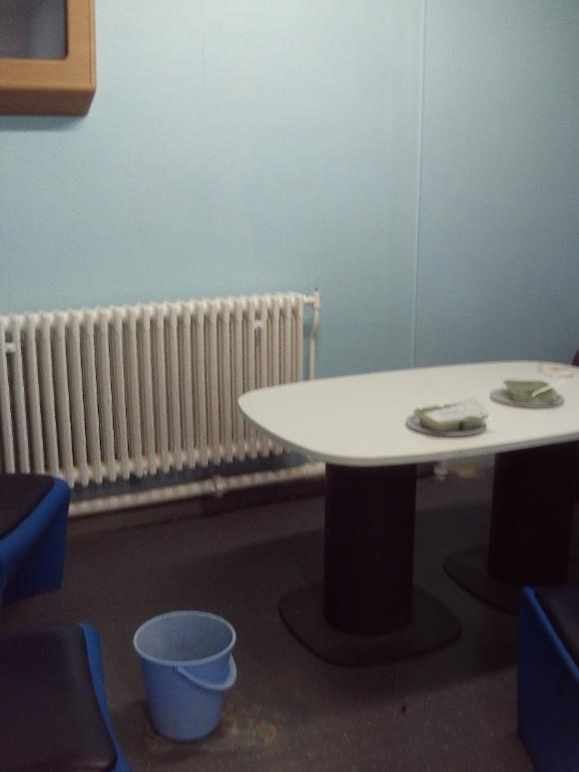
Cells on the induction unit were generally clean and well equipped, but many did not have curtains. Prisoners spoke positively about staff on the unit, although we were not confident that cells were always checked, to make sure that new prisoners had everything they were entitled to before being locked up.
Peer workers in reception and on the induction unit were knowledgeable and supportive. Prisoners received a thorough induction shortly after arriving. Although leaders provided good assurance of initial induction processes, oversight of the wider programme from other departments was limited. Some prisoners, for example, waited a long time for their education induction (see Education, skills and work activities).

New arrivals could telephone their friends and family, and the initial offer of goods from the prison shop had improved. A ‘tuck shop’ allowed them to buy further items before their first full order, reducing their risk of falling into debt.
Promoting positive behaviour
Expected outcomes: Prisoners live in a safe, well ordered and motivational environment where their positive behaviour is promoted and rewarded. Unacceptable conduct is dealt with in an objective, fair, proportionate and consistent manner.
Encouraging positive behaviour
| Data provided by the prison | |
| Rate of assaults on prisoners per 1,000 prisoners 12 months prior to the inspection | 415 |
| Rate of assaults on staff per 1,000 prisoners 12 months prior to the inspection | 196 |
The levels of violence between prisoners had increased and remained high, and in our survey 60% of respondents said that they had felt unsafe at the prison. Numbers of assaults and serious assaults on prisoners were among the highest in reception prisons. Assaults on staff had decreased, but remained higher than in most comparable prisons.
High levels of drug availability, debt and bullying, and limited access to purposeful activity undermined prisoners’ motivation to behave well. Leaders had a clear understanding of the drivers of violence and had strengthened oversight through the introduction of updated violence reduction and debt strategies, but these had not yet delivered consistent improvements in safety.
Safety staff were proactive and enthusiastic, but too often cross-deployed (see Suicide and self-harm prevention), which limited their efforts. In our survey, only 16% of respondents said that the culture in the prison motivated them to behave well. The incentivised substance-free living (ISFL) unit (see Glossary), which had been open for almost 12 months, was not yet functioning effectively (see also Health, well-being and social care).
However, a number of changes had been introduced to motivate positive behaviour. Following consultation with prisoners, the incentives scheme had been updated to include more privileges for those on the enhanced level, with an increased ‘ready for work’ payment, extra time out of cell in the evening and the opportunity to receive additional funds from private accounts.
The number of referrals for challenge, support and intervention plans (CSIPs; see Glossary) to manage identified risks had increased, but plans were often generic and reviews were not multidisciplinary. Not all violent incidents were investigated consistently.
The few prisoners self-isolating because of fears for their safety did not always receive daily support from staff and experienced limited time out of their cell.
Adjudications were managed effectively and were timely, except where a case had been referred to the police. Quality assurance was provided by the deputy governor. However, we identified that not all positive mandatory drug tests were being referred for adjudication.
Use of force
| Data provided by the prison | |
| Annual rate of use of force incidents per 1,000 prisoners 12 months prior to the inspection | 1,521 |
Use of force by staff was higher than in similar prisons, but had reduced by around 11% since the last inspection. Batons and PAVA (see Glossary) were rarely used.
| Data provided by the prison | |
| Percentage of use of force incidents where body-worn video camera footage was available 12 months prior to the inspection | 87% |
Most of the force used was low level, and there was good evidence of de-escalation by staff in the camera footage we viewed. Overall, the scrutiny of incidents had improved; learning was shared and any disproportionate use of force was challenged. However, scrutiny of PAVA was still not sufficiently robust.
| Data provided by the prison | |
| Uses of designated special accommodation 12 months prior to the inspection | 25 |
Since the previous inspection, the use of unfurnished accommodation had reduced, and the designated cell had been used only three times. Authorisation was completed in each case and prisoners were moved from this cell at the earliest opportunity.
The use of ‘special’ accommodation elsewhere in the prison (where furniture is removed or the water turned off because of prisoners causing flooding) was well documented. Authorisations were fully justified and safeguards put in place, such as additional observations and health care support.
Segregation
We saw good day-to-day care being provided to some prisoners with challenging behaviour. In our survey, 65% of respondents who had been segregated in the previous six months reported good treatment by staff.
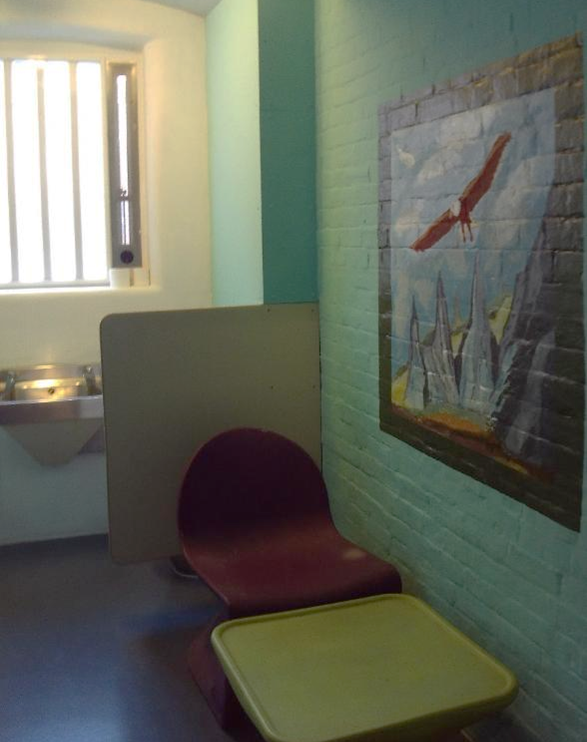
The segregation unit was clean and free of graffiti, but cell conditions were basic. The exercise yard was in poor condition, but some artworks were displayed. Plans for the building of a new unit were at an advanced stage.
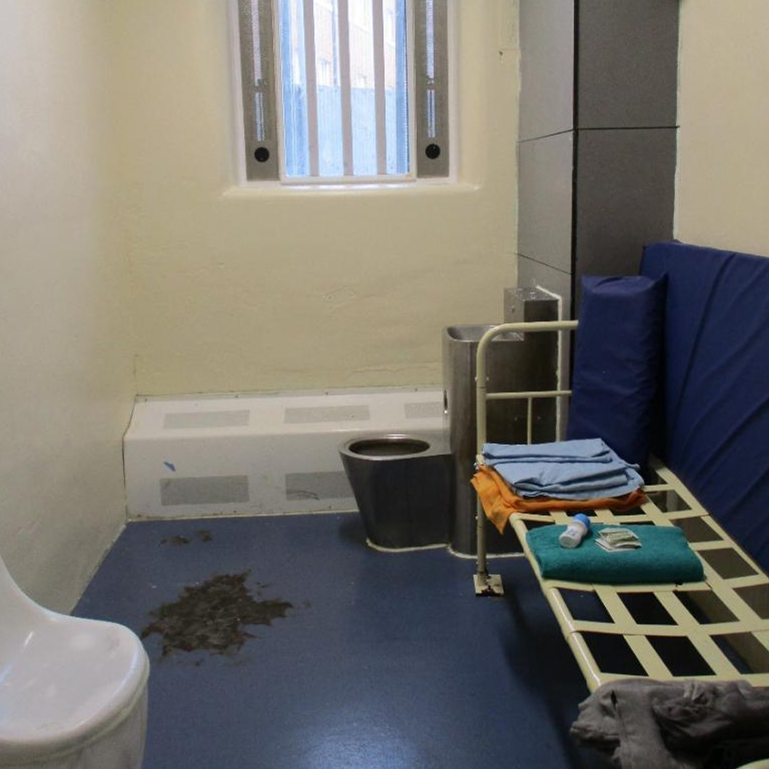
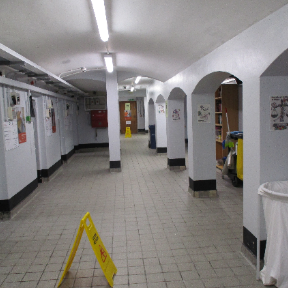
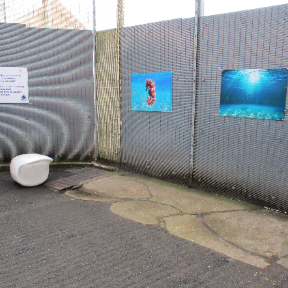
The daily regime on the unit was limited to 30 minutes’ exercise and access to a telephone and shower. A selection of books was available and the library provided a delivery service on request.
Most prisoners were segregated for short periods and leaders maintained good oversight of the few who stayed longer. The majority returned to their wings, but reintegration plans were generic and did not always address underlying reasons for segregation.
Meetings to monitor the use of segregation were regular, well attended and made good use of data.
Security
Expected outcomes: Security and good order are maintained through an attention to physical and procedural matters, including effective security intelligence and positive staff-prisoner relationships. Prisoners are safe from exposure to substance misuse and effective drug supply reduction measures are in place.
| HMIP prisoner survey | Yes | Compared with similar prisons |
| In this prison, is it easy/very easy to get illicit drugs? | 51% | Higher |
| Data provided by the prison | |
| Average rate of positive results following a random mandatory drug test in the 12 months to December 2025 | 31% |
The supply of drugs and other illicit items remained a serious threat to the prison’s safety, stability and security. Drug use was widespread and the mandatory drug testing positive rate was higher than in most other reception prisons but had fallen from a high of 45% in January 2025.
Cannabis and psychoactive substances were the most commonly identified agents, and during the inspection the smell of drugs on the main wings was overpowering. Little suspicion testing was taking place, and not all requested tests and targeted cell searches were completed.
There were ongoing physical security weaknesses, particularly concerning gaps in closed-circuit television camera coverage. Drones and throwovers were frequently used routes for ingress for illicit items, including drugs and telephones. Replacement of window grilles on one wing, which had been identified as a hotspot, had been completed and drone sightings had reduced over recent months.
Although the updated drug strategy was not yet embedded, monthly drug strategy meetings were well attended, multidisciplinary and raised appropriate actions. Leaders had taken additional steps to disrupt the supply of drugs, including good collaboration with Hampshire Police, the South East Regional Prison Intelligence Team and the National Counter-Drone Task Force.
Additional support for searching had been provided by the regional dedicated search team, which had increased the quantity of finds. The number of drug, telephone, weapon and alcohol finds had all risen since the previous inspection.
Intelligence management had improved and there was no backlog of intelligence reports. Urgent information was responded to swiftly.
Counter-terrorism work was well organised, with good multidisciplinary cooperation. A police liaison officer worked in the prison full time, to help prevent and detect crime.
Safeguarding
Expected outcomes: The prison provides a safe environment which reduces the risk of self-harm and suicide. Prisoners at risk of self-harm or suicide are identified and given appropriate care and support. All vulnerable adults are identified, protected from harm and neglect and receive effective care and support.
Suicide and self-harm prevention
| Data provided by the prison | |
| Rate of incidents of self-harm per 1,000 prisoners 12 months prior to the inspection | 1,062 |
Levels of recorded self-harm were high, and among the highest for similar prisons, although it had fallen by around 17% since the previous inspection and was on a downward trend.
Since the last inspection, the Prisons and Probation Ombudsman (PPO) had classified two deaths as self-inflicted, and one was waiting for classification. Leaders were addressing recommendations made by the PPO and kept them under regular review.
Leaders had identified the key drivers of self-harm, which included debt, poor time out of cell and frustration with difficulties in getting things done. Some positive steps had been taken to address these, such as tackling debt for new arrivals (see Early days in custody) and improving the process for adding numbers to prisoners’ PIN telephones.
Progress was hindered by the regular redeployment of safety officers, which had an impact on the advice and support they could provide to staff. There were few interventions available to support individuals in crisis.
A large number of prisoners were supported through assessment, care in custody and teamwork (ACCT) case management for those at risk of suicide or self-harm. These individuals generally recognised staff’s efforts to help them, but some expressed frustration at difficulties in getting their issues resolved. We found very few involved in regular purposeful activity, which meant that many would spend long periods bored and locked in their cells.
ACCT case management was inconsistent. Reviews with prisoners were generally thorough and attended by a mental health professional, but too often actions identified to provide support did not reflect these conversations.
The weekly safety intervention meeting (SIM) was multidisciplinary and we saw some examples of good care being provided to complex individuals in crisis. However, discussion about most prisoners supported through the ACCT process was limited.
Few incidents of serious self-harm had been investigated in the previous year, which was a gap.
The prison had 17 Listeners (see Glossary), who were well supported by the local Samaritans and prison staff. Access to them was good, although staffing issues during the night sometimes meant that Listener visits were not facilitated.
Protection of adults at risk
The prison had good links with the local adult safeguarding board, and we saw examples of vulnerable prisoners being referred to the SIM and local authority.
Staff in reception were alert to potential modern slavery victims, and residential staff had a reasonable understanding of what they needed to do if they thought a prisoner was vulnerable.
Section 3: Respect (Back to top)
Prisoners are treated with respect for their human dignity.
Staff/prisoner relationships
Expected outcomes: Prisoners are treated with respect by staff throughout their time in custody and are encouraged to take responsibility for their own actions and decisions.
In our survey, 73% of respondents said that staff treated them with respect. We observed some positive interactions, particularly on the induction wing and the neurodiversity landing, where the staff-to-prisoner ratio was higher (see also Fair treatment and inclusion). However, while polite, relationships were often transactional. This was compounded by the near absence of key work (see Glossary), which would have provided staff with opportunities to engage more meaningfully.
Positively, officers were visible and often present on landings during association. However, we observed a lack of challenge of low-level poor behaviour – for example, the widespread vaping in communal spaces.
There were several ‘red band’ prisoners (see Glossary), but other peer roles were underdeveloped (see also Fair treatment and inclusion, and Health, well-being and social care).
Daily life
Expected outcomes: Prisoners live in a clean and decent environment and are aware of the rules and routines of the prison. They are provided with essential basic services, are consulted regularly and can apply for additional services and assistance. The complaints and redress processes are efficient and fair.
Living conditions
| Data provided by the prison | |
| Proportion of prisoners living in crowded conditions 12 months prior to the inspection | 53% |
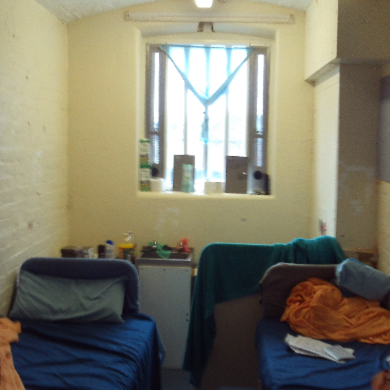
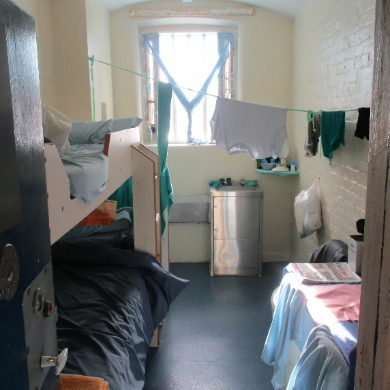
Despite some investment, the prison remained largely dilapidated, and living conditions were undermined by the ageing fabric of the site.
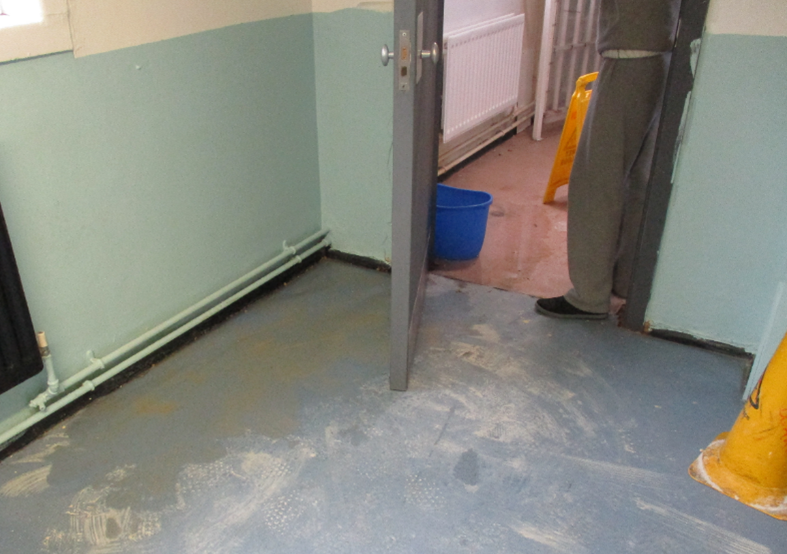
Over half of prisoners lived in crowded and cramped conditions, sharing cells designed for one.
Since the previous inspection, a dedicated ‘clean and decent’ lead and the ‘SWIFT’ (Small Winchester Improvement and Fixing Team) prisoner maintenance work party had delivered some improvements, most notably to the cellular accommodation. Most cells were now reasonably equipped.
In our survey, 63% of respondents said that they could access clean bedding weekly, which was better than at the time of the previous inspection, and there was a regular kit exchange. Broken in-cell telephones were now repaired more efficiently. However, we still identified some maintenance issues that were not being reported by staff.
| HMIP prisoner survey | Yes | Compared with similar prisons |
| Normally, are these communal areas of your wing or houseblock very/quite clean: landings and stairs? | 63% | Lower |
| Normally, are these communal areas of your wing or houseblock very/quite clean: association areas? | 66% | Lower |
Outdoor areas, although bleak, were tidy and free of litter during the inspection. However, many indoor communal areas had been neglected and inadequately cleaned. Areas such as showers and cleaning cupboards had been poorly maintained, and we were not confident that wing workers were completing their tasks to a decent standard.
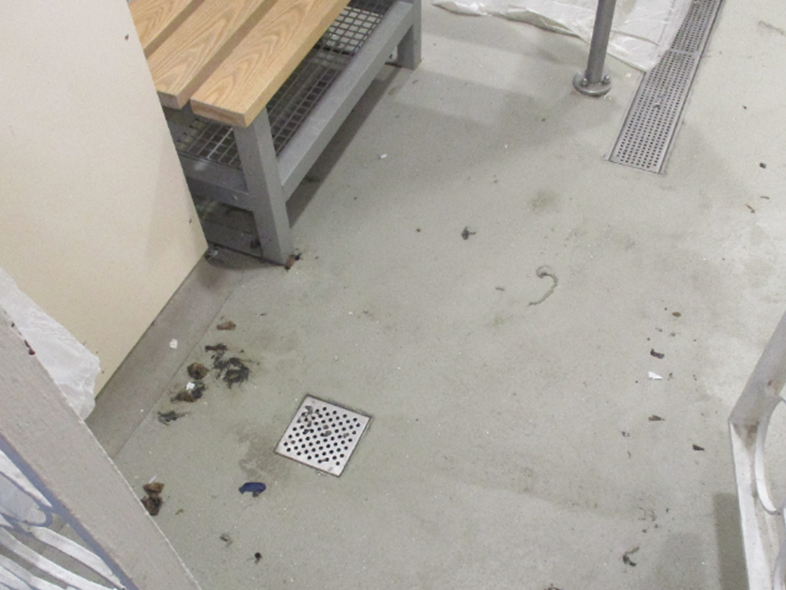
Conditions on Westhill were particularly poor, and made worse by the low standards of cleanliness. However, leaders had secured funding to refurbish the communal toilets and showers, with work under way.
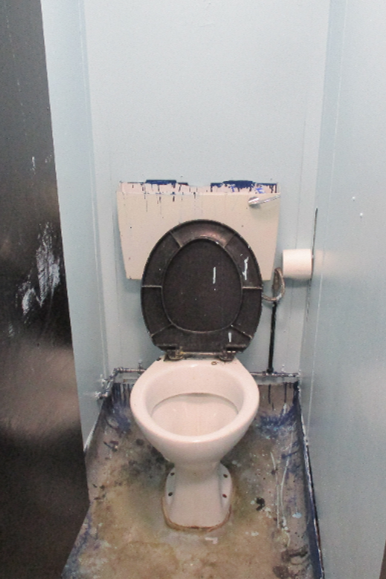
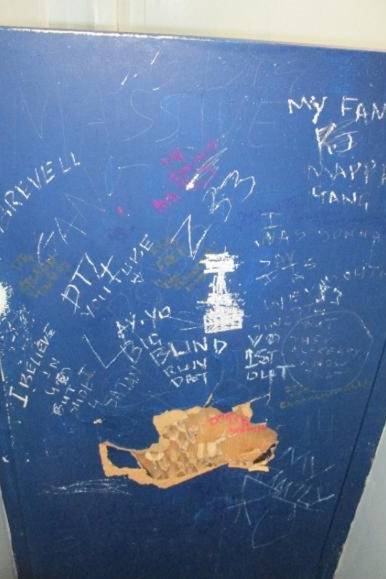
Leaders had undertaken environmental audits on flooring and cells. Some floors had been patch-repaired, and funding had been secured to replace flooring on C wing.
Leaders had introduced regular management checks of cell conditions, but these had not yet set standards that were high enough.
Residential services
In our survey, just a third of respondents said that the quality of the food served was very/quite good and only a quarter said that they had enough to eat. Meal services were not always well supervised; food was sometimes served too early and we observed improper arrangements in the handling of halal food. Most prisoners could not dine out of their cell, which was poor, especially for those sharing cramped cells and eating beside their toilet.
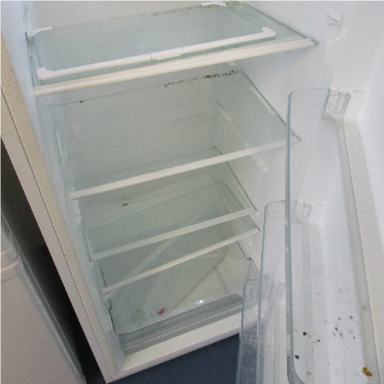
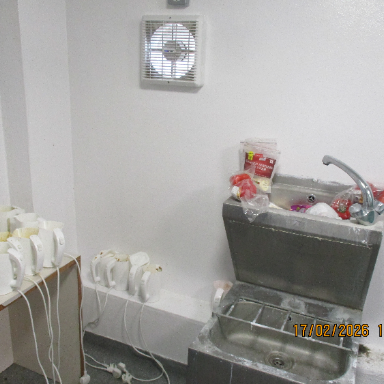
Self-catering facilities were too limited. A small range of equipment was available on Westhill and the Hearn, but we found mould in refrigerators on Westhill and food being stored inappropriately.
In our survey, two-thirds of respondents said that the prison shop sold the items they needed, which was better than elsewhere.
Prisoner consultation, applications and redress
Prisoners found it easy to submit an application through the prisoner information desk peer worker based on each wing. However, applications were not tracked, which meant that some went unanswered. There was no quality assurance of responses, and prisoners did not always receive timely or adequate replies.
Complaints were well managed. In the sample we viewed, responses were polite and addressed the concerns raised.
Consultation had improved. The prisoner council continued to meet and there were now regular wing forums. Prisoners told us about changes as a result of these forums.
| HMIP prisoner survey | Yes | Compared with the last inspection |
| For those who need it, is it easy to attend legal visits? | 50% | Higher |
At the time of the inspection, there was a three-week wait for the next available legal visit slot, which was too long.
Fair treatment and inclusion
Expected outcomes: There is a clear approach to promoting equality of opportunity, eliminating unlawful discrimination and fostering good relationships. The distinct needs of prisoners with particular protected characteristics (see Glossary) or those who may be at risk of discrimination or unequal treatment, are recognised and addressed. Prisoners are able to practise their religion. The chaplaincy plays a full part in prison life and contributes to prisoners’ overall care, support and rehabilitation.
Work to promote fair treatment and inclusion had improved. There were now monthly meetings that looked at a broad range of data to help identify areas of potential disproportionate treatment.
Regular consultation with different groups of prisoners was helping leaders understand their perceptions and experiences.
Discrimination complaints had increased from 16 in the 12 months before the last inspection to 88 in the past year. Investigations were thorough and, in all cases that we reviewed, the prisoners involved had been interviewed. Quality assurance was robust and we saw evidence of reports being returned for further investigation when leaders were not satisfied.
In our survey, 52% of respondents said that they considered themselves to be neurodivergent, but only 21% said that they were getting the support they needed. A neurodiversity support manager saw prisoners on reception and drew up one-page profiles for those with the greatest need, but staff we spoke to had little awareness of these plans. Prisoners on the dedicated neurodiversity landing said that they valued the increased contact with staff (see also Staff–prisoner relationships), but little extra support was available.
Around 14% of respondents to our survey identified as foreign nationals. A dedicated member of staff provided effective liaison with the Home Office immigration department and kept prisoners informed about their cases. Access to some independent advocacy was also available.
Prisoners with physical disabilities, particularly wheelchair users, faced difficulties in accessing key areas of the prison, including the education department and workshops. Peer workers provided support, but there were too few to meet demand (see also Staff–prisoner relationships and Health, well-being and social care).
Following a recent consultation summit with younger prisoners, leaders had a better understanding of their needs, but we were yet to see any tangible results from this work.
Faith and religion
Pastoral care was strong. The chaplaincy engaged with many prisoners through one-to-one sessions, faith-based groups and broader well-being activities, including music and yoga. Chaplains also met prisoners ahead of their planned release, and individuals we spoke to were positive about this support.
Health, well-being and social care
Expected outcomes: Patients are cared for by services that assess and meet their health, social care and substance use needs and promote continuity of care on release. The standard of provision is similar to that which patients could expect to receive elsewhere in the community.
Although the inspection of health services is usually jointly undertaken by the Care Quality Commission (CQC) and HM Inspectorate of Prisons under a memorandum of understanding agreement between the agencies, CQC was unable to attend the site during this inspection.
Strategy, clinical governance and partnerships
In our survey, 41% of respondents said that the overall quality of health services was very/quite good. We found that the quality and accessibility of health services had improved since the previous inspection.
Practice Plus Group Health and Rehabilitation Services Limited (PPG) remained the health services provider, with Time for Teeth delivering dental services, and Hampshire County Council was the local authority. NHS England monitored the contract through meetings and quality visits, and a full health needs analysis was planned ahead of the 2027 contract retender.
The health partnership board had not focused sufficiently on long-term strategy, and there was no meaningful plan to address the poor condition of some facilities. However, local partnership working had improved in the previous six months, leading to better performance on several operational issues, including appointment attendance.
New health services leadership was a clear strength. Leaders demonstrated strong oversight, with robust governance arrangements covering risk, incidents and safeguarding. A proactive approach to quality improvement and patient consultation was evident.
Recruitment had improved, and supervision, training and appraisal compliance were good. The confidential complaints system operated effectively.
SystmOne (the electronic clinical record) was used across services, and record-keeping standards were good.
Emergency equipment and medicines were maintained properly and checked daily.
Promoting health and well-being
Events to support prisoners to improve their health and well-being were delivered often, by an enthusiastic patient engagement lead. A wide variety of information on common medical conditions was accessible on the wings, to encourage self-care and education.
The public health nurse made sure that disease outbreak plans were in place. Health screening, vaccinations and disease prevention programmes were offered during prisoners’ early days at the establishment. The team was responsive to community outbreak risks, such as measles, and contacted unvaccinated patients.
Leaders were aware of deficits in training levels within their team for sexual health screening, but training plans were in progress.
Primary care and inpatient services
There was good clinical leadership of primary care. All new arrivals were seen by a registered nurse, and early days in custody processes helped staff to identify urgent needs. Patients were referred to other services when needed. A GP was on site until 10pm on weekdays and on Saturday afternoons, and secondary health screenings were completed on time by health care support workers.
Nursing staff were available 24 hours a day. Regular GP, advanced nurse practitioner, nurse-led and a variety of allied health professional clinics met patient need, and waiting times were reasonable. The management of long-term conditions was effective and identified patients were reviewed promptly.
Oversight of secondary care appointments had improved. Better support from prison officers meant that fewer hospital appointments were missed, and unavoidable cancellations were prioritised appropriately.
Patients requested appointments through paper forms, which clinicians screened daily. However, inconsistent escorting still caused some patients to miss internal appointments.
A discharge clinic ran twice a week, although some patients released at short notice did not receive a full health screen.
A new local policy had reduced non-clinical admissions to the inpatient unit. Clinical oversight was adequate during core hours but limited at other times. Patients valued the enhanced support on the unit, but the condition of cells there was unacceptable.
Social care
Despite the lack of a local agreement with partners, prisoners with social care needs were served well. The health provider tracked patient pathways comprehensively from referral to care delivery, but there was virtually no prison oversight.
Prisoners with social care needs were identified on arrival and the local authority staff undertook initial assessments promptly. Identified care needs were translated into local social care packages (see Glossary), delivered by PPG. Care plans were personalised and needs led, and delivery was documented well in records.
Suitably trained, risk-assessed peer support workers were in place, offering assistance for domestic tasks. However, there were too few in post and supervision was weak (see also Staff–prisoner relationships and Fair treatment and inclusion).
Mental health
The mental health service had vastly improved, despite an increase in referrals. Compared with our survey results at the time of the previous inspection, more respondents said that it was very/quite easy to see a mental health worker, and twice as many said that they had been helped with their mental health problem. The quality of the interactions had also improved.
The team was available seven days a week and worked across early days and planned care. The team operated a stepped care model, ranging from self-directed care through to psychological complex case management. Initial assessment, psychological interventions, psychiatry appointments and reviews of prisoners on an ACCT were prompt. Urgent cases were prioritised. A cohesive team discussed all new arrivals daily, to share any risks.
Clinical records were of a high standard, included risk management and demonstrated meaningful contact with patients. Pre-release support was very good and engaged effectively with community mental health teams to ensure continuity of care.
Over the previous year, 12 patients had needed a transfer to hospital for treatment under the Mental Health Act; half had been transferred within 28 days and, of the remaining six, the longest wait had been 36 days.
Support and treatment for prisoners with addictions and those who misuse substances
Substance misuse services had improved and the team was well integrated into the prison’s drug strategy agenda. Demand remained high (see Security). Leaders had successfully recruited into the previously depleted team, which had increased access to care. Clinical assessment and prescribing were available until 10pm on the day of arrival and all new patients with a clinical need were seen the following day for a full assessment. There was regular early days monitoring for opiate and alcohol withdrawal.
The range of medications available was generally good. However, injectable slow-acting buprenorphine (an opiate substitution medication) had been withdrawn since the last inspection because of an unresolved funding dispute. Patients arriving on this treatment were substituted to a daily oral dose, which was time consuming, reduced rehabilitative opportunities and created additional risks for ‘revolving door’ patients. This funding issue continued to affect prescribing decisions.
The range of psychological support available met our expectations, and care plans were in place, although much of the support was delivered on the wings because there were too few consultation rooms. Prison staff were trained in the use of nasal naloxone (a drug used to treat opiate overdose), an important safeguard, given the prevalence of illicit drugs. Release planning was well managed, including arrangements for unexpected court releases, with staff notifying community drug teams and organising prescriptions.
The ISFL unit offered incentives, but was poorly placed for drug ingress. Many individuals on the unit had been found ‘under the influence’, and prisoners confirmed that drugs were freely available there. Voluntary drug testing was in place, but exclusions from the unit for positive results were rare.
Medicines optimisation and pharmacy services
Medicines management processes had improved, and the team had recruited to all but one post. The pharmacist delivered weekly structured medicines use reviews, and prescribing and administration were recorded on SystmOne.
Effective medicines reconciliation processes supported next-day, face-to-face reviews. Medicines were delivered each weekday by an external pharmacy. Although internal transport issues had been resolved, the timeliness of receipt of medicines for new arrivals still varied.
The team was well led, with strong oversight of medicine-related incidents, prescribing trends and drug alerts. Medicines, including controlled drugs, were stored and transported securely. Refrigerator temperatures were monitored, confidential waste was managed appropriately and medicines waste was disposed of correctly.
Medicines for minor ailments were available, and there was out-of-hours provision for critical medicines, alongside supplies under patient group directions (see Glossary). These medicines were labelled accurately, recorded properly and stock checked routinely.
Medicines were administered from several points across the prison. Health care staff followed agreed protocols, but prison officer supervision at hatches was inconsistent. About 45% of patients received medicines in-possession. Risk assessments were completed, but patients had no lockable storage. Night-time medicines could now be issued later in the day when clinically indicated.
Processes had been introduced to support patients who did not collect their medicines.
There were arrangements to make sure that prescribed medicines accompanied patients on release or transfer, although last-minute releases presented challenges.
Dental services and oral health
Time for Teeth delivered six sessions over three days a week. At the time of the inspection, the waiting time to see a new patient was around five weeks, but those experiencing facial swelling or in severe dental pain could be seen at the next session.
Dental care records were detailed and showed that patients received appropriate assessment, treatment and oral health instruction.
Governance was strong and key areas of safety, such as radiography, infection control, invasive procedures and dental unit waterlines, were managed well. Records showed that dental equipment had been maintained and serviced to make sure that it was safe for use.
Section 4: Purposeful activity (Back to top)
Prisoners are able and expected to engage in activity that is likely to benefit them.
Time out of cell
Expected outcomes: All prisoners have sufficient time out of cell (see Glossary) and are encouraged to engage in recreational and social activities which support their well-being and promote effective rehabilitation.
| HMIP prisoner survey | Yes | Compared with similar prisons |
| Do you usually spend less than 2 hours out of your cell each day? | 21% | Lower |
| In a normal week, can you get association more than five times? | 68% | Higher |
| In a normal week, can you go to the gym or play sports once or more? | 85% | Higher |
| Are you able to visit the library once a week or more? | 68% | Higher |
Although prisoners had more consistent access to time out of cell than in similar prisons, our roll checks found that a third of those on the main site were locked up during the core day. Around half of prisoners on these wings were not allocated to education, training or work. They received only two and a half to three hours unlocked, compared with six to seven hours for those attending an activity.
While those on Westhill and the Hearn were not locked in their cells, our roll checks found that less than half were engaging in purposeful activity, which was too little for category C prisoners. There was evening association for prisoners on these units, but it was cancelled regularly and they were only informed late in the day if staffing levels could facilitate it.
| HMIP time out of cell data (at the time of the inspection) | |
| Average proportion of prisoners on main site locked up during the working day at the time of inspection | 33% |
| Average proportion of prisoners on category C site engaged in purposeful activity during the working day at the time of inspection | 47% |
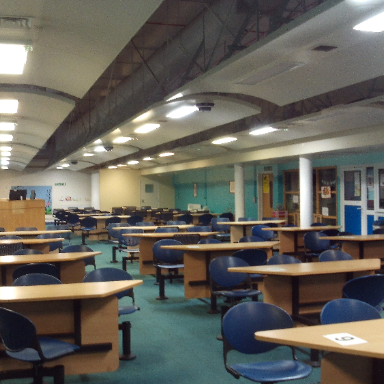
Provision for social and recreational activities was underdeveloped and many prisoners told us that they were bored, with nothing to do. There was limited seating and recreational equipment in communal areas.
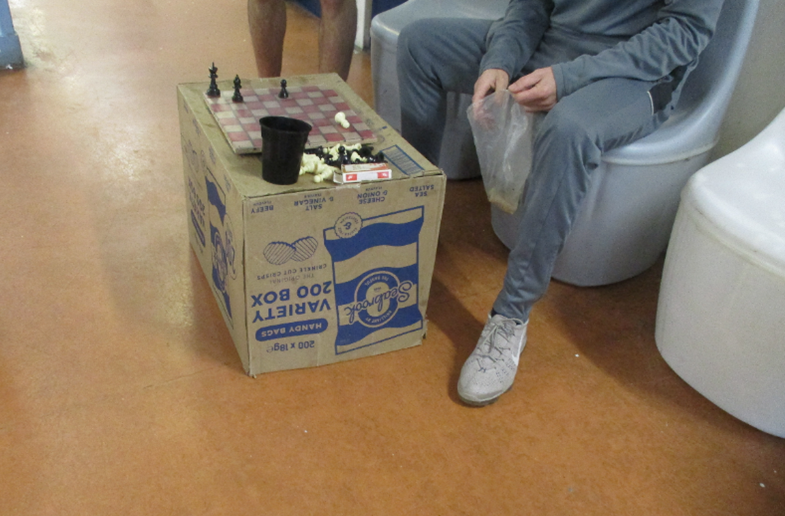
Most prisoners had to choose between taking association time and going to the gym or library. Data had not been used well to identify and address under-represented users not engaging with these areas.
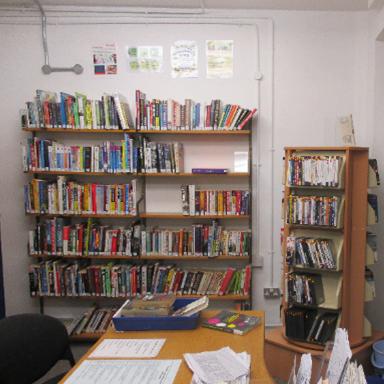
The main site library was small, with limited seating, and visits there were brief. The library for Westhill and the Hearn had very limited stock, little staff oversight and no clear opening hours. In our survey, only 14% of respondents from these wings said that it offered a sufficient range of materials.

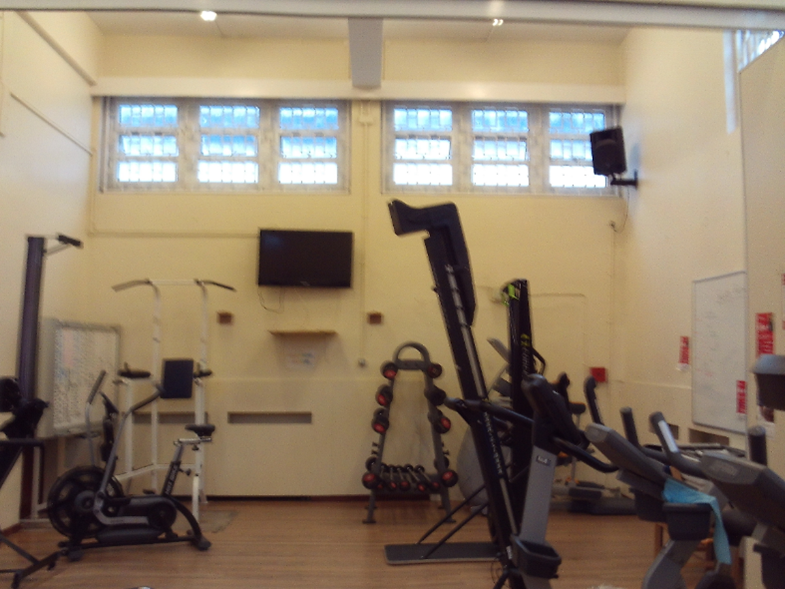
In our survey, prisoners on Westhill and the Hearn were more positive about their access to the gym than in the rest of the prison. This was reflected in their recorded participation rates; in the previous month, 34% had used the gym on the main site, compared with 71% on the category C site.
External organisations had partnered to run the ‘Saints Restart’ and ‘Boats not Bars’ programmes. These were positive initiatives delivering courses supporting self-development alongside physical activity.
Education, skills and work activities

Ofsted inspects the provision of education, skills and work in custodial establishments in England. The following summary has been provided by Ofsted inspectors who attended this inspection. Their full report is published under ‘Further resources’.
Ofsted made the following assessments about the education, skills and work provision:
- Overall effectiveness: Inadequate
- Quality of education: Inadequate
- Behaviour and attitudes: Requires improvement
- Personal development: Inadequate
- Leadership and management: Inadequate
Leaders had not corrected most of the key weaknesses in education, skills and work (ESW) identified at previous inspections. They had not secured sufficient ESW activity spaces, and the curriculum remained too narrow and not ambitious enough to meet prisoners’ needs. Leaders had also not reduced the high proportion of prisoners who were unemployed, or increased their interest or participation in ESW.
Prisoners were not routinely allocated to activities that reflected their starting points or career intentions, and attendance was not high enough to support sustained learning. The allocations process had not operated as an effective route into purposeful activity, and many prisoners remained unemployed or waited too long for induction, limiting their opportunities to engage meaningfully in ESW. The pay policy did not incentivise engagement in education.
Leaders had not made sure that the education and industries curriculums met the needs of a high-churn reception population or supported prisoners’ personal, academic or professional development effectively. Although leaders had used labour market information and employer feedback to introduce courses such as the construction skills certificate scheme and traffic management, the overall offer remained too limited, and these developments had benefited too few prisoners. Leaders had begun to set out actions in their self-assessment report, but the impact had not yet been realised.
The education provider, Milton Keynes College, offered logically structured courses, planned by qualified teachers. Leaders worked with the provider to plan and oversee provision, and quality assurance and staff development were in place, although the quality of teaching remained too variable and, overall, not good enough. In industry areas, instructors met appropriate professional standards.
The provision did not secure consistently positive outcomes for prisoners, as too many left learning early, limiting the extent to which education improved their knowledge, skills and behaviour. Prisoners working in industries did not have the opportunity to gain recognition for their work, and industry roles did not provide structured progression or link to accredited vocational training, reducing the value of their experience.
Support for prisoners with learning difficulties and disabilities, including neurodiverse needs, had strengthened. Leaders had improved identification, information sharing and coordination with partners, which helped vulnerable prisoners engage more successfully in learning and work.
Careers guidance was not timely or sufficiently personalised. Too many prisoners were allocated to activities without prior guidance, and many left custody without a CV or clear record of their achievements, limiting the benefit of the job readiness framework, which had not yet reached enough prisoners to be fully effective.
The reading strategy was at an early stage of implementation and had not had sufficient impact. Leaders’ actions to promote reading for pleasure were limited and did not engage prisoners across a range of reading levels. Some peer-led support was in place, but leaders had not developed a whole-prison approach to reading. As a result, literacy development remained poor overall, particularly in industry settings.
Leaders had not established a well-planned range of enrichment activities that supported prisoners’ hobbies, literacy and personal development. The few opportunities available were accessible only to a limited number of prisoners.
Section 5: Preparation for release (Back to top)
Preparation for release is understood as a core function of the prison. Prisoners are supported to maintain and develop relationships with their family and friends. Prisoners are helped to reduce their likelihood of reoffending and their risk of harm is managed effectively. Prisoners are prepared for their release back into the community.
Children and families and contact with the outside world
Expected outcomes: The prison understands the importance of family ties to resettlement and reducing the risk of reoffending. The prison promotes and supports prisoners’ contact with their families and friends. Programmes aimed at developing parenting and relationship skills are facilitated by the prison. Prisoners not receiving visits are supported in other ways to establish or maintain family support.
| HMIP prisoner survey | Yes | Compared to the last inspection |
| Are you able to use a phone every day (if you have credit)? | 95% | Higher |
There was a good range of support to build and maintain family ties. Spurgeons, the family service provider, maintained a caseload of around 90 prisoners and had secured funding to provide additional support outside of their contract with the prison.
Several parenting and relationship courses were available to prisoners, including the ‘Behind the Walls, Beyond the Gate’ service, which offered good support for prisoners and their families in the lead-up to their release through courses, workshops and meetings with professionals to prepare them for life after prison. After their release, men and their families would receive ongoing support through regular check-ins with their case co-ordinators.
Regular family days (see Glossary) were appreciated by prisoners, and a monthly ‘homework club’ allowed fathers to meet their children in person, to help with schoolwork. Family engagement workers were active in the prison, meeting prisoners on induction or on request.
Leaders had prioritised enabling telephone contact, which helped prisoners keep in touch with family and friends (see Early days in custody and Living conditions).
The visits hall was reasonably welcoming and had a well-equipped play area, but only five sessions were held each week. We were told that there was a two-week wait for the next available visit slot, which was too long.

Prisoners were frustrated by the amount of time it took to apply for secure social video calls (see Glossary) or have visitors’ details added to the system so that they could attend social visits. Leaders had failed to prioritise staff resource to process these requests, which led to delays or, in some cases, applications going missing.
A visitors’ centre outside the prison provided a good space where visitors could seek advice from Spurgeons staff and have a hot drink. First-time visitors received good guidance on the practicalities of visiting the prison.
Reducing reoffending
Expected outcomes: Prisoners are helped to change behaviours that contribute to offending. Staff help prisoners to demonstrate their progress.
| Data provided by the prison | |
| Proportion of prisoners on remand at the time of the inspection | 32% |
| Proportion of prisoners convicted but were yet to be sentenced at the time of the inspection | 26% |
| Proportion of recalled prisoners at the time of the inspection | 10% |
Winchester was a very busy reception and resettlement prison, serving the courts of southern England. It held a diverse population of remanded, unsentenced and sentenced prisoners, including licensed recalls, young adults, prisoners convicted of sexual offences and foreign nationals.
The high turnover of arrivals, transfers and releases meant that most prisoners did not stay at the prison for long, creating significant challenges for offender management, public protection and release planning.
Leaders and staff involved with prisoners’ rehabilitation worked collaboratively and had a good understanding of the complexities and needs of the varied population. Cohesion was strengthened by a senior probation officer in the OMU who also managed the pre-release team, improving coordination and communication about prisoners’ risks and resettlement needs.
However, rehabilitative work was hindered by the rapid turnover, limited key work delivery (see also Staff–prisoner relationships) and too few purposeful and progressive opportunities, especially on the category C site (Westhill and the Hearn; see also Time out of cell).
How staff were supporting prisoners and managing risk
OMU leaders were experienced and established in their roles. The team of prison offender managers (POMs) was well staffed and motivated, and received regular professional supervision.
Administrative teams in the OMU were understaffed and faced enormous pressures. However, the unit worked hard and valiantly to keep pace with the high population turnover and numerous policy changes.
POM caseloads were manageable and contact with sentenced prisoners was generally good. POMs managed their cases actively, rather than being driven solely by deadlines. Most sentenced prisoners we spoke to said that they met their POM as often as they needed, and were positive about the support they received.
One prisoner commented:
‘…Until she [POM] got involved, I was talking to a brick wall…’
Most recalled prisoners stayed only a matter of days before they were released, which left little time for meaningful risk reduction work.
Almost all eligible prisoners had an initial offender assessment system (OASys) assessment, which meant that they were ready to start their sentence plan when they transferred. The quality of those we reviewed was good.
Despite some gaps in provision, support for those held on remand had improved. This included help with immediate resettlement needs, access to bail information advice and stronger involvement from community partners and the OMU than we usually find.
A dedicated team of knowledgeable case administrators screened new arrivals promptly for public protection concerns, and identified risks were usually assessed and managed appropriately.
Decisions to use mail and/or telephone monitoring were proportionate and defensible for prisoners who were subject to these restrictions.
Opportunities for prisoners to progress
The prison was not profiled to deliver accredited behaviour programmes. This was appropriate in most cases, as the average length of stay was around three months and many prisoners left far sooner.
For prisoners who remained longer, there were some brief interventions to help them consider the positive changes they could make to their lives, including structured offence-related one-to-one work with POMs. The OMU had credible plans to increase the range and number of interventions in the coming year, but had recognised that there were unmet needs for some prisoners with domestic violence-related convictions.
Initial security categorisations were usually swift and most prisoners were transferred quickly to a more suitable prison soon after being sentenced.
Prison-led oversight of home detention curfew processes was strong, but in the last 12 months around a third of those assessed as eligible had been released late. This was due mainly to a short timeframe between sentencing and the eligibility date, and delays in the community offender manager approving the release address.
Returning to the community
Expected outcomes: Prisoners’ specific reintegration needs are met through good multi-agency working to maximise the likelihood of successful resettlement on release.
| Data provided by the prison | |
| Average number of releases each month from January 2025 – December 2025 | 144 |
More prisoners were being released than at the time of the previous inspection, increasing the demand for resettlement support.
About half of all sentenced prisoners posed a high risk of serious harm to others and a similar proportion were multi-agency public protection arrangements (MAPPA; see Glossary) cases. The well-attended interdepartmental risk management team meeting included oversight of high-risk prisoners due for release, and POM contributions to MAPPA meetings were usually meaningful and comprehensive. However, in some cases there were delays in responses from community probation teams, which meant that MAPPA levels and licence conditions were not always confirmed in good time ahead of release.
Despite recent staffing shortfalls within the pre-release team, good work took place to make sure that prisoners’ resettlement needs were identified quickly, with referrals for help made.
Prisoners on the category C site approaching release were invited to attend the employment hub, to check that outstanding needs were being managed. They could speak to a range of resettlement staff, including the pre-release team, identification and banking administrator, Creating Future Opportunities provider and a Department for Work and Pensions (DWP) representative. Two on-site coaches from the DWP helped eligible prisoners with benefit claims and had begun activating applications on the day of release, so that they received funds immediately
However, timeframes to work with those on fixed-term recalls, those serving very short sentences and the large proportion of immediate releases from court were limited and posed significant challenges. Some prisoners were not sufficiently prepared in good time for their release, but several multi‑agency forums had been introduced to improve outcomes.
Help to improve prisoners’ job readiness skills and employment prospects was far too limited. Careers information, advice and guidance was not timely, and many prisoners left without even a CV.
Finding housing for prisoners on release was challenging. Despite the efforts made, accommodation outcomes were poor. Prison data showed that, in the last 12 months, 25% had been released homeless, many of whom had been recalled swiftly back to custody, and about 45% left to accommodation that was deemed unsustainable.
Practical support on the day of release was efficient but basic. There was a stock of donated clothing and shoes for those who needed them, and a supply of discreet black holdalls for carrying possessions. There was no ‘departure lounge’, but staff were willing to charge prisoners’ mobile phones if requested.
Section 6: About HMP Winchester (Back to top)
Category of the prison
HMP Winchester is a category B reception prison with a separate category C unit.
Brief history
HMP Winchester was built in 1849 and has a radial design typical of Victorian prisons. The prison covers an area of approximately six acres. In 1908, the health care unit was built, and in 1964 another unit was added as a remand centre for young offenders. The unit, known as Westhill, continued to be used for this function until 1991, when it started housing women prisoners. In 2004, it was re-rolled to a category C resettlement unit.
Population
- 625 prisoners were held at the time of the inspection. There was operational capacity for 666. (Figures provided by the prison.)
- An average of 251 prisoners received per month.
- An average of 185 prisoners receiving support for substance misuse each month.
- An average of 200–235 prisoners referred for mental health assessment each month.
- 33% of prisoners from ethnic minority backgrounds.
- 19% foreign nationals.
- 1,500 prisoners had arrived with a self-harm history in the last 12 months.
Short description of residential units
Main site
A wing – induction [A1 landing for enhanced prisoners]
B wing – general population
C wing – C1 landing: for neurodivergent prisoners; C2 and C3 landings: general population; C4 landing: incentivised substance-free living unit
D wing – vulnerable prisoners, including prisoners convicted of sexual offences
Segregation unit
Health care inpatients unit
Category C site:
Westhill – category C prisoners
The Hearn – category C prisoners
Prison status (public/private)
Public
Key providers
Physical health provider: Health and Rehabilitation Services Limited (PPG)
Mental health provider: PPG
Substance misuse treatment provider: PPG
Dental health provider: Time for Teeth
Prison education framework provider: Milton Keynes College
Escort contractor: Serco
Prison group director
Laura Sapwell, South Central
Name of governor/director and date in post
Niall Bryant, January 2026
Changes of governor/director since the last inspection
Jo Trickey, September 2025 to January 2026 (acting)
James Bourke, September 2018 to September 2025
Date of last inspection
7–18 October 2024
Progress on concerns from the last inspection (Back to top)
At our last inspection in 2024 we raised 15 concerns, seven of which were about areas of priority concern.
At this inspection we found the following progress:
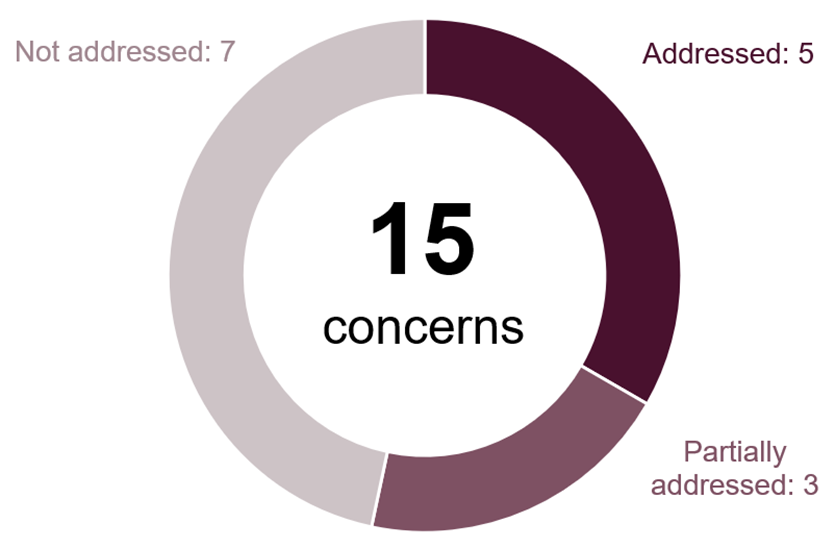
The following is a list of all the concerns raised, organised under the four tests of a healthy prison.
Safety
Priority concerns
Levels of violence, especially serious assaults, were very high. Much of this was fuelled by drugs, debt and frustration at staff failure to deal with basic requests. Actions to reduce violence were poorly coordinated and were having little impact.
Partially addressed
The availability and use of illicit drugs posed a serious risk to the security of the prison, contributing to prisoner debt, bullying and fear. Too many prisoners were under the influence of illicit drugs and random drug testing had only restarted during August 2024, having been suspended earlier in the year, returning a positive rate of 41%.
Not addressed
Levels of self-harm had increased and were among the highest in the male prison estate.
Not addressed
Key concerns
Support for prisoners in their early days at the prison was not good enough. First night cells were in poor condition and ill-equipped, too many new arrivals were unable to telephone their family and not all received a full induction.
Addressed
The amount of force used by staff on prisoners and use of unfurnished accommodation were high. Scrutiny arrangements were not robust and we were not confident that all uses of PAVA spray, batons and unfurnished accommodation were accurately recorded.
Not addressed
Living conditions and the regime on the segregation unit were poor. Cells were in poor condition and had no table, chair or electricity, and prisoners could not shower each day.
Addressed
Respect
Priority concerns
Key work was too limited and relationships between staff and prisoners were not sufficiently meaningful. Basic standards were not enforced, and prisoners were frustrated at the inability to get requests dealt with because of staff inexperience. The application process and routes to redress were not working properly, and cell call bells were left unanswered for far too long.
Not addressed
Living conditions remained unacceptable, with many areas in a dilapidated state. Most cells had damaged furniture and graffiti that was often offensive, and many had damp or mould. Communal and external areas were dirty and in need of repair. Prisoners struggled to maintain contact with their families because many in-cell telephones were broken, and it took too long for telephone numbers to be approved.
Partially addressed
Key concerns
Work to ensure fair treatment and inclusion was inadequate.
Addressed
Health services were being delivered in unsafe, dirty and unsuitable clinical environments.
Partially addressed
Staff vacancies were compromising the delivery of health services, particularly within mental health and psychosocial care.
Addressed
Purposeful activity
Priority concerns
Too many prisoners were locked in their cells for prolonged periods and not engaged in purposeful activity. Prisoners were bored, too few had access to the gym or library and there were hardly any recreational or social activities available.
Not addressed
There were insufficient spaces in education, skills and work, and the curriculum was not sufficiently ambitious. Prisoners were not allocated to activities that were relevant to their educational needs and career aspirations, and attendance and punctuality were poor.
Not addressed
Key concerns
There was insufficient support in education, skills and work for prisoners with learning difficulties and/or disabilities.
Addressed
Prisoners received insufficient advice and guidance to improve their progression into education, training or employment on release. Many did not have appropriate access to the virtual campus.
Not addressed
More about this report (Back to top)
This report outlines the priority and key concerns from the inspection and our judgements against the four healthy prison tests. Each of the following four sections contains a detailed account of our findings against our Expectations for men’s prisons.
Find out more about our Expectations and how we inspect
Find out more about priority and key concerns
Find out about notable positive practice
Findings from the survey of prisoners and a detailed description of the survey methodology are published alongside this report. Please note that we only refer to comparisons with other comparable establishments or previous inspections when these are statistically significant. The significance level is set at 0.01, which means that there is only a 1% chance that the difference in results is due to chance.
The tables in this report which provide data from HMI Prisons prisoner surveys also include comparisons with similar prisons.
| Description | What it means |
| Lower | the prison’s percentage is statistically significantly lower than the comparator: prisons with the same function type, or at the last inspection |
| Higher | the prison’s percentage is statistically significantly higher than the comparator: prisons with the same function type, or at the last inspection |
| No difference | the prison’s percentage is not statistically significantly different to the comparator: prisons with the same function type, or at the last inspection |
Inspection team
This inspection was carried out by:
| Martin Lomas Sara Pennington Sumayyah Hassam Harriet Leaver Rick Wright Jade Richards Fiona Shearlaw David Foot Phoebe Dobson Emma King Sophie Riley Tareek Deacon Simon Newman Tania Osborne Bev Gray Carolyn Brownsea Alun Maddocks Diane Koppit Martyn Griffiths | Deputy Chief Inspector Team leader Inspector Inspector Inspector Inspector Inspector Inspector Researcher Researcher Researcher Researcher Lead health and social care inspector Health and social care inspector Care Quality Commission Ofsted inspector Ofsted inspector Ofsted inspector Offender management inspector |
Further resources (Back to top)
These files may not be suitable for users of assistive technology.
Request an accessible format
If you use assistive technology (such as a screen reader) and need a version of any of these documents in a more accessible format, please email media@hmiprisons.gov.uk. Please tell us what format you need. It will help us if you say what assistive technology you use.
Find out more about the terms and abbreviations used in this report in our glossary.