
HMP Pentonville
Report on an independent review of progress at HMP Pentonville by HM Chief Inspector of Prisons 16–18 March 2026.
Note: This report was updated on 12 May 2026 to correct some inputting errors in the Ofsted section and progress judgements.
Section 1: Chief Inspector’s summary (Back to top)
HMP Pentonville is a category B men’s reception prison, holding over 1,100 remand and convicted prisoners aged 18 and over.
This review visit followed up on the concerns we raised at our last inspection of HMP Pentonville in 2025.
What we found at our last inspection
At our previous inspections of HMP Pentonville in 2022 and 2025, we made the following judgements about outcomes for prisoners.
Figure 1: HMP Pentonville healthy prison outcomes in 2022 and 2025
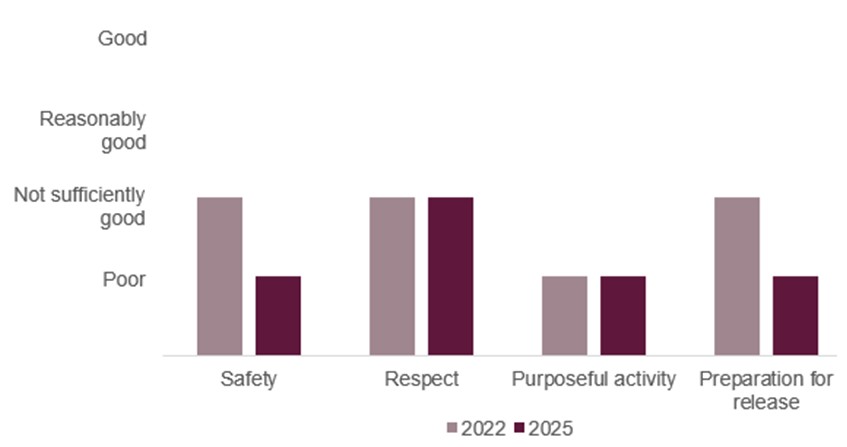
At our 2025 inspection we found that leaders’ weak oversight was behind the widespread deterioration in outcomes, to the extent that an Urgent Notification (UN) was issued.
Large backlogs in sentence calculations led to late releases, first night and induction arrangements were chaotic, and care for those at risk of self‑harm was weak. We observed poor practice when supporting those requiring constant supervision, despite three recent self‑inflicted deaths. Outcomes were further undermined by poor allocation to activity, leaving most prisoners locked in their cells for over 22 hours. Leaders seemed unaware of the weak staff–prisoner relationships we observed, and ageing infrastructure, population pressures and inconsistent residential standards compounded the prison’s problems.
What we found during this review visit
Leaders had taken our findings seriously and focused on practical matters within their control to effect change. As a result, good progress had been made in leadership, early days and sentence management, with reasonable progress in addressing the significant weaknesses in prisoner safety and staff-prisoner relationships.
We saw the practical impact of this progress: reception and first‑night processes were better organised and supervised, and multiple quality assurance checks had improved leadership control of sentence management.
In contrast, time out of cell showed insufficient progress, with too many still locked up for long periods despite a revised core day.
Several initiatives were recent and not yet consistently applied. In safeguarding, floorwalkers and targeted training had strengthened daily quality assurance, but ACCT (assessment, care in custody and teamwork) case management of prisoners at risk of suicide or self-harm continued to be applied inconsistently. Daily unlock periods, though generally delivered, were too short for essential tasks, while a sizeable cohort still had no activity. In addition, attendance and punctuality remained weak, with data not yet used well enough to support the regime.
Additional resource had supported this progress. A dedicated Urgent Notification lead had brought experience and energy to the senior team, two safety floorwalkers strengthened quality assurance on the wings each day, and additional leadership capacity in the offender management unit had improved sentence management.
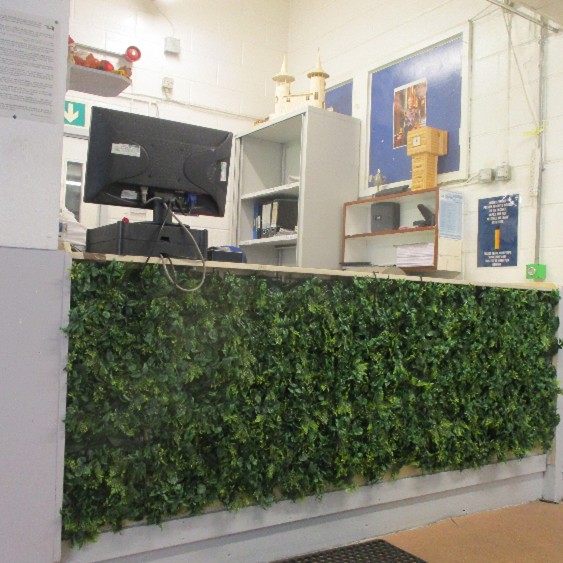
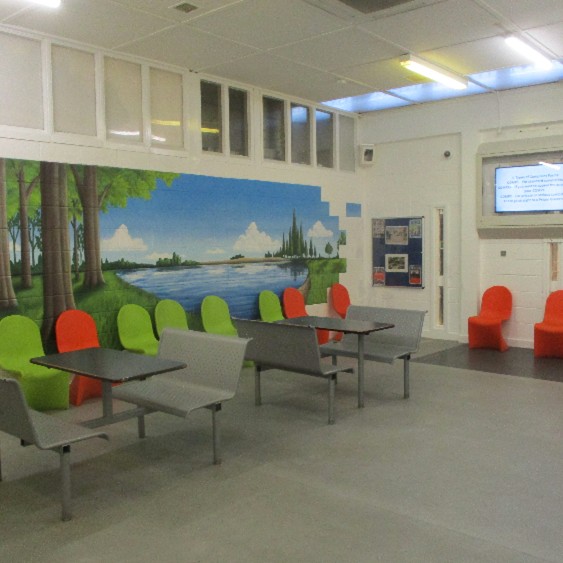
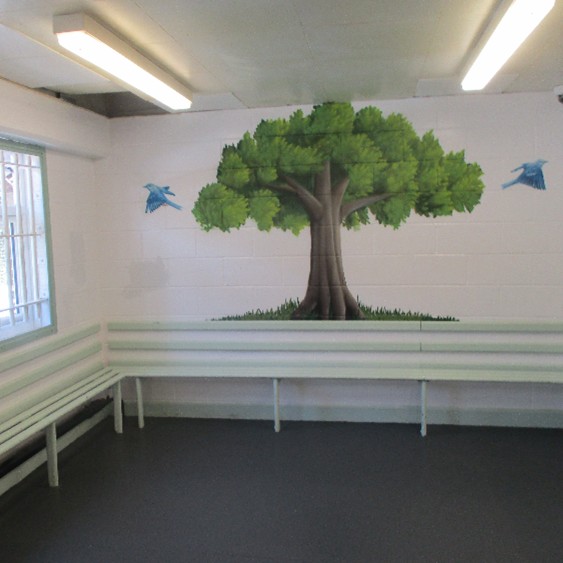
Leaders had also made effective use of third sector support. We saw impressive work, including new murals in early days and residential areas, and the recently opened training kitchen, supported by charities including Friends of Pentonville and London Community Kitchen. These initiatives had enhanced the environment and provided constructive opportunities for some prisoners.
Overall, the governor now had clearer direction and stronger oversight of several critical systems, and there was tangible improvement where leaders had concentrated their efforts. The main risks to sustaining this progress were inconsistencies in the application of new quality assurance procedures, weak attendance at activities, and the persistence of very limited time out of cell for too many prisoners.
Charlie Taylor, HM Chief Inspector of Prisons, March 2026
Section 2: Key findings (Back to top)
At this IRP visit, we followed up six concerns from our most recent inspection in July 2025 and Ofsted followed up four themes based on their latest inspection.
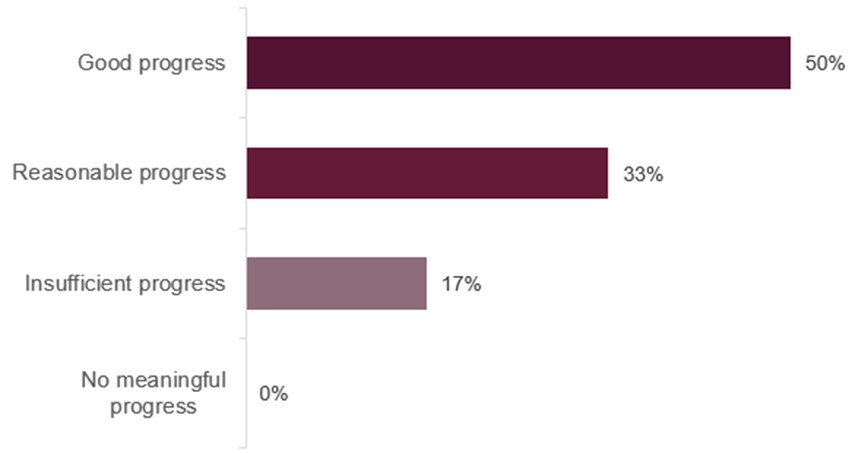
HMI Prisons judged that there was good progress in three concerns, reasonable progress in two concerns and insufficient progress in one concern.
Figure 2: Progress on HMI Prisons concerns from 2025 inspection (n=6)
This bar chart excludes any concerns that were followed up as part of a theme within Ofsted’s concurrent prison monitoring visit.
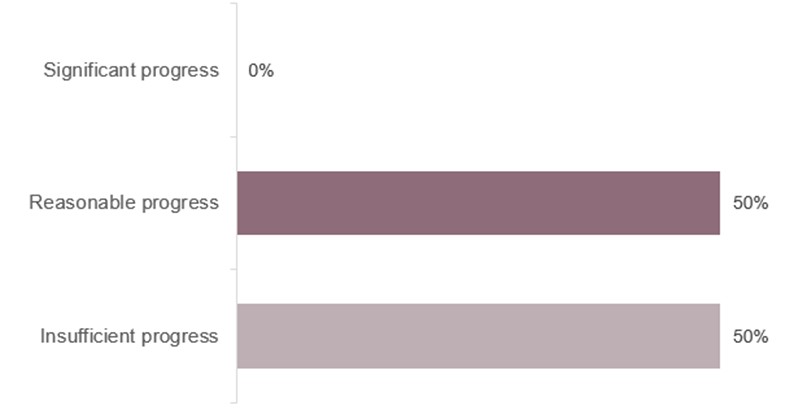
Ofsted judged that there was reasonable progress in two themes and insufficient progress in two themes.
Figure 3: Progress on Ofsted themes from 2025 inspection (n=4).
Notable positive practice
We define notable positive practice as:
Evidence of our expectations being met to deliver particularly good outcomes for prisoners, and/or particularly original or creative approaches to problem-solving.
Inspectors found two examples of notable positive practice during this IRP visit, which other prisons may be able to learn from or replicate. Unless otherwise specified, these examples are not formally evaluated, are a snapshot in time and may not be suitable for other establishments. They show some of the ways our expectations might be met, but are by no means the only way.
| 1. | New officers completed extended initial training at the Pentonville Academy with targeted input on improving staff-prisoner relationships. (See Staff-prisoner relationships) |
| 2. | Oversight of release arrangements had improved significantly by daily monitoring, detailed case notes for late releases and independent validation of data by the regional PGD team. (See Returning to the community) |
Section 3: Progress against our concerns and Ofsted themes (Back to top)
The following provides a brief description of our findings in relation to each concern followed up from the full inspection in 2025.
Leadership
Concern: Leaders’ lack of oversight of critical systems and processes lay behind the widespread deterioration in outcomes for prisoners.
The governor, supported by his deputy and the prison group director (PGD), had treated the UN as a catalyst for change, using it to support useful self-reflection and establish a clearer improvement agenda across the senior team and the wider prison.
Senior leadership had been reshaped and strengthened, including the appointment of a dedicated UN lead. These new leaders had brought fresh impetus and ideas which helped to improve control of the most fragile and high-risk functions.
Work to develop the senior team was purposeful. Leadership away days had been used to build cohesion and shape shared priorities, and this developmental work had been extended to middle managers to support more consistent expectations and leadership practice across functions.
While there was still much to do, recovery had been sequenced deliberately, with key aspects of safety, particularly early days for new arrivals, and the offender management unit (OMU) prioritised, giving the improvement programme clearer focus and direction.
Leaders had remodelled the core day and reintroduced free flow to improve predictability and daily organisation. However, time out of cell remained poor for many prisoners and attendance at employment, skills and work was still not good enough.
Although leaders had strengthened quality assurance in some areas, such as regular checks of cells used for new arrivals, key elements were not yet undertaken consistently, including ACCT quality checks and aspects of quality assurance in employment, skills and work.
Leaders worked well with our progress visit, although their engagement with other key stakeholders such as the Independent Monitoring Board and the education quality improvement group was more intermittent and as such, a missed opportunity.
We considered that the prison had made good progress in this area.
Early days
Concern: Care and support during prisoners’ first night and induction were inadequate. Their first few days were chaotic and prisoners felt unsafe.
Processes to receive new arrivals were now more structured and reliable. All were placed on the induction wing, and key early‑days tasks, including initial risk‑assessment interviews, were completed and recorded electronically through a digital induction passport, which strengthened oversight.
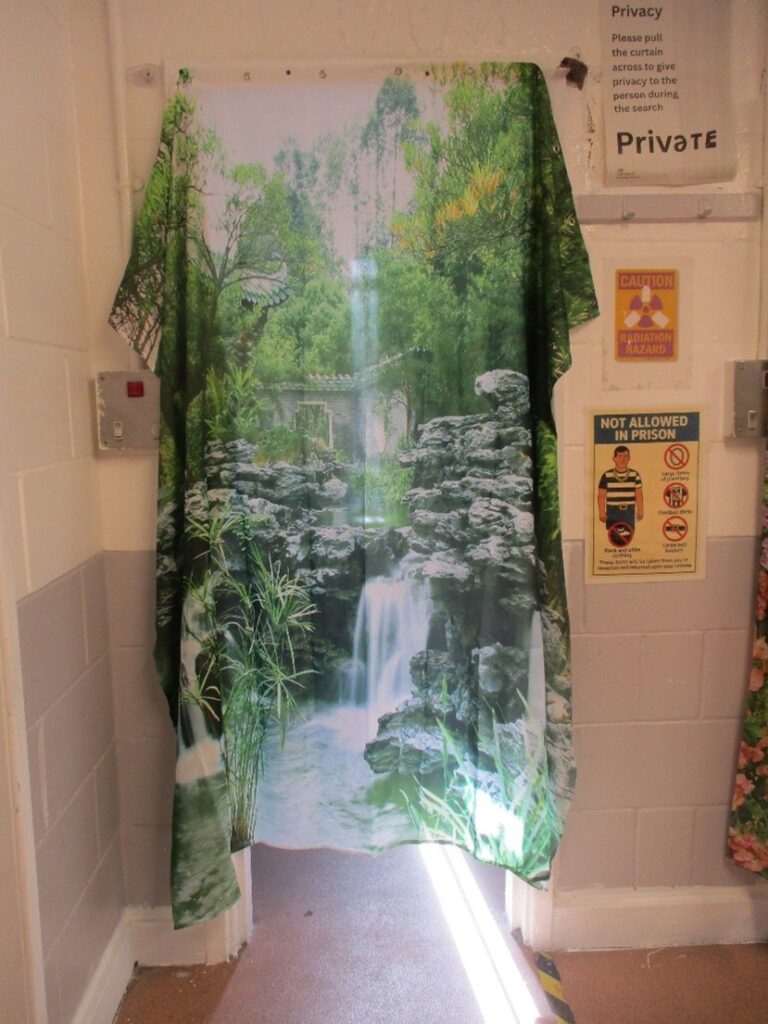
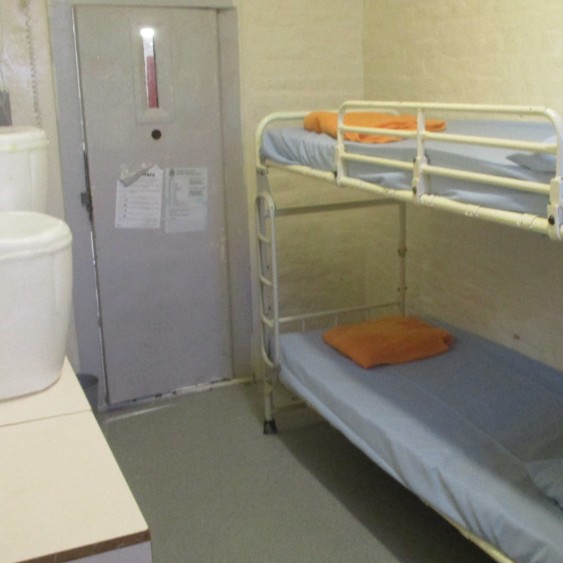
The reception area had been improved with the introduction of private interview rooms, refurbished showers, a more private search area and decorative murals to improve the general environment. Essential information, including well-being flashcards and an initial presentation on a TV screen of what to expect in the prison, was available in several languages while prisoners waited. Refreshments were now provided, and first‑night welfare calls were facilitated either in reception or via the in‑cell telephony system.
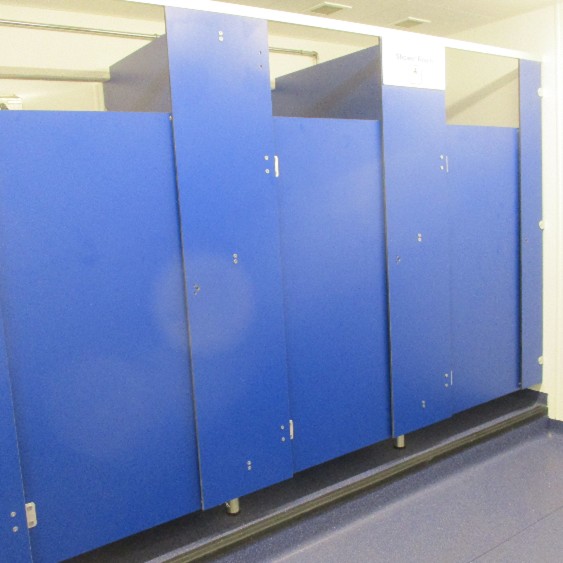
Prisoner peer support had strengthened the reception experience, with a Listener (prisoners trained by the Samaritans to provide emotional support to fellow prisoners) meeting all new arrivals, offering guidance and essential information.
Despite these changes, prisoners still faced long delays in reception, sometimes waiting five to six hours before moving to the first night centre.
A revised induction presentation was delivered consistently each weekday by peer workers with appropriate oversight.
While first night cell conditions had improved, supported by regular quality assurance checks, the early days regime remained poor, with many prisoners often receiving only about an hour out of cell.
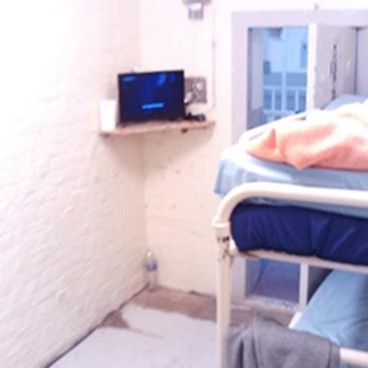
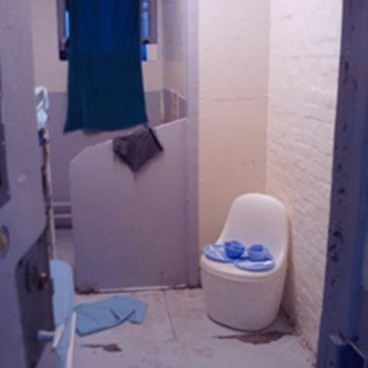
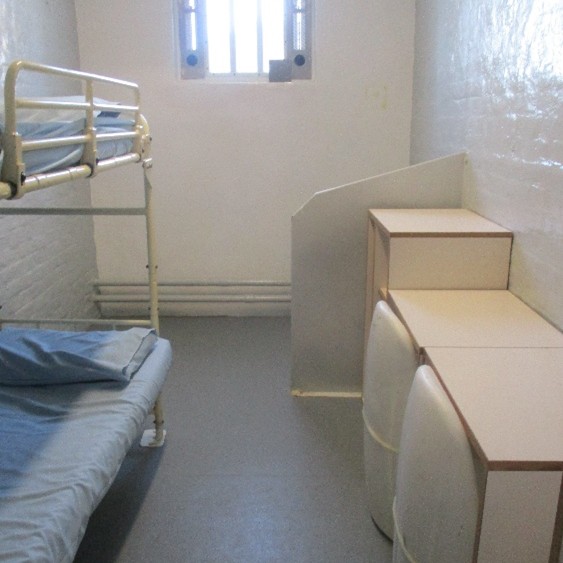
A training needs analysis had been completed and early days staff were receiving training from senior officers to improve practice.
We considered that the prison had made good progress in this area.
Safeguarding
Concern: There was a lack of support for prisoners at risk of self-harm, including those subject to constant supervision. Substantial weaknesses in the ACCT process were not given sufficient attention.
There had been one self-inflicted death since the last inspection. Prisons and Probation Ombudsman recommendations from earlier investigations had been incorporated into an action plan, but this learning had not been widely shared with staff and many were unaware of the key findings and improvements that were needed.
A safety summit in October 2025 had drawn on staff and prisoner feedback, and leaders used this to identify the drivers of self‑harm, which informed a revised safety strategy.
Prison data showed a small reduction in self‑harm incidents after the new core day had been introduced in January 2026, although the reductions could not be solely attributed to this.
Two trained staff ‘floorwalkers’ had been appointed for a year to provide daily wing presence, ACCT assurance and staff coaching. Despite this support, however, there were still significant gaps in the quality of ACCT documentation, which were further undermined by inconsistency in managers completed required checks.
At the time of the visit, there were no prisoners on constant supervision. When it was required, daily checks by floorwalkers and the duty governor provided direct oversight, and prison data indicated that its use had decreased under the revised process.
We considered that the prison had made reasonable progress in this area.
Staff-prisoner relationships
Concern: There were considerable weaknesses in staff-prisoner relationships. Many prisoners reported being victimised by staff, including being assaulted, and prisoners were frustrated that staff were unable or unwilling to respond to legitimate requests.
During unlock periods, prisoners generally had good access to staff patrolling the landings, and the interactions we observed were usually polite and respectful. This created opportunities for constructive relationships, and several prisoners were complimentary about individual officers and the support they received.
Nevertheless, some prisoners said verbal requests were not consistently followed up and written applications did not always receive a reply. The prison did not monitor the timeliness or quality of responses.
Key work remained poor, with infrequent and often cursory sessions that did little to address prisoners’ concerns or build trust.
It was positive that HMPPS data indicated that the rates of violence against staff and use of force had reduced over the previous year, and we did not receive any concerning complaints from prisoners about ill‑treatment.
The number of complaints against staff was similar to the last inspection, but some investigations we reviewed lacked sufficient enquiry, which risked undermining improving relationships.
Nearly all of the 44 new officers who joined in the last year completed extended on‑site training at the Pentonville Academy, including tailored input on improving staff–prisoner relationships.
Staff selected to work on the newly launched Unity unit received additional training and regular reflective‑practice sessions focused on staff–prisoner relationships. The model, supported by the charity Unlocked and subject to evaluation by King’s College London, appeared promising.
Prisoner consultation had improved. Regular wing forums fed into the prison‑level meeting, staff–prisoner relationships were a standing agenda item, and leaders had recently surveyed the whole population, although responses had not yet been analysed.
We considered that the prison had made reasonable progress in this area.
Time out of cell
Concern: Time out of cell was poor and unpredictable. Most prisoners spent less than two hours out of their cells each day. They struggled to complete basic tasks, shower and exercise in the short time they were unlocked.
Addressing the concerns about time out of cell had been one of the governor’s priorities. Work had started during 2025 and it was positive that prisoners had been consulted about the proposed changes.
The revised core day had been introduced in January 2026, with a key feature that offered all prisoners a daily ‘golden hour’ for showers and exercise. Leaders reviewed staffing regularly to support consistent delivery of this initiative.
Our observations and prisoner feedback suggested that the golden hour was generally delivered, but many prisoners still said the time was too short to complete all their domestic tasks, such as cleaning their cell, doing laundry or submitting applications.
Although the proportion of unemployed prisoners had reduced since the inspection, around a third still had no activity to go to and spent more than 22 hours a day locked up.
Time out of cell was slightly better for those in work or education, although most classes were only part time. However, many prisoners did not attend their allocated activity. This was reflected in our roll checks which found 53% locked up during the core day and only 15% engaged in purposeful activity off the wings.
Managers now had better oversight of prisoner movement and free flow had been introduced to reduce delays to activities. Prison data showed fewer delays to the afternoon regime since the core day had been introduced, although data were not yet used well enough to address non‑attendance.
We considered that the prison had made insufficient progress in this area.
Education, skills and work

This part of the report is written by Ofsted inspectors. Ofsted’s thematic approach reflects the monitoring visit methodology used for further education and skills providers. The themes set out the main areas for improvement in the prison’s previous inspection report or progress monitoring visit letter.
Theme 1: Too few prisoners were allocated to the available activity spaces despite there being waiting lists.
Leaders and managers had taken steps to improve the allocation of prisoners to education, skills and work. They had introduced more structured processes, including weekly allocation boards and clearer pathways into education and work. As a result, allocation from induction had improved and more prisoners were participating in activities. However, leader’s actions had not yet secured sufficient improvement in the timeliness of allocations. Too many prisoners remained unallocated and delays persisted due to high levels of non-starters and frequent prisoner movement. Waiting lists were not reduced quickly enough.
Leaders had increased activity spaces and revised pay incentives to encourage participation. They had also improved the promotion of education, skills and work opportunities through peer support. As a result, allocation rates had improved although not sufficiently to ensure that all available spaces were filled.
In a minority of activities leaders had improved progression pathways. For example, in XO Bikes prisoners followed a clear progression pathway from bronze to gold awards, enabling them to develop their skills incrementally.
Although leaders had strengthened systems to track allocations and withdrawals, the systems they used were not sufficiently accurate. They did not have a clear understanding of how long prisoners remained unemployed or on waiting lists. As a result, they could not target delays to allocations sharply enough.
Ofsted considered that the prison had made insufficient progress against this theme.
Theme 2: There were not sufficient accredited qualifications available to prisoners to recognise the skills they had developed in industries.
Leaders and managers had taken appropriate steps to increase access to accredited qualifications. They had used up-to-date labour market information to inform curriculum planning and had worked with employers to identify relevant skills and employment opportunities. As a result, leaders had begun to align the curriculum more closely to employment pathways.
Leaders had introduced a range of accredited qualifications from entry to level 2 and had begun to develop accredited industry-based provision. They had strengthened quality assurance arrangements including staff working towards assessor and internal quality assurance qualifications and had introduced internal verification processes. Consequently, the foundations for a more structured accredited curriculum were in place.
Leaders had revised job descriptions to reflect the knowledge, skills and behaviours required. Prisoners were supported through personal learning plans to develop relevant skills. In a minority of areas, leaders had introduced approaches such as skills and values compacts to recognise broader employability skills. Job descriptions reflected the expectations of prison roles and those used in external employment, supporting prisoners to apply for jobs on their release.
Leaders’ actions to develop accredited provision were at an early stage of implementation. At the time of the inspection too few prisoners had accessed these qualifications.
Ofsted considered that the prison had made reasonable progress against this theme.
Theme 3: The quality of education, skills and work was not consistently good.
Leaders and managers had taken appropriate steps to improve the quality of education, skills and work. They had reintroduced quality improvement group meetings, enabling leaders and managers to discuss strengths and areas for development. Leaders had also introduced learning walks and tracking systems, which had begun to strengthen oversight of teaching and learning.
Leaders had strengthened quality improvement arrangements, including joint staff training and actions planning to improve the consistency of education, skills and work. These were beginning to support improvement, although evaluation of impact was not yet precise enough. Consequently, leaders did not yet have a fully developed understanding of the impact of their actions across all provision.
Leaders had improved access to staff development by providing training, including coaching and assessor qualifications. Staff had benefited from clearer guidance and support from leaders, which had begun to improve planning and assessment. As a result of the training in education, teachers used prisoners’ starting points more effectively to adapt teaching and support the development of knowledge and skills. This practice was less evident in industries.
Leaders had begun to align the curriculum more closely to prisoners’ needs and employment pathways. They had introduced initiatives such as real-world project work and skills compacts, which supported the development of relevant vocational skills. As a result, prisoners in industries were beginning to develop skills that prepared them for employment.
Leader’s actions to improve the quality of education, skills and work were having a positive impact, although these were not yet fully embedded across all areas. In education, teachers used prisoners’ starting points more effectively to inform teaching and support. However, practice remained variable in industries and did not always inform allocation decisions. Consequently, some prisoners did not benefit from these improvements.
Ofsted considered that the prison had made reasonable progress against this theme.
Theme 4: Prisoners’ attendance and punctuality at activities were too low.
Leaders and managers had taken some steps to improve prisoners’ attendance and punctuality. They had introduced clear expectations and had begun to work more closely with staff to promote participation in education, skills and work. Leaders had also introduced structured activity pathways and mentoring support to encourage engagement.
Leaders had strengthened their monitoring of attendance and withdrawals, which provided them with a clearer understanding of patterns of absence and non-attendance. They had begun to use this information to identify where attendance was weakest and to challenge poor attendance.
However, leaders’ actions had not yet secured sufficient improvement in attendance and punctuality. Leaders had not established a culture in which prisoners routinely attended and engaged in their activities. Too many prisoners were absent from their allocated sessions, and a minority did not attend after being allocated. As a result, prisoners did not make the progress expected of them.
Ofsted considered that the prison had made insufficient progress against this theme.
Returning to the community
Concern: A backlog in sentence calculations resulted in the late release of many prisoners.
Leaders had taken clear and co-ordinated action to address the considerable backlog in sentence calculations and reduce the late release of prisoners.
Staffing capacity and capability in the OMU had been strengthened through the temporary recruitment of additional staff, targeted training and revised working patterns. This had helped immediate releases from court which had been notified late to be processed more promptly.
The prison had introduced robust daily, weekly and monthly monitoring, reporting and quality assurance measures to triage and manage outstanding sentence calculations and to ensure that any emerging delays were escalated appropriately.
This had led to a substantial reduction in the sentence calculation backlog, with nine outstanding cases at the time of the visit compared with 76 at the beginning of January 2026.
Leaders had secured external support to improve the timeliness of email responses to court outcomes and general enquiries, which had helped to reduce administrative delays in the OMU.
The oversight of release arrangements had improved significantly since the previous inspection. Daily monitoring was now embedded, detailed case by case notes were recorded for all late releases to support learning and reduce future occurrences, and monthly data were independently verified by the regional Prison Group Director’s team.
Despite these improvements, too many sentenced prisoners continued to be released late. Many of these were caused by factors beyond the prison’s control, such as receiving notification of court decisions after working hours, late into the evening.
We considered that the prison had made good progress in this area.
Section 4: Summary of judgements (Back to top)
A list of the HMI Prisons concerns and Ofsted themes followed up at this visit and the judgements made.
HMI Prisons concerns
Over a fifth of prisoners were released homeless and there was very little housing support for the large number on remand. Accommodation outcomes were unknown for those being released directly from court.
No meaningful progress
Care and support during prisoners’ first night and induction were inadequate. Their first few days were chaotic and prisoners felt unsafe.
Good progress
There was a lack of support for prisoners at risk of self-harm, including those subject to constant supervision. Substantial weaknesses in the ACCT process were not given sufficient attention.
Reasonable progress
There were considerable weaknesses in staff-prisoner relationships. Many prisoners reported being victimised by staff, including being assaulted, and prisoners were frustrated that staff were unable or unwilling to respond to legitimate requests.
Reasonable progress
Time out of cell was poor and unpredictable. Most prisoners spent less than two hours out of their cells each day. They struggled to complete basic tasks, shower and exercise in the short time they were unlocked.
Insufficient progress
A backlog in sentence calculations resulted in the late release of many prisoners.
Good progress
Ofsted themes
What progress had leaders and managers made in improving the timeliness of allocating prisoners to activity spaces and in reducing associated waiting lists?
Insufficient progress
What progress had leaders and managers made in ensuring that prisoners had access to sufficient accredited qualifications to recognise the skills they developed in industries?
Reasonable progress
What progress had leaders and managers made in improving the quality of education, skills and work activities?
Reasonable progress
What progress had leaders and managers made in improving prisoners’ attendance and punctuality at activities?
Insufficient progress
More about this report (Back to top)
This report contains a summary from the Chief Inspector and a brief record of our findings in relation to each concern we have followed up. You may find it helpful to refer to the report of the full inspection for further detail on the original findings (available in Our reports).
Independent reviews of progress (IRPs) are designed to improve accountability to ministers about the progress prisons make in addressing HM Inspectorate of Prisons’ concerns in between inspections. IRPs take place at the discretion of the Chief Inspector when a full inspection suggests the prison would benefit from additional scrutiny and focus on a limited number of the concerns raised at the inspection. IRPs do not therefore result in assessments against our healthy prison tests.
The aims of IRPs are to:
- assess progress against selected priority and key concerns
- support improvement
- identify any emerging difficulties or lack of progress at an early stage
- assess the sufficiency of the leadership and management response to our concerns at the full inspection.
Find out more about priority and key concerns
Inspection team
This independent review of progress was carried out by:
Hindpal Singh Bhui, Team leader
Rachel Badman, Inspector
Chelsey Pattison, Inspector
Martin Kettle, Inspector
Clifford Shaw, Ofsted inspector
Further resources (Back to top)
Find out more about the terms and abbreviations used in this report in our glossary.