
HMP & YOI Norwich
Report on an unannounced inspection of HMP & YOI Norwich by HM Chief Inspector of Prisons (19–29 January 2026).
Introduction (Back to top)
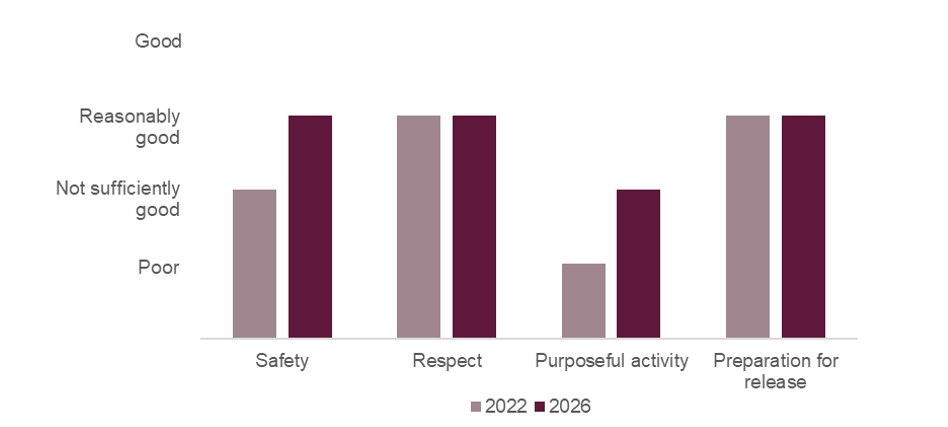
Under the strong leadership of a long-serving and effective governor, Norwich, a reception prison with additional category C and D functions, had made some good progress since our last inspection. In our healthy prison assessment for safety the prison had improved to ‘reasonably good’ and the rating for purposeful activity had improved to ‘not sufficiently good’, from ‘poor’. Outcomes in the preparation for release and respect tests remained ‘reasonably good’.
Recent cuts to the education provision by the prison service had led to a reduction in the offer to prisoners, particularly to those on the category C side of the jail. Many described being bored and demotivated and those who were unemployed or retired were spending too much time behind their doors. On the main site, prisoners convicted of sexual offences living in the pods on M wing spent all day in the textiles and printing workshop, but elsewhere there were too many men underemployed doing meaningless wing work.
The category D unit was getting a good proportion of men out on release on temporary licence and there were some useful links with employers in the community. Difficulties with finding accommodation on release continued to be a big challenge and too many men left the jail street homeless.
Disappointingly, use of both the library and the gym were not nearly good enough. This fitted with a pattern we found at Norwich, where leaders were not doing all they could to find ways to motivate men to behave well.
Leaders had worked hard to understand and reduce the levels of violence in the prison. They had set up a violence reduction (VR) wing where they located those men who were frequently involved in fights or assaults. The regime was tightly controlled, and prisoners had a good understanding of what they needed to do to progress back to main accommodation. However, there was not enough therapeutic support for them to address the reasons behind their violent behaviour.
Placing these men on the VR wing had a positive effect elsewhere in the prison. Levels of self-harm had reduced significantly and there was considerably less violence than at our last inspection, with an impressive reduction in serious assaults. Although still much too high at 24%, positive results from mandatory drugs tests were not at the same levels as in many jails. The prison suffered from limited gate security in the category C wing and poor coverage by CCTV cameras in some areas.
While there was an attempt to keep the wings clean and clutter-free, bits of the prison were dilapidated and there was ingrained dirt in some of the communal areas. Conditions on the category C wing were not good, with few places to sit and a recreation room that had no lights. The governor had successfully negotiated in-cell showers in the refurbished wings that, although 12 months overdue, would finally open later this year.
Better staff retention had led to more consistency with the regime and leaders had focused on promoting the welfare of officers. There were some good middle leaders in the prison, such as in the OMU and the safety team. We were particularly impressed by leaders’ use of data to monitor and plan interventions.
With the governor retiring in the summer, it is essential that the prison service has a succession plan and there is a seamless transfer of leadership in what will always be a fragile jail. The current governor and his team are realistic about the challenges facing the prison, and they should be very proud of the progress made over the last few years.
Charlie Taylor, HM Chief Inspector of Prisons, March 2026
Outcomes for prisoners (Back to top)
We assess outcomes for prisoners against four healthy prison tests: safety, respect, purposeful activity, and preparation for release (see More about this report for more information about the tests). We also include a commentary on leadership in the prison (see Section 1: Leadership).
At this inspection of HMP & YOI Norwich we found that outcomes for prisoners were:
- reasonably good for safety
- reasonably good for respect
- not sufficiently good for purposeful activity
- reasonably good for preparation for release.
We last inspected HMP & YOI Norwich in 2022. Figure 1 shows how outcomes for prisoners have changed since the last inspection.
Figure 1: HMP Norwich healthy prison outcomes 2022 and 2026
What needs to improve (Back to top)
During this inspection we identified 14 concerns, of which six should be treated as priorities. Priority concerns are those that are most important for improving outcomes for prisoners. They require immediate attention by leaders and managers.
| Priority concerns | |
| 1. | Drug availability and use were high. Almost a quarter of random drug test results were positive and, in our survey, far more prisoners than at our last inspection said drugs were easy to get hold of. |
| 2. | F and G wings within the category C site were dilapidated and there was not enough for prisoners to do. |
| 3. | More than a third of prisoners lived in overcrowded cells with two men sharing a cell originally designed for one. |
| 4. | Time out of cell was poor for many prisoners. |
| 5. | Leaders had not broadened the education, work and skills provision sufficiently. The offer did not align with prisoners’ aspirations or current labour market requirements. |
| 6. | Too many prisoners were released without sustainable accommodation. |
| Key concerns | |
| 7. | Insufficient support was given to prisoners at risk of self-harm. Those we spoke to did not always feel cared for. |
| 8. | The lack of wing-based or in-cell technology made it more difficult for prisoners to resolve day-to-day queries. |
| 9. | There were insufficient spaces for social visits to meet demand. |
| 10. | Patients often waited too long to be transferred to a mental health hospital. |
| 11. | Leaders had not ensured that wing work was sufficiently demanding which impeded prisoners from developing positive attitudes towards their work. |
| 12. | Attendance and engagement in education activities, particularly in mathematics and English, were too low. |
| 13. | Leaders had not provided prisoners with sufficient personal development opportunities to develop their interests beyond the education curriculum. |
| 14. | There were too few structured interventions to help prisoners address their offending behaviour. |
Notable positive practice (Back to top)
We define notable positive practice as evidence of our expectations being met to deliver particularly good outcomes for prisoners, and/or particularly original or creative approaches to problem solving. Inspectors found four examples of notable positive practice during this inspection, which other prisons may be able to learn from or replicate.
| 1. | Leaders had introduced additional activities to support the well-being of prisoners held in the segregation unit, including yoga and meditation which we rarely see in men’s prisons. (See Segregation) |
| 2. | Learning difficulty and disability passports had been developed for prisoners to provide to organisations in the community, reducing the risk of them being left without support if released directly from court. (See Fair treatment and inclusion) |
| 3. | The pharmacy team undertook regular medicine reviews to make sure evidence-based practice was being used. This helped to stimulate enhanced learning for prescribers and improved care. (See Medicines optimisation and pharmacy services) |
| 4. | Progression panels and psychology-led clinics were held frequently to assess individual IPP prisoners’ needs, share expertise and explore ways of managing complex issues. (See Support for prisoners and risk management) |
Unless otherwise specified, these examples are not formally evaluated, are a snapshot in time and may not be suitable for other establishments. They show some of the ways our expectations might be met, but are by no means the only way.
Section 1: Leadership (Back to top)
Leaders provide the direction, encouragement and resources to enable good outcomes for prisoners.
The governor had provided good continuity of leadership over the last eight years. He showed considerable enthusiasm and commitment but was due to retire shortly after this inspection. Almost all staff who completed our survey said that his priorities had been communicated very or quite clearly, and most agreed with them.
Additional resources had been allocated to some functions including a second leader for safety, a head of drug strategy and more managers to oversee the residential units. Senior leaders worked well together, particularly within safety and offender management. Leaders could confidently describe the causes and trends of violence and self-harm and the use of dedicated officers to manage ACCTs was aiming to develop expertise and confidence.
Leaders had taken steps to drive down the rates of self-harm and violence. These had included the introduction of a violence reduction unit to remove perpetrators from the main population. However, this had yet to be resourced with sufficient therapeutic and psychological support to help men address the underlying causes of their poor behaviour.
Much of the vocational training on the category C site had ended following cuts to provision of nearly 50% and there was too little structured support to help men address their behaviour.
Leaders had received some capital investment, including for repairs to leaking roofs and large-scale refurbishment of an old wing. However, this had not addressed the dilapidated conditions on many house units. HMPPS had also been very slow to improve physical security in and around the prison despite items thrown over the perimeter being a frequently used route for drug supply.
Staff well-being was promoted and included reflective practice sessions which were open to all. Through proactive line management the retention rate for officers was much better than at our last inspection and a higher proportion were available for operational duties.
Leaders had not showed sufficient ambition to improve the very limited time out of cell experienced by many men.
The start of the new health contract had been delayed and there was no partnership or local delivery board to provide strategic oversight. Leaders had a good understanding of the resettlement needs among the population but shortages in the pre-release team limited the support provided.
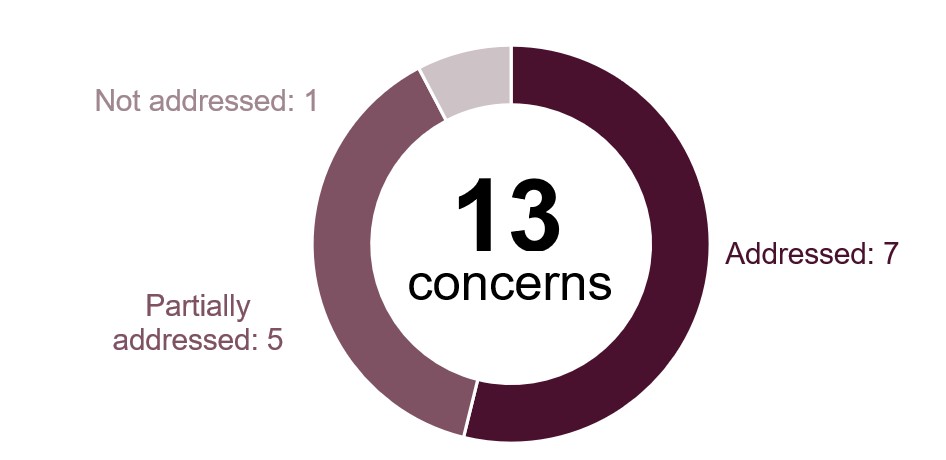
Leaders valued the importance of independent inspections and had taken our previous concerns very seriously, while also adopting best practice from other prisons. They had achieved or partially achieved 11 out of 13 concerns made in 2022. The self-assessment report showed a good understanding of the strengths and areas for improvement but did not include specific measures of success, despite good data analysis within many functions.
Section 2: Safety (Back to top)
Prisoners, particularly the most vulnerable, are held safely.
Early days in custody
Expected outcomes: Prisoners transferring to and from the prison are safe and treated decently. On arrival prisoners are safe and treated with respect. Risks are identified and addressed at reception. Prisoners are supported on their first night. Induction is comprehensive.
Many prisoners waited hours for an escort vehicle to transport them from police or court custody to the prison. They often arrived just as reception staff were ending their shift leading to a rush to get everything done. Leaders also faced the daily logistical challenge of transporting newly sentenced prisoners in a prison van from the category B to the category C site to make room for new arrivals.
Reception staff were relaxed and the environment had improved since our last inspection. However, we were not confident that all new prisoners received a private, formal safety interview with an officer to explore vulnerabilities thoroughly.
Cells on the first night centre were clean and well equipped but new arrivals were often locked up with no time to settle in, meet staff or seek help. In our survey, far fewer men than in similar prisons said they were offered a shower, a free phone call or a chance to meet a peer worker before being locked up for their first night.
Prisoners charged with sexual offences often remained on the first night centre for several weeks with a very limited regime because the wings reserved for this population were full. This also prevented some other new arrivals from being located on the first night centre.
Promoting positive behaviour
Expected outcomes: Prisoners live in a safe, well ordered and motivational environment where their positive behaviour is promoted and rewarded. Unacceptable conduct is dealt with in an objective, fair, proportionate and consistent manner.
Encouraging positive behaviour
| HMIP prisoner survey | Yes | Compared with similar prisons |
| Do you feel unsafe now? | 25% | No difference |
The proportion of men saying they felt unsafe at the time of the inspection was similar to other prisons and our previous inspection. However, the rate of violence between prisoners had reduced by 13% since 2022 and there had been a 31% reduction in assaults on staff.
Leaders had a clear understanding of the causes of violence and challenge, support and intervention plan (CSIP, see Glossary) procedures were managed effectively with reasonably good quality reviews of individual plans. However, prisoners and staff were not always aware of the targets.
Leaders had improved the identification of and support for prisoners isolating in cells for their own safety. They had also introduced a dedicated landing on one of the house units to help reduce violence by removing repeat perpetrators from the main population. However, there was not yet sufficient therapeutic support on the unit to help men change the underlying causes of their poor behaviour. Good joint working between safety teams, psychology and neurodiversity services supported men located on other wings to change their behaviour.
Prisoners on some units, such as K and M, had incentives to behave well, including better living conditions, but those on F and G units felt they had little to motivate good behaviour including a lack of purposeful activity. It was encouraging to see use of drug rehabilitation awards at adjudication hearings, but there was no opportunity for prisoners to be given unpaid work as their punishment.
In 2025, over 200 of the most serious breaches of prison rules, such as assaults and drug possession, had been referred to the police for prosecution. However, hardly any prisoners had been charged and more than 100 referrals awaited a decision.
Use of force
Although the rate of use of force had increased over the last year, it was lower than at similar prisons. Oversight was reasonably good and leaders took robust action where concerns had been identified. Data were analysed well and leaders were taking useful steps to improve their understanding of disparities in outcomes. Almost all incidents were captured on body-worn video cameras and most of the recordings included the lead-up to the incident.
Force was used appropriately and proportionately in most of the incidents we reviewed, and data supplied by prison leaders showed that 70% did not result in a full restraint. The use of PAVA (see Glossary) was not excessive and there had been three incidents in the last year. Batons had been drawn twice but not used and unfurnished cells had not been occupied since 2023. However, the quality of paperwork completed after each use of force was not always good enough.
Segregation
Staff showed genuine care for men with very complex personal needs and interactions were positive and respectful. However, the physical condition of the unit was worn and shabby, showers were poorly ventilated and exercise yards remained bleak. Cells were clean and prisoners had access to all necessary basic items.
Although the regime remained limited, exercise periods had been increased to one hour, in‑cell education workbooks were available, and prisoners were offered yoga or meditation sessions which we rarely see.
Reintegration planning was effective, including a detailed care plan for any prisoner held for more than 72 hours. Governance of the unit remained sound with regular quality assurance of records.
Security
Expected outcomes: Security and good order are maintained through an attention to physical and procedural matters, including effective security intelligence and positive staff-prisoner relationships. Prisoners are safe from exposure to substance misuse and effective drug supply reduction measures are in place.
| HMIP prisoner survey | Yes | Compared with the last inspection |
| In this prison, is it easy/very easy to get illicit drugs? | 43% | Higher |
| Data provided by the prison | |
| Positive random drug test rate (MDT) in the 12 months before the inspection | 24% |
Far more men said it was easy to get hold of drugs compared to our last inspection (27%). There were significant weaknesses in physical security, including poor CCTV, and no enhanced gate security on the category C site which left the prison open to the supply of illicit items.
Since the last inspection, a full-time drug strategy manager had been appointed who was developing the recovery element of the strategy. Productive joint work was in place to reduce demand and restrict supply, although this had yet to lead to improved outcomes.
The introduction of the incentivised substance-free living (ISFL) unit offered some prisoners an opportunity to stay drug-free, but this was only available to men from F and G wings and psychosocial support on the unit remained limited.
Wider security issues included recent ROTL (see Glossary) failures from the open unit. While these were still under investigation, leaders had taken immediate steps to address the weaknesses.
Safeguarding
Expected outcomes: The prison provides a safe environment which reduces the risk of self-harm and suicide. Prisoners at risk of self-harm or suicide are identified and given appropriate care and support. All vulnerable adults are identified, protected from harm and neglect and receive effective care and support.
Suicide and self-harm prevention
| Data provided by the prison | |
| Rate of recorded self-harm incidents per 1,000 prisoners from January to December 2025 | 656 |
The rate of recorded self-harm incidents had reduced from 1,152 per 1,000 prisoners in 2024 and was now in line with the average for men’s reception prisons. Few incidents were serious.
The Prisons and Probation Ombudsman (PPO) had classified two deaths as self-inflicted since our last inspection and leaders had addressed both PPO recommendations.
The team responding to men in crisis had been expanded and included three dedicated case coordinators who oversaw all ACCT (assessment, care in custody and teamwork case management of prisoners at risk of suicide and self-harm) case reviews. Leaders also highlighted the correlation between the introduction of the violence reduction landing and the reduction in self-harm incidents (see Encouraging positive behaviour).
However, some prisoners subject to ACCT support did not feel well cared for. Therapeutic support delivered in the day care centre had been limited due to staff shortages (see Mental health), including the removal of services like art therapy and music classes. There were too few interventions to support those at risk of self-harm which was reflected in a lack of specific actions in ACCT care plans.
Boredom was evident and too many men were not engaged in purposeful activity. Even those working on wings were often underoccupied (see Education, skills and work activities).
It was unusual that leaders did not allow face-to-face contact with Listeners at night (prisoners trained by the Samaritans to provide emotional support to fellow prisoners). Although men had in-cell phones, an incorrect Samaritans telephone number had been advertised and the number of calls in January 2026 had dipped by about 90%.
We were confident that the prison switchboard would pick up incoming calls about an immediate danger to life. However, when we left a message over the weekend on the safer custody telephone line for families to report welfare concerns, it was not responded to immediately.
Protection of adults at risk
Leaders had good links with the local safeguarding adults board and there were firm plans to train key workers (see Glossary) to identify the most vulnerable prisoners.
Section 3: Respect (Back to top)
Prisoners are treated with respect for their human dignity.
Staff/prisoner relationships
Expected outcomes: Prisoners are treated with respect by staff throughout their time in custody and are encouraged to take responsibility for their own actions and decisions.
| HMIP prisoner survey | Yes | Compared with similar prisons |
| Do most staff here treat you with respect? | 71% | No difference |
| Are there any staff here you could turn to if you had a problem? | 67% | No difference |
| Do you have a named officer (key worker)? | 72% | Higher |
Staff-prisoner relationships were positive. Many staff lived locally and some had worked at the prison for a long time, so they knew a lot of the prisoners very well and were able to maintain a good rapport with them. However, many failed to provide adequate supervision of men while on the house units.
The delivery of key work was better than we often see in reception prisons. Sessions took place regularly and records reflected meaningful interactions. However, there was no continuity and prisoners typically met a different officer at each session.
The use of peer workers was not well developed. For example, there were no trained buddies to support those with social care needs and there were no health champions.
Daily life
Expected outcomes: Prisoners live in a clean and decent environment and are aware of the rules and routines of the prison. They are provided with essential basic services, are consulted regularly and can apply for additional services and assistance. The complaints and redress processes are efficient and fair.
Living conditions
More than a third of prisoners lived in overcrowded conditions, with two men sharing a cell designed for one person. These cells were often cramped and lacked privacy.
Outdoor areas were generally clean, and it was good to see a local prison that did not have a widespread vermin problem. However, prisoners were more negative than at similar prisons about the cleanliness of some of the communal areas, and we found some that had not been cleaned thoroughly.
Cells were reasonably well equipped, although many were worn and shabby with damaged flooring. F and G wings were particularly dilapidated. In contrast, the M wing ‘pod’ accommodation provided a much better standard with in‑cell showers and toilets.
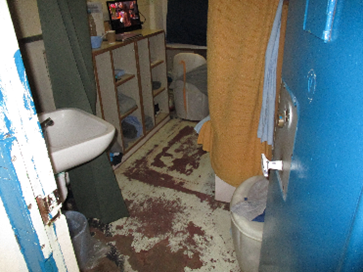
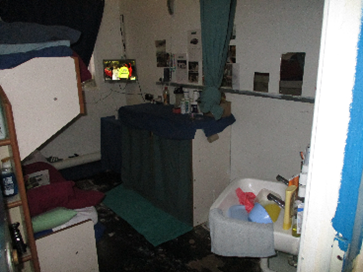
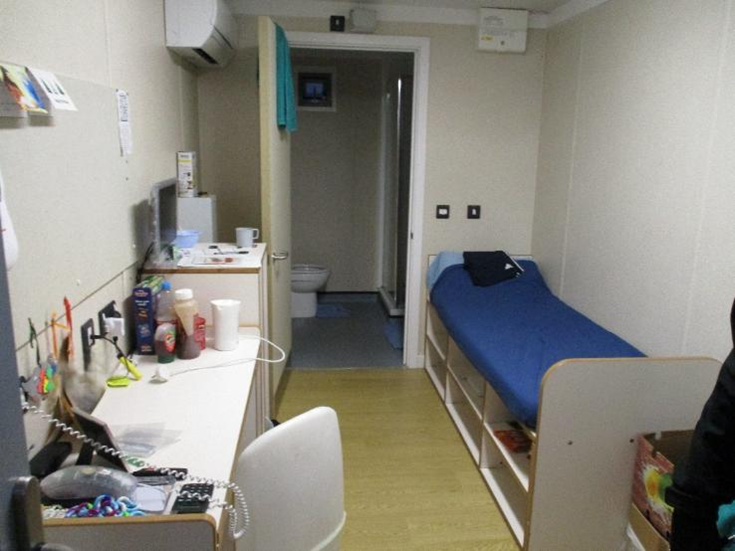
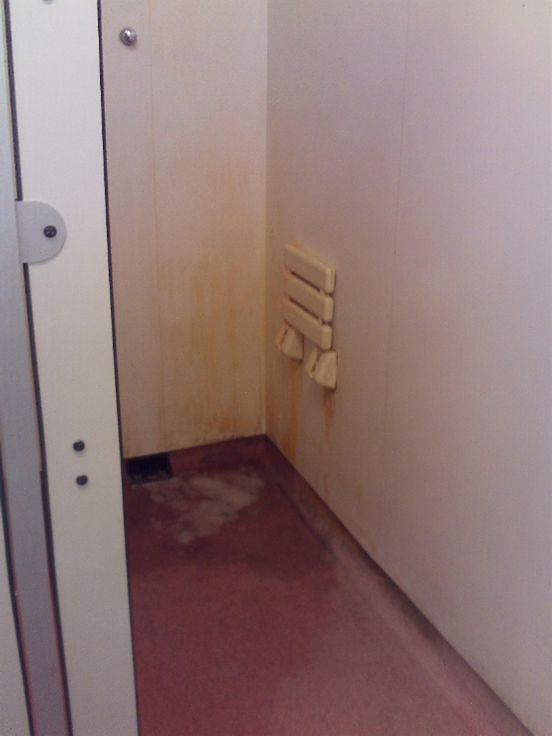
Conditions on the category D house were shabby but functional, although prisoners reported continuing issues with the showers not working. In the main prison, many showers were poorly ventilated with drainage issues that left stagnant water and caused damp. Prisoners reported frequent problems with the lack of heating and hot water.
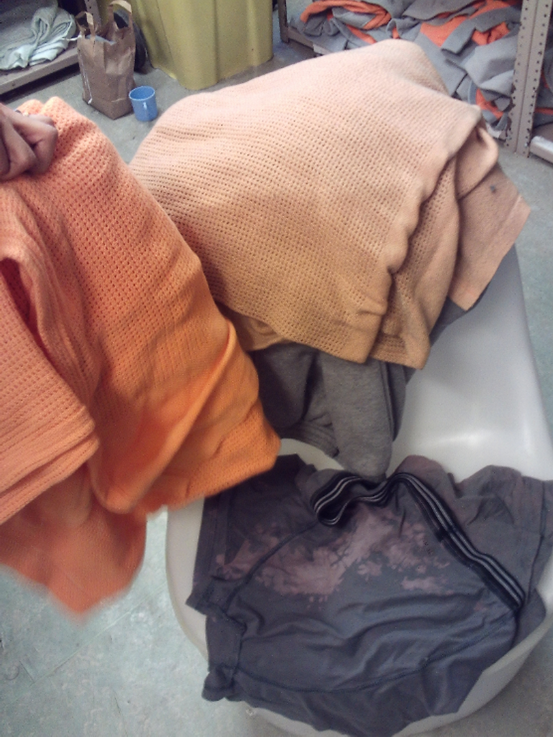
In our survey, 49% of prisoners said they had access to clean bedding every week compared to 61% in similar prisons. Several of the domestic laundry machines were not working and prison-issued kit was laundered at other prisons and frequently returned in poor condition.
| HMIP prisoner survey | Yes | Compared with similar prisons |
| Is your cell call bell normally answered within five minutes? | 16% | Lower |
There was no electronic system to monitor the timeliness of responses to cell call bells. Leaders completed manual checks but had not yet addressed delayed responses.
Residential services
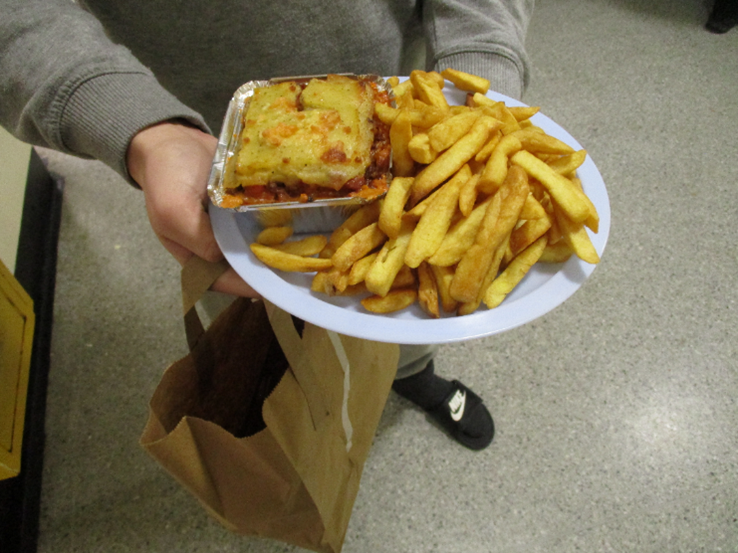
In our survey, only 24% of prisoners said they got enough to eat compared with 37% at our last inspection. Opportunities for self-catering were limited, with only some areas such as the enhanced landing, ISFL and the open unit benefiting from cooking equipment.
Prisoner consultation, applications and redress
The prison had no wing-based or in-cell technology to help prisoners resolve day-to-day queries. This also hindered leaders’ ability to consult or share information.
Consultation forums were taking place on residential units, but these mainly focused on resolving day-to-day wing issues and rarely offered prisoners the opportunity to raise wider concerns with senior leaders.
The paper-based applications system was not effective, and prisoners were frustrated at the time it took to receive answers to their requests. Leaders had created a courier role for transporting paperwork to and from the house units and a digital applications pilot scheme on some wings showed early promise in speeding up responses.
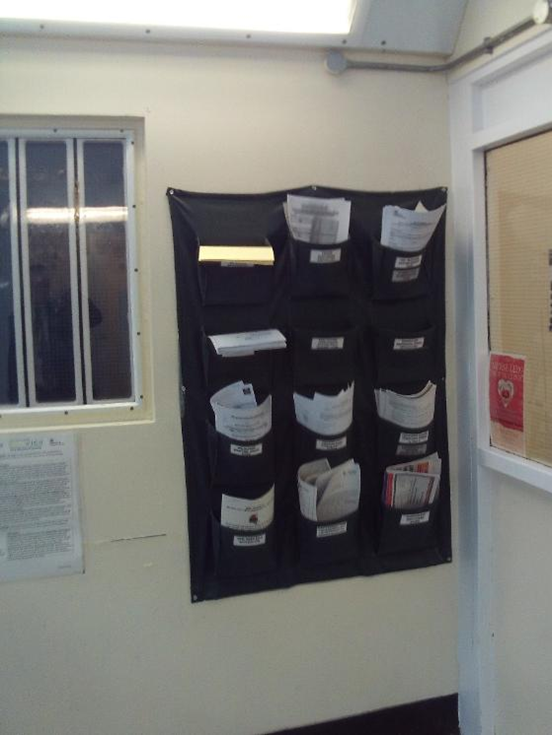
The number of complaints had reduced following a review of the process. Responses we checked were courteous and prompt, but they did not always fully resolve the issues raised.
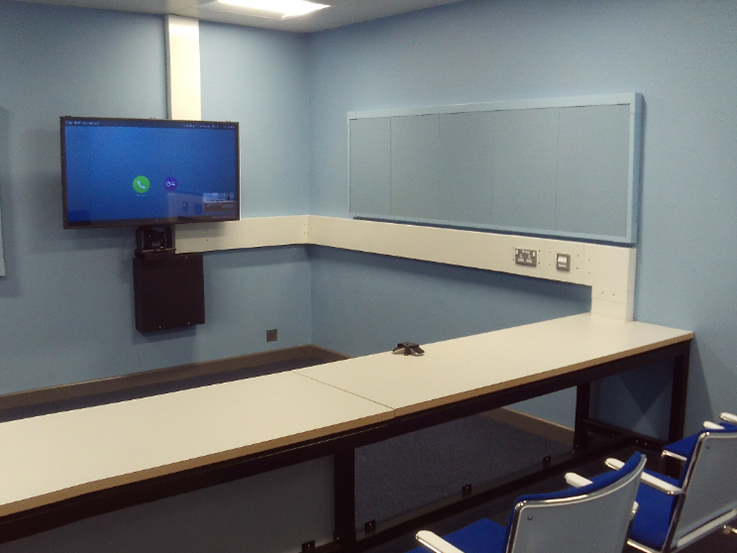
Prisoners had good access to their solicitors through visits or video-link. A bail information officer had recently been appointed, which was positive (see Children and families and contact with the outside world).
Fair treatment and inclusion
Expected outcomes: There is a clear approach to promoting equality of opportunity, eliminating unlawful discrimination and fostering good relationships. The distinct needs of prisoners with particular protected characteristics (see Glossary) or those who may be at risk of discrimination or unequal treatment, are recognised and addressed. Prisoners are able to practise their religion. The chaplaincy plays a full part in prison life and contributes to prisoners’ overall care, support and rehabilitation.
Leaders made sure that the promotion of fair treatment was prioritised, and we saw examples of good interdepartmental working. Forums for prisoners with protected characteristics (see Glossary) ran regularly, but these were often poorly attended and issues raised were not always explored fully or addressed.
There were persistent disparities in the rate of use of force on young adults, those from ethnic minority backgrounds and those on the lowest level of the incentives scheme. Leaders had prioritised work to understand and address these disparities.
The prison had good links with the local authority and a dedicated prison offender manager (POM) helped care leavers to access support from their personal advisers. The neurodiversity support manager was doing positive work, including the delivery of staff training and working with prisoners who had been involved in violence. A learning difficulty and disabilities ‘passport’ had been developed by the neurodiversity manager, health care staff and the RECONNECT care after custody service and they met regularly to identify prisoners who would benefit from one. These were taken with prisoners to court and provided helpful information on their needs and sources of support if they were released.
Support for foreign nationals was good. Professional telephone interpreting services were used regularly to support those who did not speak English well, and English for speakers of other languages (ESOL) courses were available. A foreign national specialist met these prisoners on arrival, and a good range of translated materials included menus and forms for complaints and applications.
L wing and the health care unit were supportive environments for prisoners with disabilities or social care needs (see Social care). Staff on the main units were knowledgeable about prisoners with disabilities, although their day-to-day support was limited and there were no peer workers.
There had been 106 complaints about discrimination in the previous year, which was higher than at our last inspection. Investigations were generally more thorough than we usually see, and strong quality assurance was identifying shortcomings.
Faith and religion
| HMIP prisoner survey | Yes | Compared with our last inspection |
| For those who have a religion, are you able to attend religious services, if you want to? | 78% | Higher |
The chaplaincy played an active role in prison life. A counsellor attended regularly to support prisoners who had experienced bereavement.
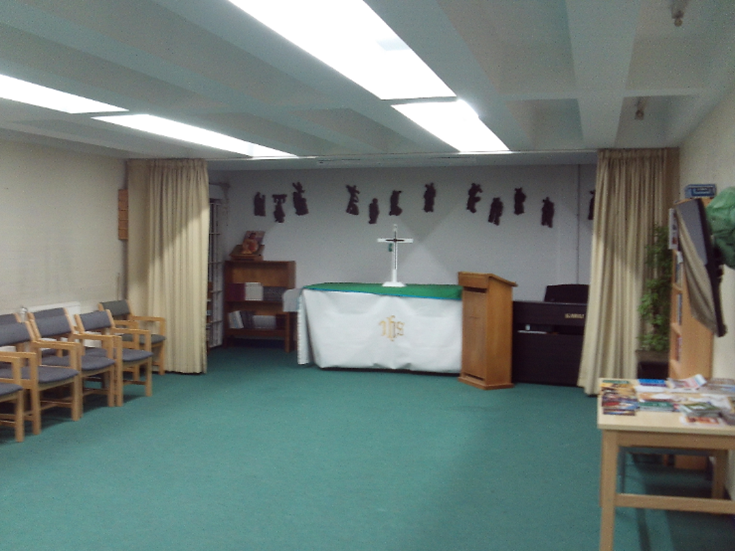
The main chapel remained closed due to construction work and two multi-faith rooms were being used for services. Access had improved since our last inspection, but capacity was limited on the category B side of the prison, and not all faith groups could attend religious services weekly.
Health, well-being and social care
Expected outcomes: Patients are cared for by services that assess and meet their health, social care and substance use needs and promote continuity of care on release. The standard of provision is similar to that which patients could expect to receive elsewhere in the community.
The inspection of health services was jointly undertaken by the Care Quality Commission (CQC) and HM Inspectorate of Prisons under a memorandum of understanding agreement between the agencies. The CQC found there were no breaches of the relevant regulations.
Strategy, clinical governance and partnerships
NHS England (NHSE) commissioned Health Care Resourcing Group (HCRG) for primary care, pharmacy, and clinical substance use services, Norfolk and Suffolk NHS Foundation Trust (NSFT) for mental health provision, Phoenix Futures for psychosocial substance use support, and Community Dental Services CIC for dental care.
While NHSE held quarterly performance meetings, no quality review visits had taken place recently. The move to a single provider contract had been delayed by a year. Although on-site collaboration between the providers and the prison was good, the absence of local delivery or partnership board meetings meant there was no strategic oversight.
Clinical leadership was strong and HCRG was well staffed, but vacancies in the mental health team and Phoenix Futures affected service delivery.
Compliance with mandatory training was reasonable, apart from immediate life support training for a few staff, but sessions had been booked.
Annual appraisals and supervision were well established. Clinical incidents were reported and investigated thoroughly with learning shared and PPO recommendations implemented. Audit findings and patient feedback informed service improvements.
Clinical rooms were generally clean and tidy, though infection control audits had identified some areas of non-compliance. Mitigating action had been taken and the service was awaiting resolution by the prison of some environmental issues.
Health complaints were managed confidentially, with timely and respectful responses which addressed the concerns raised.
Emergency equipment was well positioned, maintained and regularly checked.
Promoting health and well-being
Health care staff attended prison-led well-being days but there was no formal prison-wide approach to promoting health and well-being. Health promotion information was limited on the wings.
Sexual health and blood-borne virus screening, including syphilis testing, had a good uptake. Strong links with the Hepatitis C Trust and the hepatology department at the local hospital enabled patients to start treatment quickly.
Regular diabetes education classes were delivered and the team liaised with external organisations such as the UK Health Security Agency for guidance during communicable disease outbreaks, which had improved staff knowledge.
Preventative screening, including bowel cancer, was available. However, uptake for age-related immunisations was low, and the lack of peer champions limited efforts to promote healthier choices.
Primary care and inpatient services
A registered nurse screened all new arrivals to identify immediate needs and made appropriate referrals to other services. First and secondary health screenings were undertaken within required timescales. Applications for health care appointments were collected each day from the wings and clinically triaged.
Nursing staff provided 24-hour cover and a GP was on site six days a week, including in reception. There was a wide range of nurse-led clinics and good access to allied health professionals. Waiting times were reasonable apart from the podiatrist which was too long at 14 weeks.
Patients’ long-term conditions and complex health needs were managed well and individualised care plans ensured consistent, person-centred care.
There was effective oversight of external hospital appointments, and few were missed through a lack of prison officer escorts.
Pre-release clinics were in place and there was good provision of medicines.
Patients requiring 24-hour nursing cover received a good standard of care on L wing and the health care unit, but therapeutic and enrichment activities were limited.
Clinical screening tools were used effectively for assessing risk of falls, nutritional status and pressure areas. Staff could now easily access these on SystmOne (electronic clinical records), supporting consistent recording and improving oversight of patient risks.
Social care
The prison had well-established links with Norfolk County Council (NCC), although no memorandum of understanding was in place. NCC commissioned HCRG to deliver social care.
Potential social care needs were identified by HCRG or by wing officers, but prisoners could not self-refer, which was an omission.
Assessments were completed promptly and an occupational therapist provided a range of specialist equipment when needed. A social worker from NCC liaised with other local authorities in preparation for release to promote continuity of care.
Prisoners receiving social care resided on L wing or on the inpatient unit which had 24-hour nursing cover. Care plans were comprehensive, personalised and reviewed regularly. Those we spoke to were happy with the care they were receiving.
Mental health
Mental health services were available seven days a week and the multidisciplinary team offered a stepped model of care. However, the service was temporarily reduced through staff shortages, although essential work was prioritised and more staff were expected soon.
A daily duty worker responded promptly to urgent needs, managed new referrals and attended ACCT and segregation reviews. Routine referrals were taking up to 13 days instead of the five-day target.
The team provided self-help, group work and one-to-one interventions for those with low to moderate needs, together with counselling and therapy. Waiting times were mostly reasonable. However, the platinum unit which delivered group therapy for trauma and emotional dysregulation was running at reduced capacity.
Psychiatry waiting times were good, and patients prescribed antipsychotic or mood-stabilising medication received appropriate physical health monitoring. At the time of the inspection, 44 patients with severe and enduring mental illness were supported under the care programme approach (a framework designed to assess and support individuals with a mental illness).
Specialist nurses gave patients with neurodiverse needs good support, working effectively with the prison lead manager. Clinical records showed regular, good quality engagement and individualised care planning.
Ten patients had been transferred to hospital under the Mental Health Act in the past year. Only one transfer had met the 28-day national target, and one case had taken 262 days, which was excessive.
Release planning included liaison with community mental health teams and RECONNECT services for ongoing support.
Support and treatment for prisoners with addictions and those who misuse substances
Access to a flexible range of clinical treatments was delivered by a small, skilled but pressurised HCRG team. Around 60 to 80 patients a month required interventions with specialist support accessible from the first day in custody. Records showed that milestones were met and reviews routinely completed with Phoenix Futures, who delivered psychosocial interventions. Court‑bound prisoners received necessary medications in case they were released from custody.
All prisoners were seen within 24 hours and received harm reduction advice. At the time of the inspection, 159 prisoners were on the psychosocial caseload with priority given to patients requiring clinical treatment or presenting risks such as being found under the influence of illicit drugs. Psychosocial provision was too limited with considerable shortfalls for those needing more routine help. There were significant vacancies, although a new lead had recently been appointed. Patients were involved in treatment decisions, but care plans were not used. Phoenix Futures had strong internal governance but limited involvement in any wider oversight arrangements. Support was mostly work-book based or one to one, with too many brief interventions occurring at cell doors.
There was no Alcoholics Anonymous or Narcotics Anonymous provision, peer support or group work. Release planning support and naloxone provision (to prevent overdose) were accessible, but the incentivised substance-free living unit was not delivering the expected support.
Medicines optimisation and pharmacy services
Efficient pharmacy and medicines management processes ensured that effective treatments were provided. A positive culture in the pharmacy team was nurtured by skilled and visible leadership. Medicines transportation was safe and storage across treatment rooms was well organised and secure.
Robust systems made sure medicines reconciliation and completion of in‑possession risk assessments (IPRAs) took place on arrival. IPRAs were reviewed regularly and cell checks monitored compliance, especially for tradeable medicines. Patients were seen promptly at reception if prescriptions required initiation or rewriting. Remote prescribing was available through an on‑call practitioner, and a well‑stocked, accessible out‑of‑hours store was in operation, but with enhanced controls introduced following a significant incident.
Medicine administration was well managed and afforded patient privacy. However, officers were not consistently present. Adherence and non‑attendance were closely monitored, triggering patient reviews, particularly for critical medicines.
Governance arrangements were sound, with policies tailored to the environment. Audits were completed routinely, with outcomes considered at the regular medicines management meetings. The team undertook frequent comprehensive medication reviews as part of quality assurance arrangements, demonstrating notable positive practice.
Tradeable medicines were actively monitored and a prescribing forum enabled peer review. Risks were escalated to a weekly multiprofessional meeting, reflecting a proactive and collaborative approach to delivering safe care.
Dental services and oral health
There had been no permanently employed dentist since August 2025. Visiting dentists from other sites had continued to cover some sessions, but this had led to lengthy waits with routine appointments at 16 weeks which was too long. However, a new dentist was due to start soon after the inspection.
A nurse provided daily triage and visited wings when required to assess urgent cases. Pain relief and antibiotics were available when needed.
Key areas of safety such as radiography, infection control, decontamination and dental unit waterlines were managed well. Records showed that dental equipment had been maintained and serviced to ensure it was safe for use.
Section 4: Purposeful activity (Back to top)
Prisoners are able and expected to engage in activity that is likely to benefit them.
Time out of cell
Expected outcomes: All prisoners have sufficient time out of cell (see Glossary) and are encouraged to engage in recreational and social activities which support their well-being and promote effective rehabilitation.
| HMIP time out of cell data (at the time of the inspection) | |
| Average proportion of prisoners locked up during the working day | 21% |
| Data provided by the prison | |
| Percentage of prisoners who were active library users at the time of the inspection | 28% |
| Percentage of prisoners who used the gym at the time of the inspection | 20% |
The day-to-day regime was delivered reliably but our checks found too many prisoners locked in their cell during the core working day. The third who had not been allocated to education, training or work only had two to three hours a day unlocked during the week and on Fridays most prisoners had just one to two hours out, which was poor. Many prisoners on F and G wings described being bored and frustrated.
Those attending education, training or work had more time out of cell with between five and nine hours a day during the week. However, full‑time workers on A, B, C and K wings did not receive association or outdoor exercise, and only those on F, G and M wings had time for association in the evening.
There were few social and recreational activities and the use of the gym was unusually low. Timetable clashes meant that prisoners often had to choose between undertaking domestic tasks or attending activities such as the library or the gym. Only 46% of prisoners had completed their gym induction and access was hindered by ongoing staff shortages.
The design of the new sports hall on the category B site limited the activities offered; for example, it was not large enough for five-a-side football. The fitness suite on the category B site had reopened after a long closure. The category C gym had a better range of facilities, including an outdoor astroturf pitch and evening sessions for some of the full‑time workers, which was positive.
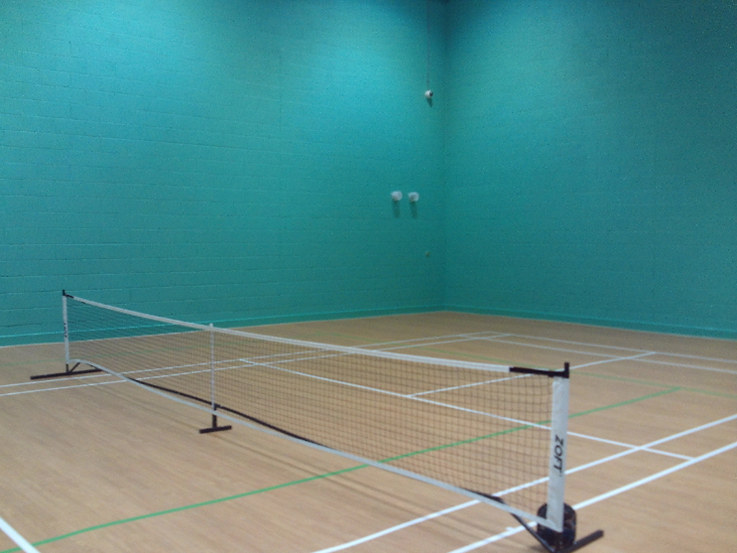
Both sites had their own library, but those on the category B site only had very brief visits, while prisoners on F and G wings could only attend on a Saturday, which made little sense.
Education, skills and work activities

Ofsted inspects the provision of education, skills and work in custodial establishments in England. The following summary has been provided by Ofsted inspectors who attended this inspection. Their full report is published under ‘Further resources’.
Ofsted made the following assessments about the education, skills and work provision:
- Overall effectiveness: requires improvement
- Quality of education: requires improvement
- Behaviour and attitudes: requires improvement
- Personal development: requires improvement
- Leadership and management: requires improvement
Although leaders had a clear vision for the future curriculum, much of the current education, skills and work (ESW) curriculum was not sufficiently ambitious or broad. Prisoners had fewer course choices than they did six months ago. Most skills-based training courses and workshops had closed, leaving prisoners with limited options that did not align well enough with their career aspirations or interests. Leaders had made sustained progress to rectify the weaknesses identified at the previous inspection such as improving the quality of careers advice and guidance for prisoners. Leaders continued to explore employer-led strategies to mitigate the ongoing challenge of replacing closed education and workshop provision.
Despite there being sufficient places for ESW activities, many prisoners were unemployed. Allocations were generally well managed and there were relatively few prisoners waiting to start courses. Most of the remaining prisoners who were not allocated to ESW were either new to prison or there were valid reasons for non-participation.
Leaders had implemented a prison-wide reading strategy, which included new reading areas, trained mentors and well-stocked library facilities. Those prisoners who participated in reading activities, such as Storybook Dads (see Children and families and contact with the outside world), developed greater fluency because their learning had a clear purpose. However, the promotion and support for prisoners’ reading skills were inconsistent, particularly for those employed on the wings. Leaders took the decision to teach prison-related, non-accredited training to help the very few prisoners with English as an additional language adapt better to life in prison. Too many prisoners were employed as wing workers with too little work to keep them fully occupied. Prisoners viewed the work as an opportunity for time out of cell, to interact with their peers and socialise. They did not develop the workplace behaviours that would prepare them better for employment on release from prison. Prisoners working in the kitchens or serveries were deployed appropriately.
Staff mostly identified prisoners’ special educational and support needs accurately. Prisoners learned helpful strategies to manage their behaviour and emotions, helping them to avoid negative consequences. However, in work activities, staff did not consistently use the information they had available to support prisoners well enough.
Prisoners eligible for release on temporary licence (ROTL) benefited from relevant work placements. While on placement, many accessed valuable additional training, including qualifications such as digger licences that are sought after by employers. A high proportion progressed into sustained employment on release.
The education provider, PeoplePlus, offered education courses that were structured logically and planned well by qualified teachers with appropriate subject expertise. Instructors in industries were mostly well qualified or receiving relevant training. There was a slight difference in prisoner achievement between categories B and C which generally related to withdrawals following early release, transfer or removal from courses.
Leaders had focused on improving attendance to education classes. However, it was still not good enough in subjects such as mathematics and English. In addition, too many prisoners were delayed getting to lessons due to the conflicting arrangements in the core regime. For example, prisoners who required treatment for health and/or substance misuse issues often arrived up to an hour late to sessions which interrupted or delayed their learning.
Leaders had started to enhance the range of enrichment activities to support prisoners’ personal development beyond the academic curriculum. However, at the time of the visit, there were still too few. activities for prisoners.
Section 5: Preparation for release (Back to top)
Preparation for release is understood as a core function of the prison. Prisoners are supported to maintain and develop relationships with their family and friends. Prisoners are helped to reduce their likelihood of reoffending and their risk of harm is managed effectively. Prisoners are prepared for their release back into the community.
Children and families and contact with the outside world
Expected outcomes: The prison understands the importance of family ties to resettlement and reducing the risk of reoffending. The prison promotes and supports prisoners’ contact with their families and friends. Programmes aimed at developing parenting and relationship skills are facilitated by the prison. Prisoners not receiving visits are supported in other ways to establish or maintain family support.
| HMIP prisoner survey | Yes | Compared with similar prisons |
| Are your visitors usually treated respectfully by staff all/most of the time? | 79% | Higher |
Support given to prisoners to build and maintain family ties was reasonable. Ormiston Families, the family services provider, gave valuable support and operated a pleasant visitors’ centre outside the prison.
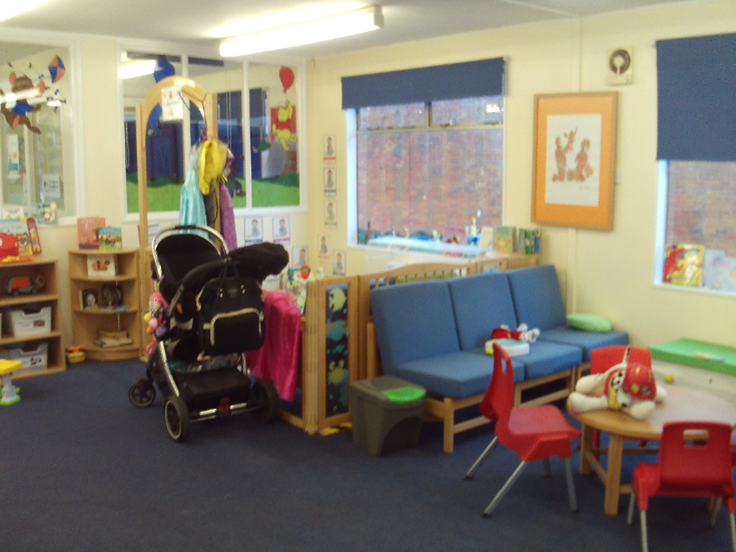
A well-used Storybook Dads service allowed fathers to record books to send to their children, and men appreciated the regular children’s visits and family days.
Some parenting and relationship courses were available, but there was limited support or advice for men to navigate legal proceedings such as gaining child contact rights.
Secure video calls (see Glossary) were used well but there was a two-to-three week wait for slots at the time of the inspection. There was not enough capacity for in-person visits, particularly on the category C site, and remanded men were not provided with their full entitlement of visits.
There were two visits halls, one on each site. Both were shabby and dirty and the category B hall was austere. Despite this, prisoners were more positive than at similar prisons in our survey about the treatment their visitors received from staff.

Prisoners who did not receive visits could see an official prison visitor, who was able to visit them on their wings or in the workplaces rather than just in the visits hall. This was a positive approach.
Prisoners in the open unit were able to use release on temporary license to maintain family ties and had their own children’s visit sessions (see Opportunities for prisoners to progress).
Reducing reoffending
Expected outcomes: Prisoners are helped to change behaviours that contribute to offending. Staff help prisoners to demonstrate their progress.
| Data provided by the prison | |
| Proportion of prisoners who were remanded or yet to be sentenced at the time of the inspection | 46% |
| Proportion of prisoners serving a sentence at the time of the inspection Proportion of those who had been recalled to prison | 56% 21% |
Norwich, as a reception and resettlement prison, held a wide range of prisoners with a high turnover of arrivals, transfers and releases. Leaders were aware of the different needs of prisoners and work to reduce reoffending was well organised and collaborative.
Given the turnover of prisoners, the delivery of rehabilitative work was challenging. It was made more difficult by the recent reduction in vocational training opportunities on the category C site and a lack of brief interventions to help men begin to address their offending behaviour.
How staff were supporting prisoners and managing risk
Remanded men were supported reasonably well with regular key work sessions, help with sustaining benefits and access to bail information and advice. However, not all the prisoners we spoke to were aware of this.
The needs of the increasing recall population had been considered and leadership oversight had been strengthened, including a weekly meeting to explore the support needed and better collaboration with community agencies. However, the offender management unit (OMU) experienced delays in receiving paperwork, resulting in some prisoners leaving the prison before the decision to recall could be explained to them.
The OMU was well led and almost up to full staffing capacity. The team worked hard to keep on top of the demanding pace of work.
Most eligible prisoners had an initial OASys (offender assessment system) and we saw examples of meaningful one-to one work to motivate men. However, contact by POMs with sentenced prisoners was mostly task driven and did not promote progression well enough.
There was good oversight and multiagency support for the small group of prisoners (14 at the time of the inspection) who were sentenced to imprisonment for public protection (IPP). Progression panels and psychology-led clinics were held frequently to assess individual needs, share expertise and explore ways of managing more complex issues.
A team of case administrators screened new arrivals promptly for public protection concerns, and identified risks were usually managed appropriately. The delivery of mail and telephone monitoring had improved but we were not confident that all prisoners needing offence-related monitoring were identified.
Opportunities for prisoners to progress
In keeping with its function as a reception and resettlement prison, there were no accredited offending behaviour programmes at Norwich and those needing one were transferred to another establishment. While transfers were usually prompt, there were delays in securing a move for some prisoners convicted of sexual offences.
For prisoners who stayed at Norwich for the duration of their sentence, there were too few structured interventions or programmes to help them begin to address their attitudes, thinking and behaviour.
Home detention curfew processes were strong, but too many prisoners were released after their eligibility date, mainly for reasons beyond the prison’s control, such as the lack of a suitable address.
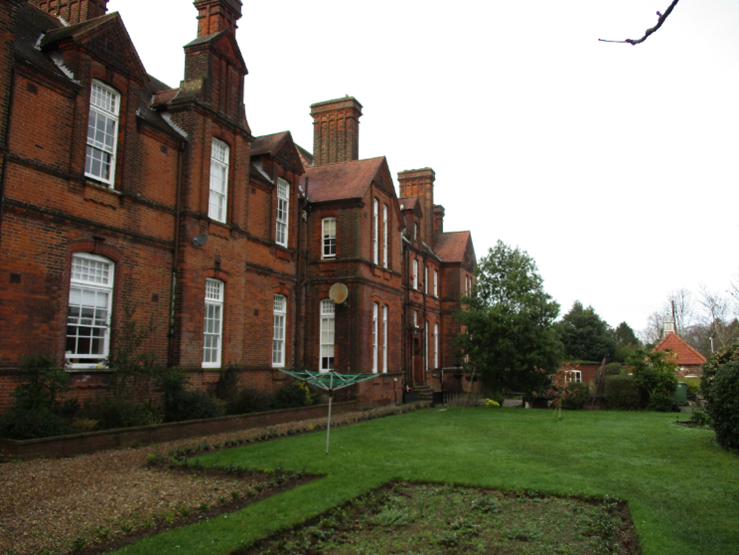
Britannia House (category D prisoners in open conditions) benefited those preparing for independent living and release. There were good opportunities to use ROTL for work and training, maintaining family ties and attending appointments. At the time of inspection, 39 prisoners were routinely engaged in some form of employment and those we spoke to talked positively about their work experience.
Returning to the community
Expected outcomes: Prisoners’ specific reintegration needs are met through good multi-agency working to maximise the likelihood of successful resettlement on release.
| Data provided by the prison | |
| Average number of releases each month (January to December 2025 | 139 |
| Proportion of the population who were assessed as posing a high/very high risk of serious harm to others at the time of the inspection | 30% |
Oversight of prisoners presenting a high risk of serious harm to others who were nearing release was effective, supported by good joint working between the prison and community probation and improvements to the interdepartmental risk management meeting. POMs provided reasonably good quality written contributions to MAPPA meetings (see Glossary) and risk management plans were of a decent standard. The decision to grant prisoners ROTL was not always informed by an agreed MAPPA management level which presented a risk as men were spending time in the community, including overnight stays.
The pre-release team worked hard but were often short of probation staff. They had to prioritise whom they could support and not all men due for release received their help.
Prisoners’ practical resettlement needs were not always reliably identified, but several steps had been taken to improve outcomes. These included a monthly board where prisoners nearing release could meet resettlement staff to address their needs, and weekly multi‑agency reviews for all fixed-term recalls serving 14 or 28 days.
Work to engage employers and prepare prisoners for employment on release was good. This included help to develop CVs, write disclosure letters and prepare for interviews. There were regular employment events for prisoners on F and G wings and Britannia House to meet employers and learn about the opportunities available to them.
Sentenced prisoners could receive help to open a bank account and obtain ID, but this was not available to those on remand. Eligible prisoners were helped to make benefit claims, and these were now being activated on the day of release, so that men received funds immediately.
Finding housing for prisoners on release was challenging. Despite the efforts made, outcomes were poor. In the last 12 months, 22% had been released homeless and 45% had gone to accommodation that was deemed not sustainable. However, information was not available on all cases, so these figures were not reliable.
Practical support on the day of release had deteriorated since our last inspection. A member of the health care team saw all those being released but on the category C unit they did so in the main waiting area which lacked privacy. There was a supply of holdalls for prisoners to carry their possessions, but little other support such as donated clothing or toiletries. Unlike many prisons, leaders had not established a support centre in the prison grounds where released men could seek further advice and help.
Section 6: About HMP & YOI Norwich (Back to top)
Category of the prison
Reception
Brief history
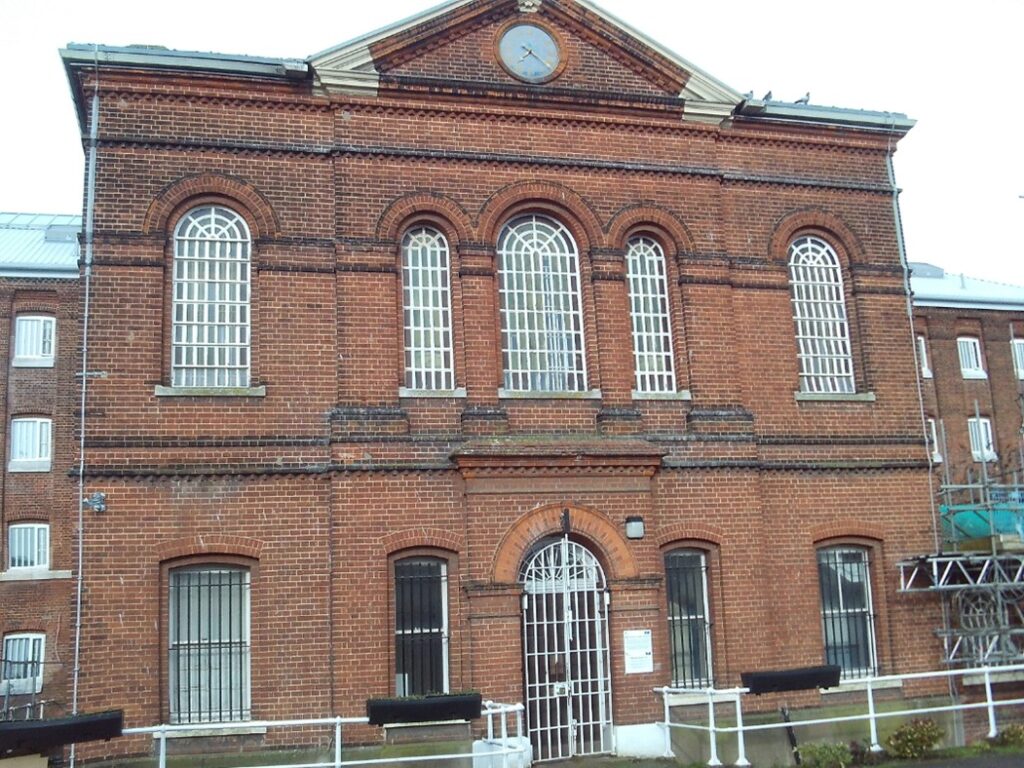
HMP & YOI Norwich is a reception and resettlement prison with an open unit just outside the prison grounds. The prison has occupied its site overlooking the city of Norwich since 1887.
Population
- 746 prisoners were held at the time of the inspection.
- 46% of prisoners were unsentenced and 54% were sentenced.
- An average of 230 prisoners were admitted and 139 released each month.
- 18% were foreign national prisoners.
- 13% of prisoners from black and minority ethnic backgrounds.
- 159 prisoners were receiving support for substance misuse.
- 99 prisoners were referred for a mental health assessment each month.
Short description of residential units
Category B (reception) site:
- A wing: induction unit and a mixture of landings for main population and vulnerable prisoners
- B&C wings: main population unit housing remanded prisoners
- K wing: older prisoners’ unit
- M wing: modular ‘pod’ accommodation for prisoners convicted of sexual offences
- Ketts: special care & segregation unit
Category C site:
- F&G wings: main population wings
- H wing: health care unit (also serving other regional prisons)
- L wing: adult social care and palliative care unit
D wing:
- Category D prisoners in open conditions (known as Britannia House)
Prison status (public/private)
Public
Key providers
Physical health provider: Health Care Resourcing Group
Mental health provider: Norfolk and Suffolk NHS Foundation Trust
Substance misuse treatment provider: Phoenix Futures
Dental health provider: Community Dental Services
Prison education framework provider: PeoplePlus
Escort contractor: Serco
Prison group director
Gary Monaghan
Name of governor/director and date in post
Declan Moore, September 2018
Date of last inspection
September 2022
Progress on concerns from the last inspection (Back to top)
At our last inspection in 2022 we raised 13 concerns, of which six were about areas of priority concern.
At this inspection we found the following progress:
The following is a list of all the concerns raised, organised under the four tests of a healthy prison.
Safety
Priority concerns
Levels of violence were very high and were increasing. Leaders had no overarching strategy or plan to reduce this.
Addressed
The number of self-harm incidents was high and was increasing. Too little was being done to address and understand the causes of self-harm.
Addressed
Key concern
Newly arrived prisoners did not have decent conditions and spent too long locked in their cells. There was also little structured support from prisoner mentors.
Partially addressed
Respect
Key concern
Access to health care appointments was limited by regime restrictions and a shortage of officers to escort patients.
Addressed
Purposeful activity
Priority concerns
A severe shortage of officers limited time unlocked for prisoners and the care they received.
Partially addressed
Time unlocked was poor for most prisoners. Access to the open air was also insufficient.
Partially addressed
Prisoners had very limited access to work or study. There was insufficient work or education provision to support the population in any meaningful way. Most spent a maximum of seven or eight hours per week at their activities. As a result, it took most prisoners too long to complete their courses.
Not addressed
Key concerns
The library facilities were poor and had insufficient materials or activity to promote literacy and encourage reading.
Addressed
Prisoners received poor-quality careers information, advice and guidance.
Addressed
Too few prisoners attended their education courses and they often arrived late to their learning and work sessions. In a large number of cases, prisoners missed learning because they attended health care appointments that had been booked at the same time as their lessons. Teachers and trainers did not encourage those prisoners who arrived on time to their activities to start working immediately.
Partially addressed
Approximately one-third of prisoners within the category B part of the prison had not completed an induction and assessment for learning and work, which delayed their allocation to activities.
Addressed
Preparation for release
Priority concern
Monitoring arrangements for those with public protection concerns were not effective. Prisoners’ telephone calls were not being listened to when they should have been, posing a potential risk to the public.
Partially addressed
Key concern
Visits were too short and were not allocated equitably. Visit slots were only for an hour. Unlike for others, visitors to vulnerable prisoners had only one weekday slot and no option to visit at weekends.
Addressed
More about this report (Back to top)
This report outlines the priority and key concerns from the inspection and our judgements against the four healthy prison tests. Each of the following four sections contains a detailed account of our findings against our Expectations for men’s prisons.
Find out more about our Expectations and how we inspect
Find out more about priority and key concerns
Find out about notable positive practice
Findings from the survey of prisoners and a detailed description of the survey methodology are published alongside this report. Please note that we only refer to comparisons with other comparable establishments or previous inspections when these are statistically significant. The significance level is set at 0.01, which means that there is only a 1% chance that the difference in results is due to chance.
The tables in this report which provide data from HMI Prisons prisoner surveys also include comparisons with similar prisons.
| Description | What it means |
| Lower | the prison’s percentage is statistically significantly lower than the comparator: prisons with the same function type, or at the last inspection |
| Higher | the prison’s percentage is statistically significantly higher than the comparator: prisons with the same function type, or at the last inspection |
| No difference | the prison’s percentage is not statistically significantly different to the comparator: prisons with the same function type, or at the last inspection |
Inspection team
This inspection was carried out by:
Charlie Taylor, Chief inspector
Sandra Fieldhouse, Team leader
Sumayyah Hassam, Inspector
Harriet Leaver, Inspector
Jade Richards, Inspector
Jonathan Tickner, Inspector
Rick Wright, Inspector
Martyn Griffiths, Inspector
Tareek Deacon, Researcher
Phoebe Dobson, Researcher
Helen Ranns, Researcher
Joe Simmonds, Researcher
Sana Zahid, Researcher
Maureen Jamieson, Lead health and social care inspector
Steve Eley, Health and social care inspector
Janie Buchanan, Care Quality Commission
Ian Frear, Ofsted inspector
Carolyn Brownsea, Ofsted inspector
Mark Care, Ofsted inspector
Diane Koppit, Ofsted inspector
Further resources (Back to top)
These files may not be suitable for users of assistive technology.
Request an accessible format
If you use assistive technology (such as a screen reader) and need a version of any of these documents in a more accessible format, please email media@hmiprisons.gov.uk. Please tell us what format you need. It will help us if you say what assistive technology you use.
Find out more about the terms and abbreviations used in this report in our glossary.